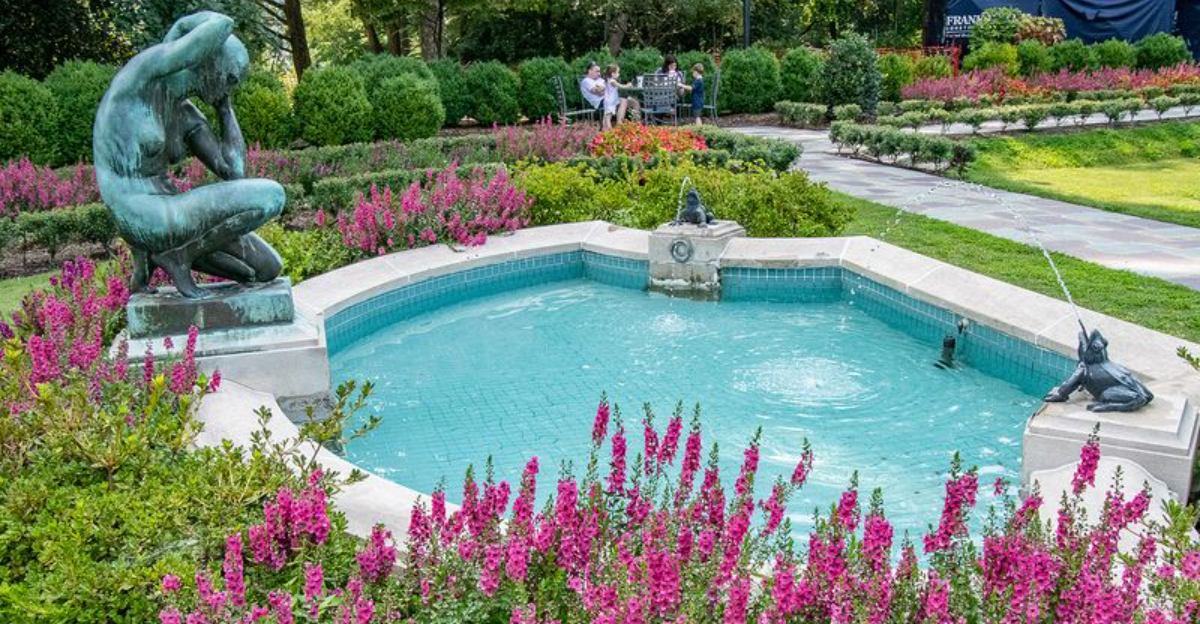
Spring in North Carolina does not have to mean battling traffic for a sliver of sand and a windy beach towel.
Across the state, public gardens burst into color with cherry blossoms, azaleas, native wildflowers, and elegant formal plantings that feel far more restorative than a crowded shoreline.
If you are craving beauty, fresh air, and a slower kind of adventure, these gardens make a very convincing alternative.
Here are 13 spots that might completely change your spring travel plans.
Sarah P. Duke Gardens (Durham)
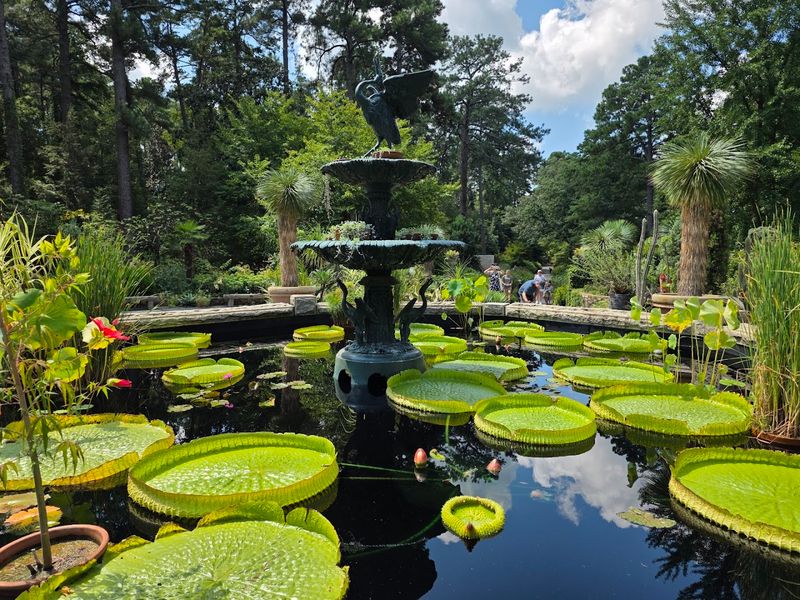
If you want a spring garden that feels instantly grand, Sarah P. Duke Gardens delivers the moment you step onto the paths.
This celebrated 55-acre landscape in Durham blends formal design with immersive natural beauty, so every turn feels planned yet still wonderfully alive. I love how the terraces, lawns, and water features create a sense of occasion without ever feeling stiff or inaccessible.
Spring is when the garden really shows off, especially in the historic terraces and the Asiatic Arboretum. Cherry blossoms soften the scene overhead while tulips and azaleas fill the beds with layers of saturated color that seem to glow in the afternoon light.
You can stroll slowly, take photos, or simply settle onto a bench and let the season happen around you.
What makes this place so easy to recommend is the range of experiences packed into one visit. You can move from manicured displays to quieter wooded sections and never feel rushed or bored.
If you are tempted to skip the coast this spring, this is exactly the kind of destination that makes that decision feel smart, scenic, and deeply satisfying.
North Carolina Botanical Garden (Chapel Hill)
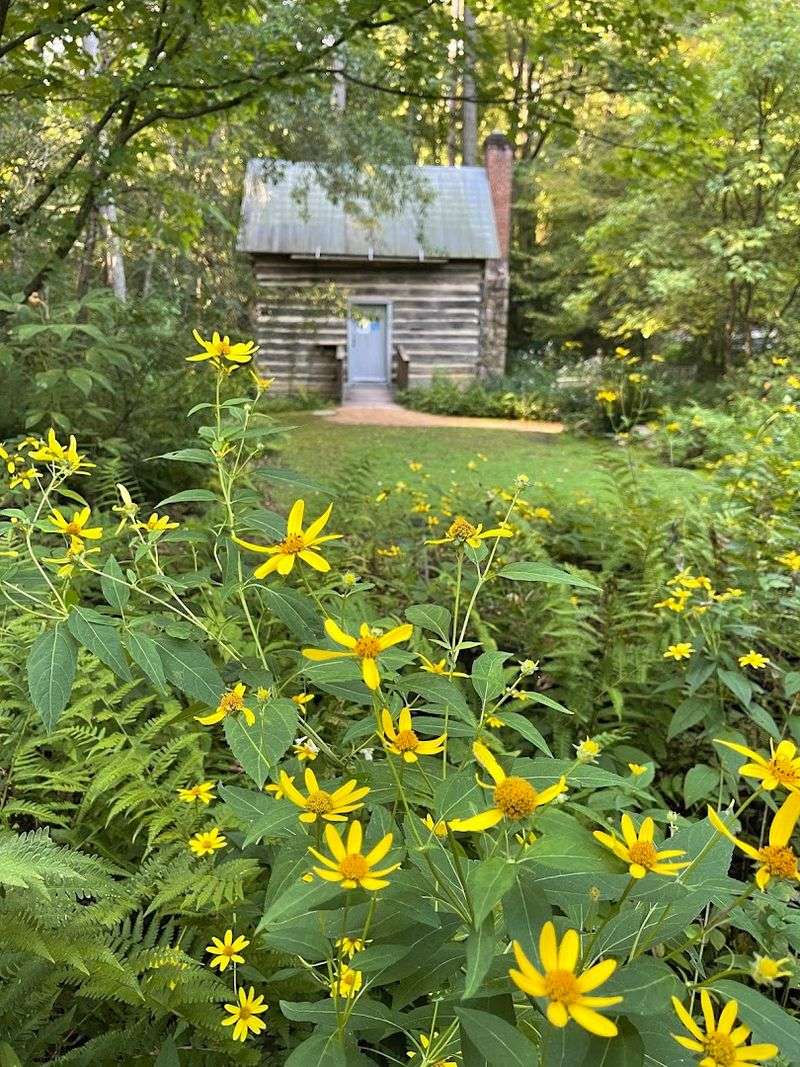
The North Carolina Botanical Garden in Chapel Hill feels less like a staged attraction and more like a beautiful lesson in how diverse the state really is. Because it focuses on native species and conservation, the garden has an authenticity that makes every trail, wetland edge, and woodland bed feel rooted in place.
If you like your spring outings with a side of ecological wonder, this one is incredibly rewarding.
During spring, the garden comes alive with trilliums, lilies, and a wide range of Piedmont wildflowers that seem to appear in gentle waves. I especially appreciate how the habitats shift from coastal plain carnivorous plant displays to mountain flora, giving you a miniature tour of North Carolina without leaving Chapel Hill.
The wetland areas add texture and movement, making the whole visit feel dynamic rather than repetitive.
This is the kind of garden that invites you to slow down and really look closely. You are not just admiring color here, you are noticing form, habitat, and the subtle relationships between plants and place.
For a spring trip that feels thoughtful, peaceful, and unmistakably local, it makes a seriously strong argument against spending your weekend on a crowded beach.
Daniel Stowe Conservancy (Belmont)
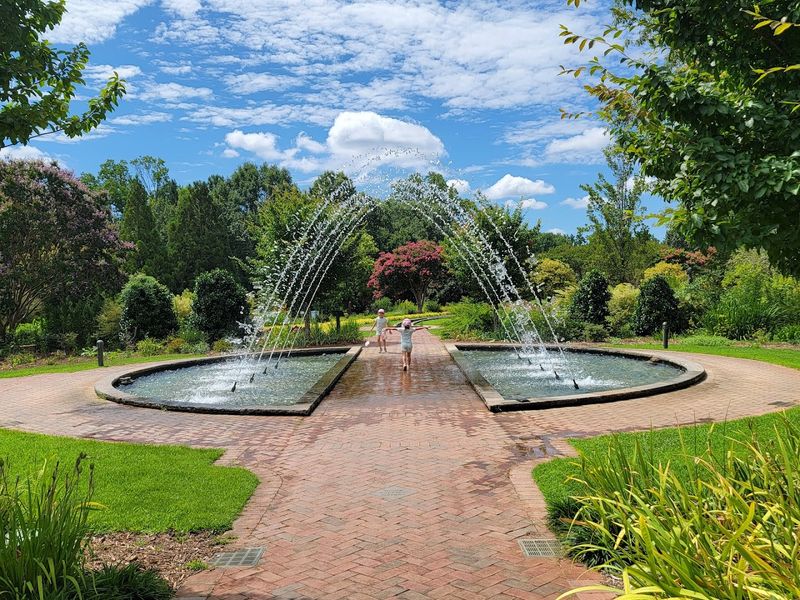
Daniel Stowe Conservancy in Belmont is the kind of place that makes spring feel polished, colorful, and just a little bit luxurious. The formal gardens are beautifully maintained, with broad paths, crisp edges, and fountains that add movement and sound to the experience.
If you enjoy botanical spaces that feel refined without being stuffy, this one has a very easy charm.
Spring is an especially good time to visit because the seasonal displays arrive with confidence. Tulips and daffodils bring strong blocks of color to the landscape, while the reflective water features and structured planting beds make everything look even more dramatic.
I also love the contrast between the open formal spaces and the conservatory atmosphere, where orchids add another layer of beauty and detail.
What sets this destination apart is how complete the experience feels from start to finish. You can wander through carefully composed views, pause by fountains, and still find enough variety to keep the visit engaging for hours.
When beach plans start sounding predictable, this is the sort of garden that offers something more elegant, more memorable, and far more photogenic in the heart of spring.
Airlie Gardens (Wilmington)
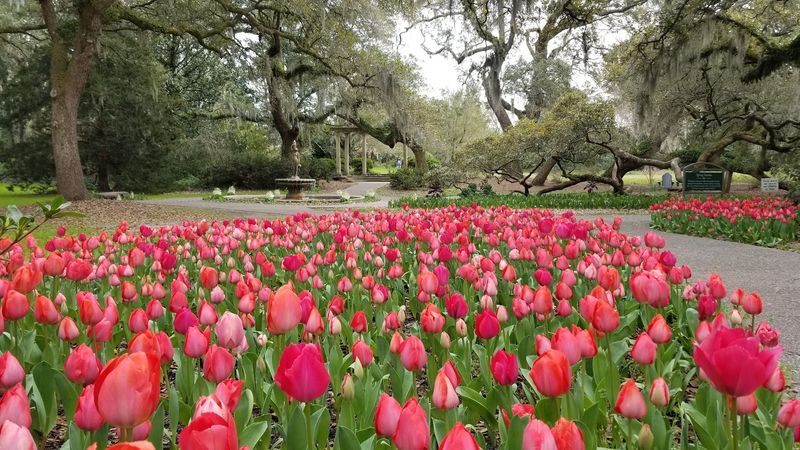
Airlie Gardens proves that coastal North Carolina can absolutely steal your attention without asking you to set foot on the beach. This historic Wilmington garden is full of old Southern character, from the dramatic live oaks to the winding paths that feel made for slow spring wandering.
The whole place carries a romantic atmosphere that is hard to shake once you have experienced it.
Spring is when Airlie turns especially cinematic. Azalea-lined walkways explode with color, wisteria tunnels drape overhead in soft cascades, and the mature trees give everything a sense of scale that photographs beautifully.
I think that balance of structure and lushness is what makes the garden so memorable, because it feels both cultivated and deeply natural at the same time.
Even though Wilmington is known for nearby shoreline escapes, Airlie makes a compelling case for staying inland a little longer. You can spend hours here moving from bloom-heavy paths to quiet corners under the oaks, and the scenery never feels repetitive.
If your ideal spring day includes shade, fragrance, history, and some of the most photogenic seasonal color in the state, this garden absolutely deserves your attention.
Cape Fear Botanical Garden (Fayetteville)
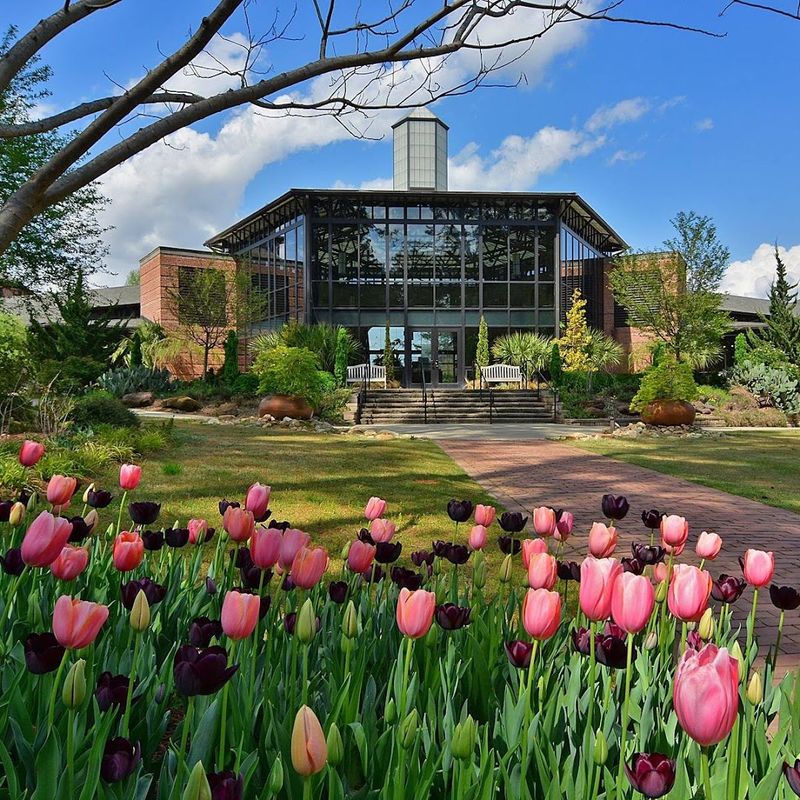
Cape Fear Botanical Garden in Fayetteville feels wonderfully grounded in its landscape, which is part of what makes it so appealing in spring. Set along the Cape Fear River basin, it combines cultivated display areas with woodland trails and ravines that give the whole property a more immersive, natural rhythm.
If you like gardens that let you shift between polished and wild, this one does that beautifully.
Spring adds a fresh burst of energy to every corner of the grounds. Native flowering plants brighten the trails, riverside greenery fills out into a lush backdrop, and the varied topography keeps each section visually distinct.
I find that the changing terrain makes the walk especially satisfying, because you are not just looking at blooms, you are moving through a layered landscape.
Another thing I appreciate here is how calming the setting feels even when the garden is busy. There is enough space to linger, enough diversity to stay curious, and enough natural beauty to make you forget all about competing for parking near the coast.
For a spring outing that feels scenic, restorative, and pleasantly rooted in North Carolina’s river landscape, Cape Fear Botanical Garden is a very smart choice.
Asheville Botanical Gardens (Asheville)
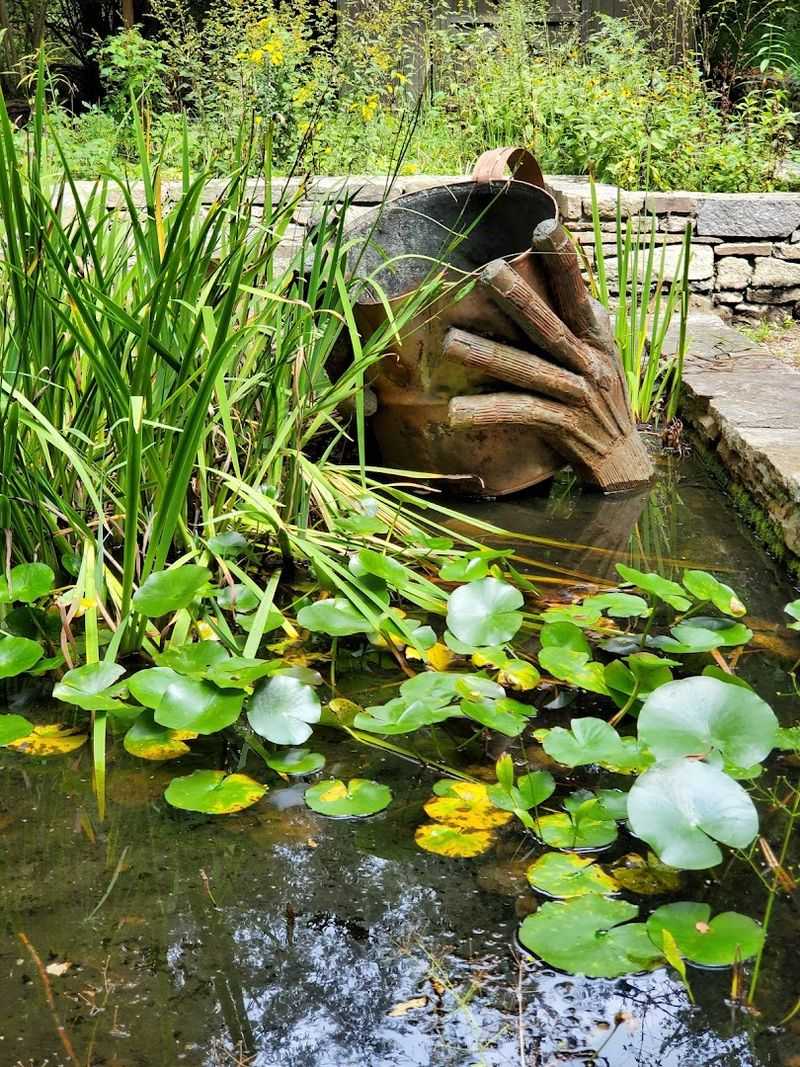
Asheville Botanical Gardens may be smaller than some of the state’s headline botanical destinations, but that is part of the appeal. The garden feels intimate, focused, and deeply connected to the surrounding mountain ecology, which makes every path feel more personal.
If you are drawn to woodland beauty rather than broad formal displays, this place can be surprisingly moving in spring.
The garden specializes in Southern Appalachian native plants, and that focus gives the whole visit a strong sense of identity. Trilliums, spring beauties, and other rare wildflowers emerge through the naturalistic landscape in ways that feel delicate rather than flashy.
I love how the shaded setting invites you to slow down, lower your voice, and pay attention to details you might otherwise miss.
This is not the kind of destination that overwhelms you with spectacle, and honestly that is exactly why it works so well. It offers a quieter, more intimate version of spring beauty that feels restorative and grounded in place.
When beach season starts sounding noisy and predictable, a visit here offers something gentler, cooler, and far more reflective, especially if you want your spring color framed by forest and mountain air.
Reynolda Gardens (Winston-Salem)
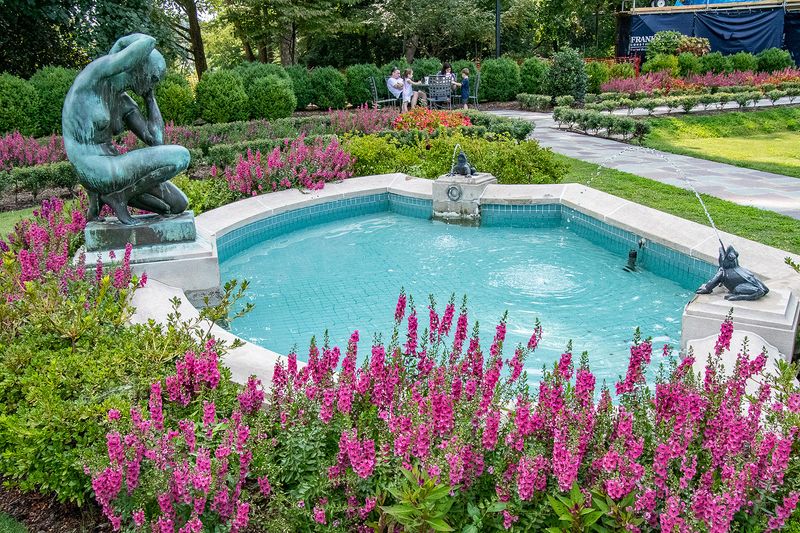
Reynolda Gardens brings together estate elegance and approachable beauty in a way that feels especially inviting during spring. Originally part of a historic property, the garden mixes formal landscapes with meadows and wooded areas, so your visit never settles into just one mood.
If you enjoy a little history with your horticulture, this place has a polished but welcoming presence.
Spring is when that variety becomes the real attraction. Heritage plantings connect the garden to its past, while newer horticultural displays add fresh color and contemporary interest across the grounds.
I like how the experience keeps changing as you walk, moving from carefully arranged areas to softer, more open spaces where seasonal growth feels freer and more relaxed.
There is also something very easy about spending time here. You can treat it as a quiet stroll, a photography stop, or a deeper look at how historic landscapes continue to evolve for modern visitors.
When the beach starts feeling like the obvious choice, Reynolda Gardens is the kind of alternative that reminds you spring can be richer inland, especially when flowers, architecture, and layered scenery come together this gracefully.
JC Raulston Arboretum (Raleigh)
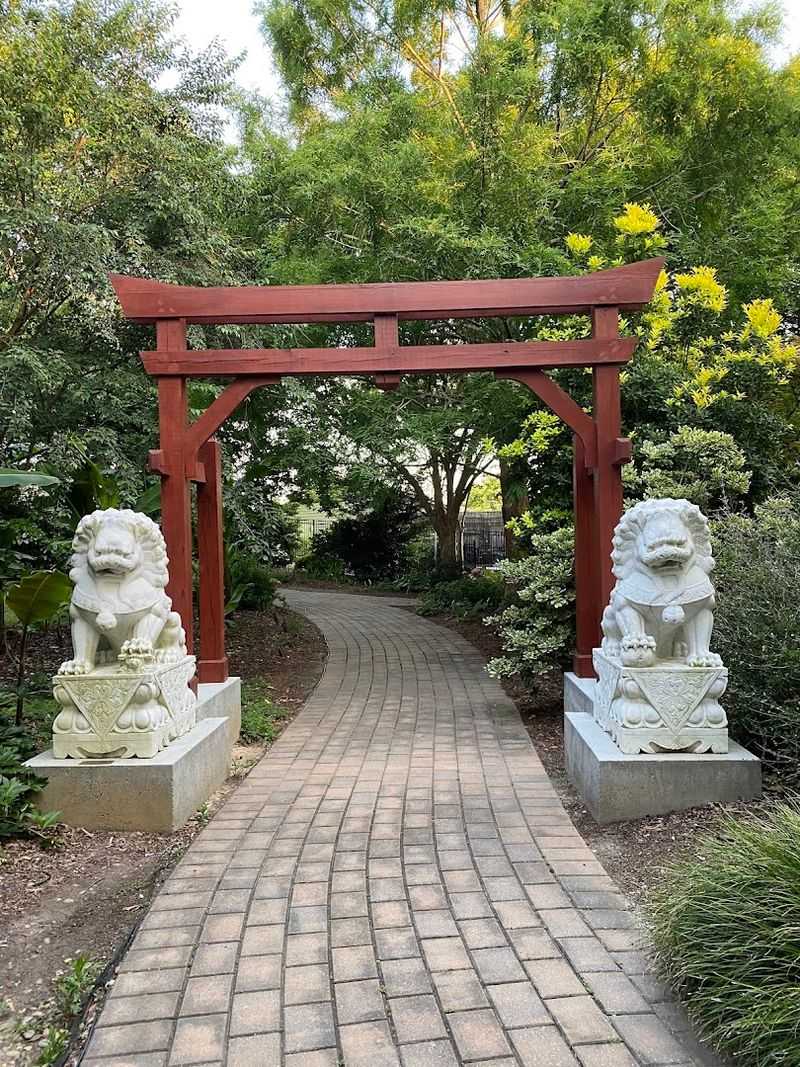
JC Raulston Arboretum is one of those places where spring feels endlessly inventive. Located in Raleigh, this research-focused garden is known for having one of the Southeast’s most diverse ornamental plant collections, and that diversity gives every visit a sense of discovery.
If you like gardens that surprise you with unusual textures, rare specimens, and fresh ideas, this one is hard to top.
Spring showcases the arboretum at its most energetic. Rare flowering trees burst into bloom, experimental plantings add unexpected combinations of color and form, and the overall layout keeps you curious from one section to the next.
I appreciate that the garden manages to feel both educational and joyful, which is not always an easy balance to strike.
Because the collections are so varied, this is a fantastic place to revisit throughout the season. One week you might notice a tree in peak bloom, and the next you are drawn to a completely different border or tucked-away planting.
For anyone tempted to head straight for the shore, JC Raulston Arboretum offers a smarter kind of spring adventure, one filled with color, plant nerd delight, and beautifully organized surprise.
Paul J. Ciener Botanical Garden (Kernersville)
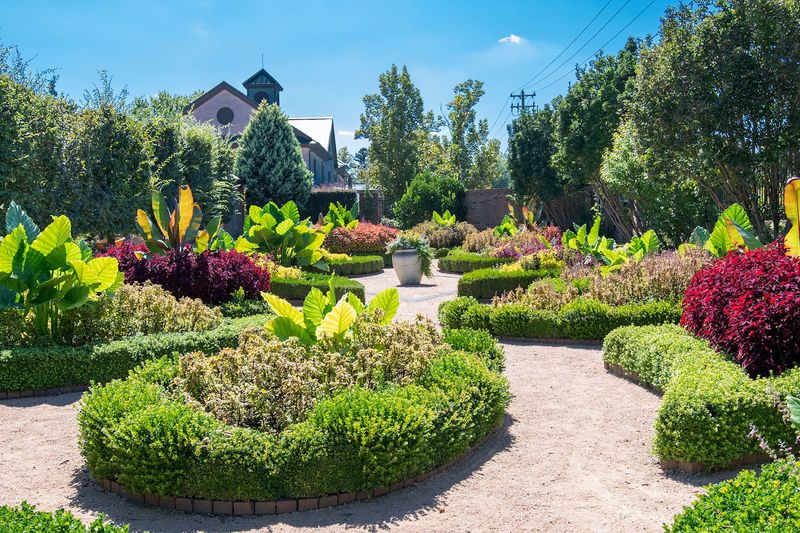
Paul J. Ciener Botanical Garden in Kernersville is proof that a compact garden can still feel full of personality.
Its design-focused layout gives every space a distinct character, which makes the garden especially fun to explore when spring color is at its peak. If you enjoy structure, symmetry, and thoughtfully composed views, this garden offers a lot to admire without demanding an all-day commitment.
What stands out most in spring is the precision of the planting design. Themed spaces, including rose areas, Japanese-inspired sections, and perennial beds, create clear visual transitions that keep the experience fresh and intentional.
I really like how the structured displays make the season’s color feel even more dramatic, because each bloom seems placed to enhance the next.
This is the kind of destination that works well whether you are a dedicated gardener or just someone who wants a beautiful, low-stress outing. You can wander slowly, focus on details, and leave feeling like you saw something polished and distinctive.
When beach plans feel overdone, Paul J. Ciener Botanical Garden offers a crisp, colorful alternative that turns spring into a series of carefully designed moments worth savoring.
Elizabethan Gardens (Manteo, Outer Banks)
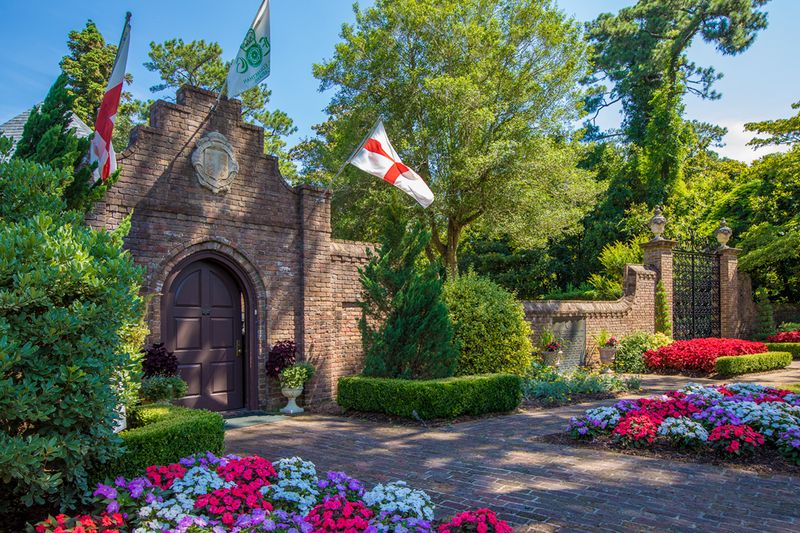
Elizabethan Gardens offers a different side of the Outer Banks, one that trades sandy towels and windblown dunes for romance, history, and carefully framed beauty. Located in Manteo, this garden wraps Renaissance-inspired design around a coastal setting, creating an atmosphere that feels both theatrical and serene.
If you want a spring destination with real personality, this one stands apart immediately.
Spring heightens everything that makes the garden memorable. Seasonal floral beds brighten the formal spaces, sculptures and architectural details gain extra drama in the soft light, and the ocean-side setting gives the whole place a subtle freshness.
I love that it feels elegant without being intimidating, making it easy to enjoy whether you are there for photos, a date, or a solo wander.
Because it sits in the Outer Banks, visiting here almost feels like getting the best of both worlds. You are still close to the coast, but instead of defaulting to the beach, you get a more atmospheric and visually layered experience.
For anyone craving spring beauty with a touch of history, artistry, and coastal charm, Elizabethan Gardens makes skipping the sand feel not just reasonable, but inspired.
Greensboro Arboretum (Greensboro)
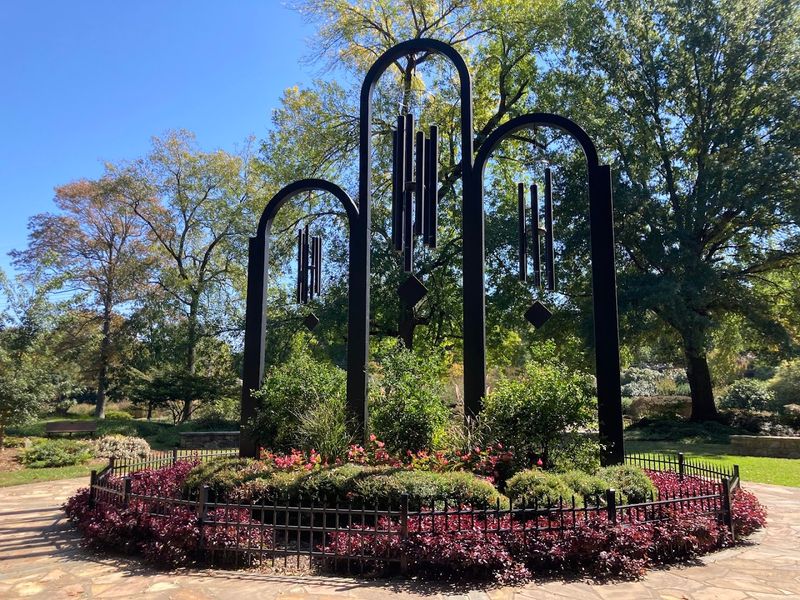
Greensboro Arboretum is one of those easy-to-love public gardens that rewards both casual visitors and people who want to linger. Spread across 17 acres, it brings together themed spaces like a butterfly garden, rose garden, and pollinator meadow in a way that feels accessible and varied.
If you want a spring outing that is colorful without being overwhelming, this is a terrific pick.
Spring gives the arboretum a lively, welcoming energy. Pollinator-friendly blooms fill the beds with motion and color, and each themed section offers a slightly different mood as you move through the grounds.
I especially like how the garden invites you to notice not just flowers, but the bees, butterflies, and other small signs of the season waking up around them.
Another reason this place works so well is that it feels useful as well as beautiful. You can come for inspiration, a peaceful walk, or a family outing that still feels grounded in nature instead of entertainment for entertainment’s sake.
When the beach sounds crowded, expensive, or just too predictable, Greensboro Arboretum offers a fresh spring alternative with enough variety, color, and charm to keep you happily inland.
UNC Charlotte Botanical Gardens (Charlotte)
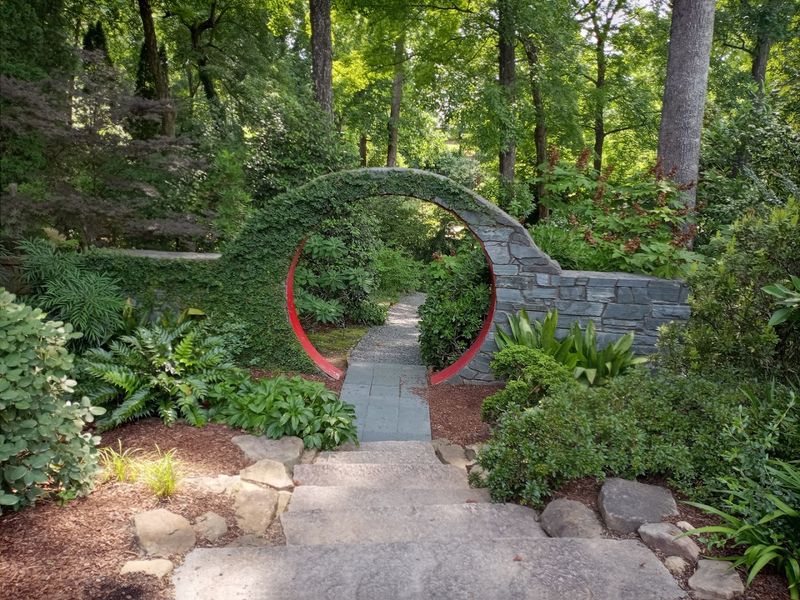
UNC Charlotte Botanical Gardens feels like one of the state’s quieter spring treasures. Tucked into a campus setting, it offers greenhouses, native plant beds, and woodland trails that create a peaceful experience without the crowds some larger gardens attract.
If you prefer your spring destinations low-key, leafy, and easy to explore, this garden has a lot going for it.
Spring is an ideal time to visit because the landscape leans into soft, layered color. Azaleas and dogwoods brighten the grounds, shaded forest blooms add subtle detail along the trails, and the garden’s calmer atmosphere makes those seasonal changes feel even more noticeable.
I appreciate how the setting encourages a slower pace, the kind where you actually stop to look instead of rushing to the next viewpoint.
There is also something refreshing about finding this much botanical interest in such an unassuming place. It does not rely on spectacle to impress you, which makes the beauty feel more personal and discovered.
If your usual spring habit is heading toward the coast by default, this Charlotte garden offers a quieter reward, one built on shade, texture, native plants, and the simple pleasure of wandering somewhere serene.
Lake Lure Flowering Bridge (Lake Lure)
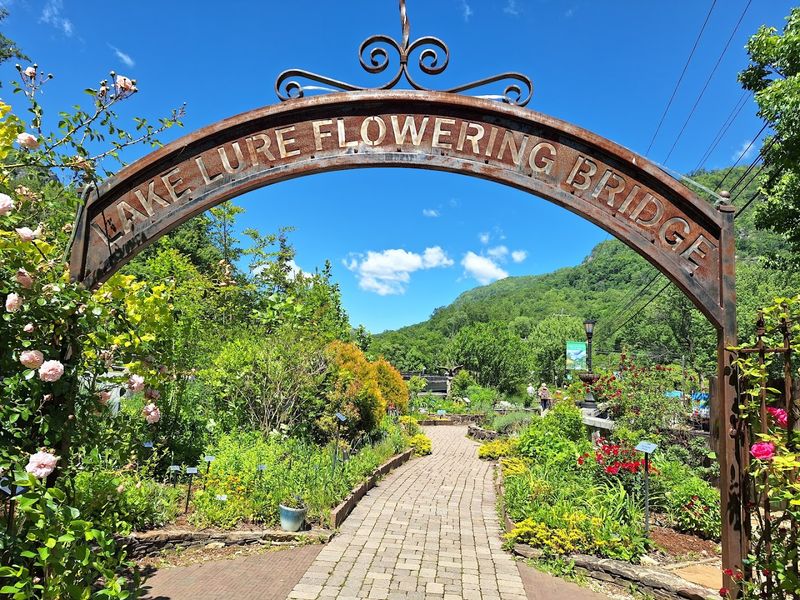
Lake Lure Flowering Bridge is easily one of the most unusual and delightful garden destinations in North Carolina. Set on a former historic bridge above the Rocky Broad River, it turns a piece of infrastructure into a fully walkable display of flowers, pollinator habitats, and creative themed plantings.
If you are looking for a place that feels memorable before you even arrive, this is it.
Spring makes the bridge especially irresistible. Tulips, daffodils, and early perennials spill from planters and beds, creating a colorful corridor that feels almost suspended between mountain scenery and garden fantasy.
I love how the views work in every direction, with blooms at your feet, railings lined with life, and the surrounding landscape providing a dramatic natural frame.
What makes this place stand out even more is the volunteer spirit behind it. You can feel the care, imagination, and local pride in every themed section, which gives the experience a warmth many larger gardens cannot quite replicate.
For a spring outing that is scenic, surprising, and completely unlike a routine beach day, Lake Lure Flowering Bridge makes a wonderfully strong closing argument for staying inland.