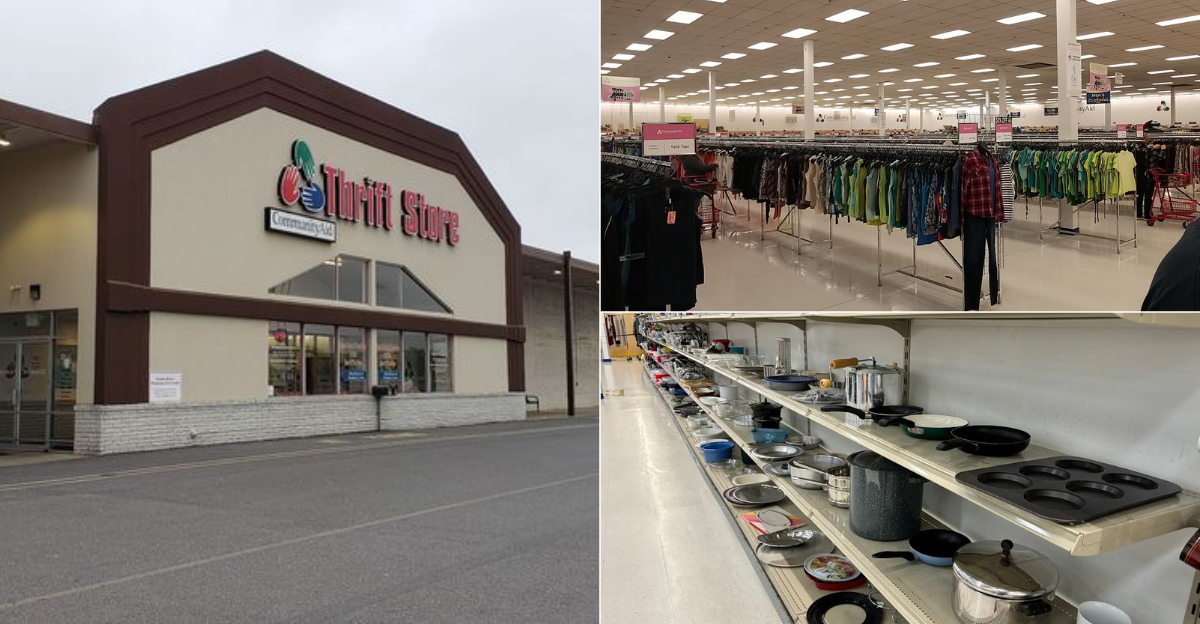
Walking into CommunityAid on North Susquehanna Trail in Selinsgrove feels different from your typical cramped thrift store experience. This spacious location has earned its reputation as a treasure hunter’s paradise where shoppers regularly spend hours browsing without feeling rushed or overwhelmed.
Whether you’re hunting for vintage collectibles, building a new wardrobe on a budget, or furnishing your first apartment, this Pennsylvania gem delivers an organized shopping experience that keeps customers coming back for more.
A Spacious Layout That Invites Extended Browsing
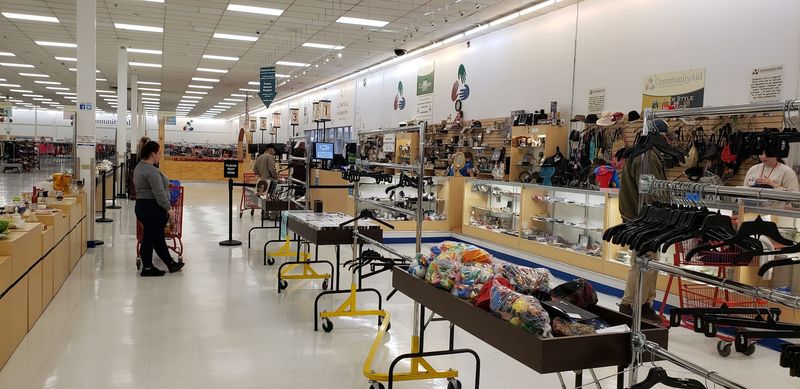
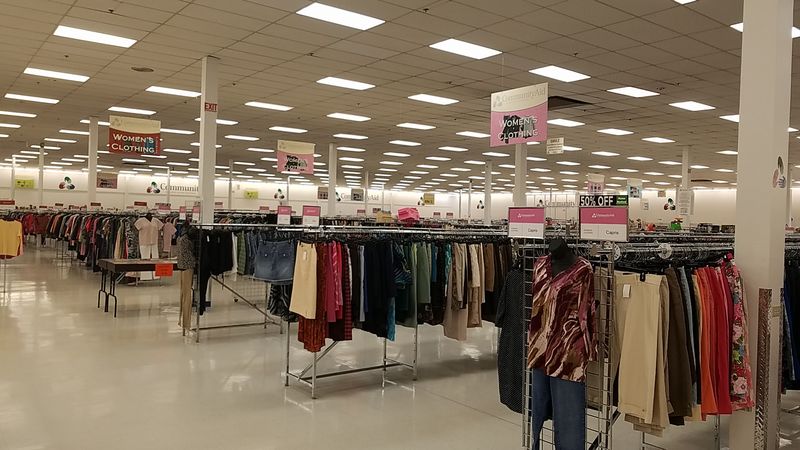
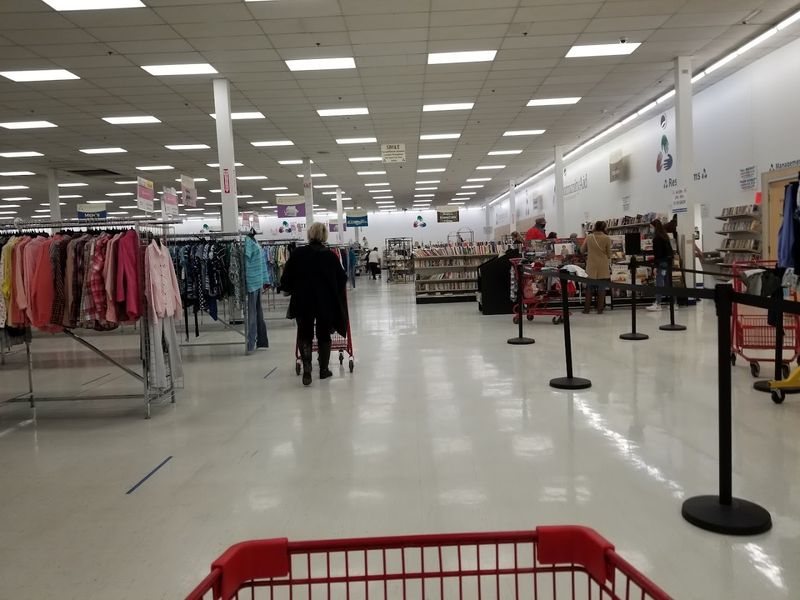
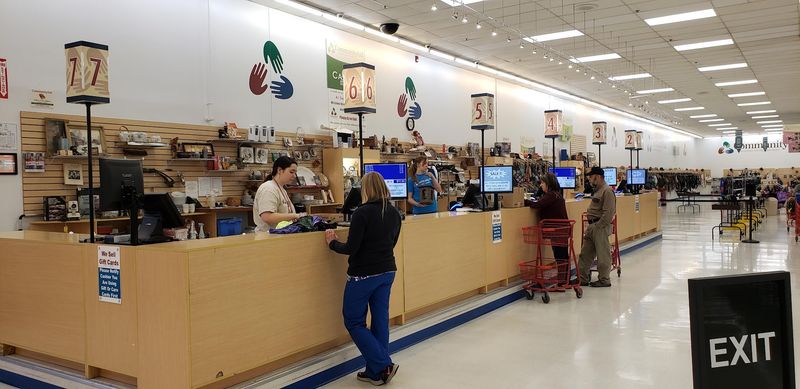
Most thrift stores feel cramped and overwhelming, but CommunityAid breaks that mold completely. The Selinsgrove location offers a surprisingly large shopping floor where you can actually push a cart without bumping into other customers every few seconds.
High ceilings and wide aisles create an atmosphere more similar to a department store than a typical secondhand shop.
Shoppers consistently mention the cleanliness factor in their reviews, which sets this store apart from competitors. Fresh paint, well-maintained floors, and regular cleaning routines make browsing pleasant rather than a chore.
You won’t find dusty corners or cluttered pathways blocking your treasure hunt.
The spacious design serves a practical purpose beyond aesthetics. When you’re planning to spend several hours digging through clothing racks and home goods sections, having room to breathe matters tremendously.
Many customers report feeling relaxed rather than rushed during their shopping trips.
This generous layout allows the store to display thousands of items without creating a chaotic atmosphere. First-time visitors often express surprise at how much merchandise fits into the space while still maintaining an organized, welcoming environment that encourages thorough exploration of every department.
The Color-Coded Organization System That Saves Time
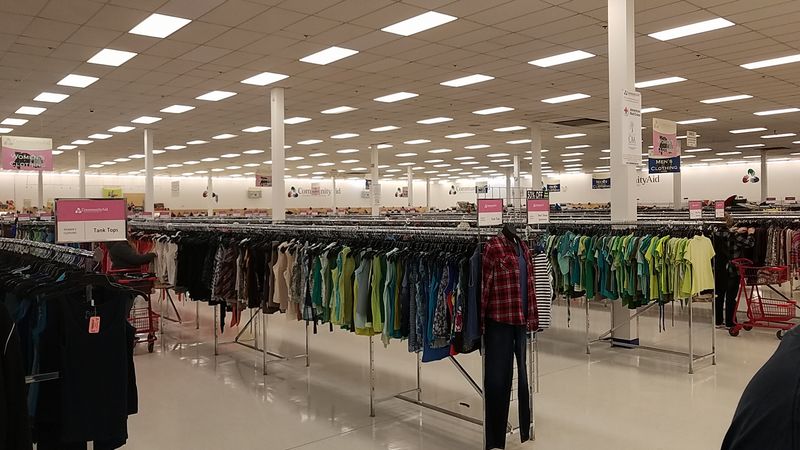
Finding your size at most thrift stores requires digging through hundreds of random hangers. CommunityAid takes a smarter approach by organizing clothing sections both by size and by color, creating a visual system that speeds up your shopping considerably.
Instead of checking every single tag, you can head straight to your size range and scan the color-coded racks.
This rainbow arrangement isn’t just pretty to look at—it’s remarkably functional for shoppers with specific needs. Looking for a black blazer in size medium?
You can bypass entire sections and focus your search on exactly what you need. The system respects your time while making the hunt less frustrating.
Regular shoppers have learned to appreciate this organizational method, especially when building coordinated outfits. The color grouping helps you spot matching pieces or complementary shades much faster than random sorting would allow.
You might discover unexpected combinations you wouldn’t have considered otherwise.
Staff members work diligently to maintain this system throughout busy shopping days. While some disorganization happens naturally as customers browse, the team consistently restocks and reorganizes to keep the color-coding intact, demonstrating their commitment to customer convenience.
Home Goods Section With Surprising Quality
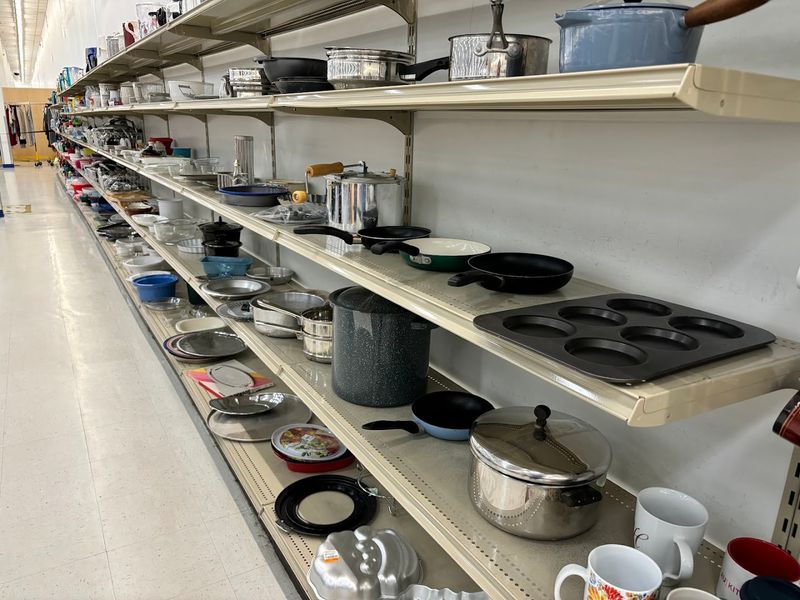
Beyond the clothing racks lies a substantial home goods department that many shoppers consider the store’s hidden gem. Shelves stocked with kitchen equipment, decorative items, picture frames, and vintage glassware offer alternatives to buying everything brand new.
Serious collectors have discovered authentic vintage pieces tucked among everyday housewares.
Quality varies as expected in any thrift environment, but patient shoppers report finding name-brand items and unique treasures regularly. From small appliances to holiday decorations, the selection rotates constantly as new donations arrive daily.
What you see one week might be completely different the next visit, which keeps the shopping experience fresh.
Some customers specifically mention discovering higher-end houseware items that would cost significantly more at retail stores. Checking dishes carefully for chips or cracks remains important, though most damaged items shouldn’t reach the sales floor.
Inspecting potential purchases before heading to checkout prevents disappointment later.
The home goods section receives the same organizational attention as clothing areas, making navigation straightforward. Similar items group together logically, so you’re not searching randomly through complete chaos.
This thoughtful arrangement transforms casual browsing into productive shopping where you actually find what you need.
Understanding the Pricing Philosophy
Pricing at CommunityAid generates strong opinions from both ends of the spectrum. Some shoppers praise the reasonable rates that let them fill entire carts without breaking the bank, while others feel certain items cost too much for secondhand goods.
This debate reflects changing thrift store economics across the entire industry.
Reviews mention specific examples like jeans priced around $10.99, which some consider steep for donated items. Others counter that these prices remain far below retail, especially for name-brand pieces in excellent condition.
Your perspective likely depends on whether you remember when thrift stores charged just a dollar or two for everything.
The store does offer regular sales and discount programs that serious shoppers learn to maximize. Watching for special color tag sales or percentage-off days can significantly reduce your total.
Strategic shopping during these promotions brings prices more in line with bargain hunter expectations.
Fair pricing for a thrift store involves balancing multiple factors—supporting the community mission, covering operational costs, and remaining accessible to budget-conscious shoppers. CommunityAid walks this tightrope with mixed results depending on individual customer expectations and what comparable items cost at nearby retail stores.
Senior Discount Days That Sweeten the Deal
Every week, CommunityAid designates specific days when senior citizens receive additional discounts on their purchases. One enthusiastic reviewer shared how she scored an impressive haul for just $56 on senior day, walking out with multiple outfits that would have cost hundreds of dollars at regular retail prices.
These special promotions acknowledge the store’s commitment to serving all community members.
Qualifying for senior discounts typically requires showing identification proving you meet the age requirement. The exact discount percentage and which day of the week it runs can vary, so calling ahead or checking the website ensures you don’t miss out.
Planning your shopping trips around these promotions maximizes your budget significantly.
Beyond the financial savings, senior discount days often create a friendly social atmosphere. Regular shoppers develop relationships with staff and fellow bargain hunters, turning the weekly thrift run into an enjoyable outing rather than just an errand.
Some customers make it their routine social activity.
For those on fixed incomes, these discount days provide crucial relief. Being able to afford quality clothing and household items without financial stress matters tremendously.
The program demonstrates how thrift stores can serve their communities beyond just selling secondhand goods.
Seasonal Treasures and Holiday Sweater Paradise

When holiday season approaches, CommunityAid transforms into a wonderland of festive finds. Multiple reviewers specifically mention the incredible selection of holiday sweaters, from tastefully festive to wonderfully tacky.
Whether you need something for an ugly sweater party or genuinely want seasonal attire, the options seem endless during peak months.
Seasonal merchandise extends far beyond clothing into decorations, themed housewares, and party supplies. Smart shoppers know to visit early in the season for the best selection, as popular items disappear quickly.
Checking back regularly throughout the season reveals new arrivals as donations continue flowing in.
The affordability factor makes holiday shopping here particularly appealing. Instead of paying department store prices for items you’ll wear maybe once or twice, thrifted holiday gear costs a fraction while delivering the same festive impact.
This approach makes sense both financially and environmentally.
Year-round celebrations benefit from strategic thrift shopping too. Birthday party decorations, graduation items, and seasonal home decor all make appearances throughout the year.
Learning the store’s restocking patterns helps you anticipate when new seasonal merchandise hits the floor, giving you first pick of the best finds.
The Vintage Collector’s Hidden Hunting Ground
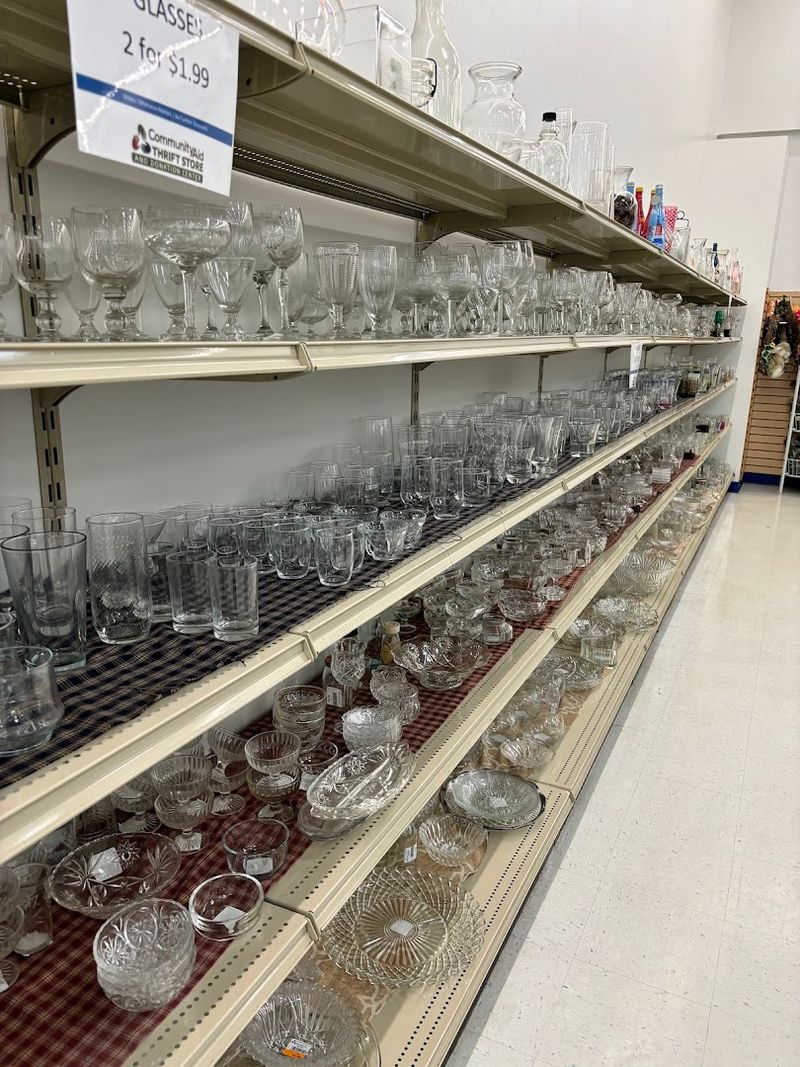
Serious collectors have learned that patience and persistence at CommunityAid can unearth legitimate vintage treasures. Reviews mention discoveries of authentic vintage glassware tucked among everyday dishes, waiting for someone knowledgeable enough to recognize their value.
These finds represent the thrill that keeps collectors returning week after week.
Identifying valuable vintage items requires some research and education. Not everything old qualifies as collectible, but certain glass patterns, brands, and eras command significant value among enthusiasts.
Bringing your smartphone allows quick price checks on suspected treasures before deciding whether to purchase.
The constantly rotating inventory means what you see today won’t be there tomorrow. Unlike antique stores where inventory stays relatively stable, thrift stores refresh constantly with new donations.
This unpredictability frustrates some shoppers but excites collectors who enjoy the hunt more than guaranteed finds.
Building relationships with staff members can provide advantages for serious collectors. While employees can’t hold items or give advance notice of incoming merchandise, friendly regular customers sometimes receive tips about which days see the most restocking.
Timing your visits strategically increases your chances of discovering those special vintage pieces before other collectors spot them.
Planning for Marathon Shopping Sessions

Multiple reviews mention spending anywhere from two to six hours during a single visit to CommunityAid. This isn’t hyperbole—the combination of extensive inventory and treasure-hunting mentality genuinely requires substantial time investment.
Coming prepared for a marathon session ensures you can browse comfortably without rushing through sections.
Wearing comfortable shoes ranks as essential advice from experienced shoppers. You’ll be walking and standing for extended periods while examining merchandise, trying on clothing, and navigating the large floor space.
Bringing a water bottle and perhaps a snack prevents mid-shopping energy crashes that might cut your trip short.
The store’s hours accommodate different shopping preferences, staying open until 9 PM on most days except Sunday when they’re closed. This flexibility lets you choose whether to shop during quieter weekday mornings or busier evening hours.
Some shoppers prefer weekday visits to avoid weekend crowds.
Setting realistic expectations about time commitment prevents frustration. If you’re genuinely planning to explore every department thoroughly, blocking out at least three hours makes sense.
Quick thirty-minute runs work for targeted missions but won’t let you discover those unexpected treasures hiding in sections you might otherwise skip completely.
The Community Mission Behind the Merchandise
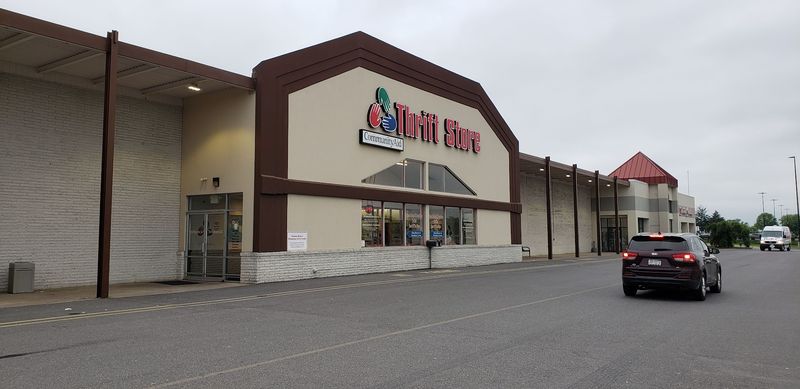
CommunityAid operates as more than just a retail business—the organization channels profits toward various community programs and Christian charities. Understanding this mission helps explain certain operational choices and gives your shopping a deeper purpose beyond personal bargain hunting.
Every purchase contributes to supporting local initiatives and organizations serving people in need.
The nonprofit structure means donated items get second lives while generating funds for charitable work. This dual benefit appeals to environmentally conscious shoppers who appreciate keeping usable goods out of landfills while simultaneously supporting community development.
Your bargain hunting becomes an act of giving.
Some customers specifically mention appreciating the Christian radio playing throughout the store, which reflects the organization’s faith-based foundation. This atmosphere creates a distinct shopping environment that some find comforting and others simply accept as part of the store’s character.
The mission-driven approach attracts shoppers who want their purchases supporting causes they believe in.
Learning about specific programs funded by store profits can deepen your connection to the shopping experience. When you understand that your $10 purchase helps support youth programs, food assistance, or other community services, the transaction feels more meaningful than simple consumerism.
Maximizing Your Thrift Shopping Success
Experienced CommunityAid shoppers have developed strategies that significantly improve their success rates. Arriving early after restocking days gives you first access to newly processed merchandise before picked-over racks become the norm.
Asking staff about restocking schedules provides valuable intelligence for timing future visits.
Thorough inspection of every potential purchase prevents bringing home damaged or stained items. Holding clothing up to the light reveals small holes, checking all seams catches loose stitching, and examining stain-prone areas saves disappointment later.
A few extra seconds of scrutiny during shopping saves hours of frustration at home.
Trying on clothing before purchasing remains crucial despite the time investment. Sizes vary wildly across brands and eras, so that labeled medium might fit like a large or small.
The store provides fitting rooms specifically for this purpose—use them liberally rather than guessing at home.
Bringing reusable shopping bags handles your haul more efficiently than relying solely on store bags, especially during those massive shopping sessions. Making a rough list of needed items before arriving helps maintain focus while still allowing spontaneous discoveries.
Following the store’s social media or signing up for email notifications keeps you informed about special sales and promotions.