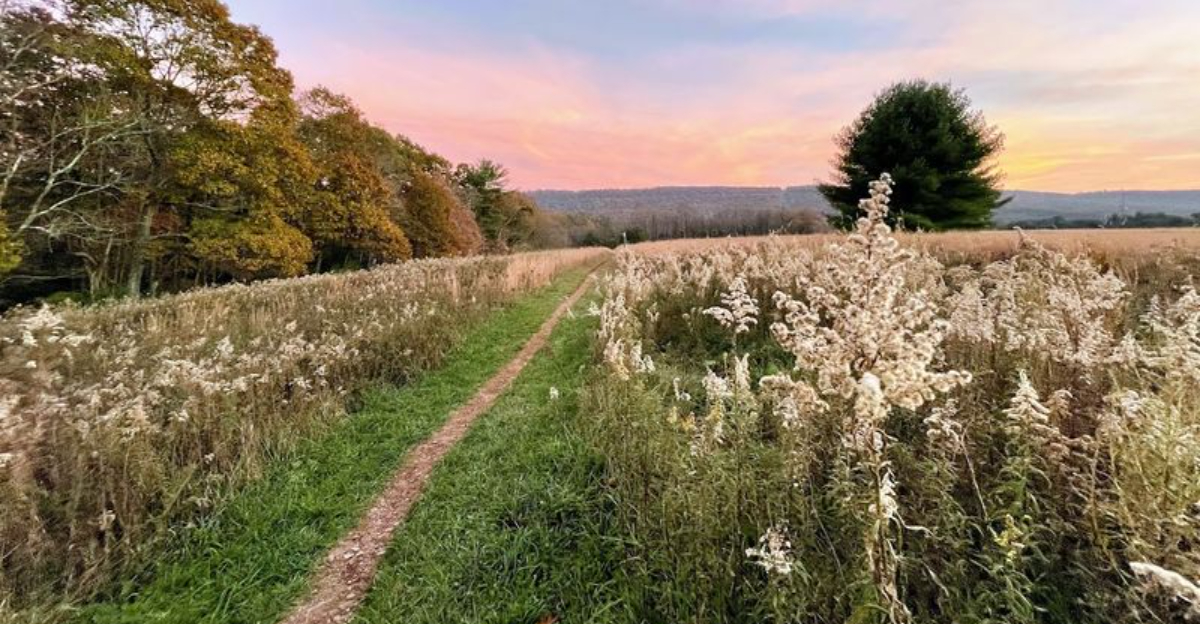
If you have been craving a Pennsylvania park that still feels quiet, raw, and wonderfully underdiscovered, Swatara State Park is the kind of place that sneaks up on you.
Its trails wind past creek bends, canal remnants, iron bridges, shale banks, and forests that seem to be swallowing history whole.
What looks at first like a simple outdoor escape turns into a deeper story about ancient seas, industry, wildlife, and time.
This is the sort of park that makes you slow down, look closer, and wonder why more people are not talking about it.
A Quiet, Underrated Pennsylvania Escape
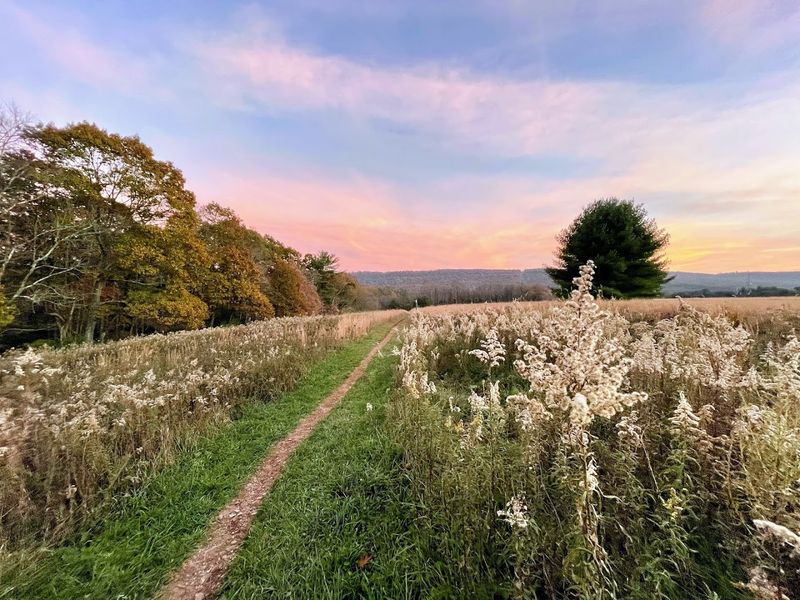
Swatara State Park feels like the kind of place you discover almost by accident, then immediately want to keep to yourself. While other Pennsylvania parks draw bigger crowds, this one offers something quieter and more grounded, with over 3,500 acres of woods, fields, and creekside scenery that still feels mostly untouched.
You do not come here for flashy overlooks or crowded facilities.
You come here for space, silence, and the pleasure of wandering through a landscape that has not been overly polished. The park feels rugged in the best way, with long stretches where all you notice are birds, leaves, and the steady line of the trail ahead.
That sense of underdevelopment gives the entire experience a back-to-nature honesty.
It is easy to see why this place appeals to hikers, cyclists, paddlers, and anyone tired of more packaged outdoor destinations. Swatara rewards curiosity instead of rushing you along.
If you want a Pennsylvania escape that feels less like a busy attraction and more like a forgotten corridor of forest and history, this park delivers exactly that, quietly and without trying too hard.
A Landscape Shaped by an Ancient Sea
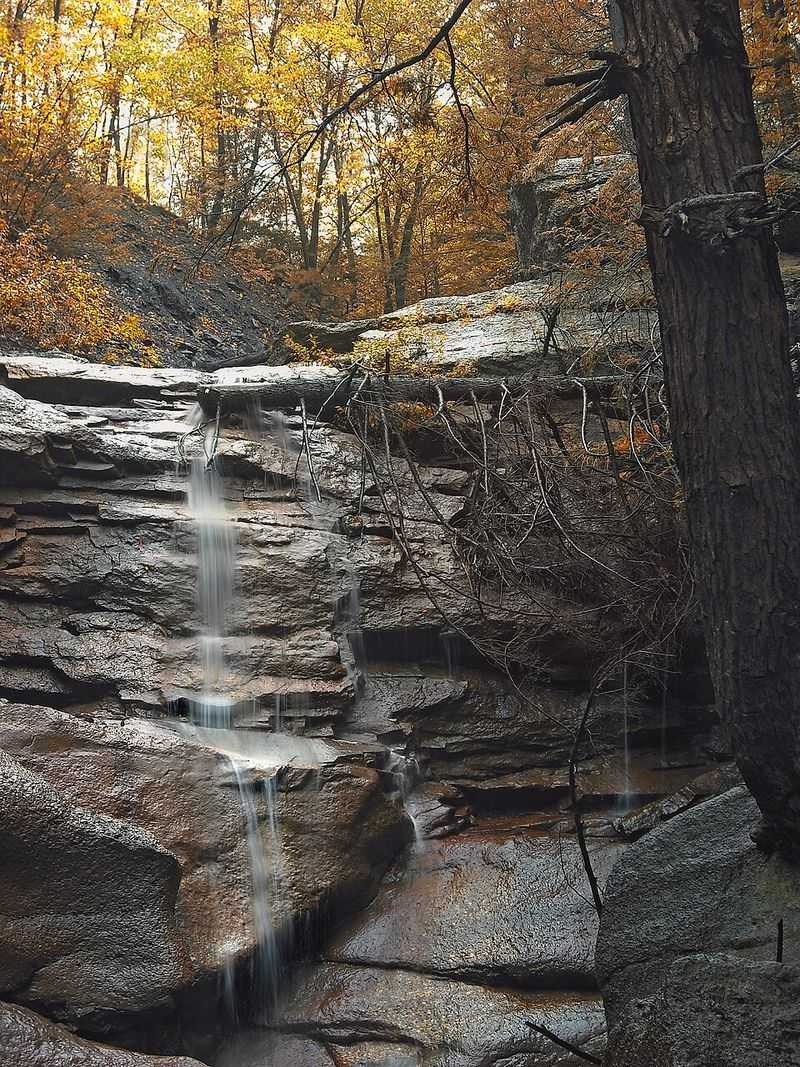
One of the most fascinating things about Swatara State Park is that its story starts far before canals, railroads, or hiking trails. Around 375 million years ago, this part of Pennsylvania lay beneath a shallow sea, and the rocks beneath your feet still preserve evidence of that vanished world.
A walk here can quietly become a walk through deep geologic time.
Instead of seeing the park as only forests and water, you begin noticing ledges, shale, and weathered layers differently. Those rocks are not just scenery.
They are records of ancient marine environments, holding traces of creatures and sediments from a world that looks nothing like modern central Pennsylvania.
That hidden history gives the landscape an almost surreal quality once you know what you are looking at. A simple trail suddenly feels connected to prehistoric oceans, shifting continents, and unimaginable spans of time.
Few outdoor places blend everyday recreation with that kind of perspective so naturally. At Swatara, the earth itself becomes part of the attraction, reminding you that this quiet park carries a history far older than the forest covering it today.
Fossil Hunting Along Bear Hole Trail
Bear Hole Trail gives Swatara State Park one of its most unusual claims to fame: a designated fossil area where you can search for remnants of ancient marine life. This is not every day hiking scenery.
Along the shale, careful visitors may spot fossils embedded in the rock, including trilobites such as Phacops rana, plus other traces from the long vanished sea.
That possibility changes the rhythm of a hike. Instead of only watching the path ahead, you start scanning rock surfaces, slowing down, and looking closely at textures and patterns that might reveal something millions of years old.
It feels part treasure hunt, part science lesson, and part reminder that remarkable things can hide in plain sight.
What makes the experience especially memorable is how accessible it feels. You do not need to be an expert paleontologist to appreciate the thrill of finding a fossil impression or simply understanding what the site represents.
It adds a layer of wonder that many parks simply cannot offer. At Swatara, Bear Hole Trail turns an ordinary afternoon outdoors into a direct connection with prehistoric life and the deep history beneath Pennsylvania forests.
The Ruins of the Union Canal System
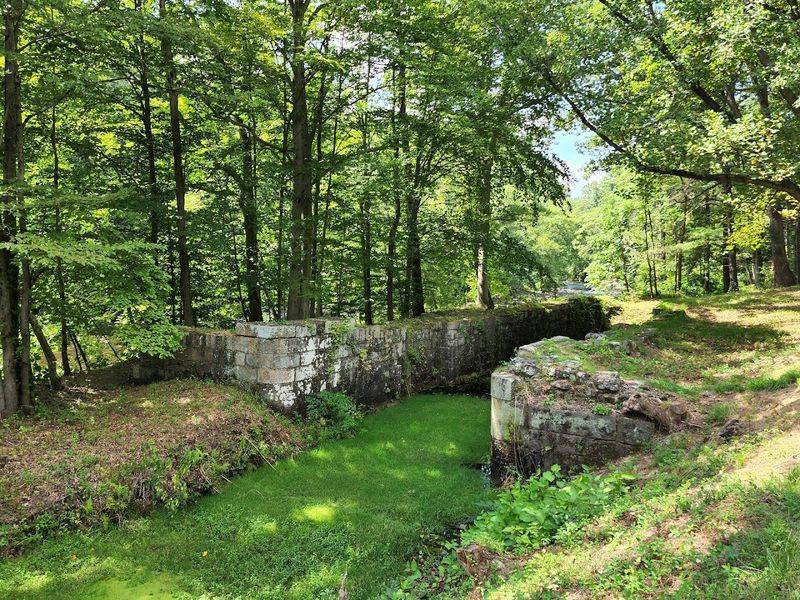
Swatara State Park is not only shaped by natural history. It also preserves fragments of Pennsylvania’s early transportation story through the remains of the Union Canal system, built in the 1820s to move goods across the state.
Locks, dams, towpaths, and other stonework still appear along the creek, sometimes quietly hidden by brush and trees.
Seeing these ruins in person feels different from reading about them on a sign. The structures are weathered, incomplete, and partly absorbed into the landscape, which makes them more haunting and more memorable.
You can imagine mules on towpaths, cargo moving through narrow channels, and a time when this corridor served practical, daily commerce.
That historic layer gives the park unusual depth. A trail here is never just a trail when you realize it may trace old transportation routes and forgotten labor.
Nature has softened the edges, but the canal’s presence still lingers beside the water. Swatara offers a rare chance to walk through the remains of an early industrial network without losing the feeling that you are deep in the woods, far from modern noise and distraction.
A Corridor of Trails Through History
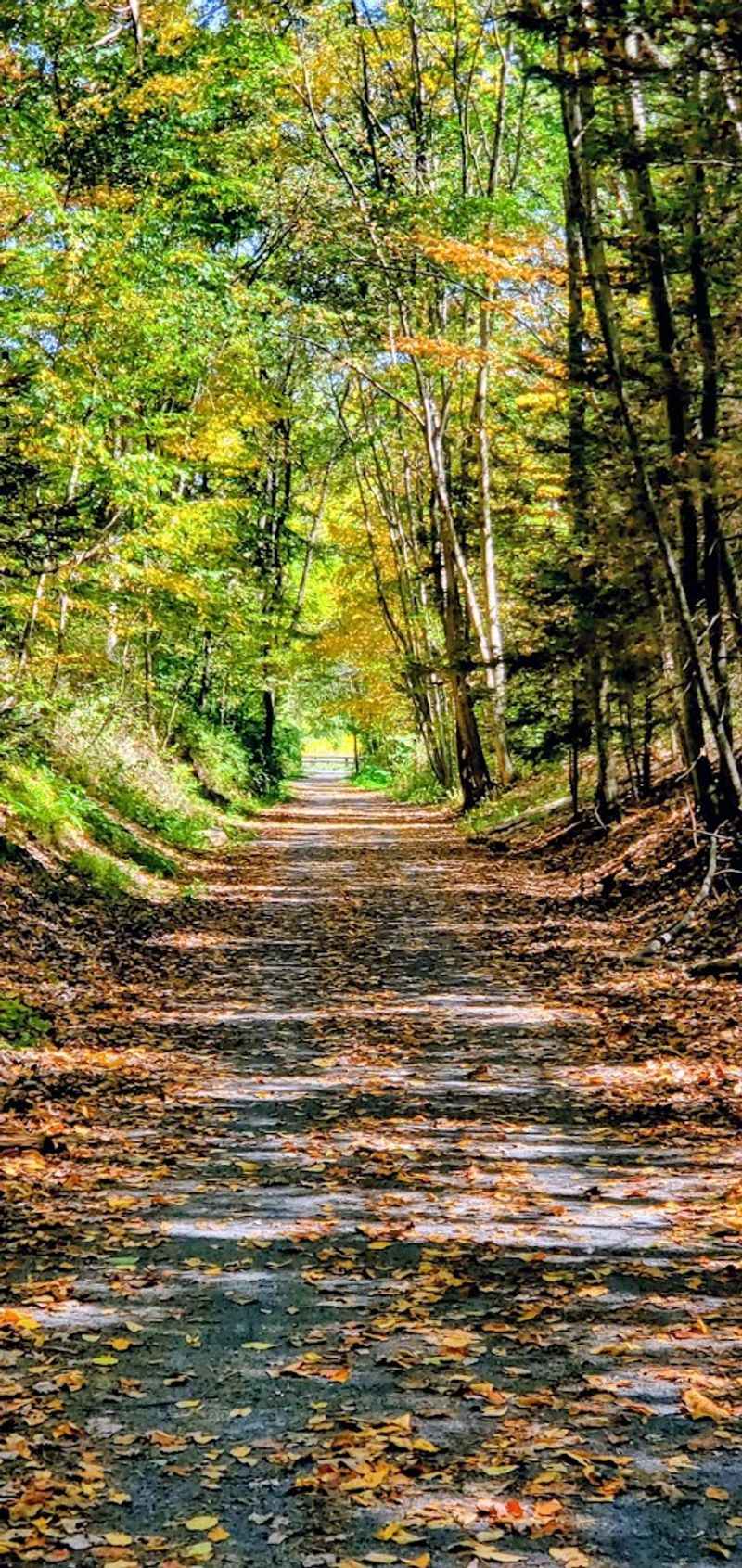
The Swatara Rail Trail is one of the park’s defining features, and it does more than give you an easy route through beautiful scenery. Following a former railroad bed, the trail creates a long, relatively flat corridor that makes the park approachable while still feeling immersed in nature.
It runs beside Swatara Creek and near canal remnants, layering one era of transportation on top of another.
That mix of recreation and history gives the trail unusual character. You can bike, walk, or simply wander at an easy pace, all while moving through a landscape shaped by rail lines, canal systems, industry, and eventual reclamation by forest.
The experience feels continuous, as if every mile carries part of a larger story.
It is also one of the best ways to understand the park as a connected corridor rather than a collection of separate sights. Water, stone ruins, embankments, bridges, and woodland all unfold together.
The trail makes Swatara feel broad and lived in, but never crowded. If you enjoy places where exercise comes with a sense of discovery, this route captures the park’s spirit beautifully and lets history reveal itself mile by mile.
The Appalachian Trail Crossing
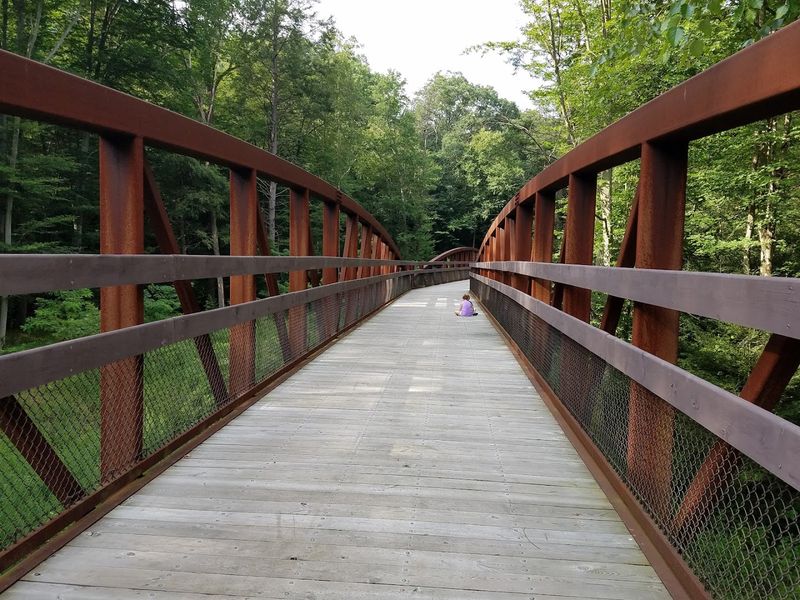
One of the most memorable places in Swatara State Park is the Appalachian Trail crossing over Swatara Creek. Here, a relocated 1890 iron bridge carries hikers across the water, blending engineering history with one of America’s most iconic long distance footpaths.
It is the kind of landmark that feels both practical and cinematic at the same time.
The bridge stands out not because it is oversized or dramatic, but because it fits the park’s layered identity so well. You have the Appalachian Trail, a route associated with endurance and wilderness, meeting a historic structure that speaks to another era of movement and connection.
Looking down at the creek from the iron span, you can feel those histories overlapping.
Even if you are not section hiking the Appalachian Trail, this crossing is worth seeking out. It offers a strong sense of place and one of the park’s clearest reminders that Swatara is full of intersections between nature and the past.
The setting feels scenic, sturdy, and quietly significant. It is exactly the kind of detail that makes this overlooked park stick in your memory long after the hike ends.
Forests Reclaiming Old Farmland and Industry
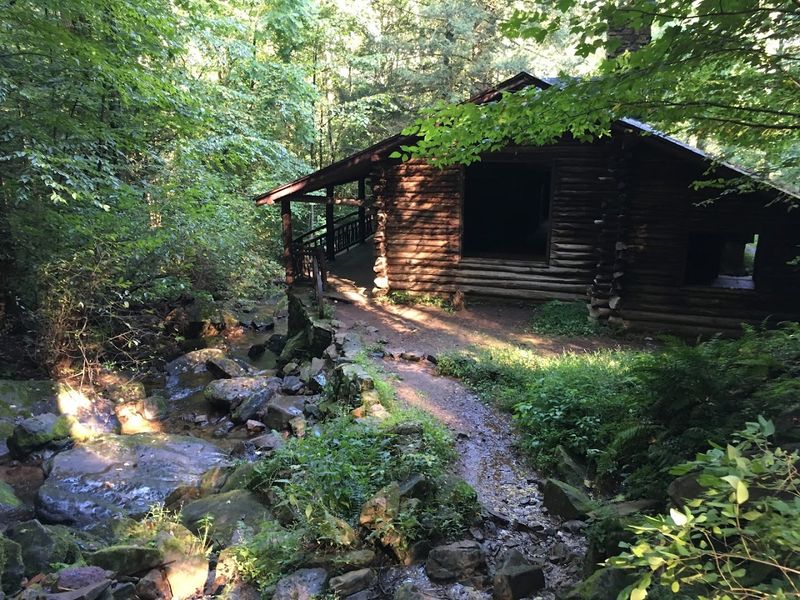
Swatara State Park is especially compelling because the landscape does not hide its past. Much of this area once supported farmland, mining activity, and transportation infrastructure, yet today forests and meadows are steadily reclaiming those altered spaces.
The result is a park where natural recovery is part of what you are actually seeing on every walk.
That process gives the scenery a layered, almost reflective quality. Open fields hint at earlier agricultural use, while wooded sections rise around former corridors that once served industry and travel.
Instead of a wilderness untouched by people, Swatara offers something more honest and, in many ways, more interesting: a living example of how land changes after human purposes fade.
You can feel that transition in the mix of habitats and textures throughout the park. Young forest growth, mature trees, grassy areas, stone remnants, and stream edges all suggest a place still evolving.
There is beauty in that unfinished look. It reminds you that nature does not erase history instantly, but slowly folds it back into the land.
Swatara’s character comes from that quiet reclamation, where the forest keeps advancing and the past never completely disappears.
Wildlife and Bird Migration Hotspot
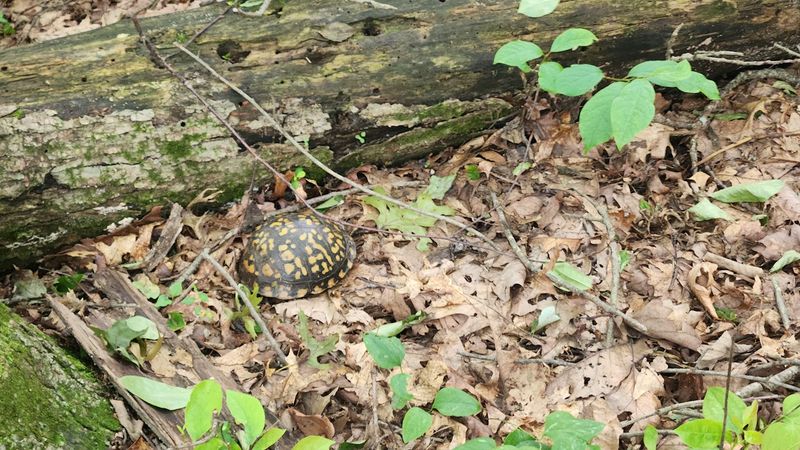
Swatara State Park rewards anyone who pays attention to wildlife, especially birds. Its position near the Kittatinny Ridge helps make the area important for migration, while the park’s mix of meadows, creek corridors, forest, and edge habitat supports a wide variety of species throughout the year.
That diversity gives every visit a little unpredictability.
In open grassy areas, you may notice meadow birds moving through the fields, while wooded stretches can bring different calls, flashes of movement, and occasional raptors overhead. The park feels active without ever feeling noisy.
Even when the trails are quiet, there is often life all around you if you stop long enough to listen and look up.
That makes Swatara especially appealing for people who enjoy nature at a slower pace. You do not have to be carrying binoculars or a bird guide to appreciate the richness here, though both would help.
The park invites observation and patience. It is the kind of place where migration, seasonal change, and habitat variety become part of the experience rather than background detail.
If you love understated wildlife watching, Swatara offers a rewarding blend of serenity and constant natural movement.
Swatara Creek: The Park’s Scenic Spine
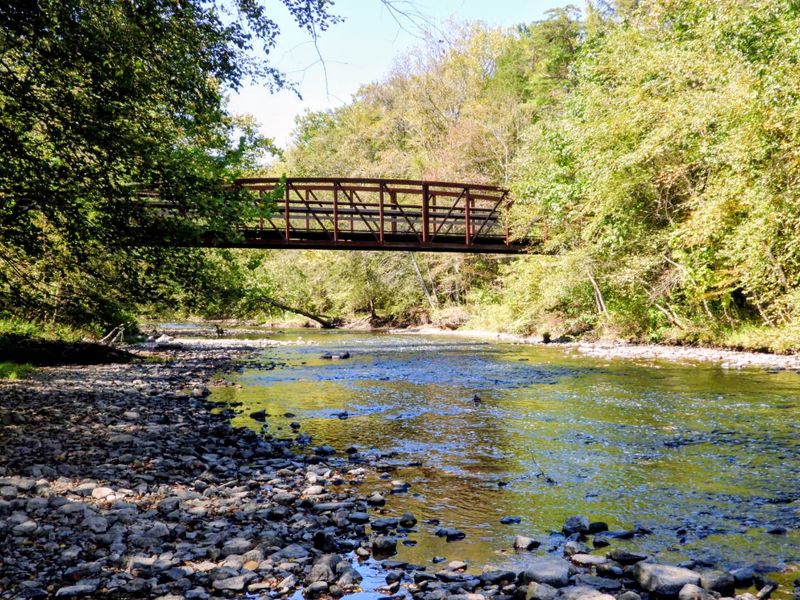
Swatara Creek serves as the defining natural feature of Swatara State Park, winding through the landscape and shaping much of its scenery, ecology, and recreation. Stretching roughly 50 miles through south-central Pennsylvania before joining the Susquehanna River, the creek has long acted as both a transportation corridor and a natural habitat.
Within the park, its slow-moving waters cut through forested banks, meadows, and historic remnants, creating a continuous scenic thread that connects many of the park’s key sites.
Historically, Swatara Creek was central to early industrial development in the region. In the 19th century, it was incorporated into the Union Canal system, with sections modified to support navigation for transporting coal and goods.
Today, remnants of that era can still be seen along portions of the creek, where old canal beds and structures appear alongside natural shoreline.
For visitors, the creek offers some of the park’s most popular recreation opportunities. Canoeing and kayaking are common when water levels are suitable, especially in spring and early summer.
Anglers also frequent the creek, which supports warm-water species such as smallmouth bass and sunfish. Along its banks, trails and informal access points provide quiet spots for hiking, wildlife viewing, and photography.
Swatara Creek’s blend of history, recreation, and natural beauty makes it the true “spine” of the park, tying together its forests, trails, and historic corridors into one continuous landscape.
Visitor Information & Tips
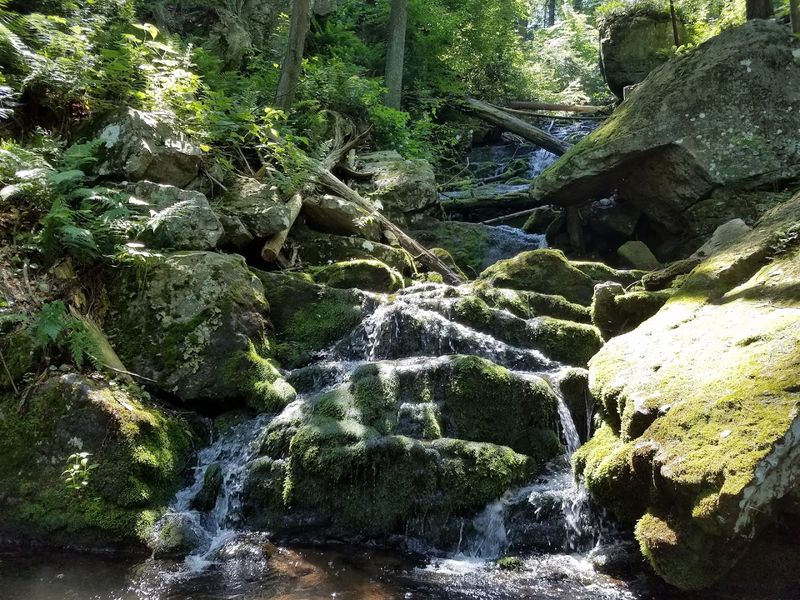
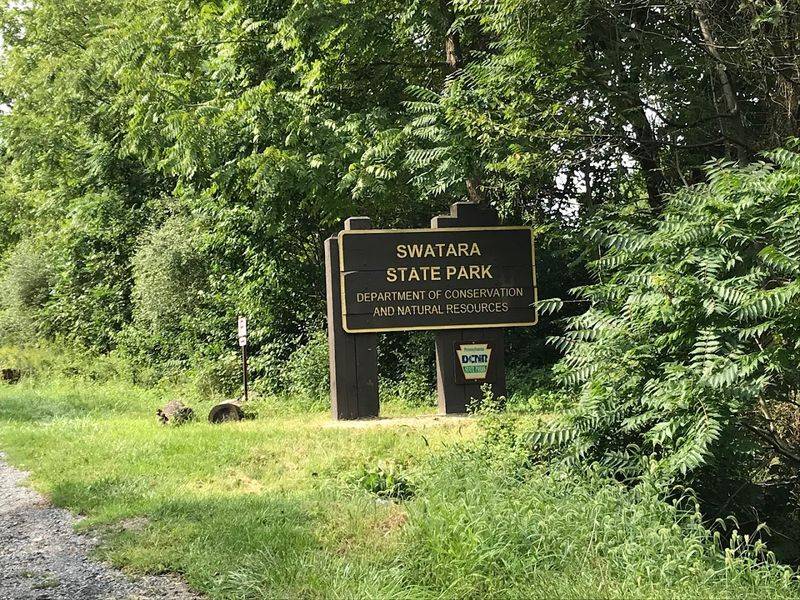
Swatara State Park is located in Lebanon and Schuylkill Counties in south-central Pennsylvania, with its main access point at 1450 Suedberg Road, Pine Grove, PA 17963. The park is open daily from sunrise to sunset, and there is no entrance fee.
Managed by the Pennsylvania Department of Conservation and Natural Resources (DCNR), it remains intentionally low-development, which means visitors should plan for a more rustic experience compared to heavily serviced state parks.
Facilities are limited, with parking areas, basic restrooms at select trailheads, and seasonal amenities rather than full-service visitor centers. There are no concession stands, so visitors should bring their own food, water, and any essential supplies.
Cell service can be unreliable in many parts of the park, especially along forested trails and near Swatara Creek.
The park is best known for hiking, biking along the Swatara Rail Trail, kayaking sections of the creek, and exploring historic canal remnants. Trails can be uneven or muddy after rain, so sturdy footwear is recommended.
In warmer months, insect repellent is useful due to wetland and creekside environments.
Visitors should also be aware that the park follows a strict carry-in, carry-out policy for trash, helping preserve its natural character. Wildlife sightings are common, including deer and migratory birds, so early morning or late afternoon visits are especially rewarding.
Overall, Swatara State Park is best suited for prepared visitors seeking quiet trails, history, and a more undeveloped outdoor experience.