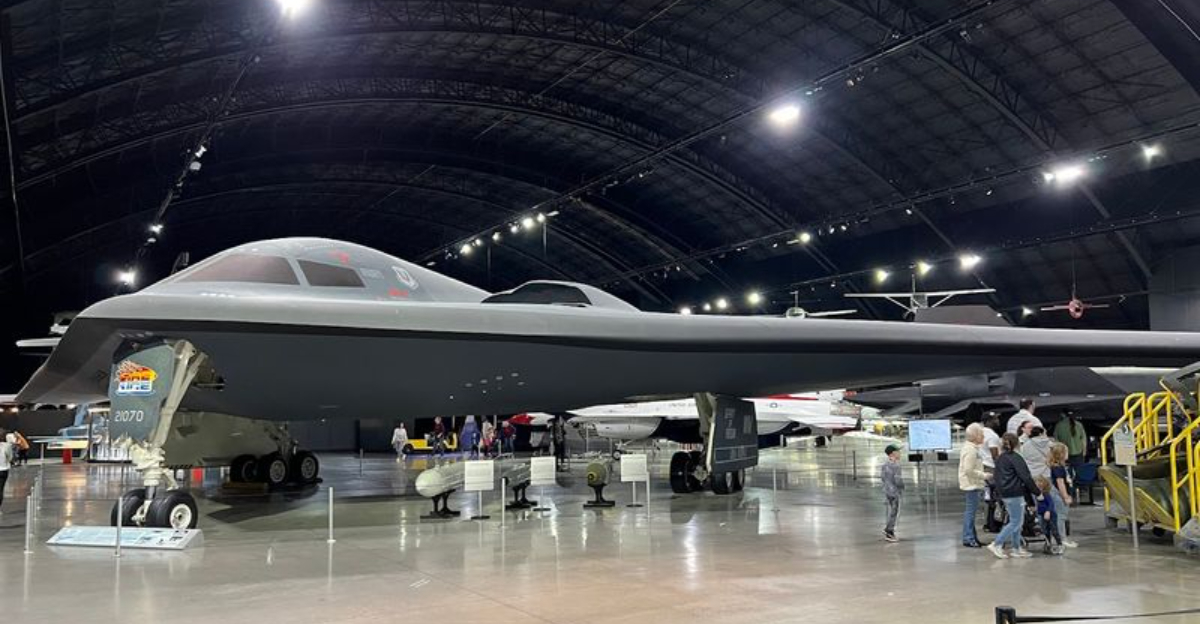
The National Museum of the U.S. Air Force in Dayton, Ohio stands as the world’s largest military aviation museum, housing over 300 incredible aircraft and missiles across massive hangars.
Families visiting this remarkable treasure will discover everything from the Wright Brothers’ earliest flying machines to modern stealth bombers and presidential planes. What makes this destination even more amazing is that admission and parking are completely free, making it accessible for everyone to explore American aviation history.
Whether your kids dream of becoming pilots or you simply want an unforgettable day filled with wonder and learning, this museum offers something special for visitors of all ages.
Completely Free Admission and Parking Makes It Budget-Friendly
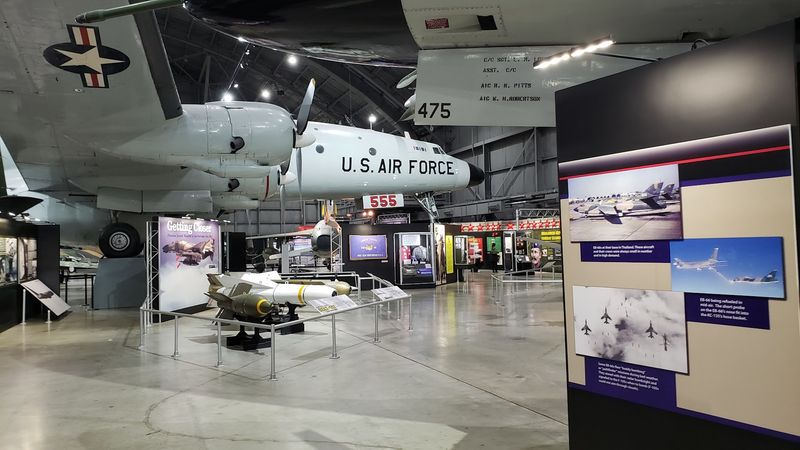
Walking into one of the world’s finest aviation museums without paying a single penny feels almost too good to be true. The National Museum of the U.S.
Air Force offers completely free admission and parking, which means families can enjoy a full day of exploration without worrying about entrance fees eating into their budget.
Most world-class museums charge hefty admission prices, sometimes costing families over $100 just to get through the door. Here, you’ll only encounter optional donation boxes and paid add-ons like flight simulators or the theater.
The museum operates on donations and government support, keeping its doors open to everyone regardless of financial situation.
Your family can return multiple times throughout the year without financial stress. Many visitors plan regular trips, exploring different sections each visit since there’s so much to see.
The money you save on admission can go toward lunch at the café or souvenirs from the gift shop.
This accessibility makes the museum perfect for school field trips, family reunions, or spontaneous weekend adventures. Parking lots accommodate hundreds of vehicles with easy access to the entrance.
Free admission truly democratizes learning, allowing every child to experience aviation history firsthand regardless of their family’s economic circumstances.
Over 300 Aircraft Create the World’s Largest Collection
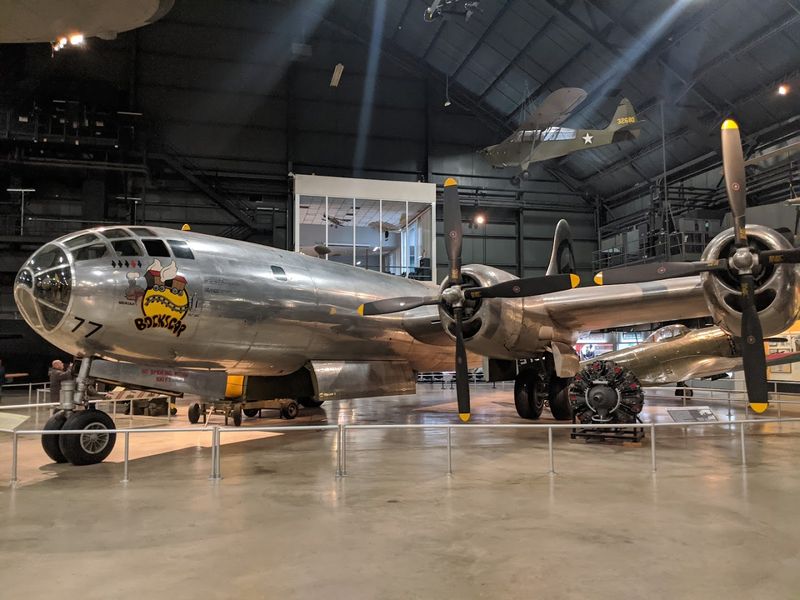
Imagine standing in a space so massive that entire fighter jets look small. The museum houses more than 300 aircraft and missiles spanning over a century of aviation history.
From tiny biplanes to enormous bombers, the collection represents the most comprehensive military aviation display anywhere on Earth.
Walking through the four massive hangars feels like time traveling through American military history. Each aircraft tells stories of bravery, innovation, and technological advancement.
Visitors often spend 4-6 hours exploring yet still feel they’ve barely scratched the surface of what’s available to see.
The sheer variety captivates aviation enthusiasts and casual visitors alike. You’ll find rare experimental aircraft that never made it to mass production alongside famous warbirds that changed history.
Every plane is meticulously maintained and beautifully displayed with detailed informational plaques explaining its significance.
Kids particularly love comparing the sizes of different aircraft, from small reconnaissance planes to massive cargo transports. The museum’s organization by era helps families understand how aviation technology evolved rapidly over the decades.
Photography enthusiasts spend hours capturing stunning images of these magnificent machines from various angles, with excellent lighting making each aircraft look even more impressive than imagined.
Wright Brothers Gallery Showcases Aviation’s Beginning
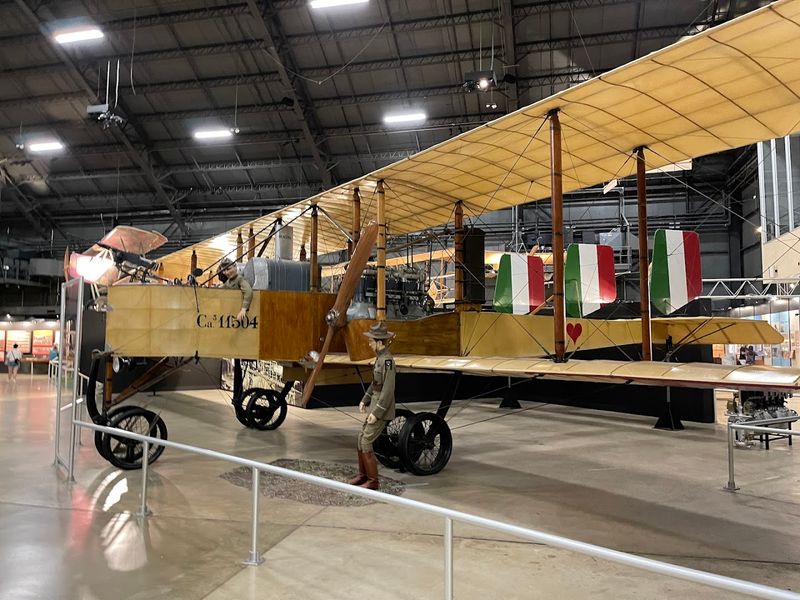
Dayton’s connection to aviation history runs deep since the Wright Brothers called this area home. The museum’s Wright Brothers gallery presents their groundbreaking achievements with actual early aircraft and detailed exhibits showing how two bicycle mechanics changed the world forever.
Seeing these fragile-looking contraptions that first conquered the skies creates genuine appreciation for human ingenuity and courage.
Kids can’t believe people actually flew in machines that look so simple and delicate. The exhibits explain the brothers’ methodical scientific approach to solving flight problems that stumped others for centuries.
Interactive displays demonstrate principles like lift, thrust, and wing design in ways that make complex physics concepts understandable for young minds.
Original military contracts between the Wright Brothers and the U.S. Army are preserved here, showing how aviation quickly evolved from novelty to military necessity.
These historical documents fascinate history buffs who appreciate seeing where modern Air Force capabilities began. The gallery connects Dayton’s proud aviation heritage to today’s advanced aircraft visible elsewhere in the museum.
Many families find this section particularly educational since it demonstrates how persistence and creativity overcome seemingly impossible challenges. Teachers often bring students specifically to see this exhibit when studying American innovation and invention.
World War II Galleries Feature Iconic Warbirds
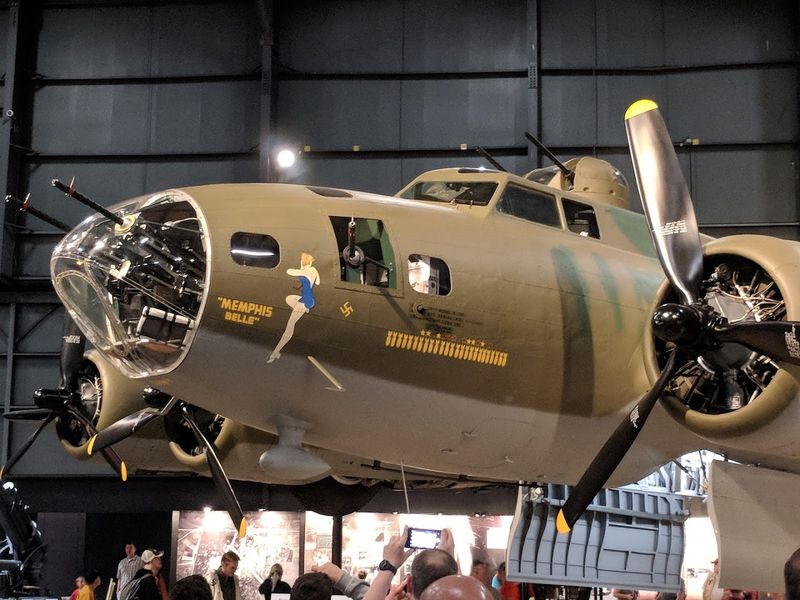
Walking among the legendary aircraft that helped win World War II creates powerful emotional connections to history. The Memphis Belle, one of the first B-17 Flying Fortresses to complete 25 combat missions, anchors this remarkable collection.
Visitors stand beneath these massive bombers, marveling at their size while imagining the young crews who flew dangerous missions over enemy territory.
The museum displays American, German, and Japanese aircraft side by side, providing balanced historical perspective. Kids examining detailed nose art on bombers discover how crews personalized their planes with paintings and nicknames.
Fighter planes like the P-51 Mustang and Japanese Zero show the technological race that defined aerial combat during the war.
Interactive exhibits explain how different aircraft served specific purposes, from ground attack to long-range bombing to aerial reconnaissance. Veterans occasionally visit and share firsthand stories about these planes, bringing history alive in ways textbooks never could.
These encounters with actual veterans create unforgettable moments for children learning about sacrifice and service.
The detailed historical context helps families understand not just the machines but the human stories behind them. Each plane represents countless brave individuals who risked everything for freedom.
This section often moves visitors deeply, creating appreciation for previous generations’ contributions.
Presidential Aircraft Gallery Offers Rare Access
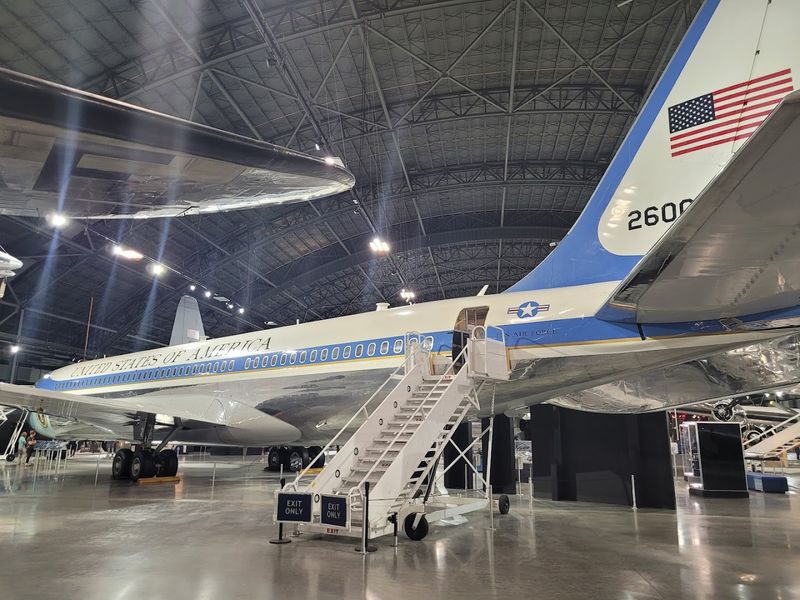
How often can you actually walk aboard Air Force One and see where presidents conducted world business? The Presidential Aircraft Gallery features planes that served presidents from Franklin Roosevelt through George W.
Bush. Climbing the actual stairs presidents used and walking through their private quarters creates thrilling connections to American history and leadership.
The collection includes several aircraft configured as Air Force One during different eras. Visitors peek into presidential offices, communication centers, and even the galley where meals were prepared at 30,000 feet.
Each plane reflects the technology and style of its era, from 1940s simplicity to modern sophistication.
Kids particularly enjoy seeing the surprisingly modest accommodations compared to today’s luxury standards. The secure communication equipment and defensive systems remind families these weren’t pleasure craft but flying command centers.
Docents share fascinating stories about historical events that occurred aboard these very aircraft.
Seeing presidential seals, state room configurations, and specialized equipment makes American history tangible in unique ways. The opportunity to photograph yourself aboard these historic planes creates memorable keepsakes.
This gallery consistently ranks as visitors’ favorite section because it combines aviation technology with political history in an accessible, walkable format.
Cold War Jets and Modern Stealth Technology Impress
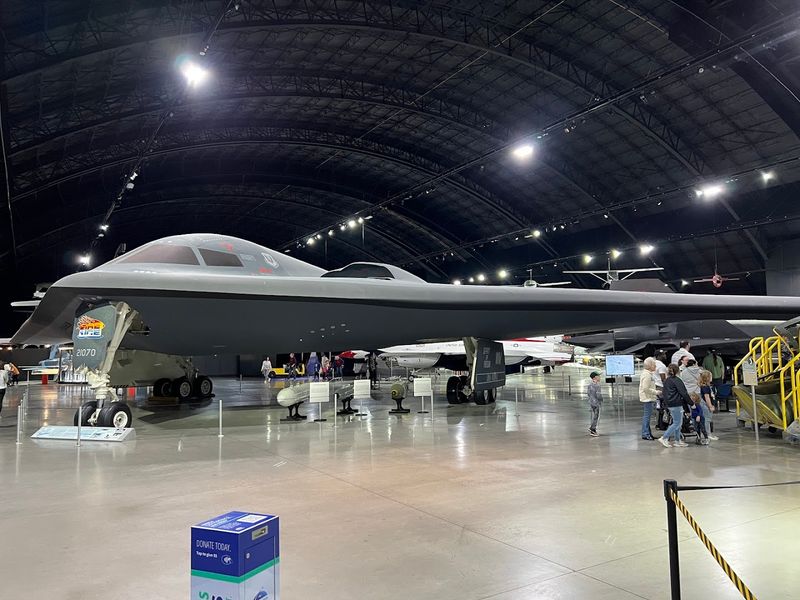
Nothing prepares you for standing beneath a B-2 Spirit stealth bomber with its otherworldly flying wing design. The Cold War and Modern Flight galleries showcase aircraft that seem pulled from science fiction, including some of the most advanced planes ever created.
These sections demonstrate how technology leaped forward during tense decades of global competition.
Visitors examine SR-71 Blackbirds that flew faster than bullets and reconnaissance planes that gathered intelligence at impossible altitudes. The angular, radar-evading designs of stealth fighters look completely different from earlier generations.
Kids studying STEM subjects get inspired seeing how engineering principles create real-world capabilities that seem like superpowers.
Interactive displays explain stealth technology, supersonic flight, and advanced weapons systems in understandable terms. Comparing Cold War jets to earlier propeller planes shows how rapidly aviation evolved in just a few decades.
The museum doesn’t shy from explaining how these technological marvels served as deterrents during dangerous international tensions.
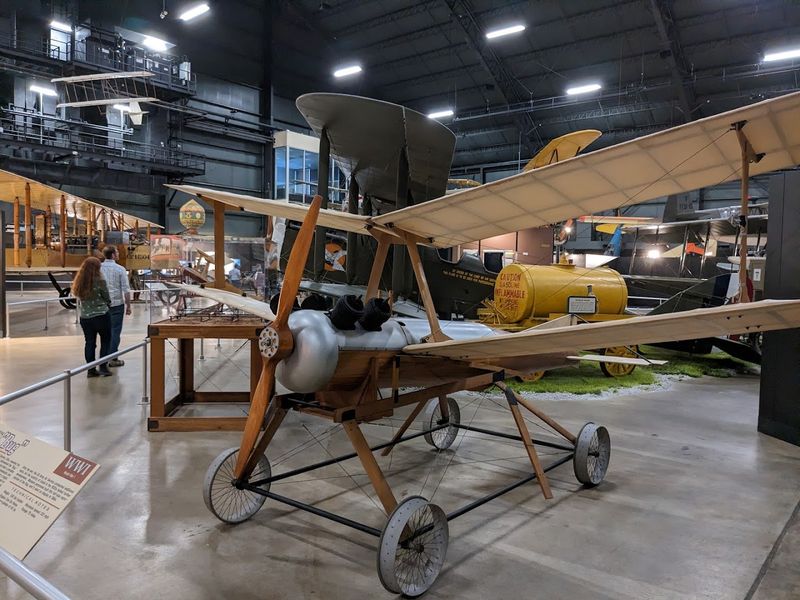
Photography enthusiasts love capturing the dramatic angles and sleek lines of modern aircraft. The contrast between these futuristic-looking machines and vintage World War I biplanes elsewhere in the museum highlights humanity’s incredible technological journey.
Many visitors report feeling renewed appreciation for American engineering excellence and innovation after exploring this section.
Flight Simulators and Interactive Experiences Engage Kids
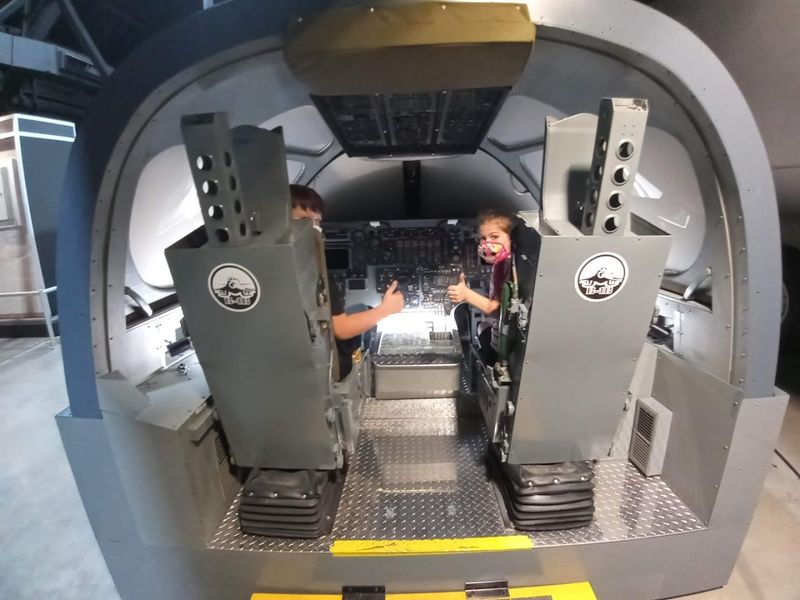
Reading plaques only holds children’s attention so long, which makes the museum’s interactive elements absolutely essential for family visits. Flight simulators let kids experience the thrill of piloting various aircraft, from World War II fighters to modern jets.
These aren’t simple video games but reasonably realistic simulations that teach basic flight principles while providing exciting entertainment.
Various hands-on exhibits throughout the galleries invite touching, exploring, and experimenting rather than just observing. Kids can sit in actual cockpits of certain aircraft, manipulating controls and imagining themselves as pilots.
These tactile experiences create lasting memories and deeper understanding than passive observation alone could achieve.
The simulators charge reasonable fees, typically under $10 per experience, making them affordable add-ons to your free museum visit. Parents appreciate how these activities break up long periods of walking and looking.
Many families budget time specifically for simulator sessions, knowing their kids will talk about those experiences for weeks afterward.
Interactive displays explaining aerodynamics, radar, and weapons systems present complex concepts through engaging games and demonstrations. Children naturally absorb scientific principles while having fun, making learning feel effortless.
These elements transform the museum from a place that just displays old planes into an immersive educational adventure that appeals to all learning styles and age groups.
Space and Missile Gallery Explores Beyond Earth
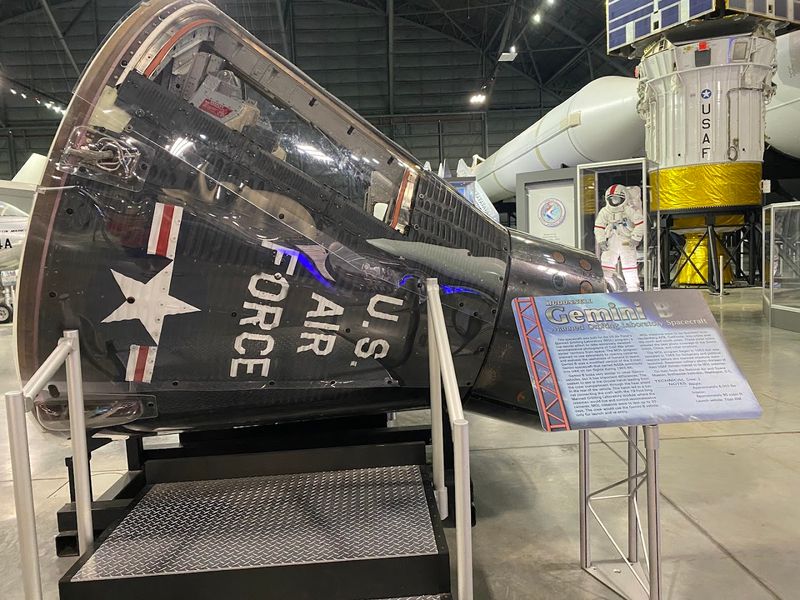
The museum’s reach extends beyond Earth’s atmosphere into the cosmos itself. Space and missile galleries showcase capsules, rockets, satellites, and equipment that represent humanity’s greatest adventure.
Kids who dream of becoming astronauts stand mesmerized before actual spacecraft that orbited Earth and participated in critical space missions.
Exhibits trace the development of missile technology from early experiments to intercontinental ballistic missiles and space launch vehicles. The connection between Air Force missions and space exploration becomes clear through these comprehensive displays.
Families learn how military aerospace research contributed directly to NASA’s achievements and America’s space program success.
Seeing the cramped quarters inside space capsules where astronauts endured days or weeks creates new appreciation for their courage. The technological challenges of operating in space’s harsh environment become tangible through detailed exhibits showing life support systems, navigation equipment, and heat shields.
Children studying space science find real-world examples of concepts they’ve only encountered in textbooks.
This section particularly appeals to visitors interested in science, technology, and exploration beyond traditional aviation. The progression from atmosphere-bound aircraft to spacecraft demonstrates human ambition’s limitless nature.
Parents report kids becoming fascinated with space careers after walking through galleries that make those opportunities feel achievable rather than impossibly distant.
Knowledgeable Veterans and Volunteers Share Living History
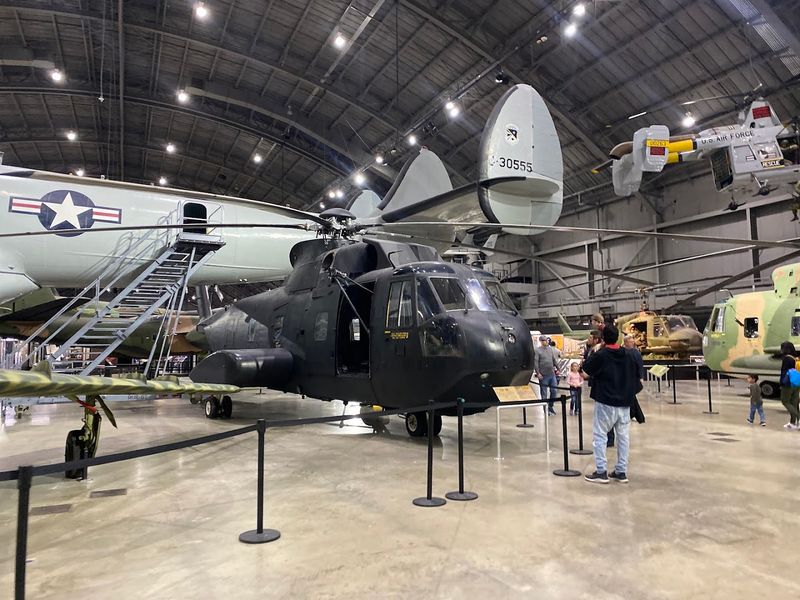
Historical artifacts become infinitely more meaningful when someone who lived that history shares their personal experiences. The museum hosts numerous veterans and knowledgeable volunteers who served in various capacities throughout Air Force history.
Meeting a Vietnam helicopter pilot who actually flew the very aircraft now displayed before you creates unforgettable educational moments.
These veterans don’t just recite facts from plaques but share vivid memories, emotions, and perspectives that textbooks can’t capture. Kids asking questions get authentic answers from people who experienced combat, training, and service firsthand.
Such encounters humanize history, helping younger generations understand that these massive machines were operated by real people with families, fears, and dreams.
Volunteers work throughout the museum, offering tours, answering questions, and providing context that enhances every visit. Their enthusiasm and expertise elevate the experience from good to exceptional.
Many have deep personal connections to specific aircraft or missions, bringing unique insights that professional tour guides couldn’t replicate.
Families often describe chance meetings with veterans as their visit’s highlight, more memorable than even the impressive aircraft themselves. These interactions teach respect, gratitude, and appreciation for service and sacrifice.
The museum facilitates these connections between generations, preserving not just aircraft but the human stories that give them meaning and significance.
Family-Friendly Facilities Support All-Day Visits
Exploring such a massive museum requires proper facilities to keep families comfortable throughout their visit. The museum provides wheelchairs and scooters for visitors with mobility challenges, ensuring accessibility for grandparents and others who need assistance.
These thoughtful accommodations mean multi-generational families can explore together without anyone being left behind.
A café located midway through the exhibits offers sandwiches, snacks, and drinks when energy levels need boosting. While some reviewers wish for healthier options, having any food service prevents families from cutting visits short due to hunger.
Plenty of seating areas throughout the museum provide rest stops for tired feet and overwhelmed minds.
Restrooms are clean, well-maintained, and strategically located so you’re never far from facilities. The museum’s indoor climate control means comfortable conditions regardless of Ohio weather outside.
Parents appreciate these practical considerations that make ambitious all-day visits with children actually achievable rather than theoretical.
The extensive walking required means bringing strollers for toddlers or planning regular breaks. However, wide walkways and spacious galleries accommodate strollers and wheelchairs easily.
A well-stocked gift shop near the entrance lets families browse aviation-themed souvenirs, books, and memorabilia. These visitor-focused amenities demonstrate that the museum prioritizes guest experience alongside historical preservation and education.