Some places surprise you by being far more layered than they first appear, and Dorflinger-Suydam Wildlife Sanctuary is exactly that kind of destination.
What looks like a peaceful preserve for an easy walk opens into a rich mix of history, wildlife, and one of the most unexpected museum stops in northeastern Pennsylvania.
If you love scenic trails but also want a sense of story behind the landscape, this White Mills gem makes a half-day outing feel especially rewarding.
It is the kind of place that invites you to slow down, look closer, and leave feeling like you found something special.
A 600-Acre Sanctuary Rooted in History
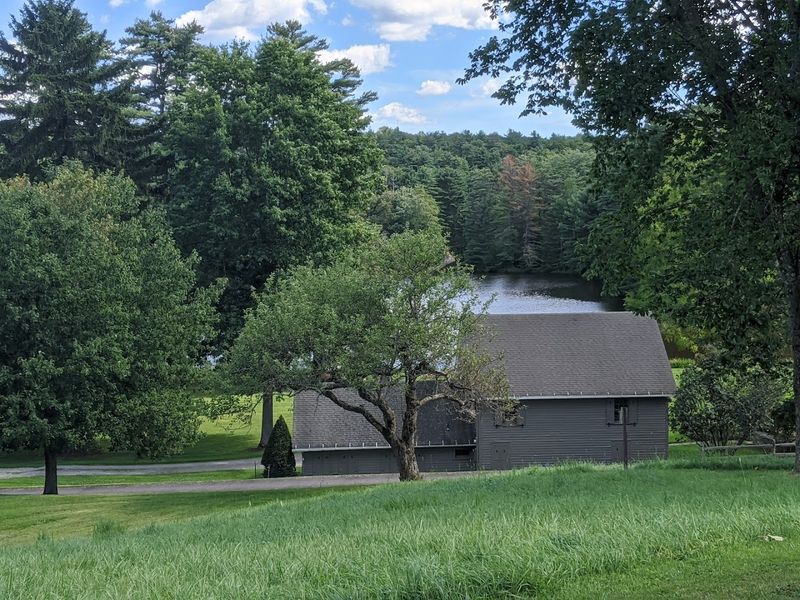
Dorflinger-Suydam Wildlife Sanctuary feels bigger than a quick glance suggests. Spread across nearly 600 acres in northeastern Pennsylvania, it gives you room to breathe, wander, and settle into a landscape that blends forest, meadow, wetlands, and traces of local history.
Instead of feeling like a single trail loop, the property unfolds gradually, with each section revealing a slightly different mood.
What makes the sanctuary stand out is how naturally its conservation mission connects with the past. This land is tied to White Mills’ glassmaking heritage, so your walk is not only about scenery but also about the story of the people who once lived and worked here.
That historical layer gives the sanctuary a stronger sense of identity than many nature preserves.
As you move through the grounds, the balance between protected habitat and preserved heritage becomes part of the experience. You are not just passing through open space, but through a place shaped by both nature and industry over generations.
That combination creates a destination that feels calming, thoughtful, and unexpectedly rich for such an easy outing.
It is the kind of place that quietly rewards attention.
Easy, Well-Maintained Trails for All Skill Levels
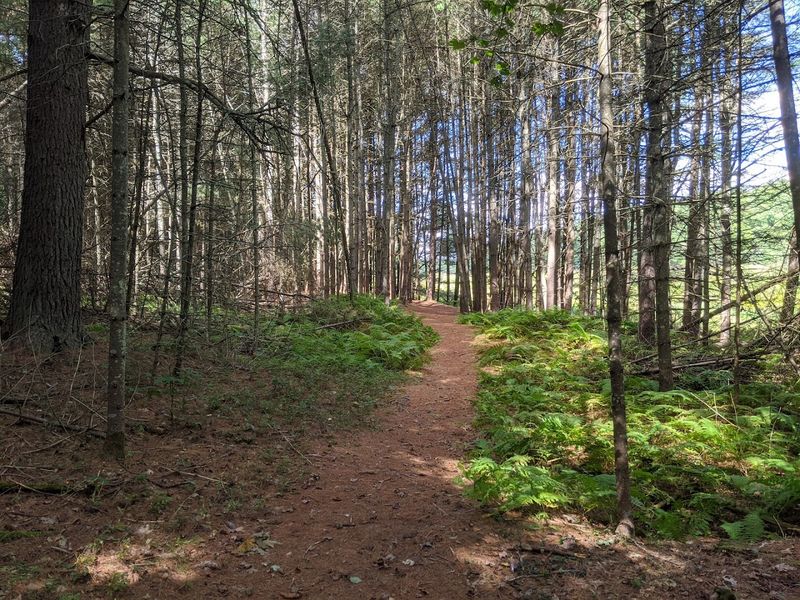
If you want a walk that feels restorative instead of exhausting, the trails here are a major reason to visit. The sanctuary offers about five miles of easy, well-kept paths that welcome casual walkers, families with kids, and anyone who prefers a relaxed pace.
You do not need technical gear, hiking poles, or a full-day plan to enjoy the grounds.
That accessibility changes the whole mood of the visit. Rather than focusing on steep climbs or rough footing, you can pay attention to birdsong, changing light, and the subtle shifts between woods and fields.
It is a place where conversation comes easily, where children can stay engaged, and where even beginner hikers can feel comfortable exploring.
The trails are clearly marked, which makes the sanctuary especially appealing if you dislike overthinking navigation. You can wander without that nagging worry of taking a wrong turn far from the parking area.
For visitors used to more demanding Pocono hikes, this preserve offers a gentler alternative that still feels scenic and worthwhile.
Sometimes an easy trail is exactly what turns a simple outing into a memorable one. Here, that simplicity is part of the charm, not a compromise.
A Peaceful Landscape of Forests, Fields, and Water
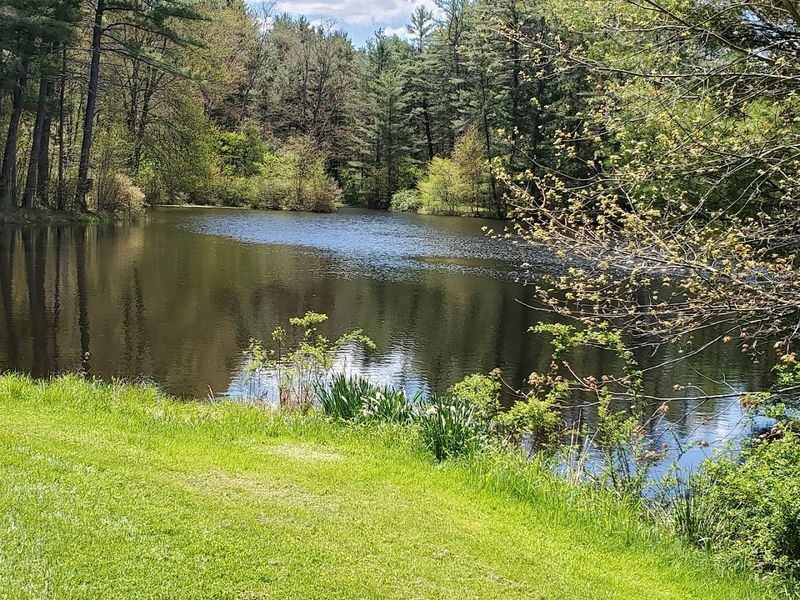
One of the most satisfying things about visiting this sanctuary is how much variety you get without covering difficult terrain. The landscape moves between shady woodland, open meadows, and wetter pockets that attract different plants and animals.
That mix keeps the walk visually interesting, even if you are just out for an hour.
In the woods, the atmosphere feels cool and hushed, with filtered light and a softer sense of enclosure. Step into the fields and everything opens up, giving you wider views, taller grasses, and more sky.
Near the water and wetland areas, the scenery becomes quieter in a different way, with reflections, reeds, and subtle movement that make you pause.
Because these ecosystems sit close together, the sanctuary changes mood quickly as you move through it. Spring brings fresh green growth and wildflowers, summer feels lush and full, fall adds warm color, and even quieter seasons have a stillness that feels restorative.
You are never far from a new texture or a different soundscape.
That natural variety gives the preserve a depth many small parks lack. It feels peaceful, but never flat or repetitive, which makes even a short visit feel fuller and more immersive.
Wildlife Watching Without the Crowds
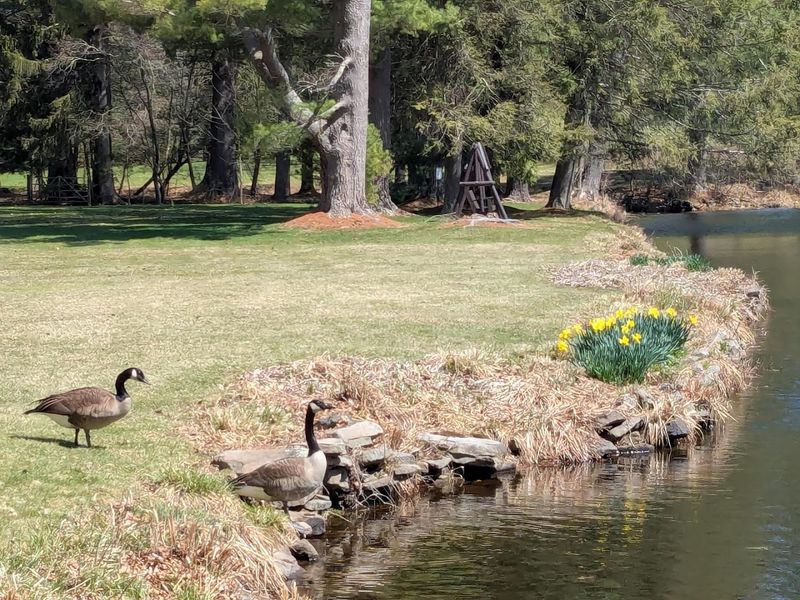
For anyone who enjoys spotting birds or simply noticing the quiet life around a trail, this sanctuary delivers in a pleasantly low-key way. You are not dealing with packed overlooks, loud groups, or the kind of foot traffic that sends wildlife deeper into cover.
The calmer setting makes it easier to notice movement, calls, and small details.
Because the preserve includes woods, meadows, and wetland habitat, there is a good chance of seeing different species during a single visit. Waterfowl, songbirds, and other native animals use the sanctuary throughout the year, and the open stretches make observation especially rewarding.
Even when wildlife is not dramatically visible, the environment feels alive.
That sense of quiet is part of what makes the experience so appealing. Instead of rushing from viewpoint to viewpoint, you can stop, listen, and let the landscape reveal itself gradually.
If you enjoy birding casually rather than obsessively, this is the kind of place where you can feel successful without needing expert-level knowledge.
The sanctuary’s uncrowded atmosphere also makes wildlife watching more relaxing for beginners. You can linger without feeling in anyone’s way, which turns simple sightings into one of the visit’s most memorable rewards.
The Surprise Highlight: The Dorflinger Glass Museum
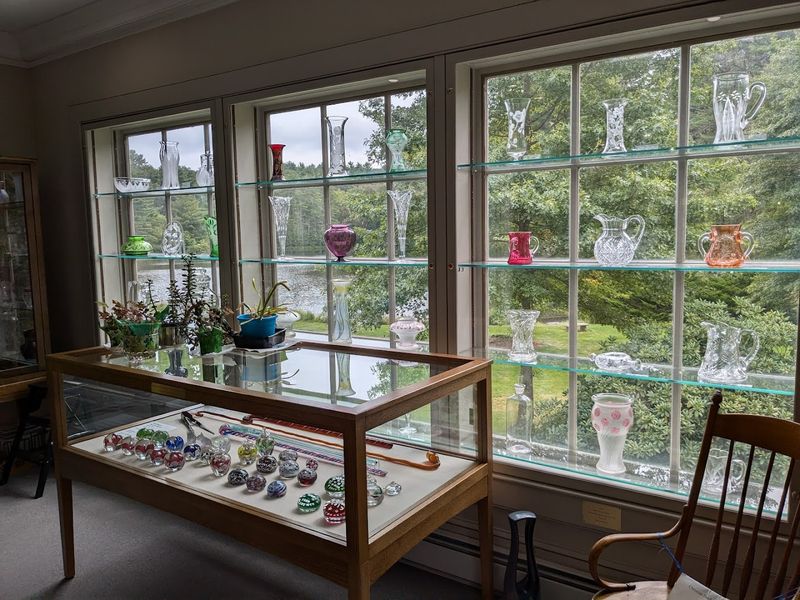
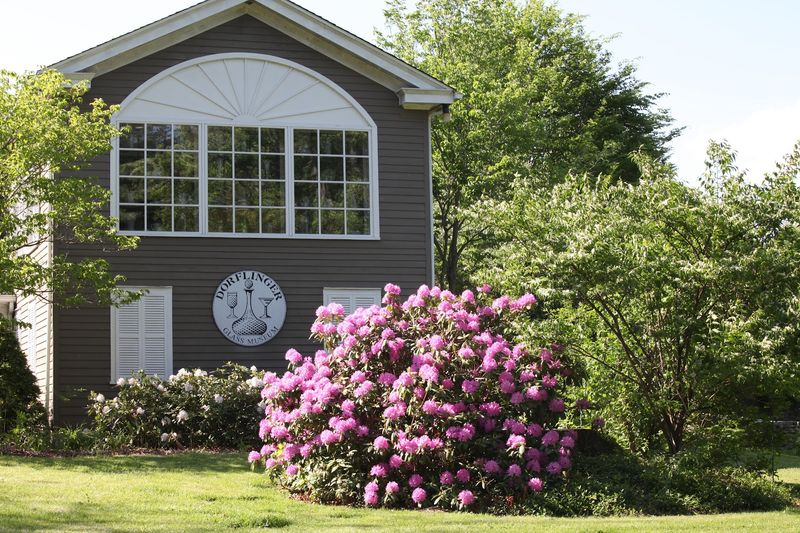
The biggest surprise at Dorflinger-Suydam Wildlife Sanctuary might be the museum waiting right on the grounds. After an easy walk through woods and meadows, you can step into the Dorflinger Glass Museum and find one of the largest collections of Dorflinger crystal anywhere.
It is an unexpected shift, but it somehow makes the visit feel even more complete.
Inside, the displays highlight intricate cut, engraved, and gilded glass from the nineteenth and early twentieth centuries. Even if you are not usually drawn to decorative arts, the craftsmanship is impressive enough to hold your attention.
The pieces have a delicacy and precision that immediately connect the region’s industrial past to something beautiful and highly refined.
What makes the museum especially memorable is the contrast it creates with the surrounding preserve. You go from birdsong and trail dust to sparkling crystal and local history in a matter of minutes.
Rather than feeling disconnected, the museum deepens your understanding of why this sanctuary exists and why White Mills matters.
It is the kind of museum stop that changes a nice nature outing into a richer destination. You arrive expecting a pleasant walk and leave talking about art, industry, and craftsmanship too.
The Legacy of Christian Dorflinger
To really appreciate the sanctuary, it helps to know the name behind it. Christian Dorflinger was a major glassmaker whose work and business helped shape White Mills into a thriving industrial village in the nineteenth century.
The land you explore today was once connected to that larger story of craftsmanship, labor, and community development.
His factory became known for fine crystal, and that success left a lasting mark on the region. What feels especially compelling during a visit is realizing that this peaceful preserve was not always simply a retreat into nature.
It was also part of a productive landscape tied to ambition, industry, and the lives of the workers who made that success possible.
That history gives the sanctuary emotional texture. You are not just walking through protected acreage, but through land that reflects a transformation from industrial use to conservation and education.
It is a powerful reminder that places can evolve while still honoring what came before.
Learning about Christian Dorflinger also helps the museum and the trails make more sense together. The sanctuary is not a random pairing of nature and local history.
It is a destination built around one story, expressed through landscape, preserved structures, and remarkable glass.
Historic Buildings Scattered Across the Grounds
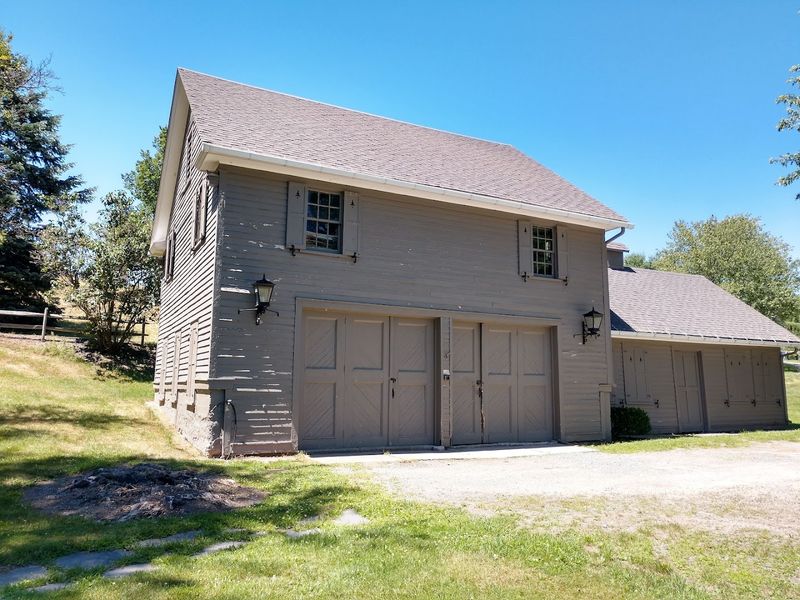
The museum is not the only place where the sanctuary’s past shows through. As you explore the grounds, preserved buildings and historic remnants add a quiet sense of discovery to the outdoor experience.
These structures help you picture the original company town and understand that the landscape once supported everyday work and home life.
Among the most interesting features is the glassworker’s house, which gives a more personal scale to the area’s industrial story. It is one thing to admire crystal in a museum case, but another to imagine the people who helped produce that legacy.
The buildings make the history feel grounded, human, and close at hand.
What I like most is that these structures do not overwhelm the natural setting. Instead, they appear almost as conversation points within the preserve, inviting you to slow down and connect the scenery with the past.
You can move from a wooded path to a historic site without the experience feeling forced or overly curated.
That balance is part of what makes the sanctuary memorable. It offers more than a walk and more than a history lesson, letting both elements share the same space.
For visitors who enjoy places with depth, these scattered buildings add exactly the right amount of context.
Seasonal Events Like the Wildflower Concert Series
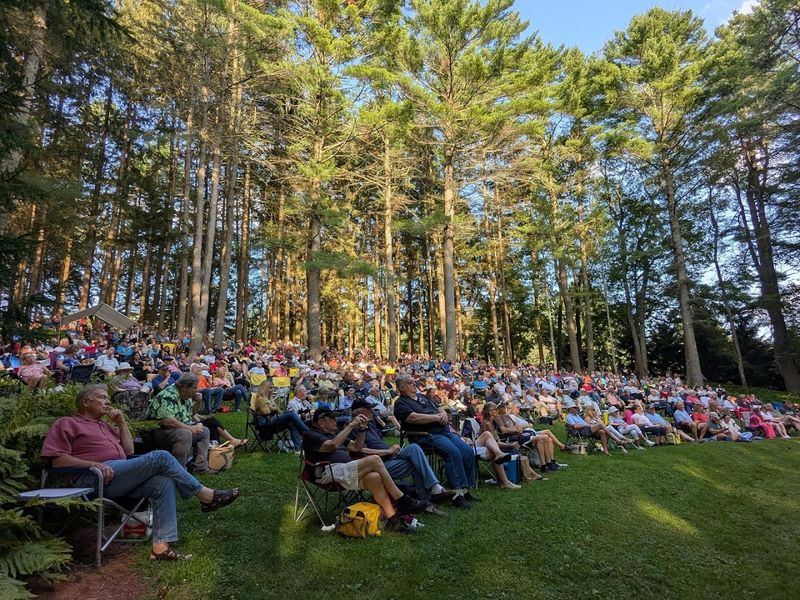
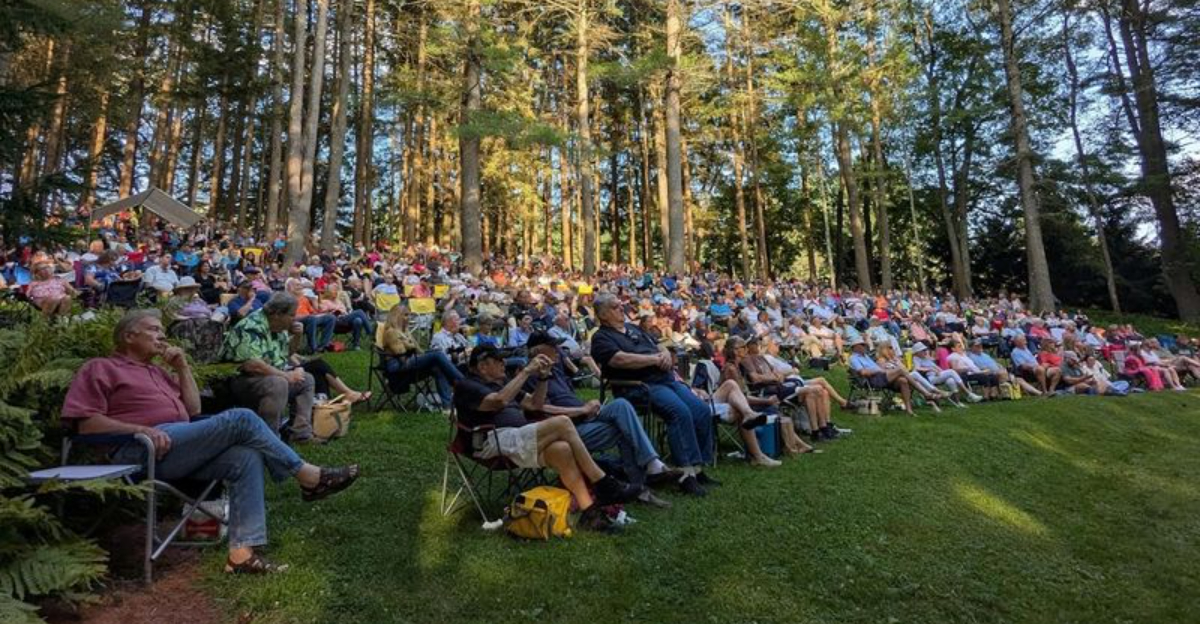
In summer, the sanctuary becomes more than a scenic place to walk. It also serves as a cultural venue, with events like the Wildflower Concert Series bringing music into a natural amphitheater surrounded by tall pines.
That setting gives performances a relaxed, memorable atmosphere you do not get from a typical indoor hall.
There is something especially appealing about hearing live music in a place already defined by quiet beauty. The trees, open air, and soft evening light create a backdrop that feels both casual and a little magical.
Even if you come mainly for the trails or museum, the event calendar adds another reason to keep the sanctuary on your radar.
What stands out is how well these gatherings fit the character of the preserve. They do not feel like an unrelated attraction dropped into a natural area.
Instead, the concerts extend the sanctuary’s larger mission by connecting people with beauty, creativity, and place in a setting that encourages lingering.
If you happen to visit during an event season, it is worth planning around it. A walk followed by a performance can turn a simple outing into a full experience, blending landscape and culture in a way that feels distinctly special to White Mills.
A Place Where Nature, Art, and History Intersect
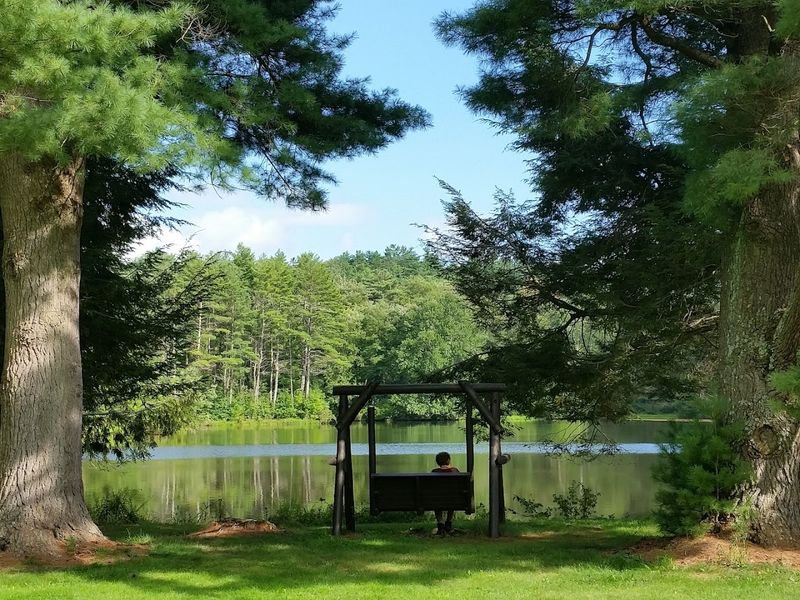
What makes Dorflinger-Suydam Wildlife Sanctuary feel different from a standard park is the way its mission brings several worlds together. You come for the trails and scenery, but you also encounter historic structures, local industrial heritage, and museum collections that highlight artistic excellence.
Few places pull those threads together this naturally.
That intersection of nature, art, and history changes how you experience every part of the property. A walk through the woods is no longer just a walk, because you know the land has a deeper story.
A museum visit feels more grounded too, because you are seeing the objects in the very landscape tied to their origin.
This multidimensional character makes the sanctuary appealing to a wider range of visitors. Someone who loves birding can enjoy it alongside a friend more interested in architecture or decorative arts.
Families, history buffs, and casual day-trippers can all find an entry point without feeling like the place caters to only one kind of traveler.
That is rare, and it is the reason the sanctuary leaves such a strong impression. Instead of asking you to choose between outdoor recreation and cultural enrichment, it offers both at once.
The result is a destination that feels thoughtful, distinctive, and genuinely worth seeking out.
Visitor Information and Helpful Tips
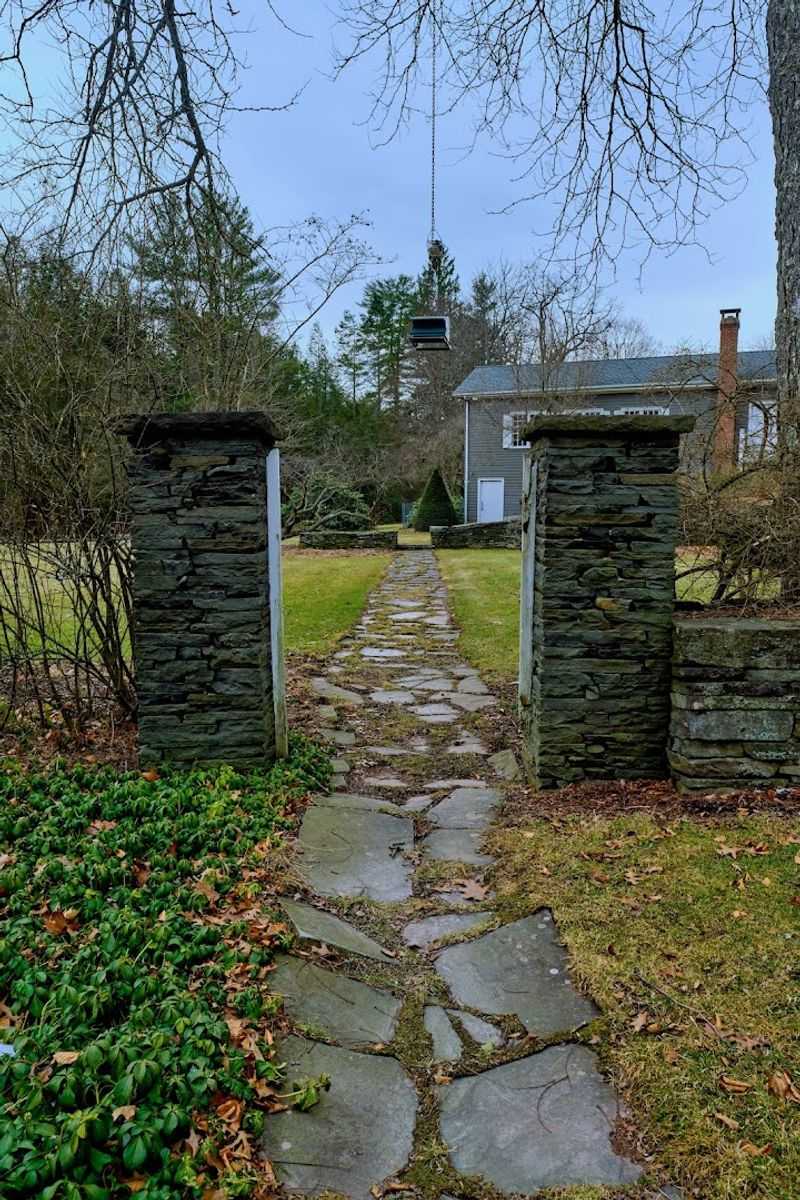
If you are planning a visit, Dorflinger-Suydam Wildlife Sanctuary is located at 55 Suydam Drive in White Mills, Pennsylvania. The grounds are generally open from dawn to dusk and can be enjoyed free of charge, which makes this an easy addition to a Pocono day trip.
Parking is available on site, and the setting works especially well for a relaxed half-day outing.
The glass museum usually operates seasonally, typically from spring through fall, with limited weekly hours. Because museum access is not always available every day, it is smart to check ahead before you go.
If you want the full experience, allowing at least an hour is a good baseline, though a longer visit gives you time to enjoy both the trails and exhibits without rushing.
The terrain is gentle enough that standard walking shoes are usually all you need. This is not a rugged, gear-heavy hiking destination, which is part of its appeal.
One important note is that pets are not permitted, so plan accordingly if you usually travel with a dog.
For the best visit, arrive ready to slow down. This is a place to walk, observe, and appreciate the sanctuary’s calm atmosphere rather than race through a checklist of sights.