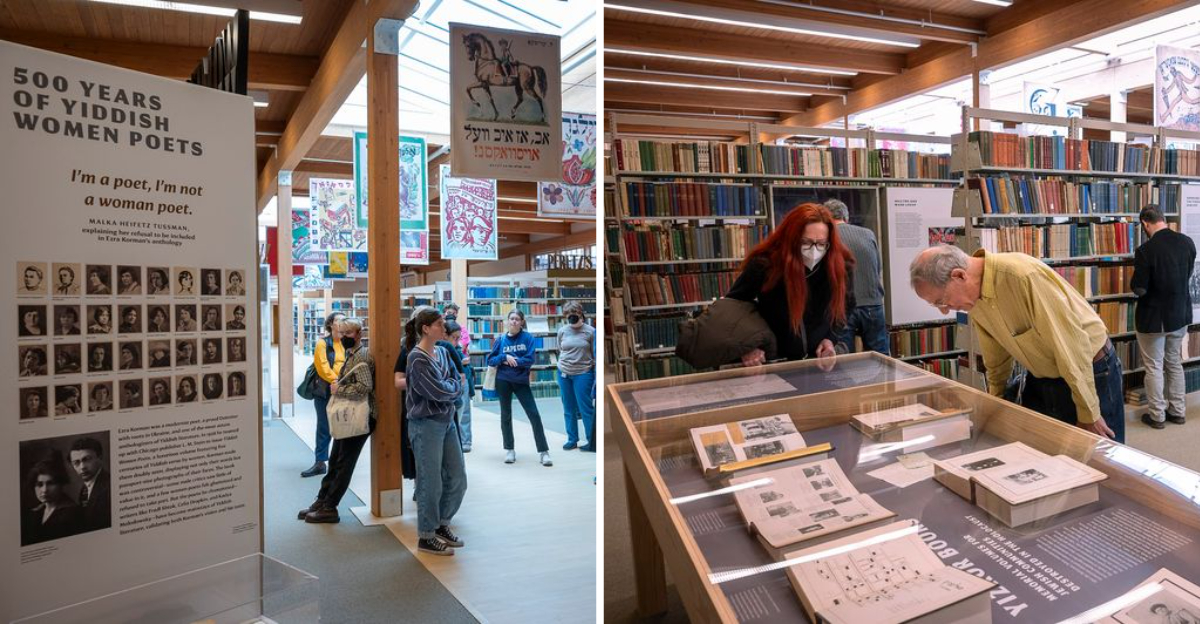
Hidden in the rolling hills of western Massachusetts sits a remarkable treasure that tells the story of a language and culture that nearly disappeared. The Yiddish Book Center in Amherst isn’t just another museum or library—it’s a living monument to Jewish heritage, housing over a million books and preserving centuries of Yiddish literature, art, and tradition.
Whether you’re fascinated by history, architecture, or simply curious about different cultures, this special place offers something extraordinary for everyone who walks through its doors.
A Stunning Architectural Marvel That Tells a Story
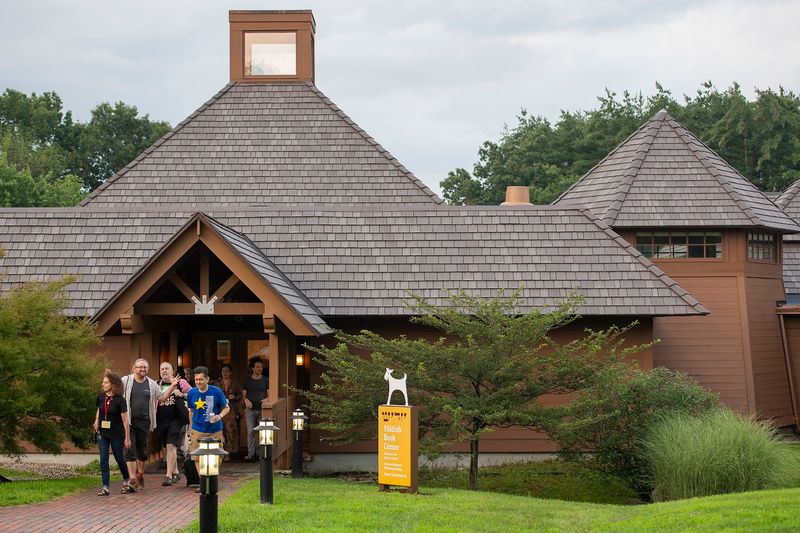
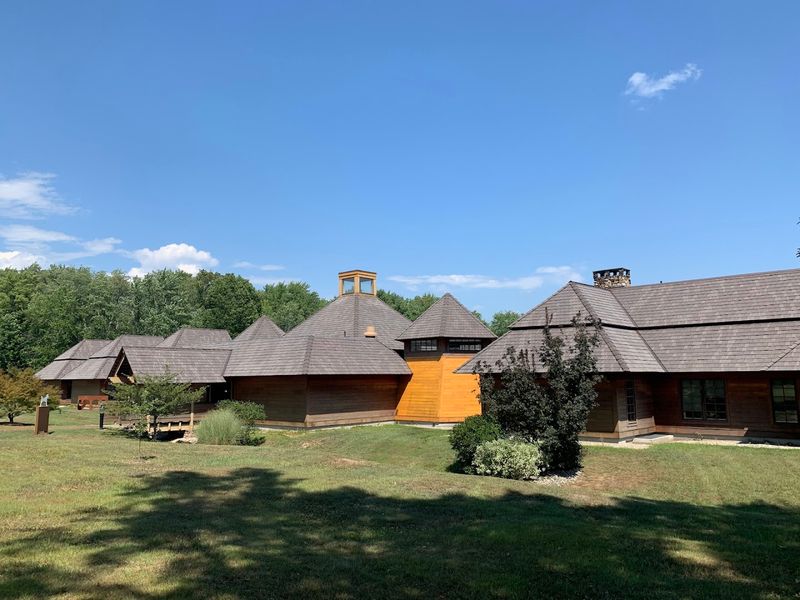
Picture a building that looks like it stepped out of an old European village but was built with modern materials and design. The Yiddish Book Center’s architecture is absolutely breathtaking, featuring warm wooden structures with distinctive peaked roofs that pay tribute to the shtetls—small Jewish towns—of Eastern Europe.
Architect Allan Greenberg designed this award-winning building to honor the past while embracing the present.
Walking up to the center feels like discovering a secret world. The natural wood exterior glows in the sunlight, and large windows invite you to peek inside at the treasures within.
Every architectural detail has meaning, from the layout that encourages exploration to the materials chosen to create a welcoming atmosphere.
The building sits beautifully on the Hampshire College campus, blending seamlessly with the natural landscape around it. Inside, high ceilings and open spaces create a sense of grandeur without feeling overwhelming.
Natural light floods through carefully placed windows, making even the reading areas feel warm and inviting.
Visitors consistently praise the structure as one of the finest literary museum buildings in the world. The thoughtful design makes browsing through exhibits feel like an adventure, with each room offering new discoveries about Yiddish culture and history waiting around every corner.
Over One Million Books Rescued From Oblivion
Imagine if an entire language’s literature was about to vanish forever. That’s exactly what founder Aaron Lansky worried about in 1980 when he realized Yiddish books were being thrown away as older generations passed on.
He started collecting them from basements, attics, and anywhere else people stored these forgotten treasures.
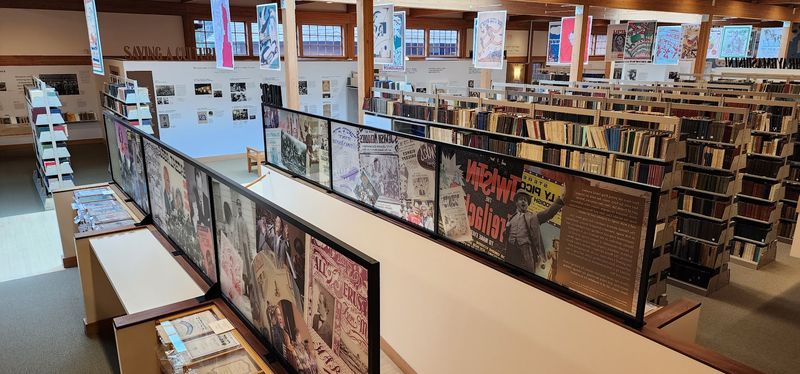
Today, the center houses more than a million Yiddish books—the largest collection anywhere on Earth. These aren’t just dusty old volumes sitting unused.
Each book represents stories, poems, plays, newspapers, and knowledge spanning centuries of Jewish life across Europe and America.
The preservation work continues every single day. Staff members carefully catalog, digitize, and protect these books so future generations can access them.
They’ve even created an online digital library where anyone worldwide can read thousands of these books for free.
What makes this collection truly special is its variety. You’ll find everything from children’s stories to serious academic works, cookbooks to radical political manifestos.
Walking through the stacks feels like traveling through time, seeing how Yiddish speakers documented their lives, dreams, struggles, and triumphs through the written word across generations.
Guided Tours That Bring History to Life
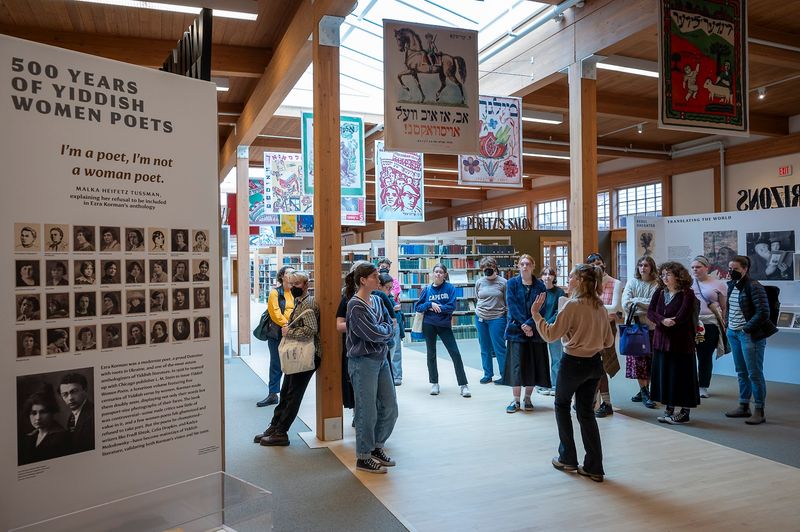
Don’t even think about skipping the guided tour! Multiple visitors emphasize this point in their reviews, and for good reason.
The knowledgeable tour guides don’t just recite facts—they share stories that make Yiddish culture come alive in ways you’d never experience just wandering alone.
Tours typically last about an hour and cover the center’s mission, the building’s design, and highlights from the collection. Guides explain why Yiddish matters, how it developed, and why saving these books became so urgent.
They’ll show you rare volumes and explain their significance in accessible, interesting ways.
What visitors love most is how personal these tours feel. Guides often share emotional stories about book rescues, finding long-lost family treasures, or reuniting people with books from their childhood.
These human connections transform abstract history into something real and touching.
The tours are completely free with admission, making them an incredible value. They’re suitable for all ages, though the content appeals especially to older children and adults who can appreciate the historical context.
Whether you speak Yiddish or have never heard it before, you’ll leave understanding why this language and its literature deserve preservation.
An Emotional Introductory Film You Won’t Forget
Before exploring the exhibits, settle into the comfortable screening room for the center’s introductory film. Reviewers consistently describe it as heartwarming, inspiring, and heartbreaking—sometimes all at once.
This powerful documentary sets the stage for everything you’ll see during your visit.
The film tells the story of Yiddish’s near-disappearance and the heroic efforts to save it. You’ll meet people who donated their family’s books, hear about dramatic rescues from dumpsters, and learn why this language matters so much to so many.
Even if you have no personal connection to Yiddish culture, you’ll feel the emotional weight.
What makes it especially moving is its honest approach. The film doesn’t shy away from discussing the Holocaust’s devastating impact on Yiddish speakers or the challenges of keeping a dying language alive.
Yet it balances sadness with hope, showing how preservation efforts are succeeding.
Parents should know that younger children might find some content heavy, though nothing is inappropriate. The film runs about 20 minutes, perfect for setting context without overwhelming you.
Grab some tissues—many visitors admit to tearing up during particularly poignant moments of this beautifully crafted introduction.
The Fascinating Linotype Machine and Printing History
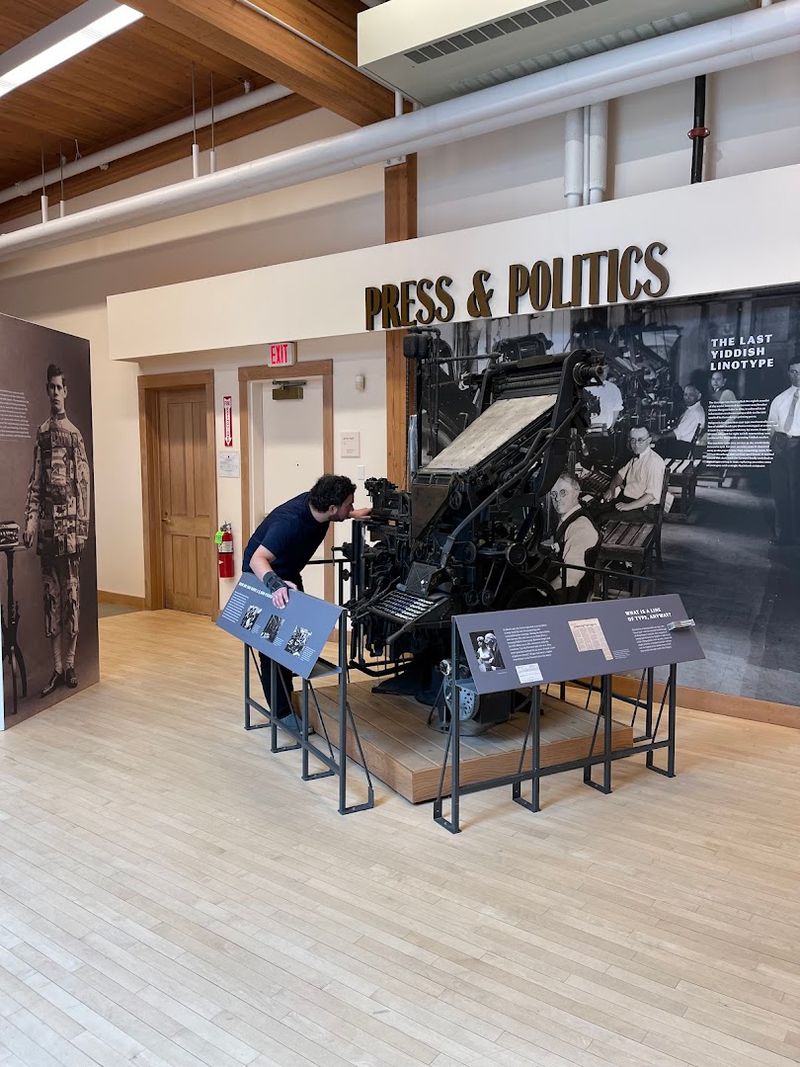
Step back in time to when printing required heavy machinery and skilled operators. The center’s rare Yiddish Linotype machine is a genuine star attraction, especially for anyone interested in how books were actually made before computers changed everything.
Linotype machines revolutionized printing in the late 1800s by allowing typesetters to produce entire lines of text at once rather than placing individual letters. This particular machine used special matrices (molds) with Yiddish characters, making it possible to print Yiddish newspapers, books, and other materials much faster.
Only a handful of these specialized machines still exist today.
The exhibit doesn’t stop with just one machine. You’ll also find antique printing presses and other equipment that tells the complete story of Yiddish publishing.
Seeing these massive mechanical beasts helps you appreciate how much work went into creating each book in the collection.
Technology enthusiasts and history buffs equally enjoy this exhibit. The machines are beautifully preserved, and informative plaques explain how they worked.
It’s fascinating to imagine the printers who operated these devices, setting type for newspapers that connected Yiddish-speaking communities across continents.
Beautiful Gardens Perfect for Peaceful Reflection
After absorbing so much history indoors, step outside into the center’s beautifully maintained gardens. These peaceful grounds offer the perfect spot to process what you’ve learned, enjoy nature, or simply take a break between exhibits.
The gardens blend thoughtful landscaping with natural New England beauty. Winding paths invite leisurely strolls, while strategically placed benches provide spots to sit and think.
Many visitors describe the gardens as having a meditative quality that complements the cultural experience inside.
Bring a picnic lunch and enjoy it on the grounds—you’re welcome to use the outdoor spaces for relaxing and dining. The combination of fresh air, greenery, and the interesting architecture visible from outside creates a uniquely pleasant atmosphere.
Some visitors even bring books from home to read in this inspiring setting.
Former Hampshire College students particularly treasure memories of studying in these gardens during their college years. The peaceful environment, combined with the cultural richness nearby, made it an ideal spot for both academic work and personal reflection.
Whether you spend five minutes or an hour outside, the gardens add another dimension to your visit that purely indoor museums can’t match.
A Wonderful Children’s Book Collection
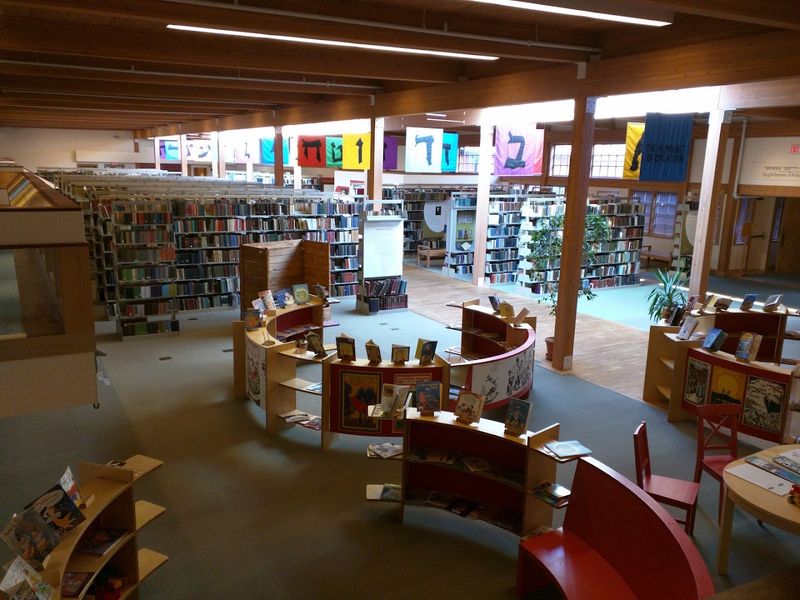
Young visitors haven’t been forgotten in this predominantly adult-focused institution. The center maintains a special children’s book area that introduces Yiddish culture to younger generations in age-appropriate, engaging ways.
This collection includes Yiddish children’s books from various eras, showing how stories were told to Jewish children throughout history. Many books feature beautiful illustrations that transcend language barriers, allowing kids to appreciate the artwork even if they can’t read Yiddish.
Some are translations of familiar tales, while others are original stories from Yiddish culture.
Parents and educators find this section particularly valuable for teaching children about cultural preservation and different languages. Seeing books in unfamiliar alphabets sparks curiosity and opens conversations about diversity, history, and why languages matter.
The center sometimes hosts special children’s programming and storytelling events too.
Reviewers specifically mention that Yiddish-speaking kids will especially love this area, as they can see their language represented in literature. However, any child interested in books, languages, or different cultures will find something fascinating here.
The space is designed to be welcoming and accessible, making it easy for families to incorporate into their visit without feeling overwhelmed by more complex adult exhibits.
Digital Archives Making Yiddish Accessible Worldwide
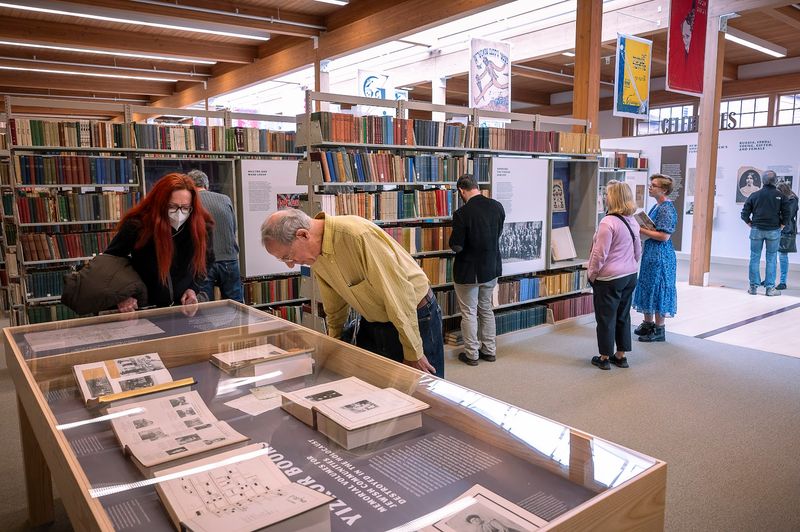
Physical books are wonderful, but the center recognized early that digital preservation would be crucial for reaching global audiences. Their ambitious digitization project transforms fragile printed pages into electronic files that will last forever and reach anyone with internet access.
Thousands of Yiddish books are now available online through the center’s digital library, completely free to access. Scholars, students, descendants of Yiddish speakers, and curious people worldwide can read these texts without traveling to Massachusetts.
This democratization of knowledge fulfills the center’s mission in powerful new ways.
The digital archive includes more than just books. Oral histories capture interviews with Yiddish speakers sharing their memories and stories.
These audio recordings preserve not just words but voices, accents, and the living sound of the language. Future generations will hear how Yiddish was actually spoken by native speakers.
Creating these digital resources requires painstaking work. Staff must scan pages carefully, ensure quality, add metadata, and organize everything in searchable databases.
This behind-the-scenes labor represents a crucial part of the center’s preservation mission. When you visit, you might see staff members working on digitization projects, continuing the vital work of making Yiddish literature accessible to all.
Versatile Event Spaces for Community Gatherings
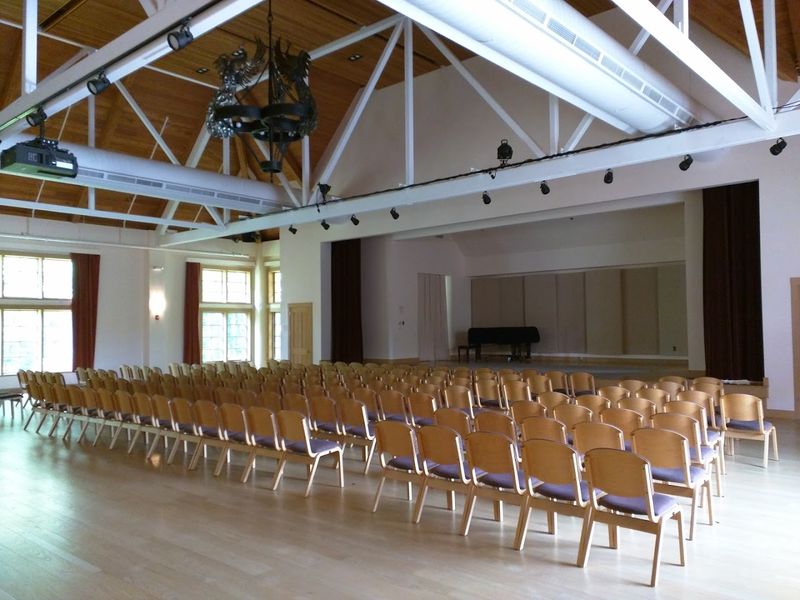
Beyond being a museum and archive, the Yiddish Book Center serves as a vibrant community gathering place. Multiple event spaces throughout the building host lectures, concerts, book readings, educational programs, and private celebrations year-round.
These venues range from intimate rooms perfect for small discussions to larger halls that accommodate significant audiences. The spaces maintain the building’s beautiful aesthetic while offering modern amenities like audiovisual equipment.
Several reviewers mention hosting events here and praise both the facilities and the attentive staff who help make occasions special.
The center’s calendar stays packed with public programs exploring Yiddish culture from every angle. You might attend a klezmer music concert, hear a renowned author discuss their latest book, or participate in language classes teaching conversational Yiddish.
These events transform the center from a static repository into a living cultural hub.
For the local Pioneer Valley community, these event spaces have become treasured resources. They provide venues where Jewish culture can be celebrated, where scholars can present research, and where people can gather around shared interests.
The bonus of free electric vehicle charging nearby, mentioned by one reviewer, adds practical convenience for visitors attending evening programs.
A Mission That Rescued a Language From Extinction
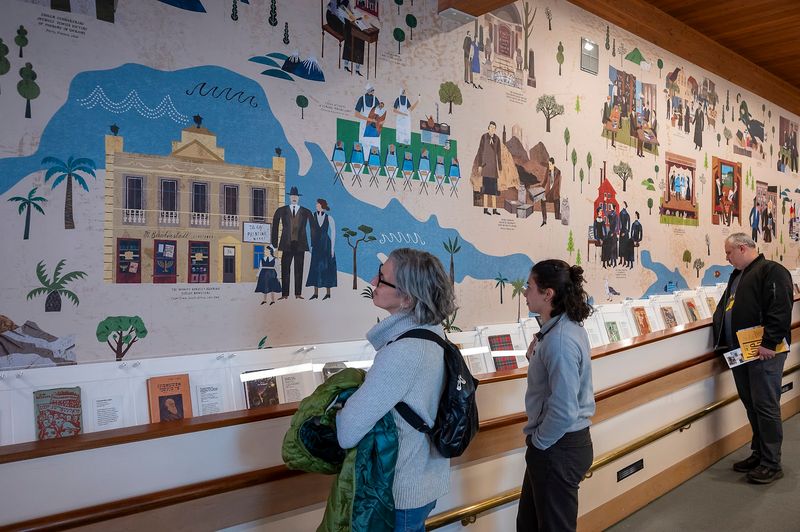
Understanding why this center exists makes visiting even more meaningful. In 1980, young graduate student Aaron Lansky noticed something alarming: Yiddish books were disappearing.
As the generation of European immigrants aged, their children often discarded books they couldn’t read, written in a language they didn’t speak.
Lansky launched a desperate rescue operation, enlisting volunteers to collect books before they reached landfills. The response was overwhelming—people called from across America, begging him to save their family libraries.
What started as one person’s mission grew into a major cultural institution.
The center’s work goes far beyond simply storing books. They actively promote Yiddish language and culture through education, translation, and community building.
They train new Yiddish speakers, support contemporary Yiddish writers, and ensure this thousand-year-old language continues thriving rather than becoming a museum artifact.
Visitors leave understanding that language preservation matters deeply. When a language dies, we lose unique ways of expressing ideas, humor, wisdom, and human experience.
The Yiddish Book Center proves that extinction isn’t inevitable—with dedication and community support, endangered languages and cultures can be rescued, celebrated, and passed to future generations who will keep them alive.