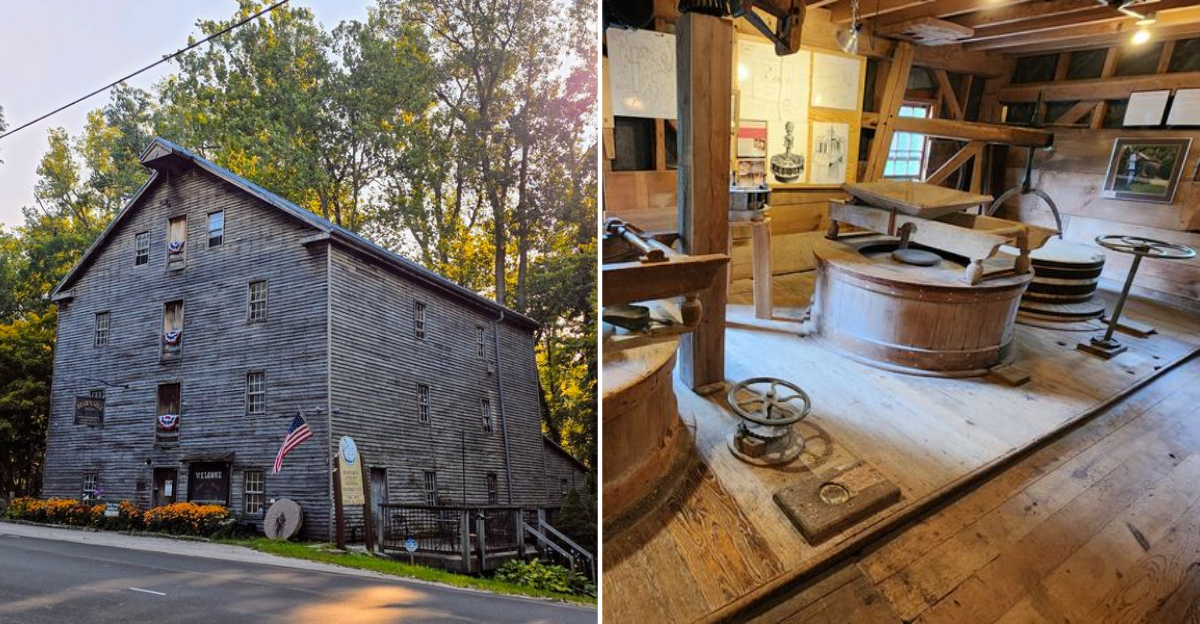
Hidden along Greenway Creek in rural Darke County, Bear’s Mill stands as a remarkable piece of living history that continues to grind grain just as it did over 180 years ago. This beautifully restored water-powered grist mill welcomes visitors to explore four floors of working machinery, scenic trails, and a charming gift shop filled with freshly milled products.
Unlike museum pieces that sit silent behind glass, this historic landmark rumbles to life with demonstrations that show exactly how pioneers turned their harvest into flour and meal. Whether you’re a history enthusiast, nature lover, or simply curious about how things worked before electricity, Bear’s Mill offers an authentic glimpse into Ohio’s agricultural past.
The Historic Water-Powered Mill
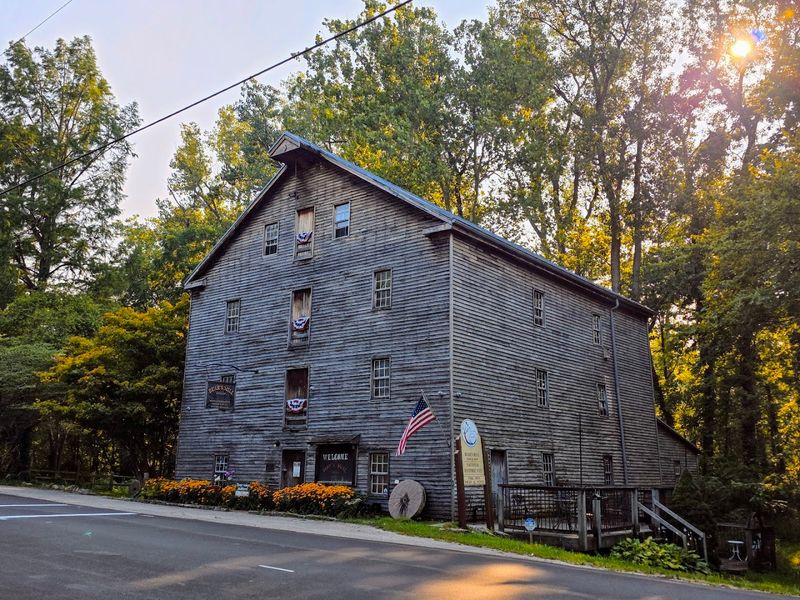
Built in 1849 by Gabriel Baer, this impressive structure has survived floods, fires, and the test of time to remain one of Ohio’s few operating water-powered grist mills. The massive wooden building stands four stories tall, its weathered exterior telling stories of generations who depended on its grinding stones.
Water from Greenway Creek still powers the original machinery, creating the same rhythmic sounds that pioneer families heard nearly two centuries ago.
What makes this mill truly special isn’t just its age. The Clark family purchased and restored it in 1963, dedicating themselves to preserving traditional milling methods.
Today, visitors can see authentic millstones weighing hundreds of pounds slowly turning grain into flour, exactly as they did when Abraham Lincoln was president.
The mill operates several days each week, typically Thursday through Tuesday. Free admission allows guests to explore all four levels at their own pace.
Standing inside while the machinery operates gives you an incredible sense of how ingenious and hardworking our ancestors were, building something that would last generations.
Four-Floor Self-Guided Tour Experience
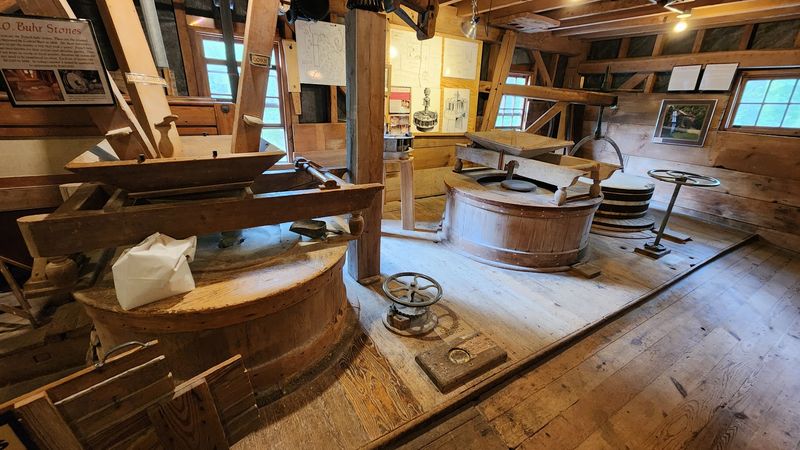
Starting your journey on the fourth floor might seem backward, but there’s method to this approach. The self-guided tour follows the natural flow of grain through the milling process, from top to bottom.
Each level reveals different aspects of the operation, with informative signs explaining what you’re seeing without overwhelming you with technical jargon.
The upper floors showcase the mechanical heart of the mill. Massive wooden gears, leather belts, and iron shafts connect throughout the building like a giant puzzle.
You can peek through openings in the floor to see how power transfers between levels, all driven by that water wheel outside.
Lower floors display the finished product side of operations. Here you’ll find bagging equipment, storage areas, and exhibits showing different grain types.
The ground floor houses the bustling gift shop where those freshly milled products await purchase. Allow yourself at least thirty to forty-five minutes to properly appreciate each level.
Many visitors report spending over an hour, fascinated by details they didn’t expect to find so interesting.
Freshly Milled Flours and Grains
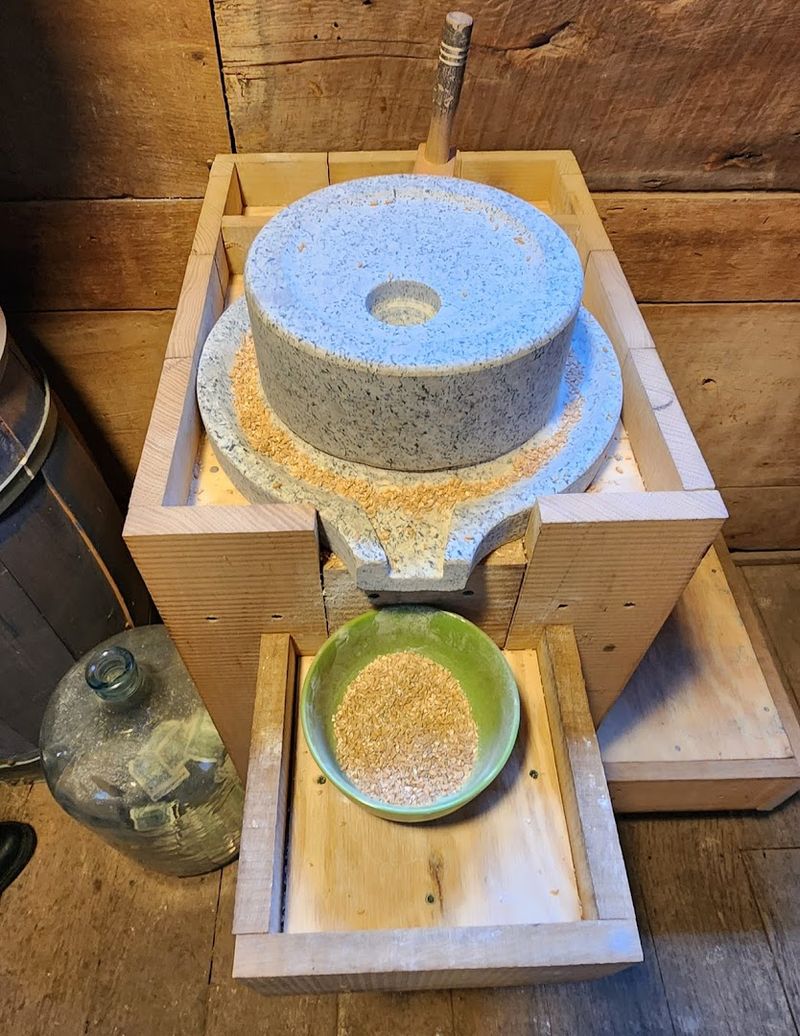
Forget those bland supermarket flours sitting in warehouses for months. Bear’s Mill produces small batches of genuinely fresh whole grain products that smell amazing and taste even better.
Buckwheat, cornmeal, whole wheat, rye, and specialty flours line the shelves, each ground between traditional millstones that preserve nutrients modern steel rollers destroy.
Stone-ground flour behaves differently in recipes because it retains the grain’s natural oils and wheat germ. Your pancakes will taste nuttier, your cornbread more flavorful, and your homemade bread more satisfying.
One reviewer from Arizona mentioned she still dreams about the bread and rolls she made with Bear’s Mill flour years ago.
Popular items include their famous grits, perfect for Southern-style breakfasts, and cornmeal that makes incredible muffins. They also stock pancake and biscuit mixes for those wanting convenience without sacrificing quality.
Prices remain reasonable considering you’re getting genuinely artisan products. Many customers become regulars, making special trips just to restock their pantries with these superior baking ingredients that elevate ordinary recipes into something memorable.
Charming Gift Shop with Local Treasures
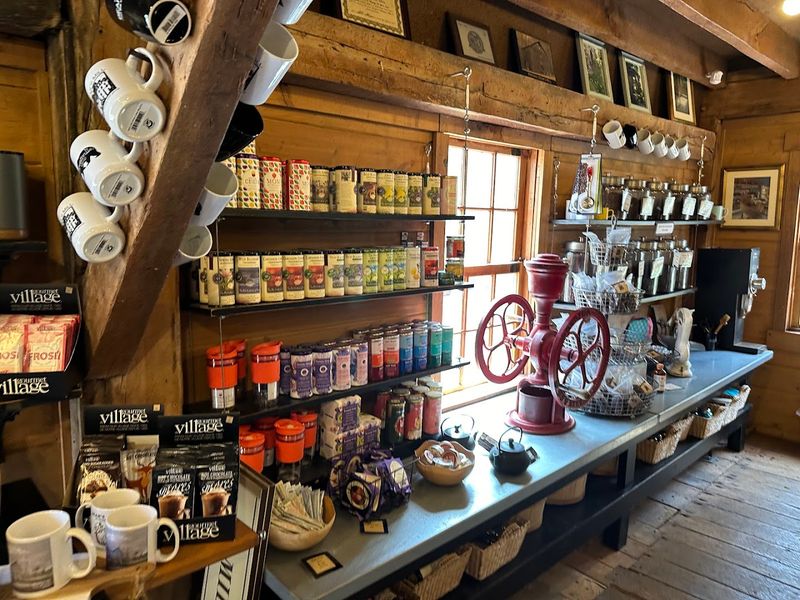
Beyond flour bags, the ground-floor shop surprises visitors with its thoughtfully curated selection of local goods and unique finds. Kitchen gadgets, specialty coffees, dip mixes, and handmade items from Ohio artisans fill every corner.
The staff clearly takes pride in supporting regional producers, creating a shopping experience that feels personal rather than commercial.
Coffee enthusiasts rave about the fresh-roasted beans available here. The aroma hits you immediately upon entering, and multiple reviewers specifically mentioned how good it smells and tastes.
Local honey, jams, and even baked goods made with mill products tempt those looking for immediate gratification or perfect Ohio-themed gifts.
The shop also features rotating artwork from regional artists when the gallery space is open. Pottery, paintings, and crafts showcase Darke County’s creative talent.
During holidays, shoppers find distinctive decorations and seasonal treats unavailable elsewhere. Staff members are remarkably friendly and knowledgeable, happy to explain product origins or suggest items based on your interests.
It’s the kind of place where you plan to grab flour and leave with a basket full of discoveries.
Scenic Nature Trails Through Woods
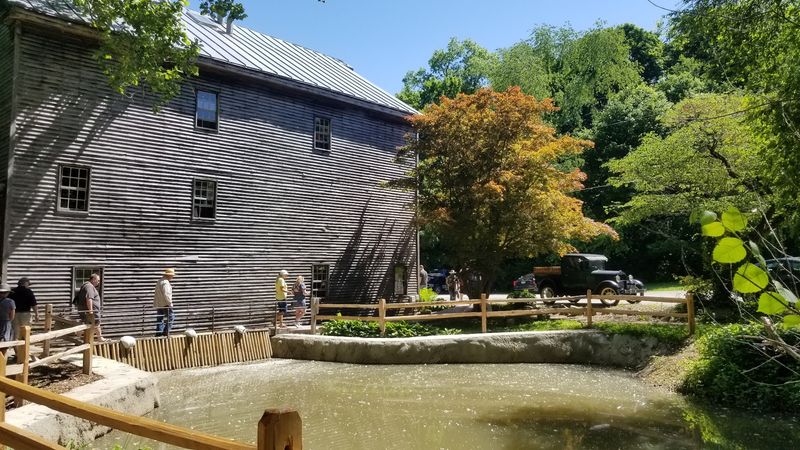
Stepping outside the mill transports you into peaceful wooded surroundings where trails wind along Greenway Creek. These paths aren’t difficult or lengthy, making them perfect for families with young children or anyone wanting a gentle stroll through nature.
The sound of rushing water accompanies your walk, creating a soundtrack that’s genuinely calming after our noisy modern world.
Trails connect various points of interest around the property. You can follow the creek to see where water enters the millrace that powers the wheel.
Other paths lead to the covered bridge and memorial areas, all easily accessible without special hiking gear.
Seasonal changes make repeat visits worthwhile. Spring brings wildflowers and new growth, summer offers shady canopy cover, autumn explodes with colorful foliage, and winter reveals the landscape’s bare bones beauty.
Several reviewers mentioned bringing dogs along, as the trails welcome leashed pets. The entire walking experience takes twenty to thirty minutes at a leisurely pace, though photographers and nature lovers often linger much longer, captivated by the idyllic rural setting that feels miles from civilization despite being reasonably accessible.
Historic Covered Bridge
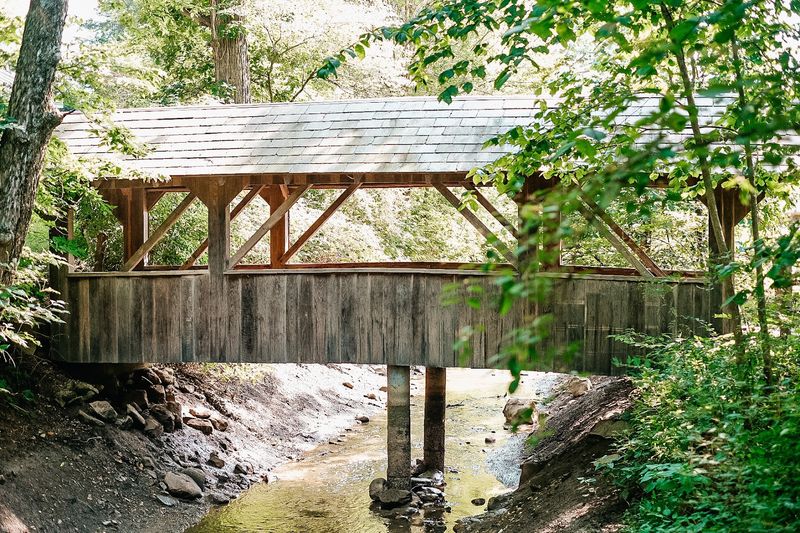
Ohio boasts more covered bridges than most states, but the one at Bear’s Mill holds special significance as part of the property’s historical landscape. Built to span Greenway Creek, this photogenic structure draws visitors who collect covered bridge sightings like badges of honor.
Its weathered wooden exterior and traditional truss construction represent engineering solutions from an era when bridges needed protection from rain and snow.
Walking through the covered bridge feels like stepping back in time. The hollow clomping of footsteps on wooden planks, filtered sunlight through gaps in the siding, and the creek gurgling below create a sensory experience you can’t get from modern concrete spans.
It’s particularly stunning during autumn when surrounding trees paint the landscape in oranges and golds.
The bridge serves both practical and aesthetic purposes, connecting trail sections while providing an iconic photo opportunity. Many visitors frame their mill pictures through the bridge opening or pose inside for memorable shots.
It’s also a popular spot during special events and fall foliage drives. Whether you’re a serious covered bridge enthusiast or simply appreciate historic structures, this one adds another layer to Bear’s Mill’s already rich historical tapestry.
Vietnam Veterans Memorial
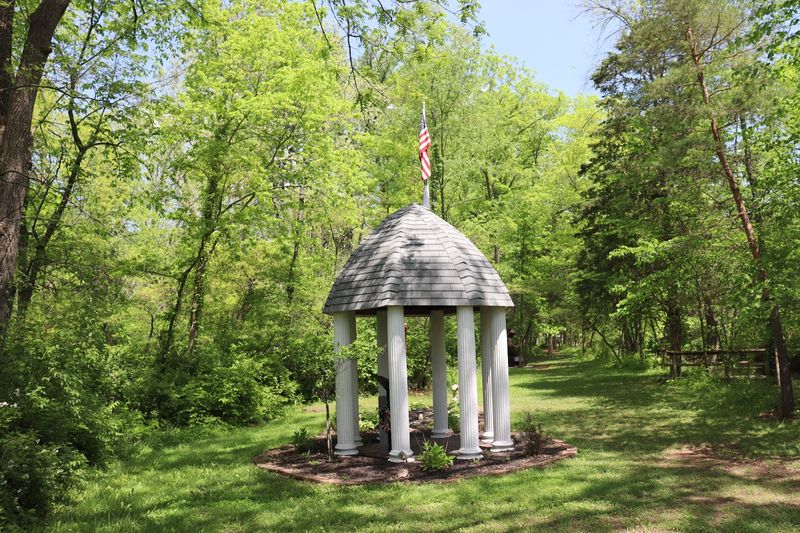
Among the natural beauty and historic structures, you’ll discover a touching tribute to those who served in Vietnam. This memorial provides a quiet place for reflection, thoughtfully placed along the trail near the covered bridge.
The setting itself offers the peace many veterans seek, surrounded by nature’s gentle sounds rather than traffic noise.
A beautiful pagoda shelters the memorial, its Asian-inspired architecture acknowledging where these servicemen and women were sent. The structure’s design encourages visitors to pause, read names and inscriptions, and consider the sacrifice made by a generation often overlooked.
Several reviewers specifically mentioned being moved by this unexpected tribute.
The memorial’s location at Bear’s Mill isn’t random. The Clark family, who restored and operates the mill, wanted to honor veterans by creating a meaningful space within a place of peace and historical significance.
It reminds visitors that history encompasses both technological achievements like grist mills and human stories of courage and service. Whether you have personal connections to the Vietnam era or simply appreciate thoughtful memorials, this tribute adds emotional depth to your visit beyond the mill’s mechanical wonders.
The Dam and Rushing Waterways
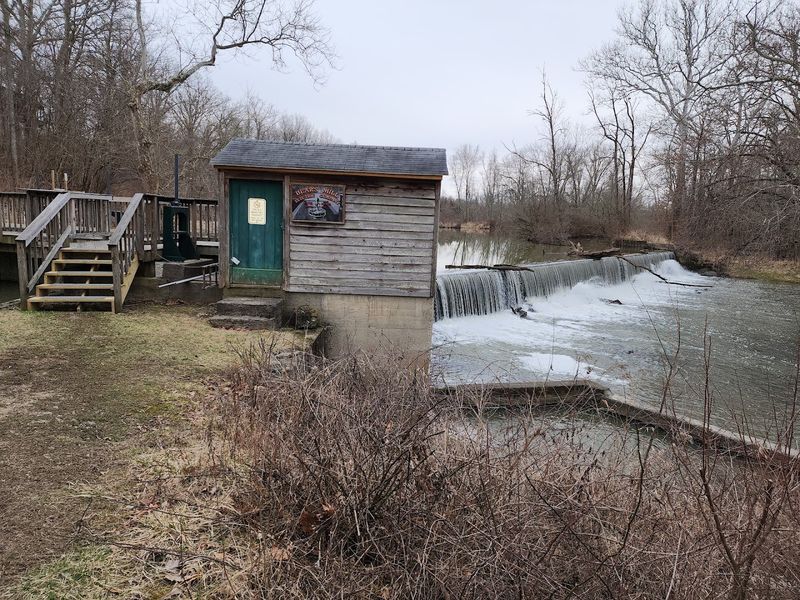
Before the mill could grind its first kernel of grain, builders needed to solve a crucial problem: how to harness Greenway Creek’s power reliably. Their solution was a carefully engineered dam that diverts water into a millrace, the channel that carries it to the massive wheel.
Standing near this structure, you hear and feel the water’s raw power that’s been turning those grinding stones for over 170 years.
The dam itself fascinates engineering enthusiasts. Built without modern equipment or materials, it has withstood countless floods and weather extremes.
Water cascades over the spillway creating a miniature waterfall that’s especially impressive after heavy rains. The constant flow maintains the creek’s ecosystem while providing the mill’s power source.
Visitors can safely view the dam and millrace from designated areas, watching water rush past on its way to work. It’s an excellent opportunity to explain to children how renewable energy worked long before anyone called it that.
The sound of rushing water becomes a meditative backdrop, and photographers find endless angles to capture the interplay of water, stone, and light throughout different seasons and times of day.
Live Grain-Grinding Demonstrations
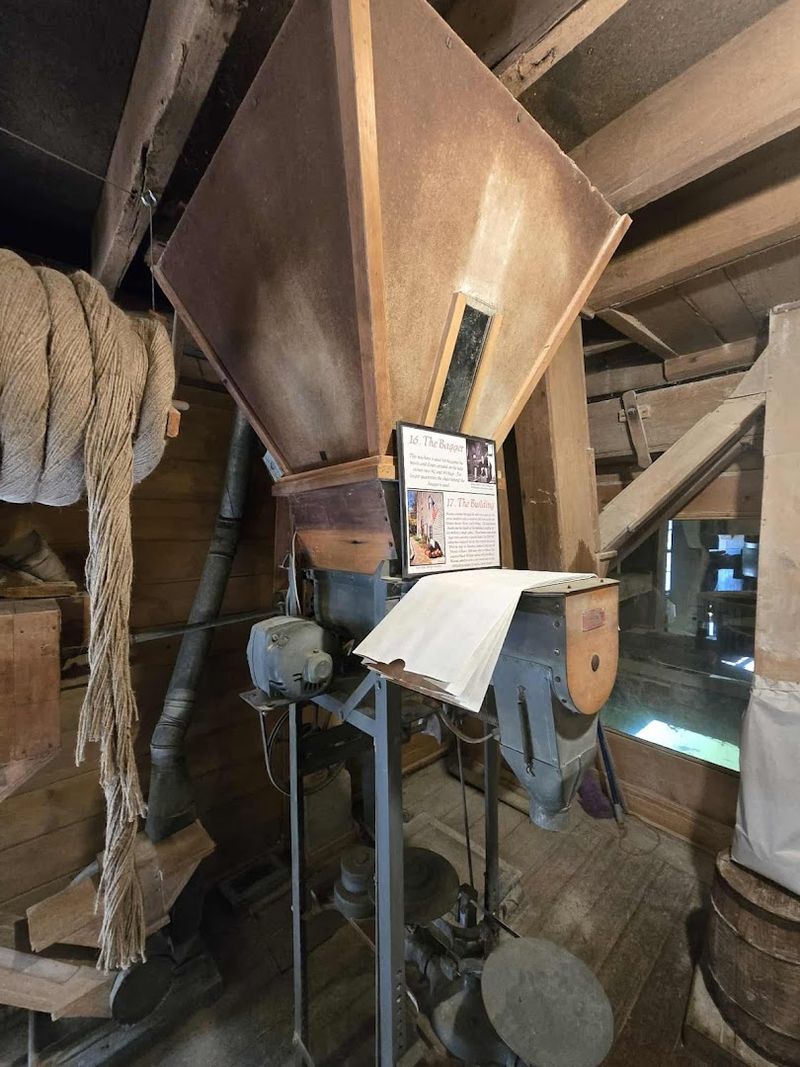
Reading about milling and actually watching it happen are completely different experiences. During scheduled demonstrations, usually on Saturdays, knowledgeable millers fire up the water wheel and run grain through the ancient stones.
The building comes alive with sounds, smells, and even subtle vibrations as tons of machinery spring into action.
You’ll see whole grain kernels fed into the hopper at the top. Millstones weighing hundreds of pounds rotate against each other, their carefully carved grooves shearing grain into progressively finer particles.
Flour emerges warm and fragrant, nothing like the cold, lifeless powder from industrial mills. Staff explain each step, answering questions about stone dressing, different grain types, and why stone-ground products taste superior.
These demonstrations aren’t just for history buffs. Children become mesmerized watching the machinery’s choreographed dance, adults appreciate the engineering genius, and everyone leaves with newfound respect for pre-industrial food production.
The mill’s willingness to actually operate rather than just display creates an authentic experience that textbooks and videos can’t match. Check their schedule online or call ahead to catch a grinding demonstration during your visit.
Collection of Historic Artifacts
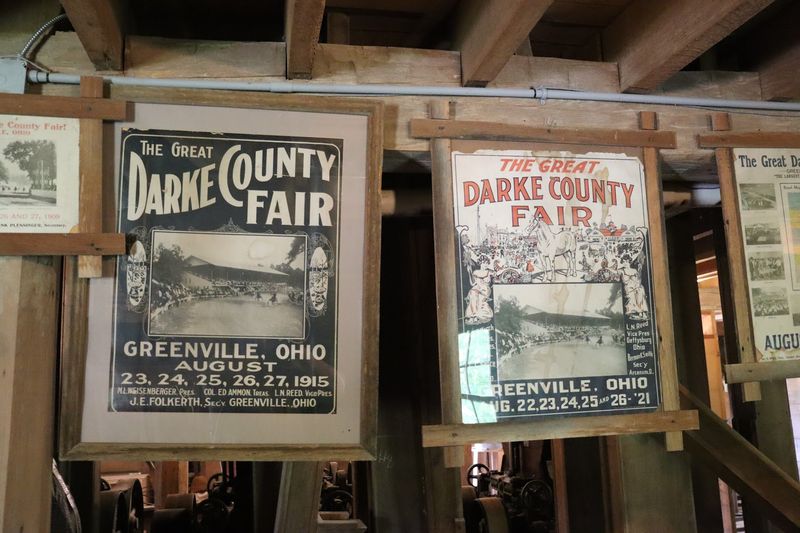
Throughout all four floors, carefully curated displays showcase artifacts from the mill’s long history and rural life in 19th century Ohio. Old photographs reveal how the property looked decades ago, tools demonstrate how millers maintained equipment, and personal items hint at daily life for families who depended on this community gathering place.
These aren’t random old items tossed in corners. Each artifact has been thoughtfully selected and often accompanied by informative placards explaining its purpose and significance.
You might spot century-old grain scoops, worn ledger books recording transactions, or machinery parts replaced during various renovations. Some items date back to the original 1849 construction.
History comes alive when you can touch (where permitted) and closely examine real objects that witnessed Ohio’s transformation from wilderness to farmland to modern state. Kids especially benefit from seeing tangible connections to the past rather than just hearing abstract dates and names.
The artifacts complement the working mill perfectly, showing both what’s changed and what’s remained constant about human needs and ingenuity. Together with the functioning equipment, they create a complete picture of how this crucial community resource operated across nearly two centuries of dramatic social and technological change.