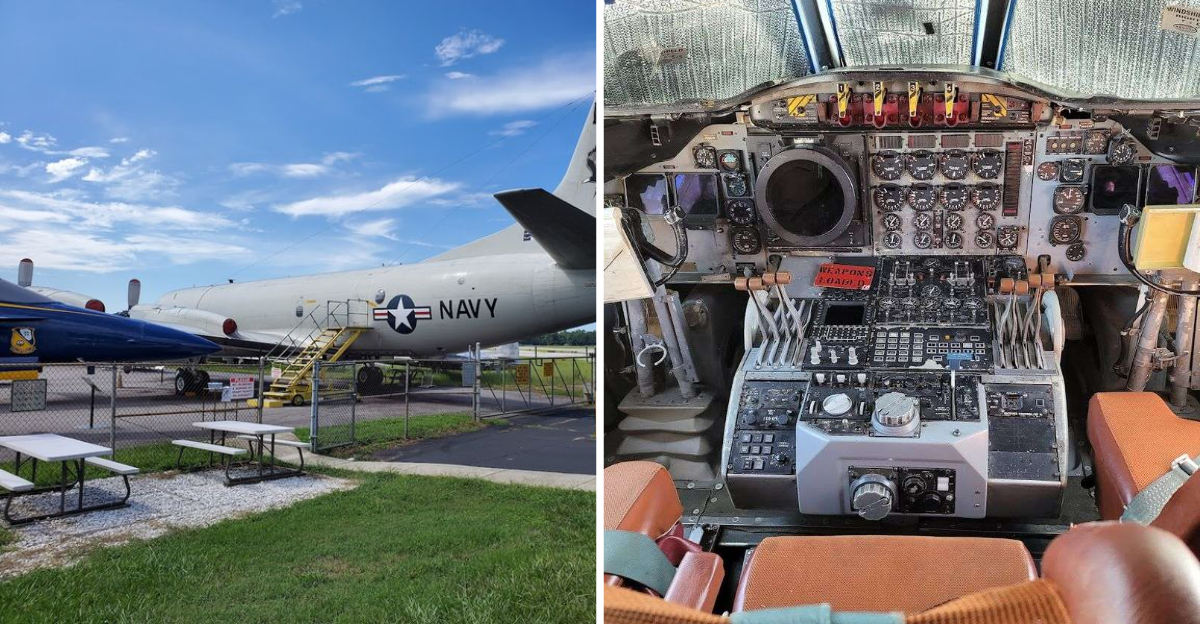
At Hickory Aviation Museum, military aviation history feels close enough to touch. Set at Hickory Regional Airport, this remarkable museum pairs an open hangar, outdoor aircraft displays, and deeply personal storytelling from volunteers who actually served around these machines.
The best part is that it never feels stiff or overly polished – it feels real, welcoming, and packed with details you will remember long after you leave. If you want a North Carolina stop that is equal parts history lesson, family outing, and plane lover’s dream, this is it.
Why This Museum Stands Out In North Carolina
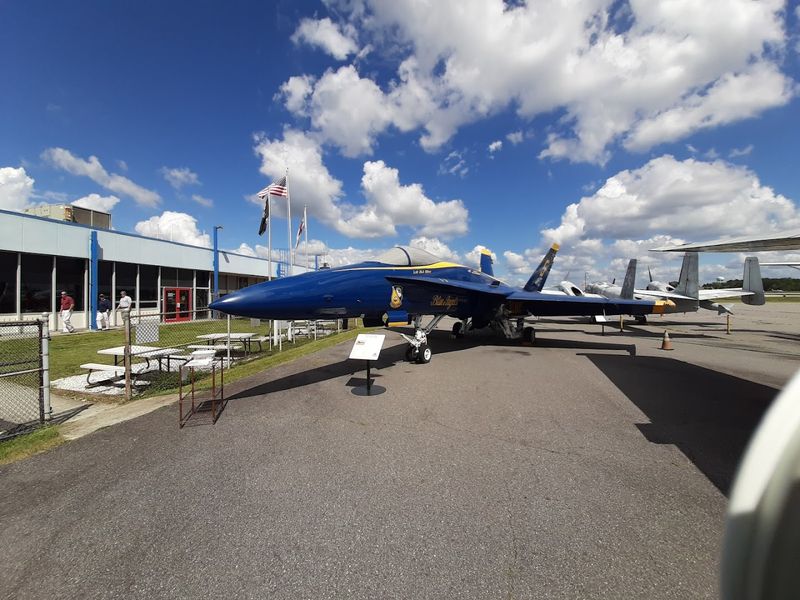
What grabbed me first was how personal everything feels at Hickory Aviation Museum. This is not a polished attraction where you shuffle past labels and leave unchanged.
You get real aircraft, real stories, and a setting at Hickory Regional Airport that makes the whole visit feel active rather than staged.
The collection is widely recognized as the largest group of historic aircraft on display in North Carolina, and that matters when you start walking the grounds. Instead of seeing one or two impressive pieces, you get a full sense of military aviation across eras.
The open hangar and runway-side layout make each aircraft feel connected to the environment it was built for.
I also love that the museum balances scale with accessibility. You can cover a lot in an hour, but if you enjoy reading placards, asking questions, and studying details, it easily stretches into a richer afternoon.
Reviews repeatedly mention that visitors return and learn something new every time.
That combination is rare. The museum is free, volunteer-driven, and genuinely educational without ever becoming dry.
If you want a North Carolina destination that gives you history, conversation, and unforgettable up-close aircraft views, this place earns its reputation the minute you arrive.
The Former Airport Terminal Adds Real Character
One of the smartest things about Hickory Aviation Museum is its setting inside a former airport terminal. That detail gives the visit immediate character before you even focus on the aircraft.
You are not just entering a building with exhibits – you are stepping into a place that already belongs to aviation history.
The terminal atmosphere changes the rhythm of the experience. Indoors, you can slow down and study photos, artifacts, uniforms, helmets, and mission-related displays that give context to what waits outside.
Then, with only a short walk, you are back in the open air looking at full-size aircraft near the runway.
I think that contrast helps the museum feel more memorable. Some aviation attractions separate displays so heavily that the story feels fragmented.
Here, the indoor exhibits and outdoor aircraft support each other, making it easier to connect the human side of service with the machines themselves.
Visitors often mention how easy the museum is to access and how simple parking can be, which makes the terminal location even more practical. For families, road trippers, and anyone who appreciates places with authentic texture, this former airport setting adds a layer of credibility that a generic museum building simply could not match.
Historic Aircraft You Can See Up Close
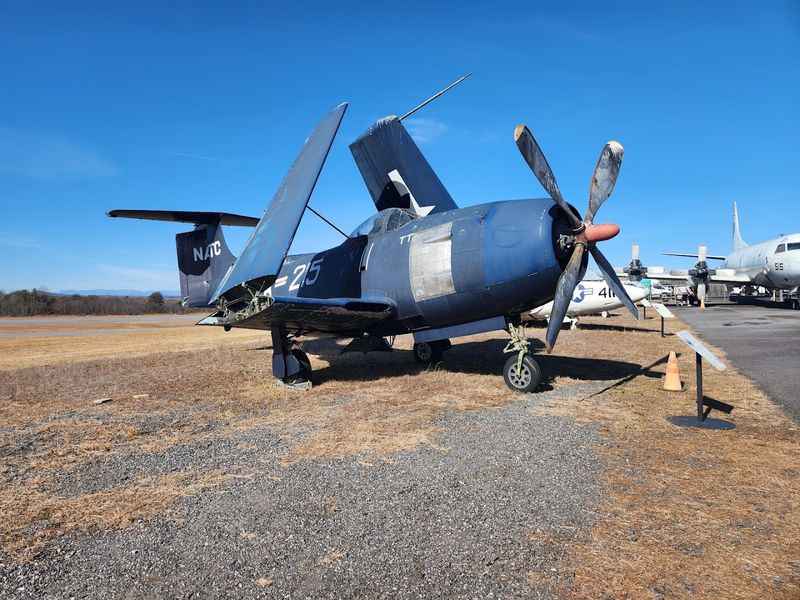
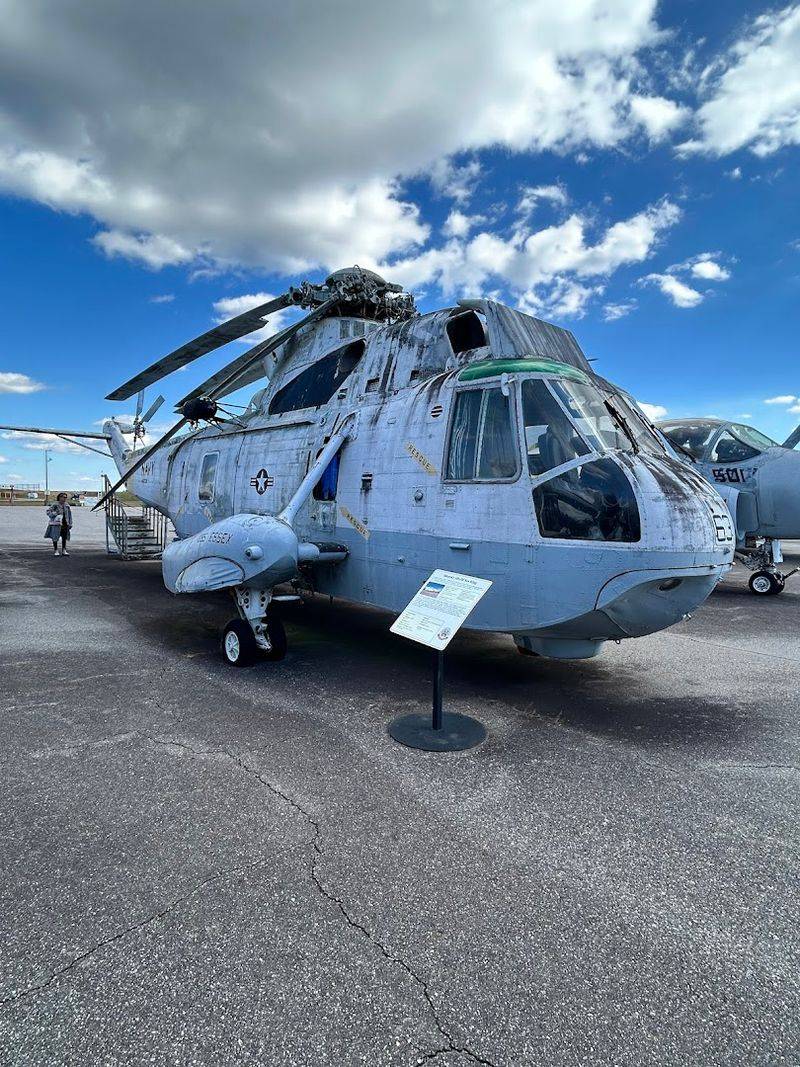
Standing near the aircraft at Hickory Aviation Museum feels completely different from seeing planes in photos or behind distant barriers. The scale hits you right away.
You notice the size of the fuselages, the shape of the wings, and the wear that reminds you these machines had real working lives.
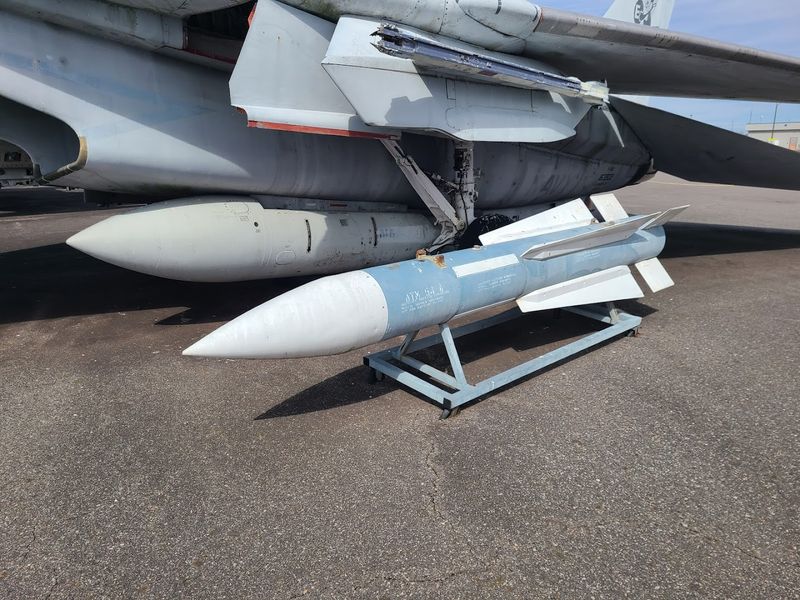
The museum is especially strong if you enjoy military aircraft from the Cold War and jet age. Reviews mention unusual decommissioned planes, naval aviation treasures, and displays that are not always easy to find in smaller regional museums.
That makes the grounds rewarding even for visitors who have already toured bigger aviation sites.
I appreciate that the museum does not rely on spectacle alone. Informational placards help you understand what you are seeing, and the volunteers often add context that turns a static display into a living story.
A plane stops being just an object when someone explains its mission, crew demands, and historical role.
Because the aircraft sit outdoors near active airport operations, the experience has extra energy. You can study a retired military plane and then glance over to watch current aircraft moving nearby.
That mix of preserved history and present-day aviation is part of what keeps this collection feeling vivid rather than frozen.
Volunteer Guides Make The Visit Unforgettable
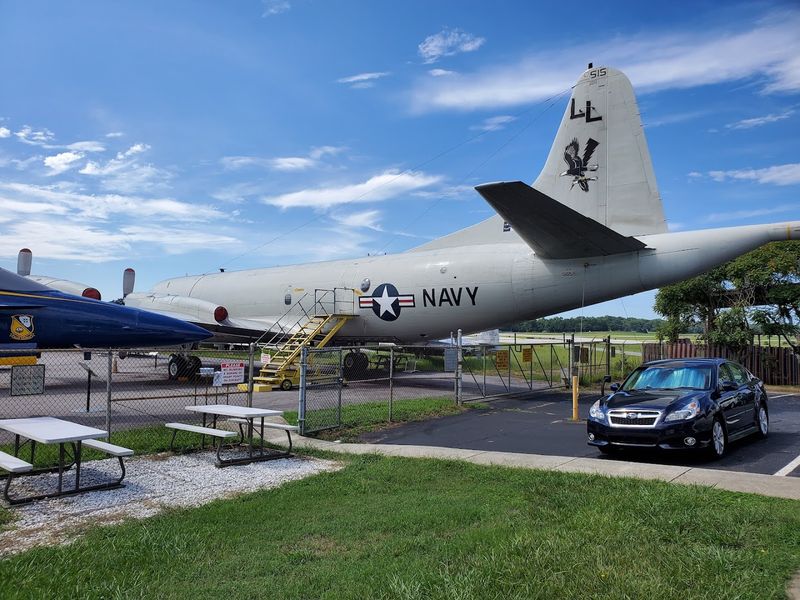
The volunteers are a huge reason people rave about Hickory Aviation Museum. Time after time, reviews mention knowledgeable guides who are generous with their time and happy to answer detailed questions.
That kind of hospitality changes a visit from simply interesting to genuinely memorable.
What impressed me most is that some volunteers have direct military or aviation experience connected to the aircraft on display. When a guide shares firsthand knowledge about operations, cockpit routines, or mission demands, the information lands differently.
You are not hearing a memorized script. You are hearing history from someone who understands the machinery from the inside out.
That matters even more for families and kids. Several visitors describe staff who enthusiastically welcomed questions, offered tours for homeschool groups, and explained complex topics in ways younger guests could follow.
A museum becomes far more approachable when curiosity is encouraged instead of rushed along.
I also like that this personal attention never seems reserved for big groups only. Even travelers making a quick stop often mention receiving warm, informative guidance.
At a free museum, that level of generosity feels especially notable. If you value conversation, context, and human connection as much as artifacts, the volunteer team is one of the museum’s greatest strengths.
Inside Exhibits Add Context Beyond The Planes
It would be easy for a museum with so many aircraft outside to let the indoor exhibits feel secondary, but that is not the case here. Hickory Aviation Museum uses its interior displays to build context that makes the aircraft more meaningful.
You are given the people, missions, equipment, and historical moments that surround the machines.
Visitors regularly mention uniforms, helmets, photographs, insignia, and mission-related memorabilia that reward close attention. There are also displays tied to major moments in military history, including Pearl Harbor, which broaden the scope beyond simple aircraft identification.
That variety keeps the museum interesting for people who may not know every model by sight.
I think these exhibits are especially helpful if you are visiting with someone whose interest in aviation is casual. A child might head straight for the planes, while another family member may be drawn into the personal objects and stories indoors.
The museum supports both types of curiosity without forcing either one.
Because the collection is arranged in a manageable space, the indoor section never feels overwhelming. You can browse quickly, or you can pause and read in depth if you prefer.
For me, that balance is one of the museum’s quiet strengths – it respects your time while still giving you plenty to absorb.
Touring Select Aircraft Brings History To Life
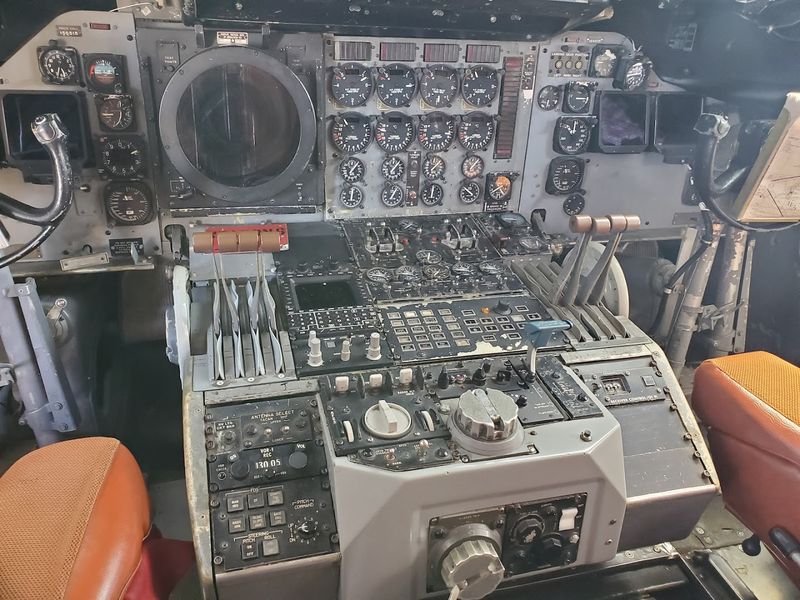
Seeing an aircraft from the outside is satisfying, but stepping inside one changes your understanding immediately. Hickory Aviation Museum has earned plenty of praise for offering access to select aircraft when staff are available.
That opportunity turns history from something observed into something you physically experience.
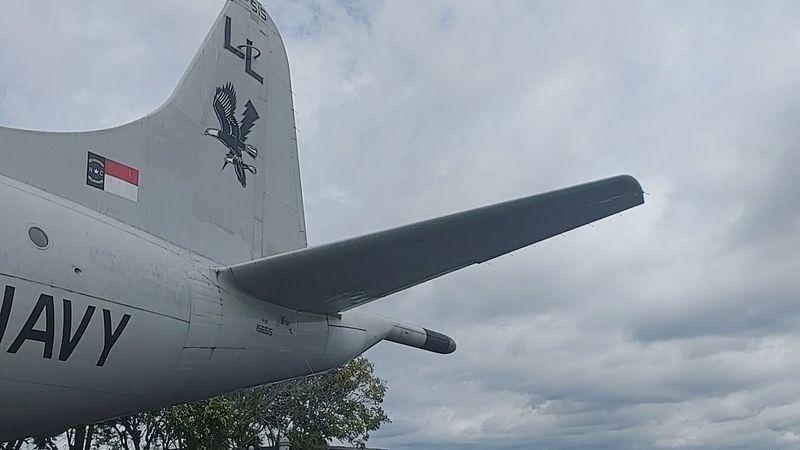
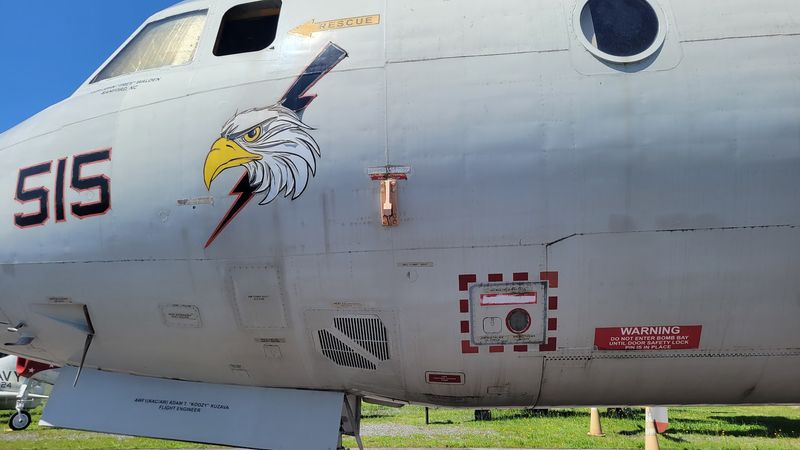
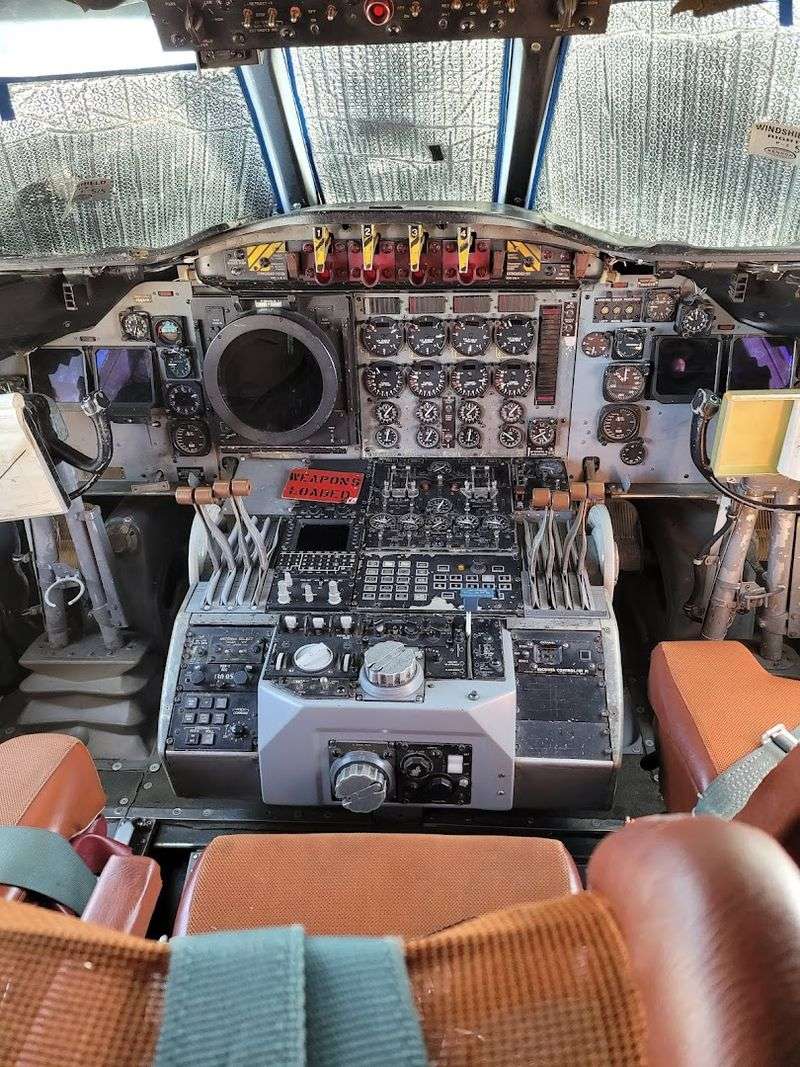
Several reviews specifically mention touring a Navy P-3 Orion and hearing detailed explanations from volunteers. Once you are inside, the aircraft stops looking like a sleek display piece and starts revealing cramped spaces, specialized equipment, and the practical realities of military service.
You begin to picture how crews worked, moved, and stayed focused during long missions.
I find that especially powerful for visitors who are not already aviation experts. Measurements and technical facts can be interesting, but standing in the cabin gives you an instant sense of scale and purpose.
It is a tangible reminder that these planes were workplaces, not just engineering achievements.
Because access may depend on staffing and scheduling, I would treat an interior tour as a valuable bonus rather than an expectation. Even so, it is one of the museum’s standout experiences.
If you do get the chance, take it, ask questions, and pay attention to the details volunteers point out, because those details stay with you.
A Great Stop For Families And Curious Kids
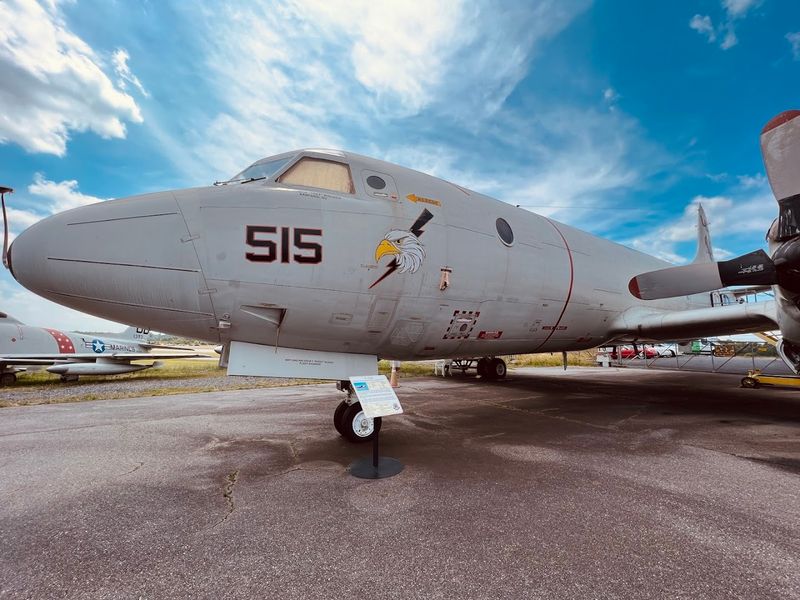
Hickory Aviation Museum works surprisingly well for families because it keeps children engaged without sacrificing substance. Kids get the excitement of seeing big aircraft up close, and adults get enough history and interpretation to feel like the trip has real depth.
That mix is harder to find than it should be.
Reviews repeatedly mention children asking questions and volunteers taking those questions seriously. I like that detail because it tells you the museum is not just tolerant of young visitors – it actively welcomes them.
A patient guide can turn a simple outing into the kind of day a child remembers for years.
The layout also helps. Indoors, there are artifacts and stories for a slower pace, while outside there is room to move, look, and point things out together.
If your family has mixed attention spans, this setting makes it easier to keep everyone interested without feeling trapped in a long, formal route.
Another bonus is value. Free admission means you can visit without worrying that every minute has to justify a ticket price.
That takes pressure off parents and makes spontaneous visits more appealing, especially for locals who want to return. For homeschool groups, grandparents, and road-tripping families, this museum offers a smart and memorable stop.
Free Admission Makes It Easy To Recommend
Free admission is one of the most practical reasons Hickory Aviation Museum earns such enthusiastic word of mouth. You can stop in on a road trip, bring the family, or visit again as a local without turning the outing into a budget decision.
That accessibility makes the museum feel like a genuine community resource.
What stands out, though, is that free does not mean low effort. Reviews describe knowledgeable staff, substantial indoor exhibits, outdoor aircraft displays, and guided experiences that many paid attractions would be proud to offer.
Because of that, visitors often mention leaving a donation, which says a lot about how valued the experience feels.
I think the admission model also lowers the barrier for people who are only mildly interested in aviation. Someone might visit because it is convenient and free, then end up staying longer than expected because the museum delivers more than anticipated.
That is a smart way to widen interest in history and military aviation.
If you are planning a North Carolina day trip and want something meaningful without complicated logistics, this museum is easy to recommend. You still get authentic artifacts, impressive aircraft, and engaging conversation, but without the pressure of expensive tickets.
For many travelers, that combination is exactly what turns a quick stop into a highlight.
Runway Views Add An Active Aviation Backdrop

One detail that gives Hickory Aviation Museum extra appeal is its relationship to the active airport around it. You are not visiting an isolated collection hidden far from aviation traffic.
Instead, the museum sits in a setting where you can often watch current aircraft activity while standing among retired military machines.
That backdrop matters more than you might expect. A museum display can sometimes feel sealed off from the world it represents, but runway views keep the atmosphere alive.
Small planes taking off or landing nearby remind you that aviation is not only history here – it is still part of the daily rhythm of the place.
Visitors have also noted the mountain views and the sense of openness around the field, which add another layer of enjoyment. If you like photography, plane spotting, or simply watching airport movement, the museum gives you more visual interest than a typical indoor-only attraction.
Even pauses between exhibits feel engaging.
I think this environment is especially appealing for travelers who enjoy destinations with a strong sense of place. The aircraft, the terminal, the taxiway activity, and the airfield setting all work together.
Instead of feeling like disconnected pieces, they create a complete aviation atmosphere that keeps the visit dynamic from start to finish.
Why Aviation Enthusiasts Return Again And Again
Plenty of museums are enjoyable once, but Hickory Aviation Museum has the kind of depth that encourages repeat visits. Locals mention returning several times a year and still learning something new.
That tells me the museum offers more than a quick visual impression.
Part of that appeal comes from the volunteer interaction. Different guides bring different knowledge, stories, and angles of interpretation, so the same aircraft can feel fresh on another visit.
Add rotating exhibit details, ongoing restoration conversations, and the possibility of seeing select interiors, and the experience becomes more layered over time.
The collection itself also rewards slower attention. On a first visit, you may focus on overall size and standout aircraft.
On later visits, you start noticing smaller details such as cockpit layout, mission equipment, insignia, service wear, and the connections between one aircraft’s role and another’s. That is where enthusiasts tend to get hooked.
I also think the museum benefits from being approachable rather than overwhelming. Because it is not exhausting to navigate, coming back feels pleasant instead of demanding.
You can revisit a favorite aircraft, bring someone new, or spend more time indoors with memorabilia you rushed past before. That repeatability is one of the clearest signs of quality.
The Museum Honors Service As Much As Machinery
What keeps Hickory Aviation Museum from feeling like a simple aircraft yard is its respect for the people behind the machines. The site includes a war memorial, and the displays consistently connect technology to service, sacrifice, and mission history.
That human emphasis gives the museum emotional weight.
I appreciate that balance because aviation museums can sometimes lean so hard into specifications that the lived experience disappears. Here, memorabilia, personal stories, and volunteer insight remind you that every aircraft depended on crews, maintainers, and support teams.
Those layers make the collection more than an engineering showcase.
Reviews from veterans’ families and multigenerational visitors suggest this is part of what makes the museum resonate. A parent, grandparent, or child can connect with different parts of the experience, yet still leave with a shared understanding that these planes represent real chapters of military history.
That broadens the museum’s impact well beyond hobbyist interest.
Because the tone remains welcoming rather than overly formal, the tribute feels sincere instead of distant. You can spend time reading, asking questions, and reflecting at your own pace.
For anyone who values places that preserve memory as carefully as they preserve artifacts, this museum offers a thoughtful and respectful experience.
Practical Tips For Planning Your Visit
If you are planning a visit to Hickory Aviation Museum, a little preparation will help you enjoy it more. Since aircraft displays are outdoors and the museum is on airport grounds, comfortable walking shoes and weather-aware clothing are a smart idea.
On warm days, water and sun protection will make the experience much better.
I would also give yourself more time than you think you need. Some visitors move through in about an hour, but that can feel rushed if you enjoy reading exhibits, talking with volunteers, or waiting for a chance to tour an aircraft interior.
Two hours is a comfortable target for most people.
Because the museum is free, it is easy to pair it with a broader Hickory outing or a simple travel stop. Parking is often described as convenient, and the airport location makes access straightforward.
If you are bringing kids or an older family member, the manageable scale is another advantage.
Finally, arrive ready to ask questions. The volunteers are one of the museum’s biggest strengths, and their insight adds a lot beyond the placards.
If you appreciate what you see, consider leaving a donation. That small gesture helps support a place that offers an unusually generous public experience centered on aviation history.
Why This Is A Must-See In Hickory

There are plenty of worthwhile stops in North Carolina, but Hickory Aviation Museum has a combination that is hard to match. It offers serious historic aircraft, a distinctive airport setting, welcoming volunteers, and free admission in one compact destination.
That makes it appealing for dedicated aviation fans and casual travelers alike.
What stays with me most is how grounded the experience feels. Nothing here depends on flashy gimmicks.
The museum trusts the aircraft, the artifacts, and the stories to do the work, and that confidence pays off. You leave with a clearer sense of military aviation history and a stronger connection to the people who lived it.
It is also the kind of place that adapts well to different travel styles. You can make it a focused visit, a spontaneous roadside stop, a family outing, or part of a deeper day in Hickory.
Few museums are flexible enough to satisfy all of those audiences without losing their identity.
If you are deciding whether this museum is worth your time, the answer is yes. The collection is impressive, the atmosphere is authentic, and the personal touch from volunteers gives the visit uncommon warmth.
For anyone curious about historic aircraft in North Carolina, this is one stop that delivers far more than its modest footprint suggests.