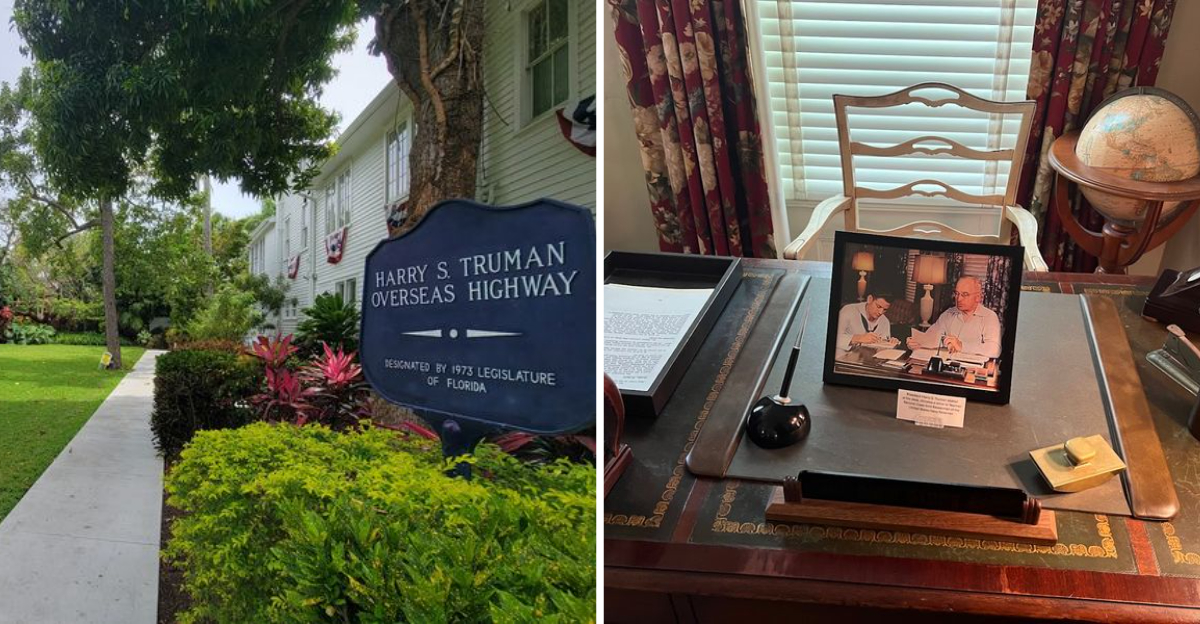
Key West has plenty of famous stops, but only one lets you stand where a sitting president relaxed, worked, and made history. The Harry S.
Truman Little White House feels surprisingly modest for a place tied to enormous national decisions, and that contrast is exactly what makes it memorable. If you like stories that connect everyday spaces to major turning points, this museum rewards your attention fast.
By the time you leave, the house feels less like a landmark and more like a vivid snapshot of American leadership in motion.
Why This House Matters
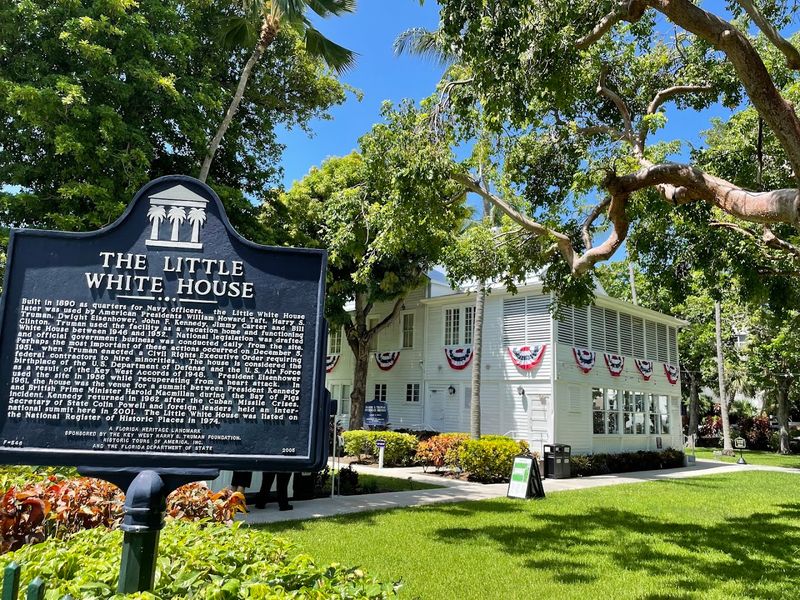
At first glance, the Harry S. Truman Little White House does not look like the setting for major presidential history, and that is part of its power.
You are not walking into a palace built to impress cameras. You are stepping into a practical residence where real work continued far from Washington.
That modest feel comes up again and again in visitor reactions, especially from people surprised by how middle class and low key the rooms seem. Instead of polished spectacle, the museum gives you a more human scale view of the presidency.
It becomes easier to imagine Truman reading briefs, meeting advisers, or simply trying to breathe for a moment.
Florida has no other presidential museum, which gives this site a unique place in the state’s cultural landscape. It is not just a Key West attraction squeezed into a vacation itinerary.
It is a nationally significant house with a distinctly local setting, framed by palms, sea air, and naval history.
That combination makes the visit stick with you. You come for Truman, but you also leave thinking about how power can operate inside ordinary looking rooms, and how a simple island retreat became part of the American story in a lasting, tangible, surprisingly intimate way.
How the Residence Began
Long before it became associated with Harry Truman, this residence served as part of the naval station in Key West. Its roots stretch back to the late nineteenth century, which helps explain why the building feels functional rather than ceremonial.
The structure was created for use, not grandeur, and that original purpose still shapes the mood of the property.
By the time Truman arrived, the house had already lived several lives connected to military leadership and government activity. That background matters because it places the museum inside a wider story about Key West as a strategic location.
The setting was never random. The island was tied to national interests well before tourists began treating it as a postcard destination.
Inside the museum, that layered history adds depth to every room. You are not seeing a disconnected presidential exhibit dropped into an old home.
You are seeing a site that naturally evolved into a place where a commander in chief could work, rest, and remain close to important military networks.
Knowing that earlier chapter changes the way the house reads. Instead of a curiosity attached to one famous name, it becomes a lived-in historic property with deep institutional roots, which makes Truman’s time here feel both remarkable and completely believable at once.
Why Truman Kept Returning
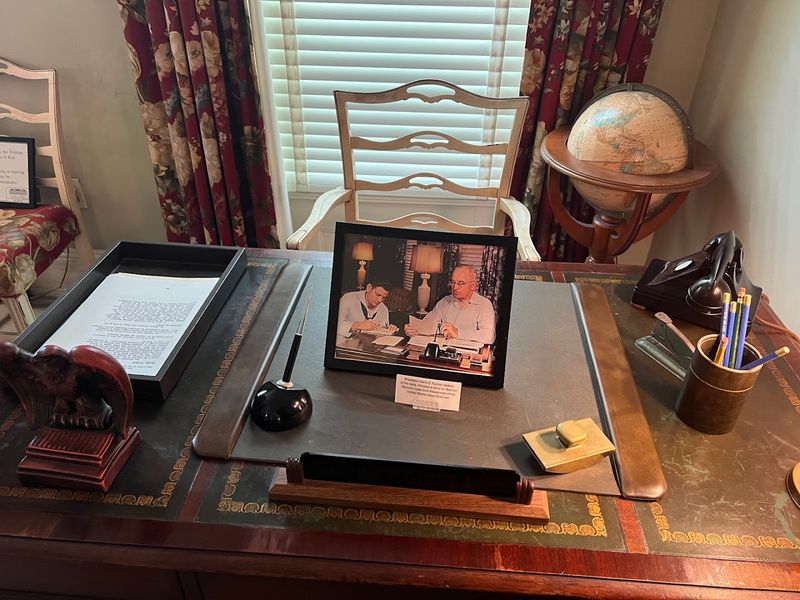
Harry Truman spent 175 days in office at this house, and that number stops people in their tracks. It was not a one time getaway used for a ceremonial photo opportunity.
He came back repeatedly because Key West offered something a president desperately needs but rarely gets – a workable kind of relief.
The island gave Truman warmth, privacy, and enough distance from Washington to reset without disconnecting from responsibility. Visitors often mention how easy it is to picture him in khakis or a Hawaiian shirt here, trading stiffness for comfort while still remaining fully engaged in public duties.
That image feels refreshingly unmanufactured.
What makes those stays interesting is that they were both personal and practical. This was a place for fishing, rest, and conversation, but it was also an active presidential base.
Decisions did not pause because the scenery looked calmer. The museum does a strong job showing that leisure and leadership were sharing the same address.
As you move through the property, the repeat visits begin to make emotional sense. You can see why the house became more than temporary lodging.
It offered Truman a rhythm that balanced recovery with accountability, and that balance gives the site much of its lasting character today.
A Working White House in the Tropics
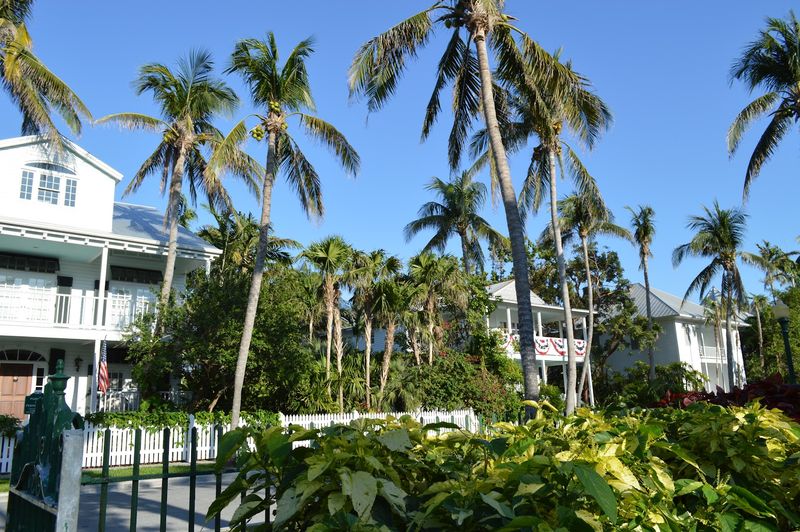
One of the most compelling things about the Truman Little White House is that it was not only a retreat. It functioned as a working White House, which gives the site an energy many historic homes cannot match.
You are standing in rooms tied to actual governing, not just ceremonial memory.
That distinction matters because the museum connects the domestic setting to serious national business. In a place that looks relaxed and almost understated, advisers met, papers moved, and decisions followed Truman wherever he traveled.
The contrast is striking. Palm trees outside did not make the presidency any lighter inside.
Visitors frequently describe the house as authentic partly because the museum does not overplay glamour. Instead, it leans into the idea that executive power can operate in ordinary spaces with extraordinary consequences.
Newspaper clippings, political context, and room interpretation help you understand that this was not downtime detached from world events.
For anyone used to seeing presidents framed by podiums, jets, and choreographed spectacle, this house feels clarifying. It suggests that leadership can look surprisingly plain from the outside, even while history is being shaped indoors.
That tension between simplicity and importance is one of the museum’s biggest strengths.
What the Guided Tour Adds
Taking the guided tour is easily the smartest way to experience this museum. Reviews consistently praise the docents for making the house feel alive rather than frozen behind ropes.
A good guide can connect a lamp, a chair, or a newspaper clipping to the larger story of Truman, Key West, and the presidency.
Several visitors specifically mention guides like Bob and Greg, which tells you something important about the quality of interpretation here. People do not just remember facts.
They remember the delivery, the off script details, and the personal stories that turn a forty minute walk into something with texture and personality.
That human element matters because the house is modest enough that subtle context can easily be missed on a self directed pass. A knowledgeable docent points out the rhythms of presidential life, the social history of the annex, and the practical reasons Truman valued the property so much.
Suddenly the rooms become legible.
If you enjoy museums that reward questions, this tour lands well. It feels conversational instead of stiff, and that tone suits the house.
You leave with more than dates and furniture notes. You leave with a clearer picture of how a president actually inhabited this place day after day.
Rooms That Feel Surprisingly Personal
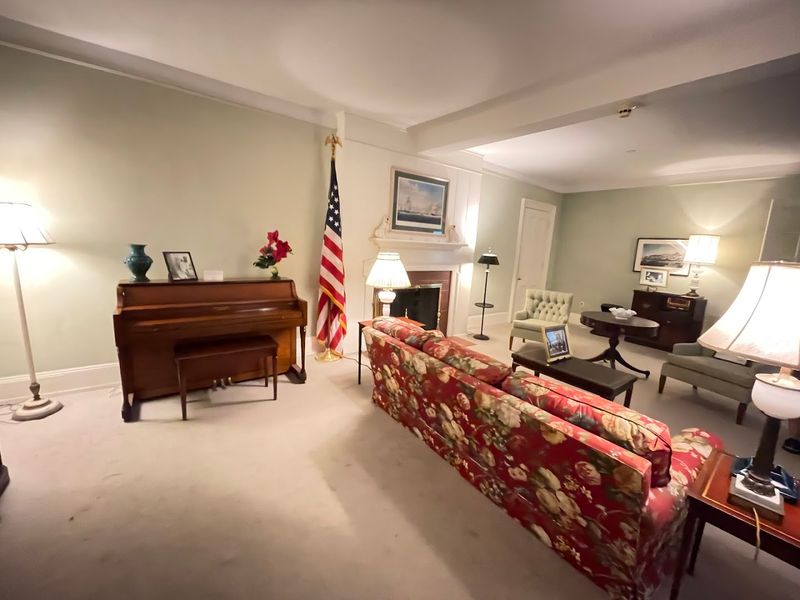
Many historic houses impress visitors with opulence, but this one wins people over through restraint. The furnishings and layout feel personal, practical, and very lived in.
That atmosphere is part of why the museum resonates with people who do not usually get excited about decorative arts or political memorabilia.
Much of the home has been restored to reflect the late 1940s period associated with Truman’s use of the property. Instead of creating a glossy fantasy, the rooms suggest routine and habit.
You can almost imagine family conversations, staff movement through the halls, and quiet moments between official obligations.
That sense of domestic scale is useful because it shrinks the distance between visitors and history. A formal state room can feel remote.
A bedroom, sitting room, or reading area does the opposite. It reminds you that presidents live within ordinary physical spaces, with preferences, downtime, and small comforts that shape daily life.
Visitors often call the house a time capsule, and that description fits. The museum preserves enough texture to make the past feel close without becoming theatrical.
If you like places where history is conveyed through mood as much as signage, these rooms give you exactly that kind of rewarding intimacy.
Exhibits That Keep the Story Balanced
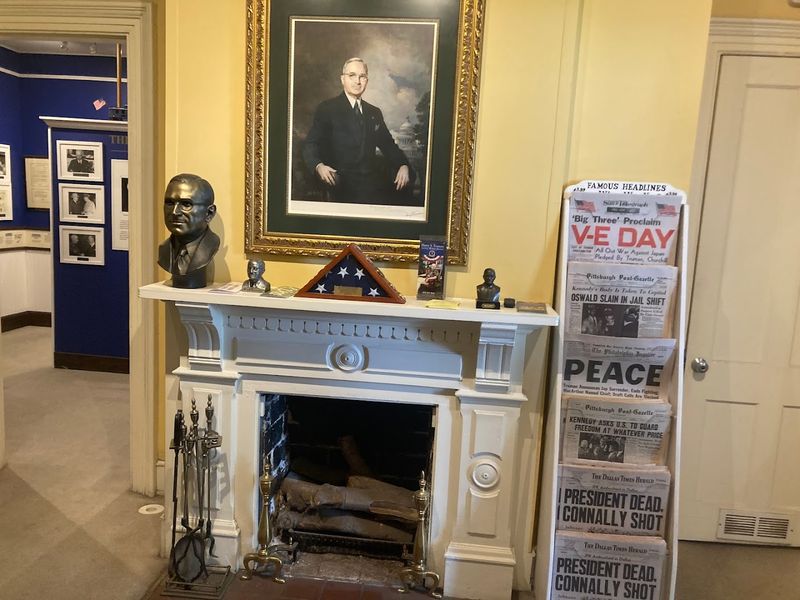
What impressed many visitors most was not just the house itself, but the way the museum handles Truman’s story. The exhibits do not feel like blind hero worship.
They include context, criticism, and contemporary media that help you see how the presidency was discussed in real time, not merely remembered later.
That approach matters because political history can become flat when every label reads like a tribute. Here, reprints of newspaper coverage and political cartoons introduce a wider public conversation.
You get a more believable sense of the controversies, opinions, and competing interpretations surrounding Truman’s administration during his years in office.
For you as a visitor, that balance creates trust. It signals that the museum is interested in history, not just reputation management.
Even if you arrive knowing little about Truman beyond textbook basics, the exhibits give you enough nuance to understand why his leadership still sparks debate and respect at the same time.
The result is a richer experience than a simple house tour. Objects and rooms provide atmosphere, while the interpretive materials supply complexity.
Together they keep the visit grounded. You leave with a stronger grasp of the man, the presidency, and the era, rather than a cleaned up version of any of them.
Planning a Smooth Visit
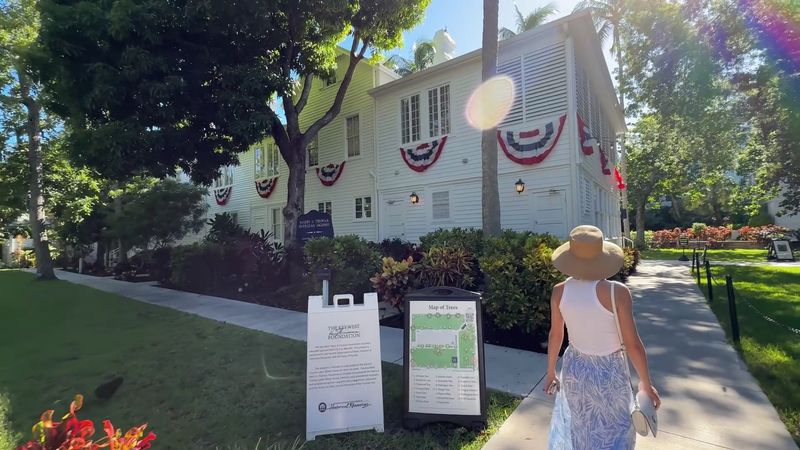
A little planning helps this museum feel easy rather than rushed. The Truman Little White House is open daily from 9:30 AM to 4:30 PM, and guided tours are central to the experience.
Since the house is popular with history lovers, arriving earlier in the day can give you a calmer start and better flexibility.
Reviews suggest a few practical strategies worth borrowing. Buying tickets online may save a small amount, but several visitors also note that tours run frequently enough that same day entry can work fine.
If timing matters, call ahead at +1 305-294-9911 or check trumanlittlewhitehouse.org before heading over.
Parking is one area where people appreciate extra awareness. Nearby options can be limited or pricier than expected, so leaving yourself a cushion reduces stress.
Once inside, use any waiting time well by browsing the gift shop and pre tour displays rather than standing outside checking the clock.
The full visit does not have to consume your entire day, which makes it easy to pair with other Key West plans. Still, this is not the kind of place to squeeze into a ten minute stop.
Give it an hour or two, and the museum has room to reward your attention properly.
Who Will Appreciate It Most
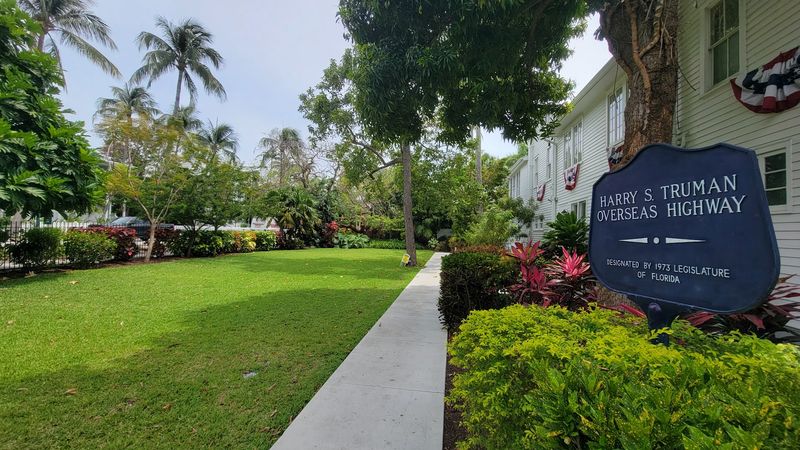
This museum is an especially strong fit for travelers who like American history, politics, architecture, or military context presented in an accessible way. You do not need to be a Truman scholar to enjoy it.
In fact, many reviews come from people who arrived curious but not deeply invested and still left impressed.
History buffs will appreciate the layered interpretation, the preserved interiors, and the tangible connection to a sitting president’s daily life. Casual visitors often respond to the house for a different reason.
The scale feels manageable, the tour length is friendly, and the storytelling helps the experience stay engaging rather than overly academic.
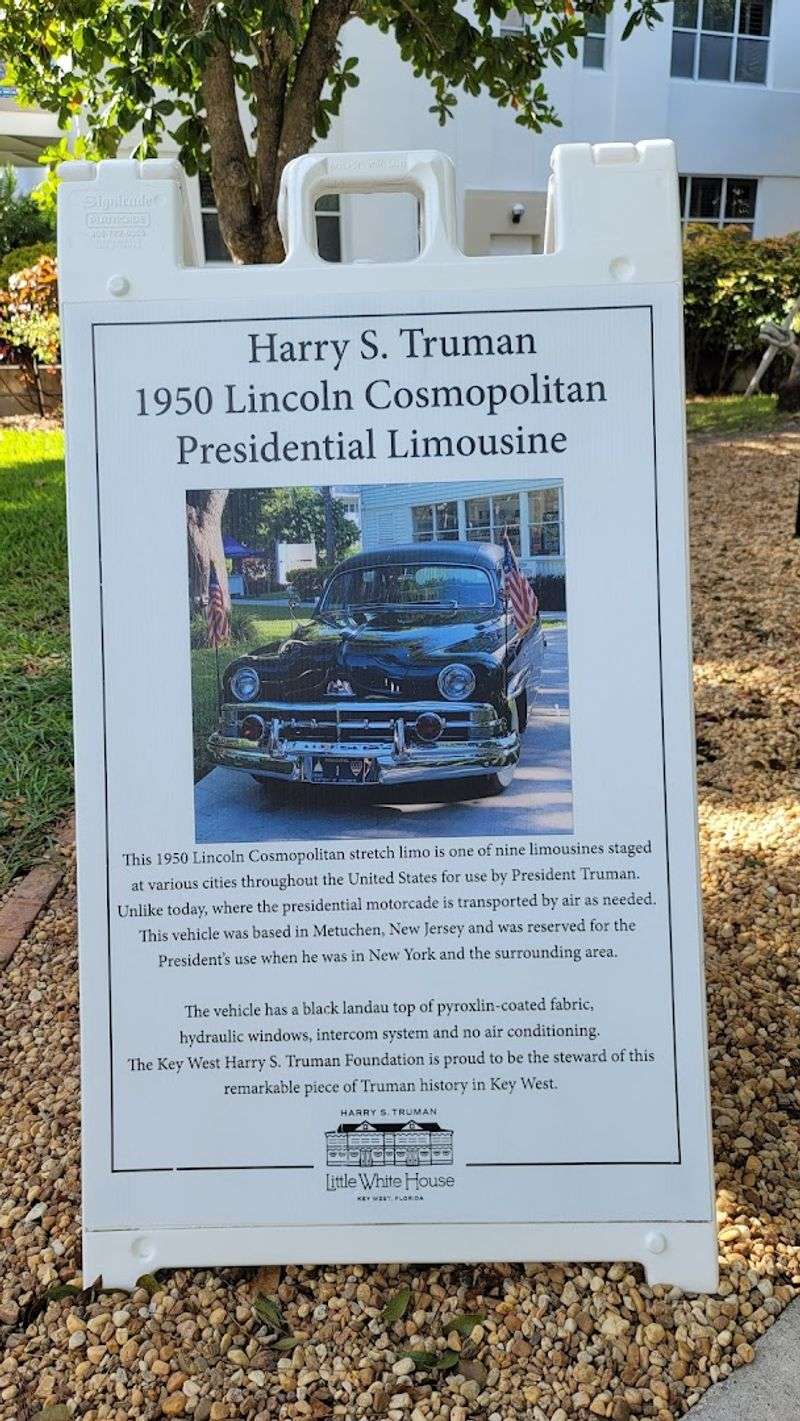
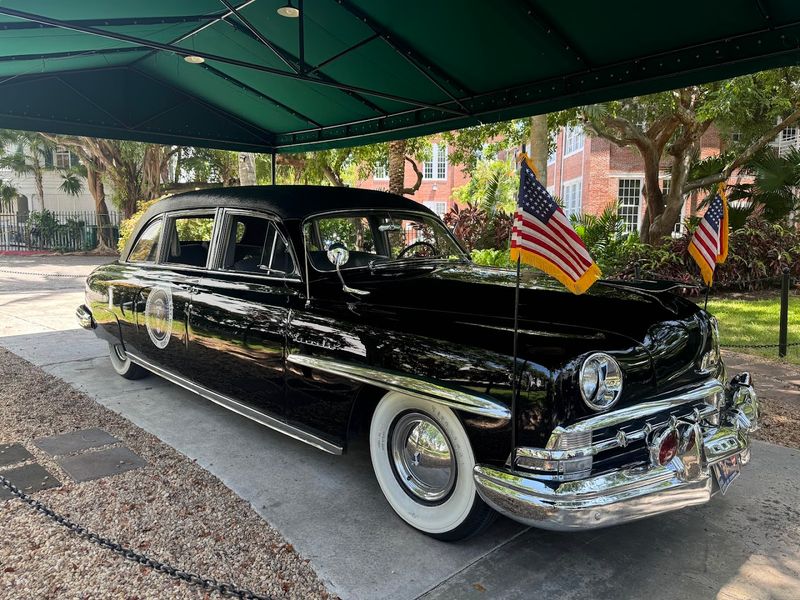
Families with older kids and teens can also get a lot from it, especially if they enjoy stories that connect schoolbook history to a real place. The guided format keeps everyone moving, and details like the limousine or political cartoons give younger visitors concrete points of interest.
That variety helps attention hold.
If your ideal Key West day includes only beaches and bars, this may not be your first stop. Still, for anyone wanting one memorable cultural experience on the island, it is an excellent candidate.
The museum offers substance without feeling heavy, which is harder to pull off than it sounds.
What Stays With You Afterward
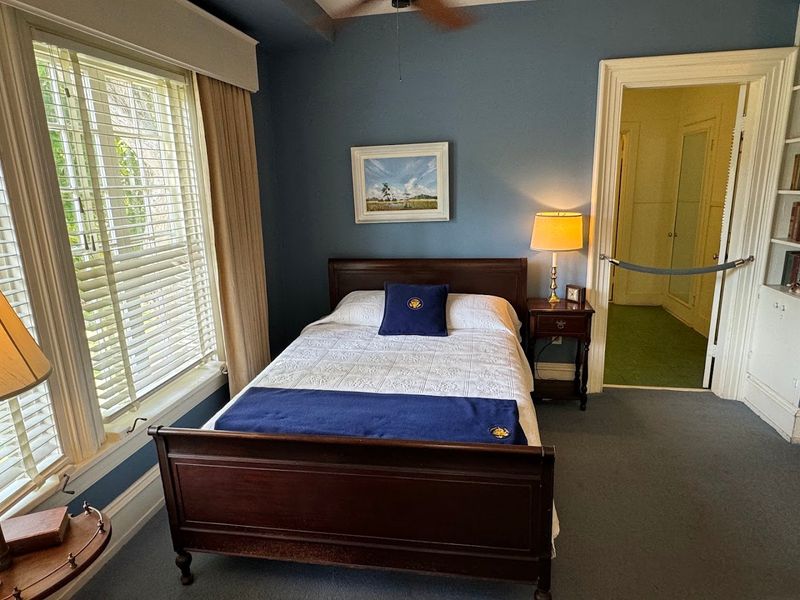
After the tour ends, what lingers is not just a list of presidential facts. It is the feeling of having seen power stripped of ceremony and placed inside a house that still feels approachable.
That contrast gives the museum unusual emotional staying power, especially in a destination better known for entertainment than reflection.
You start to remember small things: the modest furnishings, the tropical calm, the evidence of routine, the sense that important decisions did not always happen in spaces designed to look important. That realization changes how the presidency feels.
It becomes less abstract and more tied to the physical realities of time, place, and personality.
The site also leaves you with a sharper picture of Truman himself. Even visitors who arrive with mixed opinions often mention coming away with greater respect for his work habits, his need for respite, and the unpretentious world he chose in Key West.
The museum earns that reaction through detail rather than sentimentality.
For a single historic house, it covers a lot of ground without feeling crowded. You get biography, architecture, political context, and island history in one stop.
That is why the Truman Little White House keeps showing up on must visit lists – not because it shouts, but because it quietly convinces.