Most people think America’s gold rush story begins in California, but Dahlonega got there first. At Consolidated Gold Mine, you can walk into a real historic mine, drop about 200 feet underground, and see the same rock miners chased more than a century ago.
The experience feels part history lesson, part geology lab, and part surprisingly fun adventure. If you want a Georgia attraction that is genuinely different, this one earns your curiosity fast.
Georgia’s Gold Rush Started Earlier Than You Think
If you grew up linking the American Gold Rush to California, Dahlonega might completely reset that timeline for you. Gold was discovered here in 1828, more than two decades before the famous 1849 rush out west, and that makes North Georgia one of the country’s most overlooked historic landscapes.
I love that the town’s very name points back to the story. Derived from a Cherokee word associated with yellow or gold, Dahlonega carries its mining identity in plain sight, even if most travelers arrive without realizing how nationally important this place once was.
The strongest proof of that importance is the mint. The United States opened a branch mint in Dahlonega in 1838 to process locally mined gold, and coins stamped with the Dahlonega
This Mine Is the Real Thing, Not a Re-creation
One reason this place sticks with you is that it does not feel staged. Consolidated Gold Mine is a genuine historic mine, established in 1898 and operated commercially into the early 1900s, so the experience is built around actual industrial history rather than a themed version of it.
That authenticity changes how you see everything underground. The passages, rock faces, shafts, and work areas are tied to real labor, real risk, and real output from what was once the largest gold mining operation and processing plant east of the Mississippi River.
I think that detail matters because it elevates the visit beyond local trivia. You are not just stopping at a quirky roadside attraction in the Georgia mountains.
You are walking through a site that represented ambitious deep mining in the eastern United States, and that gives every damp tunnel and quartz streak a little more weight.
The Hillside Entrance Barely Hints at What Is Below
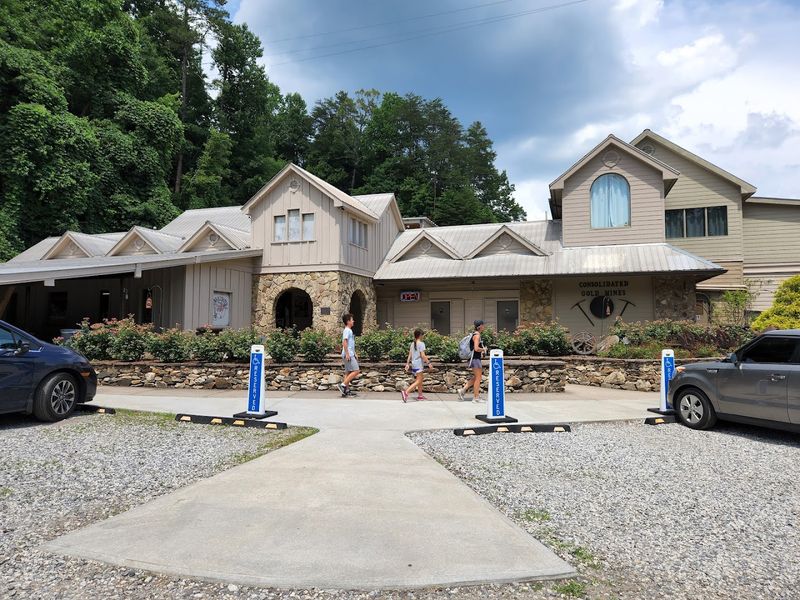
Arriving at Consolidated Gold Mine is a little deceptive in the best way. The property sits on a wooded hillside just outside Dahlonega’s downtown, and from the surface, the entrance area feels modest enough that you could underestimate what waits underneath your feet.
You check in above ground, gather with other visitors, and then head toward a mine opening cut into the slope. It looks exactly like the sort of entrance you would hope for in an old mining site, practical and unpolished, with none of the artificial drama that often comes with tourist attractions.
One of the first useful things guides mention is the temperature. Inside, the mine stays around 58 to 60 degrees year round, so even in the middle of a sticky Georgia summer, you may want a light jacket.
That contrast starts shaping the experience before the underground portion even properly begins.
The Drop Underground Feels Faster Than Expected
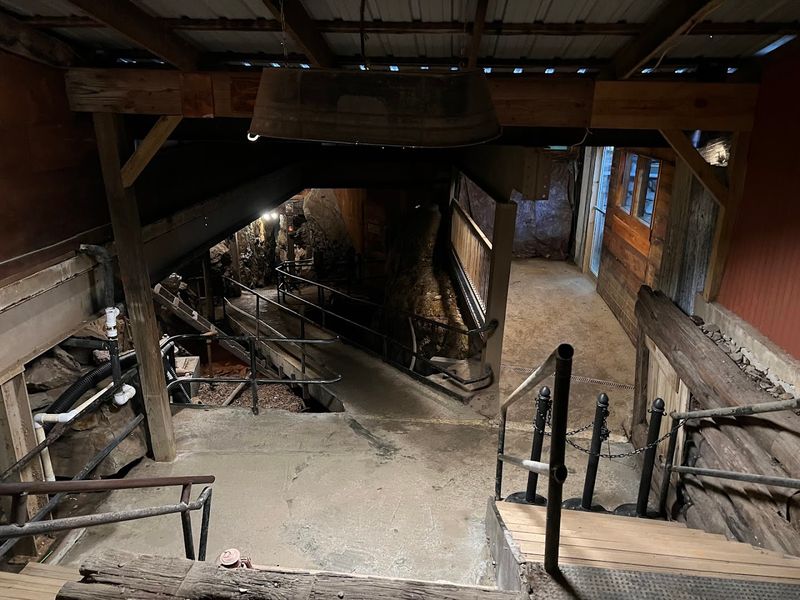
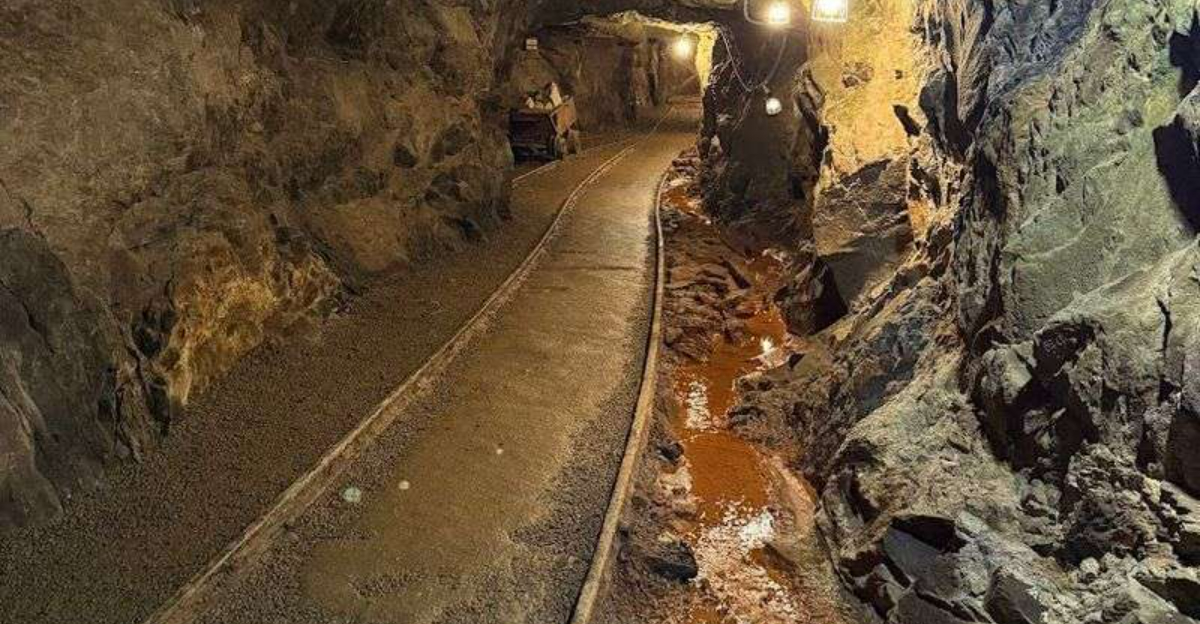
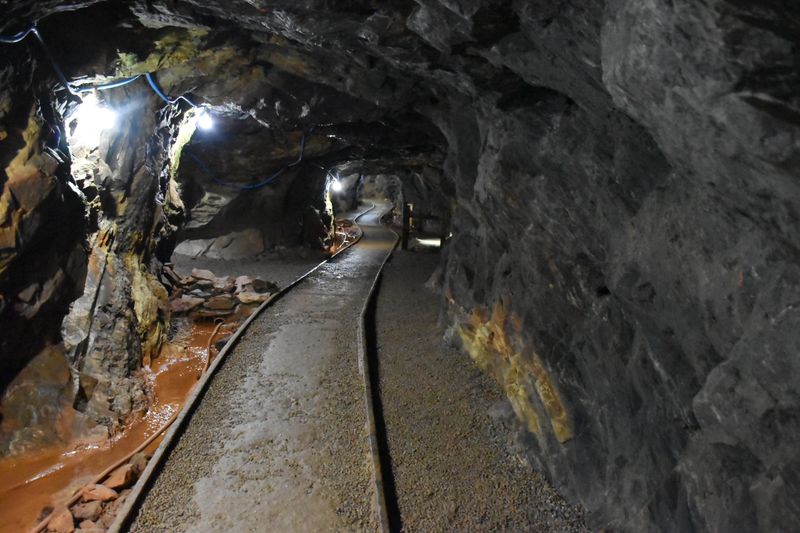
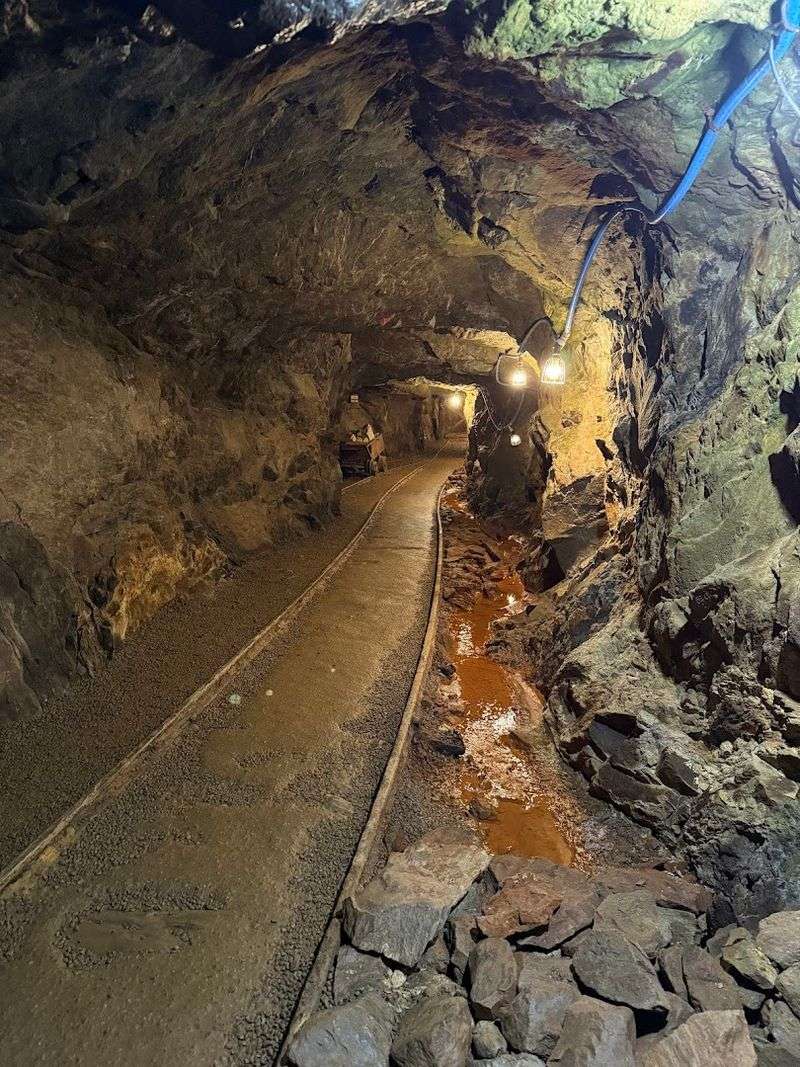
The transition underground happens quickly, and that is part of the thrill. As the tour moves down roughly 200 feet below the surface through hand-cut tunnels, the air cools, the rock closes in, and normal outside sound gets replaced by echoes and dripping water.
What surprised me most is how human-scaled everything feels. These are not giant caverns built for comfort.
The passages are narrower and lower than many visitors expect, which makes it easier to imagine the physical demands miners faced while drilling, hauling, blasting, and repeating the same exhausting cycle day after day.
Keep an eye on the walls because the geology is not hidden behind glass. You can actually see quartz veins cutting through the rock, and those veins were key clues miners followed when searching for gold-bearing ore.
That simple visual connection turns the descent into something much more vivid than a standard guided walk.
The Guides Translate Hard-Rock Mining Into Plain English
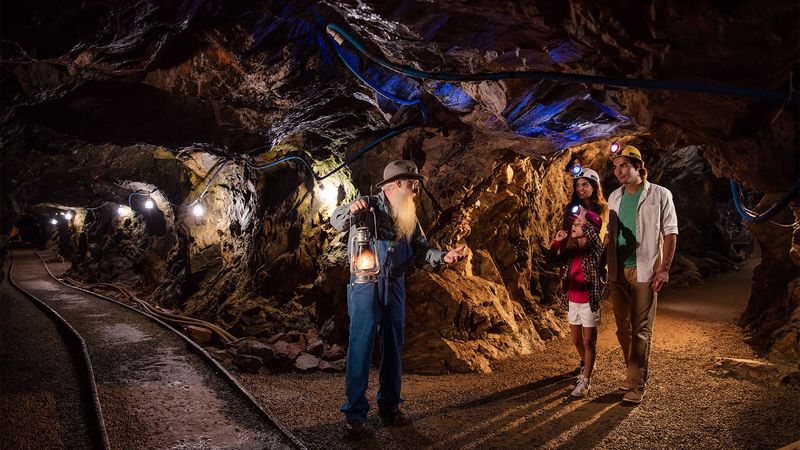
A big reason the tour works is that the guides make complicated mining history feel understandable. They explain hard-rock mining in plain language, showing how miners drilled into granite, used black powder, moved ore upward, and separated gold from tons of surrounding rock.
That last part really reframes the romance people often attach to gold. Stream panning gets all the mythology, but hard-rock mining was brutally labor intensive.
Enormous amounts of solid stone had to be broken, hauled, and processed just to recover a relatively small amount of valuable metal.
I also appreciate that the interpretation does not assume prior knowledge. You can arrive knowing almost nothing about mines, blasting, or ore extraction and still leave with a clear mental picture of how the operation functioned.
Instead of vague old-timey storytelling, you get practical context that makes the underground environment feel legible and real.
The Mine Doubles as a Surprisingly Good Geology Lesson
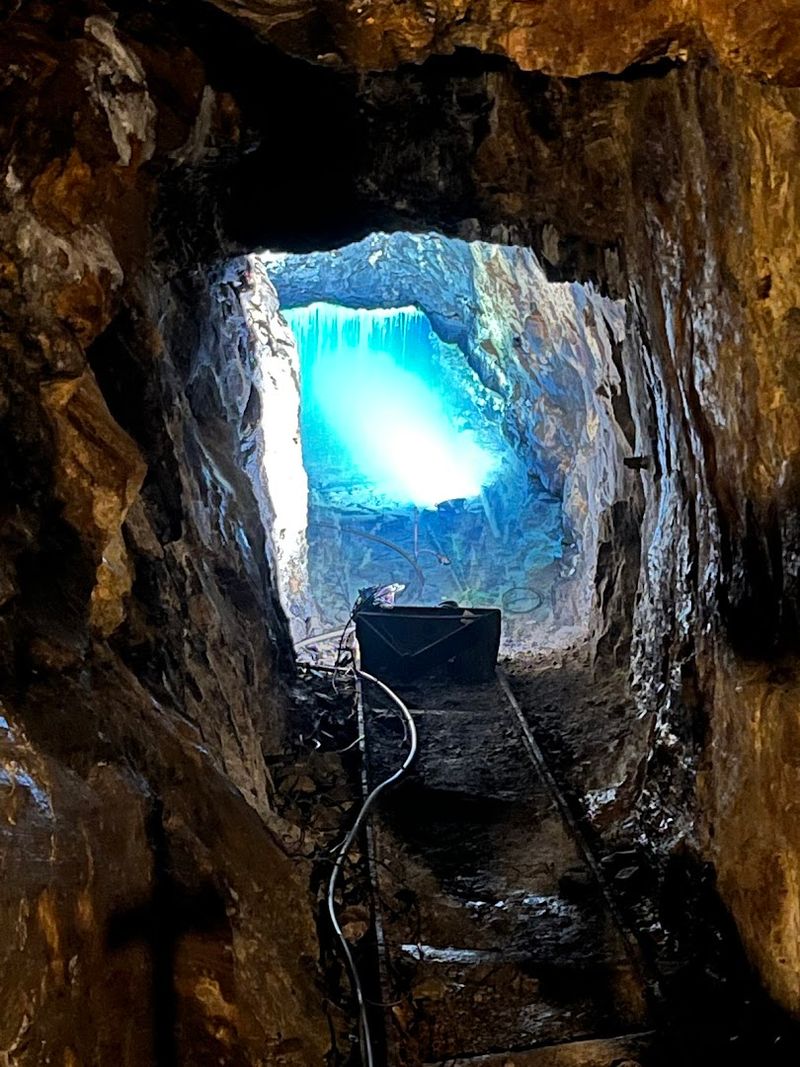
Even if you are not usually drawn to geology, this tour makes the science easy to care about. The walls show color changes, quartz bands, and mineral patterns clearly enough that you can connect the guide’s explanation to something right in front of you instead of trying to imagine it abstractly.
That matters because gold here did not appear randomly. The deposits formed hundreds of millions of years ago through hydrothermal processes, when hot mineral-rich water moved through fractures in the rock and left gold behind in veins over immense stretches of time.
I found that geological context oddly satisfying because it adds depth to the human story. Miners were not just digging anywhere they pleased.
They were reading clues in granite, quartz, and oxidation, following evidence laid down long before people arrived in the Appalachians. It turns the mine into a place where deep time and human ambition meet very directly.
Gold Panning Slows You Down in the Best Possible Way
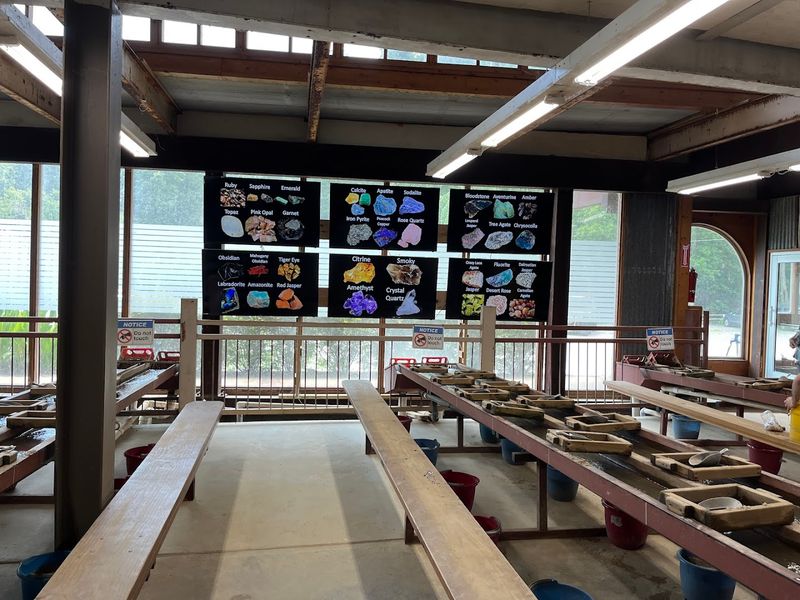
After the underground portion, gold panning gives the visit a hands-on shift that feels both playful and oddly meditative. You work through sediment in a pan, swirl water carefully, and watch the lighter material wash away while the heavier particles settle lower with each motion.
The physics are simple, but doing it well still takes patience. Gold is far denser than water and much heavier than common sand, which is why tiny flakes remain near the bottom when the technique is done properly.
That basic principle is the same one miners relied on in the nineteenth century.
I think this part lands so well because it lets you test your attention after hearing all the history. Instead of just being told how gold was found, you get a miniature version of the process in your own hands.
And yes, taking home a few small flakes is a satisfying little victory.
The Shared Tunnel Experience Is Half the Fun
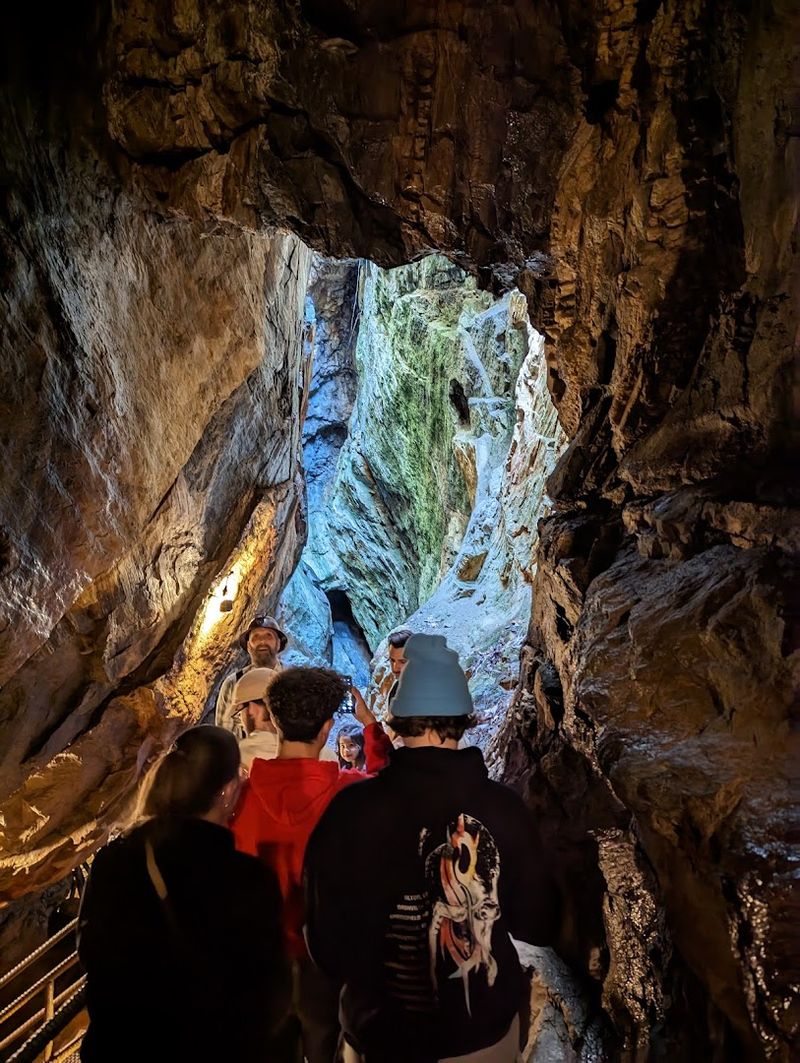
What I did not expect was how social the mine tour feels. Because groups move through the tunnels together, the experience develops a low-key camaraderie, with strangers reacting to the same narrow passages, damp floors, and surprising facts at exactly the same time.
That dynamic gives the site a different energy from a museum. Kids usually lock onto the panning and the novelty of going underground, while adults often end up more absorbed by the history, geology, and labor conditions than they anticipated.
Everyone seems to find a different doorway into the experience.
The customer reviews reflect that mix well. Families call it fun, guides get praised for being informative and funny, and visitors repeatedly mention how memorable the underground setting feels.
Even practical details, like slippery spots, cool temperatures, and lots of stairs, seem to make the visit feel more tangible rather than less appealing.
Dahlonega Makes the Mine Feel Like Part of a Bigger Story
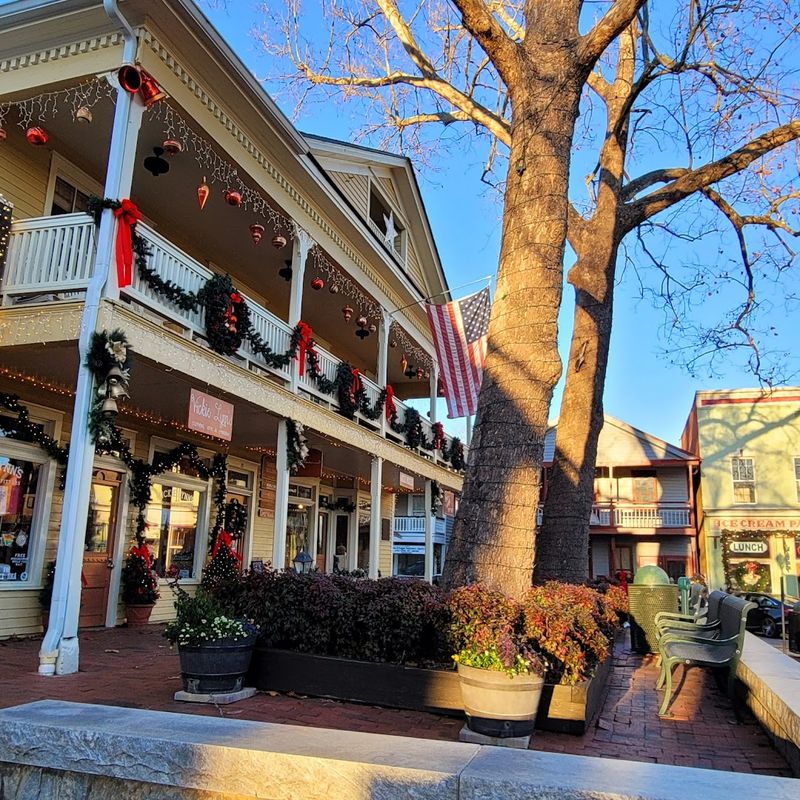
One reason Consolidated Gold Mine works so well as a destination is that Dahlonega supports the story around it. The town’s compact downtown square is easy to explore, and its historic atmosphere makes the mine feel connected to a broader gold rush world rather than isolated from it.
If you keep the focus strictly on the mine’s context, the most relevant companion stop is the Dahlonega Gold Museum in the 1836 Lumpkin County Courthouse. That building is one of the oldest surviving public buildings in Georgia, and its exhibits reinforce just how central gold once was to this community.
I like places where the main attraction does not have to carry everything alone. Here, the mine provides the physical immersion, while the town’s history helps frame what you just saw underground.
It turns a single tour into a fuller day of understanding why this small North Georgia place mattered so much in American mining history.
Why This Place Still Feels Worth Telling People About
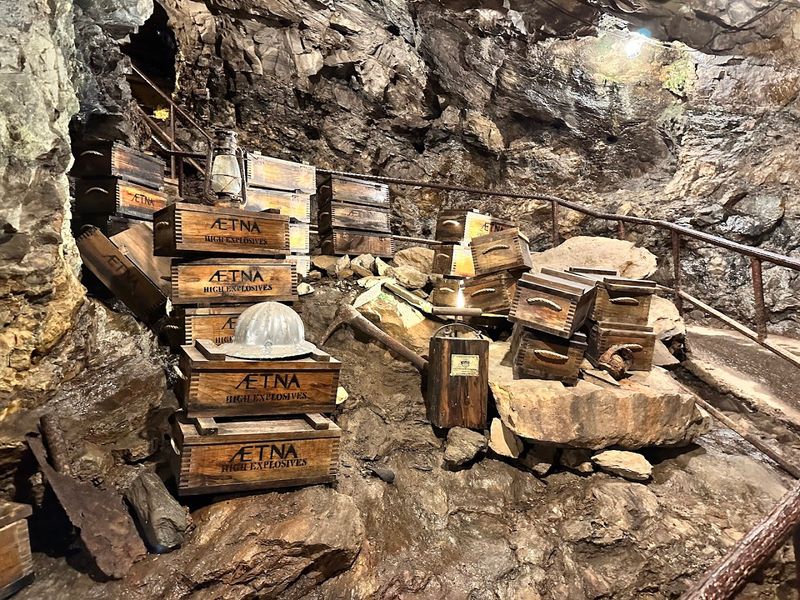
What makes Consolidated Gold Mine worth your time is not just that it is unusual. It is that the experience is rooted in something undeniably real: actual tunnels, documented gold rush history, visible geology, and a working interpretation of how this place once operated at serious industrial scale.
There is also something refreshing about the honesty of the site. Guides are clear that gold still exists here, but the ore grades are too low for profitable modern extraction.
That is exactly why the mine can function as a public attraction today instead of remaining an active industrial operation hidden from visitors.
If you are the kind of traveler who wants more than a photo stop, this place delivers. You leave with facts, textures, sounds, and usually a few tiny flakes of gold from panning.
For me, that blend of authenticity and accessibility is what transforms a local attraction into a story you end up repeating later.