Some restaurants need a giant dining room and a flashy setup to feel important. M Kokko in Durham proves the opposite, packing serious flavor into a tiny, rustic-chic space that people gladly wait for.
If you care about crackly Korean fried chicken, rich ramen, and comforting rice bowls, this little counter makes a strong case for planning your day around lunch or dinner here. The place is small, the menu is focused, and that is exactly why it feels like such a big deal.
Why This Tiny Spot Feels So Big

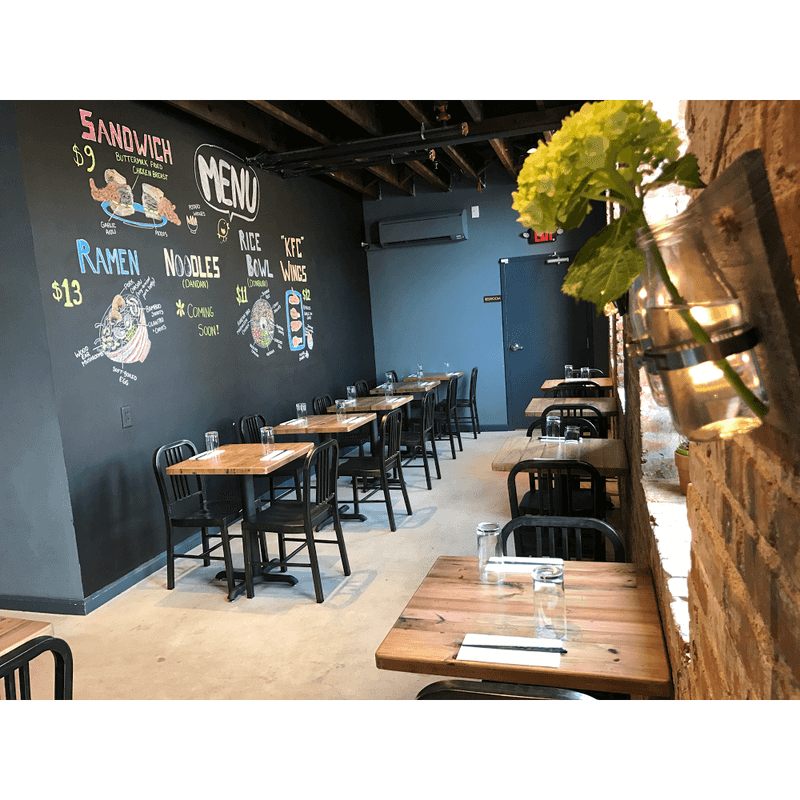
Tucked into Durham at 311 Holland Street Suite B, this compact Korean restaurant earns attention the old-fashioned way: by sending out food people keep talking about. The room is small, the setup is casual, and the focus stays exactly where you want it – on crispy chicken, noodles, rice bowls, and a handful of starters that make the meal feel carefully edited instead of crowded.
You can sense that narrow focus in review after review, where diners mention a short menu, strong execution, and the kind of dishes that spark a return trip before the first one even ends.
Space is part of the story here. Several visitors point out that the dining room is tight, best suited for solo diners, couples, or groups of four, and that reservations are not part of the routine.
That could sound like a drawback, but it also explains the place’s energy: people come in expecting a little patience, a little squeeze, and a lot of payoff once the plates land.
What makes M Kokko stand out is not trend-chasing. It is the confidence of a restaurant that knows exactly what it does well, then leans hard into it.
In a food scene full of sprawling menus and polished concepts, that kind of restraint feels refreshing and memorable.
The Crispy Wings That Built the Reputation
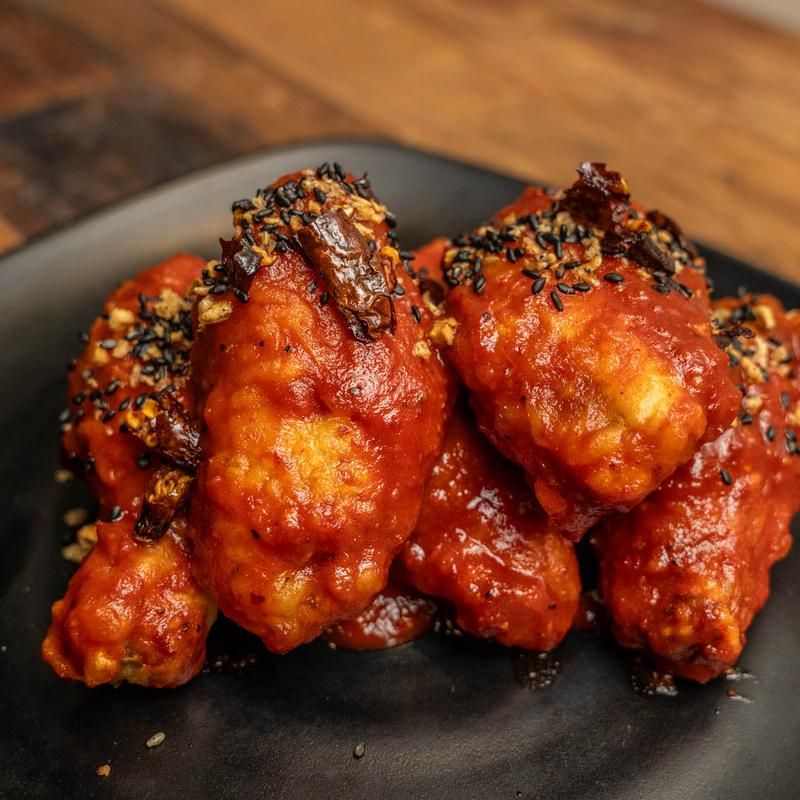
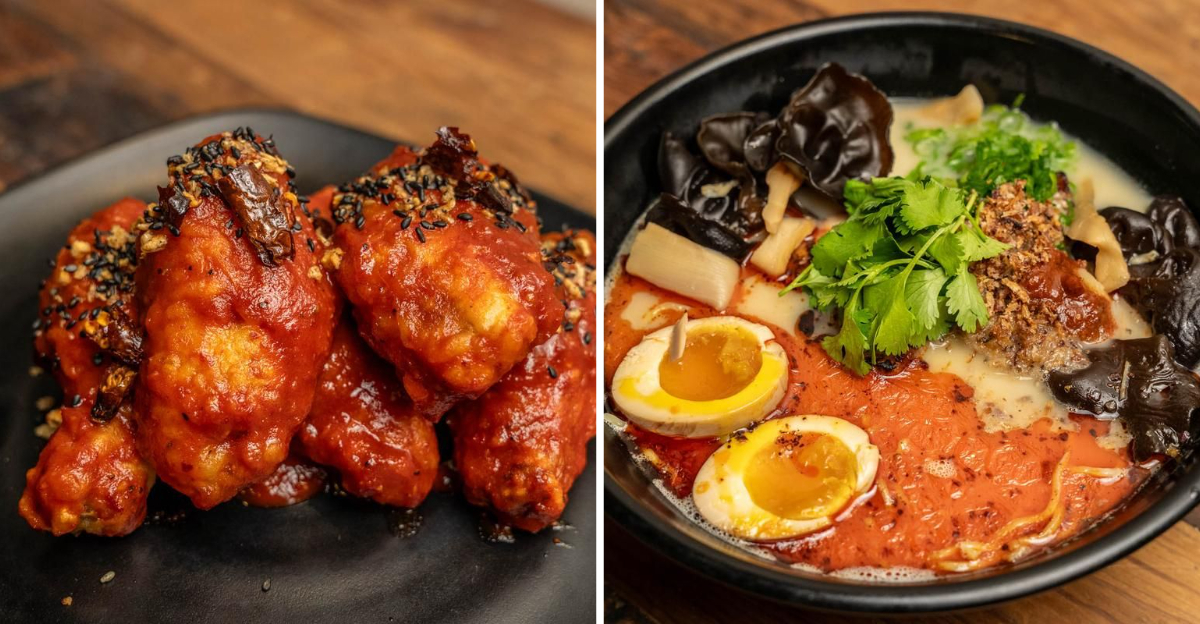
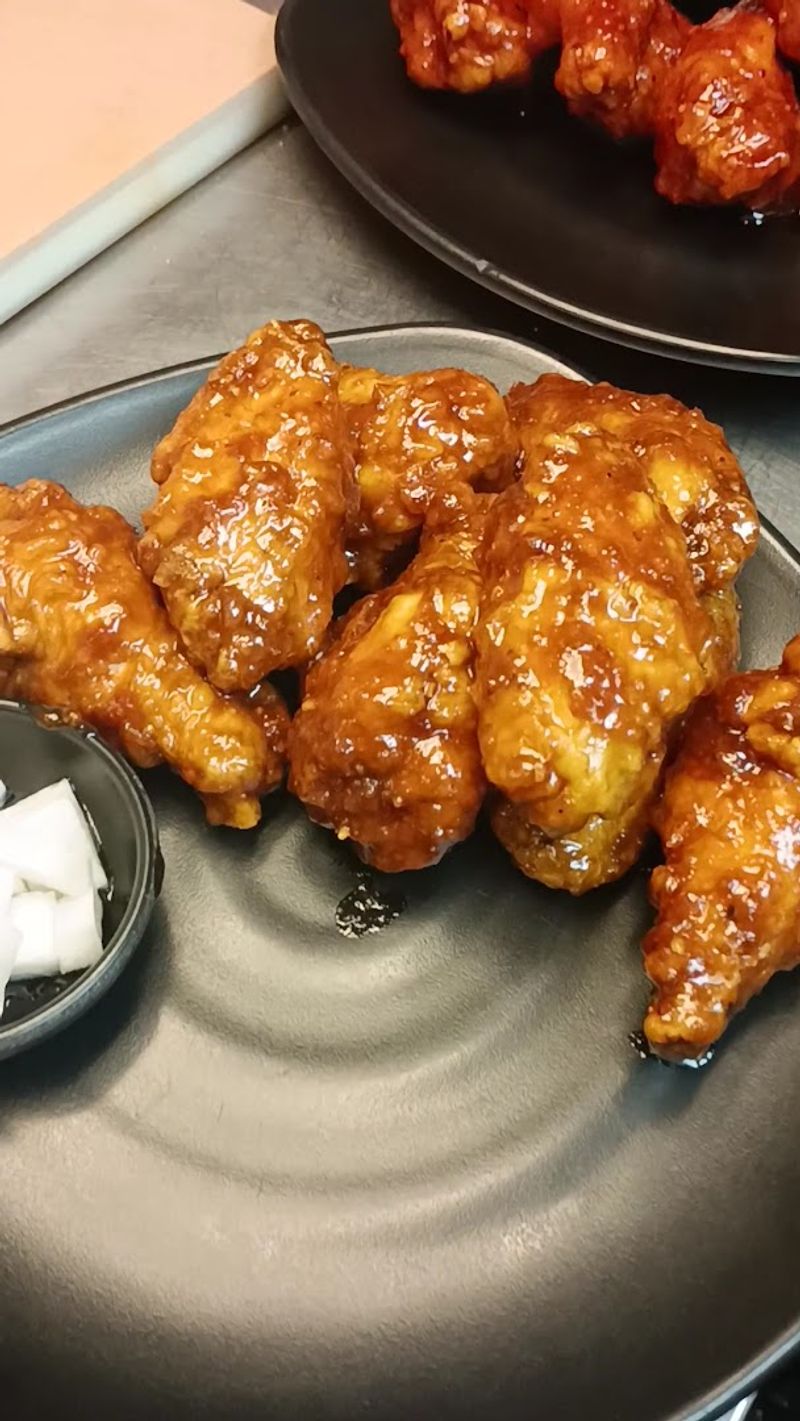
Plenty of places serve wings, but these are the reason many people show up in the first place. The Korean fried chicken gets described as meaty, perfectly sauced, and impressively crisp, with repeat praise for flavors like soy garlic and spicy versions that bring heat without wrecking the texture.
When a restaurant is known for chicken and still manages to exceed expectations, that says a lot about the fry, the seasoning, and the discipline behind the line.
The most appealing detail is how often diners mention balance. One review praises the soy garlic wings as incredible, while another says the Nashville hot version packed a punch yet stayed wonderfully crispy.
That combination matters because so many wings lose their crunch under sauce, but these seem built to hold up for the full plate, not just the first bite.
If you are deciding what to order first, this is the safe bet with personality. Even reviewers who felt mixed about certain noodle dishes still singled out the fried chicken as the star, which tells you the house specialty is not just branding.
It is the dish most likely to explain the crowd, the wait, and the steady stream of people willing to squeeze into a tiny dining room for dinner.
Ramen That Starts Conversations
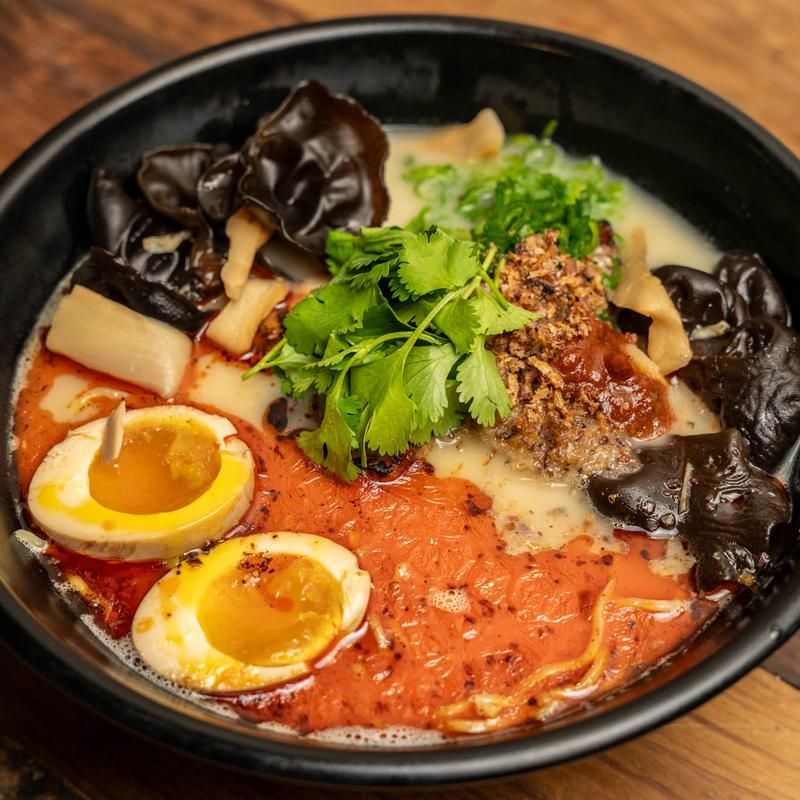
Not every restaurant can make ramen a talking point alongside fried chicken, yet M Kokko manages to do exactly that. The bowls come with rich broth, springy noodles, and thick slices of pork that several diners remember vividly, especially those who compare the experience to favorite ramen shops in bigger food cities.
People praise the broth as creamy and flavorful, the noodle texture as excellent, and the spicy version as the one worth choosing if you like more intensity.
At the same time, the ramen also sparks the most debate, which honestly makes the picture clearer. Some guests found the broth deeply satisfying and even destination-worthy, while others thought certain bowls ran too salty or lacked the long-simmered complexity they wanted.
That split does not erase the appeal. It shows that M Kokko’s ramen is bold, heavy, and opinionated rather than neutral comfort food trying to please everybody.
For many diners, that is part of the charm. You are not walking into a giant noodle house with endless customization and textbook restraint.
You are getting a small restaurant’s version of indulgent ramen, shaped by the same confident style that powers the chicken menu. If you like rich bowls and do not mind strong flavors, this is where the conversation gets interesting fast.
Start With the Bao and Small Plates
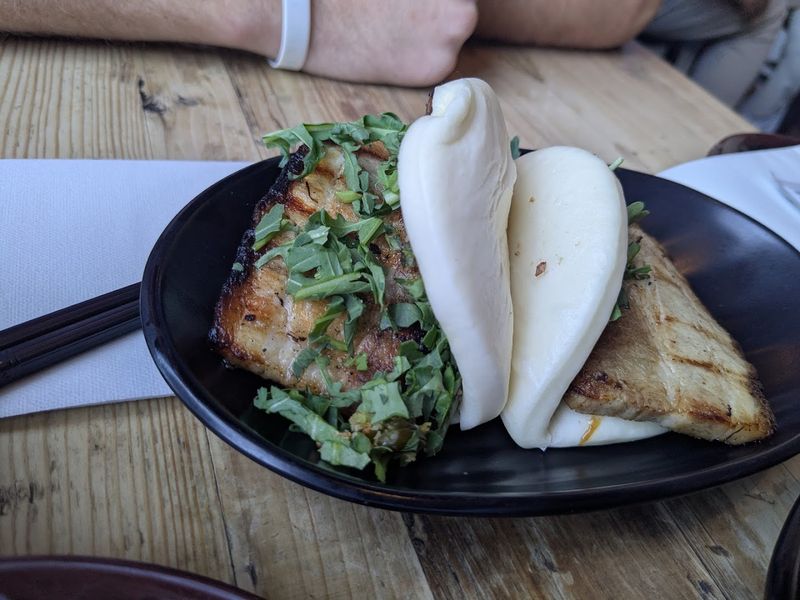
A smart meal here usually begins before the main event. Pork belly bao, gyoza, and other small plates keep showing up in customer reviews, and the bao in particular seems to win people over fast with soft buns, tender pork, bright toppings, and enough richness to feel indulgent without turning heavy too soon.
When a starter gets remembered alongside wings and ramen, it is doing more than filling time while you wait.
The appeal comes from contrast. Reviewers describe pillowy buns, crisp relish, lemony freshness, and pork that feels meltingly soft, which means every bite hits fat, acid, texture, and warmth at once.
Even comments that criticize other dishes often pause to praise the buns, and that consistency matters when you are planning an order in a small restaurant where every plate counts.
If you are visiting for the first time, adding a starter is the easiest way to understand the kitchen’s style. M Kokko does not seem interested in giant appetizer lists or filler plates.
The better move is to choose one or two things that sharpen your appetite and show the house touch. Bao does that especially well, giving you a rich, flavorful preview of the bold seasonings and compact menu logic that define the whole experience.
What the Tiny Dining Room Means for Your Visit
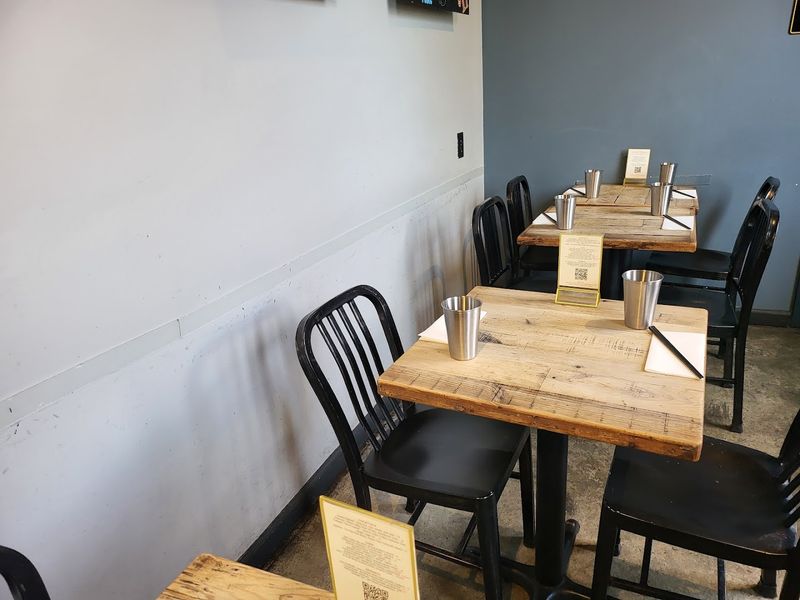
Size shapes the whole experience at M Kokko, so it helps to know that before you go. Multiple diners describe the place as very small, cozy to some and cramped to others, with limited seating and no reservations.
That means your best strategy is simple: keep your group small, avoid arriving in a rush, and build a little patience into the plan, especially on dinner service or prime weekend hours.
Several reviews mention waitlists, early lines, and the reality that parties larger than four can be awkward to seat. One customer even noted splitting a larger group to make the evening work, while others recommended arriving before opening or treating the delay as part of the outing.
Because the restaurant is tucked behind M Sushi, it also helps to know where you are going so your arrival feels smoother instead of frantic.
This is not the kind of place that caters to big celebrations or leisurely indecision. It works best when you show up ready to order, ready to share, and ready to enjoy the intimacy rather than fight it.
If that sounds limiting, the food gives the room a purpose. The small footprint feels less like a flaw and more like the framework for a compact, high-demand spot that has earned its following.
Service, Speed, and What Regulars Seem to Expect
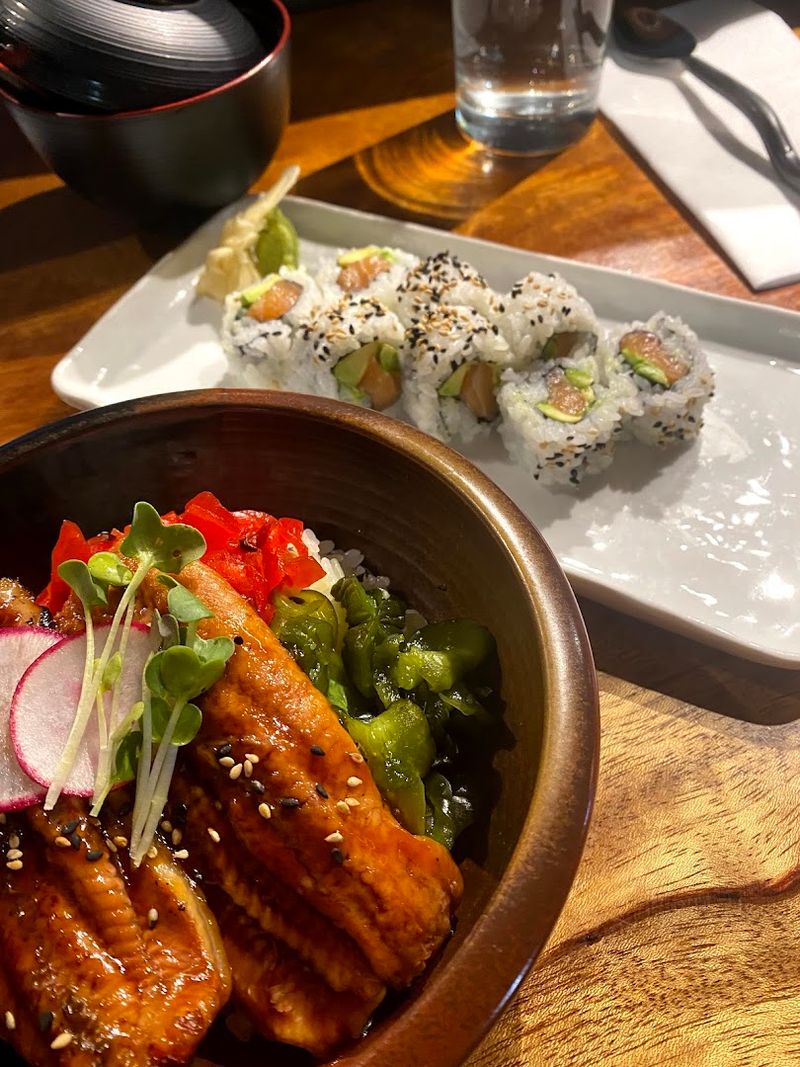
Service at M Kokko tends to be remembered in one of two ways: warmly personal or a little stretched. Plenty of diners praise kind, attentive staff and mention being well taken care of, while others note slower timing, understaffing, or a less welcoming interaction during a busy shift.
Taken together, those comments paint a believable picture of a tiny, popular restaurant where hospitality is usually strong but pressure points can show when the room fills up.
That context matters because expectations shape satisfaction. If you walk in assuming polished fine-dining choreography, the wait times and cramped setup may feel frustrating.
If you read the room as a compact neighborhood favorite with a focused menu and a small team, the experience makes more sense. Several guests even point out that the food came quickly once seated, though others reported long stretches before certain dishes arrived.
The encouraging part is how often positive service notes appear alongside strong praise for the food. Friendly staff, chill energy, and attentive servers come up repeatedly enough to suggest that good hospitality is part of the identity here, not a rare exception.
My takeaway is practical: come with some flexibility, treat a delay as possible, and judge the place by its overall rhythm. When the kitchen and floor are aligned, the experience sounds easy, flavorful, and worth repeating.
A Focused Menu That Knows Its Strengths
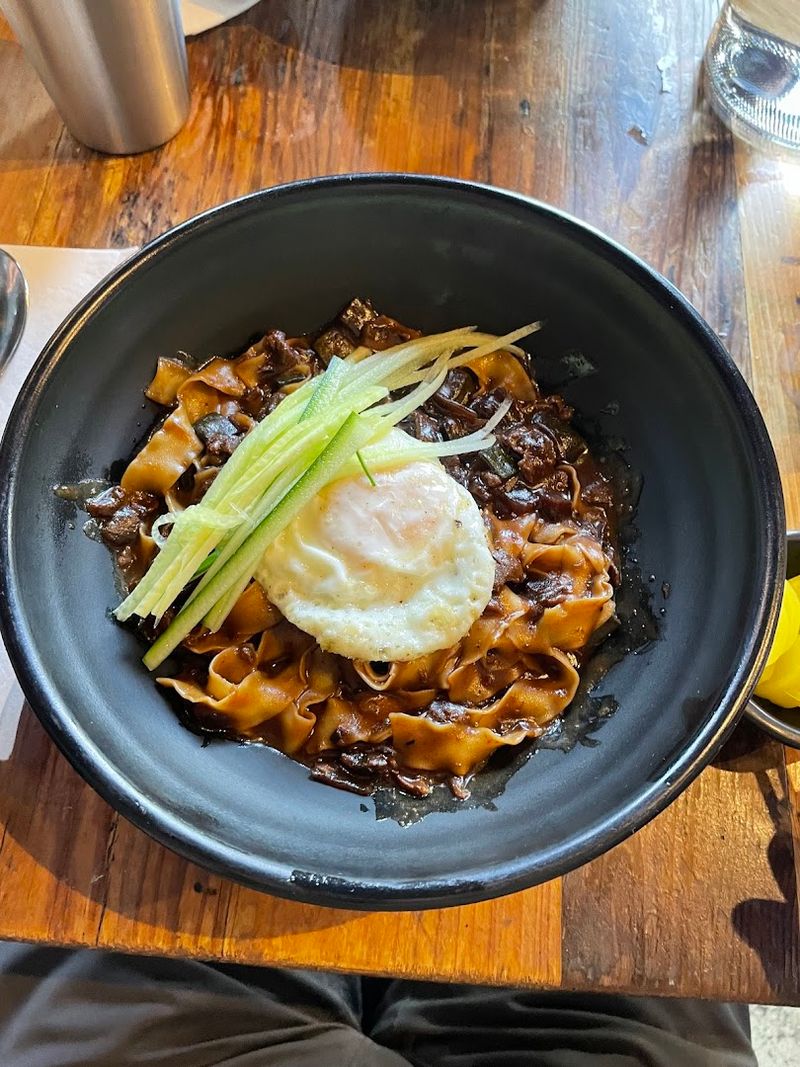
There is something refreshing about a restaurant that does not try to be everything at once. M Kokko keeps the menu tight, and that restraint seems to be a major reason people trust it.
Instead of pages of options, you get a curated lineup of chicken dishes, noodle bowls, rice plates, and a few appetizers, which creates the feeling that each item earned its place rather than being added to pad variety.
Customers actually mention this in ways that matter. One diner loved that the menu was not overwhelming, while another praised the broader M restaurant concept of focusing on minimal dishes and trying to make them perfect.
That kind of editorial discipline usually leads to a clearer kitchen identity, and here it explains why the restaurant can be associated so strongly with a few standout items instead of one viral novelty.
The best focused menus also help you order with confidence. You are not stuck decoding endless combinations or worrying that you missed the one thing the kitchen truly cares about.
At M Kokko, the menu points you toward the house specialties naturally: wings, ramen, noodles, bao, and rice. Even if every dish does not land equally for every guest, the overall structure suggests a restaurant that values intention over excess.
In a crowded dining landscape, that clarity is part of the appeal.
How to Order on a First Visit
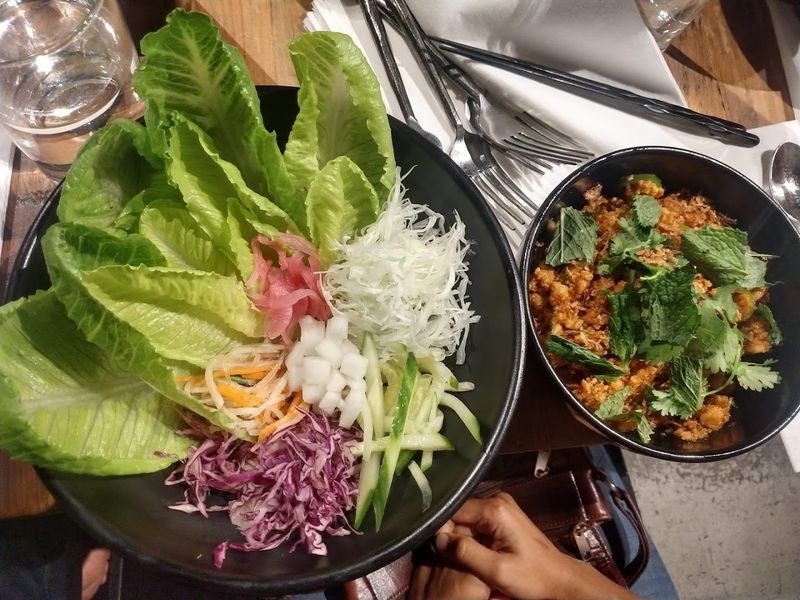
A first meal at M Kokko is easiest to enjoy when you order with a little strategy. Based on the strongest patterns in customer feedback, the safest and most satisfying route starts with pork belly bao, adds an order of Korean fried chicken wings, and then rounds out the table with either spicy ramen or one of the noodle dishes that matches your tolerance for salt and heat.
That lineup gives you a broad look at what the kitchen does best without overloading the table.
The wings are the nonnegotiable part of the plan because they are the most consistently praised item across reviews. Soy garlic appears especially reliable, while spicy versions draw fans who want more kick.
For the main, spicy ramen gets better word-of-mouth than the standard bowl in several comments, though biang biang noodles and curry udon also have their supporters. If you are sensitive to strong seasoning, sharing mains is probably the smartest move.
Drinks can stay simple. Beer and sake show up in reviews and sound like easy pairings for the richer food, especially fried chicken.
The final tip is portion logic: this is a better place to order for the table than to stay locked into your own plate. Sharing lets you taste the menu’s personality, and that is where M Kokko makes its clearest impression.
Why People Drive for It
One of the strongest signs that M Kokko matters is how many people describe making a point of getting there. Some diners talk about driving an hour, others compare it to restaurants from larger cities, and more than one review frames the meal as destination-worthy despite the tiny room and occasional wait.
That tells you the appeal is not convenience. It is the promise that a modest little restaurant can still deliver something you remember long after the drive home.
Destination dining usually needs a distinct point of view, and M Kokko has one. The identity is clear: Korean-style fried chicken, rich ramen, flavorful noodles, and a compact, no-reservation setup that feels a little hidden and a little hard-won.
People often forgive logistical friction when the food gives them a story to tell, and here the story seems to be that the best thing in the room arrives on a small plate, in a small space, with a lot more flavor than the address suggests.
Not everyone leaves equally impressed, and that honesty actually strengthens the case. Reviews that criticize salt levels or seating still often acknowledge real quality in the chicken, noodles, or service.
When even the mixed reactions include memorable dishes, you are dealing with a place that has a genuine pull. Durham has many options, but M Kokko clearly gives people a reason to choose intention over ease.
The Real Reason M Kokko Stands Out in Durham
M Kokko stands out because it understands that scale and impact are not the same thing. The restaurant is tiny, the hours are limited, and the seating situation asks you to plan ahead, yet people keep returning because the food has a clear identity and enough personality to overpower the inconveniences.
In a city with plenty of polished options, that kind of focused confidence is hard to fake and easy to remember.
The details reinforce that impression. Reviews consistently highlight crispy wings, rich ramen, satisfying noodles, strong small plates, and a menu that feels curated rather than scattered.
Even the criticisms fit the same larger narrative: bold seasoning, a compact room, and a place busy enough that timing can get uneven. None of that sounds generic.
It sounds like a restaurant with edges, and restaurants with edges are often the ones people care about most.
If you are deciding whether to go, the answer depends on what kind of meal you want. Come here for space, silence, and guaranteed speed, and you may leave annoyed.
Come here for crunchy wings, concentrated flavor, and the pleasure of finding a little spot that cooks like it has something to prove, and the visit makes sense quickly. That is the big deal at M Kokko: not size, not hype, but the way a small room keeps producing food people feel compelled to talk about.