Some museums impress you with scale, but the Wenham Museum wins you over with memory, detail, and warmth. Tucked into a quiet North Shore neighborhood, it feels less like a formal attraction and more like a place where family stories quietly come alive.
Between intricate dollhouses, moving model trains, and local history that feels deeply personal, this is the kind of stop that sneaks up on you in the best way. If you are craving something thoughtful, charming, and genuinely different, this little Massachusetts museum is absolutely worth pulling off the road for.
A front door that feels like a memory
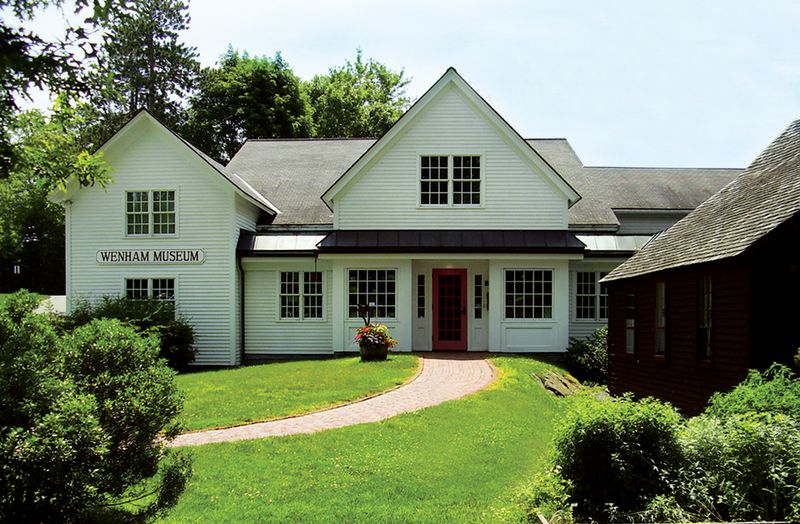
Pulling up to the Wenham Museum, I was struck by how naturally it fits into the town around it. It does not loom over Main Street or announce itself with flashy spectacle, which somehow makes the visit feel more intimate from the start.
That quiet scale is part of the charm. You feel like you are stepping into a place shaped by community memory rather than a destination built to rush you through a checklist of highlights.
Set at 132 Main Street in Wenham, about forty minutes north of Boston, it has the kind of location that rewards a small detour. The museum has a hidden-gem reputation for good reason, because it offers something many larger attractions cannot: a personal sense of welcome.
Before you even reach the exhibits, the setting tells you what kind of experience this will be. It is local, calm, and rooted in everyday New England life, which makes everything inside feel more meaningful.
The calm first step inside
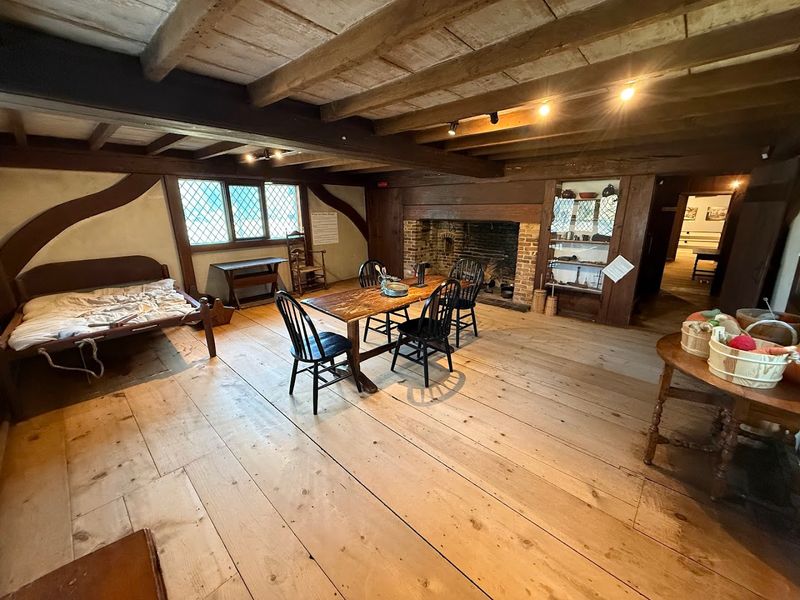
The first few moments inside the Wenham Museum set the tone beautifully. Wooden floors, soft lighting, and a comfortable layout make it feel closer to an old New England home than a loud, overstimulating attraction.
I loved that nothing about the entry seemed pushy or overwhelming. Instead of being herded toward a single must-see object, you are invited to slow down, breathe a little, and notice what draws your eye.
That sense of ease matters here because the museum works best when you let it unfold gradually. A small gift shop near the entrance, friendly staff, and a manageable scale all reinforce the feeling that you can settle in without pressure.
It is an especially good beginning for families with young children and for adults who prefer quieter cultural stops. The welcome feels genuine, and that personal atmosphere makes the nostalgia inside land with even more force.
Dollhouses that whisper whole lives
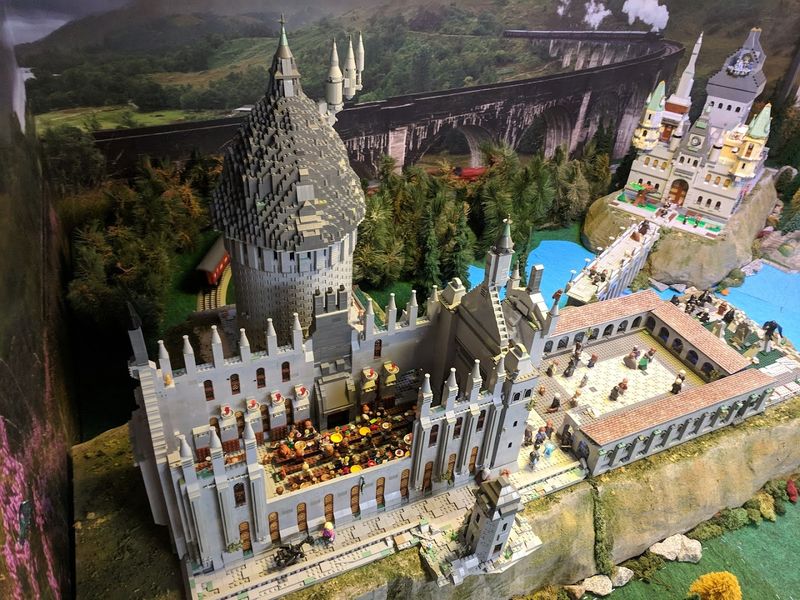
The dollhouses at the Wenham Museum are not just cute miniatures behind glass. They feel like tiny stage sets for entire lives, with room-by-room details that pull you close and keep you there longer than expected.
I found myself staring at wallpaper patterns, little tables, and impossibly small furnishings that somehow still carry personality. Each house suggests a different era, so you are not simply looking at toys, but at changing ideas of home, taste, and daily life.
Several standout pieces deepen that impression, including the Victorian Chamberlain Doll House from 1884 and the Tynie Toy Doll House from 1934. The collection also includes examples linked to local families and remarkable miniatures that make ordinary domestic spaces feel unexpectedly moving.
What stayed with me most was how narrative these displays feel. Even in silence, every room hints at who might have lived there, what they valued, and how carefully the world once fit into smaller spaces.
The train room everyone drifts toward
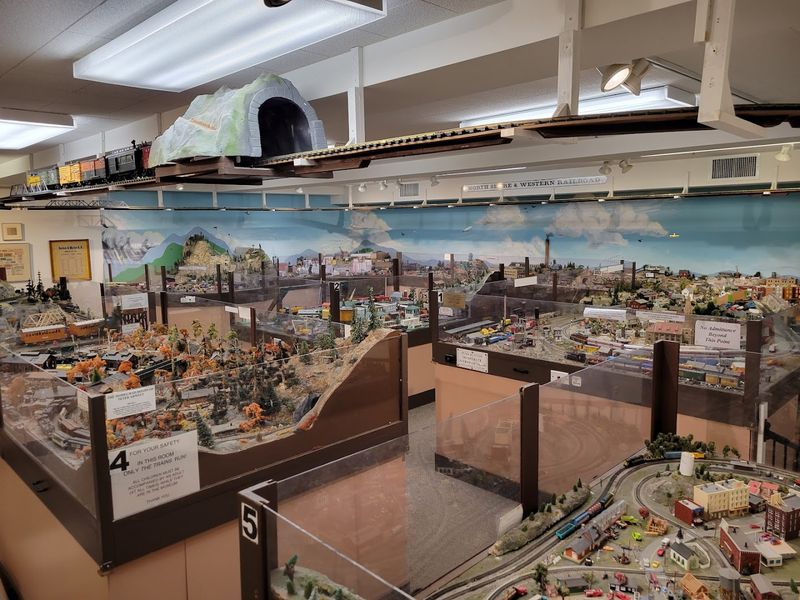
If the dollhouses invite close study, the train gallery creates a different kind of magnetism. People naturally gather there, waiting for movement, following tiny engines through villages, bridges, tunnels, and carefully built scenery.
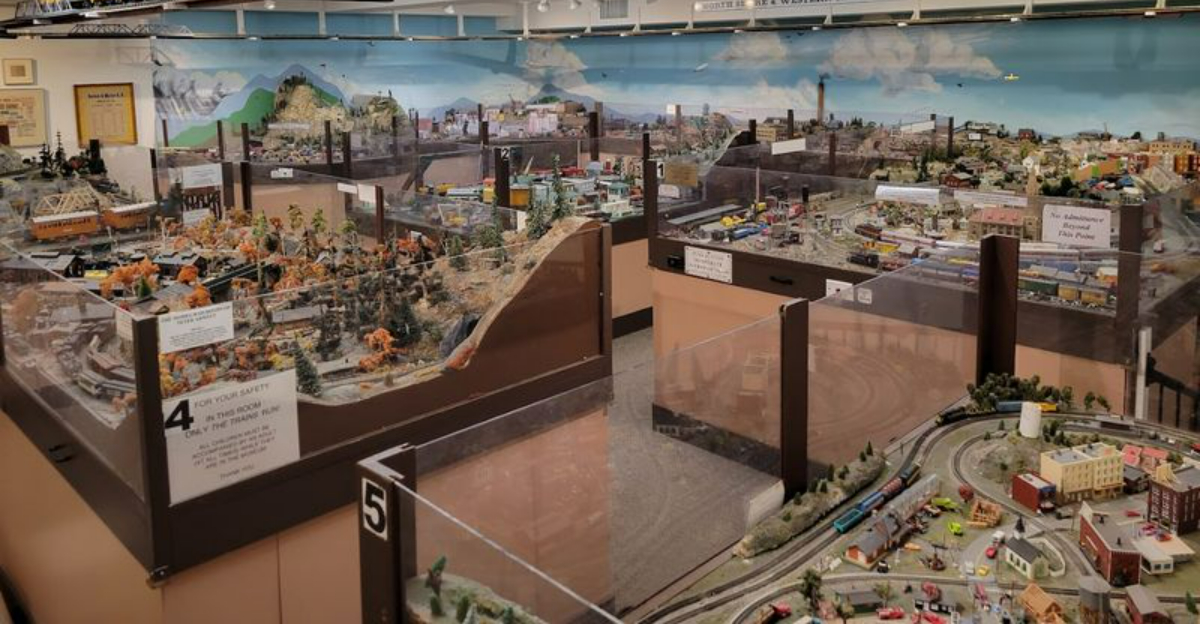
The Bennett E. Merry Train Gallery is one of the museum’s biggest draws, and it earns that status quickly.
With multiple operating layouts across different gauges and more than twenty trains, the room feels alive without becoming chaotic.
I especially like that the displays reward both quick excitement and patient observation. A child might be thrilled just to see a locomotive start moving, while an adult can spend ten minutes noticing painted signs, station platforms, livestock, mills, and little human scenes tucked into the landscape.
The Peter Arnott HO gauge layout is particularly memorable, stretching across a panoramic New England world. It captures the romance of rail travel and model building at once, turning craftsmanship into something dynamic and joyfully watchable.
Why the craftsmanship feels personal
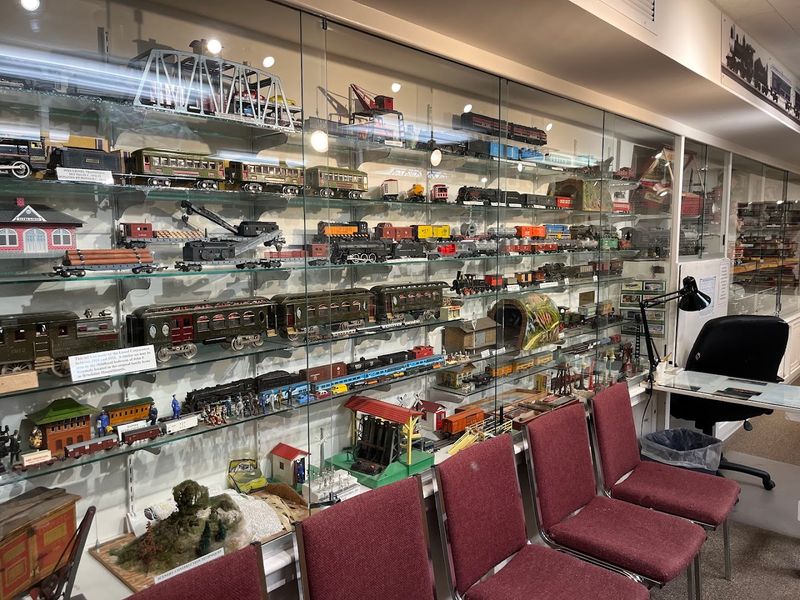
One of the most satisfying parts of the Wenham Museum is how clearly it honors making things well. You are not just shown finished miniatures and train layouts, but also invited to appreciate the patience, precision, and care behind them.
That changes the experience completely. Instead of consuming displays at a glance, you start noticing hand-painted surfaces, tiny joints, working doors, and the quiet ambition required to build a believable world at reduced scale.
The Beverly Darling Collection is a great example, especially because some of the furniture samples include functional locks, drawers, and doors. In the train gallery, volunteers and enthusiasts often help explain scenery building and layout construction, which adds a human layer to the technical skill on display.
I came away thinking less about novelty and more about devotion. The museum makes craftsmanship feel intimate, reminding you that many beloved objects survive because someone cared enough to make them carefully and someone else cared enough to preserve them.
Toy cases that collapse generations
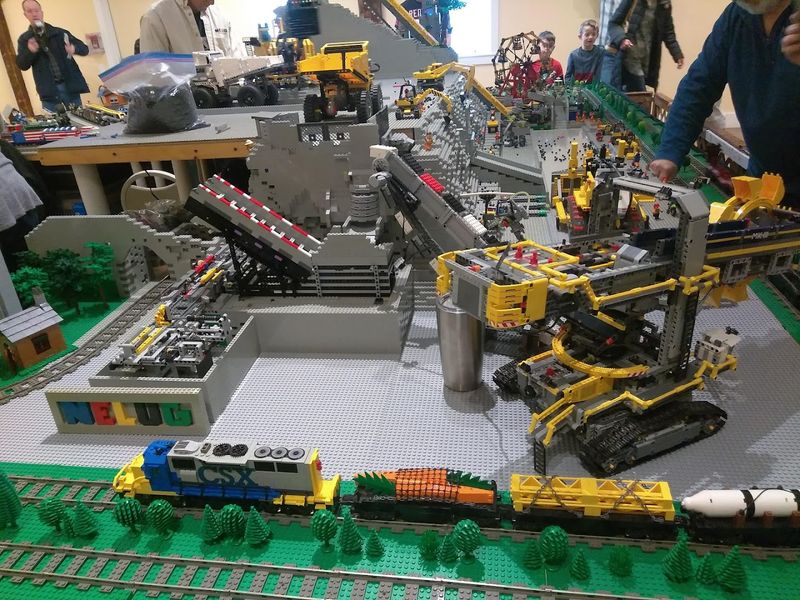
The toy displays at Wenham Museum do something surprisingly powerful in a very small space. A few shelves of dolls, tin toys, games, and puzzles can suddenly collapse decades, pulling family stories and childhood memories into the present.
What I like most is that the museum does not treat these objects as disposable nostalgia. The displays suggest how children played, what adults hoped toys would teach, and how design changed as different generations imagined fun and learning.
You might recognize a board game from your grandparents’ house or a doll that looks eerily close to one you remember from a closet shelf. Younger visitors, meanwhile, get a vivid sense that play used to be slower, stranger, and often more mechanical than the bright plastic world they know now.
Because items rotate, the cases retain a sense of discovery. That modest unpredictability makes the museum feel alive, and it turns familiar objects into little portals between personal memory and shared cultural history.
A play space that respects imagination
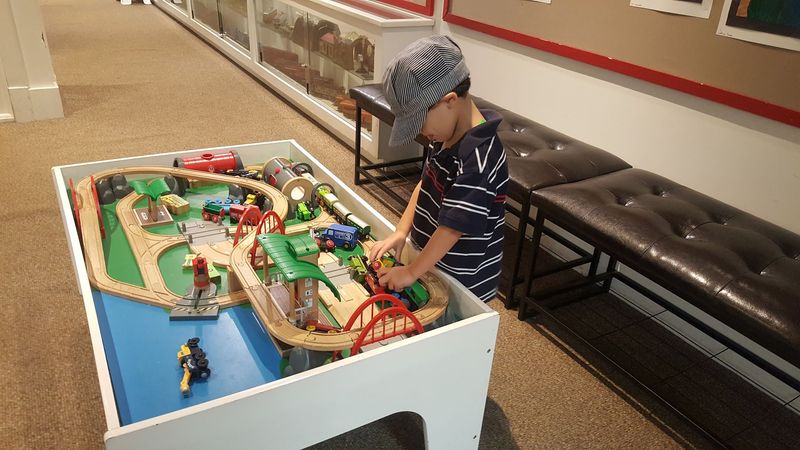
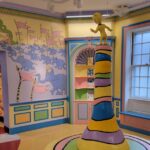
What makes the Wenham Museum especially appealing for families is that it does not separate history from play. Its hands-on areas give younger visitors room to touch, build, pretend, and experiment without making the whole experience feel like a noisy playground.
The Family Discovery Gallery is simple in the best way. Instead of overprogramming every minute, it offers toy trains, blocks, dolls, musical elements, and dramatic play areas that leave enough room for children to invent their own stories.
I appreciate that this approach mirrors the museum’s larger themes. After looking at antique toys and dollhouses upstairs, kids can move into spaces where they create their own miniature worlds, which makes the connection between past and present feel natural.
Temporary interactive themes keep things fresh too, from circus-inspired play to Peter Rabbit activities and other rotating setups. The result is thoughtful rather than frantic, and that restraint makes the museum more pleasant for both children and the adults accompanying them.
History hiding in plain sight
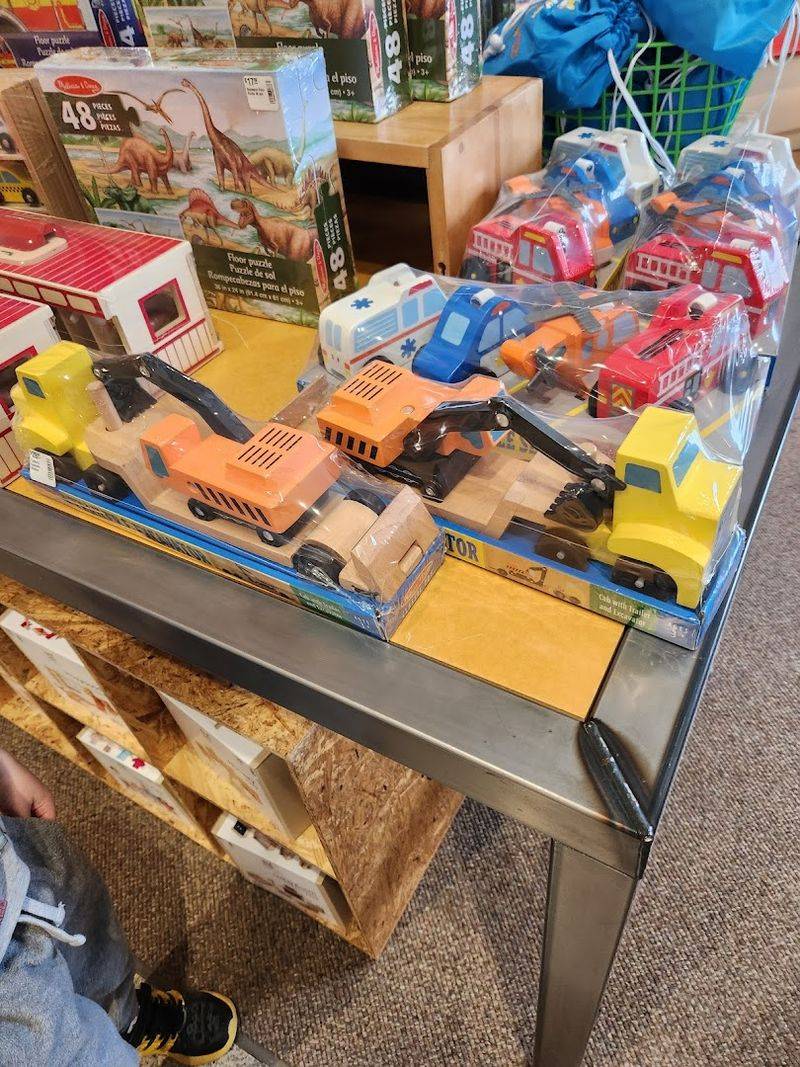
It would be easy to think of Wenham Museum mainly as a place for trains and nostalgic toys, but its local history exhibits give the visit real depth. The museum connects childhood objects to the communities that made, used, and saved them over time.
That broader perspective is part of what makes the whole place feel grounded. Old photographs, household objects, maps, and regional artifacts tie the exhibits directly to Wenham, Essex County, and the wider North Shore rather than leaving nostalgia floating free of context.
I was especially drawn to the sense of ordinary life preserved here. Instead of focusing only on grand events, the museum shows how New Englanders lived, worked, dressed, and played across centuries, which makes the past feel close enough to recognize.
The archives add even more weight, including extensive local material and thousands of photographs documenting the area. That commitment to place keeps the museum from feeling random, because every room quietly reminds you that memory belongs to real towns and real people.
The old house that changes the mood
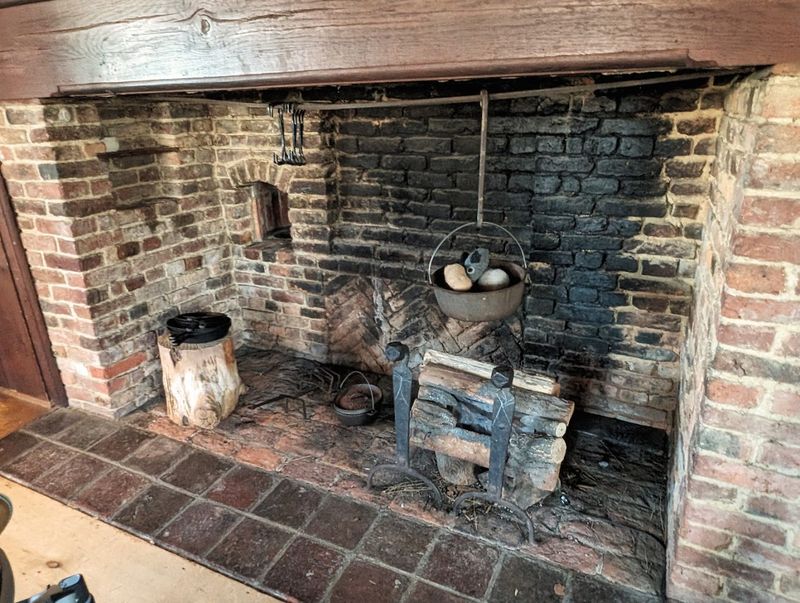
One of the most unexpected parts of a visit here is the connection to the historic Claflin-Richards House. Moving from toys and miniatures into a preserved seventeenth-century domestic space shifts the mood in a way that feels both surprising and completely right.
The house gives physical weight to all the ideas about family life, objects, and memory that run through the museum. Massive fireplaces, old rooms, and lived-in proportions make history tangible instead of abstract, especially for visitors who have mostly encountered the colonial era through textbooks.
I like that this part of the museum does not feel sealed off from the rest. It extends the same curiosity about everyday life, asking you to imagine routines, labor, meals, and household rhythms in a structure that has stood for centuries.
That continuity is what makes the stop memorable. You do not just look at artifacts from behind glass, you move through a place that carried real lives, and suddenly the museum’s focus on intimate history makes even more sense.
Seasonal changes that reward a return visit
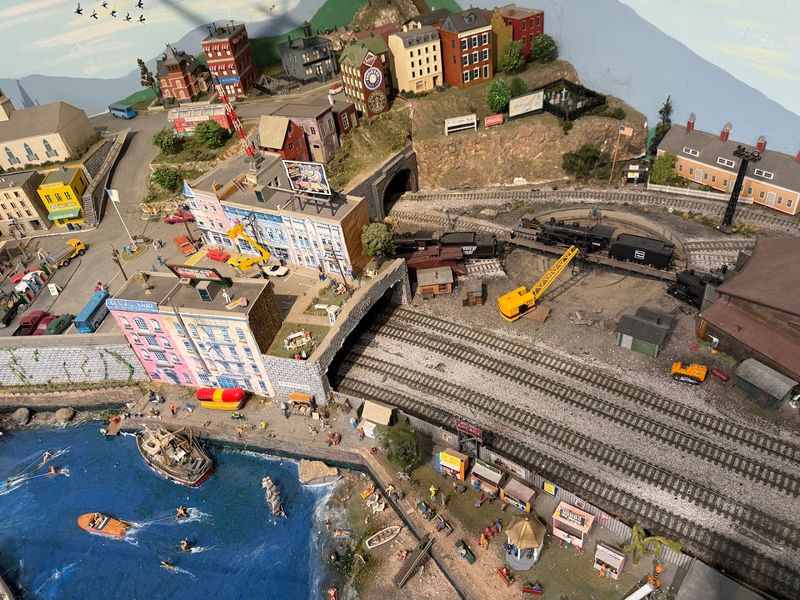
Another reason the Wenham Museum feels more dynamic than its size suggests is the steady rhythm of changing exhibits. Seasonal displays and rotating themes subtly refresh the experience, giving repeat visitors something new to spot each time they come back.
I enjoy that these changes seem thoughtful rather than gimmicky. A winter train scene, a holiday display, or a temporary family-focused exhibit can shift the emotional tone of the museum without disrupting its overall sense of calm continuity.
That flexibility also lets the institution bridge generations in clever ways. Adults may come for antique toys and local history, while children are pulled toward a newer interactive theme downstairs, and both sides of the visit still feel connected.
Past exhibitions have ranged from snow and rail-inspired displays to inventive cultural topics, showing that the museum is small but not static. It keeps evolving while staying true to its personality, which is a harder balance than many larger places manage.
A museum built for wandering, not rushing
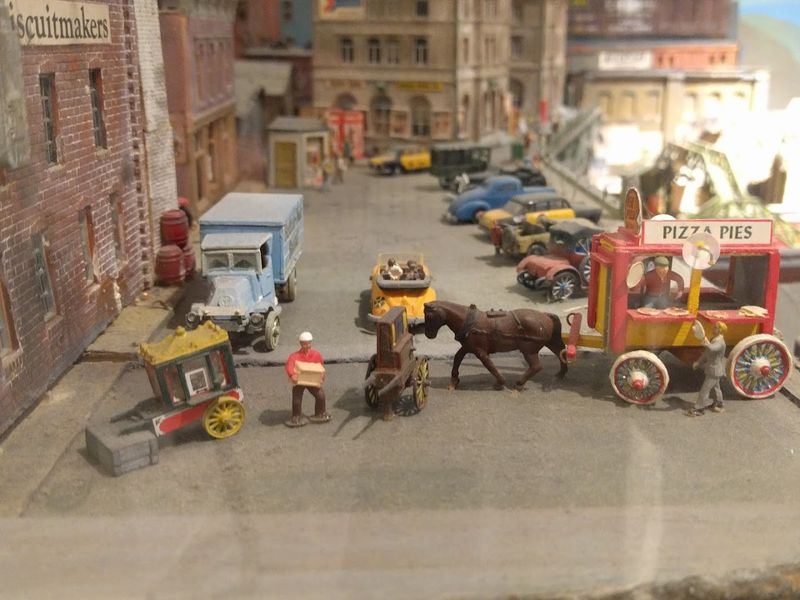
Some museums practically tell you how to move through them, but Wenham Museum is better when you wander. Its layout encourages an unhurried pace, letting you drift between nostalgia, craftsmanship, local history, and hands-on play in whatever order feels right.
That freedom matters because this is a place of small details. If you rush, you might see a charming dollhouse and a few train layouts, but if you slow down, the museum starts revealing textures, stories, and tiny design choices that create a much richer experience.
I found myself lingering far longer than expected at individual displays, especially when a miniature room or train scene offered one more detail to notice. The manageable scale helps with that, because nothing feels impossibly vast or mentally exhausting.
For families, couples, and solo visitors alike, the pacing is a gift. You can spend a quick hour here, but the museum really rewards those willing to meander, revisit rooms, and let curiosity rather than signage decide what comes next.
Why this little detour stays with you
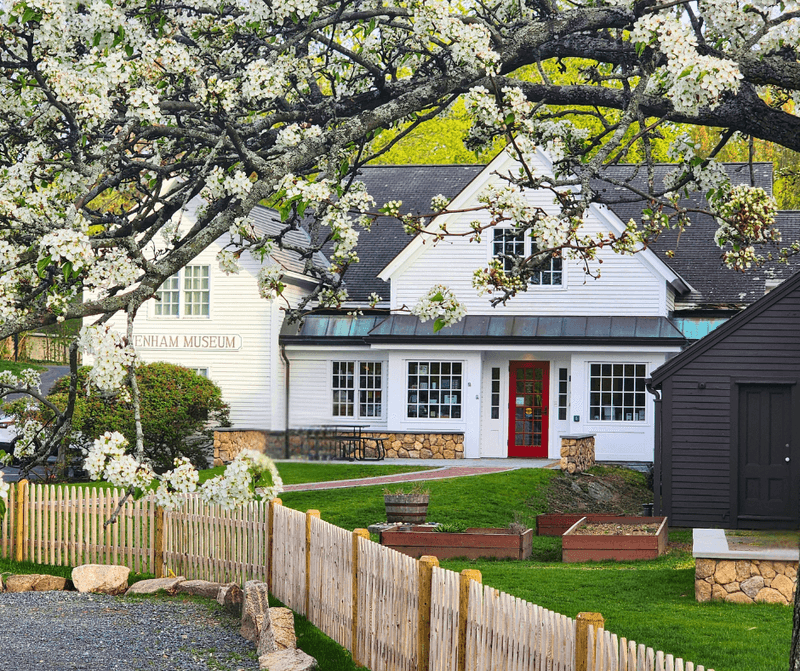
What makes the Wenham Museum worth a detour is not spectacle, scale, or trendiness. It is the rare ability to leave you thinking about small things: how objects were made, how children played, how families lived, and how communities remember themselves.
I think that is why the museum appeals to such a wide mix of visitors. Kids get movement, buttons, and imaginative play, while adults find craftsmanship, regional history, and the strange emotional jolt of seeing ordinary objects from another era preserved with care.
Its reputation as a hidden gem on the North Shore feels deserved, especially given the welcoming atmosphere and strong reviews from families who return again and again. With a 4.7-star rating and a setting that feels personal rather than institutional, it offers something genuinely comforting.
By the time you leave, the experience feels larger than the building itself. This is a small-town museum with a big sense of memory, and that quiet emotional reach is exactly what makes the stop memorable.