
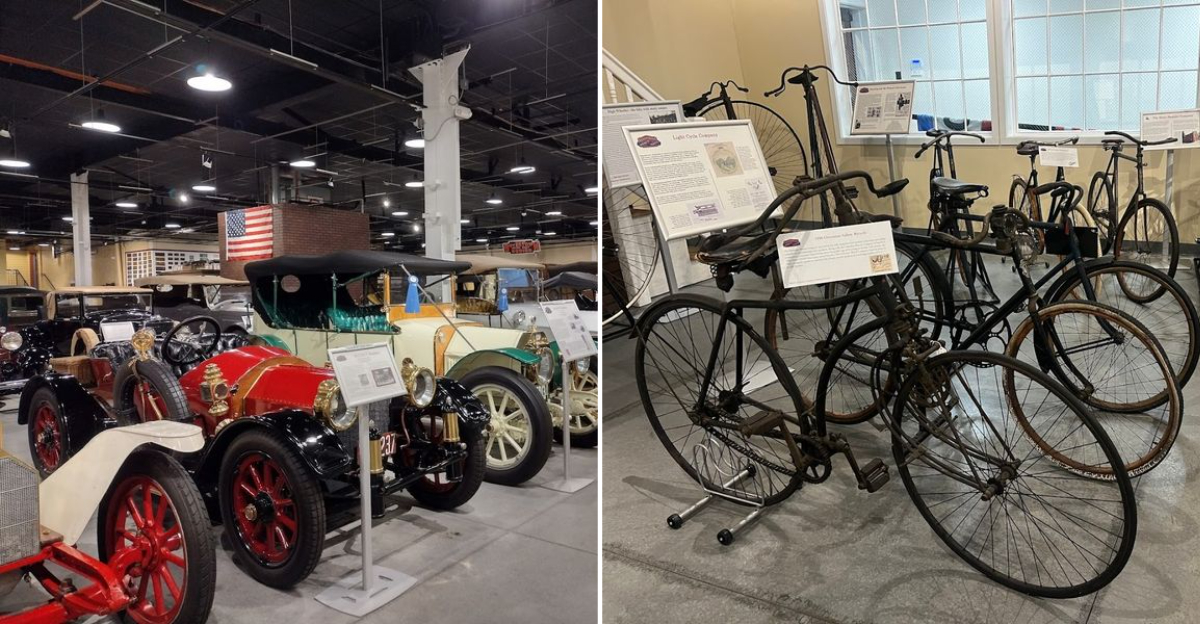
Pennsylvania played a huge role in America’s automotive history, and the Boyertown Museum of Historic Vehicles proves it. Located in the heart of Boyertown, this amazing museum houses one of the most impressive collections of vintage cars, trucks, and horse-drawn carriages you’ll find anywhere.
What makes this place special is that nearly every vehicle on display has a Pennsylvania connection, telling the story of how this state helped put America on wheels. From early electric cars to rare roadside treasures, this museum takes you on an unforgettable journey through transportation history.
Pennsylvania-Made Automobiles That Changed America
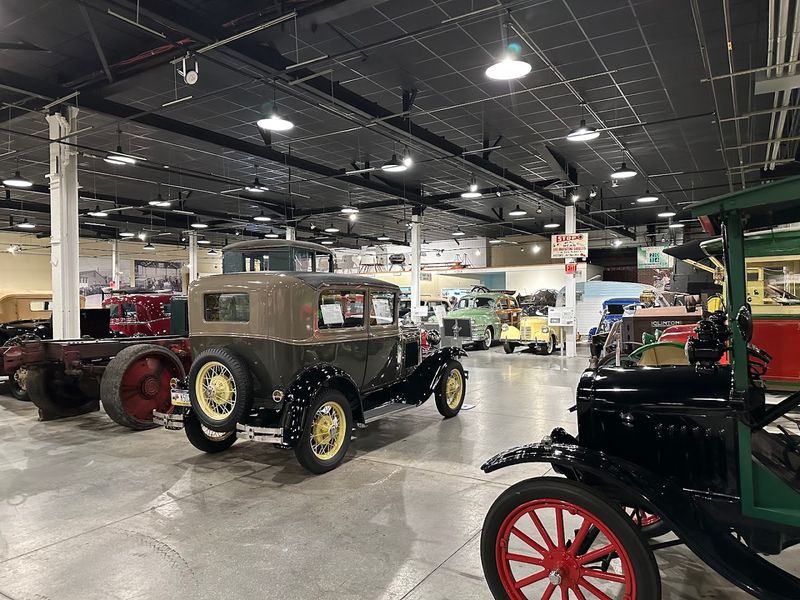
Did you know Pennsylvania was once home to over 400 car manufacturers? The museum showcases this incredible legacy through its stunning collection of locally-made vehicles.
Walking through the exhibits feels like stepping into a time machine where Pennsylvania engineering ruled the roads.
Each automobile tells a unique story about the craftsmen who built them. You’ll see rare models that exist nowhere else in the world, preserved beautifully to show their original glory.
The detailed plaques explain how these vehicles influenced automotive design across the country.
What makes this collection extraordinary is its focus on regional history. Many of these cars were built within miles of the museum itself.
Kids especially love seeing the old instruction cards inside each vehicle, showing how complicated starting a car used to be compared to today’s simple key turn.
The knowledgeable staff members share fascinating details about each manufacturer’s rise and fall. They explain why Pennsylvania lost its automotive dominance and how these vehicles represent an important chapter in American industrial history.
Spending time with these automobiles helps visitors appreciate how far transportation technology has advanced while honoring the innovative spirit of early Pennsylvania carmakers.
The Magnificent Carriage House Collection
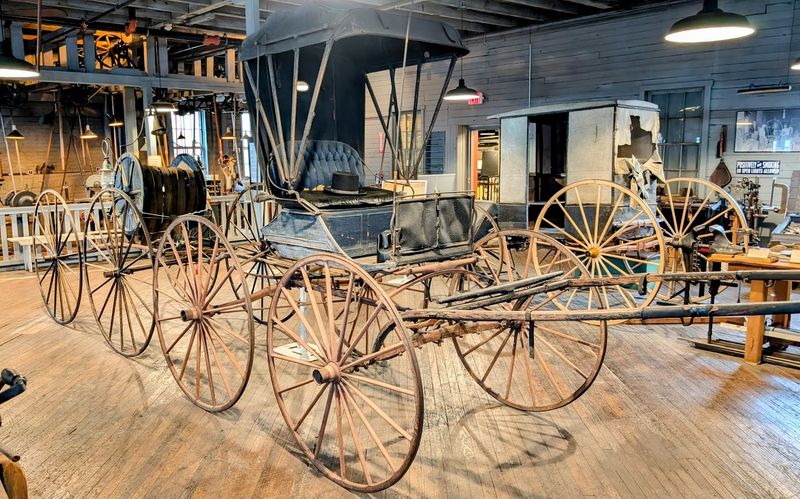
Before gasoline engines roared to life, elegant horse-drawn carriages transported people across Pennsylvania. The museum’s Carriage House displays an impressive array of these beautiful vehicles, each one a masterpiece of woodworking and metalcraft.
Visitors often say this section takes their breath away with its unexpected beauty.
The collection includes everything from simple farm wagons to fancy passenger carriages. You can see how different social classes traveled differently, with wealthy families riding in ornate coaches while working folks used practical utility wagons.
The restoration work on these vehicles is absolutely stunning.
What really brings this exhibit to life is the working blacksmith demonstration. Craftsmen show visitors how carriage parts were originally forged and repaired.
Kids get to ask questions and see traditional metalworking techniques that have been practiced for centuries.
The upstairs workshop area reveals the tools and methods carriage makers used. Original equipment sits alongside finished vehicles, helping visitors understand the incredible skill required to build these transportation marvels.
Many reviewers mention this as their favorite part of the entire museum because it connects them to a quieter, more graceful era of travel.
Fegely’s Reading Diner Experience
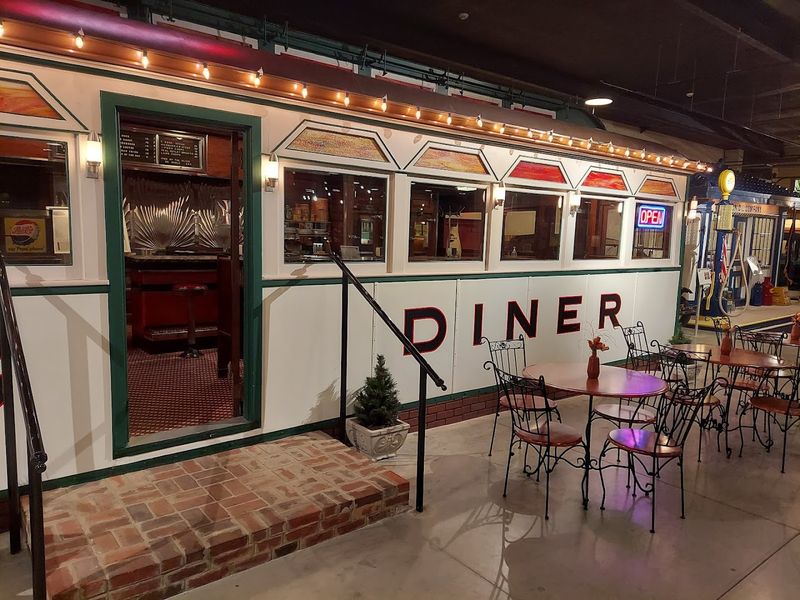
Step inside a genuine slice of mid-century America when you visit Fegely’s Reading Diner. This full-size diner was actually moved into the museum, creating an authentic roadside dining experience.
The gleaming chrome, red vinyl booths, and vintage signage transport you straight back to the 1950s.
Walking through the diner entrance feels magical. Everything from the menu boards to the counter stools looks exactly as it did decades ago.
The attention to preservation detail makes you almost expect a waitress to appear and take your order.
This exhibit perfectly captures the connection between automobiles and American culture. Diners became essential stops along busy highways, where families would grab burgers and milkshakes during road trips.
The museum preserves this important piece of roadside history that younger generations might never experience otherwise.
Special events sometimes allow visitors to actually sit inside the diner. Photos taken in the booths look incredibly authentic, making great family memories.
Even visitors who aren’t particularly interested in cars find themselves drawn to the diner’s nostalgic charm and the stories it tells about American life when the open road meant freedom and adventure for everyone.
Early Electric Vehicle Innovation
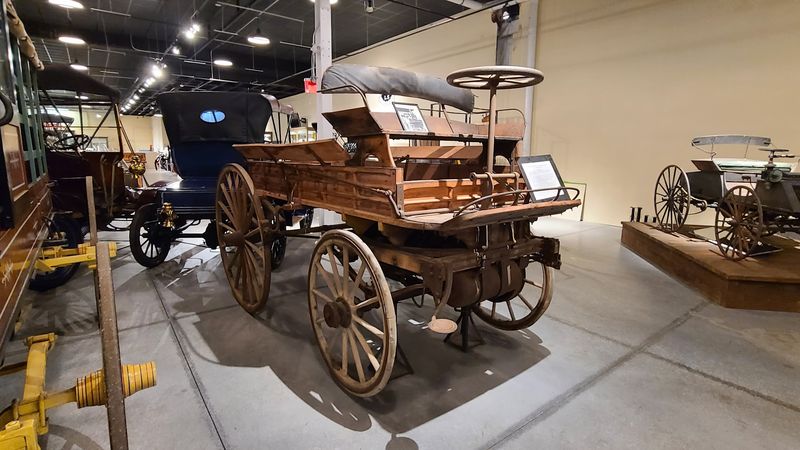
Long before Tesla made headlines, Pennsylvania manufacturers were building electric vehicles. The museum’s collection of early electric cars and trucks surprises most visitors who assume gas engines always dominated.
Some of these battery-powered vehicles date back to the early 1900s and still look remarkably practical.
One particularly impressive exhibit features an electric vehicle that actually moved railroad cars. Its powerful motor and innovative battery system showed how versatile electricity could be for transportation.
Engineers today study these early designs to understand how innovation sometimes circles back to rediscover old ideas.
The information displays explain why electric vehicles eventually lost popularity to gasoline engines. Limited battery range and charging infrastructure problems sound remarkably similar to challenges faced by early modern electric cars.
History really does repeat itself in fascinating ways.
Kids find these vehicles especially interesting because they connect to current environmental discussions. Parents appreciate how the museum uses historical examples to teach about sustainable transportation choices.
The detailed technical information satisfies curious minds while remaining accessible to younger visitors who might be future engineers themselves, inspired by seeing how inventors tackled similar problems over a century ago.
Pre-1920s Automotive Rarities
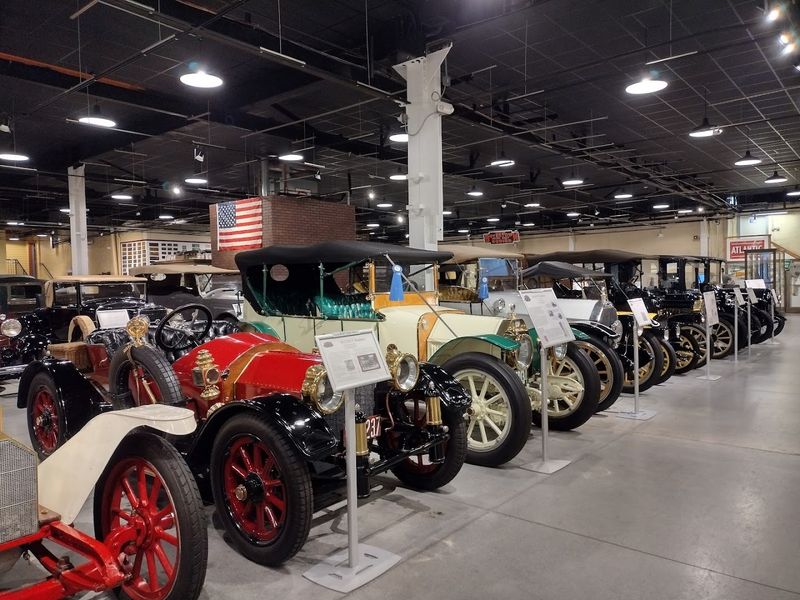
Some vehicles at the museum are so rare that they represent the only surviving examples worldwide. These pre-1920s automobiles showcase experimental designs and engineering approaches that never caught on.
Each one is a precious time capsule of automotive innovation.
The brass-era cars gleam under the museum lights, their hand-polished fixtures reflecting decades of careful preservation. Intricate details reveal the craftsmanship that went into every bolt and panel.
Modern mass production methods couldn’t replicate this level of individual attention.
Reading the history cards beside each vehicle reveals incredible stories. Some manufacturers only produced a handful of cars before going bankrupt.
Others created innovative features that would later become standard on modern vehicles, though the original inventors never received proper credit.
Museum docents love sharing detailed information about these rare treasures. They explain mechanical features and historical context with genuine enthusiasm.
Visitors who thought they just wanted a quick look often spend hours examining these fascinating vehicles, photographing unique details, and discussing them with staff members who clearly treasure every automobile in their care.
The Original Factory Building Setting
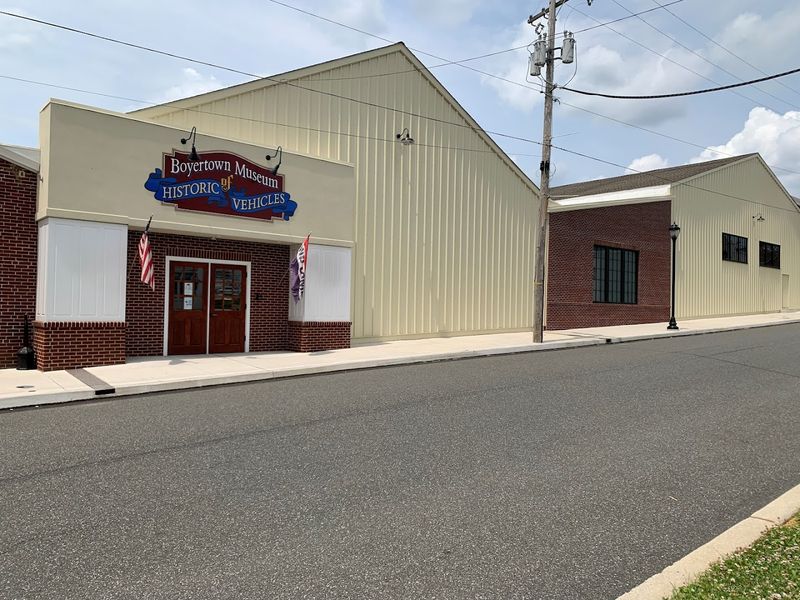
Walking into the Boyertown Museum means stepping onto an actual historic factory floor. This building once housed the Boyertown Auto Body Works, where real vehicles were manufactured.
That authentic setting gives the entire museum experience an extra layer of historical significance you can’t find elsewhere.
The building’s industrial architecture enhances rather than overshadows the vehicle displays. Original features like high ceilings and large windows provided the natural light workers needed.
Some visitors even report detecting faint hints of engine oil, adding to the authentic atmosphere.
Understanding that cars were actually built in this space transforms how you view the exhibits. The connection between past and present feels stronger when standing where Pennsylvania craftsmen once assembled these vehicles.
The building itself becomes part of the story being told.
Preservation of the factory setting required careful planning and renovation work. The museum successfully maintained the industrial character while creating a safe, climate-controlled environment for the vehicle collection.
This balance between honoring the building’s working-class origins and creating a world-class museum space demonstrates the community’s deep commitment to preserving local automotive heritage for future generations to appreciate and learn from.
Hands-On Workshops and Live Demonstrations
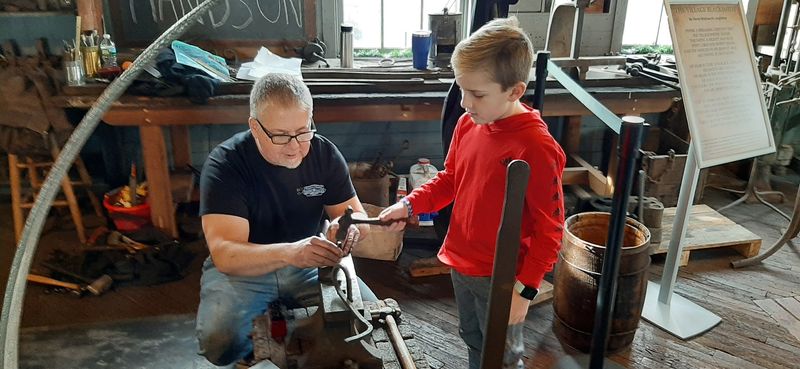
Museums don’t have to be silent, look-but-don’t-touch experiences. The Boyertown Museum brings history alive through regular blacksmith demonstrations and interactive workshops.
Watching a skilled craftsman shape hot metal into carriage parts connects visitors to centuries-old techniques.
The blacksmith station typically operates in the carriage section. Sparks fly as the smith hammers red-hot iron into useful shapes.
Visitors can ask questions about the process and learn why these skills were essential to transportation history.
Children particularly enjoy these live demonstrations. Seeing real work happen before their eyes makes history feel relevant and exciting.
Many kids leave inspired to learn more about traditional crafts and engineering principles.
Beyond blacksmithing, the museum occasionally hosts other hands-on activities. Special events might include vintage vehicle starts, where staff demonstrate the complicated process of getting old engines running.
The Dragon vehicle contest mentioned in reviews gives kids certificates for participation, making them feel like active museum contributors rather than passive observers.
These interactive elements transform a simple museum visit into an engaging educational experience. Families often plan return trips to catch different demonstrations they missed previously, building lasting connections with this remarkable institution.
Vintage Motorcycles and Bicycle Evolution
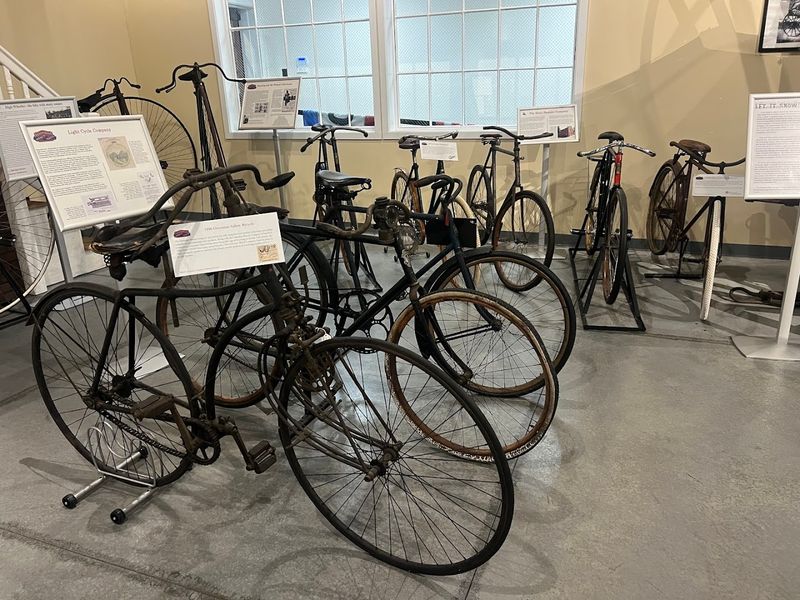
Two-wheeled transportation gets its own special recognition at the museum. From early bicycles with enormous front wheels to vintage motorcycles that pioneered personal motorized transport, this collection shows how people sought faster, more efficient ways to travel.
The progression from pedal power to engine power happened remarkably quickly.
The bicycle exhibits demonstrate incredible mechanical ingenuity. Before cars became affordable for average families, bicycles provided freedom and mobility.
The different designs show constant innovation as manufacturers competed to create better, safer, more comfortable rides.
Vintage motorcycles represent the bridge between bicycles and automobiles. These early motorized bikes offered speed and power without the expense of a full car.
Many working-class families relied on motorcycles for daily transportation throughout the early twentieth century.
Information cards explain technical developments like chain drives, pneumatic tires, and suspension systems. These innovations improved both motorcycles and bicycles, eventually influencing automobile design too.
Engineering students appreciate seeing how ideas developed across different vehicle types, while casual visitors simply enjoy the aesthetic beauty of these well-preserved machines from a bygone era when simpler mechanical solutions served transportation needs.
Roadside Americana Memorabilia
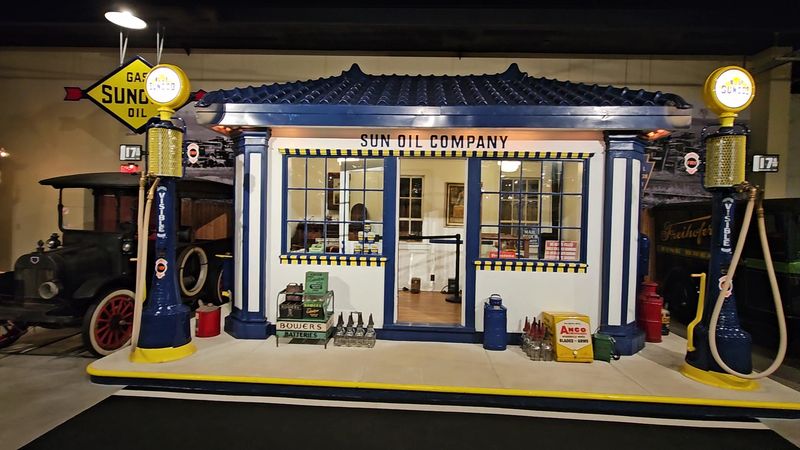
Cars needed more than just roads—they created an entire culture of roadside businesses and products. The museum preserves this colorful history through displays of vintage gas station equipment, old motor oil cans, spark plug boxes, and classic automotive advertising.
These everyday items tell stories about how driving changed American life.
One highlight is the early Sunoco gas station exhibit. Complete with period-appropriate signage and equipment, it recreates the experience of stopping for fuel decades ago.
Seeing these familiar brands in their original forms creates interesting generational conversations between grandparents and grandchildren.
The collection of automotive games, toys, and promotional items reveals how car culture penetrated every aspect of American society. Hess trucks, board games featuring famous vehicles, and other memorabilia show that automobiles weren’t just transportation—they became entertainment and status symbols.
Even children who couldn’t drive yet played with miniature versions.
These smaller exhibits complement the grand vehicle displays beautifully. They remind visitors that automotive history encompasses more than just machines.
The infrastructure, commerce, and cultural impact of the automobile age created the modern world we inhabit today, making these seemingly minor artifacts actually quite significant.
Military and Commercial Vehicle Heritage
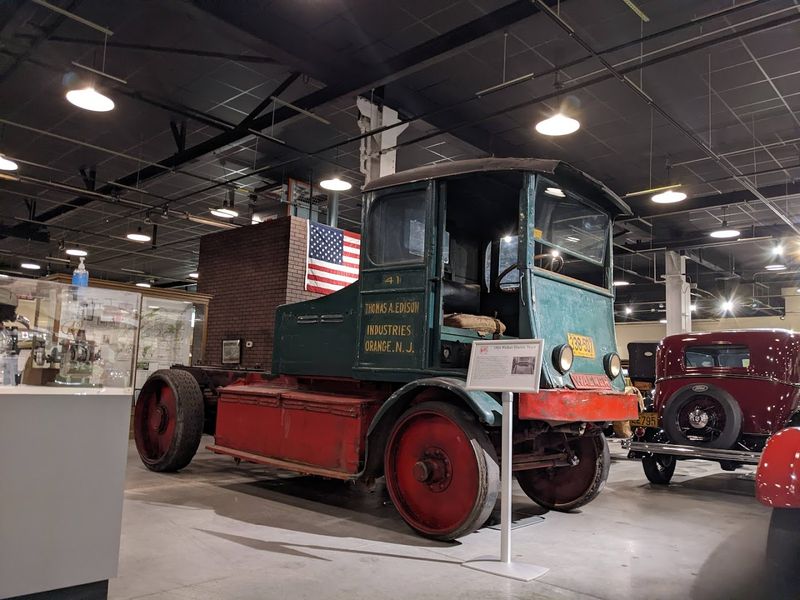
Not every vehicle was built for Sunday drives or family vacations. The museum’s collection of military and commercial vehicles shows how Pennsylvania manufacturers contributed to national defense and business operations.
These working vehicles often featured innovative engineering solutions that later influenced passenger car design.
Military vehicles on display include various transport and service models. They demonstrate how civilian automotive technology adapted for wartime use.
Reading about their service histories brings home the reality that these machines played real roles in significant historical events.
Commercial vehicles reveal the business side of transportation history. Delivery trucks, mail vans, and service vehicles kept Pennsylvania’s economy moving.
Their practical designs prioritized reliability and cargo capacity over the styling considerations that mattered for passenger cars.
Many of these vehicles show remarkable durability. Built to withstand hard daily use, they often outlasted fancier passenger cars.
The museum’s staff explains how commercial vehicle innovations like improved suspension systems and more powerful engines eventually made their way into family automobiles, improving everyone’s driving experience through lessons learned from trucks and military transports that needed to perform reliably under challenging conditions.