
Some Pennsylvania towns still make you slow down the moment you turn onto Main Street. Brick storefronts, courthouse squares, old theaters, and century-old street plans create the kind of atmosphere that feels increasingly rare.
If you love places where history is not tucked inside a museum but woven into everyday life, this list will give you plenty to daydream about. These 12 small towns offer some of the strongest time-capsule downtown experiences in the state.
Jim Thorpe
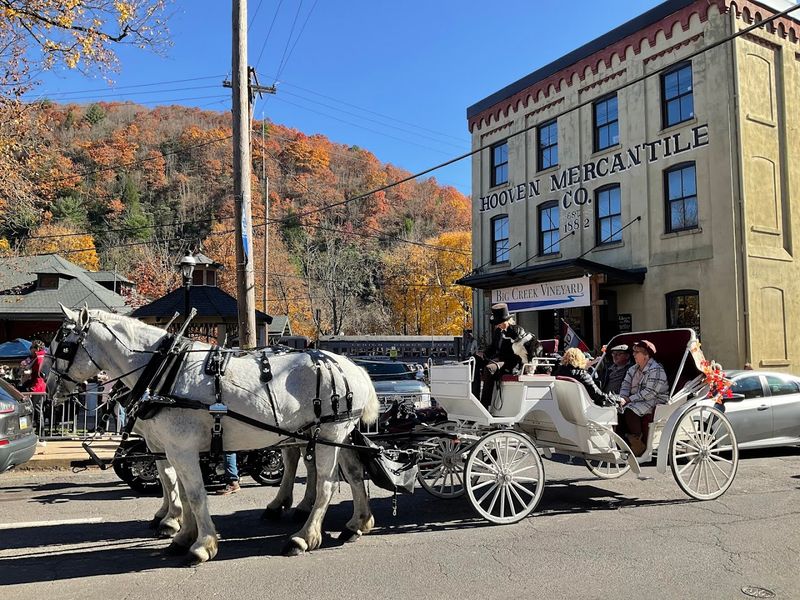
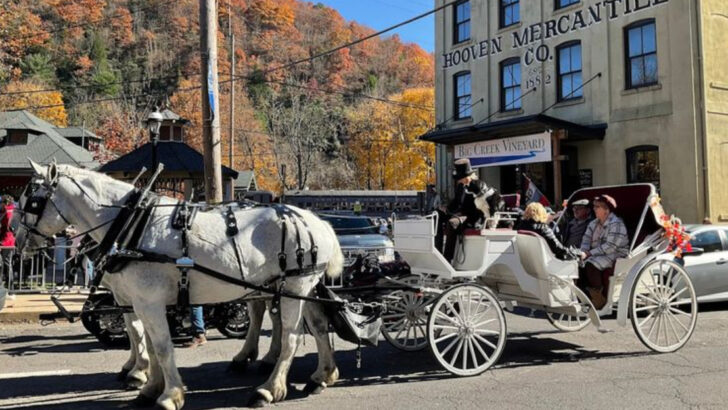
Walking through Jim Thorpe feels like stepping into a Victorian postcard tucked between dramatic mountain slopes. The town’s compact downtown climbs and curves with the landscape, giving every block a layered, theatrical look.
Historic facades, narrow streets, and decorative details make the commercial core feel unusually intact.
You can still sense the railroad wealth that shaped the town in the nineteenth century. Landmarks like the Asa Packer Mansion and the old train station deepen the experience, but even casual storefront browsing feels atmospheric here.
Main Street is especially striking because the setting itself frames the architecture so beautifully.
Shops, cafes, galleries, and inns now fill many of the preserved buildings without erasing their historic character. That balance gives the town energy while keeping its old soul visible.
If you enjoy scenic downtowns, this one easily earns a place near the top.
It is memorable in every season, but especially vivid in fall.
Lititz
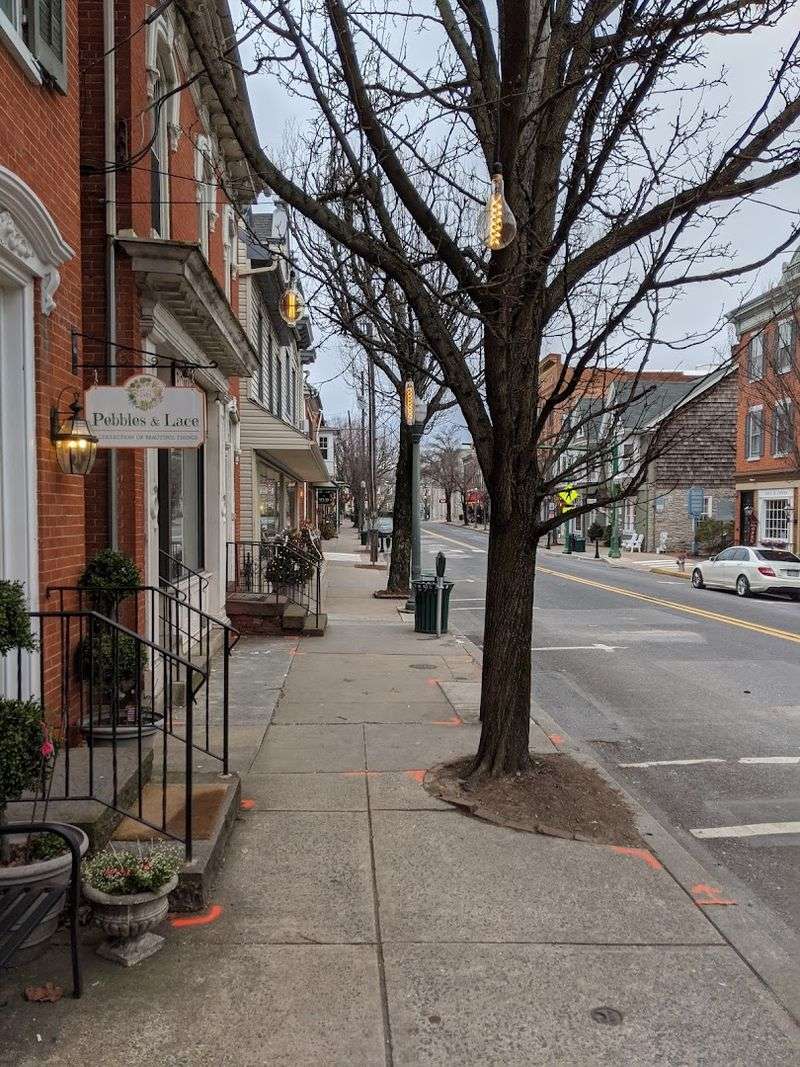
Lititz has the kind of Main Street that makes you want to linger longer than planned. Brick buildings line the downtown in a way that feels polished but still deeply rooted in the town’s Moravian beginnings.
The streetscape is welcoming, human-scaled, and full of the quiet confidence older towns often carry.
Part of Lititz’s charm comes from how many traditions still shape the visitor experience. Wilbur Chocolate and Julius Sturgis Pretzel Bakery connect the downtown to stories that go well beyond shopping.
Those layers of food history make the historic core feel lived in rather than staged.
You can browse boutiques, pause in small cafes, and keep noticing architectural details as you walk. The preservation here feels consistent, which helps the whole district read as one cohesive place.
It is easy to understand why Lititz is often mentioned among Pennsylvania’s most charming towns.
For a relaxed historic downtown, it delivers beautifully every time.
Wellsboro
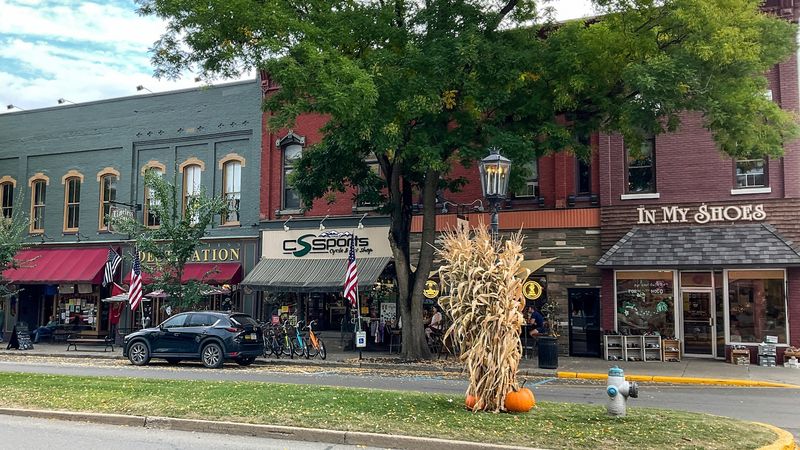
Wellsboro stands out immediately because its gas-lit street lamps create a downtown atmosphere you do not forget. Those glowing fixtures, paired with well-kept historic storefronts, give the main corridor a distinctly nineteenth-century mood.
Even before you step inside a shop, the streetscape tells you this town values its past.
The setting near Pine Creek Gorge adds another layer to Wellsboro’s appeal. Many travelers arrive for outdoor scenery, then discover a downtown that feels just as memorable as the landscape beyond it.
That mix of natural gateway and preserved commercial center gives the town unusual depth.
As you walk along Main Street, the storefront rhythm feels cohesive and comfortably scaled. Local businesses help keep the district active without overwhelming its old-fashioned personality.
If you like towns where historic ambiance still shapes the everyday pace, Wellsboro easily belongs on your list.
It feels especially magical on an evening stroll under those lamps.
Doylestown
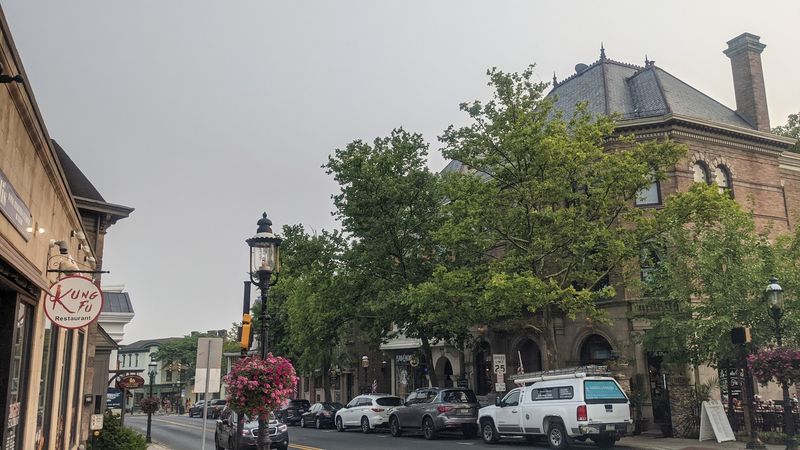
Doylestown offers a more refined version of the classic Pennsylvania small-town downtown. Its courthouse-centered layout, walkable blocks, and preserved streets create an atmosphere that feels historic without becoming sleepy.
There is a steady sense of culture here that adds extra richness to every stroll.
Main Street and the surrounding core are lined with boutiques, restaurants, and civic buildings that keep the district lively. The Mercer Museum and Fonthill Castle nearby reinforce the town’s connection to regional history and design.
Even if you come for the museums, the streets themselves are part of the attraction.
You can spend an afternoon wandering from bookstores to coffee shops and still feel like there is more to notice. Architectural details, storefront proportions, and mature streetscape elements all work together beautifully.
Doylestown feels preserved, but not frozen, which is part of what makes it so appealing.
It is a town where history and everyday life still share the same sidewalks.
West Chester
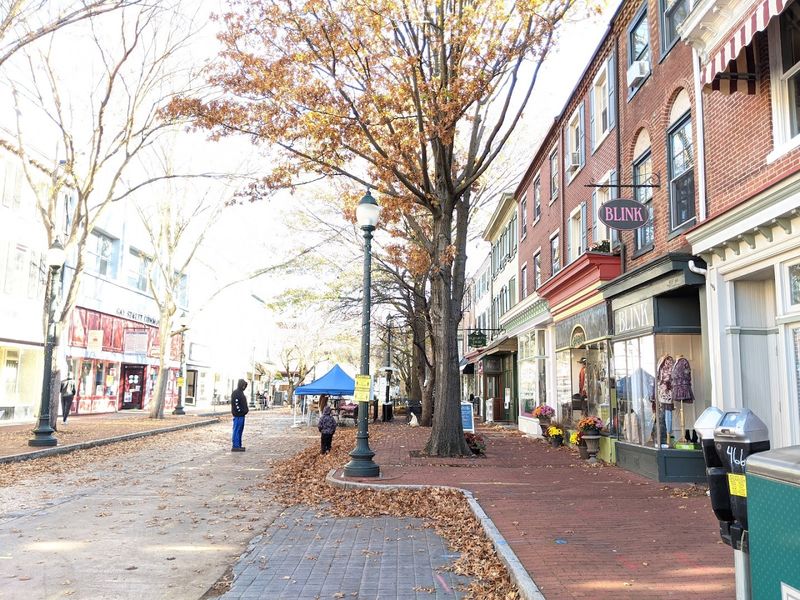
West Chester has one of the most appealing traditional downtown layouts in southeastern Pennsylvania. Gay Street and the surrounding blocks form a classic county-seat setting, with historic buildings, civic landmarks, and a steady pedestrian rhythm.
It feels energetic, but the underlying character is still unmistakably old.
The courthouse presence helps anchor the district visually and historically. Brick facades, upper-story windows, and older commercial buildings create the kind of street wall that makes walking here especially satisfying.
You get a strong sense of continuity from one block to the next.
Restaurants, shops, and gathering places keep downtown active throughout the day and into the evening. That activity supports preservation because the buildings remain useful rather than merely admired.
If you appreciate towns where Main Street still works as the center of community life, West Chester is an easy recommendation.
It feels polished and lively while still holding tightly to its historic frame.
Stroudsburg
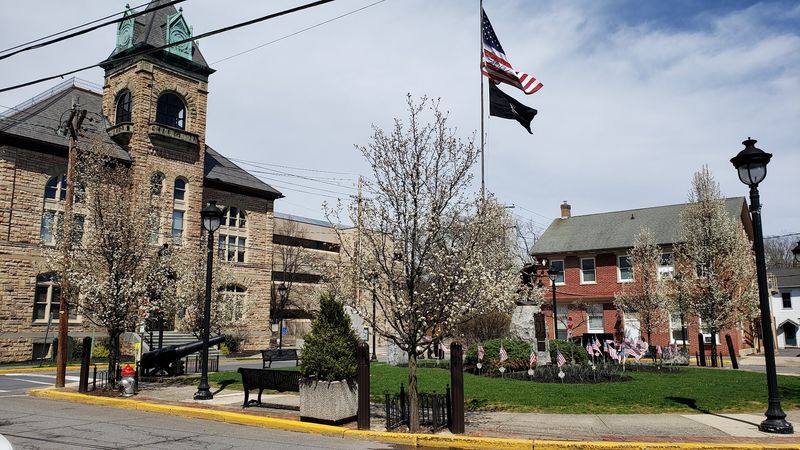
Stroudsburg brings together Pocono setting and preserved downtown character in a way that feels easy to appreciate. Its historic Main Street is lined with nineteenth-century storefronts that still give the town a recognizable older identity.
The scale is comfortable, and the streets invite you to slow down.
Because Stroudsburg developed as a regional center, its downtown has a solid, substantial feel rather than a purely quaint one. Historic commercial blocks, institutional buildings, and long-standing businesses create a layered sense of place.
You can feel the town’s role in local history as you move from corner to corner.
Today, galleries, restaurants, and shops bring fresh life to those older structures without washing away their original character. That balance makes Stroudsburg rewarding whether you are browsing casually or looking closely at architecture.
For travelers exploring the Poconos, it offers a downtown experience with real texture.
It is the kind of place where preserved facades still shape the mood of the day.
Easton
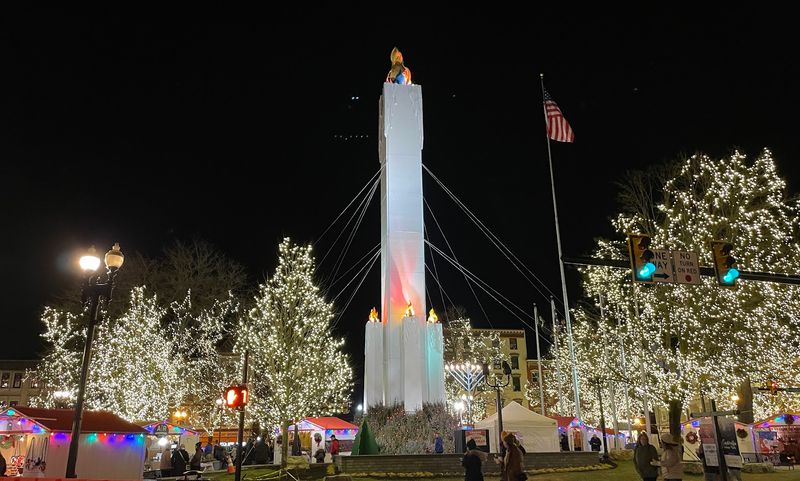
Easton’s historic core feels anchored by history in a very visible way. Centre Square gives the downtown a strong focal point, and the surrounding streets reflect the town’s long life as a colonial-era settlement and regional center.
That structure makes the district feel grounded and memorable from the start.
The town’s layered past shows up in architecture, street patterns, and civic landmarks. You can sense both eighteenth-century roots and later commercial growth as you move through downtown blocks.
Few places combine public square formality and everyday small-town walkability quite as well.
Local shops, restaurants, and community spaces help keep the district active while preserving its historical feel. The market tradition and the broader Lehigh Valley context add even more interest for visitors.
If you like downtowns where urban history remains legible in the streetscape, Easton is especially satisfying.
It feels older than many towns on this list, and proudly so.
Bedford
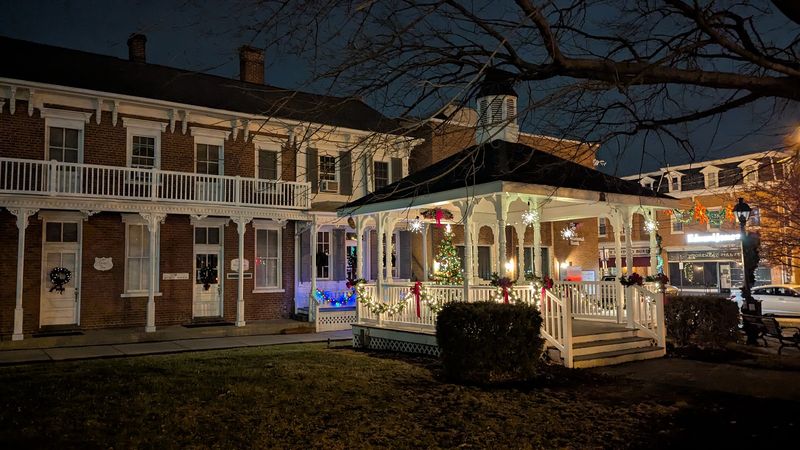
Bedford offers one of the most classic courthouse-square experiences in Pennsylvania. The downtown is compact, attractive, and filled with buildings that make the town’s age and regional importance easy to read.
It is the sort of place where antiques, old facades, and civic architecture naturally belong together.
The courthouse square gives Bedford a strong visual center and a pleasing sense of order. Surrounding streets carry that historic tone outward through preserved storefronts and longtime businesses.
You can imagine earlier generations using the same blocks in much the same way.
What makes Bedford especially appealing is how approachable it feels. You do not have to be an architecture expert to enjoy the textures, proportions, and pace of the downtown.
If your idea of a step back in time includes quiet streets, traditional storefronts, and a sense of continuity, Bedford absolutely fits.
It is a rewarding stop for anyone who loves old-town atmosphere without much fuss.
Franklin
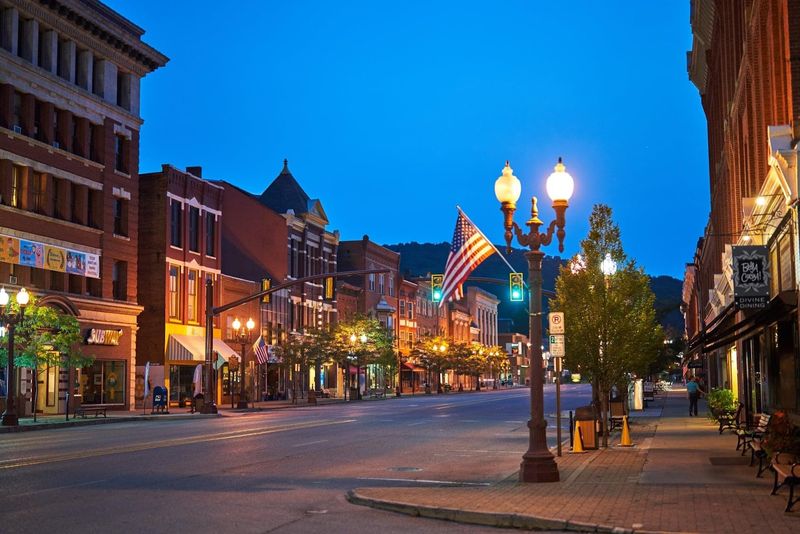
Franklin carries its oil-region past with a downtown that still feels richly Victorian. The architecture is one of the first things you notice, with preserved facades and details that reflect the prosperity of an earlier era.
Main Street has presence, and that gives the whole town a strong historic identity.
Because Franklin developed during a period of intense regional growth, its downtown has more ornament and visual ambition than many small towns. That history still reads clearly in the buildings and overall streetscape.
You do not need much imagination to picture the town at the height of its early success.
Today, local businesses and community activity keep the district alive while preservation helps maintain its distinctive look. The balance feels natural rather than forced, which matters in places with strong architectural character.
If you are drawn to Victorian-era downtowns with visible regional history, Franklin belongs on your list.
It has the kind of Main Street that rewards a slow, observant walk.
Gettysburg
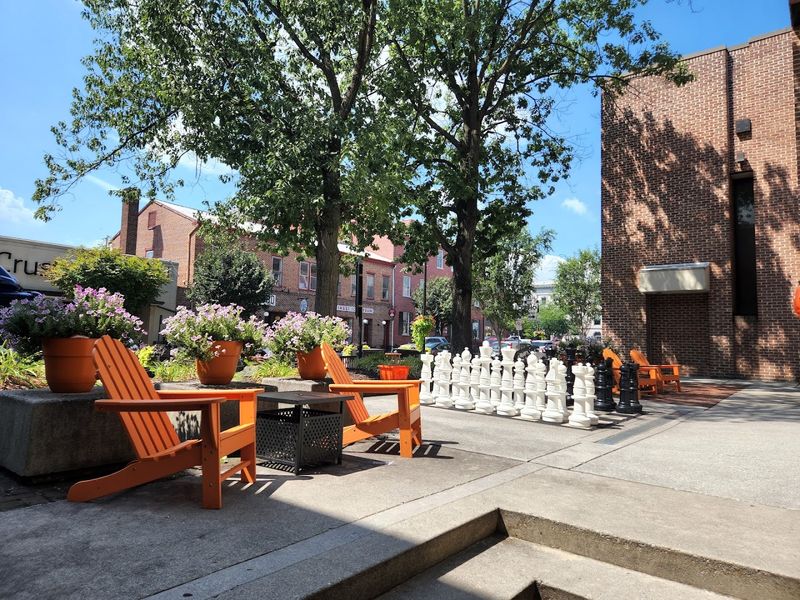
Gettysburg is known worldwide for its battlefield, but the town itself deserves equal attention. Main Street and the surrounding downtown retain a strong Civil War-era character, with preserved buildings and a layout that still reflects the nineteenth century.
Walking here, history feels immediate rather than abstract.
Because Gettysburg’s past is so well documented, the streetscape carries unusual emotional weight. Churches, homes, inns, and commercial buildings connect directly to events visitors already know.
That connection makes even an ordinary stroll through town feel layered and meaningful.
Despite its fame, the downtown still works as a real small-town center, not just a backdrop for tourism. Shops, restaurants, and local gathering places help keep the historic district active and accessible.
If you want a Pennsylvania town where preserved Main Street character and national history meet in one place, Gettysburg is essential.
It offers one of the clearest examples of a historic streetscape still doing everyday work.
Bellefonte
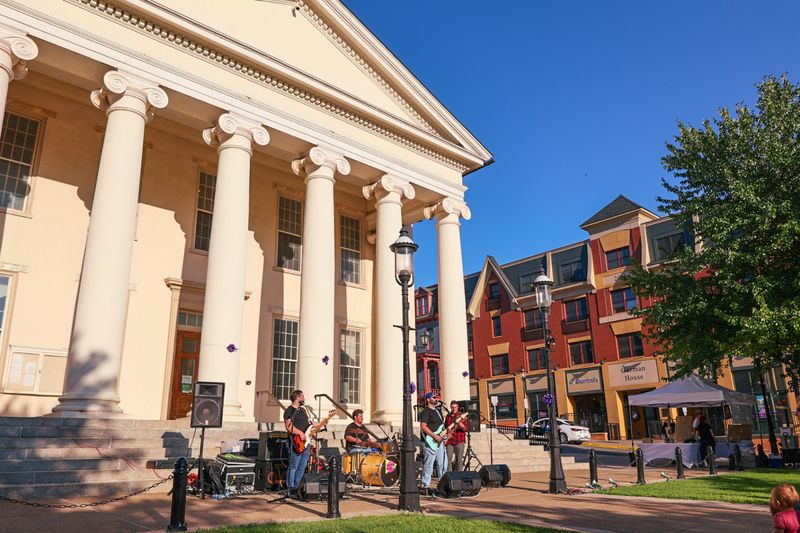
Bellefonte has the kind of downtown that invites you to slow your pace and look up. Ornate Victorian buildings, corner churches, and courthouse views give the business district a stately, lived-in beauty.
Even the small details, from upper-story windows to painted trim, make the main streetscape feel deeply rooted in another era.
Shops and restaurants fill the historic blocks without overwhelming their original character, which is part of the town’s appeal. You get the sense that daily life still happens inside a setting built for conversation and community.
Bellefonte feels elegant, approachable, and wonderfully aware of its own history.
Coudersport
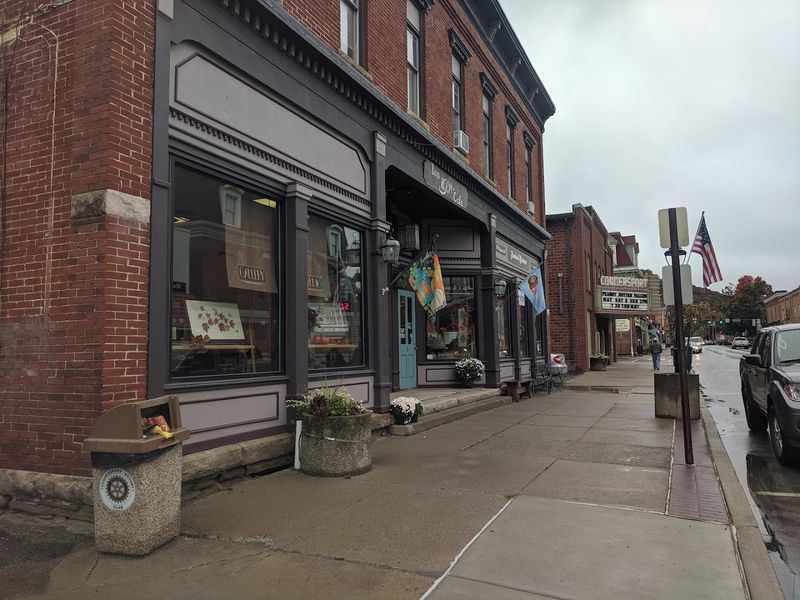
Coudersport feels pleasantly removed from hurry, with a compact downtown that still centers everyday life on its main street. Historic commercial buildings, classic storefront windows, and modest brick facades create a quiet sense of continuity.
Nothing here tries too hard, which is exactly why the town leaves such a lasting impression.
You can wander a few blocks and notice how naturally old and present-day Pennsylvania blend together. Local businesses keep the street active, but the scale remains intimate and comforting, the kind that makes you want to linger.
Coudersport captures that rare small-town feeling where time seems to move with a little more grace.