Florida usually promises open skies and flat horizons, but Dames Cave in Lecanto is a reminder that the state holds a completely different kind of beauty as well.
It feels as if the landscape has briefly forgotten which region it belongs to, trading hot sand for the natural calm of limestone and the unexpected coolness rising from beneath the ground.
This is not just a detour from the trail, it is a moment when Florida stops being a postcard and becomes an exciting, unexplored adventure.
Many pass by this entrance without realizing that beneath their feet lies an entirely different world, and here is why this very detour becomes the most worthwhile part of your journey through Lecanto.
A Hidden Entrance in the Hammock
At first glance, the landscape around Dames Cave does not announce itself with drama.
The trail moves through ordinary Florida scrub and hammock, with sand underfoot, scattered leaves, and a hush broken only by birds and the scrape of branches.
Then the ground seems to loosen its surface story, opening unexpectedly into a place that feels concealed rather than displayed.
That sense of secrecy is part of the experience.
Reaching the cave requires attention, not because the walk is difficult, but because the site hides in plain sight among trees, brush, and low limestone outcrops.
The approach has a quiet tension, the kind that makes every turn feel like it might reveal something old, cool, and slightly improbable.
What makes the entrance so memorable is its refusal to behave like a typical Florida attraction.
There is no grand reveal from a distance, no towering cliff line, no theatrical setup.
Instead, the surprise arrives all at once, as if the earth has kept a private room beneath the woods and only reluctantly allowed it to be found.
Light, Shadow, and the Cave’s Atmosphere
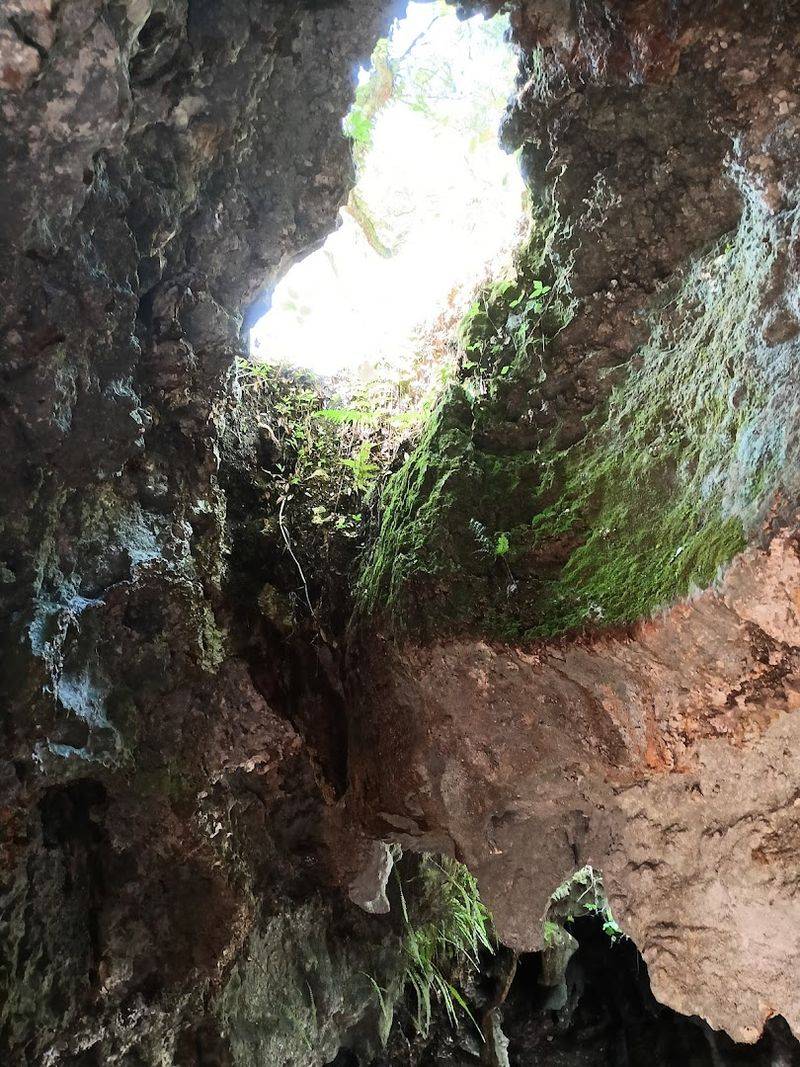
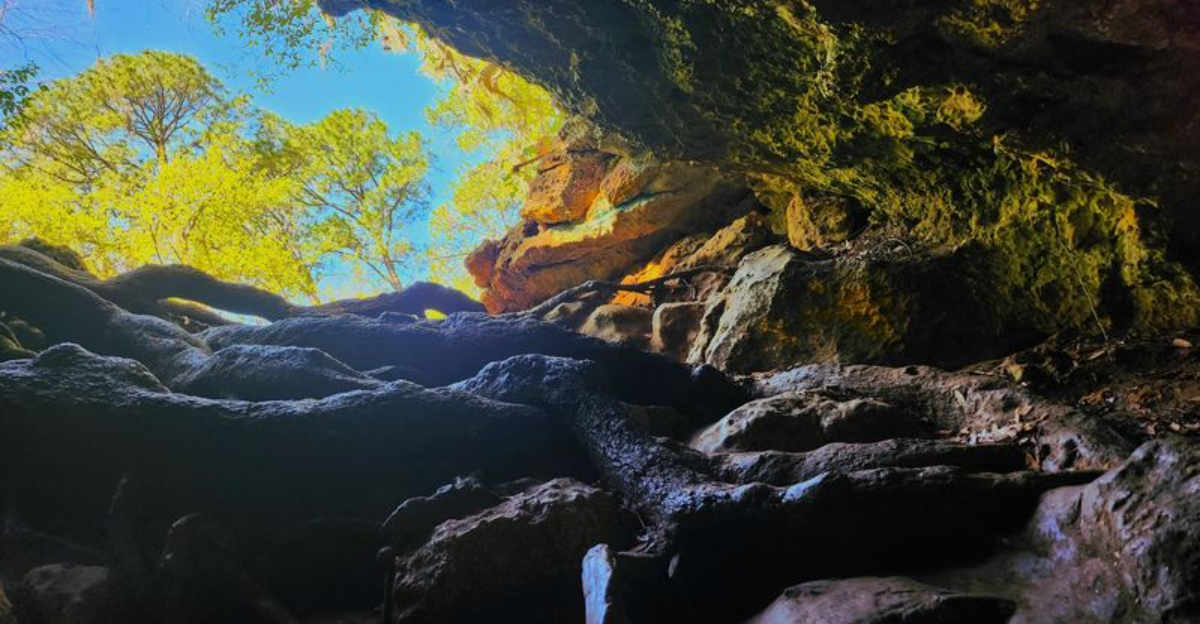
Light behaves differently here than it does on the rest of the Florida peninsula.
Outside, brightness spreads evenly across trail, scrub, and sky, but near the cave it starts to break apart, pouring through openings in sharp patches and leaving corners in deep shade.
That contrast gives the whole site a stage-like atmosphere, with every movement changing what can be seen.
In the brightest moments, rock surfaces glow softly and reveal their grain, scratches, and pale mineral tones.
A few steps later, details vanish, replaced by cool darkness that feels thicker than ordinary shadow.
The eye keeps recalibrating, and that constant adjustment makes even stillness feel active, as if the cave is slowly rearranging itself through light alone.
The temperature shift strengthens the effect.
Warm air from the trail gives way to a cooler pocket that settles low and quiet, carrying a faint earthy scent. The result is not grand or theatrical in a conventional way, yet it is undeniably atmospheric.
Life Around the Openings
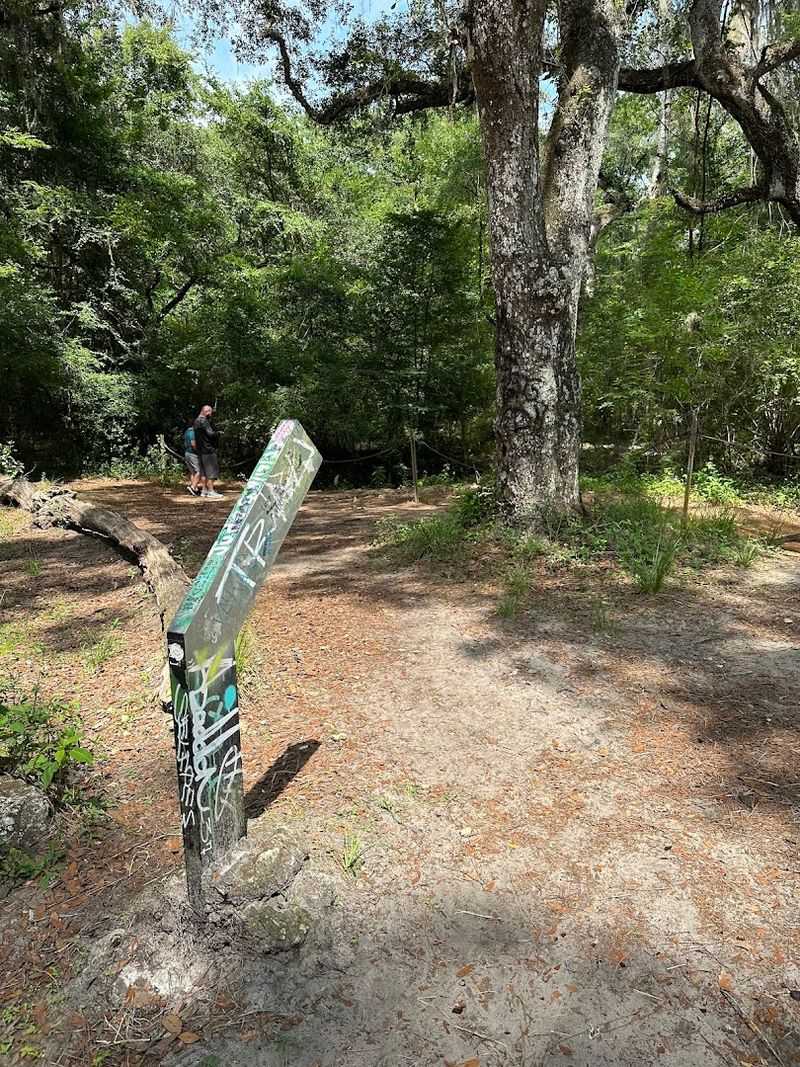
The environment around the cave feels alive in a quieter, closer way than Florida’s more obvious wildlife destinations.
Fallen logs soften into the ground, mushrooms appear after moisture, and leaf litter gathers in folds of stone where insects and small creatures can shelter.
The woods seem to lean inward around the openings, creating a transition zone between forest life and underground stillness.
Bird calls carry from above, but near the rock the atmosphere becomes more muted.
The ground holds moisture differently, and the shaded pockets feel cooler, with a smell of damp soil, roots, and limestone dust.
Palmettos, hardwoods, and low understory frame the area in layers, making the cave seem less isolated than embedded, part of a living system rather than a separate attraction.
That relationship between cave and forest adds depth to the visit.
It is not only about looking into a hole in the ground.
It is about noticing how the land changes around it, how textures shift from sand to stone, and how the surrounding hammock gives the place an almost secret ecological softness that lingers long after the trail continues.
Limestone, Sinkholes, and the Shape of the Ground
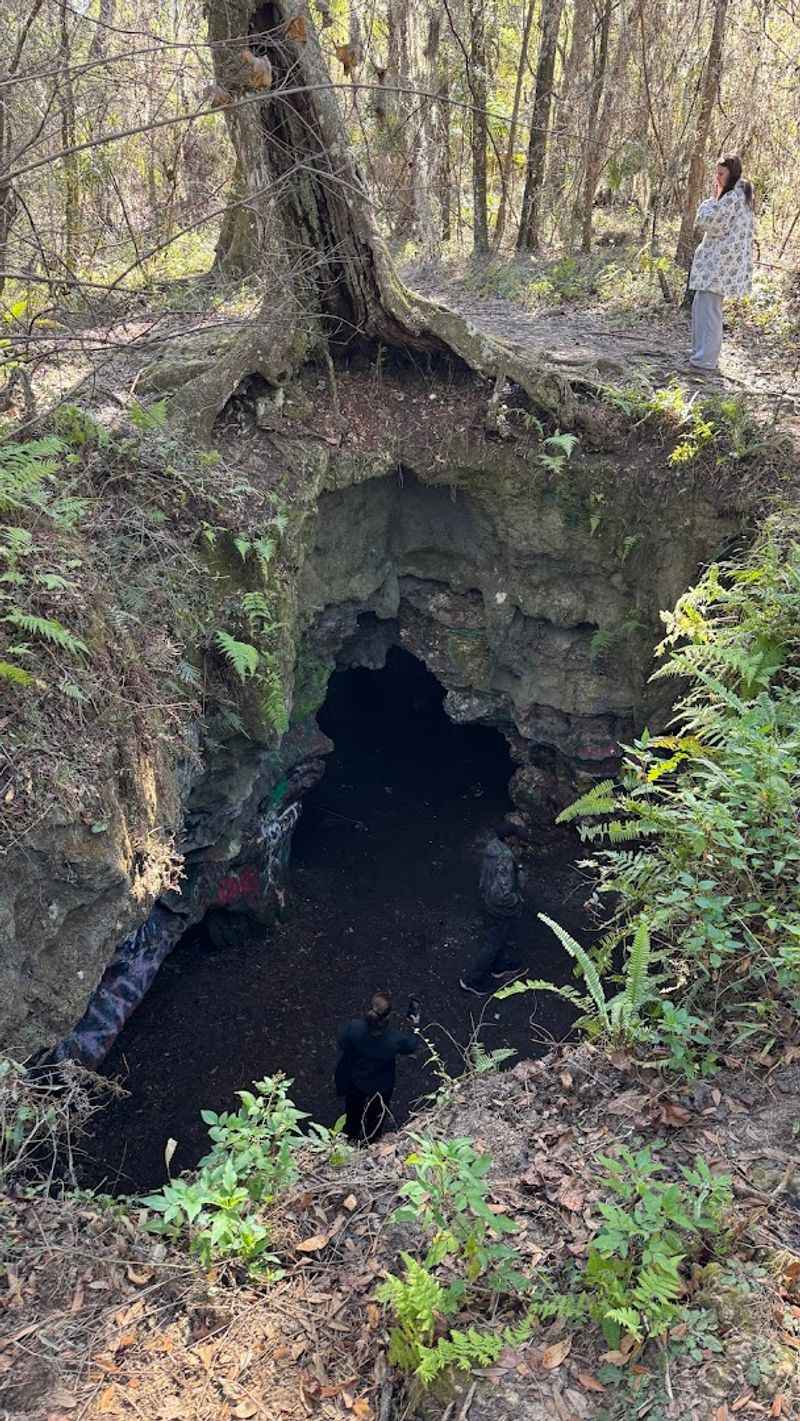
The geology gives the place its strange personality.
Instead of towering rock walls or a mountain hollow, the space feels carved from Florida’s porous limestone heart, where water has patiently dissolved openings into ledges, pockets, fissures, and hidden chambers. Every surface suggests slow change, as if the ground has been shaped over centuries by seepage, collapse, and time.
The stone appears pale in daylight, almost chalky in places, but closer inspection reveals rough textures, darker seams, and edges polished by weather and passing feet.
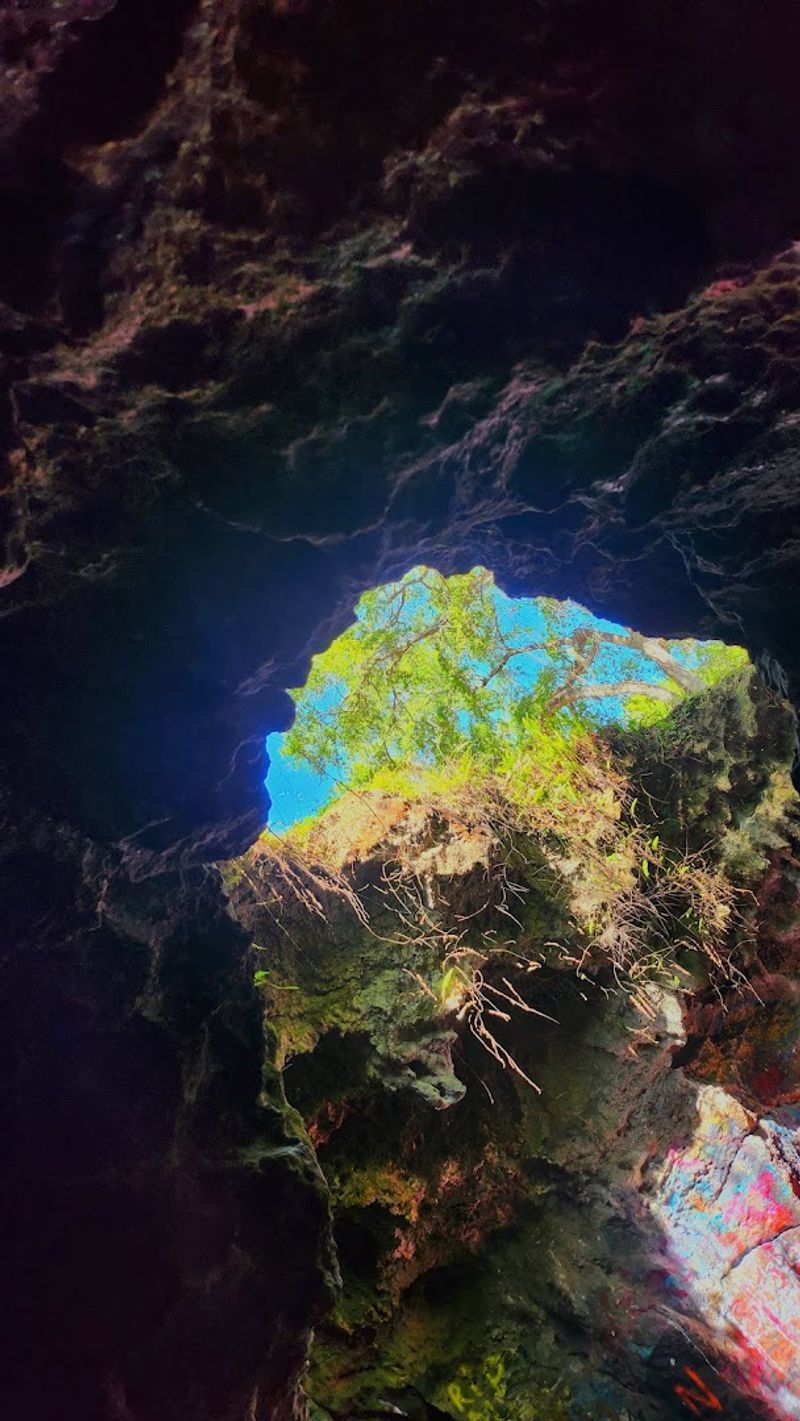
Some openings feel more like widened cracks than traditional cavern entrances, which adds to the sense that the site belongs to a broader hidden network beneath the forest floor.
It reads less like a single dramatic chamber and more like a series of connected hollows shaped by karst terrain.
That distinction matters because it makes the experience feel intensely local.
This is not underground grandeur borrowed from another region.
It is Florida geology expressed in a quieter but more surprising way, using sinkhole country and dissolved limestone to create something uncommon, intimate, and unexpectedly rugged.
The Feeling of Going Below
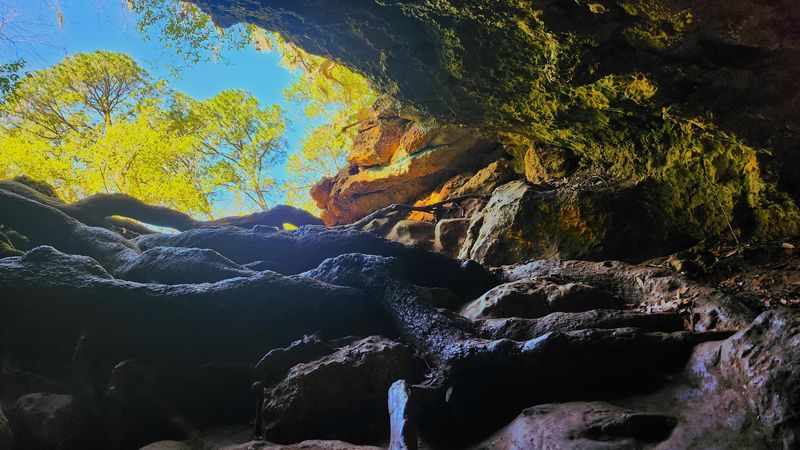
Exploring the space brings a different rhythm than most outdoor walks in Florida.
The body slows down, shoulders angle, hands search for stable rock, and the eyes adjust from open daylight to a world measured in shadow and texture.
Even a short descent changes the mood, replacing casual movement with alert curiosity.
Inside, space feels close and oddly elastic.
A chamber can seem cramped one moment, then open enough to invite a careful look upward, downward, or into a side recess where the darkness thickens.
The experience is not about racing deeper but about noticing details: the coolness against the skin, the dusty mineral smell, the uneven floor, and the way sound shortens as if the cave absorbs excess noise.
That physical intimacy is what makes the place memorable.
It asks visitors to participate rather than simply observe.
Crouching, peering, stepping, and pausing become part of the story, turning a simple hike into something more tactile and involving.
In a state better known for ease and openness, that slight edge of effort feels refreshingly out of character.
Finding It, Reaching It, and Moving Carefully
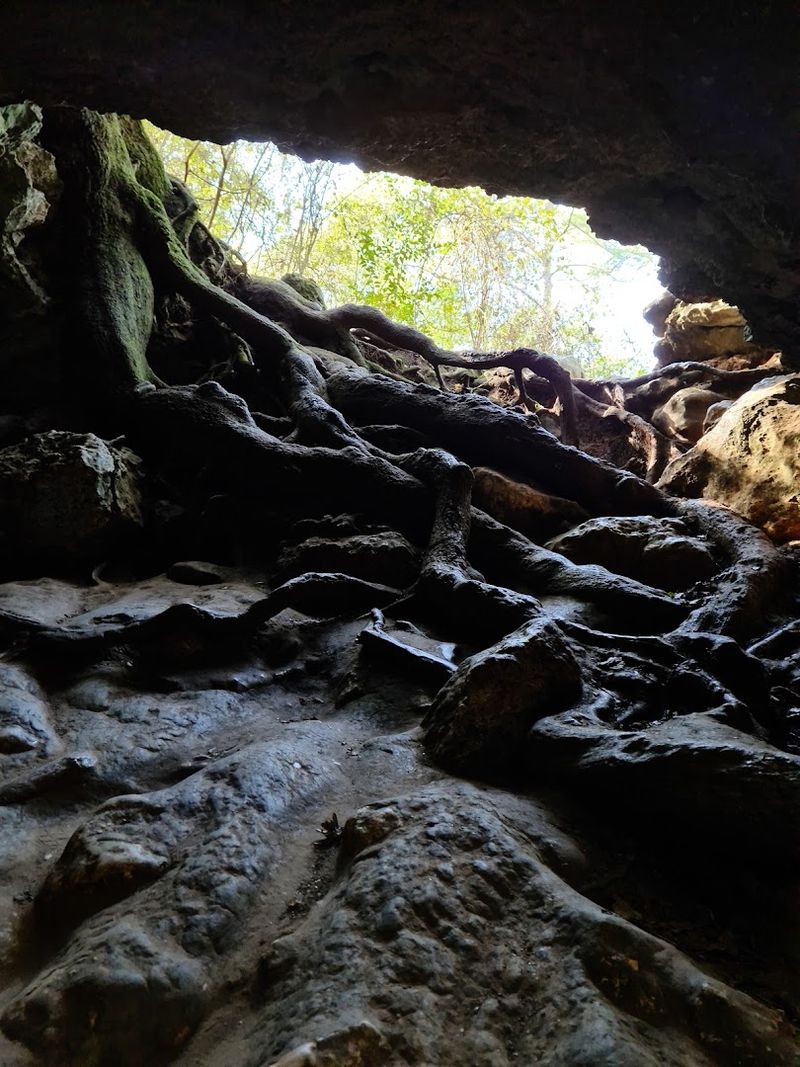
Part of the appeal of Dames Cave is that it remains relatively accessible while still feeling off the radar.
The walk in is not a punishing trek, and many visitors describe it as a manageable approach through the woods, yet the lack of obvious signage can make the journey feel more exploratory than expected.
That balance between ease and uncertainty gives the outing a satisfying sense of discovery.
Because the terrain includes roots, uneven rock, and openings that deserve respect, careful footing matters.
The site rewards preparation more than bravado.
A headlamp, sturdy shoes, and patience can transform the experience from a quick glance into a more thoughtful visit, especially for anyone curious about the smaller chambers and shifting interior light.
Accessibility here is best understood as approachable, not polished.
This is not a highly manicured stop with interpretive displays and constant oversight.
It feels freer, rougher, and more self-directed, which can be refreshing if approached responsibly.
Arriving earlier in the day, staying aware of surroundings, and treating the landscape gently helps preserve the rare feeling that something hidden has been found instead of packaged.
Why It Feels So Un-Florida
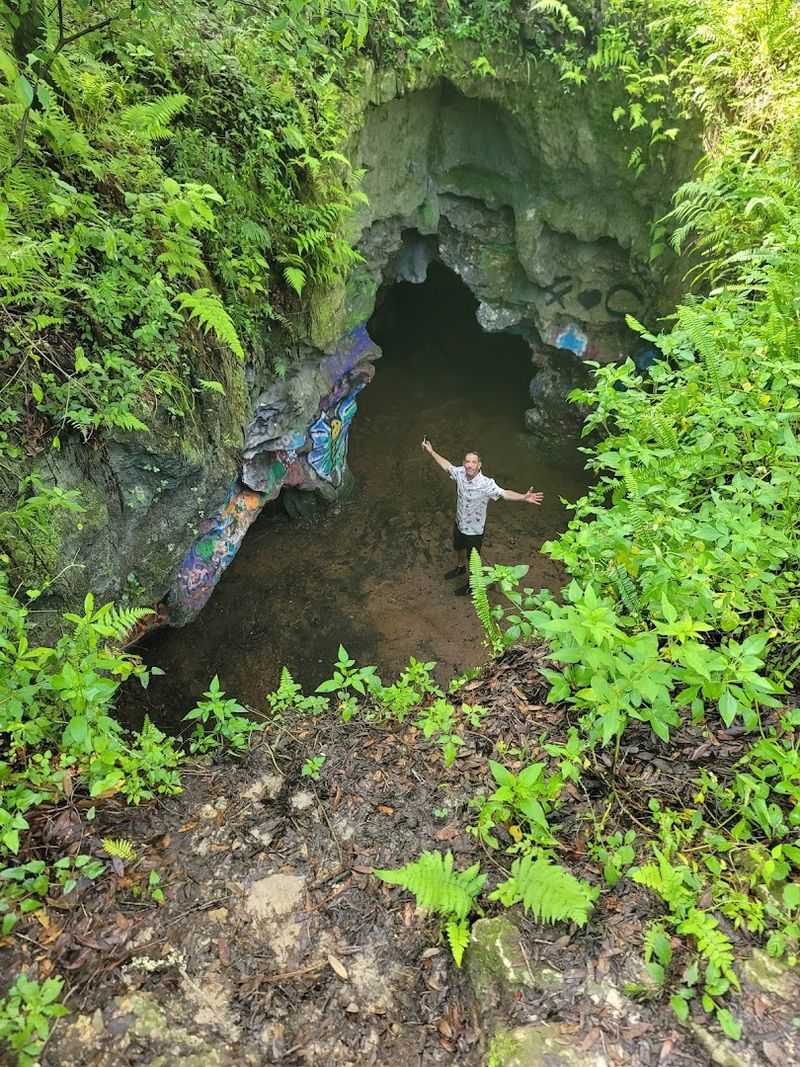
What sets this place apart is not sheer scale but contradiction.
Florida is usually imagined through waterlines, boardwalks, beaches, springs, and broad wetlands, places defined by openness and light.
Here, the attraction lies in enclosure, stone, and depth, in the odd thrill of finding a cave where many people expect only flat terrain and sunlit trails.
That surprise gives Dames Cave a lasting advantage over more predictable stops.
It offers a different texture of adventure, one built from hidden chambers, compressed space, and the awareness that the landscape has another layer beneath the obvious one.
Even the imperfections reported by visitors, from sparse signage to signs of neglect, underline how raw and unusual the setting remains.
For travelers seeking something memorable rather than polished, that distinction matters.
The site feels less like a postcard scene and more like a local secret with geological weight.
It unsettles expectations in the best way, proving that Florida can still produce moments of genuine disbelief.
Few places on the Nature Coast create such a strong sense that the familiar surface has suddenly opened into something far stranger.