Spring transforms North Carolina’s countryside into a living canvas of fresh greens, colorful blooms, and rushing waterfalls.
The state’s scenic drives wind through mountains, valleys, and farmland, each offering a different view of this seasonal awakening.
Rolling down your windows to breathe in the crisp mountain air or stopping at overlooks to snap photos becomes part of the adventure.
Whether you’re chasing waterfalls or watching wildflowers carpet the hillsides, these drives showcase the best of springtime in the Tar Heel State.
Blue Ridge Parkway (Western North Carolina)
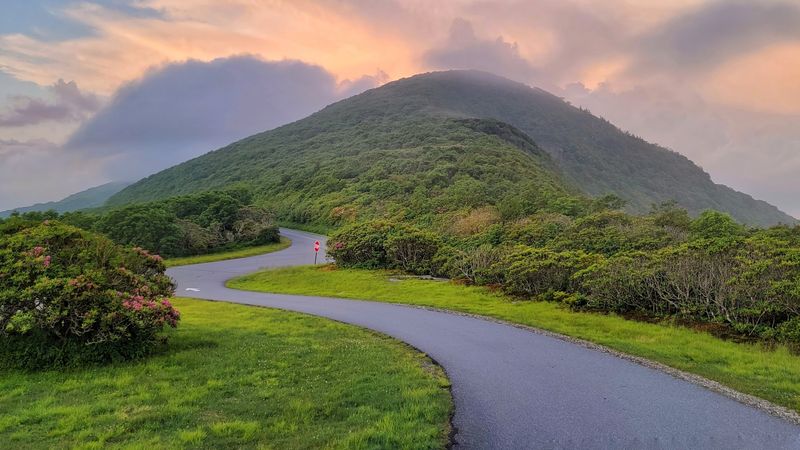
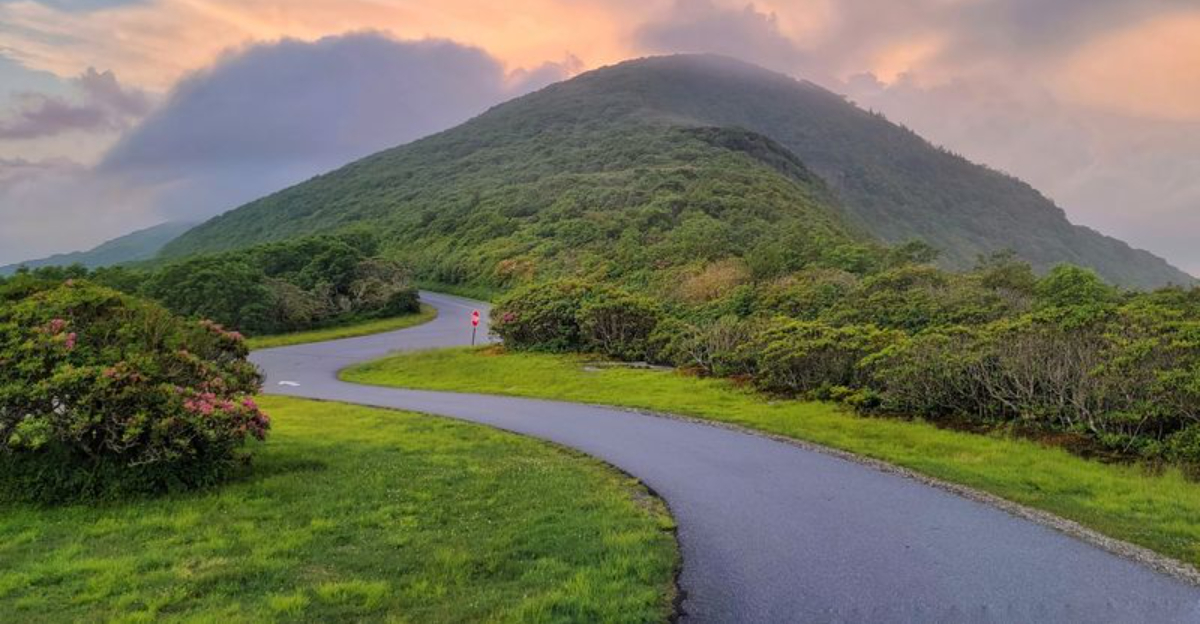
Stretching 469 miles from Virginia to the Great Smoky Mountains, this legendary route ranks among America’s most beloved drives for good reason. When spring arrives, the entire parkway erupts in waves of white dogwood blossoms and pink redbud flowers that brighten the forest canopy.
Overlooks positioned every few miles give you front-row seats to view ridgeline after ridgeline fading into the distance. The mountains appear softer in spring, wearing coats of new leaves in every shade of green imaginable.
Early rhododendrons begin their show in May, adding splashes of pink and purple to the roadside.
Pull over at Linville Falls or Crabtree Falls to see waterfalls roaring with snowmelt and spring rain. The trails leading to these cascades showcase wildflowers like trillium and lady’s slippers tucked beneath towering hemlocks.
Pack a picnic and spend the entire day exploring different sections, as each bend reveals something new and wonderful about North Carolina’s high country in its most vibrant season.
Cherohala Skyway (Robbinsville to Tellico Plains)
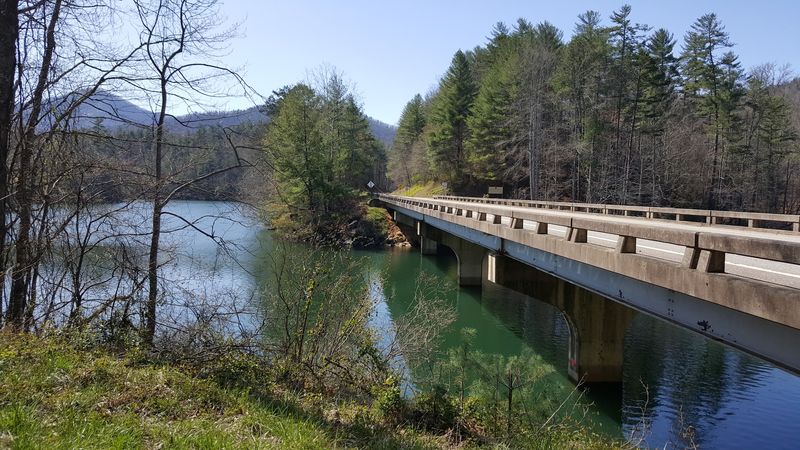
Rising above 5,000 feet, this 43-mile mountain passage feels like driving through the clouds themselves. Morning mist often drifts across the pavement in spring, creating an almost dreamlike atmosphere as you climb higher into the Unicoi Mountains.
The name combines Cherokee and Nantahala, honoring the forests through which it passes.
Traffic stays remarkably light here compared to more famous routes, giving you space to truly relax and enjoy the journey. Fresh greenery explodes from every hillside as winter’s brown gives way to spring’s renewal.
The temperature drops noticeably at higher elevations, where you might even spot patches of late snow clinging to shaded slopes.
Multiple overlooks provide spots to pull off and simply breathe in the mountain air. Wildflowers dot the roadside meadows, and if you’re lucky, you’ll spot wildlife emerging from winter hibernation.
The peaceful character of this drive makes it perfect for those seeking a more meditative experience away from crowds, where spring’s quiet beauty takes center stage without distraction.
Nantahala Byway (US 19/74/129)
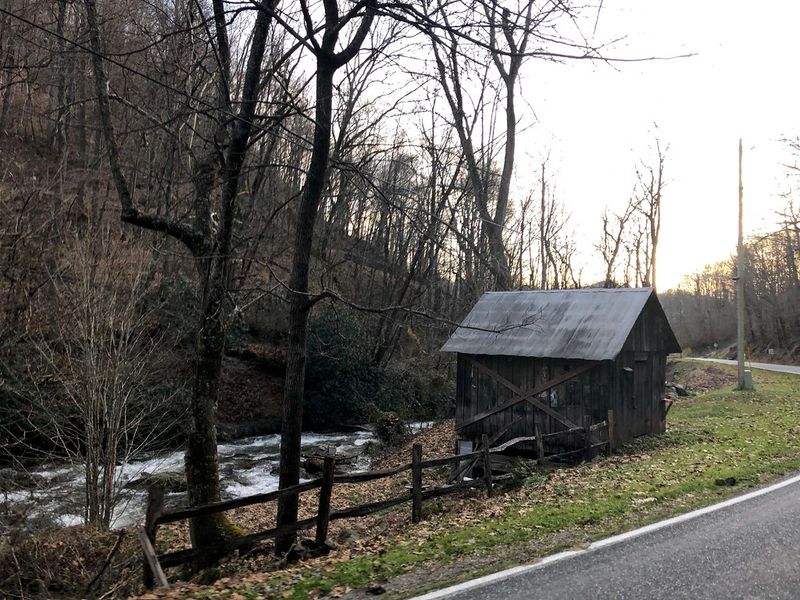
Your journey follows the Nantahala River as it carves through steep gorge walls covered in dense forest. Spring runoff sends the river churning and tumbling over rocks, creating a soundtrack that fills the entire valley.
Whitewater rafters often dot the rapids below, their colorful kayaks adding splashes of red and yellow against the foaming water.
The gorge stays cool even on warm spring days, as towering cliffs block the sun for much of the morning. This creates perfect conditions for rhododendrons and mountain laurel, which thrive in the moist, shaded environment.
Watch for wildflowers blooming along the roadside, particularly in sunny spots where the forest opens up.
Several pull-offs let you stop and watch the river up close or take short hikes into the surrounding woods. The combination of rushing water, fresh vegetation, and dramatic rock formations creates an energizing atmosphere.
Spring brings the gorge to life in a way that makes every curve of the road reveal something worth stopping for, whether that’s a particularly beautiful rapid or a hidden waterfall cascading down the cliff face.
Forest Heritage Scenic Byway (US 276, Pisgah National Forest)
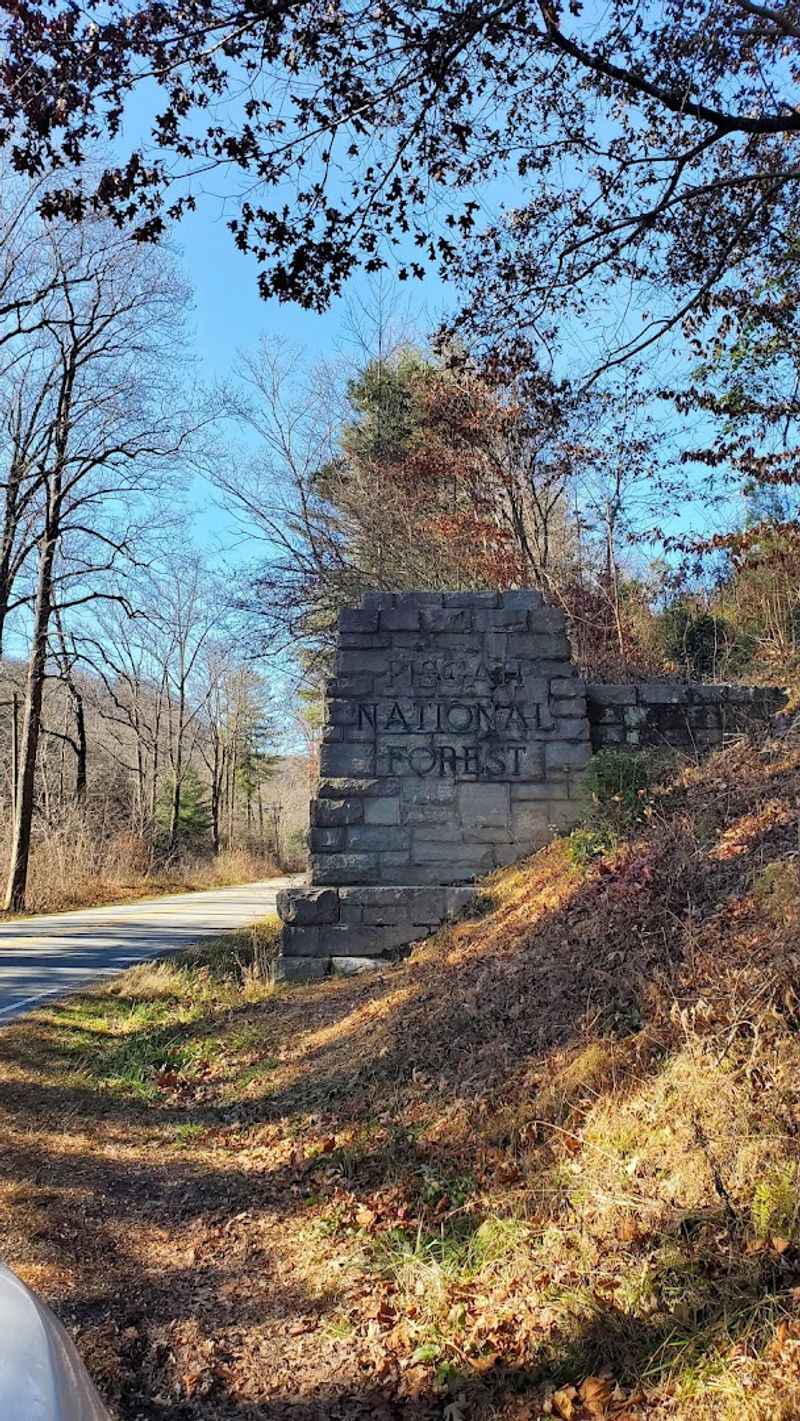
Did you know this 79-mile route passes through some of the first forest land purchased for conservation in the eastern United States? The Cradle of Forestry historic site tells that fascinating story, but spring’s natural displays steal the show on this compact yet spectacular drive.
Waterfalls come alive with spring’s generous rainfall, with Looking Glass Falls and Sliding Rock both accessible right from the road. The 60-foot Looking Glass cascade thunders into a pool below, sending mist that catches rainbows on sunny afternoons.
Wildflowers carpet the forest floor, including rare species that bloom only in these ancient mountains.
The route winds through varying elevations, giving you multiple climate zones to experience in a single afternoon. Lower sections burst with dogwoods and redbuds, while higher reaches still show spring arriving later, with trees just beginning to leaf out.
Short hiking trails branch off the byway, leading to swimming holes, more waterfalls, and quiet forest groves where you can hear nothing but birdsong and rustling leaves welcoming another growing season.
Waterfall Byway (US 64 / NC 281 – Transylvania County)
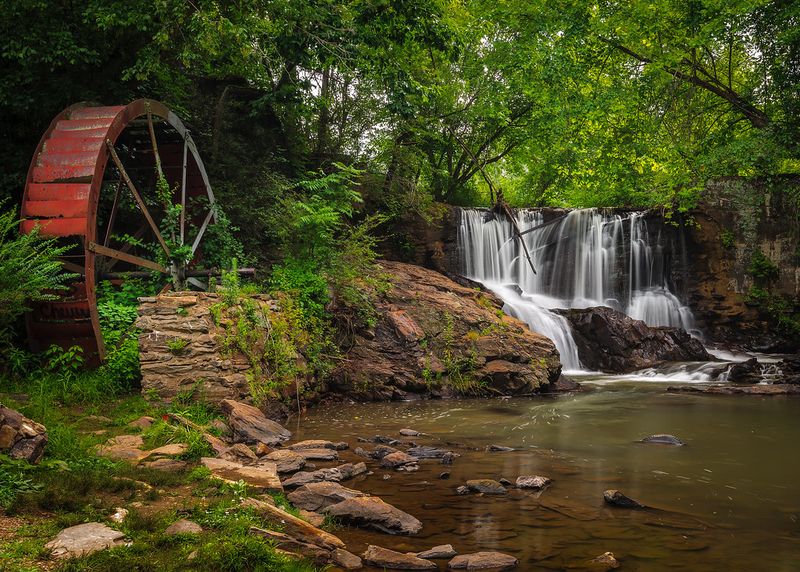
They call Transylvania County the Land of Waterfalls, and once you drive this route in spring, you’ll understand why that nickname fits perfectly. More than 250 waterfalls tumble through this region, with many visible right from your car window or just a short walk away.
Spring runoff transforms these cascades from gentle ribbons into roaring curtains of white water. Whitewater Falls, one of the tallest east of the Rockies, becomes especially impressive when swollen with spring rain and snowmelt.
The sound of falling water follows you throughout the drive, creating nature’s own symphony.
Mist rises from the larger falls, nourishing gardens of ferns and mosses that cling to rocks beside the cascades. Easy roadside access makes this route perfect for families, as kids can experience waterfall magic without strenuous hiking.
Bring a raincoat because spray from the falls reaches the viewing areas, cooling you down on warmer spring days. The combination of easy accessibility and dramatic natural beauty makes this drive absolutely unforgettable, with photo opportunities around every corner that capture spring’s powerful, refreshing energy.
Little Parkway Scenic Byway (NC 105, Boone to Linville)
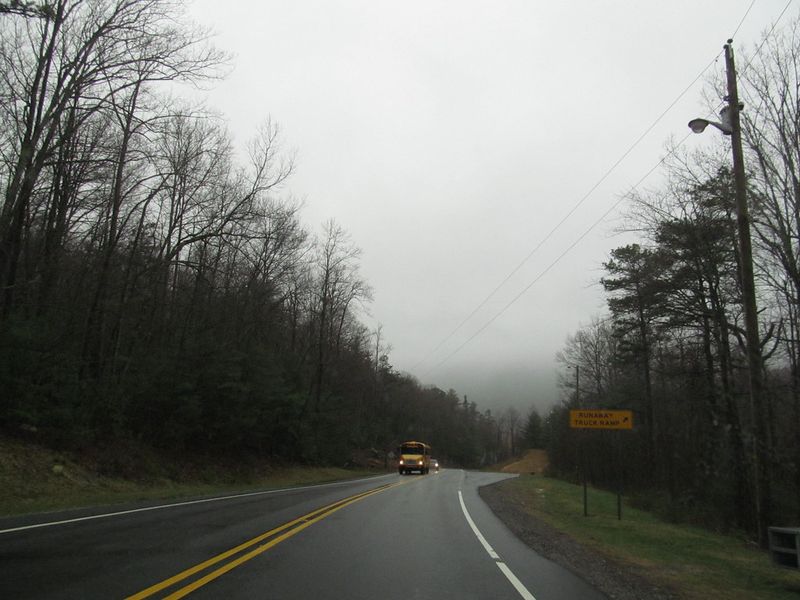
Think of this as the Blue Ridge Parkway’s quieter cousin, offering similar mountain beauty without the tourist buses and crowded overlooks. The high country between Boone and Linville showcases North Carolina’s rugged side, where rocky outcrops pierce through forest canopy and deep gorges cut through ancient mountains.
Grandfather Mountain dominates the skyline, its distinctive profile recognizable from miles away. In spring, the harsh winter landscape softens as new growth returns color to the slopes.
The famous swinging bridge at Grandfather Mountain Nature Park offers views that stretch into multiple states on clear days.
Linville Gorge, often called the Grand Canyon of the East, presents a dramatic contrast to gentler mountain scenery elsewhere. Spring brings wildflowers to the gorge rim, and peregrine falcons return to nest on cliff faces.
The drive passes through small mountain communities where locals still farm the highland meadows much as their grandparents did. Fewer visitors mean more chances to spot wildlife, including black bears emerging from winter dens with new cubs exploring their mountain home for the first time.
New River Valley Byway (NC 194)
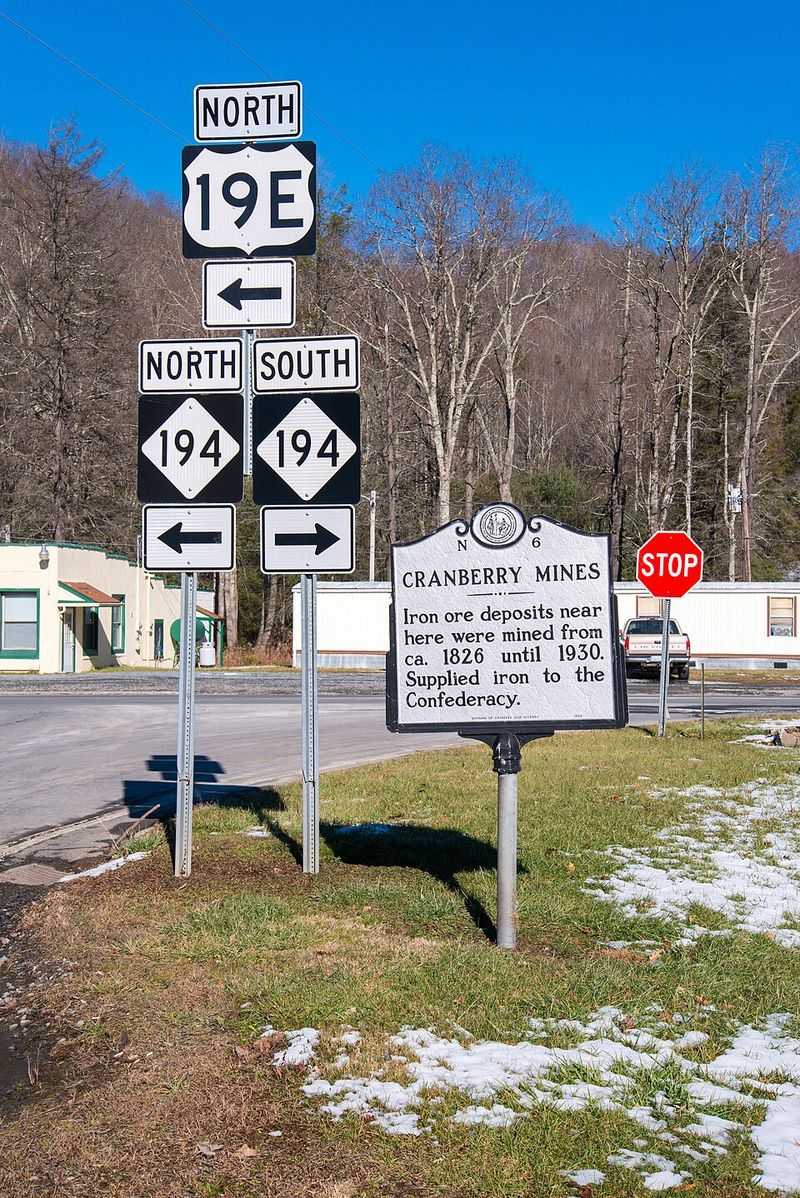
Flowing north instead of south, the New River holds the distinction of being one of Earth’s oldest rivers, possibly predating even the Appalachian Mountains themselves. That ancient waterway carved this peaceful valley where spring arrives with gentle beauty rather than dramatic mountain displays.
Rolling farmland spreads across the valley floor, where red barns and white farmhouses dot the landscape like something from a classic painting. Spring brings farmers to their fields, preparing soil and planting crops while dogwoods bloom along fence lines.
The river meanders through it all, reflecting the soft green of new leaves and bright blue spring skies.
Small communities along the route maintain their rural character, with country stores and family farms still operating as they have for generations. Stop at roadside stands selling fresh produce and local honey once the season progresses.
The valley’s elevation keeps temperatures mild in spring, making it comfortable for driving with windows down. This route offers a different perspective on North Carolina spring, where agricultural heritage and natural beauty blend seamlessly across a landscape shaped by time immemorial.
South Mountain Scenery Scenic Byway (NC 226)
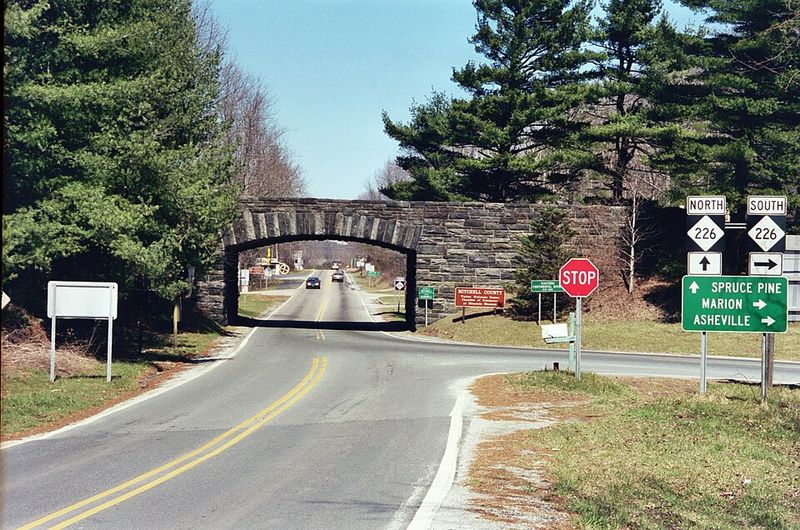
Watch the landscape transform as you descend from rugged foothills into gentle farmland along this transitional route. The South Mountains form a distinct geological boundary, and this drive lets you experience both worlds in a single journey through spring’s colorful awakening.
Apple and peach orchards burst into bloom during April and early May, painting hillsides white and pink. The fragrance of fruit blossoms fills the air when you step out at roadside farm stands.
Local families have tended these orchards for generations, and many welcome visitors during blossom season.
Rural communities preserve the area’s agricultural heritage, with farmers markets opening as spring vegetables become available. Historic barns and farmsteads provide glimpses into mountain life before modern times.
The foothills section offers winding curves and elevation changes, while lower portions open into broader views across planted fields. Spring color arrives in waves depending on elevation, so you can actually watch the season progress as you drive from higher to lower ground.
Wildflowers line the roadside, and songbirds return to nest in hedgerows, filling the countryside with music that celebrates warmer days ahead.
French Broad Overview Byway (Weaverville to Marshall)
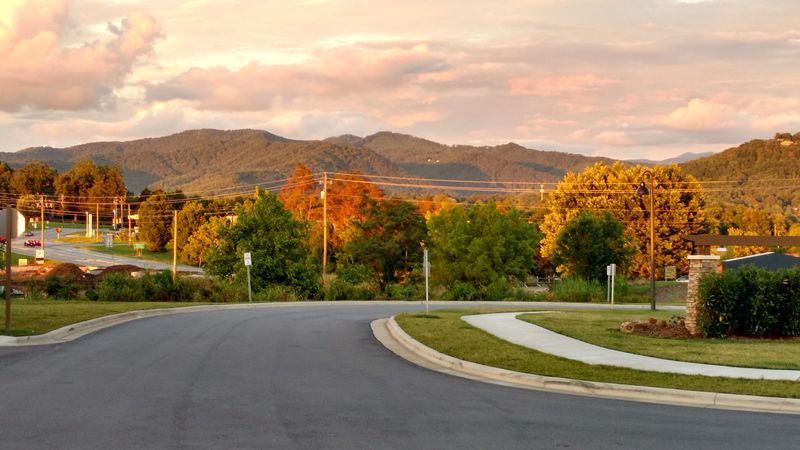
Something about following a river just feels right, especially in spring when the water runs clear and cold from mountain snowmelt. The French Broad winds through a valley where mountains rise on both sides but never feel too close or overwhelming.
It’s that perfect balance of dramatic and comfortable.
Small towns dot the route, each with its own character and history. Marshall’s main street sits right beside the river, with old storefronts facing the water like they’re watching it flow past.
Spring brings people outdoors to fish, paddle, or simply sit on riverbanks enjoying the warming weather. Bright greenery covers hillsides and bottomland alike.
Open farmland stretches along the valley floor, where horses and cattle graze in pastures that flood with wildflowers come May. The combination of river, farm, and mountain creates quintessential rural scenery that changes with each mile.
Local artisans and craftspeople operate studios in converted barns and historic buildings, adding cultural interest to natural beauty. This byway offers an easygoing spring drive perfect for anyone seeking relaxation over adventure, where the journey matters more than any specific destination.
Appalachian Medley Scenic Byway (Hot Springs area)
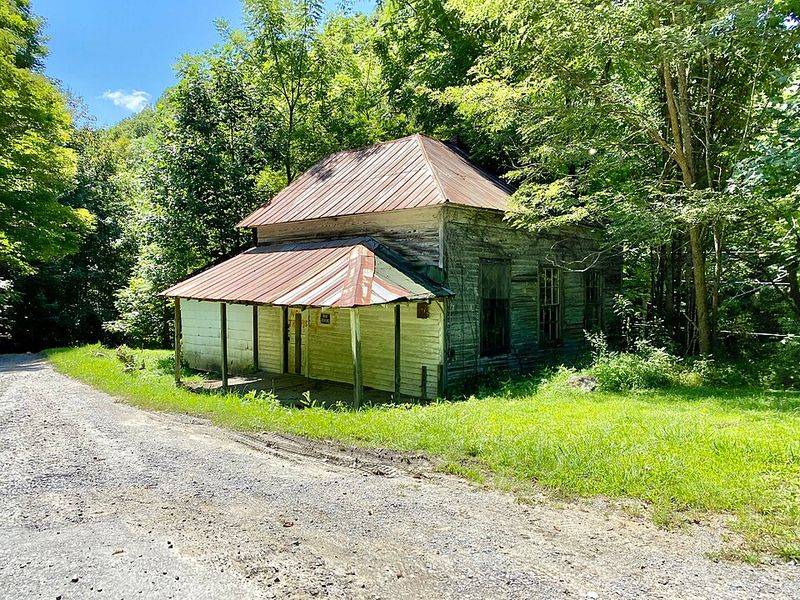
True to its name, this route mixes together just about everything that makes Appalachian springtime special. Mountain ridges give way to river valleys, which open into historic communities before climbing back into the hills again.
Each section feels different from the last.
Hot Springs serves as the route’s anchor, where the Appalachian Trail crosses right through town and natural hot springs still bubble up as they have for thousands of years. Spring brings thru-hikers streaming through, their packs and trail stories adding energy to the small downtown.
Flowering trees line the main street, creating natural confetti when breezes shake the blossoms loose.
Rivers throughout the region swell with spring runoff, creating excellent conditions for paddling and fishing. Mountain laurel begins blooming in late spring, decorating rocky slopes with clusters of pink and white flowers.
Historic sites preserve the area’s past, from old resort buildings to century-old farmsteads. The diversity of landscapes means you can experience foothill farms, riverside forests, and high mountain overlooks all in one afternoon, with spring’s vibrant energy touching each environment differently but beautifully.
Yadkin Valley Scenic Byway (NC 67 / US 601 region)
Moving east from mountain terrain, the Piedmont offers its own version of spring beauty across gentler topography. This wine country route winds through landscapes where agriculture takes center stage and wide-open views replace towering peaks.
It’s a completely different feel from mountain drives but equally captivating.
Vineyards cover the hillsides, their neat rows of grapevines just beginning to bud in early spring. The geometric patterns of vineyard plantings create visual interest across rolling terrain.
Many wineries open their tasting rooms and grounds for visitors, offering local wines alongside views that stretch for miles. Spring weekends bring wine enthusiasts exploring the region’s growing reputation for quality vintages.
Wildflowers bloom in fields and along roadsides, adding splashes of yellow, purple, and white to the predominantly green landscape. Historic farms and newer homesteads exist side by side, showing how the region balances tradition with growth.
The Yadkin River itself winds through the valley, bordered by trees that leaf out in waves of fresh green. Without mountains blocking the horizon, you can watch weather systems move across the countryside and enjoy spectacular spring sunsets painting the entire sky with color.