Florida is famous for its beaches, but many of the best-known spots are packed with tourists and noisy crowds.
If you crave peace and natural beauty, there are secret shores scattered throughout the state where you can actually hear the waves and feel the sand between your toes.
These hidden gems require a bit more effort to reach, but the reward is worth it: untouched shorelines, wildlife encounters, and the kind of tranquility that makes you feel like you have discovered your own private paradise.
Caladesi Island State Park (near Dunedin)
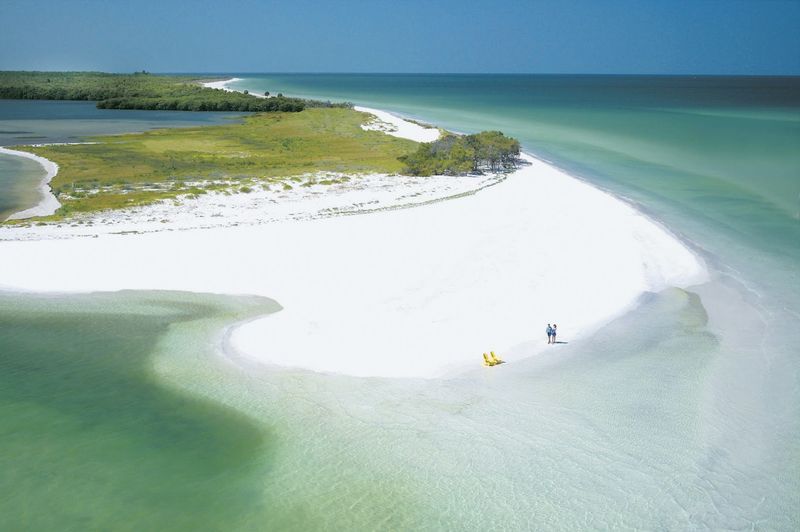
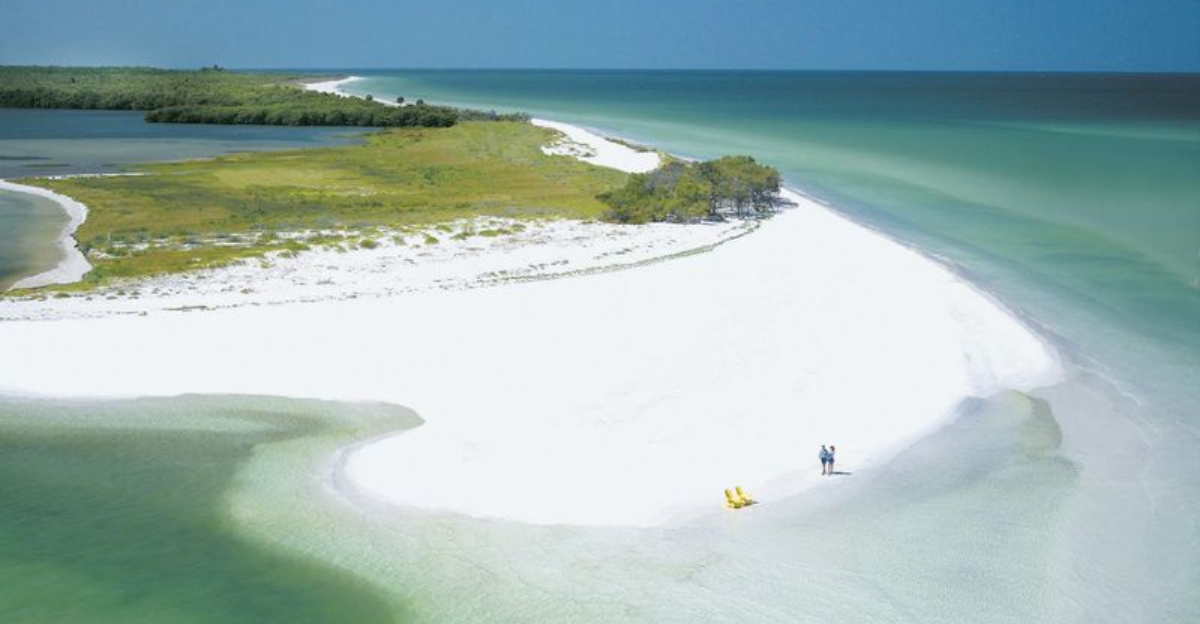
Forget about driving up to this beach. Caladesi Island can only be reached by boat or ferry, which means the crowds thin out before they even arrive.
The white sand feels like powder under your feet, and the calm Gulf waters are perfect for swimming without the chaos of jet skis and banana boats.
Nature trails wind through thick mangroves where you might spot herons and ospreys. The island has remained remarkably untouched, making it feel like stepping back in time.
Pack a picnic because there are no fast-food joints or souvenir shops here.
This is one of Florida’s most naturally preserved barrier islands, and you can tell the moment you step off the ferry. The beach stretches for miles, giving everyone plenty of space.
Whether you want to build sandcastles, collect shells, or simply read a book under an umbrella, Caladesi offers the kind of peaceful day that most Florida beaches can no longer provide.
Cayo Costa State Park (near Fort Myers)
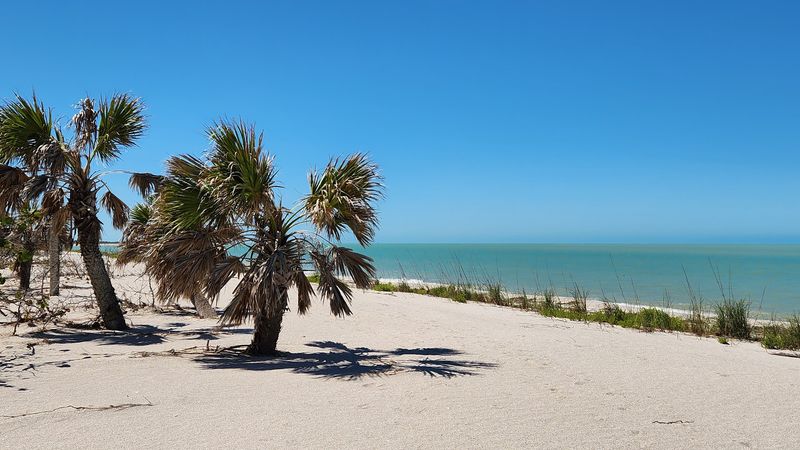
Getting to Cayo Costa requires planning since there are no bridges connecting it to the mainland. Limited ferry service means you won’t find spring break crowds here.
Miles of undeveloped shoreline stretch in both directions, and the only footprints you’ll see are probably your own.
Shell collectors go absolutely crazy for this place. The beach is covered with beautiful shells that wash up daily, including some rare finds if you’re patient.
Bring a bag because you’ll want to take some treasures home.
The sense of isolation is real and refreshing. No condos loom over the beach, and no restaurants blast music into the air.
Just natural Florida at its finest. Camping is allowed if you want to extend your stay, and watching the sunset from this remote spot is unforgettable.
The island gives you a glimpse of what Florida’s coast looked like centuries ago, before development changed everything.
Keewaydin Island (Naples / Marco Island area)
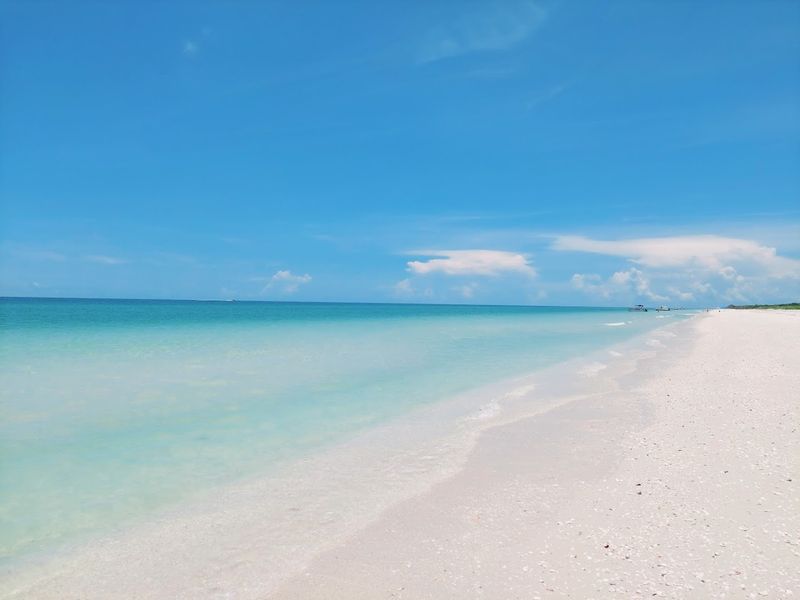
Boat access only means this barrier island stays wonderfully quiet year-round. Keewaydin Island stretches for miles between Naples and Marco Island, yet remains completely undeveloped.
No hotels, no beach bars, no parking meters.
Dolphins frequently swim just offshore, sometimes coming close enough that you can watch them hunt for fish. Bring binoculars and a camera because wildlife sightings happen regularly.
The beach feels wild and free, exactly the opposite of the manicured resort beaches nearby.
Since you need a boat to get here, many locals rent kayaks or small watercraft. Water taxis also make regular trips if you don’t have your own vessel.
The sand is soft and golden, perfect for long walks where you might not see another person for an hour. Shelling is excellent here too, especially after storms.
This island proves that some of Florida’s best beaches are the ones nobody can drive to.
North Captiva Island (Lee County)
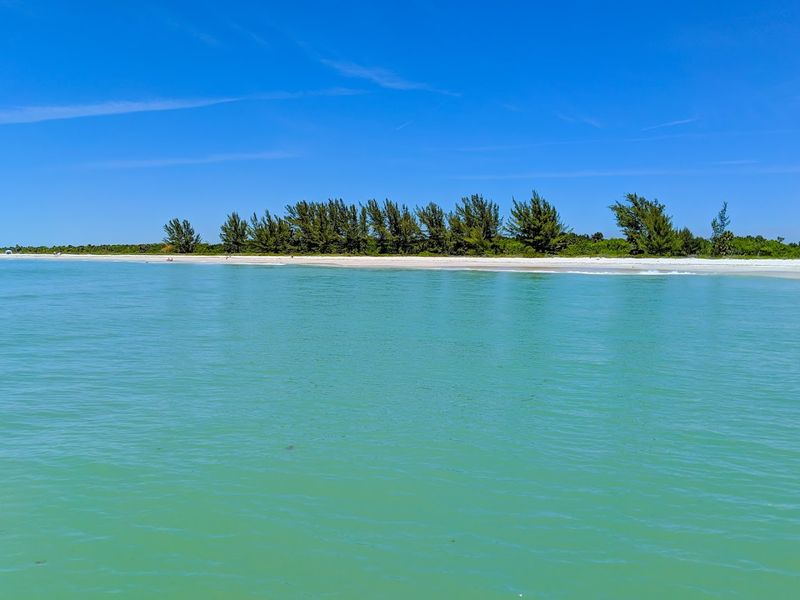
No cars allowed on North Captiva Island, which immediately makes it different from most Florida destinations. You’ll arrive by ferry or private boat, and from there you explore on foot, by bike, or in a golf cart.
The pace slows down the moment you step onto the island.
Sandy paths lead between beach cottages and through natural vegetation. The beaches themselves are uncrowded, even during peak season.
Families spread out blankets without competing for space, and the only sounds are waves and seabirds.
The off-grid atmosphere feels like a vacation from your vacation. Without traffic and commercial development, stress melts away.
Kids can run freely, and adults can actually relax instead of fighting crowds. Small shops and a restaurant provide basics, but this isn’t a place for wild nightlife or shopping sprees.
It’s a place for disconnecting, reading books on the beach, and remembering what Florida vacations used to feel like before everything got crowded and commercialized.
Little Gasparilla Island (Charlotte County)
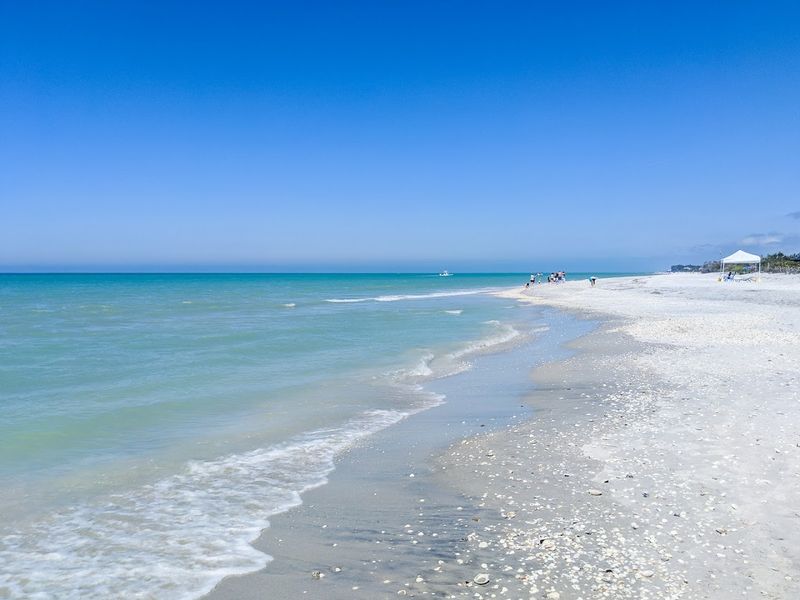
This bridgeless island keeps the tourist buses away, which is exactly why locals love it. Little Gasparilla Island has that authentic “Old Florida” vibe that’s getting harder to find.
Minimal development means the beaches stay quiet and natural.
Soft sand squishes between your toes as you walk along the shore. The water is typically calm, making it great for families with young kids.
Without massive resorts and crowds, you can actually hear conversations and bird calls instead of constant noise.
Getting here requires a water taxi or private boat, so you won’t run into accidental tourists. People who make the effort to reach Little Gasparilla are usually looking for the same thing: peace.
The island has rental properties if you want to stay overnight and experience the magic of a quiet beach sunrise. Fishing is popular here, and you’ll often see dolphins playing in the waves.
This is the Florida your grandparents might remember, preserved and peaceful.
Shell Key Preserve (near St. Pete Beach)
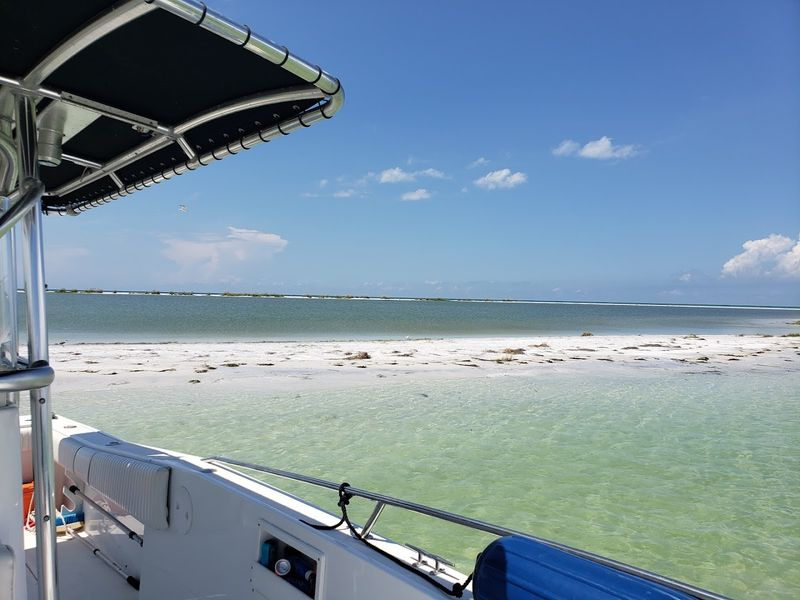
Imagine paddling a kayak across calm water to reach your own private beach paradise. Shell Key Preserve is protected, which means no development and no motorized beach access.
You’ll need a kayak or small boat, creating a natural barrier against crowds.
The sandbars here are legendary among shell collectors. Shells pile up in colorful heaps, especially during low tide.
Clear water makes it easy to spot fish and crabs, and the birdlife is spectacular. Herons, egrets, and other coastal birds treat the preserve as their home.
Because it’s protected, the ecosystem thrives in ways developed beaches simply can’t match. The effort required to reach Shell Key filters out casual visitors, leaving more space for those who appreciate nature.
Bring plenty of water and sun protection since there are no facilities. The experience of being surrounded by unspoiled nature so close to St. Pete Beach is remarkable.
You can literally paddle from civilization to wilderness in less than thirty minutes.
St. George Island State Park (Florida Panhandle)
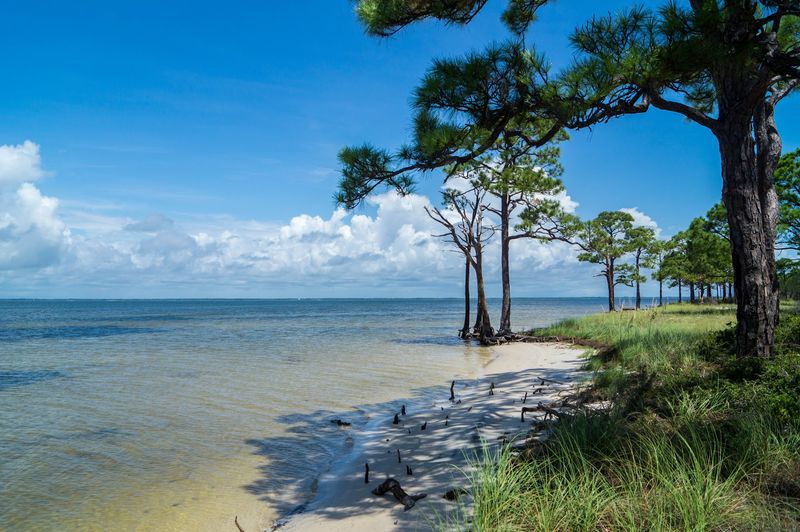
While the western side of St. George Island has homes and development, the eastern protected section remains wonderfully empty. Wide beaches stretch for miles, and you can walk for ages without seeing another person.
This is Gulf Coast beauty without the Gulf Coast crowds.
The sand here is famously white and soft. Sea oats sway on the dunes, and the water shimmers in shades of emerald and turquoise.
Unlike Panama City Beach or Destin, you won’t find wall-to-wall umbrellas and beach music blasting from every direction.
The state park protects this section from development, ensuring future generations can enjoy unspoiled beaches. Camping is available if you want to wake up to sunrise over the Gulf.
Fishing is excellent, and the shallow waters warm up nicely in summer. Families appreciate the space and safety of having room to spread out.
This beach represents what the entire Panhandle coastline once looked like: natural, beautiful, and peaceful beyond measure.
Canaveral National Seashore (Brevard County)
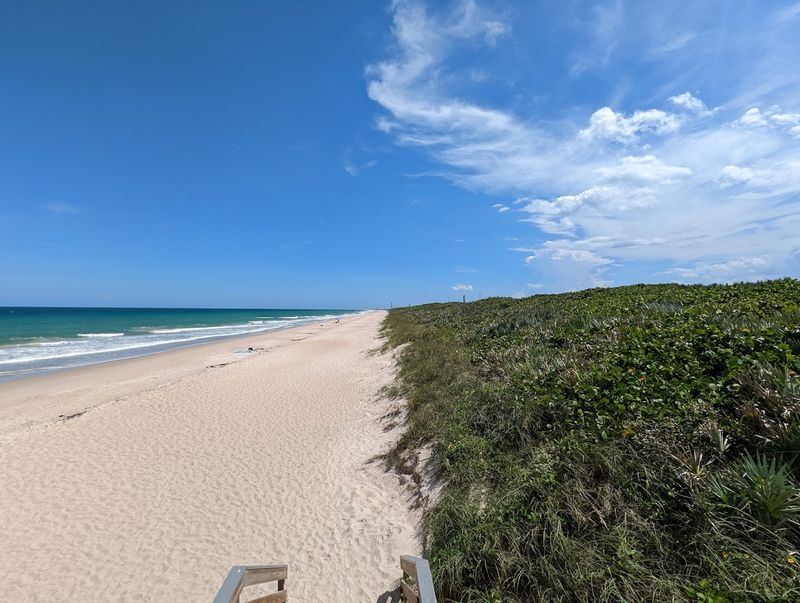
Twenty-four miles of undeveloped Atlantic coastline sounds impossible in modern Florida, yet Canaveral National Seashore delivers exactly that. Dunes roll naturally, unmarked by hotels or condos.
Sea turtles nest here in huge numbers because the beach remains dark and undisturbed at night.
Commercial presence is basically zero. No beach bars, no rental stands, no crowds of people competing for space.
Just you, the ocean, and miles of natural Florida coastline. The waves here attract surfers when conditions are right, but even then the beach never feels packed.
Wildlife viewing is incredible because the ecosystem hasn’t been disrupted by development. Birds nest in the dunes, and you might spot dolphins offshore.
During turtle nesting season, ranger programs help visitors understand and appreciate these amazing creatures. The lack of artificial light at night creates a star-filled sky that city dwellers rarely experience.
This beach proves that protecting nature pays off in experiences money simply cannot buy elsewhere.
Hobe Sound Beach (Jonathan Dickinson State Park area)
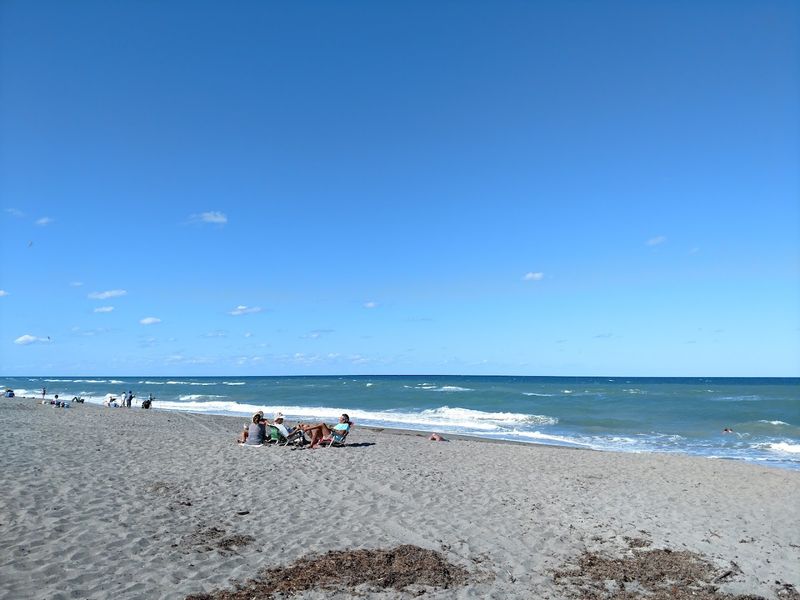
Protected status keeps Hobe Sound Beach refreshingly quiet compared to nearby tourist hotspots. Restricted development means the shoreline looks much like it did generations ago.
Clean sand stretches northward, and the calm conditions make swimming pleasant for all ages.
Sea turtles choose this beach for nesting, which tells you everything about its natural quality. During nesting season, volunteers mark and monitor nests, and watching hatchlings make their way to the ocean is absolutely magical.
The beach takes conservation seriously.
Without towering hotels blocking the view, you can see for miles in every direction. Sunrise here is particularly stunning, painting the Atlantic in oranges and pinks.
Locals know about this spot, but tourists often miss it completely while heading to more advertised beaches. The parking area is small, which naturally limits crowds even on busy weekends.
Bring your own supplies since amenities are minimal, but that’s part of the appeal. This is a beach for people who value nature over convenience.
Dog Island (near Carrabelle)
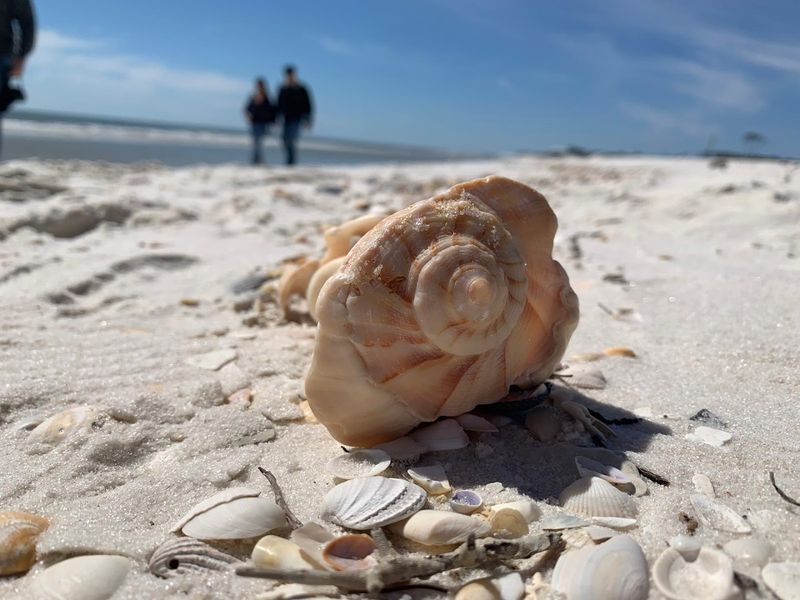
Total seclusion awaits on Dog Island, one of Florida’s most remote barrier islands. Accessible only by private boat or small plane, this spot filters out everyone except serious nature lovers.
No roads connect it to the mainland, which is exactly why it feels like your own private paradise.
The beaches are completely untouched. No footprints except yours, no trash, no beach chairs left behind.
Nature rules here, and humans are just visitors. The sense of isolation is profound and healing.
Wildlife thrives on Dog Island because development never arrived. Birds nest undisturbed, and the ecosystem functions as it should.
A few private homes dot the island, but you’ll likely never see another soul during a day visit. The water is clear and calm, perfect for swimming without worrying about crowds or boats.
Bringing all your own supplies is mandatory since nothing exists on the island. This level of remoteness isn’t for everyone, but for those seeking authentic escape from modern life, Dog Island delivers completely.
Little Talbot Island State Park (near Jacksonville)
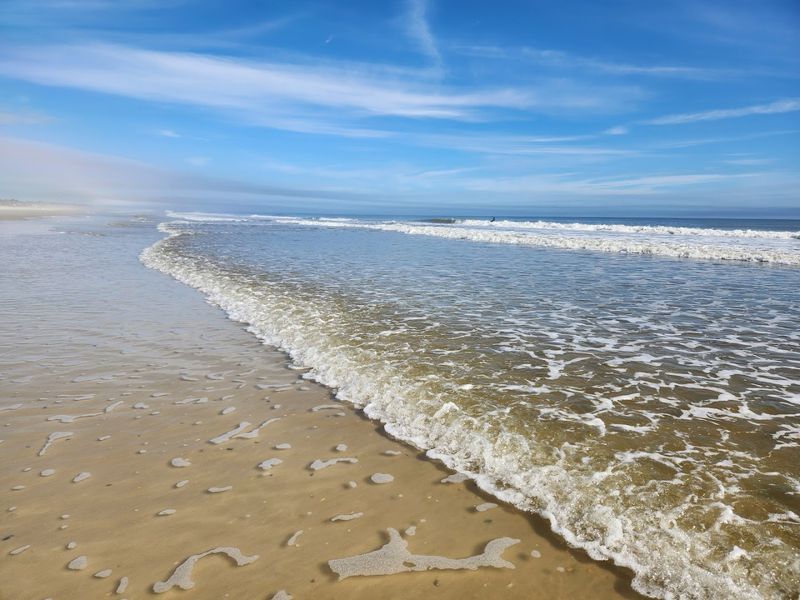
Driftwood scattered across the beach creates an otherworldly landscape at Little Talbot Island. This wild barrier island feels dramatically different from the manicured beaches most people imagine when thinking about Florida.
Nature shapes everything here, not landscapers or developers.
Significantly fewer visitors come to Little Talbot compared to nearby urban beaches like Jacksonville Beach. The state park protects the island from development, preserving its wild character.
Dunes rise naturally, and coastal vegetation grows thick and undisturbed.
Photographers absolutely love this beach because the driftwood creates amazing compositions. The twisted wood pieces, bleached white by sun and salt, look like sculptures.
Walking among them feels like exploring an outdoor art gallery created by nature itself. Swimming, fishing, and camping are all popular activities here.
The relatively remote location keeps crowds manageable even during summer. After visiting Little Talbot, typical Florida beaches will seem boring and overdeveloped by comparison.
This is the real deal: wild, natural, and beautiful.
Gulf Islands National Seashore – Fort Pickens Area (Pensacola)
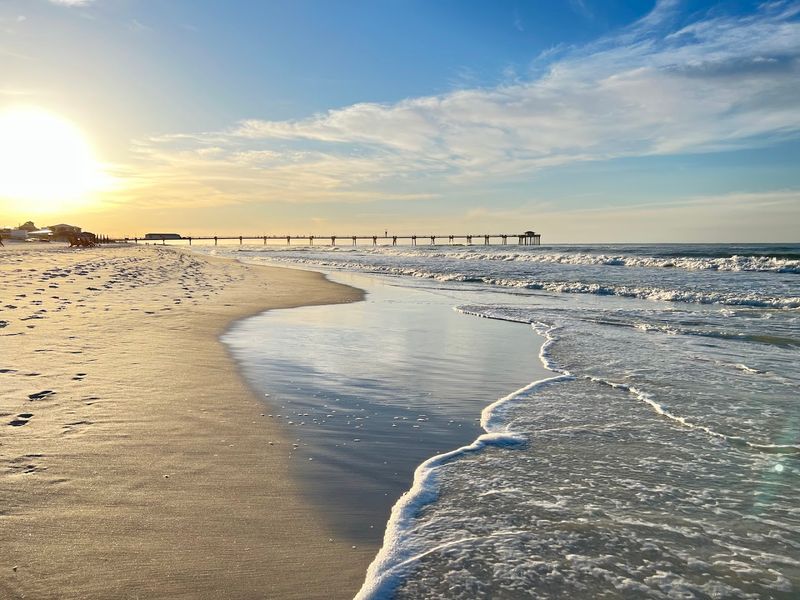
While Pensacola Beach proper gets packed with spring breakers and weekend warriors, the Fort Pickens Area of Gulf Islands National Seashore remains surprisingly peaceful. Protected status limits development, and the historic fort adds interesting character.
Soft white sand stretches in both directions, trademark of the Florida Panhandle.
The beach here offers the same stunning white sand and emerald water as the crowded spots, but with breathing room. Families spread out comfortably, and you can actually choose your preferred spot instead of squeezing into the only available space.
History buffs enjoy exploring the old fort, adding educational value to a beach day. The fort survived hurricanes and wars, standing as a testament to the area’s rich past.
Swimming conditions are generally excellent, and the water stays shallow for quite a distance from shore. Park rangers maintain facilities without overdeveloping the natural landscape.
Sunsets from Fort Pickens are legendary, painting the sky in brilliant colors. This spot proves you can have both natural beauty and convenient access without sacrificing peace.
St. Vincent Island National Wildlife Refuge (near Apalachicola)
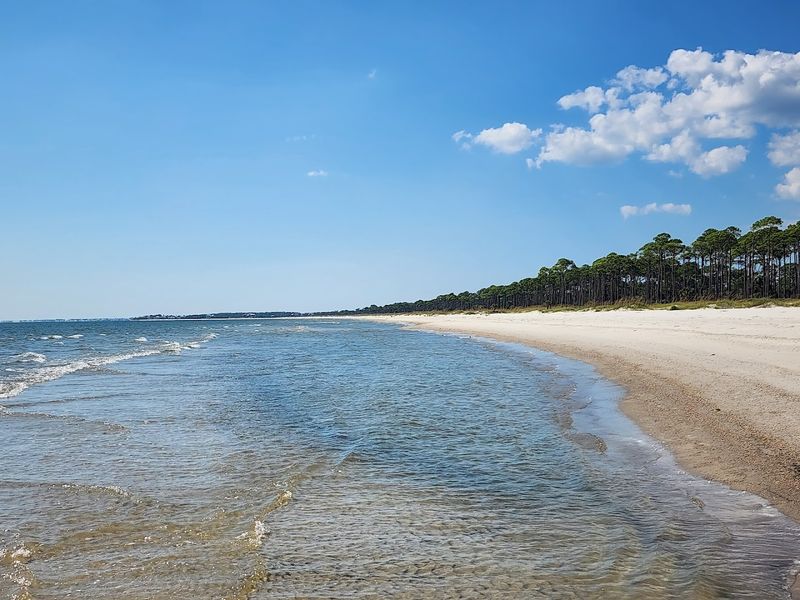
Truly remote describes St. Vincent Island perfectly. Boat access only means you won’t stumble upon this beach by accident.
The National Wildlife Refuge designation protects the island from any development, preserving it exactly as nature intended. Pristine beaches stretch empty and inviting.
Very few visitors make the journey, creating a genuine sense of discovery. Wildlife habitat flourishes across the island, from shore birds to deer.
The beaches are postcard perfect: white sand, gentle waves, and absolutely nothing man-made in sight.
Camping is not allowed since the island focuses on wildlife protection, but day trips offer plenty of exploration time. The isolation feels complete and restorative.
Without cell service or WiFi, you’re forced to simply be present in the moment. Shells wash up in abundance, and the sound of waves becomes the only soundtrack you need.
This is the ultimate hidden Florida beach: protected, pristine, and wonderfully empty. If you want to experience what coastal Florida looked like before humans arrived, this is your destination.