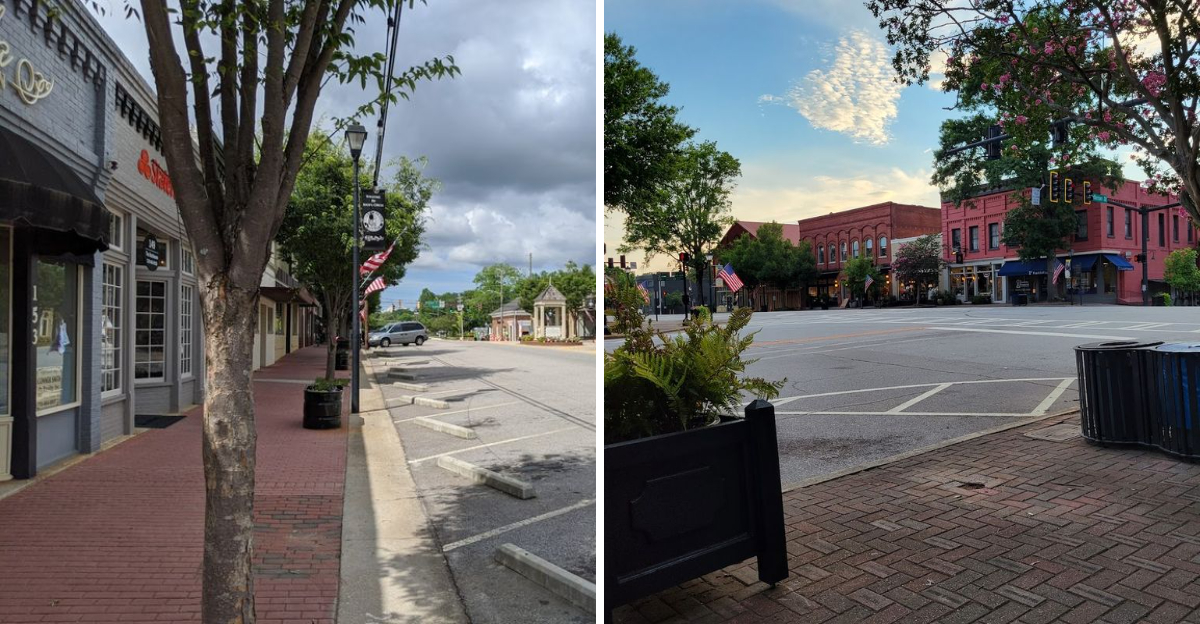
Georgia holds onto its past in the most beautiful ways, especially in its small towns where life moves a little slower and hospitality still matters.
These charming communities scattered across the state offer more than just pretty streets and historic buildings.
They provide a genuine glimpse into traditional Southern living, where neighbors know each other by name, local festivals bring everyone together, and the pace of life allows you to truly relax and appreciate the simple moments that make the South special.
Madison
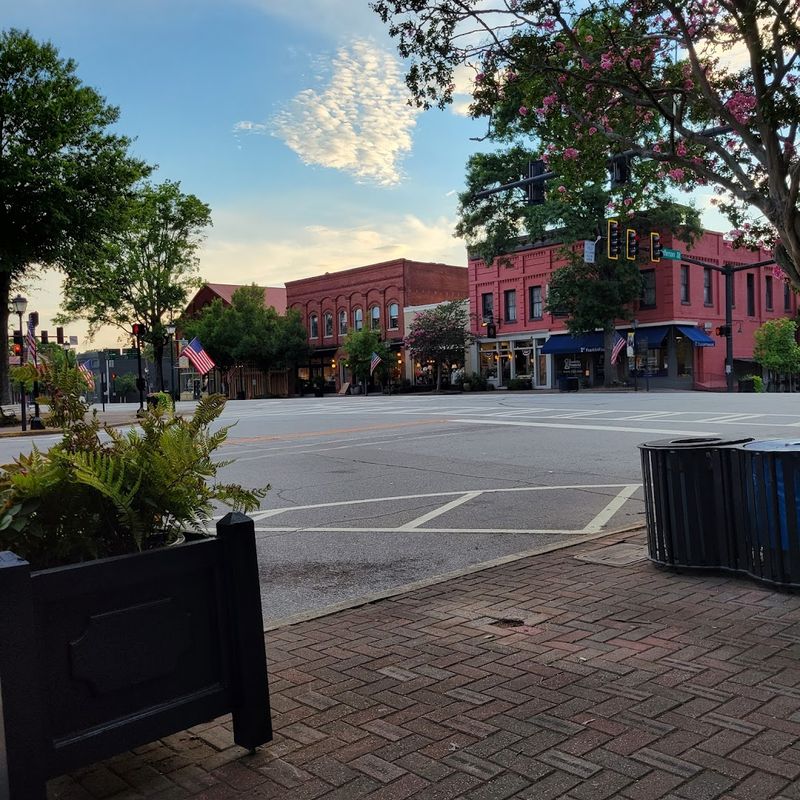
Walking through Madison feels like stepping onto a movie set, except everything here is genuinely preserved history. The town survived Sherman’s March during the Civil War, leaving behind one of Georgia’s most intact collections of antebellum homes.
These grand houses with their tall white columns and wide porches create postcard-perfect scenes along every shaded street.
Downtown Madison pulses with local businesses that respect the town’s heritage while serving modern needs. Boutique shops occupy restored buildings where families have done business for generations.
The town square remains a gathering place where seasonal festivals celebrate everything from arts to agriculture.
Residents take pride in maintaining their historic properties, not as museum pieces but as living homes. Gardens bloom behind wrought-iron fences, and rocking chairs sit ready on porches.
Madison proves that preserving the past doesn’t mean freezing time—it means honoring tradition while building community. This balance makes Madison feel welcoming rather than stuck, inviting rather than exclusive.
Thomasville
Roses define Thomasville’s character in ways both literal and symbolic. Every spring, the town explodes with color during its famous Rose Festival, celebrating the thousands of rose bushes that flourish in this South Georgia climate.
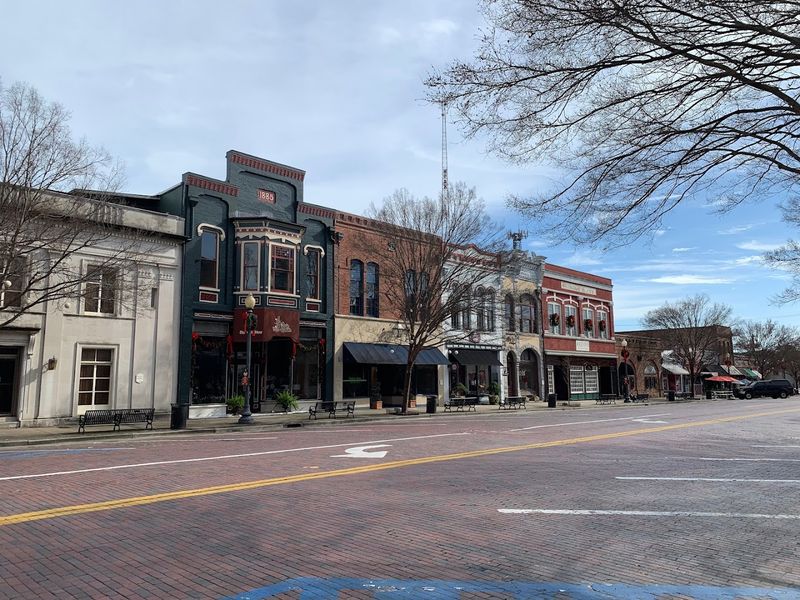
Victorian-era buildings line the downtown square, their red brick facades weathered into warm, welcoming tones that complement the floral displays throughout the business district.
The town’s layout encourages leisurely exploration on foot. Locally owned restaurants serve classic Southern cooking alongside modern farm-to-table creations.
Antique stores occupy spaces where merchants have traded goods for over a century, their inventory telling stories of families and eras past.
What strikes visitors most is how Thomasville balances elegance with approachability. The grand historic homes don’t intimidate; they inspire.
The carefully maintained parks invite picnics and afternoon strolls. People greet strangers with genuine warmth, making newcomers feel like returning friends.
Thomasville shows that sophistication and Southern hospitality grow together naturally, like roses climbing a trellis.
Darien
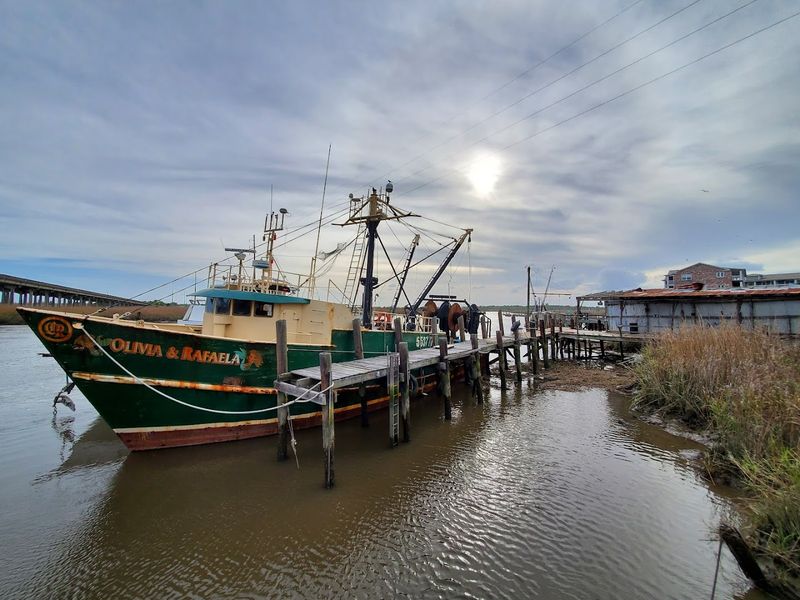
Shrimp boats bobbing in the Altamaha River tell Darien’s story better than any history book could. This coastal town built its identity on the water, and that connection remains visible in every direction you look.
Massive oak trees draped with Spanish moss frame views of working docks where fishing families still make their living from the sea.
The waterfront doesn’t cater to tourists with fancy attractions—it simply exists as it has for generations. Weathered wooden pilings support docks where nets dry between trips.
Local seafood markets sell the daily catch to residents who know quality when they see it. Small restaurants serve shrimp prepared the way grandmothers taught their children, recipes perfected through decades of practice.
Darien moves to the rhythm of tides rather than traffic lights. Morning arrives with fishermen preparing their boats, and evening brings them home with their harvest.
This authentic maritime atmosphere feels increasingly rare along Georgia’s developed coastline, making Darien precious to those who value genuine coastal culture.
Washington
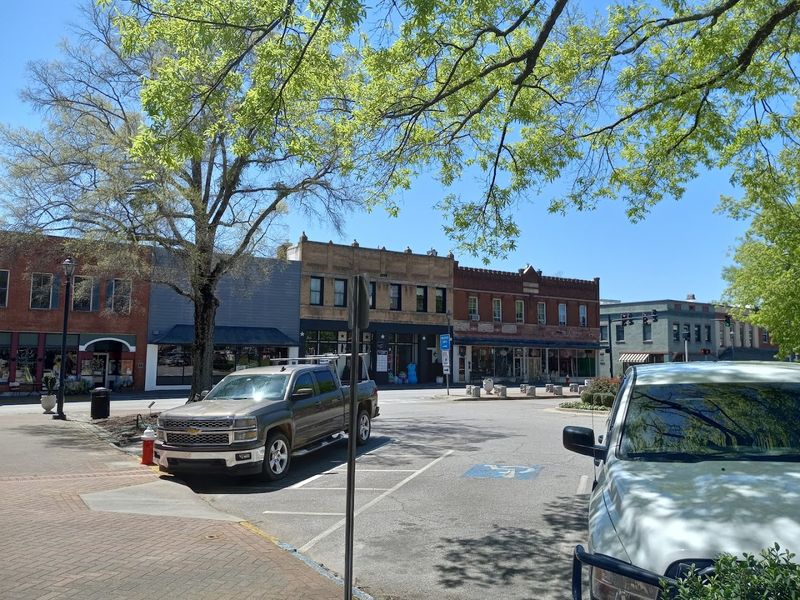
History runs deeper in Washington than in most Georgia towns—this was where the Confederacy held its last cabinet meeting in 1865. That moment in time left the town with an unusually well-preserved historic district that stretches beyond the courthouse square into surrounding neighborhoods.
Buildings that witnessed pivotal American moments still stand, maintained by residents who understand their significance.
The courthouse anchors everything, its classic architecture commanding attention without demanding it. Around the square, businesses operate from structures that have housed commerce for over 150 years.
These aren’t reproductions or reconstructions—they’re original buildings adapted thoughtfully for modern use while respecting their bones and character.
What makes Washington special isn’t just its impressive preservation statistics. It’s how the town lives comfortably within its historic fabric.
Children play in parks overlooked by antebellum homes. Families gather for meals in buildings their great-grandparents knew.
This seamless blend of past and present creates an atmosphere where history feels alive and relevant, not distant or academic.
Eatonton
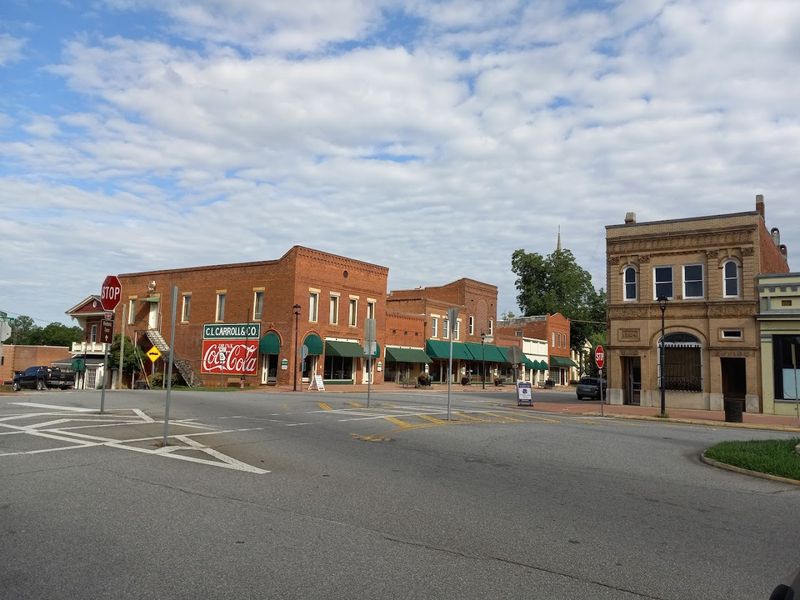
Literary fans know Eatonton as the birthplace of Joel Chandler Harris and Alice Walker, but the town’s charm extends far beyond its famous writers. Nestled in Georgia’s Lake Country, Eatonton maintains the unhurried pace that likely inspired those authors’ observations about Southern life.
Wide streets lined with classic storefronts create a downtown that feels comfortably worn rather than artificially quaint.
The nearby lakes influence life here without overwhelming it. Residents enjoy water recreation, but Eatonton never became a tourist destination competing with its own identity.
Instead, it remains a place where locals gather at the same restaurants their parents favored, where Friday night football matters, and where everyone recognizes the mail carrier by name.
This authenticity gives Eatonton its distinctive character. No one here is performing “small town life” for visitors—they’re simply living it.
The result feels refreshingly genuine, like finding an old photograph that captures a moment without posing for it. Eatonton reminds us that the best Southern charm comes from being real, not perfect.
Social Circle
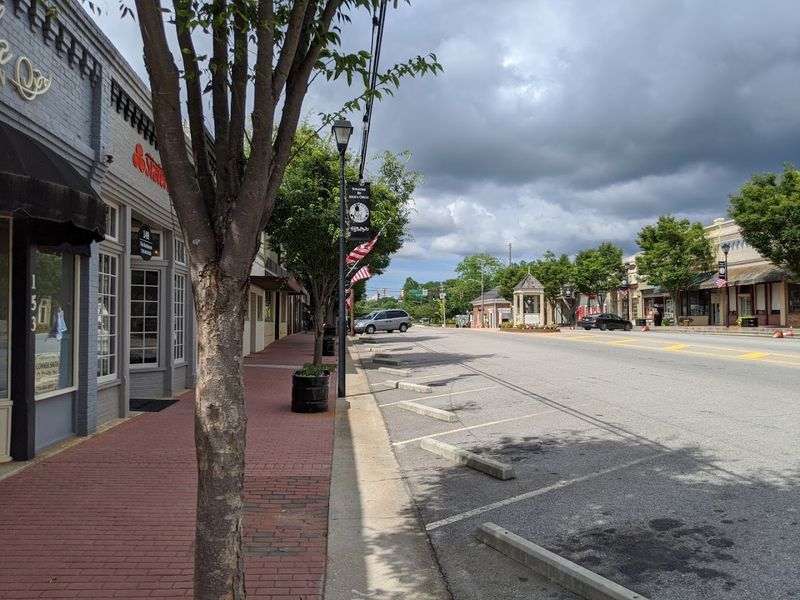
The railroad built Social Circle, and you can still feel that heritage in the town’s layout and rhythm. Historic storefronts line the main street, many displaying architectural details from the era when trains brought prosperity and connection to small Georgia communities.
Unlike many railroad towns that faded when the trains became less important, Social Circle maintained its core identity through changing times.
Downtown businesses reflect the tight-knit community that gives Social Circle its name. Local families own most shops and restaurants, creating continuity between generations.
The same spaces that once sold dry goods or hardware now offer different products, but the personal service remains constant. Shopkeepers know their customers, remember their preferences, and take time for conversation.
This community cohesion creates an atmosphere that newcomers notice immediately. People wave at passing cars even when they don’t recognize the driver.
Neighbors help each other without being asked. Social Circle earned its name honestly—this town still believes in looking out for one another, maintaining connections that larger communities often lose.
Americus
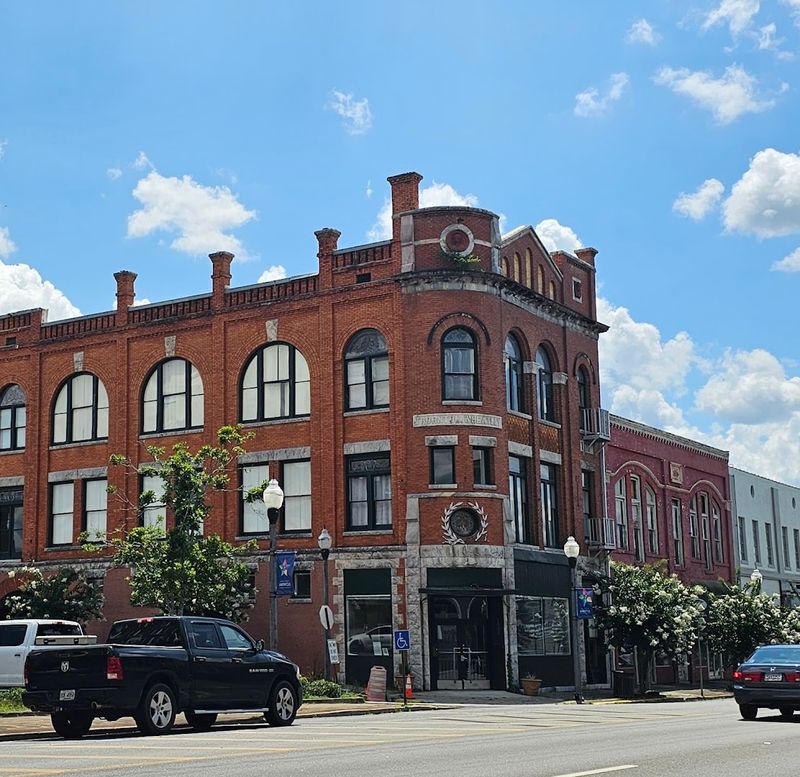
The Windsor Hotel dominates Americus’s skyline like a Victorian-era exclamation point, its tower visible from miles around. Built in 1892, this architectural masterpiece anchors a downtown filled with similarly impressive structures from Southwest Georgia’s prosperous past.
Walking these streets reveals layer upon layer of architectural detail—decorative brickwork, ornate cornices, and grand entrances that reflect an era when craftsmanship mattered deeply.
Americus doesn’t just preserve these buildings; the town actively uses them. The Windsor operates as a luxury hotel, restaurants fill restored storefronts, and businesses thrive in spaces their founders would recognize.
This practical preservation keeps downtown vibrant rather than turning it into an outdoor museum. People come here to live and work, not just to admire old buildings.
The town square remains Americus’s beating heart, hosting markets, festivals, and casual gatherings throughout the year. Families spread blankets for concerts, children chase each other around monuments, and friends meet for coffee at sidewalk cafes.
This active community life gives Americus its authentic Southern charm.
Hartwell
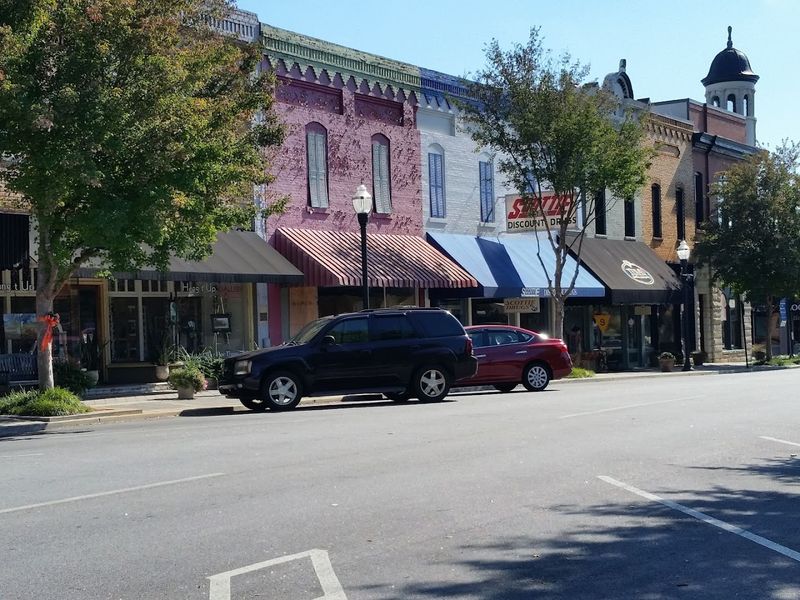
Lake Hartwell’s proximity shapes everything about this town, but Hartwell never became just another lakeside resort. The traditional downtown square maintains its importance even though water recreation draws many residents and visitors.
This balance between lake life and town life creates a unique atmosphere where people enjoy modern recreational opportunities while respecting older community traditions.
The square itself features classic small-town Georgia architecture—a courthouse, surrounding shops, and spaces designed for gathering rather than rushing through. Local businesses cater to both year-round residents and lake visitors without losing their character to tourist trends.
Hardware stores still sell fishing gear alongside lawn mowers, and restaurants serve both lake crowds and church groups with equal enthusiasm.
Neighborliness defines Hartwell’s culture more than any single feature. Whether discussing fishing conditions at the marina or produce quality at the farmers market, conversations flow easily between strangers.
This friendliness isn’t manufactured for tourism—it’s genuine Southern hospitality practiced daily. Hartwell shows that growth and tradition can coexist when a community values both.
Greensboro
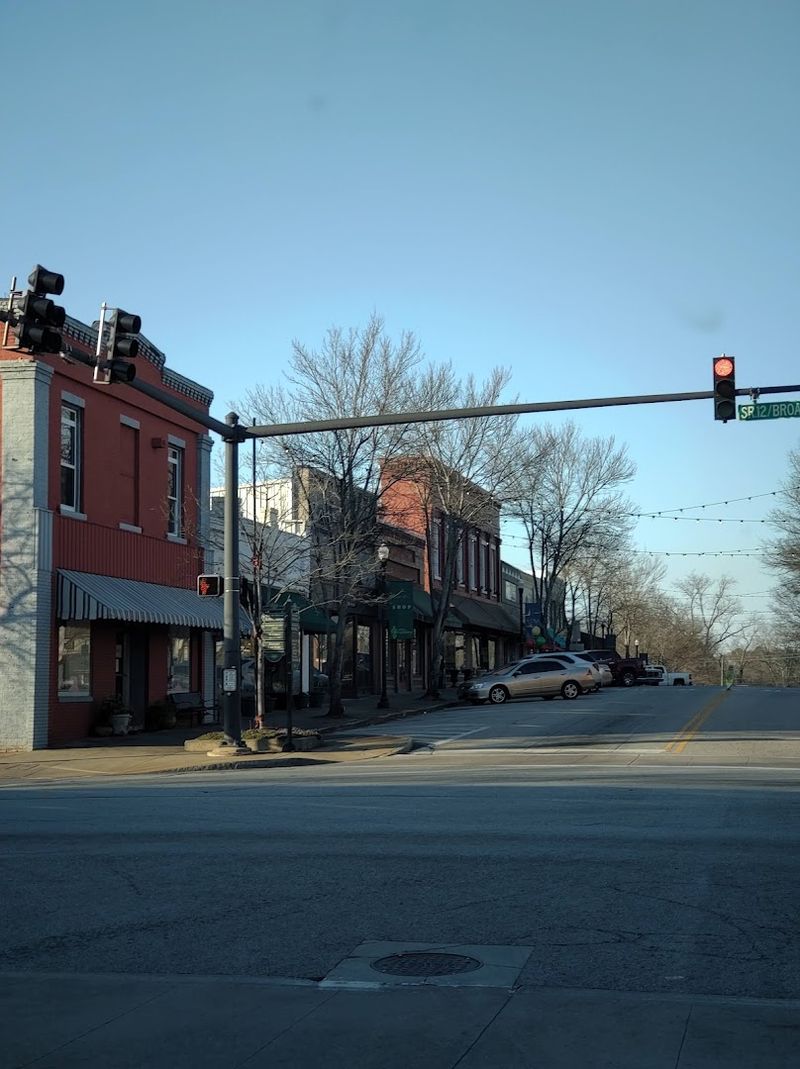
Positioned near Lake Oconee but maintaining distinct separation from resort development, Greensboro preserves a refined Southern lifestyle that predates the lake’s creation. Historic buildings surround the courthouse square, their architecture reflecting the town’s antebellum prosperity.
Tree-lined residential streets extend outward, where substantial homes sit on generous lots, their porches and gardens tended with obvious pride.
The town’s pace feels deliberately unhurried, as if rushing contradicts some unwritten local code. Downtown shops open when they open, close when they close, and nobody seems stressed about it.
Restaurants serve meals that take time to prepare properly. People pause their errands to chat on sidewalks, catching up on family news and community events.
This relaxed atmosphere doesn’t indicate laziness—it reflects priorities. Greensboro values quality over speed, relationships over transactions, and tradition over trends.
The town attracts people seeking escape from constant connectivity and hurry. Here, Southern charm means having time to be kind, space to be thoughtful, and freedom to appreciate life’s quieter pleasures without apology.
Clarkesville
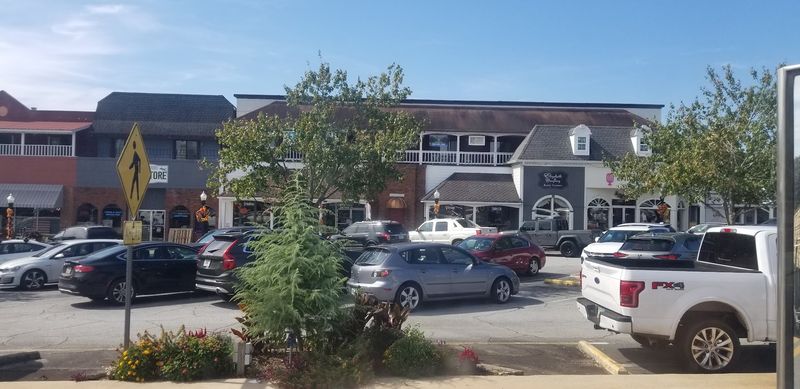
Mountains change everything about a town’s character, and Clarkesville proves this beautifully. Nestled in North Georgia’s foothills, the town combines traditional Southern charm with mountain culture’s independent spirit.
The historic district features buildings adapted to sloping terrain, their foundations and porches adjusted to work with hillsides rather than against them.
Local businesses reflect the community’s connection to mountain heritage. Crafts stores sell work by regional artisans keeping traditional skills alive.
Restaurants serve both classic Southern dishes and Appalachian specialties that reflect the area’s unique culinary traditions. Outfitters supply hikers and outdoor enthusiasts drawn to nearby trails and waterfalls.
Clarkesville’s residents exhibit the mountain region’s characteristic self-reliance tempered by strong community bonds. People help neighbors because that’s what you do in mountain communities where isolation once meant survival depended on mutual aid.
This combination of independence and interdependence creates a distinctive culture that feels both Southern and specifically Appalachian. Clarkesville honors both influences without favoring either, resulting in authentic mountain-town charm that can’t be replicated elsewhere.
Monticello
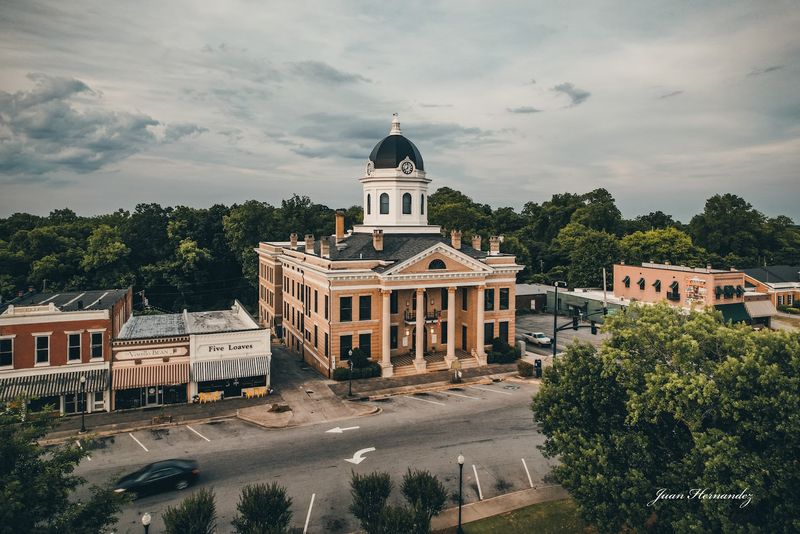
Monticello is a quietly charming small town in central Georgia that captures the essence of traditional Southern life without the crowds or commercialization found in larger destinations. Centered around its historic courthouse square, the town is lined with locally owned shops, antique stores, and casual cafés that give it a relaxed, familiar rhythm.
Much of Monticello’s appeal comes from its well-preserved architecture, including 19th-century homes, tree-lined residential streets, and buildings that reflect its long history as a rural county seat.
The town is also known for its strong sense of community and slower pace, where daily life still revolves around local gatherings, seasonal festivals, and courthouse square events. Visitors often appreciate how walkable and unhurried the downtown area feels, especially compared to more tourist-driven Georgia towns.
Surrounded by gentle countryside, Monticello offers a peaceful backdrop that enhances its small-town character. It’s not a destination built for spectacle, but rather for experiencing authentic Georgia charm—simple, historic, and deeply rooted in local tradition.
Barnesville
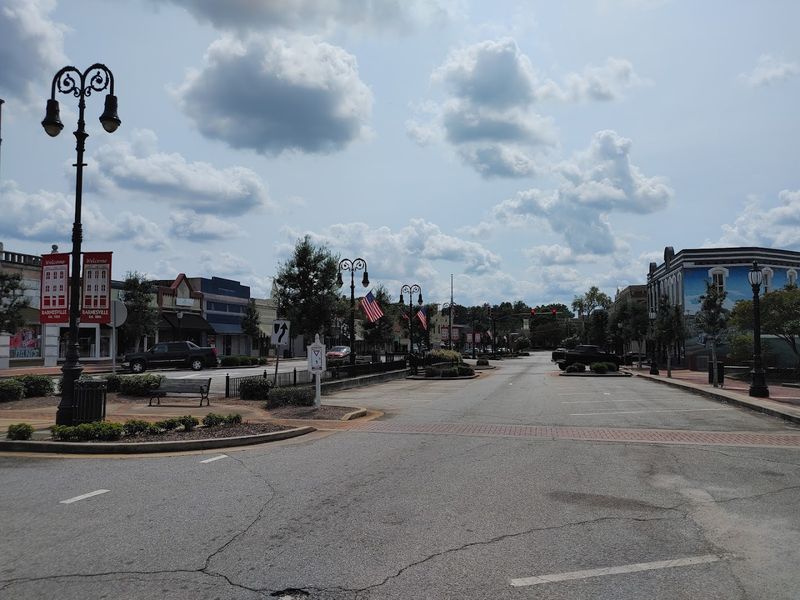
Barnesville is a classic small Georgia town that reflects a strong sense of history, tradition, and everyday Southern life. Known as the “Buggy Capital of the South” in its early years, the town still carries traces of its manufacturing past while maintaining a welcoming, small-town atmosphere centered around its historic downtown district.
Brick storefronts, a traditional courthouse square, and locally owned businesses give Barnesville a grounded, unpolished charm that feels genuinely local.
The town is also home to Gordon State College, which adds a subtle youthful energy to its otherwise relaxed pace. Community events, parades, and seasonal festivals play an important role in bringing residents together and reinforcing its close-knit identity.
Unlike more tourist-heavy destinations, Barnesville remains primarily a residential and regional hub, making its charm feel natural rather than curated. Tree-lined neighborhoods and surrounding farmland further emphasize its rural Georgia setting.
For visitors, Barnesville offers an authentic snapshot of small-town life—steady, traditional, and rooted in long-standing Southern community values.