Carrabelle sits tucked away on Florida’s Forgotten Coast, a place where time seems to move slower and tourists rarely crowd the streets.
This small Gulf town offers white-sand beaches, historic landmarks, and a laid-back vibe that feels like stepping back into old Florida.
From climbing a restored lighthouse to enjoying fresh seafood caught that morning, Carrabelle delivers simple pleasures without the theme park chaos.
If you’re searching for an authentic coastal escape with charm to spare, this hidden gem deserves a spot on your travel list.
A Small Gulf Coast City With Old Florida Character
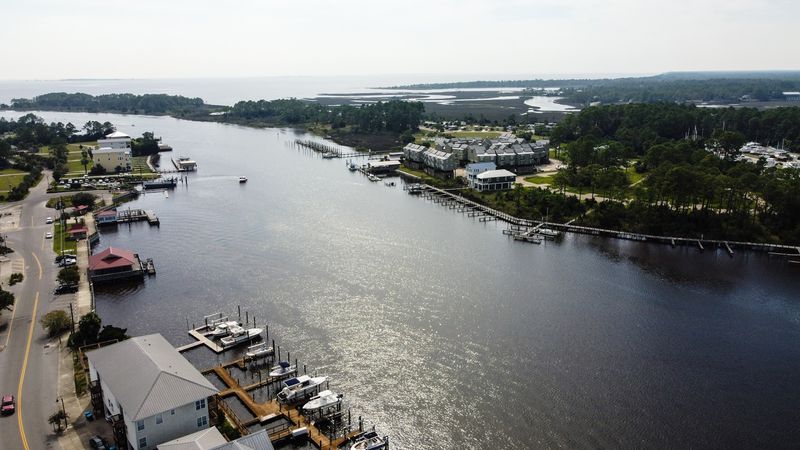
Few places in modern Florida manage to preserve authentic coastal character like Carrabelle does. This small panhandle city has avoided the high-rise hotels and chain restaurants that dominate much of the state’s shoreline.
Instead, weathered fishing docks, locally owned shops, and friendly neighbors define the community.
Downtown feels like stepping back several decades. Historic buildings line quiet streets where the pace moves at a refreshing crawl.
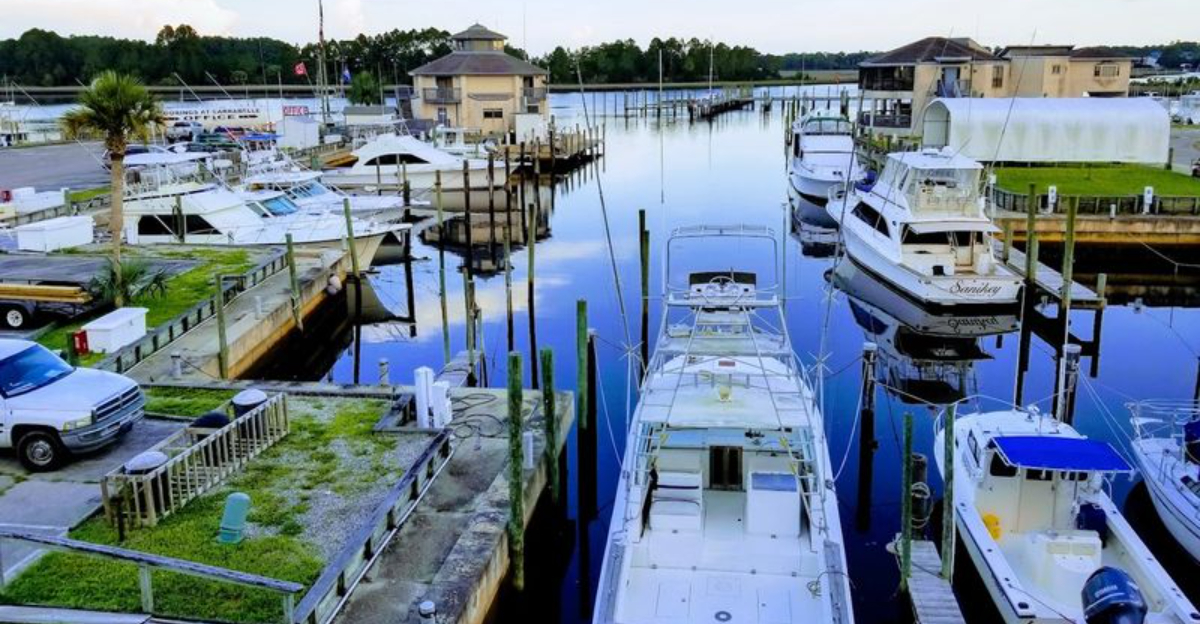
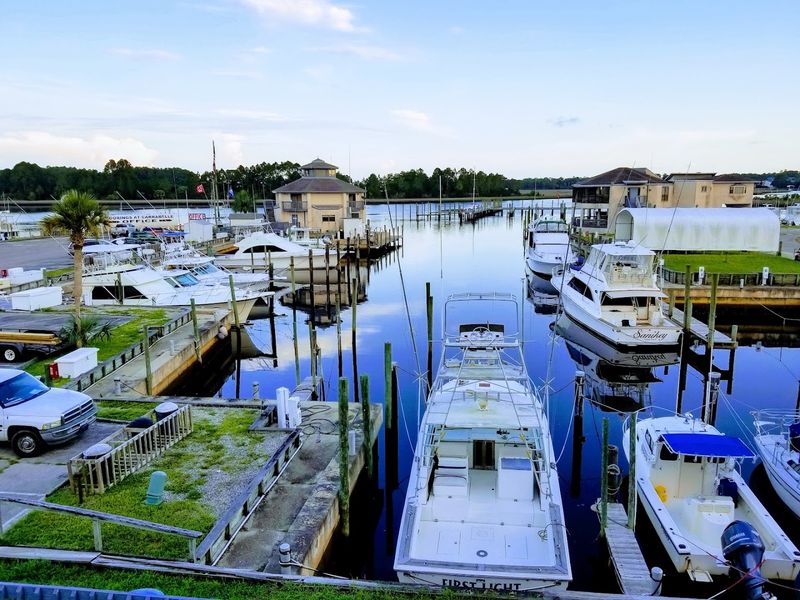
The working waterfront stays busy with shrimp boats and fishing vessels throughout the day.
Carrabelle’s appeal lies in simplicity rather than flashy attractions. Watching pelicans dive, chatting with fishermen about their catch, or enjoying uncrowded sunsets makes up a typical afternoon.
Families and retirees especially appreciate this unhurried atmosphere.
Located roughly an hour from Tallahassee, the town offers convenient access while feeling worlds apart. It’s where vacation means truly unplugging and remembering what Florida’s coast used to be.
The genuine small-town vibe and Old Florida charm remain refreshingly intact despite changes elsewhere along the Gulf.
The Historic Crooked River Lighthouse
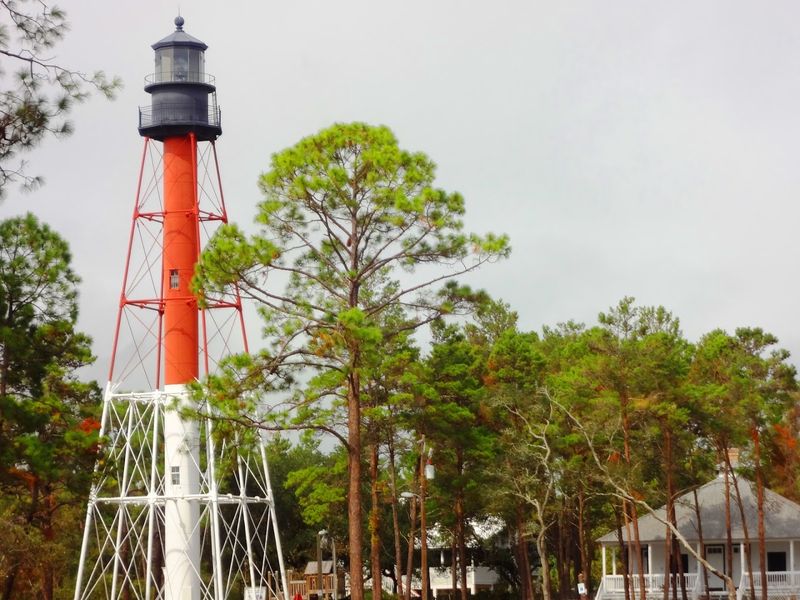
Standing 103 feet above the coastline, the Crooked River Lighthouse has guided mariners since 1895. The restored beacon represents one of Florida’s best-preserved examples of maritime architecture.
Visitors can climb the 139 steps spiraling to the observation deck for breathtaking panoramic views across the Forgotten Coast.
The lighthouse keeper’s quarters now house a small museum filled with nautical artifacts and local history. Old photographs, navigation equipment, and stories about shipwrecks help paint a vivid picture of coastal life over a century ago.
Volunteers share fascinating tales about lighthouse operations and the families who maintained this critical navigation aid.
Special events throughout the year celebrate the lighthouse’s heritage. Full moon climbs, historical reenactments, and educational programs attract both curious tourists and history enthusiasts.
The grounds surrounding the tower feature coastal gardens and interpretive signs explaining the region’s ecology.
Admission remains affordable for families. The site operates as a non-profit dedicated to preservation and education.
Photography enthusiasts especially love the structure’s distinctive red roof and black-and-white striped tower against brilliant blue skies.
Carrabelle Beach and Quiet White-Sand Shores
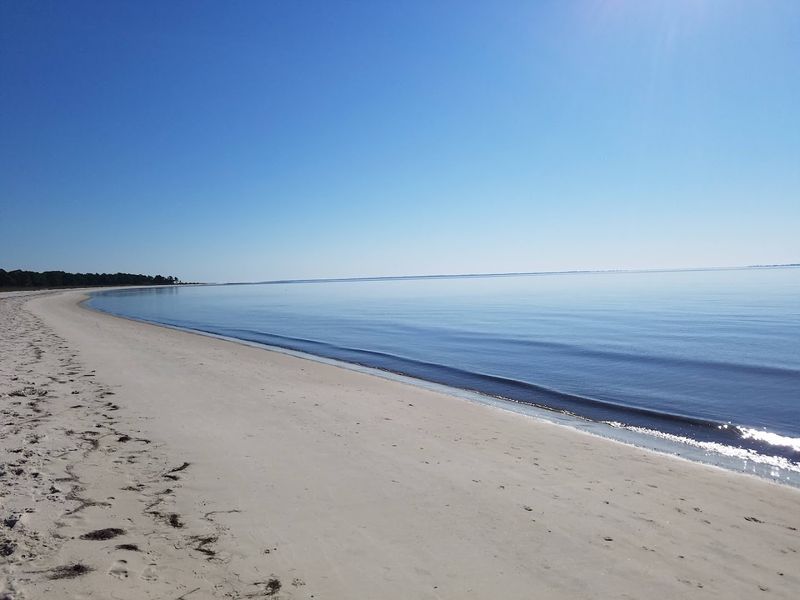
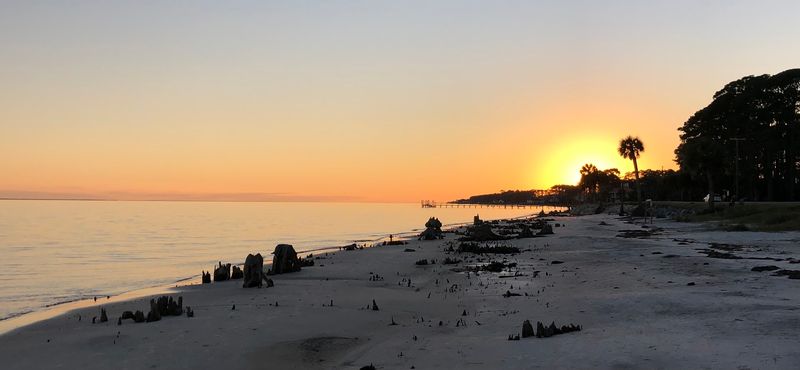
Unlike Destin or Panama City Beach, Carrabelle’s shoreline offers something increasingly rare—elbow room. Soft white sand stretches along calm Gulf waters where crowds simply don’t exist.
You might walk for an hour spotting only a handful of other beachgoers.
The gentle slope and shallow waters make swimming ideal for families with young children. Warm temperatures prevail through most seasons, and the protected location keeps wave action minimal.
Parents appreciate being able to relax without constant vigilance in rough surf.
Shell collectors find excellent treasures along these shores. Sand dollars, conch shells, and colorful fragments wash up regularly, especially after storms.
Early morning walks often yield the best finds before anyone else arrives.
Sunset watching becomes a nightly ritual for visitors staying nearby. The sky transforms into brilliant oranges and pinks as the sun melts into the horizon.
Bring a beach chair, some snacks, and a camera—you’ll want to capture these moments.
Public access remains easy with several entry points and parking areas. No fees or reservations required.
Just show up and enjoy one of Florida’s most peaceful coastal experiences.
A Rich Maritime and Fishing Heritage
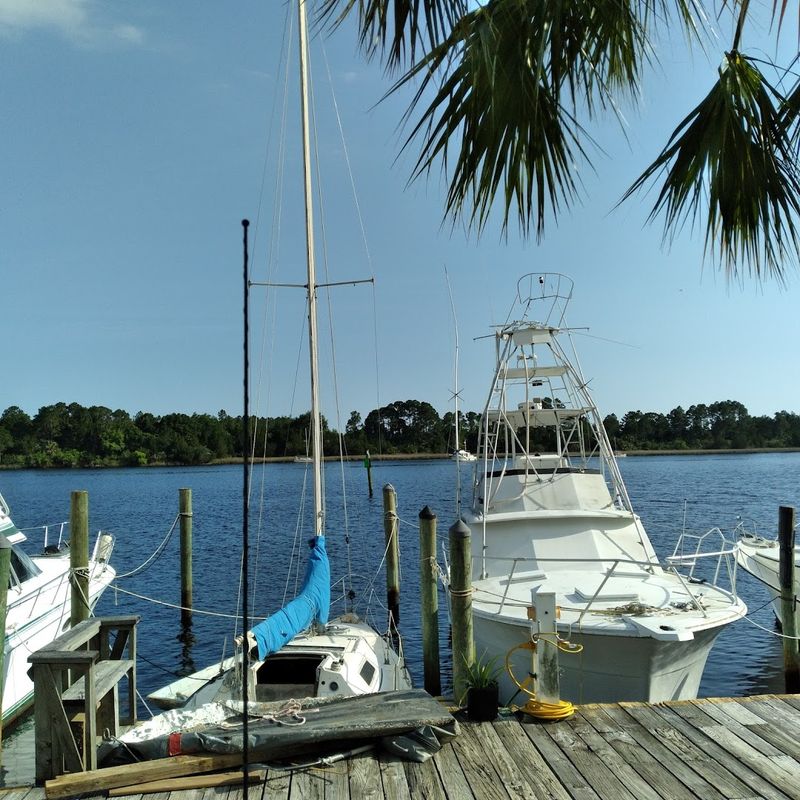
Fishing isn’t just recreation here—it’s woven into the town’s DNA. For generations, commercial operations have supported local families through shrimping, oystering, and various seafood harvests.
The working docks tell stories of early mornings, hard work, and deep connections to Gulf waters.
Charter fishing boats depart daily with anglers seeking grouper, redfish, and king mackerel. Experienced captains know exactly where fish congregate during different seasons.
Both novices and skilled fishermen leave satisfied after productive trips.
Oyster bars dot the surrounding waters, and Apalachicola Bay’s famous harvest includes areas near Carrabelle. Local oystermen continue traditional tonging methods passed down through families.
Fresh oysters appear on restaurant menus within hours of being pulled from the water.
The annual Riverfront Festival celebrates this maritime heritage each fall. Boat displays, seafood tastings, and demonstrations showcase skills that keep traditions alive.
Children learn net-casting techniques while adults swap fishing stories.
Visitors interested in this culture can tour working docks, watch boats unload their catches, and chat with fishermen. The authentic maritime atmosphere provides stark contrast to Florida’s tourist-focused coastal areas.
The World’s Smallest Police Station
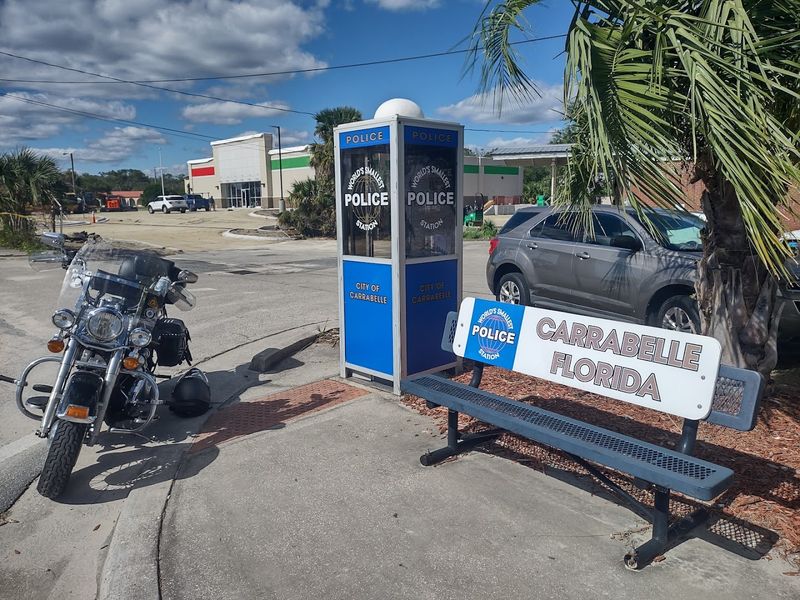
Measuring just 64 square feet, Carrabelle’s former police station earned recognition as the world’s smallest. Originally a phone booth, this tiny blue building served actual law enforcement purposes from 1963 to the early 2000s.
Officers radioed in from patrol vehicles, making the cramped quarters somewhat functional.
How did this oddity come about? Police needed a dry place to answer calls since they shared space with city hall.
Someone suggested converting an old phone booth, and local history was born. The quirky solution attracted national media attention over the decades.
Today it stands as a beloved roadside curiosity and photo opportunity. Tourists stop constantly to snap pictures and marvel at the miniature structure.
It’s become one of Florida’s most unusual landmarks despite—or perhaps because of—its complete lack of pretension.
Located near downtown, the station is easy to find and free to visit. Bring your camera and sense of humor.
The site represents Carrabelle’s unpretentious character perfectly—a town that doesn’t take itself too seriously but treasures its unique history and oddball charm.
Gateway to St. George Island and the Forgotten Coast
Carrabelle’s location makes it the perfect jumping-off point for exploring nearby natural treasures. St. George Island lies just minutes away across the causeway, offering 28 miles of undeveloped beaches and Dr. Julian G.
Bruce St. George Island State Park. The barrier island remains blissfully uncommercialized compared to most Florida beach destinations.
Apalachicola National Forest borders the area to the north, providing thousands of acres for hiking, camping, and wildlife observation. Rare red-cockaded woodpeckers nest in longleaf pine forests, while black bears occasionally wander through remote sections.
St. Vincent National Wildlife Refuge occupies a pristine island accessible only by boat. Sambar deer, alligators, and over 200 bird species thrive in protected habitats.
Guided tours educate visitors about conservation efforts and ecological significance.
The entire Forgotten Coast region earns its name through sparse development and natural beauty. From Carrabelle, you can easily day-trip to multiple state parks, wildlife areas, and quiet coastal communities.
Each maintains that Old Florida atmosphere increasingly difficult to find.
Staying in Carrabelle provides affordable accommodations while keeping everything within reach. You get small-town tranquility plus easy access to premier natural attractions.
Fresh Gulf Seafood and Local Dining
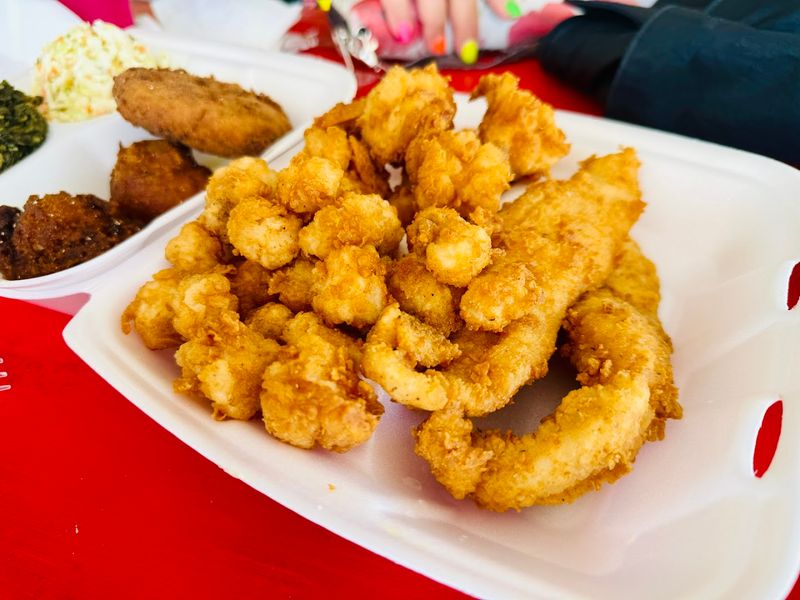
Eating in Carrabelle means tasting the Gulf itself. Local restaurants serve seafood caught that morning by boats you can see from dining room windows.
Oysters arrive still briny from nearby beds, shrimp get delivered straight from trawlers, and grouper couldn’t be fresher.
Casual waterfront spots dominate the dining scene. Don’t expect white tablecloths or extensive wine lists—think plastic baskets, paper napkins, and absolutely delicious food.
Fried grouper sandwiches, steamed shrimp by the pound, and raw oysters on the half shell represent menu staples.
Several restaurants occupy buildings that have served the community for decades. Owners often know customers by name, and servers share recommendations without pretension.
The atmosphere stays relaxed whether you’re sunburned from the beach or dressed for dinner.
Local specialties include Apalachicola Bay oysters prepared multiple ways. Try them raw, steamed, or in traditional oyster stew.
Smoked mullet dip appears on most menus as a regional favorite worth sampling.
Prices remain reasonable compared to tourist-heavy coastal areas. You’ll eat exceptionally well without breaking the budget, experiencing authentic Gulf Coast cuisine in its natural habitat.
Outdoor Adventures on the Water
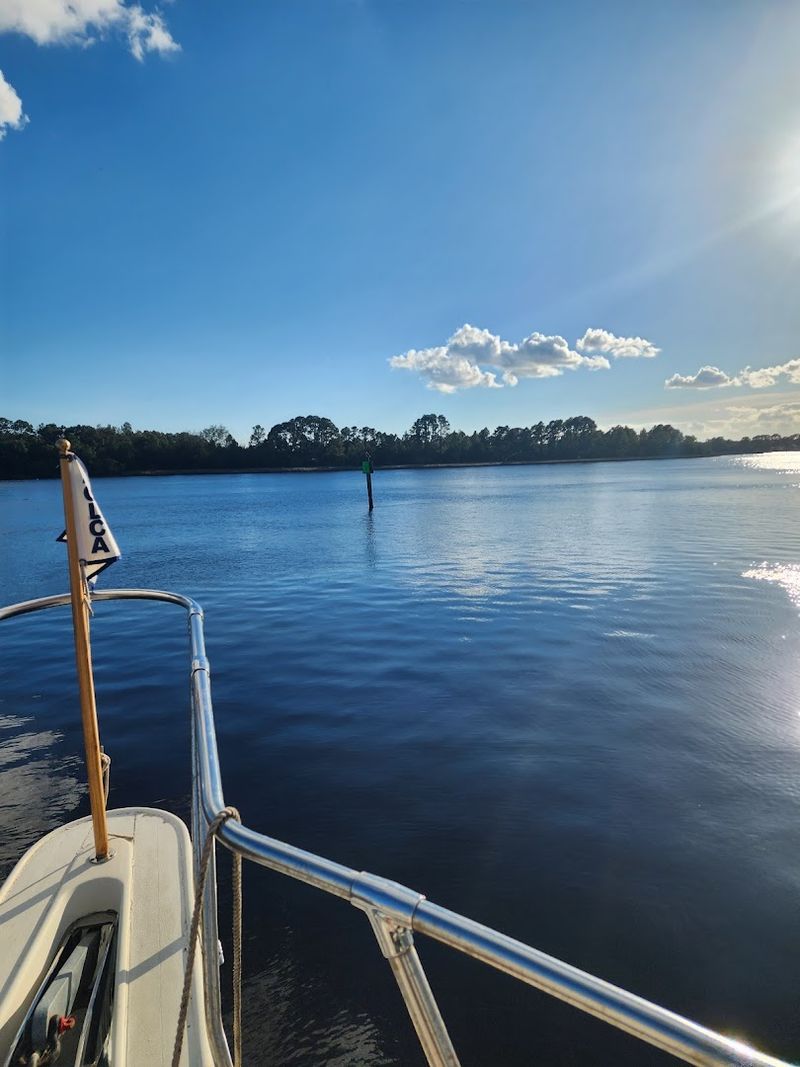
Water sports thrive in Carrabelle thanks to easy access to rivers, bays, and the Gulf of Mexico. Kayaking through protected marshes reveals herons, dolphins, and countless fish species in their natural habitats.
Calm morning paddles offer the best wildlife viewing before boat traffic picks up.
Stand-up paddleboarding has gained popularity along sheltered shorelines. The typically gentle conditions make learning easy for beginners while still providing enjoyable outings for experienced paddlers.
Rental shops downtown provide equipment and route suggestions.
Fishing opportunities seem endless here. Inshore anglers target redfish and speckled trout around grass flats and oyster bars.
Offshore trips pursue bigger game like kingfish, amberjack, and grouper. Pier fishing costs nothing and still produces regular catches.
Boating excursions range from leisurely sunset cruises to adventurous island-hopping expeditions. The Carrabelle River offers protected navigation, while bolder captains venture into open Gulf waters.
Multiple boat ramps provide public access.
Nature lovers appreciate how these activities showcase the area’s ecological richness. You’re not just recreating—you’re experiencing a thriving coastal ecosystem up close.
Every outing brings new discoveries and unforgettable moments on Florida’s beautiful Forgotten Coast.
A Relaxed Community That Feels Untouched by Time
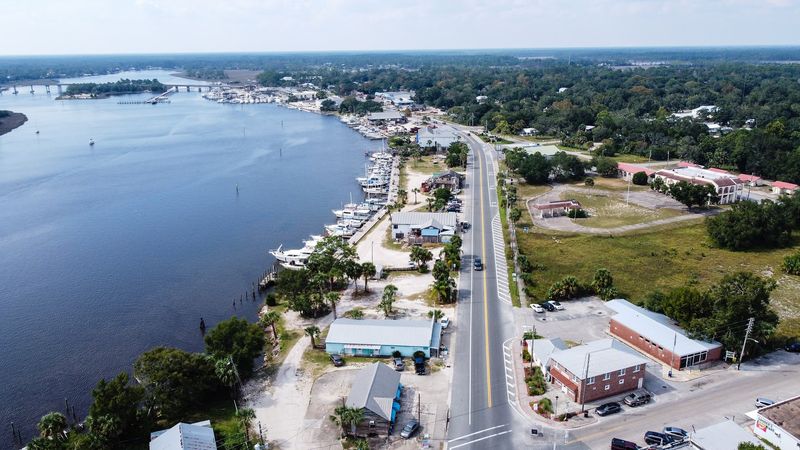
Life in Carrabelle moves at a noticeably slower pace than in many of Florida’s crowded beach destinations, and that unhurried atmosphere is a major part of the city’s charm. Small locally owned businesses, family-run seafood restaurants, quiet marinas, and historic buildings give Carrabelle a sense of authenticity that visitors often describe as “Old Florida.” Instead of high-rise resorts and packed tourist districts, the city offers peaceful streets, friendly locals, and scenic coastal views that feel refreshingly simple and genuine.
Fishing boats still line the waterfront, and it is common to see residents gathering at docks, parks, and local shops throughout the day. The surrounding natural beauty also adds to the timeless feeling, with nearby beaches, pine forests, and waterways remaining largely undeveloped compared to many parts of the state.
For travelers looking to escape heavy crowds and experience a quieter side of Florida’s Gulf Coast, Carrabelle offers a calm and welcoming setting that feels pleasantly removed from modern tourist culture.
Visitor Information
Carrabelle is located along Florida’s Panhandle on U.S. Highway 98 in Franklin County, making it a quiet coastal stop on the scenic Forgotten Coast route.
The closest major city and airport access point is Tallahassee, about an hour to a little over an hour’s drive northwest, where travelers can find rental cars and full travel services. Carrabelle itself is a small community, so accommodations tend to be limited to small motels, vacation rentals, and nearby coastal inns rather than large resorts.
Key attractions include the Crooked River Lighthouse, Carrabelle Beach, and easy day trips to nearby barrier islands and state parks such as St. George Island. The best times to visit are typically spring and fall, when temperatures are mild, humidity is lower, and outdoor activities like beachgoing, fishing, kayaking, and lighthouse tours are most comfortable.
Summer is warmer and more humid but offers quieter beaches compared to Florida’s major tourist hubs. Visitors should also note that dining and services can be limited in scale, so planning ahead enhances the experience.