Florida’s Gulf Coast hides some remarkable secrets beyond the crowded tourist hotspots.
These peaceful beach communities offer soft white sand, calm turquoise waters, and a slower pace of life that feels almost forgotten in time.
Whether you’re searching for empty shorelines perfect for shelling or small towns where locals still outnumber visitors, this stretch of coastline delivers authentic coastal living.
Pack your beach bag and discover these twelve hidden gems where relaxation comes naturally and crowds stay blissfully absent.
St. George Island
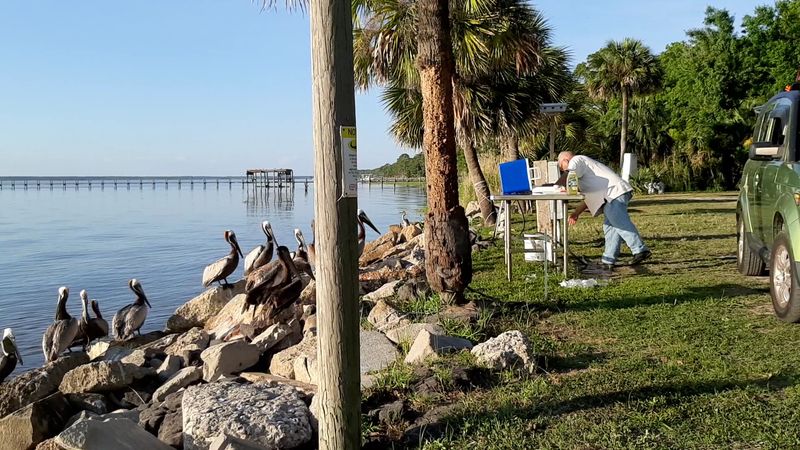
Protected by strict building codes, this barrier island treasure remains refreshingly natural compared to Florida’s overdeveloped beaches. Long stretches of untouched shoreline greet visitors who crave solitude and genuine coastal beauty without the noise of jet skis or beach bars.
Families appreciate the gentle surf here, making it ideal for young swimmers and paddleboarders. The island’s state park covers most of the eastern end, ensuring miles of preserved habitat where shorebirds nest and sea turtles come ashore during nesting season.
Local vacation rentals range from cozy beach cottages to comfortable homes, but you won’t find any towering condos blocking sunset views. The island’s commitment to low-density development means even peak summer weekends feel manageable compared to Destin or Clearwater.
Fishing enthusiasts love the productive waters surrounding the island, while shell collectors find treasures washed up after storms. Morning beach walks often mean having entire stretches of sand completely to yourself, creating that rare feeling of discovering your own private paradise.
Cape San Blas
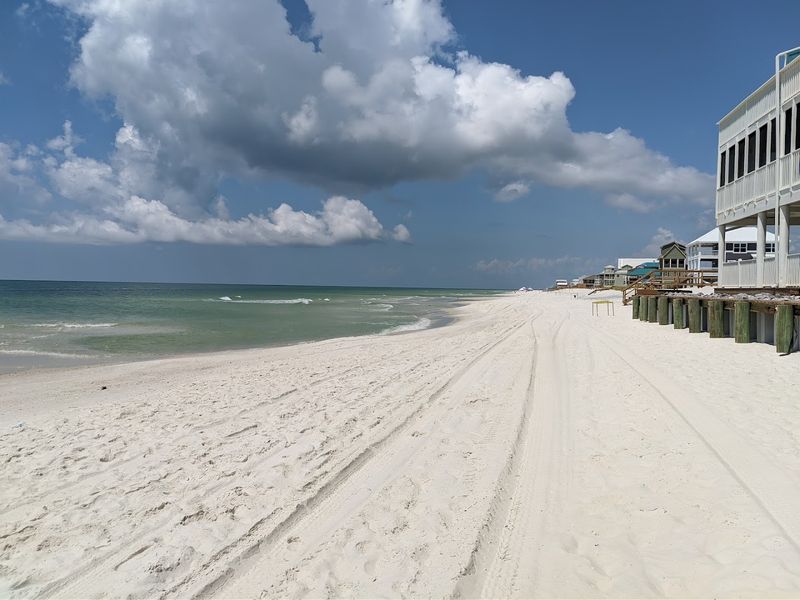
Jutting into the Gulf along Florida’s so-called Forgotten Coast, this peninsula feels like stepping back to Old Florida before tourism took over. Wide beaches stretch for miles with nothing but dunes, sea oats, and occasional pieces of driftwood interrupting the natural landscape.
The lack of commercial development here is intentional and refreshing. You won’t find chain restaurants, souvenir shops, or crowded boardwalks competing for your attention—just pure coastal tranquility.
Shelling becomes almost meditative along these shores where spectacular finds wash up regularly after Gulf storms. Sandbars appear during low tide, creating shallow pools perfect for kids to explore safely while parents relax nearby.
Several small vacation rental companies manage properties here, mostly single-family homes tucked behind the dunes. St. Joseph Peninsula State Park protects much of the cape’s northern section, offering camping sites for those who want to wake up to ocean sounds.
Sunset watching from these beaches ranks among Florida’s finest, with unobstructed western horizons painting the sky in brilliant oranges and purples each evening.
Apalachicola
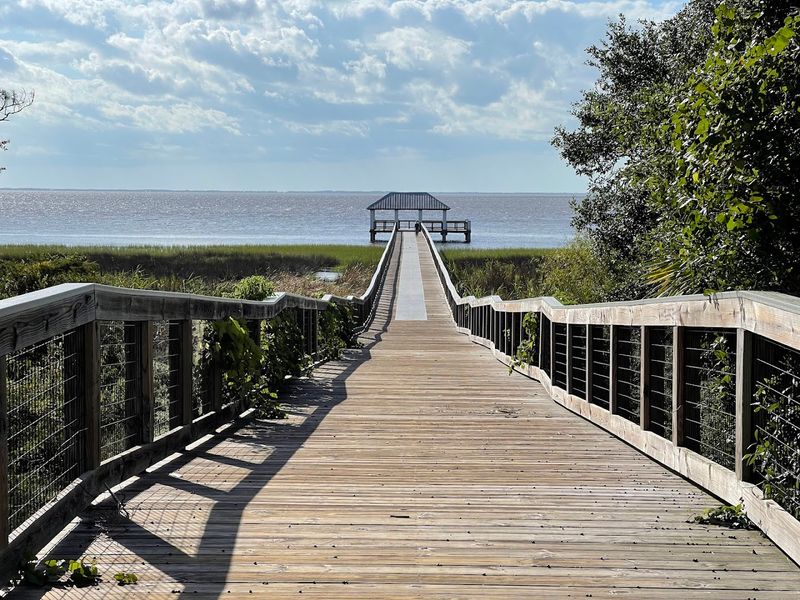
Oysters built this charming town, and the maritime heritage shows in every weathered dock and working boat harbor. Though Apalachicola sits on the bay rather than directly on Gulf beaches, it serves as the gateway to St. George Island’s pristine shores just minutes away across the bridge.
Walking the historic downtown feels like visiting a coastal village frozen in the 1950s. Independent bookshops, seafood markets, and family-owned restaurants line the streets where locals still outnumber tourists most days of the year.
The town’s slower rhythm appeals to travelers seeking authenticity over resort amenities. Fresh oysters come straight from the bay to restaurant tables, while shrimpers unload their catches at sunset for tomorrow’s dinner specials.
Victorian-era homes converted to bed-and-breakfasts offer lodging with character and personal touches impossible at chain hotels. Art galleries showcase regional artists, and the annual literary festival attracts booklovers from across the Southeast.
After exploring town, beach seekers drive five minutes to reach the uncrowded sands of nearby St. George Island for swimming and shelling.
Carrabelle
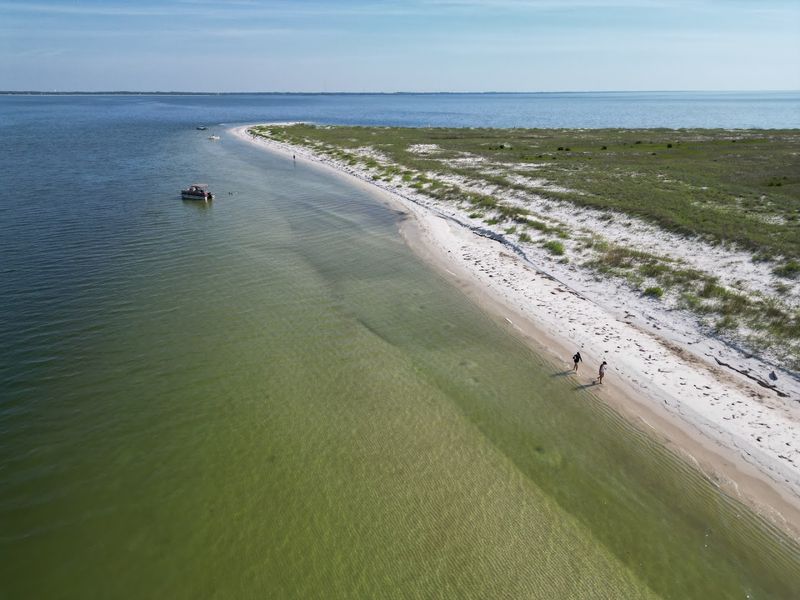
Where rivers meet marshes and eventually flow into the Gulf, Carrabelle remains wonderfully under the radar for most Florida tourists. The town’s fishing pier extends far into the bay, attracting anglers hoping for redfish, speckled trout, and flounder rather than sunbathers seeking perfect tans.
Commercial development here means a handful of seafood restaurants and bait shops, not resort complexes. The pace feels distinctly rural and unhurried, with locals greeting visitors like neighbors rather than customers.
History buffs appreciate the World War II-era Camp Gordon Johnston Museum, highlighting the area’s military training past. The town’s claim to having the world’s smallest police station—a phone booth—adds quirky charm to its waterfront park.
Beach access comes through Carrabelle Beach, where the Big Bend coastline offers different scenery than typical Gulf beaches farther south. Marshes give way to sandy spots perfect for wading and watching dolphins cruise offshore.
Bird watchers thrive here, spotting herons, ospreys, and pelicans in abundant wetland habitats. Vacation rentals remain affordable and authentically Florida coastal rather than cookie-cutter modern.
Cedar Key
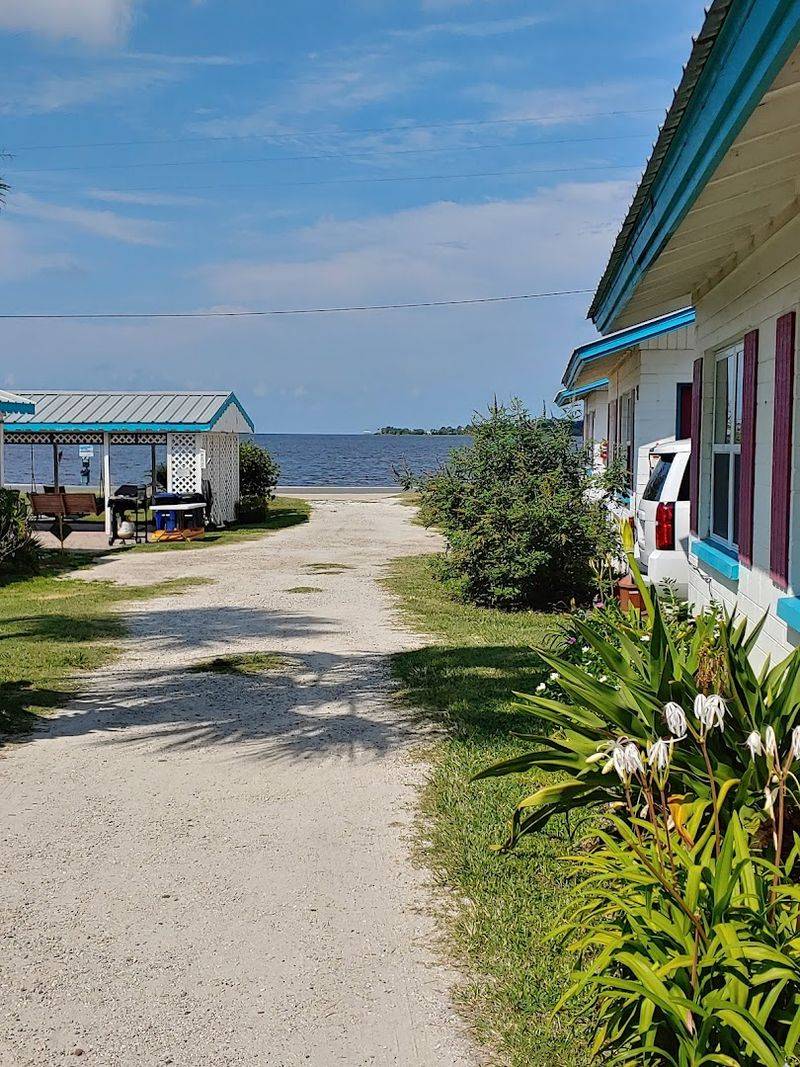
Reaching this remote collection of islands requires driving through marshlands and wildlife refuges, immediately signaling you’re entering somewhere special. Cedar Key attracts nature lovers and kayakers far more than typical beach tourists, and the town embraces its quirky, artistic personality proudly.
Traditional sandy beaches aren’t really the draw here. Instead, shallow waters, oyster bars, and mangrove islands create unique coastal scenery best explored by kayak or small boat.
The tiny downtown consists of maybe four blocks, featuring seafood shacks serving phenomenal clam chowder and fresh mullet alongside galleries selling work by local artists. Hotels are scarce, but charming inns and waterfront cottages provide comfortable bases for exploration.
Cedar Key’s isolation protects it from overdevelopment and crowds. Even during festivals celebrating the town’s maritime heritage, the vibe remains laid-back and welcoming rather than overwhelmed.
Sunset watching from the town dock or waterfront restaurants ranks among Florida’s most memorable experiences, with the sky reflecting off calm waters in brilliant colors. Fishing guides lead trips into backcountry waters where redfish and trout bite eagerly away from crowded Gulf fishing spots.
Mexico Beach
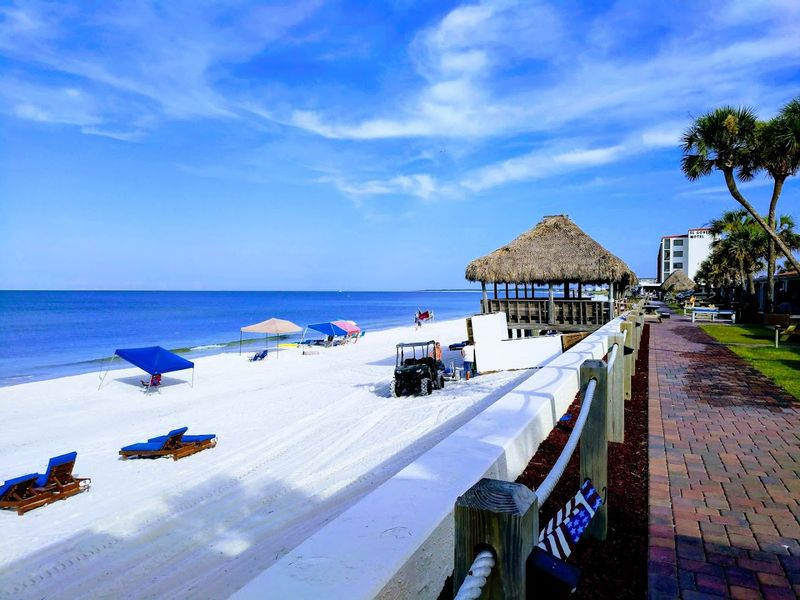
After Hurricane Michael devastated this town in 2018, Mexico Beach rebuilt with the same low-rise, family-friendly character that made it beloved before the storm. City ordinances continue preventing high-rise condos, ensuring the skyline stays horizontal and the atmosphere remains refreshingly uncommercialized.
The beach itself stretches wide and welcoming, with soft white sand perfect for barefoot walks and sandcastle building. Public access points dot the coastline generously, so finding your spot never requires complicated parking or long walks from your car.
Local motels and beach houses provide lodging without corporate sameness or inflated resort fees. The town’s dining scene focuses on fresh seafood served simply rather than trendy fusion concepts, appealing to visitors seeking substance over style.
Families return year after year because kids can bike safely around neighborhoods and parents can actually relax without constant crowds. The lack of nightlife or entertainment complexes might disappoint some, but for those craving genuine beach time without distractions, Mexico Beach delivers perfectly.
Water temperatures stay warm from May through October, and the gentle slope into the Gulf makes swimming comfortable for all ages and abilities.
St. Joe Beach
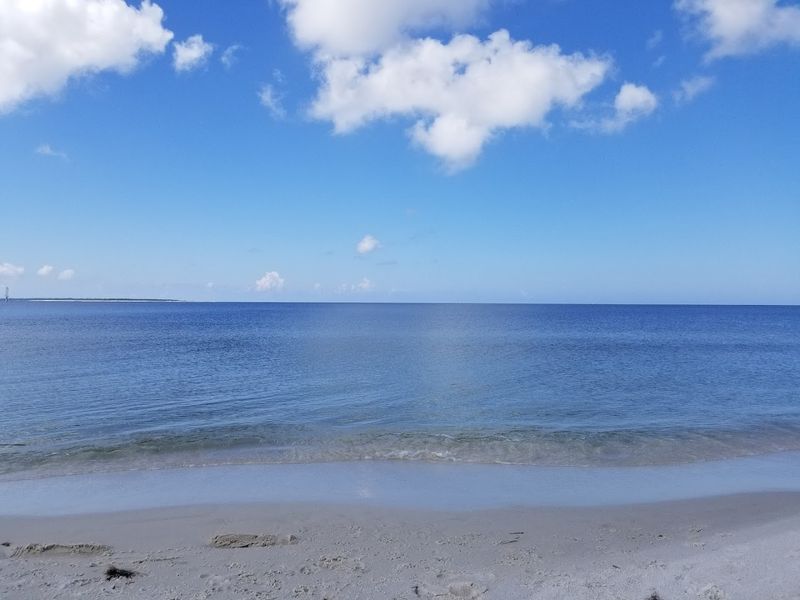
Locals know this stretch of coastline well, but tourists often speed past toward more famous destinations, leaving these gentle shores beautifully uncrowded. Residential homes line much of the beach, but public access remains available for those willing to explore beyond the obvious stops.
The Gulf waters here stay notably calm, making this spot ideal for families with young children or anyone preferring swimming without strong currents or big waves. Sand quality rivals anywhere in Florida—powdery white and cool even on hot summer days.
Development remains tasteful and low-density, with single-family beach houses rather than towering condos dominating the landscape. The peaceful atmosphere attracts retirees, second-home owners, and savvy vacationers who appreciate simplicity over resort amenities.
Nearby Port St. Joe provides restaurants and services, but the beach itself stays wonderfully quiet. Morning beach walks often reveal dolphins feeding close to shore, their dorsal fins cutting through calm morning water.
Shell collecting produces good results after storms, and the lack of crowds means finds don’t get picked over within hours. Sunset colors here paint the western sky dramatically, best enjoyed with a beach chair and absolutely nothing scheduled afterward.
Indian Pass
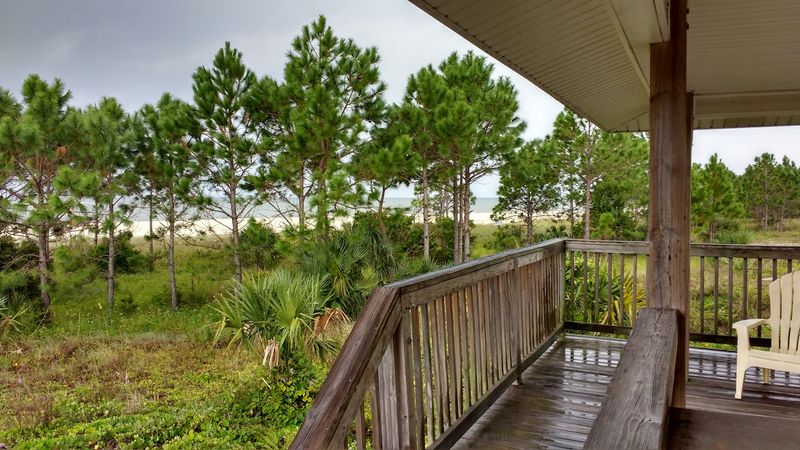
Calling Indian Pass undeveloped would be an understatement—this remote coastal area feels almost untouched by modern tourism. Dirt roads lead to fishing spots and beach access points where you might encounter more shorebirds than people on any given day.
Rustic doesn’t begin to describe the vibe here. Vacation rentals exist but tend toward simple cottages and older beach houses rather than luxury properties, attracting visitors who prioritize location and solitude over amenities and polish.
The beaches themselves showcase nature at its rawest, with dunes, sea oats, and driftwood creating landscapes that photographers love. Strong currents sometimes make swimming challenging, but wading, fishing, and beachcombing offer endless entertainment for those seeking authentic coastal experiences.
Indian Pass serves serious anglers particularly well, with productive waters yielding redfish, trout, and flounder year-round. The absence of commercial development means truly dark night skies perfect for stargazing, with the Milky Way visible on clear evenings.
This area suits independent travelers comfortable without nearby restaurants or shops, rewarding them with solitude becoming increasingly rare along Florida’s coasts. Wildlife sightings happen regularly, from dolphins offshore to shore birds nesting in protected dunes.
Port St. Joe
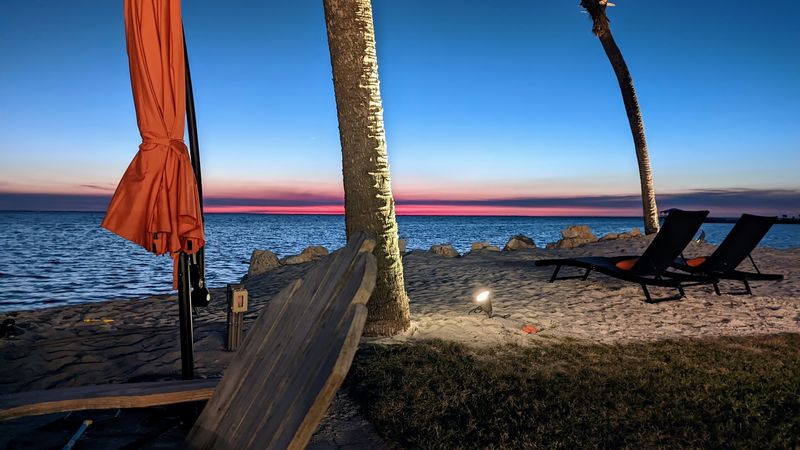
Sitting on beautiful St. Joseph Bay rather than directly on the Gulf, this friendly town moves at a pace that immediately slows your heartbeat and loosens tight shoulders. Local seafood restaurants serve fresh catches to regulars who greet each other by name, creating warmth that chain establishments can never replicate.
The bay’s calm, clear waters attract scalloping enthusiasts during summer season, when families wade shallow flats collecting these tasty shellfish. Downtown shops remain independently owned, offering beach necessities alongside local art and handmade goods.
Lodging ranges from mom-and-pop motels to vacation rentals, all reasonably priced compared to resort areas farther south. The town’s small size means everything stays within easy reach, whether you’re grabbing breakfast or heading to nearby Gulf beaches on the peninsula.
Port St. Joe attracts retirees and families seeking small-town coastal living without tourist trap trappings. The marina hosts fishing tournaments, but nothing feels overly commercialized or manufactured for visitors.
Nearby Cape San Blas provides pristine Gulf beach access when bay swimming doesn’t satisfy, combining the best of both worlds. Local festivals celebrating maritime heritage draw crowds briefly, but normal days remain peacefully uncrowded and authentically Floridian.
Manasota Key
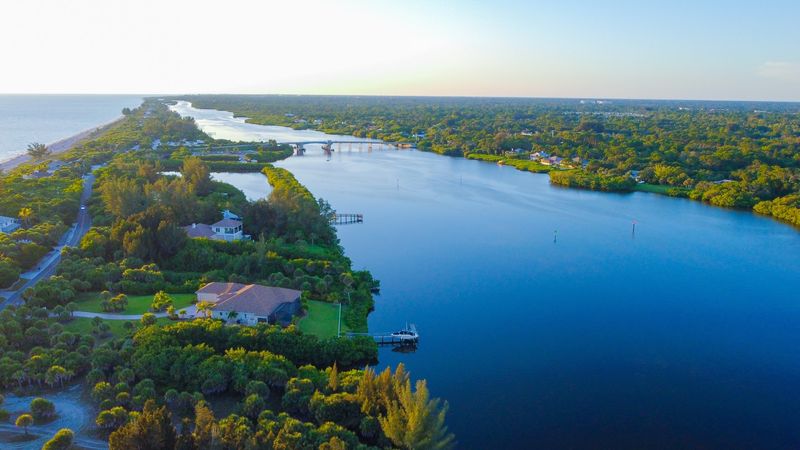
Shell collectors consider this narrow barrier island one of Florida’s best-kept secrets, with abundant fossilized shark teeth and colorful shells washing ashore regularly. Even during peak tourist season, Manasota Key maintains a relaxed residential feel that neighboring Sarasota-area beaches lost decades ago.
The island’s beaches face west, delivering spectacular sunset views nightly across calm Gulf waters. Unlike heavily developed barrier islands, Manasota Key limits commercial activity, so you won’t find beach bars or loud entertainment competing with wave sounds.
Vacation rentals dominate lodging options, ranging from vintage beach cottages to modern homes with Gulf views. The absence of large resorts keeps crowds manageable and parking relatively easy compared to nearby Venice or Siesta Key.
Local beach access parks provide facilities without overdevelopment, maintaining the natural dune systems that protect the island. Families appreciate safe swimming conditions and the treasure-hunt excitement of searching for shark teeth along the waterline.
The island’s narrow width means quick walks from Gulf to bay side, where kayaking through mangroves reveals different coastal ecosystems. Restaurants cluster at the island’s north and south ends, serving fresh seafood in casual atmospheres where shorts and flip-flops always fit the dress code perfectly.
Alligator Point
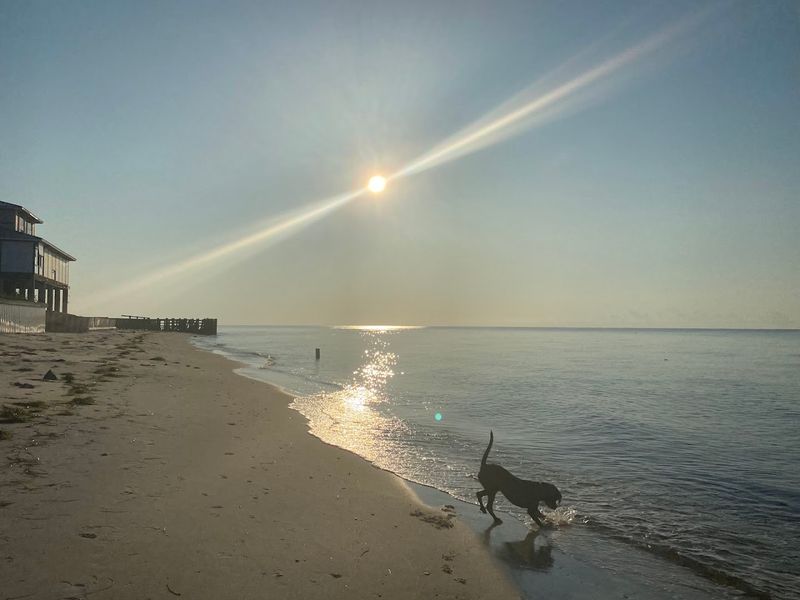
Where Florida’s coastline curves from the Panhandle toward the peninsula, Alligator Point remains remarkably wild and undeveloped. This hidden Big Bend community attracts those seeking genuine solitude and natural beauty over tourist conveniences and entertainment options.
Extremely low development means vacation rentals scatter sparsely along the point, with long stretches of empty beach between properties. Wildlife encounters happen regularly—sea turtles nest here seasonally, and shore birds outnumber people most days year-round.
The beaches differ from typical Florida Gulf shores, with darker sand and occasional rocky areas creating unique coastal character. Strong currents sometimes make swimming challenging, but fishing, beachcombing, and nature photography thrive in this unspoiled environment.
Alligator Point suits independent travelers comfortable without nearby restaurants or shops, rewarding them with a coastal experience increasingly rare in modern Florida. Night skies show stars brilliantly without light pollution, and sunrise beach walks often mean complete solitude.
The area’s remoteness protects it from overdevelopment pressures affecting more accessible coastline. Serious anglers love fishing the productive waters offshore, while bird watchers find abundant species in preserved habitats.
This represents Florida’s Gulf Coast at its most natural and peacefully uncrowded.
Ozello
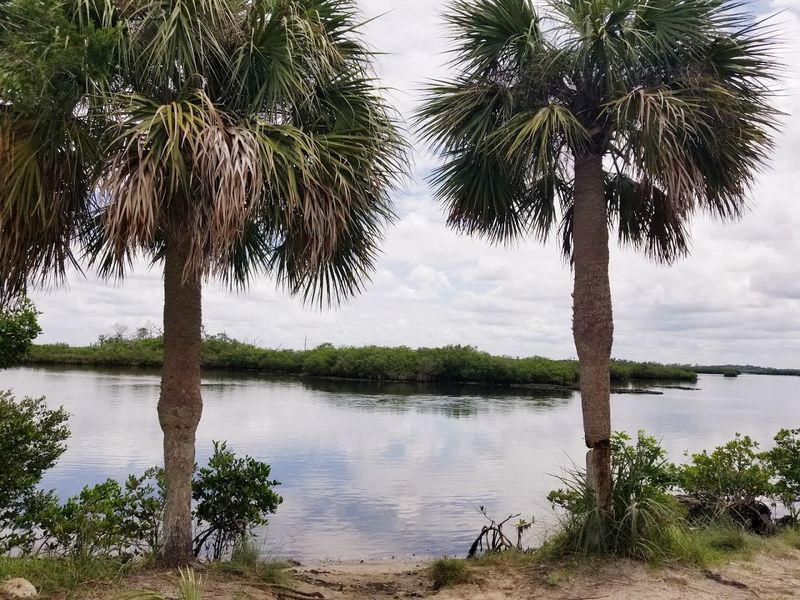
Ozello is one of those rare Gulf Coast communities that feels intentionally removed from modern Florida’s fast-moving tourism scene. Located along the marshy backwaters near Crystal River, it is less a traditional beach town and more a quiet coastal settlement shaped by water, wildlife, and isolation.
Instead of wide resort beaches or busy boardwalks, Ozello is defined by winding “Ozello Trail” roads that pass through mangroves, salt marshes, and small waterways that open into the Gulf.
The shoreline here is subtle and natural rather than developed, with most coastal access used by anglers, kayakers, and locals who value solitude over amenities. Manatees, herons, and dolphins are commonly seen in the surrounding estuaries, reinforcing the area’s strong connection to untouched coastal ecosystems.
What makes Ozello fit this list is its atmosphere of stillness. There are no high-rise hotels, no commercial beach strips, and very little traffic even during peak season.
Visitors come here to disconnect—fishing from small docks, paddling quiet creeks, or simply watching the water shift with the tides. It represents a different side of Florida’s Gulf Coast: slow, rural, and deeply tied to nature rather than tourism infrastructure.