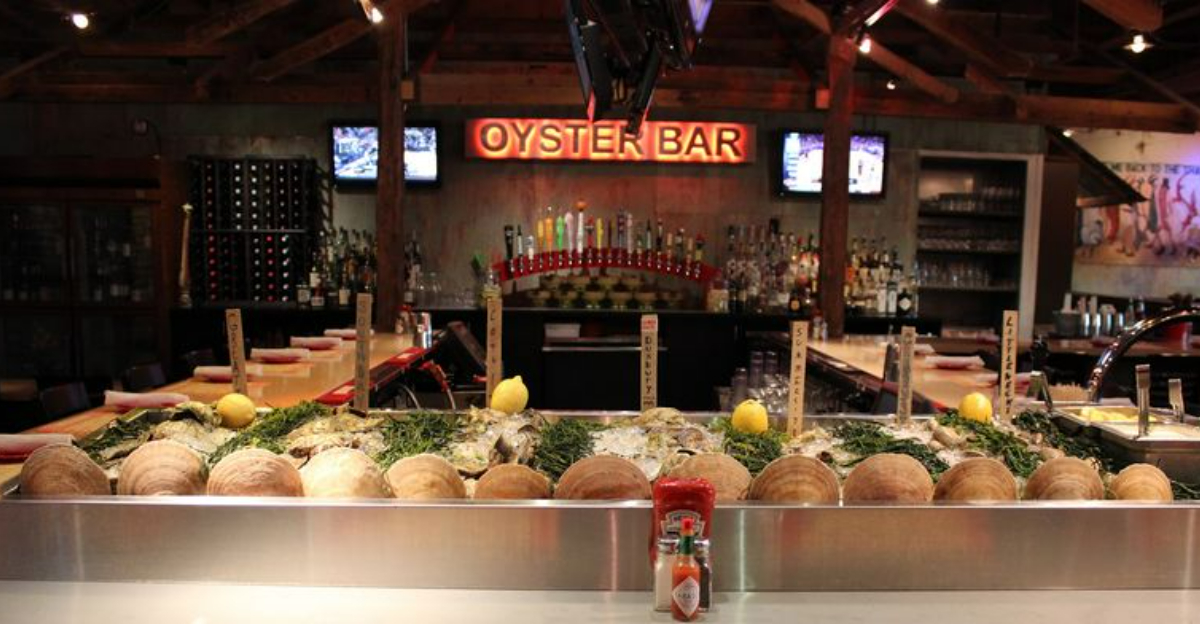
If you want buttery lobster, cold oysters, and clam shack energy without leaving Cambridge, Summer Shack makes a strong case for itself. Right near Alewife Station, it delivers the kind of New England seafood meal that feels fun, busy, and wonderfully unpretentious.
You come here for the classics, but the details keep the experience memorable, from the raw bar to the steam kettles. Here are the standout reasons this lively spot still feels like a local seafood ritual worth repeating.
A Clam Shack Mood Near Alewife

One of the first things that makes Summer Shack stand out is how easy it feels. Sitting at 149 Alewife Brook Parkway near Alewife Station, it is the kind of place you can reach without turning dinner into a whole expedition.
That convenience matters when you are craving seafood but not a drawn-out night downtown.
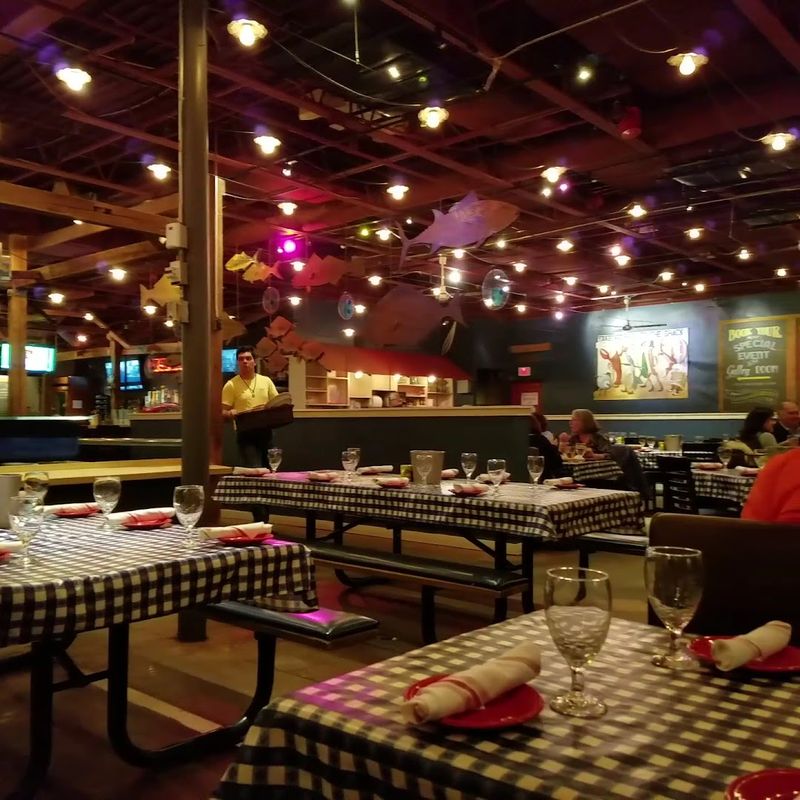
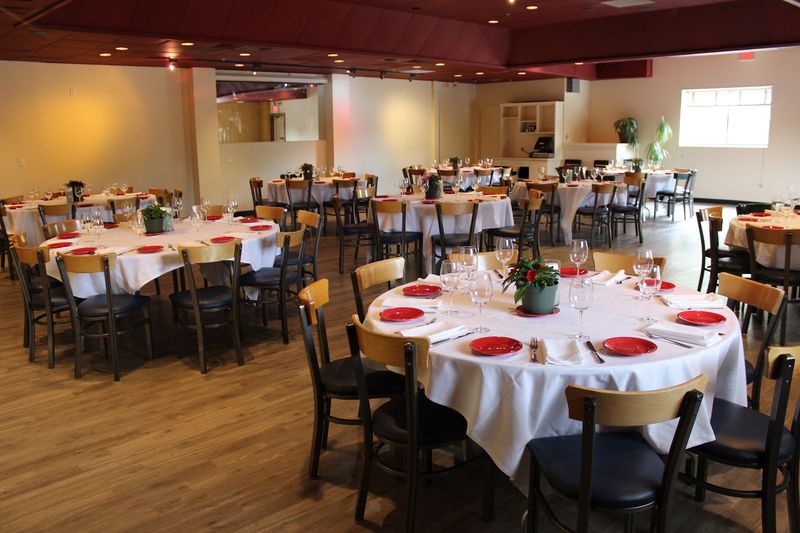
Inside, the room leans cheerful instead of polished. Bright colors, generous booths, and a breezy, beach-house attitude make it feel much closer to a roadside clam shack than a stiff special-occasion restaurant.
You can settle in wearing whatever you already had on and nobody makes it weird.
I like that the restaurant does not pretend to be rustic in a forced way. It simply feels lived in, loud enough to be lively, and comfortable enough to invite a second round of chowder.
For Cambridge, that kind of casual seafood energy feels surprisingly transporting.
Jasper White’s No-Fuss Seafood Philosophy
Summer Shack opened in 2000 with a clear idea from chef Jasper White: serve excellent New England seafood without wrapping it in fine-dining ceremony. That approach still defines the restaurant today.
You can feel it in the menu, the room, and the way the whole experience puts appetite ahead of performance.
White was already known for his deep knowledge of regional seafood, and that background gives the place credibility that never needs to show off. Even after his passing in 2024, his recipes and standards still shape what lands on the table.
There is a sense of legacy here, but it does not feel museum-like.
What I appreciate most is how relaxed that legacy remains. You are not being asked to admire seafood from a distance.
You are being invited to crack shells, swipe bread through butter, and actually enjoy the traditions White spent years championing across New England kitchens.
The Raw Bar Steals Your Attention Fast
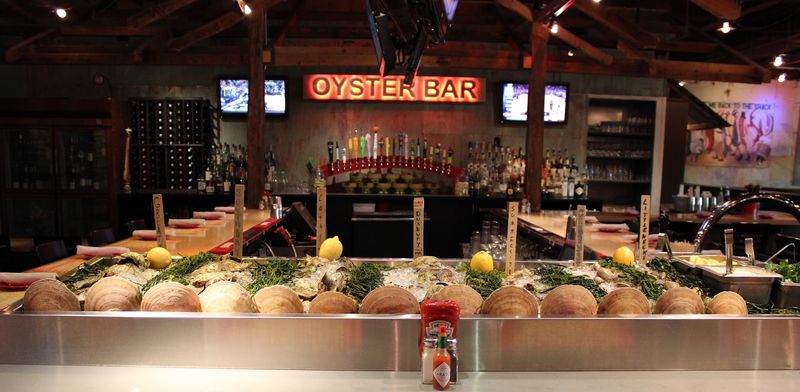
The raw bar is not some side feature tucked into a corner. At Summer Shack, it is one of the first visual cues that this place takes seafood seriously while keeping the mood playful.
Watching oysters get shucked to order gives the dining room a sense of motion that feels immediate and appetizing.
The selection usually includes several East Coast oyster varieties, plus littleneck clams, shrimp cocktail, and other chilled shellfish options. If you are the kind of diner who likes to build a meal around ice, lemon, and horseradish, this is where your attention naturally lands.
Even people who planned to order something hot can get distracted quickly.
I also like how the raw bar becomes part of the soundtrack. Shells clack, servers move platters through the room, and you get that faint salty theater that makes seafood dining so specific.
It turns anticipation into part of the meal before your first bite even arrives.
Lobster Is the Headliner Here
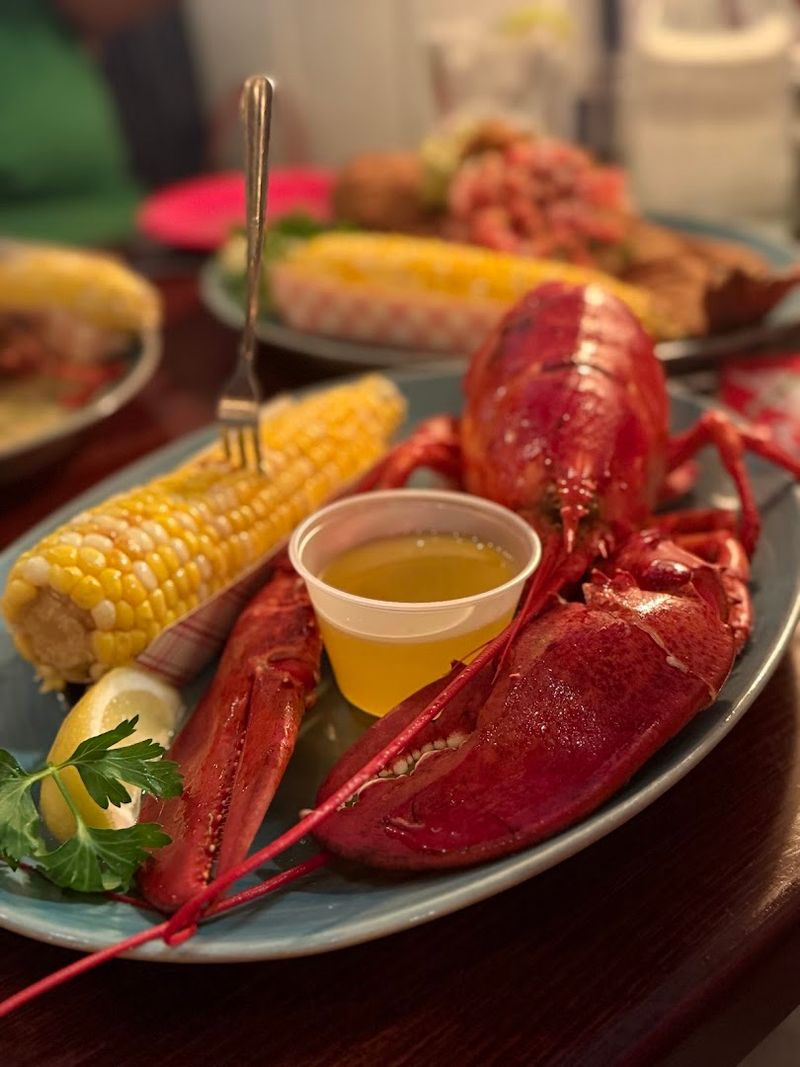
If Summer Shack has a star, it is lobster. The menu treats it like the main event rather than a luxury add-on, and that shows up in multiple forms, from steamed whole lobster to rich lobster mac and cheese.
You are not left hunting for one token lobster option buried between sandwiches.
The signature pan-roasted lobster is the dish people keep mentioning for good reason. Prepared with bourbon, chives, and herbs, it feels both old-school and a little dramatic without tipping into fussiness.
It is the kind of plate that makes the whole table look over when it arrives.
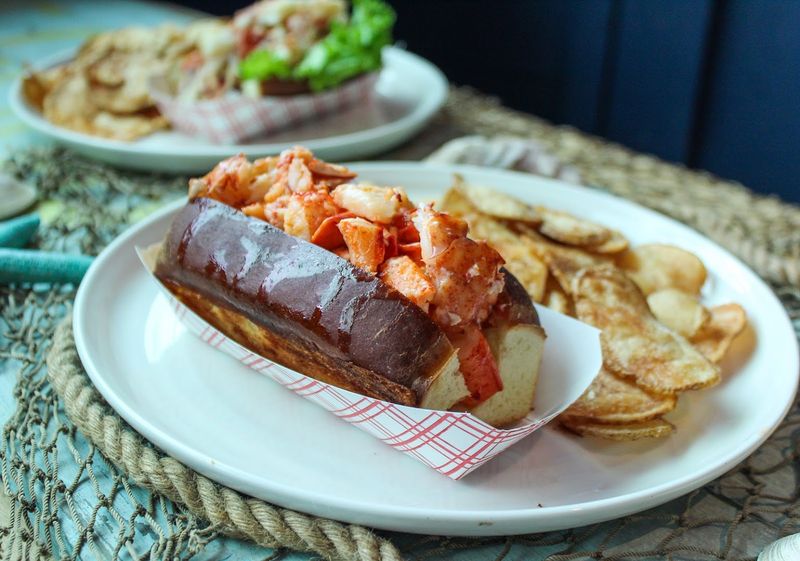
What works best is that lobster here still feels approachable. You can go full New England feast mode, or just order something buttery and satisfying without making it a once-a-year splurge ritual.
At Summer Shack, lobster is not reserved for ceremony. It is built right into the restaurant’s everyday identity, and that makes the experience more inviting.
Chowder, Fryers, and Pure Comfort
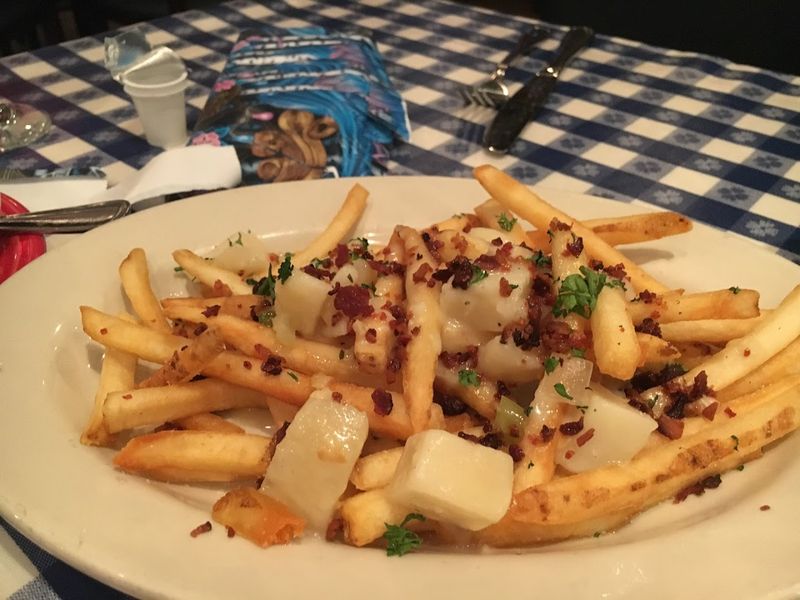
For all the excitement around oysters and lobster, Summer Shack never forgets the comfort-food side of New England seafood. The clam chowder arrives with oyster crackers and that familiar, soothing appeal that instantly makes the table feel settled.
Sometimes that first spoonful tells you everything you need to know about a seafood place.
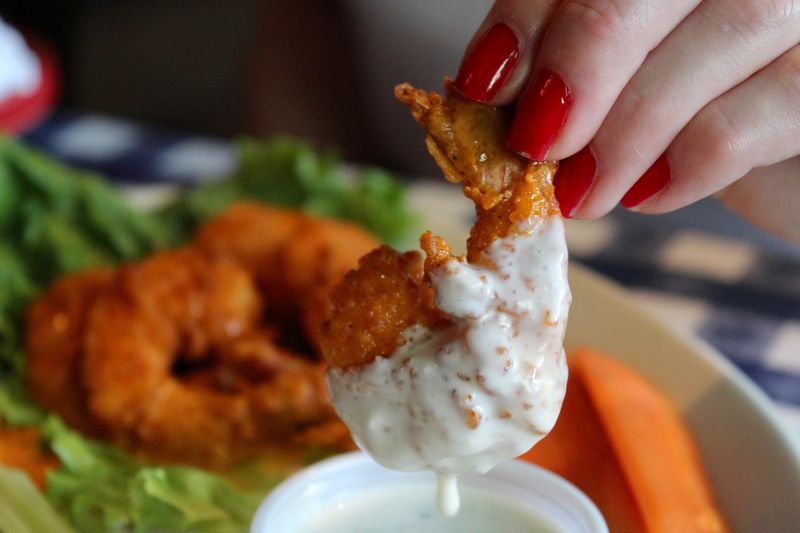
The fried lineup keeps that comfort going. Whole belly clams, fried oysters, and Rhode Island-style calamari bring the crisp, salty satisfaction many people actually came for, even if they pretend they are there to be adventurous.
There is something wonderfully direct about a good fried platter done with confidence.
I think that is part of why this restaurant works for so many moods. You can chase a signature lobster dish, or you can lean all the way into chowder and fried seafood nostalgia.
Either way, Summer Shack understands that classic regional food should feel generous, recognizable, and deeply craveable, not precious or overthought.
Busy Dining Room, Best Kind of Noise
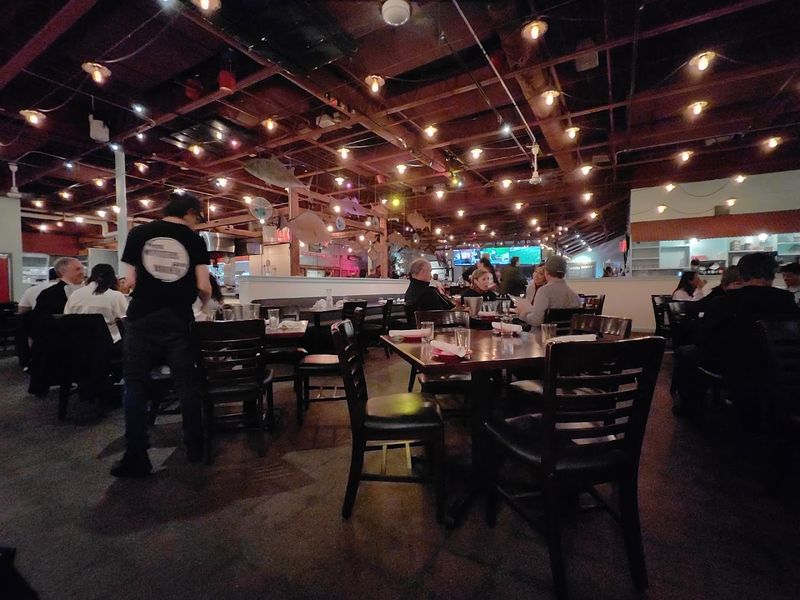
Some seafood restaurants aim for hushed elegance. Summer Shack goes in the opposite direction, and it is better for it.
The dining room feels busy in a way that suggests people are here to eat well, talk loudly, and stay long enough to justify dessert.
Communal tables, large groups, and servers weaving through the room with seafood platters all help create that momentum. You hear shells cracking, glasses clinking, and conversations rising above the general hum.
Instead of feeling chaotic, it feels like proof that the restaurant is doing exactly what it should be doing.
I find that energy part of the appeal, especially for a place built around New England classics. Quiet formality would make the food feel smaller somehow.
Here, the bustle matches the spirit of overflowing baskets, chowder bowls, and lobster dinners that demand napkins and a little patience. Summer Shack is not trying to choreograph a perfect dining-room performance.
It is creating a social seafood scene, and that choice gives the whole place personality.
Steam Kettles and a Lobster Tank in Plain Sight
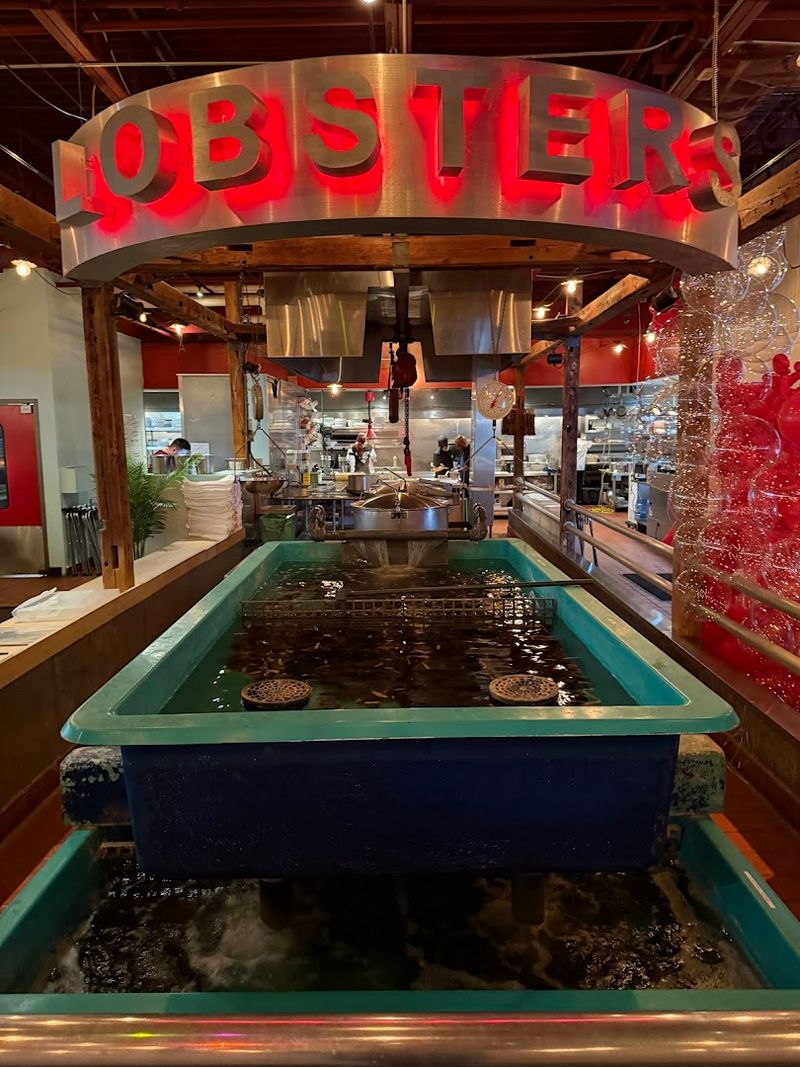
Part of Summer Shack’s charm is that the seafood setup is not hidden away behind mystery doors. The dining room includes twin 80-gallon steam kettles and a 1,500-gallon live lobster tank, which gives the whole place a practical, almost theatrical edge.
You are constantly reminded that seafood is the point, not just a menu category.
Seeing that equipment out in the open changes how the meal feels. It connects the room to the work, making the restaurant seem active and specialized without becoming flashy.
Even if you are not ordering lobster, the presence of those tanks and kettles adds a sense of occasion.
I love details like this because they make the experience more memorable than a generic seafood chain setup. Summer Shack lets you see enough of the machinery to understand its priorities.
Freshness, volume, and tradition are all right there in plain sight. That transparency turns dinner into something more tactile and specific, which suits a New England seafood house perfectly.
Classic Seafood Meets Curveball Cravings
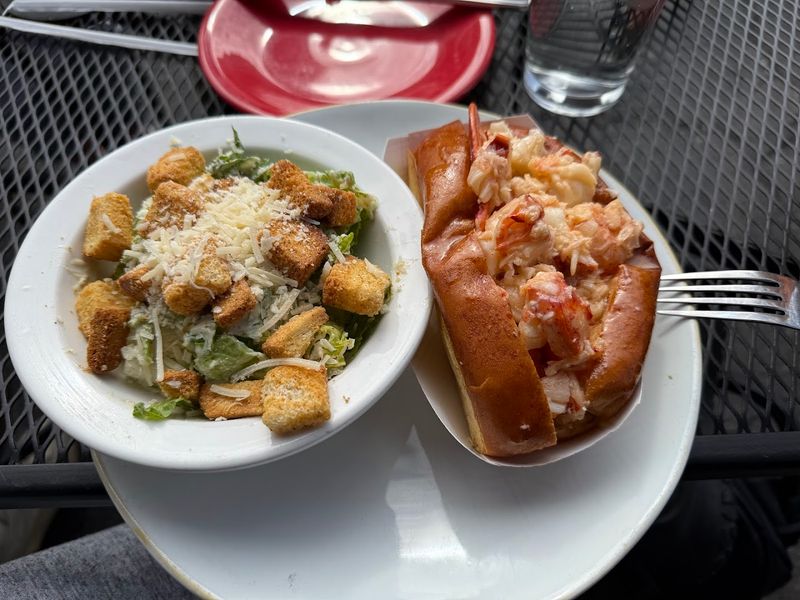
One of the smartest things about Summer Shack is that it does not trap itself inside a narrow definition of seafood tradition. Yes, you can order the classics everyone expects, but the menu also swerves into dishes like shrimp scampi, bouillabaisse, crab fried rice, and tuna poke bowls.
That range keeps the place from feeling predictable.
It also makes the restaurant easier for groups. Maybe one person wants a lobster roll, another wants steak tips, and someone else is eyeing fried chicken or cornbread.
Instead of forcing everyone into the same seafood mood, the menu gives you room to build a table that feels varied and still coherent.
I think that flexibility is underrated. A lot of casual seafood spots talk about being crowd-pleasers, but Summer Shack actually backs it up with a lineup that balances old New England comfort and slightly unexpected detours.
That combination makes repeat visits more appealing, because you are not locked into the exact same meal every single time.
Family-Friendly Without Chain Energy
Summer Shack manages a trick that a lot of large casual restaurants never quite pull off. It feels family-friendly without slipping into generic chain-restaurant territory.
The space is roomy, the menu is approachable, and children are clearly welcome, but the personality of the place still comes through.
That matters when you are deciding where to eat with a mixed group. Families can settle into large tables, kids have options, and adults still feel like they are dining somewhere with local character.
Reviews regularly mention a crowd that includes college students, longtime regulars, visitors, and families sharing seafood platters and fries.
I also like that the friendliness seems built into the routine, not staged for branding. A casual room, energetic staff, and menus that work for different appetites create a place where nobody has to overthink ordering.
Summer Shack feels independent in spirit, even with broad appeal, and that balance gives it staying power. It welcomes everyone without sanding off the rough, coastal personality that makes it worth visiting.
Seasonal Changes Keep It From Going Stale
A seafood restaurant can have all the right classics and still become routine if nothing ever shifts. Summer Shack avoids that by keeping parts of the menu seasonal, especially when it comes to oysters and fresh seafood specials.
That means a return visit has a good chance of offering at least one new temptation.
The rotating oyster selection is a big part of that appeal. Different East Coast varieties can change the raw bar experience from one day to the next, which gives regulars a reason to keep asking questions instead of ordering on autopilot.
Seasonal fish dishes also help the menu feel responsive rather than static.
I think this changing element fits the restaurant’s identity perfectly. The place celebrates tradition, but it does not freeze itself in time.
Fresh seafood should reflect availability, weather, and the moment, and Summer Shack seems to understand that instinctively. You get comfort and familiarity, but also enough variation to make a repeat meal feel a little different, which is exactly what keeps local favorites alive.
A Straightforward Slice of New England Seafood Culture
What makes Summer Shack memorable is not luxury, trendiness, or elaborate plating. It is the straightforward pleasure of fresh seafood served in a room that feels alive.
Melted butter, chowder, oysters on ice, fried baskets, and lobster dinners do most of the talking, and honestly, that is enough.
The restaurant captures a very specific New England idea of going out to eat. You are there for abundance, for a little noise, for shellfish shared across the table, and for food that tastes rooted in local habits rather than culinary posturing.
Even in Cambridge, the place gives off a coastal, everyday seafood spirit.
I think that is why it stays with people. Summer Shack is casual, but it is not careless.
It understands that regional food traditions can feel special without becoming formal, and it lets you enjoy them in the most satisfying way possible: with zero fuss. If you want a restaurant that reflects New England seafood culture as people actually live it, this one makes a convincing argument.