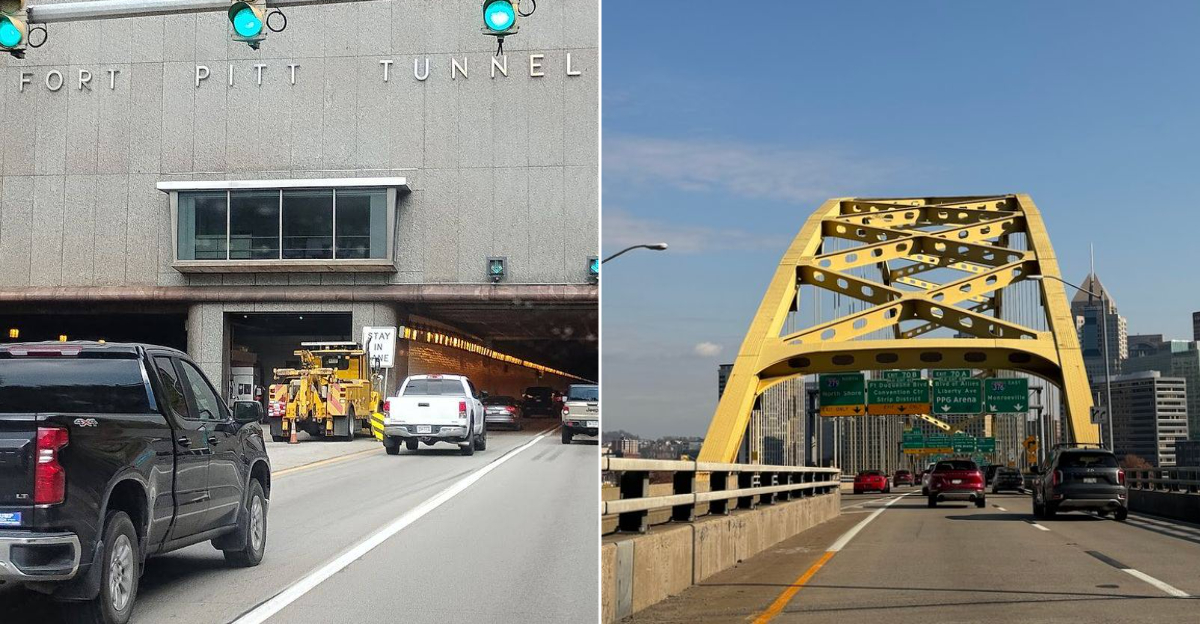
The Fort Pitt Tunnel in Pittsburgh has earned an unexpected reputation as one of Pennsylvania’s most talked-about traffic headaches. Since opening in 1960, this 3,614-foot passage under Mount Washington has become famous not just for its stunning downtown reveal, but for the bizarre driving behavior it triggers daily.
Over 100,000 drivers navigate this tunnel each day, and somehow, a significant number forget basic highway rules the moment they enter the darkness, creating a phenomenon so predictable that locals have turned it into social media comedy gold.
The Infamous Tunnel Brake Mystery
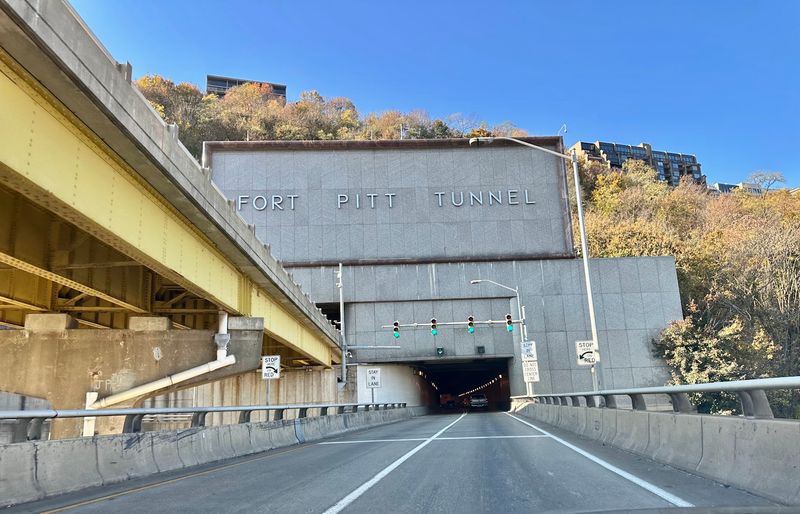
Picture this: you’re cruising at highway speed, and suddenly every car ahead slams on their brakes for absolutely no reason. Welcome to the Fort Pitt Tunnel experience that drives Pittsburghers crazy every single day.
Despite clear signage and years of public safety campaigns, drivers approaching this tunnel develop an irrational fear of the dark. The phenomenon is so consistent that regular commuters can predict the exact moment traffic will screech to a halt.
There’s no accident, no construction, no legitimate reason whatsoever.
Traffic experts have studied this behavior for years and found it’s a psychological response to entering enclosed spaces. When drivers lose sight of the sky and surrounding landscape, they instinctively slow down even though conditions haven’t changed.
The tunnel itself is perfectly straight, well-lit, and designed for normal highway speeds.
Local radio stations joke about it during rush hour traffic reports, and social media fills with memes every morning. The unnecessary braking creates a ripple effect that backs up traffic for miles on Interstate 376.
What should be a smooth 45-second drive through often becomes a frustrating crawl that adds 15 minutes to commutes.
That Million-Dollar Skyline Surprise
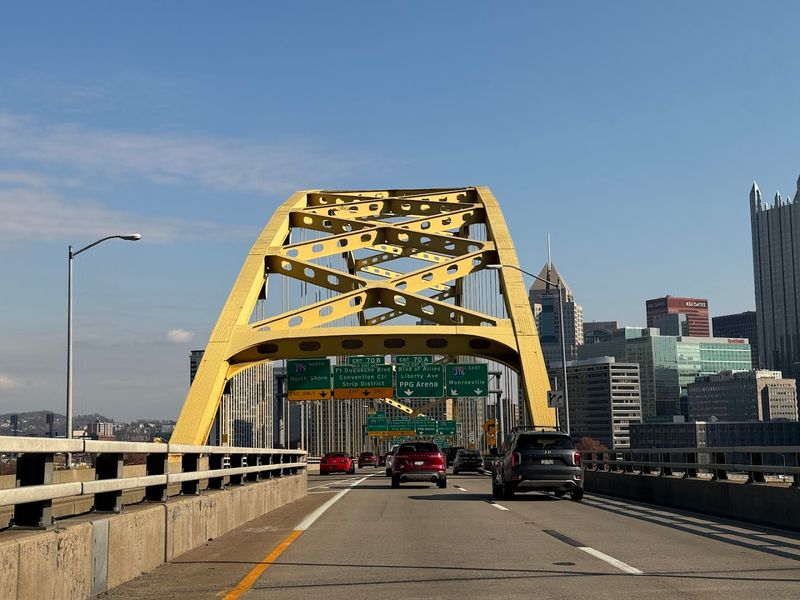
One moment you’re surrounded by darkness and concrete walls. The next second, boom—Pittsburgh’s entire glittering skyline explodes into view like a movie reveal.
It’s genuinely breathtaking, even for people who’ve seen it thousands of times.
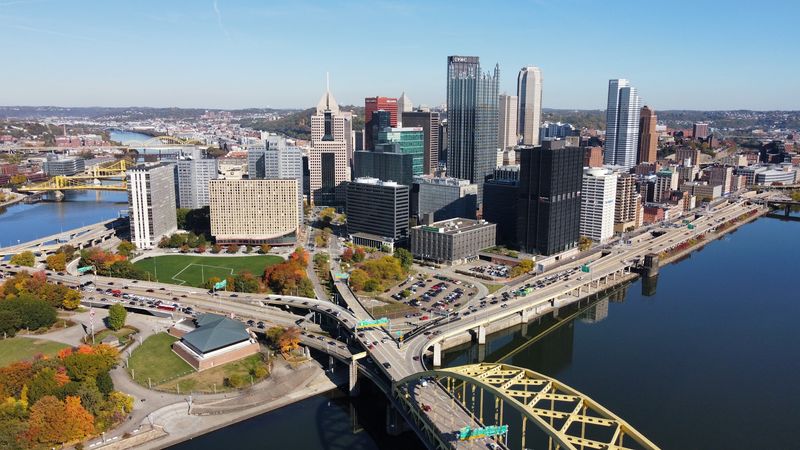
This theatrical entrance to downtown Pittsburgh has become the tunnel’s redeeming quality. After dealing with the infuriating traffic slowdown inside, drivers emerge onto the Fort Pitt Bridge to one of America’s most spectacular urban vistas.
Three rivers converge, historic bridges span the water, and gleaming skyscrapers create a postcard-perfect panorama.
Visitors often gasp audibly when they first experience this transition. The timing feels orchestrated, as if Mount Washington was specifically positioned to hide the city until the perfect dramatic moment.
Many consider it the best approach to any American city.
Unfortunately, this stunning view creates another traffic problem. Distracted drivers gawk at the scenery while traveling 50 miles per hour, forgetting they need to immediately choose the correct lane for their destination.
The beauty causes accidents, near-misses, and plenty of honking horns. Passengers get the better deal here—they can safely admire Pittsburgh’s beauty while someone else navigates the tricky merge.
The Lane-Choice Panic Attack
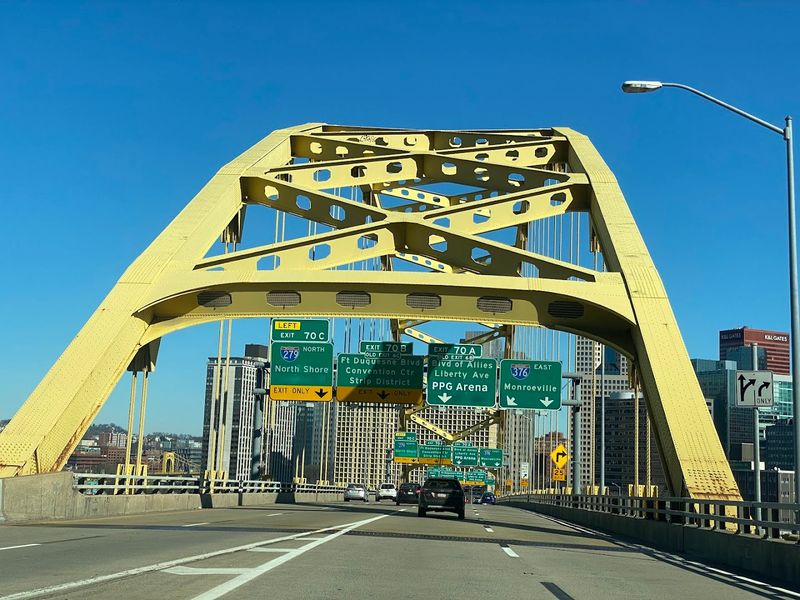
You’ve got about three seconds to make a life-altering decision. Okay, maybe not life-altering, but it sure feels that way when you’re suddenly spit out of the Fort Pitt Tunnel onto a multi-lane bridge with a dozen different exit options.
The tunnel exit feeds directly onto the Fort Pitt Bridge, where drivers must immediately know whether they’re heading to downtown, the South Side, Station Square, or continuing on Route 51. Miss your lane, and you’re taking an unplanned tour of Pittsburgh neighborhoods.
The confusion is real, and the aggressive honking from locals is even more real.
GPS systems try to help, but their warnings often come too late. By the time you hear “keep right” or “merge left,” you’re already boxed in by semi-trucks and determined commuters who won’t let you switch lanes.
First-time visitors look terrified as they white-knuckle their steering wheels.
Seasoned Pittsburghers know the drill and position themselves in the correct lane well before entering the tunnel. They watch with amusement as out-of-town plates zigzag desperately across lanes, causing near-collisions.
One review perfectly captured the chaos: “Which lane do you want to be in?
Wait, too late, welcome to West End!”
The Perks of Being a Pittsburgh Icon
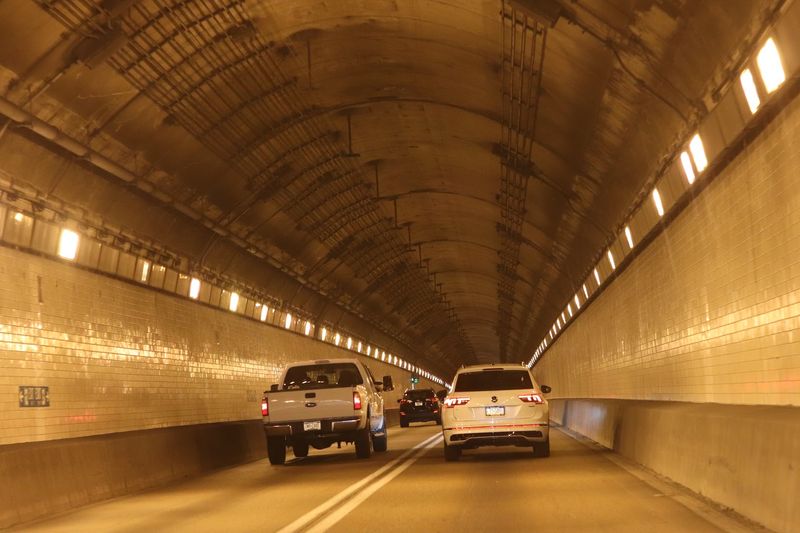
“We feel infinite.” Those three words transformed the Fort Pitt Tunnel from simple infrastructure into a cultural landmark. The 2012 film adaptation of “The Perks of Being a Wallflower” featured the tunnel in one of cinema’s most memorable coming-of-age moments.
In the scene, Charlie, Sam, and Patrick drive through the tunnel while David Bowie’s “Heroes” plays. Sam stands in the pickup truck bed as they emerge to the city lights, arms outstretched, capturing pure teenage freedom.
The moment resonated so deeply that the tunnel became a pilgrimage site for fans.
Pittsburgh locals now regularly see tourists attempting to recreate the scene. Some stand through sunroofs (please don’t), others simply photograph the experience, and many blast “Heroes” as they drive through.
Google reviews even reference the movie, with one simply stating “We feel infinite” as their entire review.
The film brought unexpected attention to what locals had always known—there’s something magical about this tunnel. It’s not just transportation infrastructure; it’s a portal that frames Pittsburgh’s beauty in the most dramatic way possible.
The movie validated what Pittsburghers felt but couldn’t quite articulate about their daily commute through this remarkable passage.
Engineering Marvel Trapped Underground
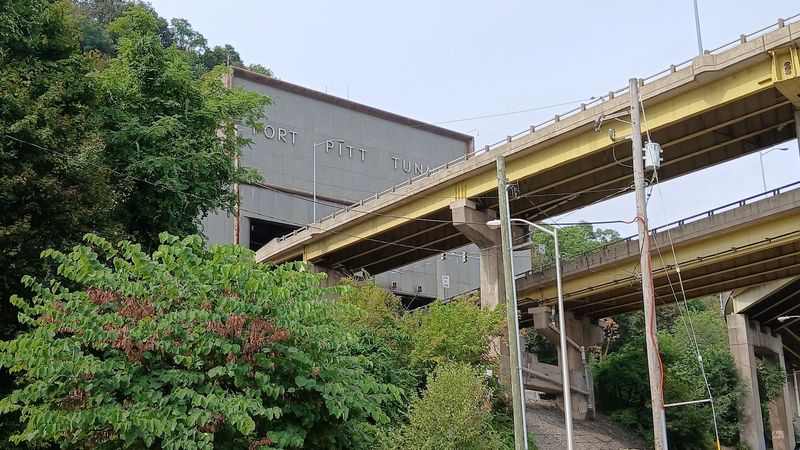
Building a massive tunnel through a mountain in the 1950s required serious engineering guts. The Fort Pitt Tunnel wasn’t some simple dig-and-cover project—it involved blasting through solid rock beneath one of Pittsburgh’s most prominent geographic features.
Construction crews faced enormous challenges tunneling under Mount Washington. They needed to create twin tubes, each over 3,600 feet long and 28 feet wide, while ensuring the mountain above wouldn’t collapse.
The project cost millions and took years to complete, finally opening on September 1, 1960.
The tunnel solved a critical transportation problem. Before its construction, getting from Pittsburgh’s western suburbs to downtown meant navigating winding roads around hills or taking much longer routes.
This direct route through the mountain revolutionized regional transportation and spurred suburban development.
Advanced ventilation systems keep air flowing despite 100,000 vehicles passing through daily. Lighting was carefully designed to help drivers’ eyes adjust from bright daylight to tunnel darkness and back again.
The engineering team even considered the psychological aspects of tunnel design, though they apparently couldn’t prevent the mysterious brake-slamming phenomenon. Despite traffic complaints, the tunnel remains a testament to mid-century American infrastructure ambition and technical achievement.
Mount Washington’s Underground Secret
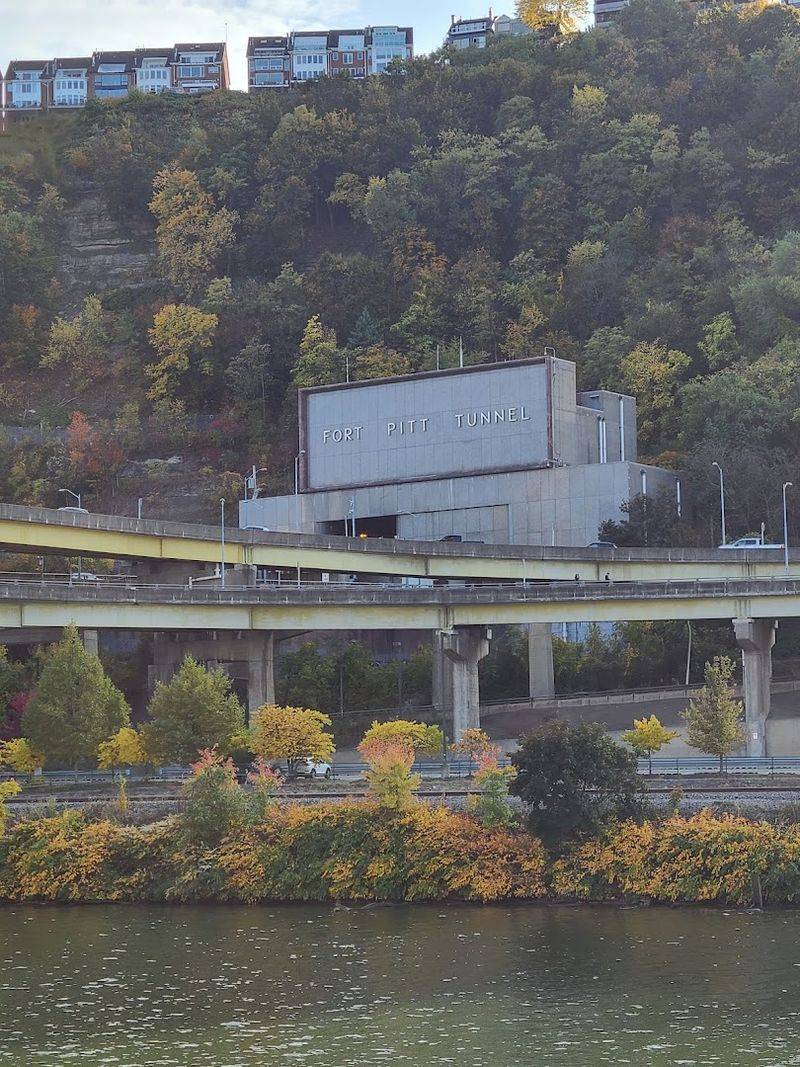
Mount Washington literally stands between Pittsburgh’s western neighborhoods and its downtown core. This steep, imposing hill shaped the city’s development for centuries, creating a natural barrier that the Fort Pitt Tunnel finally conquered.
The mountain rises sharply from the Monongahela River, offering stunning overlook views from its peak. Historic inclines carry tourists up to see panoramas that consistently rank among America’s most beautiful.
But at street level, the mountain was a transportation nightmare that forced lengthy detours.
The tunnel burrows straight through Mount Washington’s base, connecting the West End neighborhood directly to the South Shore and downtown. What once required 20-30 minutes of circuitous driving now takes under a minute (when traffic cooperates).
This underground shortcut fundamentally changed Pittsburgh’s geography and commuting patterns.
The mountain’s geology made tunneling difficult but not impossible. Engineers encountered various rock formations and groundwater challenges during construction.
Today, millions of tons of rock and earth sit directly above drivers’ heads as they cruise through, though the tunnel’s structural integrity has proven sound for over six decades. The mountain keeps its secrets well, hiding this busy thoroughfare from the neighborhoods and incline passengers enjoying views from above.
The Daily Commuter Torture Chamber
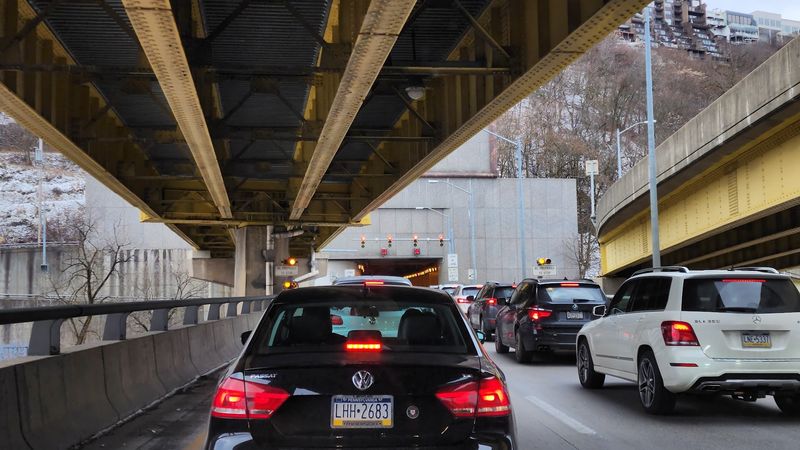
Ask any Pittsburgh commuter about their least favorite part of the drive, and the Fort Pitt Tunnel tops the list. What should be a quick highway passage becomes a predictable daily ordeal that tests everyone’s patience.
Rush hour transforms this tunnel into a parking lot. Morning commuters heading downtown and evening traffic escaping the city both experience the same maddening slowdown.
The combination of unnecessary braking, merging traffic, and sheer volume creates perfect gridlock conditions twice daily.
Some drivers spend 15-20 minutes crawling through a tunnel that takes 45 seconds at normal speed. Multiply that frustration by five workdays per week, fifty weeks per year, and you’ve got thousands of hours wasted sitting in a concrete tube.
Podcasts and audiobooks have become essential survival tools.
The psychological toll is real. Commuters develop tunnel-related stress responses, dreading the slowdown they know is coming.
Some alter their entire schedules, leaving home extra early or working odd hours to avoid peak tunnel congestion. Others have quit jobs or moved houses specifically to escape the Fort Pitt Tunnel from their daily routine.
It’s infrastructure that shapes life decisions, proving that traffic patterns have serious impacts on quality of life and mental health.
When Drivers Forget How Roads Work
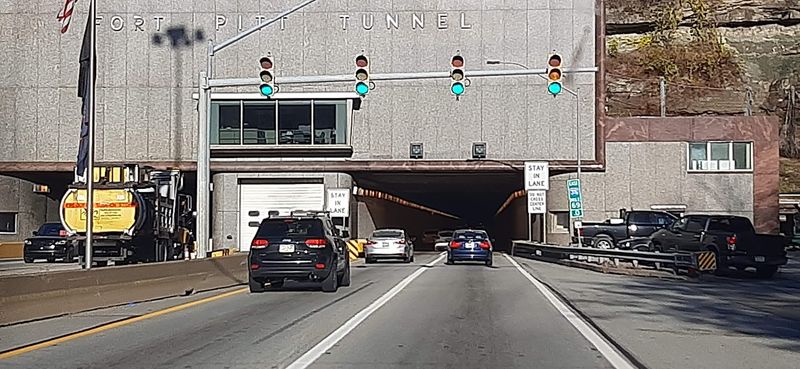
Here’s a wild concept that seems to escape tunnel drivers: highways are designed for continuous movement at consistent speeds. Yet something about the Fort Pitt Tunnel makes perfectly competent drivers suddenly forget this fundamental principle.
The phenomenon baffles traffic engineers and regular commuters alike. Drivers who confidently cruise at 65 mph will inexplicably slow to 35 mph or even stop completely when entering the tunnel.
There’s no obstacle, no reduced speed limit, no reason whatsoever. It’s pure psychological panic.
One frustrated reviewer captured everyone’s sentiment perfectly: “Drivers, please continue driving at a normal speed when approaching, entering, traveling through, and exiting the tunnel. There is no reason to stop when entering or exiting this tunnel.
Do not stop at the entrance of the tunnel, you are on a highway.” That this even needs to be said is both hilarious and depressing.
Public safety campaigns have tried addressing the issue with limited success. Signs remind drivers to maintain speed, radio announcements plea for rational behavior, and police occasionally monitor for dangerous slowdowns.
Nothing works. The tunnel brake remains Pittsburgh’s most predictable traffic mystery, an irrational collective behavior that costs thousands of commuters countless hours every year.
Some mysteries, it seems, are beyond solving.
The Social Media Meme Factory
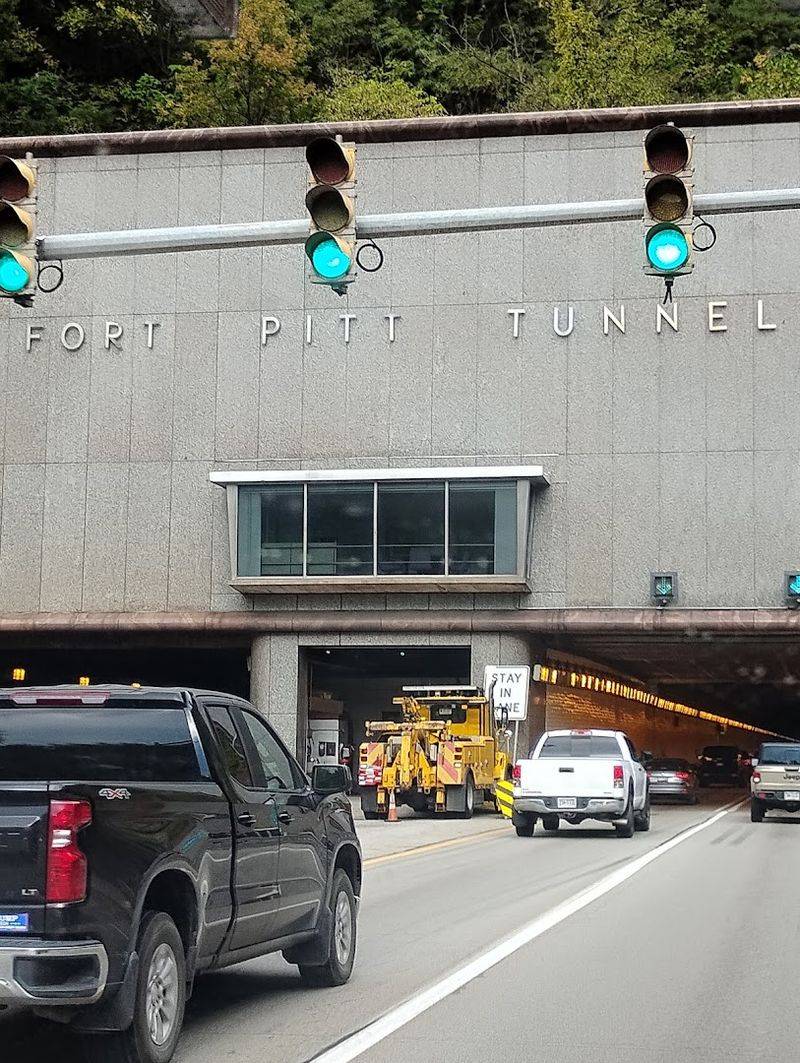
Pittsburgh’s online community has turned tunnel frustration into comedy gold. Social media feeds regularly explode with memes, jokes, and sarcastic observations about the Fort Pitt Tunnel’s traffic absurdity.
Local Facebook groups share daily tunnel complaints that somehow remain entertaining despite their repetitive nature. Twitter users post real-time updates during particularly bad backups, often with creative profanity.
Instagram features time-lapse videos showing the tunnel’s traffic patterns, and TikTok creators make skits mocking typical tunnel driver behavior.
The memes practically write themselves. Images comparing normal highway driving to Fort Pitt Tunnel driving show dramatic speed differences.
Joke formats suggest drivers believe the tunnel requires archaeological excavation speeds. Sarcastic “Pittsburgh Starter Pack” collections always include tunnel traffic references alongside Primanti Brothers sandwiches and terrible parking chairs.
This collective venting serves an important psychological function. Sharing tunnel frustration creates community bonding and helps people cope with daily annoyance through humor.
When everyone experiences the same ridiculous situation, making fun of it together feels therapeutic. The tunnel has become shorthand for Pittsburgh’s quirky infrastructure challenges, joining potholes and confusing intersections in the local comedy canon.
At least if you’re stuck in tunnel traffic, you can scroll through fresh memes about being stuck in tunnel traffic.
The Out-of-Towner Initiation Ritual
Every Pittsburgh visitor must face the Fort Pitt Tunnel trial. There’s no avoiding it if you’re driving from the airport or western suburbs toward downtown.
It’s an initiation ritual that separates confident travelers from overwhelmed tourists.
GPS navigation tries its best, but it can’t prepare drivers for the sensory overload. First-timers enter the tunnel expecting a normal highway passage, then suddenly they’re surrounded by walls, dealing with mysterious traffic slowdowns, and emerging to an overwhelming skyline they must navigate immediately.
The experience overloads tourist brains already stressed by unfamiliar city driving.
Locals can spot out-of-town plates immediately by their hesitant driving and last-second lane changes. Some Pittsburghers show mercy and let them merge.
Others, hardened by years of tunnel frustration, aggressively defend their lanes and offer no quarter to confused visitors. It’s not personal—it’s survival of the fittest in tunnel traffic culture.
Despite the stress, most visitors later admit the experience was memorable. The dramatic skyline reveal genuinely impresses, and surviving the lane-choice chaos provides legitimate bragging rights.
Many return home with tunnel stories, inadvertently spreading Pittsburgh’s traffic joke nationwide. The Fort Pitt Tunnel has become an unexpected tourist attraction, famous not for beauty but for the pure chaos it generates among unsuspecting drivers.