Some restaurants feed you dinner. These places hand you a time machine with a menu.
Across Massachusetts, I found dining rooms where floorboards creak with history, recipes carry legends, and the atmosphere makes the modern world feel far away. If you love meals served with a side of candlelight, ghost stories, and centuries-old charm, you are going to want every stop on this list.
Union Oyster House (Boston, 1826)
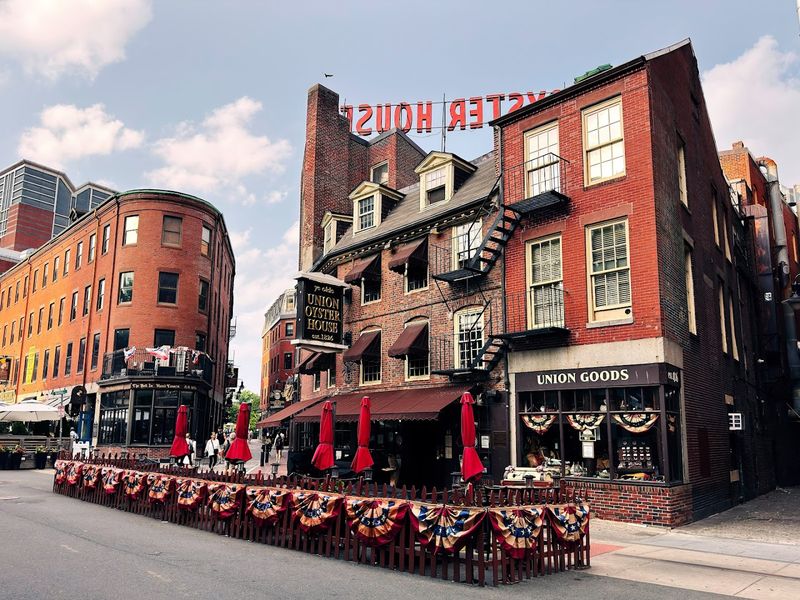
Walking into Union Oyster House feels like stepping straight into a living chapter of Boston history. Opened in 1826 at 41 Union Street, it claims the title of the oldest continuously operating restaurant in the United States, and the building itself reaches back to the early 1700s.
You can feel that age in the low ceilings, dark wood, and narrow passageways that make everything seem wonderfully untouched.
I love that this place is packed with stories beyond seafood. Daniel Webster was famous for lingering at the oyster bar, J.F.K. had his favorite booth, and even the American toothpick supposedly made its debut here around 1890.
Upstairs once housed Isaiah Thomas’s Massachusetts Spy, while Louis Philippe of France stayed here before becoming king.
Order oysters or lobster stew, then look around carefully. Between the brick exterior, historical artwork, and candlelit tavern mood, dinner here feels less like a reservation and more like borrowing another century.
Address: 41 Union St, Boston, MA 02108
The Wayside Inn (Sudbury, 1716)
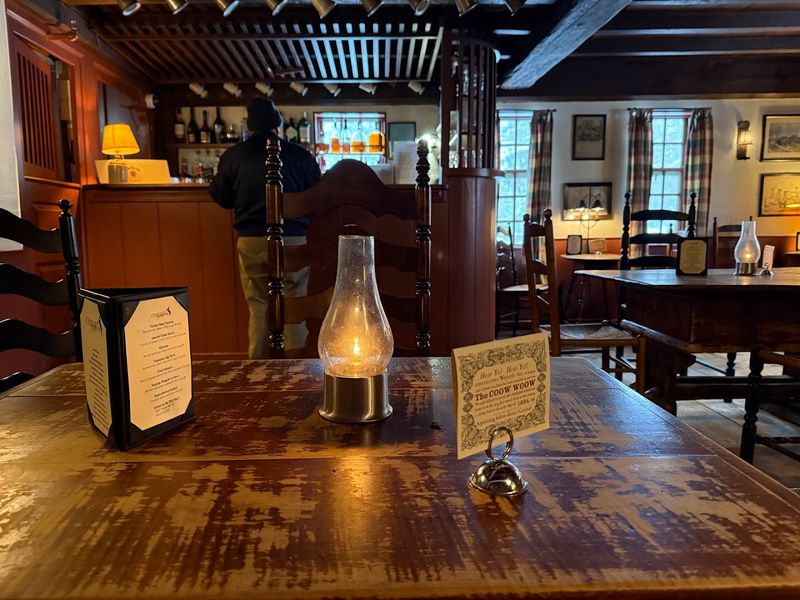
The Wayside Inn does not just hint at the past – it practically wraps you in it. Established in 1716 along the old Boston Post Road, this Sudbury landmark began as Howe’s Inn and Tavern, welcoming travelers long before highways and chain hotels changed the rhythm of the road.
Today, its warm rooms and preserved character still make you feel like a guest from another century.
I think part of its magic comes from how many eras overlap here. It later became the Red Horse Tavern, inspired Henry Wadsworth Longfellow’s Tales of a Wayside Inn, and was eventually preserved by Henry Ford in 1923 as a piece of living Americana.
That kind of lineage gives every meal extra weight and warmth.
Inside, the atmosphere leans heavily into old New England comfort. Timbered rooms, antique details, and a crackling sense of continuity make dinner feel intimate, reflective, and wonderfully removed from the speed of modern life outside.
Address: 73 Wayside Inn Rd, Sudbury, MA 01776
Bell in Hand Tavern (Boston, 1795)
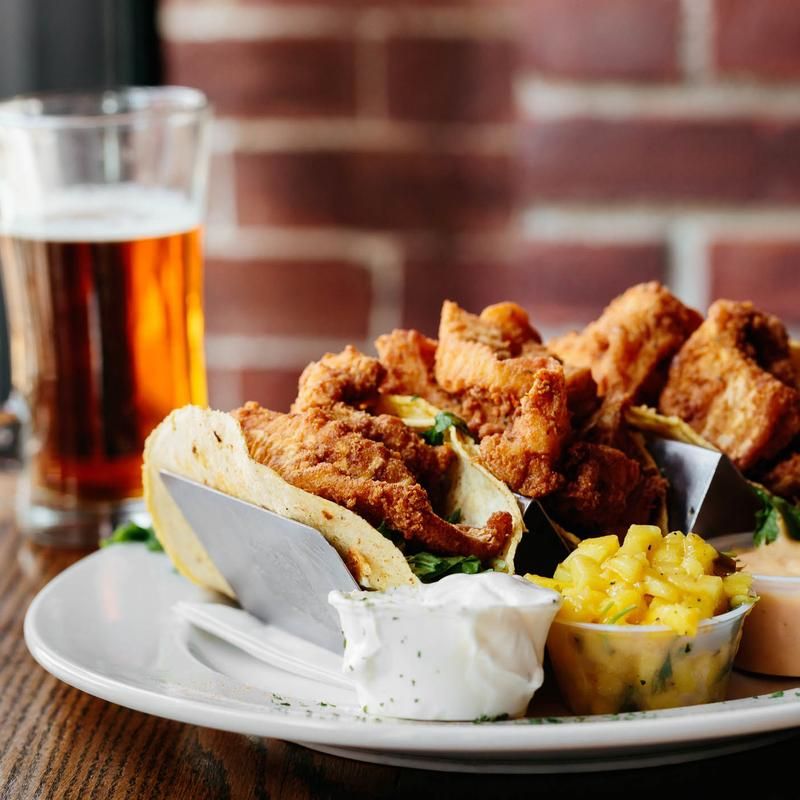
Bell in Hand Tavern has the kind of history that makes a drink feel ceremonial. Founded in 1795 by Jimmy Wilson, Boston’s last town crier, it is widely recognized as America’s oldest continuously operating tavern, aside from its Prohibition pause.
Even the name comes from the bell Wilson rang through the streets, which gives the whole place a wonderfully theatrical origin story.
I like that this tavern never tried to polish away its past. Historical figures like Paul Revere, Samuel Adams, John Adams, and Daniel Webster are all tied to its lore, while the current building dates to 1844 and still carries an older bar top.
For years it served only ale and porter, and women were not admitted until the late 1960s, which says a lot about the eras it has survived.
Today, you get the fun without the old exclusions. Wood, noise, and old tavern swagger still make it feel spirited, rowdy, and stubbornly historic.
Address: 45 Union St, Boston, MA 02108
The 1761 Old Mill (Westminster, 1761)
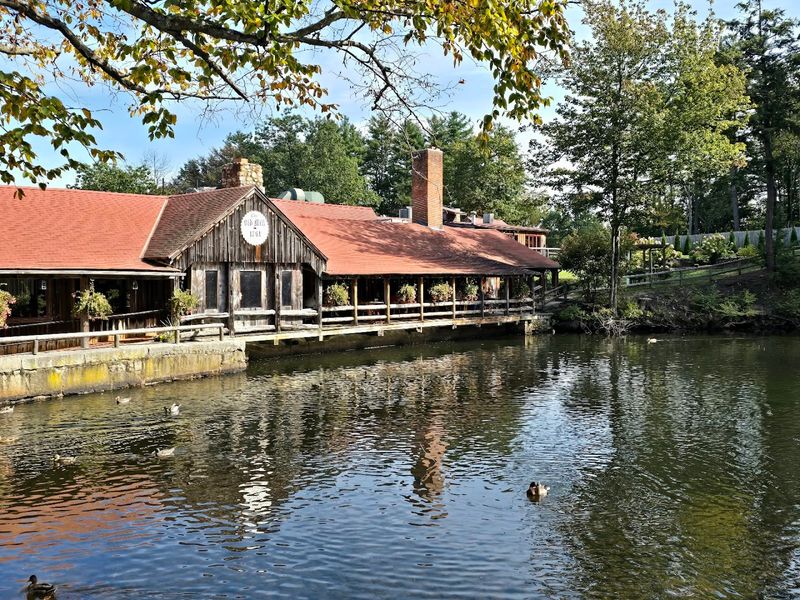
The 1761 Old Mill feels like the sort of place you discover by accident and then talk about forever. It began as a sawmill in 1761, stayed in operation through five generations, and eventually transformed from industrial workhorse to summer tea room before becoming a year-round restaurant in 1946.
That layered history gives it an atmosphere you cannot fake, no matter how many reclaimed beams a new restaurant installs.
I am especially drawn to the setting here. The mill pond reflects the building with storybook calm, and inside you get rustic beauty, antique touches, and the kind of cozy downstairs pub that makes rainy days feel like a gift.
It still remains family run, which adds another thread of continuity to the whole experience.
Dining here feels less like checking off a landmark and more like settling into a place that grew naturally over centuries. You get charm, texture, and a sense that the building remembers every chapter it has lived through.
Address: 69 State Rd E, Westminster, MA 01473
Warren Tavern (Charlestown, 1780)
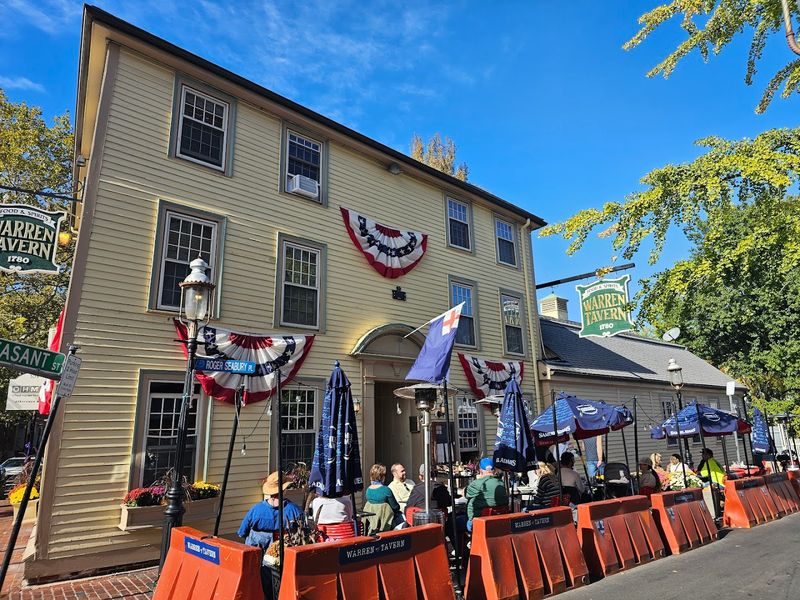
Warren Tavern has the kind of revolutionary pedigree that almost sounds invented, but the building and atmosphere sell it immediately. Founded in 1780 in Charlestown and named for patriot Joseph Warren, it is considered the oldest tavern in Massachusetts.
The structure is believed to include beams from the Charlestown Navy Yard, which somehow makes every pint feel even more storied.
I love how visibly old it feels. Uneven wooden floorboards, low beamed ceilings, and hand-carved details make the tavern seem gloriously uninterested in smoothing out its rough edges for modern tastes.
George Washington, Paul Revere, and Benjamin Franklin are all linked to its history, giving the place the kind of guest list no trendy bar could dream up.
After periods as a bakery, warehouse, and club, it returned to tavern life in the 1970s. That comeback adds to its appeal.
You are not just visiting a relic here – you are stepping into a survivor that still knows how to host a room.
Address: 2 Pleasant St, Charlestown, MA 02129
Al Mac’s Diner (Fall River, 1910)
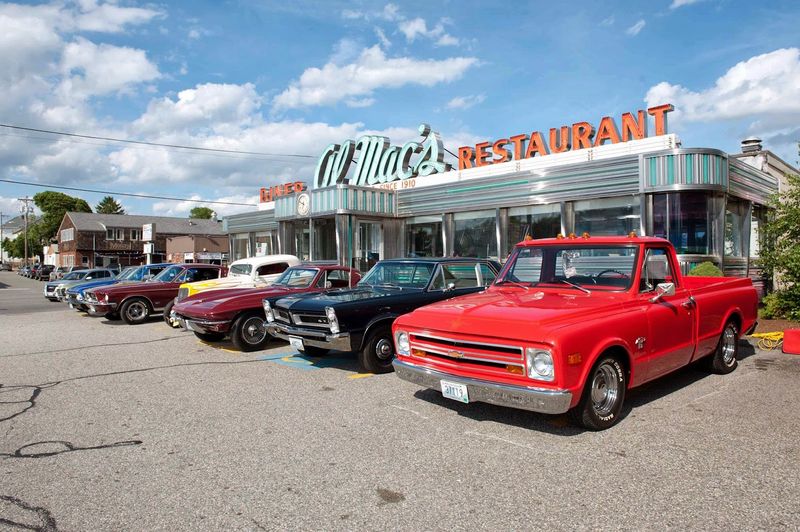
Al Mac’s Diner proves that history does not always wear colonial wood paneling. Its story starts in 1910, when Al McDermott sold food from a horse-drawn wagon to Fall River mill workers, but the gleaming stainless steel diner people know today dates to 1953.
That makes it a different kind of time capsule, one rooted in industrial Massachusetts and midcentury Americana instead of powdered wigs.
I appreciate how unapologetically unpretentious it is. Added to the National Register of Historic Places in 1999, the diner still leans into its blue-collar identity with cramped booths, affordable classics, and an atmosphere that feels honest rather than curated.
Even its brushes with closure and reopening only deepen the sense that this place matters to the community around it.
When you slide into a booth here, you get more than breakfast. You get chrome, resilience, and a reminder that another era can be as much about coffee refills, political visits, and working-class grit as it is about colonial romance.
Address: 135 President Ave, Fall River, MA 02720
Old Yarmouth Inn (Yarmouth Port, 1696)
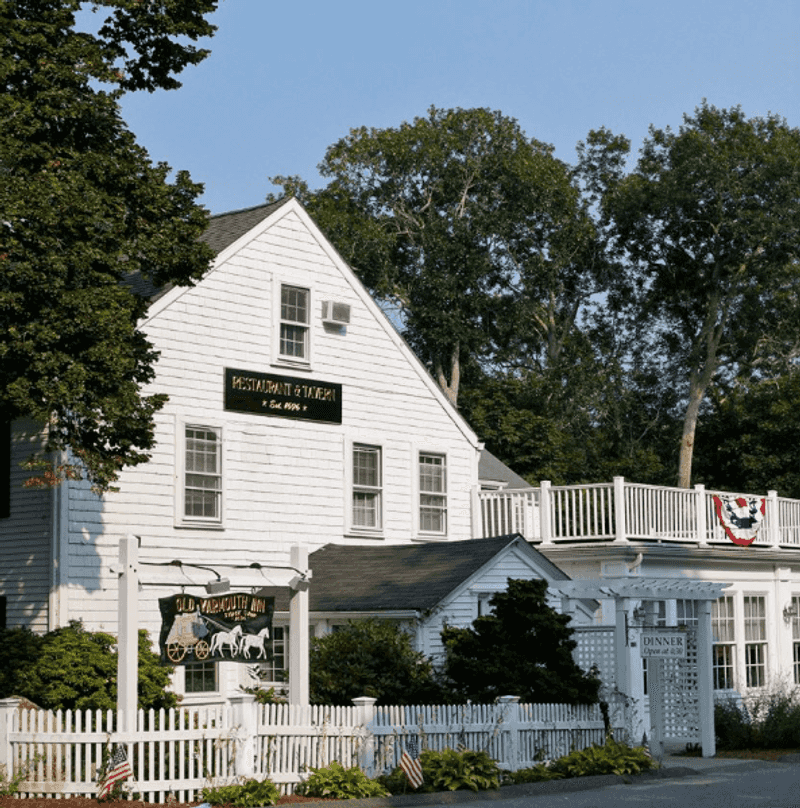
Old Yarmouth Inn carries the kind of age that makes you sit up straighter the moment you walk in. Established in 1696, it is often cited as the oldest inn in America still operating, and it began as a stagecoach stop for travelers needing food, rest, and shelter.
That origin still lingers in the building’s personality, especially in the sense that people have been pausing here for centuries.
I find its hidden histories especially compelling. The inn was part of the Underground Railroad, with a secret attic room used to hide enslaved people, and it also has a reputation for being haunted, which only deepens the atmosphere.
Inside, the wood-paneled tavern room, fireplace, and the historic Red Room make the past feel very close.
Even though it no longer offers lodging, it still knows how to host you. The stagecoach sign outside, the old timbers within, and the layered stories all make dinner here feel deeply rooted, intimate, and unforgettable.
Address: 223 MA-6A, Yarmouth Port, MA 02675
Parker’s Restaurant at the Omni Parker House (Boston, 1855)
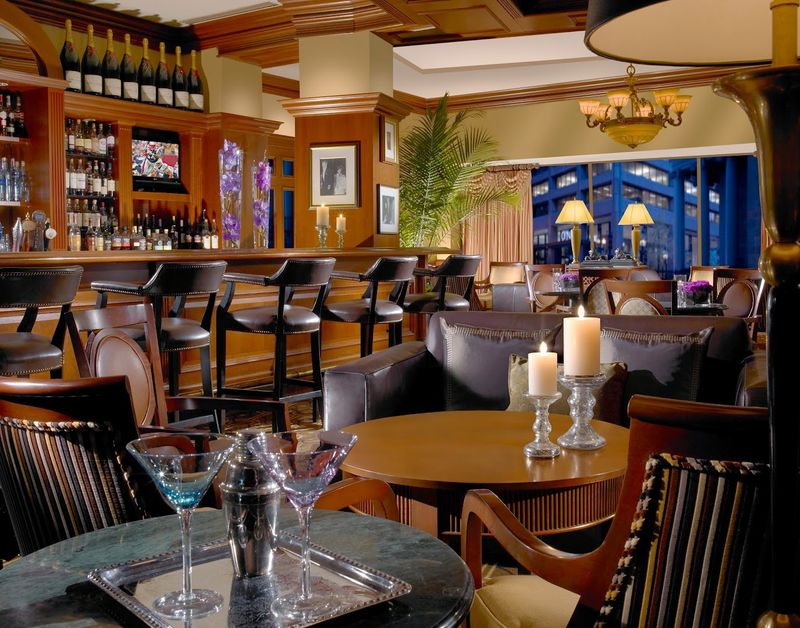
Parker’s Restaurant feels like old Boston dressed for the theater. Set within the Omni Parker House, founded in 1855 by Harvey D.
Parker, the restaurant carries a refined sense of history that is less tavern grit and more polished grandeur. If you want another era with chandeliers instead of floorboard creaks, this is the reservation to make.
I love that the menu here comes with actual culinary legacy. Boston Cream Pie was created here in 1856, Parker House Rolls appeared in the 1870s, and even the term scrod traces back to this dining room.
Add in Waterford crystal chandeliers, hand-carved woodwork, and the stories of Ho Chi Minh and Malcolm X working in the hotel, and the place starts to feel like a crossroads of culture as much as cuisine.
What stays with you most is the elegance. Dinner here feels ceremonial, rich, and unmistakably historic, like the city decided to serve its memory on fine china under flattering light.
Address: 60 School St, Boston, MA 02108
Santarpio’s Pizza (East Boston, 1903)
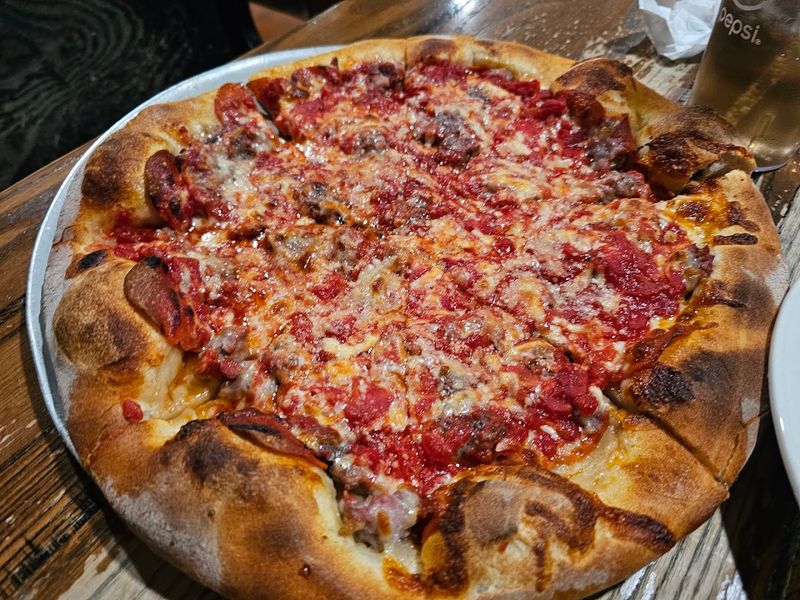
Santarpio’s Pizza is historic in the best possible anti-fancy way. Founded as a bakery in 1903 by Italian immigrant Frank Santarpio and serving pizza since 1933, it has spent more than a century building a reputation by refusing to act polished.
If you like your legends with flour on the counter and a little smoke in the air, this place delivers.
I admire how stubbornly itself it remains. The no-frills room, boxing posters, mismatched silverware, and old-school Italian feel create an atmosphere that seems almost immune to trend cycles.
It resisted expansion for decades to protect the specific quality and personality that made it beloved, and you can feel that loyalty in every corner.
The pizza matters, of course, especially the thin crust and charcoal-broiled edge, but the time-travel effect is the real draw. Eating here feels like slipping into a neighborhood ritual that has outlasted fashions, food fads, and almost every modern rule about how restaurants are supposed to market themselves.
Address: 111 Chelsea St, Boston, MA 02128
Hawthorne Hotel Tavern (Salem, 1925)
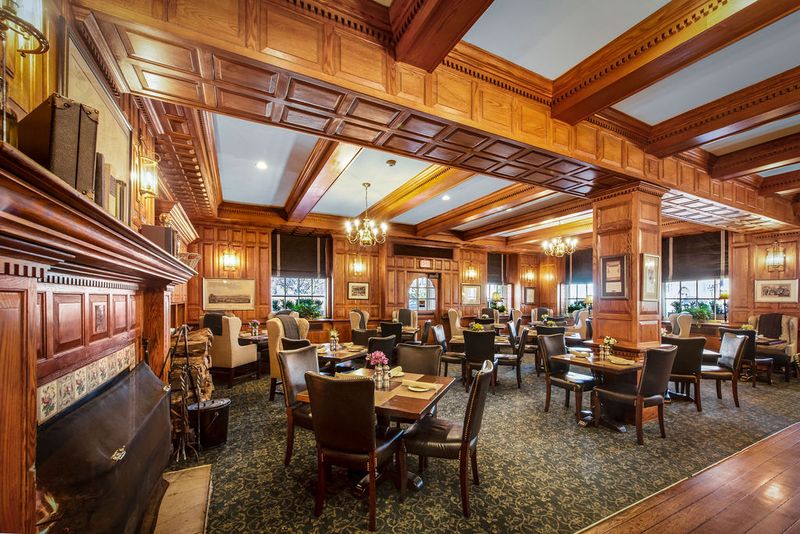
The Hawthorne Hotel Tavern offers a slightly different kind of historic mood, one shaped by Salem’s literary aura and 1920s civic ambition. Opened in 1925 as part of Salem’s own community-built hotel, it was designed to serve as both a gathering place and a statement of local pride.
That origin gives the tavern a welcoming, lived-in dignity that feels distinctly New England.
I like how the Colonial Revival style lets the building feel historical without pretending to be older than it is. Named for Nathaniel Hawthorne and located near sites tied to his life, the hotel carries a quiet sense of story, while the tavern’s fireplace and traditional details create the ideal setting for lingering over dinner.
There is also something charming about a hotel built by neighbors buying stock to make it happen.
The result is cozy rather than flashy. You get Salem atmosphere, literary association, and a room that still feels like it was made for conversation, weather, and the pleasure of staying a little longer than planned.
Address: 18 Washington Square W, Salem, MA 01970
The Red Inn (Provincetown, 1805)
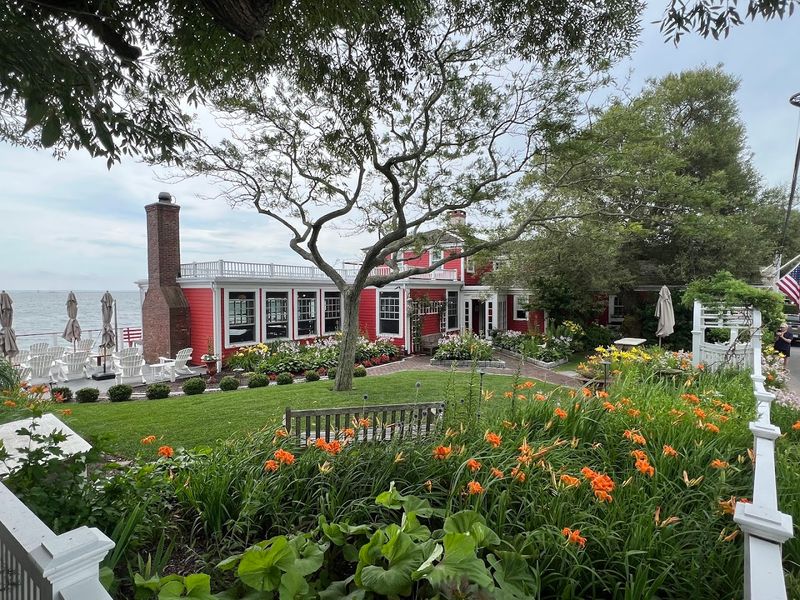
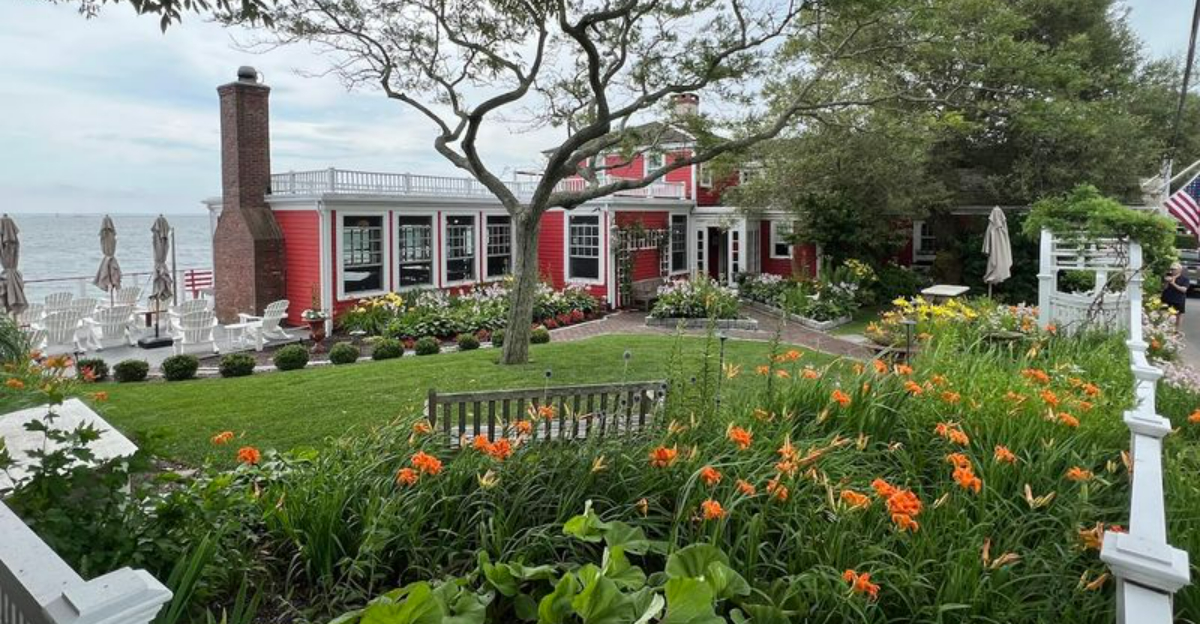
The Red Inn pairs old-world elegance with the kind of coastal setting that almost feels unreal. Built in 1805 as the home of Captain Freeman Atkins and operating as an inn and restaurant since 1915, it stands on historically significant ground near where the Pilgrims first landed in 1620.
That combination of maritime beauty and deep time gives the place an unusually layered presence.
I think its biggest strength is how well it balances atmosphere and scenery. Renovations in 2011 highlighted beamed ceilings, fireplaces, and wide-board pine floors without scrubbing away its age, while the harbor views keep the dining experience tied to Provincetown’s elemental charm.
It has welcomed figures like Theodore Roosevelt and even appeared in film, but it still feels intimate rather than showy.
This is the kind of place that encourages you to slow down. Between the water, the old wood, and the quietly luxurious mood, dinner here feels romantic, reflective, and beautifully detached from the present tense of everyday life.
Address: 15 Commercial St, Provincetown, MA 02657
South Street Diner (Boston, 1947)
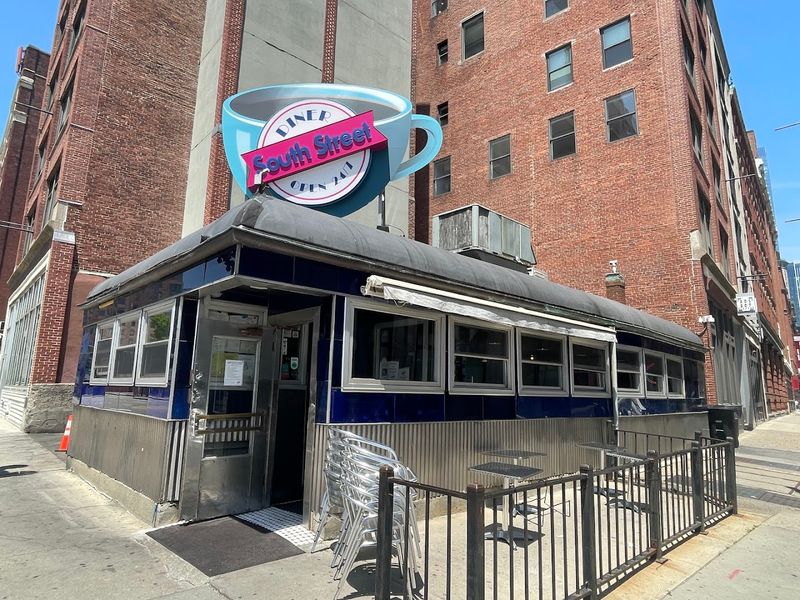
South Street Diner may be younger than some names on this list, but its time-capsule power is undeniable. Built in the 1940s and long known as Boston’s oldest continuously operating 24/7 late-night diner, it still wears its chrome, white tile, and blue accents like a proud uniform.
In a city that changes fast, that consistency feels almost miraculous.
I especially love that it captures a different Massachusetts history – not colonial, but urban, sleepless, and deeply working class. Located in the Leather District, it originally fed factory workers and later found its way into films, television, and comic books without losing its unpretentious soul.
The blue pleather stools and booths still look like they are waiting for shift workers, insomniacs, and post-midnight philosophers.
Eating here feels wonderfully democratic. You are not entering a preserved museum piece so much as a living slice of Real Boston, still serving comfort and conversation under diner lights that seem permanently set to yesterday.
Address: 178 Kneeland St, Boston, MA 02111
Sagres Restaurant (Fall River, 1960s roots, opened 1976)
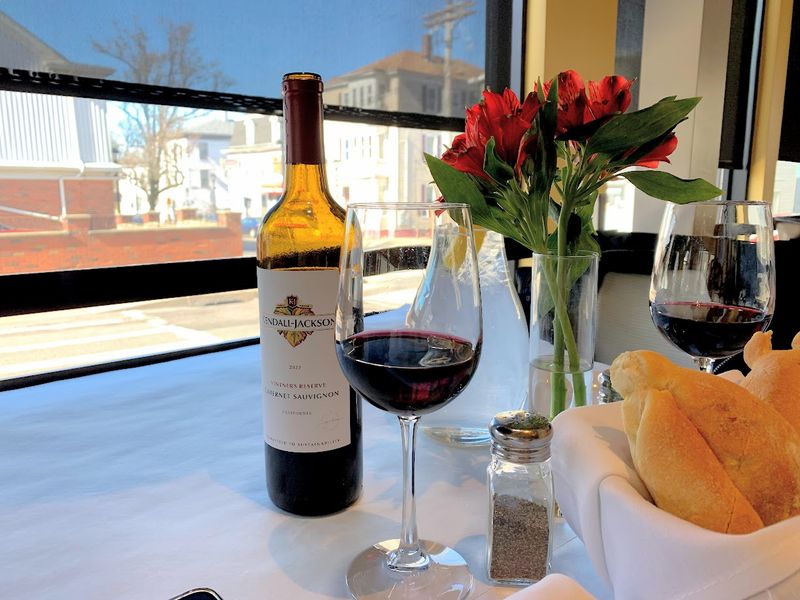
Sagres Restaurant is the most modern entry here, but it absolutely earns its place for the way it preserves a cultural era rather than a colonial one. Opened in 1976 by Antonio DaSilva and Amadeu Cerqueira after they immigrated following Portugal’s 1974 revolution, it helped define Fall River as a destination for Portuguese dining.
That legacy gives the restaurant a historical significance that feels deeply personal and community rooted.
I appreciate that Sagres carries old-school elegance without stiffness. White tablecloths, traditional Portuguese artwork, and a warm, intimate dining room create the kind of atmosphere that feels both celebratory and lived in.
Its story includes national praise, PBS attention, a 2013 fire, and a determined reopening in 2015, which only adds resilience to its charm.
This is another era in a different key. Instead of powdered-wig nostalgia, you get immigrant history, cultural memory, and the sense that a dining room can preserve identity just as powerfully as any landmark plaque.
Address: 177 Columbia St, Fall River, MA 02721