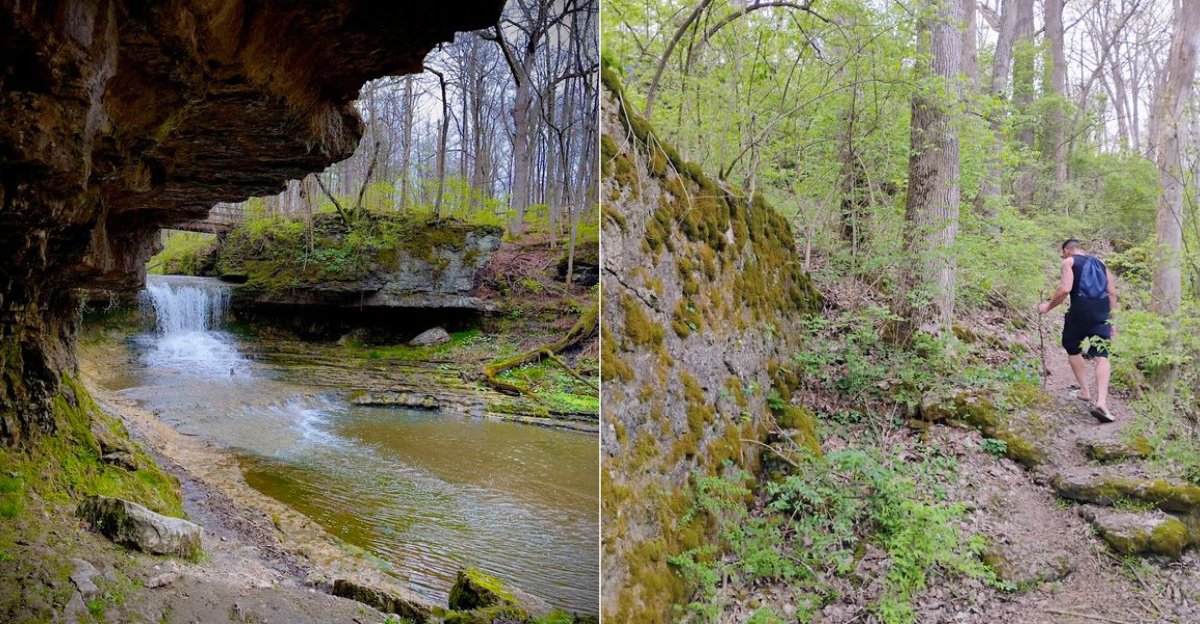
Tucked away in the charming village of Yellow Springs sits a natural wonder that seems wildly out of place in Ohio. Glen Helen Nature Preserve boasts towering ancient trees, cascading waterfalls, and moss-draped gorges that could easily convince you that you have been transported to Washington or Oregon.
With over 1,000 acres of stunning trails, unique rock formations, and diverse ecosystems, this hidden gem offers an escape that feels worlds away from typical Midwestern landscapes.
Towering Ancient Forest Canopy
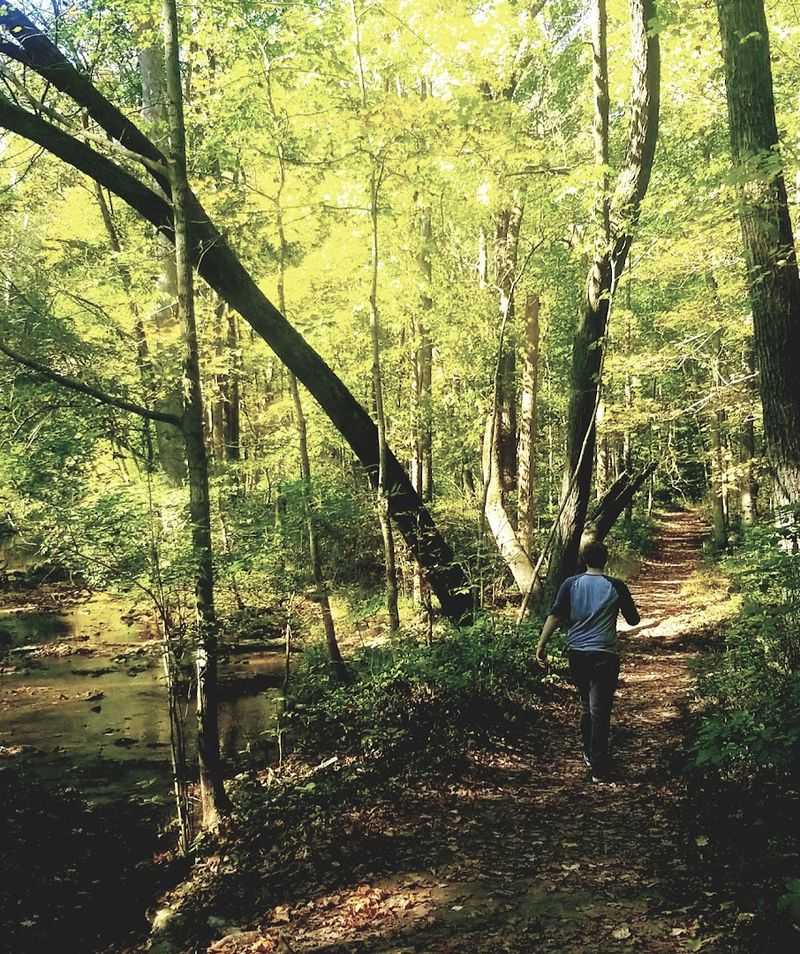
Walking beneath the preserve’s 400-year-old trees feels like stepping into an old-growth Pacific Northwest forest. These massive specimens tower overhead with thick trunks and sprawling branches that create a cathedral-like canopy.
The age and size of these trees immediately set Glen Helen apart from younger Midwestern woodlands.
Sunlight filters through the dense leaf cover in golden beams that shift throughout the day. The shade provided by these ancient giants keeps temperatures cooler even during hot summer months.
Many visitors remark that they feel transported to the temperate rainforests of the West Coast.
These century-old trees have witnessed countless seasons and survived numerous storms. Their gnarled bark and twisted limbs tell stories of resilience and longevity.
The preserve carefully protects these irreplaceable natural monuments for future generations.
Scientists and nature lovers alike study these trees to understand forest ecology and climate history. The diversity of species includes oak, maple, beech, and other hardwoods creating complex ecosystems.
Spending time among these silent guardians offers a humbling perspective on our place in nature’s timeline.
Multi-Tiered Cascade Waterfalls
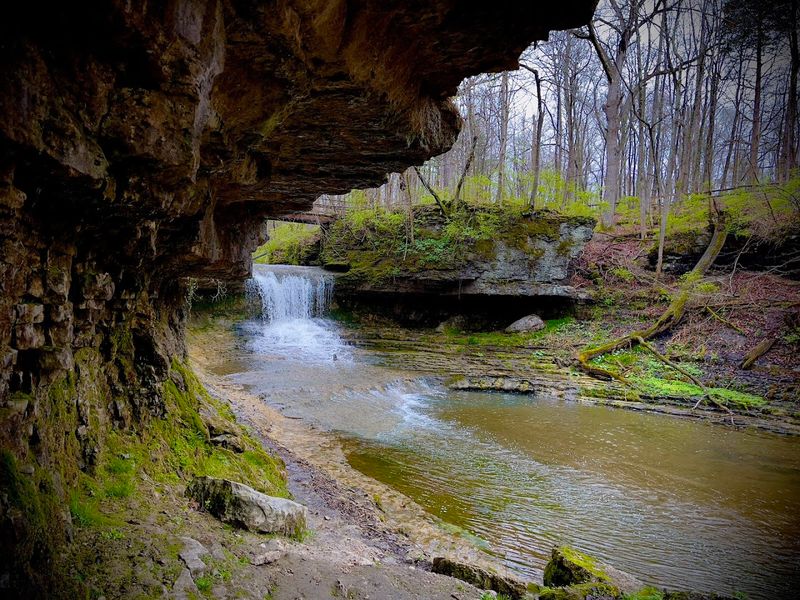
Few things scream Pacific Northwest quite like the sound of rushing water tumbling over rocks. Glen Helen features multiple waterfalls throughout the preserve, with the famous Yellow Spring cascade being the crown jewel.
Water flows steadily over limestone shelves creating mesmerizing patterns and soothing sounds that echo through the gorge.
The main waterfall drops dramatically into a crystal-clear pool below. Mist rises from the base, coating nearby rocks with moisture and supporting lush plant growth.
During spring runoff or after heavy rains, these falls transform into powerful torrents worthy of any Northwestern wilderness.
Smaller cascades and water features dot the landscape throughout your hike. Each has its own character, from gentle trickles over moss-covered stones to spirited drops into rocky pools.
The constant presence of moving water creates an atmosphere that feels remarkably similar to Oregon or Washington trails.
Photographers flock here to capture long-exposure shots of the flowing water against verdant surroundings. The falls remain accessible year-round, though ice formations in winter add another dimension of beauty.
These aquatic features prove that Ohio can definitely compete with coastal states in natural splendor.
Dramatic Stone Stairway Descent
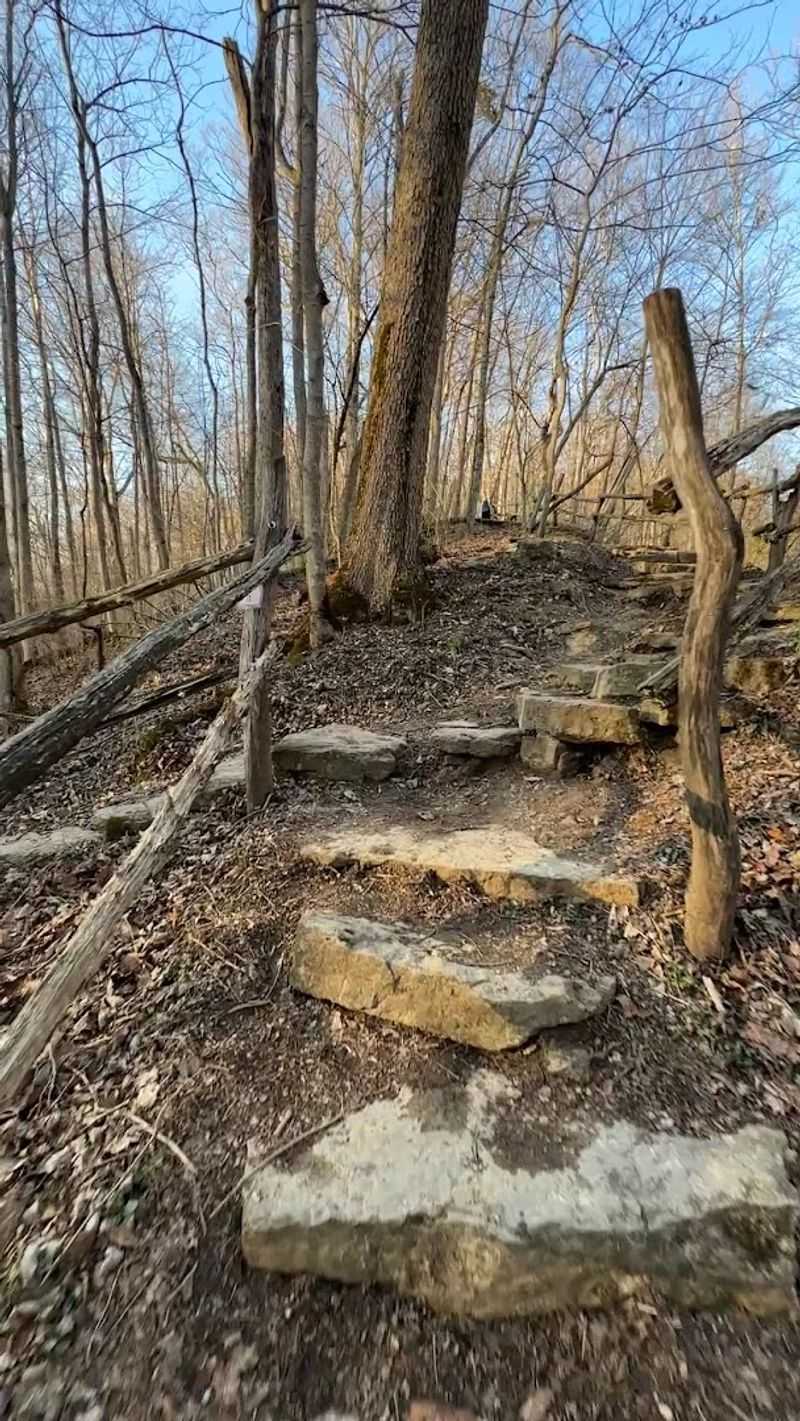
Prepare your legs for an adventure down more than 100 stone steps carved into the hillside. This dramatic descent into the gorge creates an immediate sense of entering another world entirely.
Each weathered step has been worn smooth by countless footsteps over decades of use.
As you make your way down, towering rock walls rise on either side creating a canyon-like experience. The temperature drops noticeably as you descend deeper into this natural corridor.
Ferns and moisture-loving plants cling to crevices in the stone walls, thriving in the humid microclimate.
The stairway itself feels like something from a Pacific Northwest state park with its rustic construction and natural integration into the landscape. Handrails provide stability on the steeper sections, though sturdy shoes remain essential.
The sense of vertical relief here surprises most first-time visitors expecting flat Midwestern terrain.
Climbing back up provides an excellent workout and new perspectives on the surrounding geology. The stairs wind strategically to minimize erosion while maximizing scenic views.
This feature alone makes Glen Helen feel more like a mountain preserve than anything typically found in Ohio.
Moss-Covered Limestone Gorge
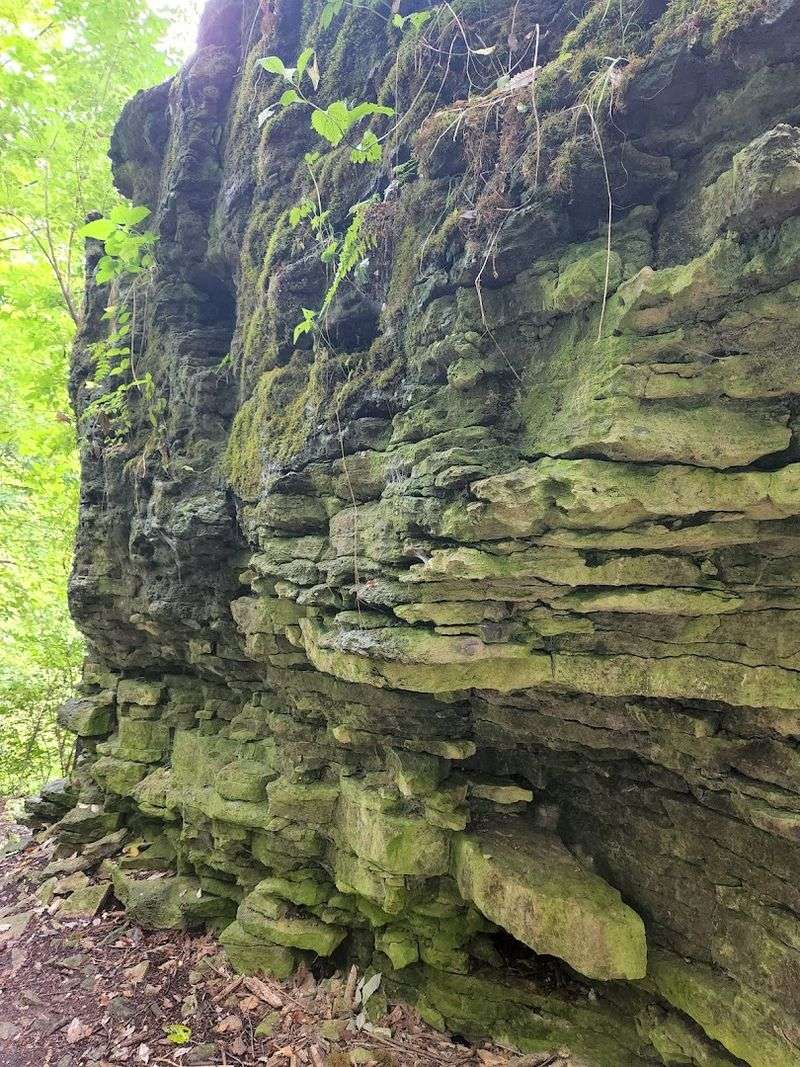
The gorge at Glen Helen rivals anything you might find along the Columbia River in Oregon. Sheer limestone cliffs rise dramatically from the valley floor, their faces draped in thick carpets of emerald moss.
The constant moisture from nearby springs and waterfalls creates perfect conditions for this lush growth.
Massive boulders scattered throughout the gorge bottom wear their own fuzzy green coats. These rocks, some over ten feet tall, tumbled down from the cliffs above during ancient geological events.
Walking among them feels like exploring a mystical Northwest canyon.
The limestone itself displays fascinating layers and erosion patterns from millions of years of water action. Fossils occasionally peek through the stone surfaces, reminding visitors of Ohio’s prehistoric past beneath shallow seas.
The rock formations create countless nooks and overhangs that shelter diverse plant communities.
Shade from the high cliffs and tree canopy keeps this area cool and damp throughout most of the year. Lichens, mosses, and ferns flourish in the dim light creating an almost prehistoric atmosphere.
The green-on-gray color palette and humid air transport you straight to the Pacific Coast without leaving the Midwest.
Pristine Spring-Fed Waterways
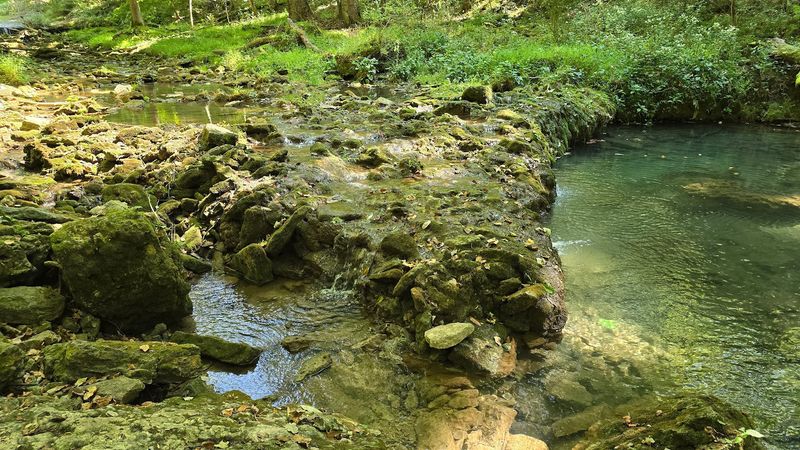
Crystal-clear water bubbles up from underground aquifers creating the namesake Yellow Spring and numerous other seeps throughout the preserve. The water emerges cold and pure, maintaining consistent temperatures year-round regardless of surface conditions.
This creates unique ecosystems similar to spring-fed streams found throughout the Cascade Mountains.
You can peer straight through to the rocky bottom in these pristine waterways. Aquatic plants sway gently in the current while small fish dart between submerged stones.
The clarity and purity of these springs have attracted humans to this spot for thousands of years.
Multiple creeks fed by these springs wind through the preserve creating a network of aquatic habitats. Their banks support specialized plants that thrive with constant access to fresh water.
The sound of gurgling brooks accompanies hikers throughout much of the trail system.
Native Americans and early settlers recognized the value of these reliable water sources. Today, the springs continue to flow at roughly 145 gallons per minute, providing vital hydration to downstream ecosystems.
The spring-fed nature of these waterways gives Glen Helen a verdant, well-watered character reminiscent of the Pacific Northwest’s abundant rainfall.
Wildlife-Rich Raptor Rehabilitation Center
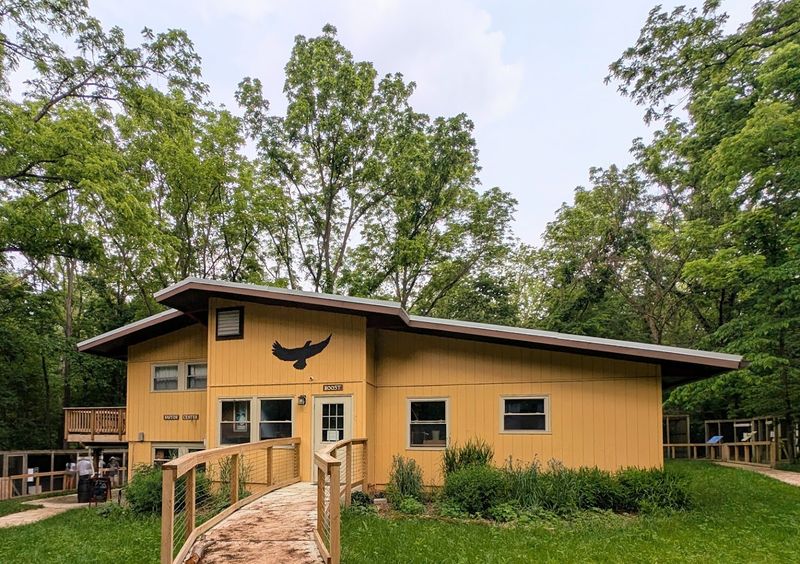
Just like the celebrated raptor centers found throughout Washington and Oregon, Glen Helen operates a world-class facility for injured birds of prey. Hawks, owls, falcons, and eagles recover here under expert care before returning to the wild when possible.
Those unable to survive independently become educational ambassadors helping visitors understand these magnificent creatures.
The center sits near the main parking area making it an accessible first or last stop during your visit. Large outdoor flight enclosures house permanent residents who greet visitors with piercing stares and impressive wingspans.
Knowledgeable staff share fascinating details about each bird’s story and natural history.
Windows in the education building overlook feeders and natural areas where wild birds congregate. You might spot anything from tiny hummingbirds to massive herons during your observation time.
The center emphasizes conservation and the important role raptors play in healthy ecosystems.
Educational programs bring school groups and families face-to-face with these powerful predators safely. The combination of rehabilitation work and public education mirrors the mission of renowned Pacific Northwest wildlife centers.
The modest ten-dollar parking fee directly supports these vital conservation efforts keeping Ohio’s raptor populations thriving.
Beaver-Engineered Wetland Ecosystem
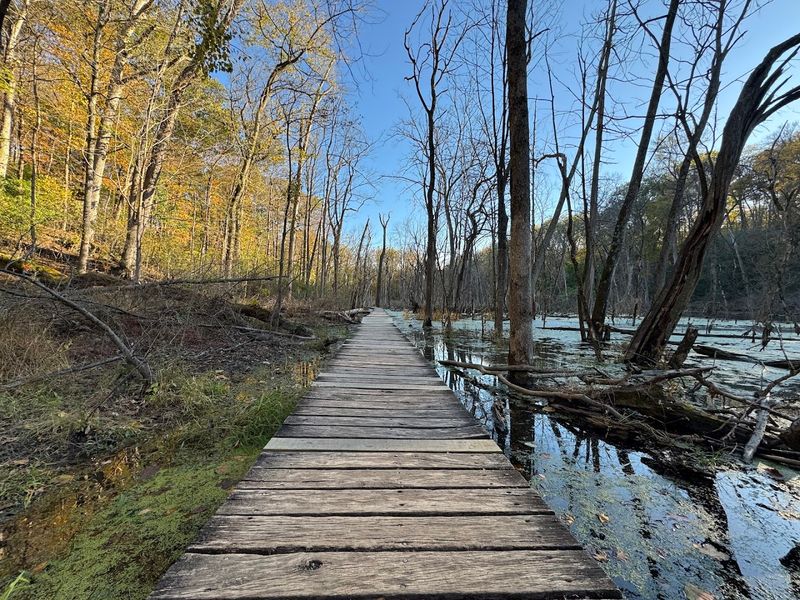
North America’s largest rodents have been hard at work transforming part of Glen Helen into a thriving wetland ecosystem. Beaver dams create ponds that attract diverse wildlife from waterfowl to amphibians to insects.
The engineering skills of these industrious animals rival anything found in the beaver-rich watersheds of the Pacific Northwest.
A wooden boardwalk allows visitors to traverse the marshy area without disturbing sensitive habitat. Standing water reflects the sky and surrounding trees creating mirror-like surfaces perfect for photography.
Dead trees standing in the flooded areas provide nesting sites for woodpeckers and perches for hunting birds.
The wetland buzzes with life during warmer months as dragonflies patrol above while frogs chorus below. Cattails and other water-loving plants form dense stands providing cover for secretive marsh birds.
Patient observers might spot painted turtles basking on logs or muskrats swimming through the shallows.
This dynamic ecosystem demonstrates how a single species can dramatically reshape an entire landscape. The beavers continue to maintain and modify their dams creating an ever-changing natural laboratory.
The abundance of wetland life here would feel right at home in the marshy lowlands of the Olympic Peninsula.
Rugged Rocky Trail Features
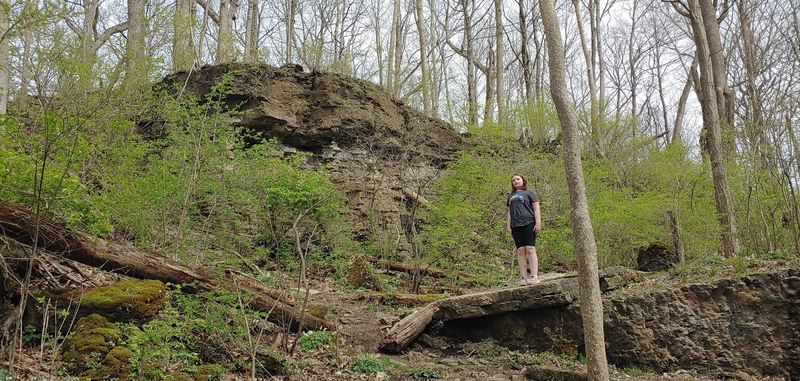
Forget smooth, easy Midwestern paths – Glen Helen’s trails demand attention and proper footwear. Exposed roots, rocky outcrops, and uneven surfaces create hiking conditions more typical of mountainous regions.
The terrain varies constantly keeping hikers engaged and alert throughout their journey.
Large boulders force trails to wind around or scramble over them adding adventure to even short walks. Some sections require careful foot placement especially when wet from rain or morning dew.
The ruggedness level surprises many visitors expecting gentler Ohio countryside strolls.
Trail difficulty ratings range from easy loops to more challenging routes that test your endurance and balance. Over fifteen miles of interconnected paths offer options for every fitness level and time constraint.
Numbered trail markers help navigation though downloading a map before your visit proves wise.
The varied topography creates constant elevation changes unusual for this region of the country. Your legs will definitely feel the workout by the end especially after conquering those hundred-plus stone stairs.
This challenging terrain combined with Pacific Northwest-style scenery makes Glen Helen a true adventure destination worth the six-and-a-half-out-of-ten difficulty rating hikers report.
Year-Round Lush Green Understory
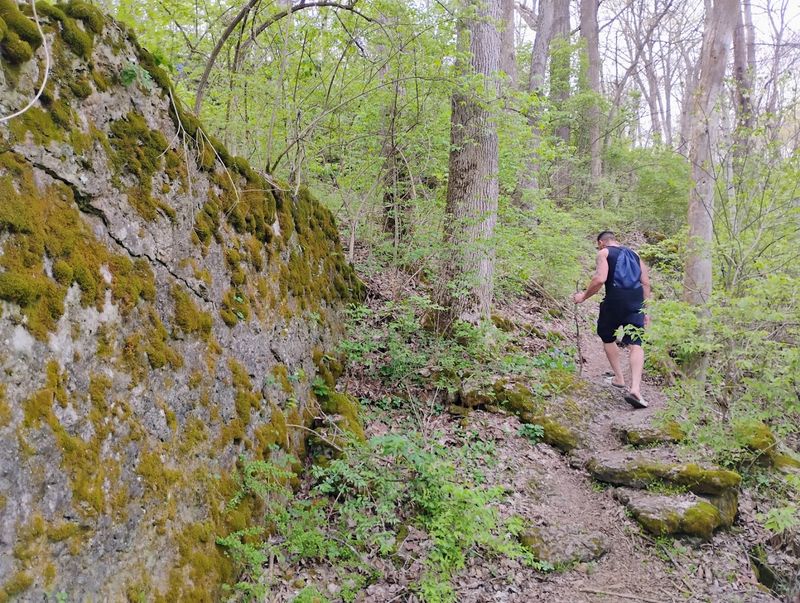
Thanks to the preserve’s unique microclimate and reliable moisture sources, vegetation stays surprisingly lush throughout most of the year. Ferns carpet the forest floor in dense green waves reminiscent of temperate rainforest understories.
Wildflowers bloom in succession from early spring through late fall providing constant color and interest.
The combination of shade, moisture, and rich soil supports plant diversity rarely seen in typical Midwestern forests. Delicate woodland wildflowers like trillium and bloodroot emerge in spring before tree leaves block the sunlight.
Summer brings different species adapted to shadier conditions including various ferns and shade-tolerant flowering plants.
Even during typically brown Midwestern winters, Glen Helen retains more green than surrounding areas. Evergreen Christmas ferns and moss-covered rocks provide color when deciduous plants have dropped their leaves.
The constant moisture from springs prevents the complete dormancy seen in drier forests.
Fall transforms the preserve into an explosion of reds, oranges, and golds that rivals New England’s famous foliage displays. The vibrant autumn colors combined with green ferns and mosses create stunning visual contrasts.
This year-round verdant character strongly evokes the perpetually green forests of the Pacific Northwest where moisture ensures lush vegetation regardless of season.
Misty Morning Forest Atmosphere
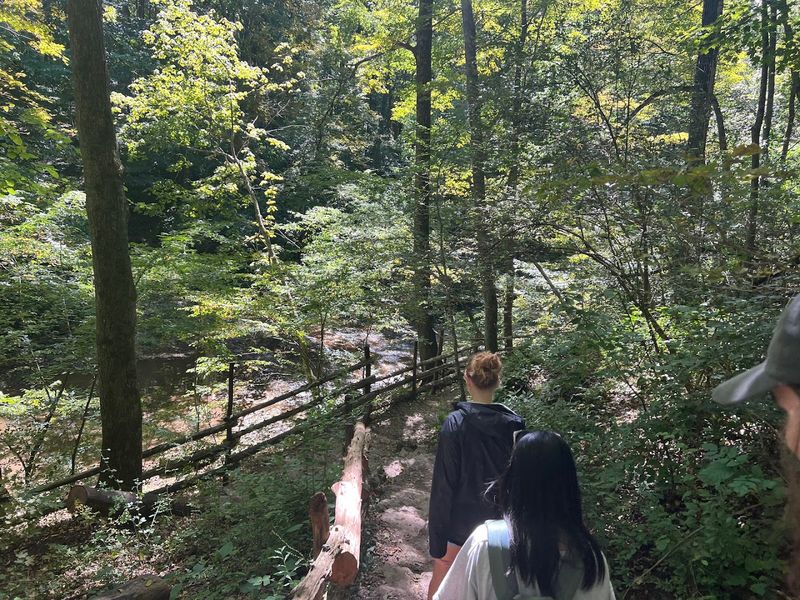
Early risers experience Glen Helen at its most magical when morning mist rises from the cool water sources and hangs between trees. The atmospheric conditions created by temperature differentials between spring water and air produce fog banks that drift through the gorge.
This ethereal quality perfectly captures the moody ambiance of Pacific Northwest mornings.
Sunbeams pierce through the mist creating dramatic light shows that photographers dream about. The combination of filtered light, moisture in the air, and forest greenery produces scenes straight from fantasy novels.
Wildlife becomes more active during these quiet hours before crowds arrive.
The increased moisture in the air amplifies scents from flowering plants, rich earth, and decomposing leaves. Your breath forms clouds in the cool morning air even during warmer months.
The sensory experience of dawn at Glen Helen engages all your senses simultaneously.
Visiting early also means securing parking before the lot fills and experiencing trails in peaceful solitude. The preserve opens at dawn allowing dedicated nature lovers to catch sunrise illuminating the waterfalls and forest canopy.
These morning conditions only last a few hours before warming temperatures burn off the mist, so setting your alarm early rewards you with the most Northwest-like experience possible.