Ohio has a talent for hiding its best surprises in places you might drive past without a second thought. These museums are not the usual big-name stops, yet each one delivers a story, collection, or atmosphere that sticks with you long after the visit.
If you love quirky details, local history, and attractions with real personality, this list will give you plenty of reasons to hit the road. Here are 12 lesser-known museums in Ohio that feel far more memorable than their modest profiles suggest.
Warther Museum & Gardens (Dover)
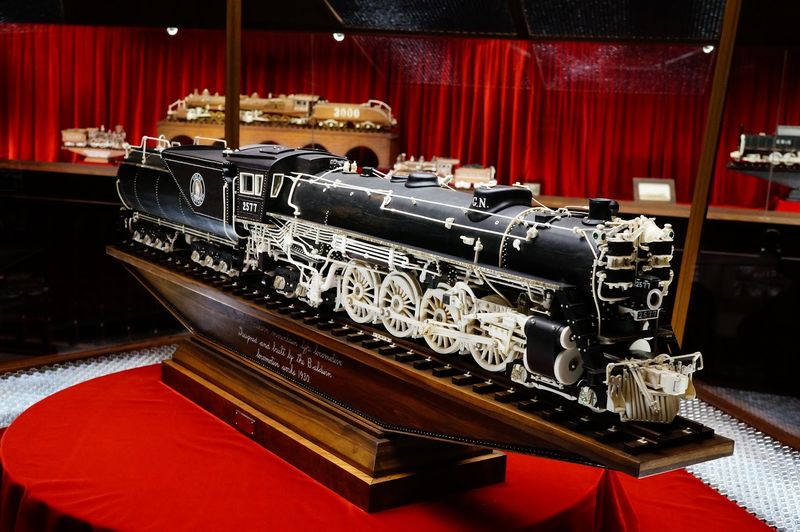
At Warther Museum & Gardens in Dover, I would expect a niche craft museum, but the place lands more like a full-blown act of devotion. Ernest Warther’s hand-carved steam engines are so intricate that you catch yourself staring for far longer than planned.
The scale, precision, and moving parts make every piece feel less like a model and more like a miracle somebody patiently coaxed out of wood and ivory.
What really seals the memory is how personal everything feels once you move beyond the headline carvings. Frieda Warther’s Button House, the untouched workshop, the gardens, and even the famous pliers tree give the museum an unexpectedly intimate rhythm.
You are not just looking at objects here – you are stepping into one family’s discipline, humor, and obsession, and that human dimension is what lingers on the drive home.
The Troll Hole Museum (Alliance)
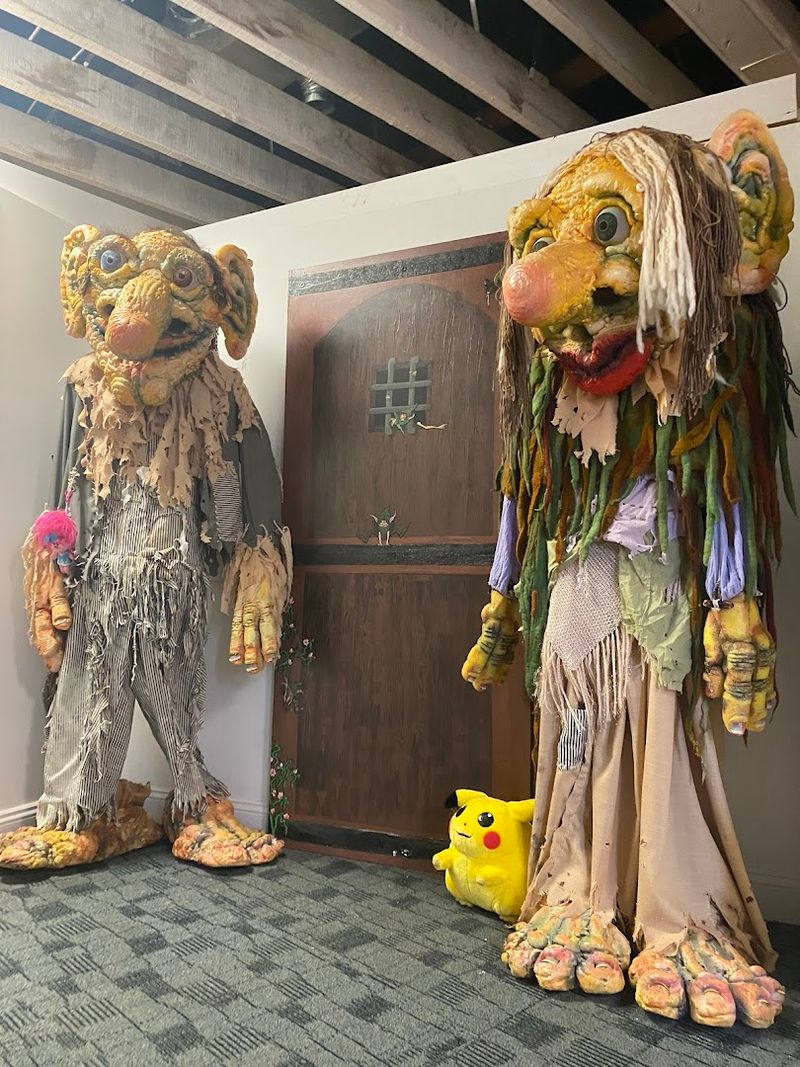
The Troll Hole Museum in Alliance sounds like a joke until you walk in and realize the joke is on anyone who skipped it. Room after room packs in troll dolls, pop culture oddities, and enough nostalgia to make you grin before you even understand the full scope.
It is weird in the best possible way, the kind of place that embraces its own offbeat identity without apology.
What makes it memorable is not just the volume of trolls, though that alone is impressive, but the total commitment to the theme. The displays feel playful rather than dusty, and the whole experience turns into a conversation starter you will probably retell to friends for weeks.
If you enjoy attractions that know exactly what they are and lean all the way in, this museum turns a ridiculous premise into a surprisingly joyful and totally Ohio kind of adventure.
Famous Endings Museum (Dover)
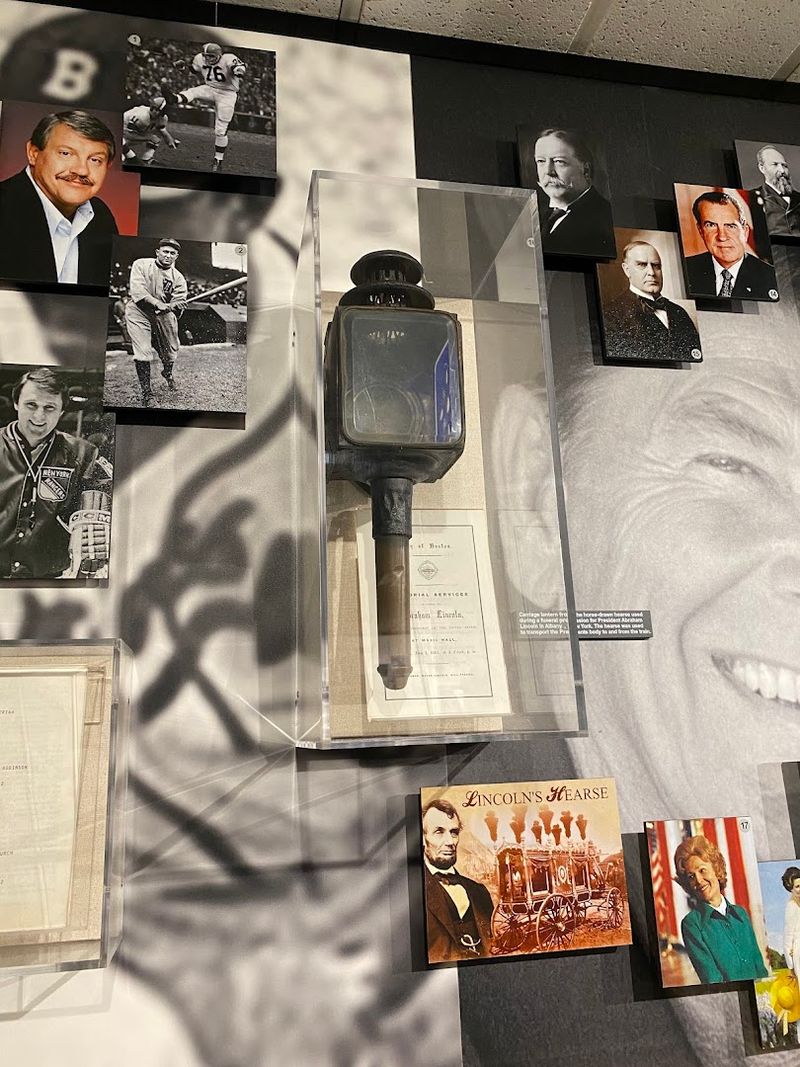
Famous Endings Museum in Dover has one of those names that immediately makes you curious, and the visit pays that curiosity off. Instead of trying to overwhelm you with scale, it wins by focusing on literary history in a way that feels intimate and unexpectedly dramatic.
You move through exhibits thinking about the final pages of beloved books, but also about the writers, revisions, and human choices behind them.
That angle gives the museum a quiet emotional pull that bigger attractions often miss. There is something oddly thrilling about standing close to objects connected to stories you may have carried around for years, especially when the presentation invites you to think about how endings shape memory.
If you like places that reward attention rather than speed, this museum proves that a small concept can still feel rich, reflective, and absolutely worth the stop.
American Sign Museum (Cincinnati)
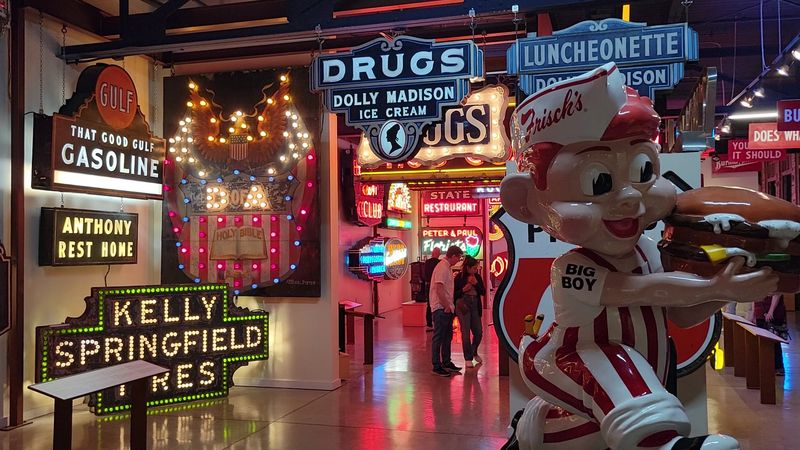
The American Sign Museum in Cincinnati is one of those places that makes you instantly slow down and look up. Neon, painted lettering, old storefront signs, and glowing commercial art fill the space with a kind of electric nostalgia that feels both playful and surprisingly moving.
Even if you never thought much about signage before, the museum quickly shows how these objects shaped city streets, roadside culture, and everyday memory.
I love how immersive the layout feels, because you are not just reading labels next to flat artifacts. You wander through a glowing landscape of typography, craftsmanship, and Americana, and the whole thing starts to feel like a preserved dream of twentieth-century Main Street.
It is memorable because it turns ordinary visual clutter into art, history, and design all at once, which means you leave seeing every old sign on the road a little differently.
Bicycle Museum of America (New Bremen)
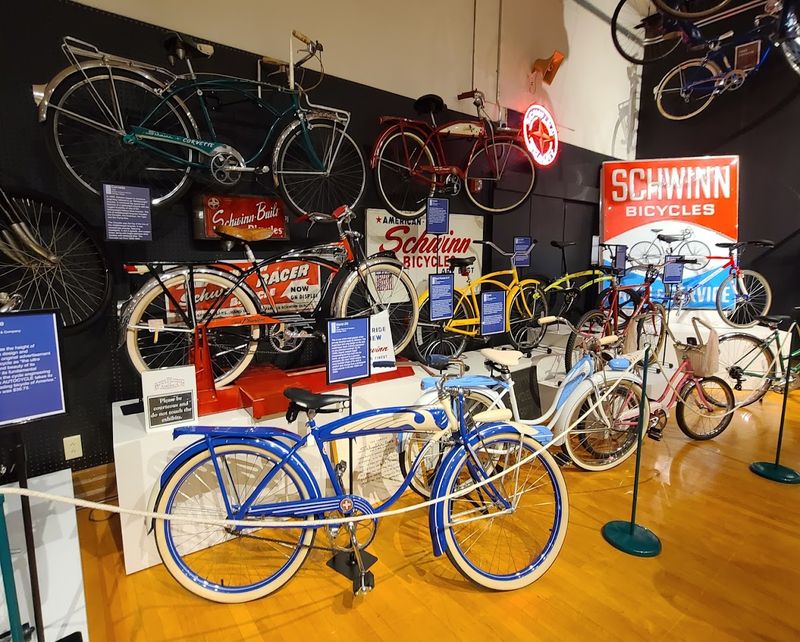
The Bicycle Museum of America in New Bremen takes an everyday object and turns it into a time machine. Once you start moving through the collection, you notice how bicycles reflect changes in technology, fashion, leisure, and even social freedom in ways that are far more interesting than expected.
From elegant early machines to quirky specialty models, the lineup keeps your attention because every bike seems to tell a slightly different story.
What surprised me most is how accessible the museum feels even if you are not a cycling enthusiast. You do not need technical knowledge to appreciate the strange designs, clever engineering, and cultural shifts visible from one era to the next.
It is the kind of stop that sneaks up on you, then leaves you wanting one more lap through the exhibits, simply because something as familiar as a bicycle suddenly feels inventive, personal, and historically huge.
Buckland Museum of Witchcraft & Magick (Cleveland)
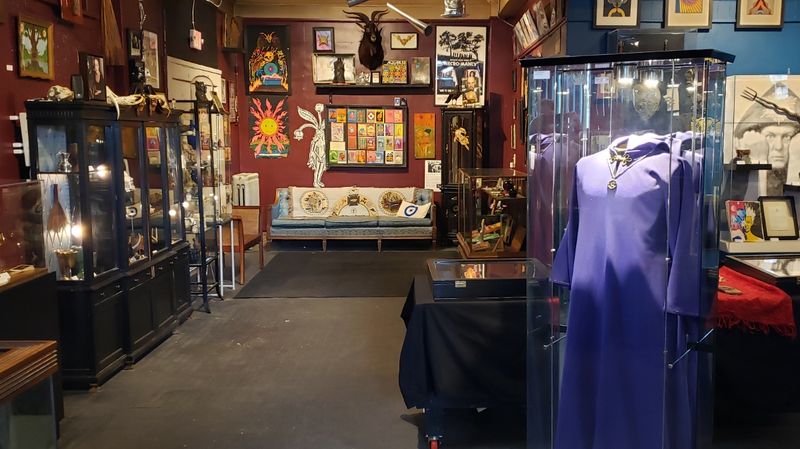
Buckland Museum of Witchcraft & Magick in Cleveland has a title that practically dares you to visit, and once inside, the experience feels more thoughtful than sensational. The exhibits explore ritual tools, folklore, spiritual traditions, and the life of Raymond Buckland in a way that invites curiosity instead of cheap shock.
You can feel the museum working to replace stereotypes with context, which gives the entire visit a grounded, respectful tone.
That balance is what makes it stick with you. The setting is atmospheric enough to feel a little thrilling, but the real payoff comes from learning how often misunderstood practices fit into broader cultural and historical stories.
If you like museums that challenge assumptions while still delivering a memorable mood, this one does exactly that, making room for mystery, scholarship, and just enough strangeness to keep the visit deliciously outside your routine.
Merry-Go-Round Museum (Sandusky)
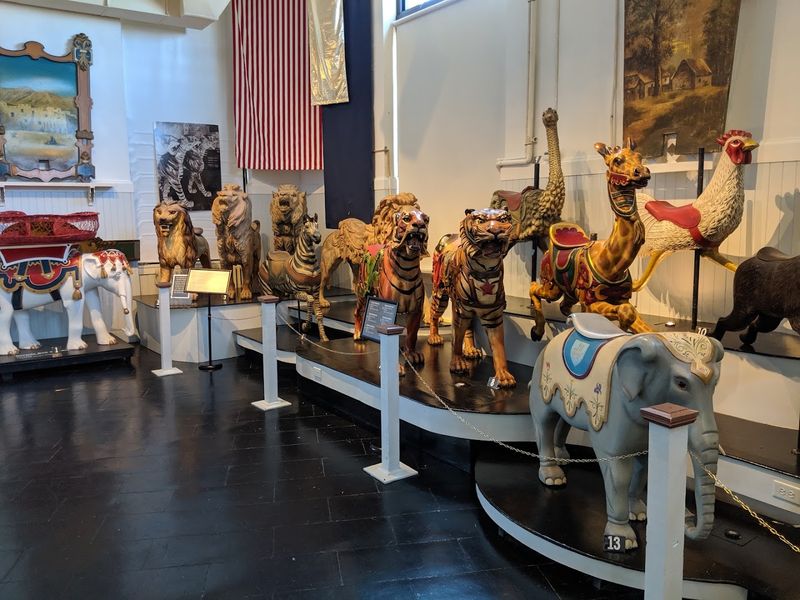
The Merry-Go-Round Museum in Sandusky has an instant charm that is hard to resist, even before you know much about carousel history. Hand-carved horses, painted menagerie figures, and old carousel pieces fill the space with color, motion, and a kind of joyful craftsmanship that feels refreshingly unguarded.
Instead of treating amusement history like trivia, the museum makes it feel artistic, mechanical, and deeply human all at once.
What lingers after the visit is the way childhood wonder and serious preservation sit comfortably together. You can admire the restoration work, learn how these rides were built, and still feel a genuine lift just standing among the brightly painted animals.
It is memorable because it lets you enjoy beauty without cynicism, which is rarer than it should be, and because it proves that something as playful as a carousel can carry real history, skill, and emotional pull.
Ohio River Museum (Marietta)
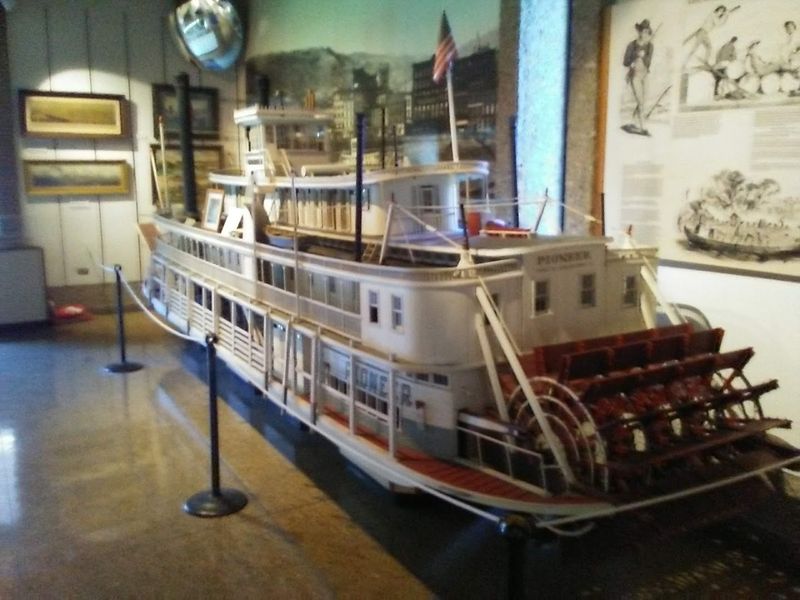
The Ohio River Museum in Marietta captures a world that many travelers skim right past without realizing how important it was. River commerce, boatbuilding, navigation, and life along the water come together here in a way that makes the Ohio River feel less like scenery and more like a powerful historical force.
The exhibits connect everyday regional life to larger American movement, trade, and industry, which gives the museum real weight.
I find it especially memorable because it roots big history in a specific landscape you can actually stand beside. There is something satisfying about leaving the galleries and looking toward the river with a much clearer sense of what moved across it and who depended on it.
If you like museums that sharpen your view of a place rather than just hand you facts, this one turns Marietta’s waterfront into an active, story-filled backdrop you will not forget.
Butler Institute of American Art (Youngstown)

The Butler Institute of American Art in Youngstown may be better known than some places on this list, but it still feels oddly underrated for what it offers. As the first museum devoted exclusively to American art, it gives you a broad, surprisingly intimate way to trace changing moods, values, and styles across generations.
The collection ranges widely enough to stay dynamic, yet the setting remains manageable enough that you can actually absorb what you are seeing.
That balance makes the visit stand out. Instead of sprinting past masterpiece after masterpiece, you get room to notice the quieter works, the unexpected connections, and the moments that genuinely catch you off guard.
I think that is why the museum sticks in memory so well: it feels serious without feeling stiff, and it invites you into American art as something lived, argued over, celebrated, and still very much in progress.
Voice of America Museum of Broadcasting (West Chester)
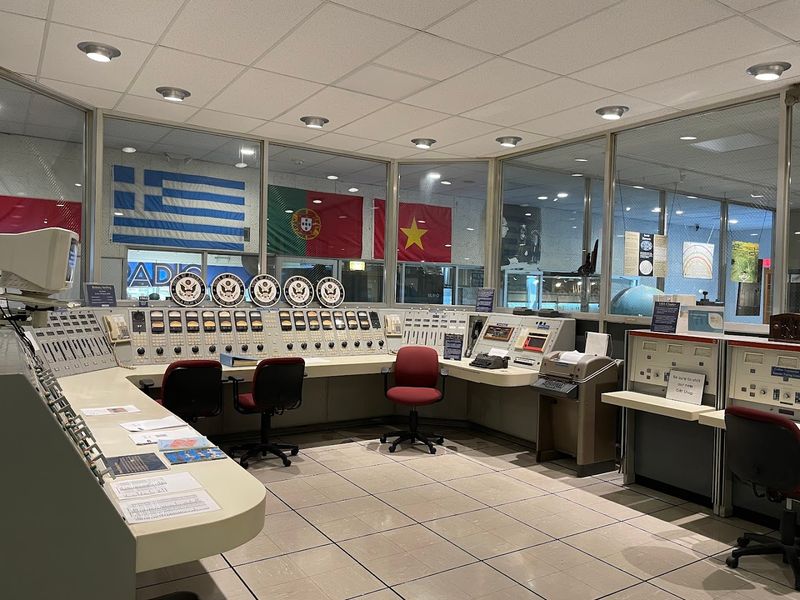
The Voice of America Museum of Broadcasting in West Chester delivers the kind of niche history that turns out to be much bigger than it sounds. What begins with radio equipment and transmission stories quickly expands into global communication, wartime messaging, technological change, and the enormous influence of broadcast media.
You start out expecting a specialist museum and end up thinking about how voices crossed oceans, borders, and political barriers.
That sense of scale is what makes the place memorable. Old microphones, control rooms, and broadcasting artifacts have a tactile appeal, but the larger idea behind them is even stronger: information itself can be infrastructure, persuasion, and lifeline all at once.
If you are drawn to museums that reveal the hidden systems behind modern life, this one deserves more attention, because it transforms racks of equipment and radio history into a vivid story about connection and power.
Campus Martius Museum (Marietta)
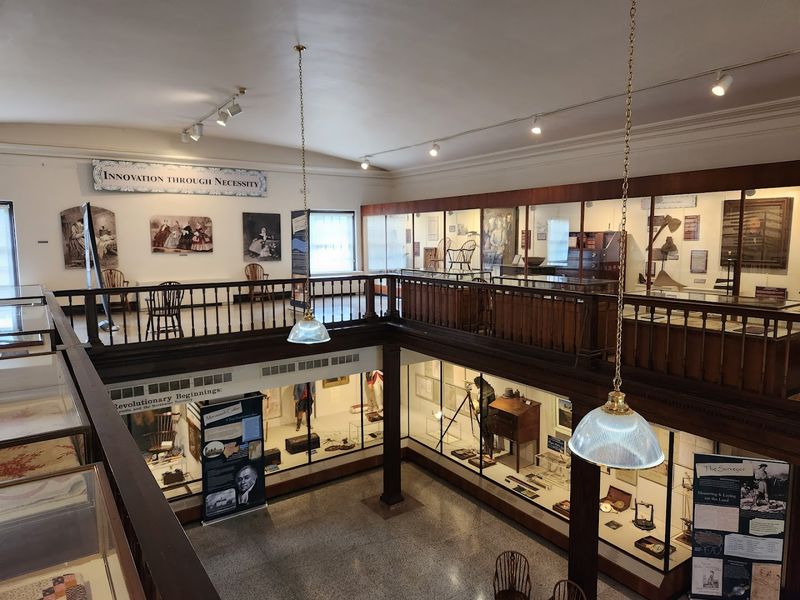
Campus Martius Museum in Marietta offers a frontier story that feels more textured than the usual textbook version. The museum explores early settlement in the Northwest Territory with artifacts, reconstructed spaces, and personal details that make the past feel uncertain, improvised, and very real.
Rather than giving you polished myths, it hints at daily effort, fragile beginnings, and the constant challenge of building a life at the edge of something new.
I think that honesty is what makes the museum worth remembering. You are not just hearing about dates and famous names, but about households, labor, risk, and the practical realities of a growing community.
In a state full of historical sites, this one stands out because it brings early Ohio into focus without flattening it into a simple pioneer romance, and that leaves you with a much sharper, more human sense of place.
Motts Military Museum (Groveport)
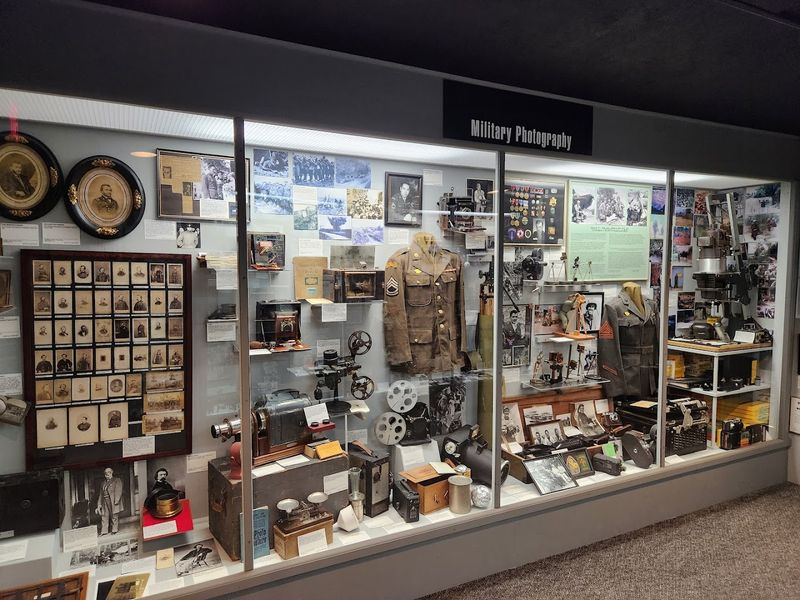
Motts Military Museum in Groveport is the kind of place that quietly exceeds expectations through sheer sincerity. Its collection of uniforms, vehicles, artifacts, and personal memorabilia spans conflicts and generations, but what stands out most is the emphasis on individual service and sacrifice.
Instead of reducing military history to equipment alone, the museum keeps bringing your attention back to the people who wore, carried, or depended on these objects.
That personal focus gives the experience emotional force. You can study the machinery and timelines, but the letters, stories, and traces of everyday life in uniform are what stay with you after the visit.
If you appreciate museums that honor history without turning it into spectacle, this one strikes a thoughtful balance, making room for pride, grief, gratitude, and perspective in a way that feels grounded, respectful, and genuinely memorable.