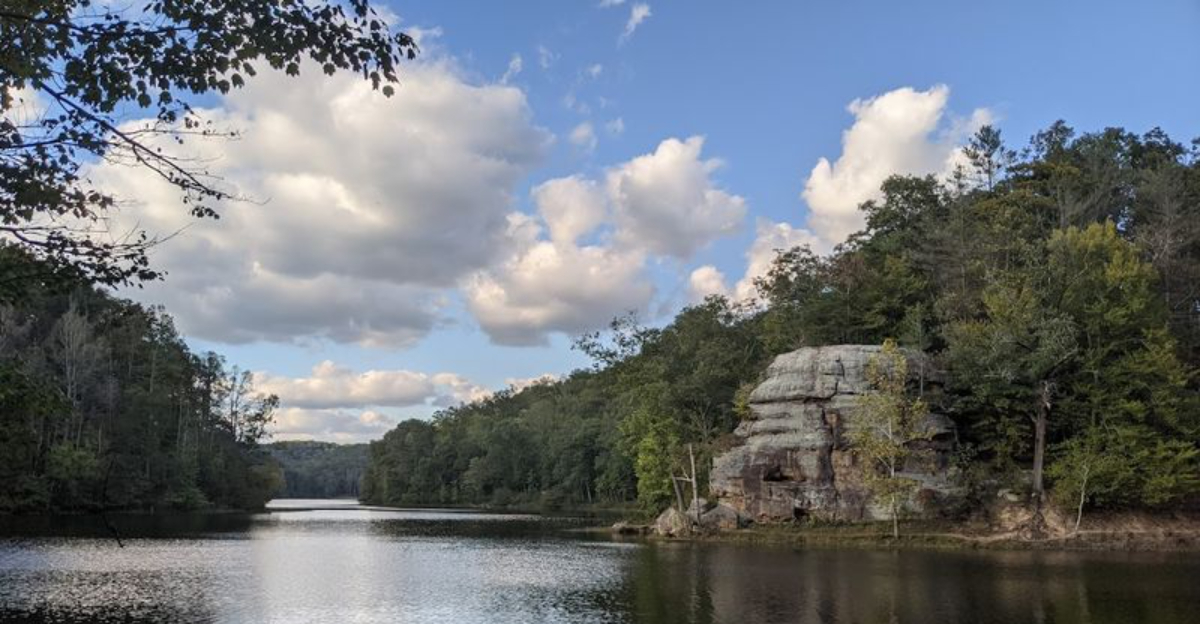
Tucked across the hills of southeastern Ohio, Wayne National Forest serves as a living testament to the resilience of nature, having reclaimed land that was once stripped for coal and iron.
While many travelers associate Ohio with flat farmland, this emerald wilderness defies the typical Midwestern skyline.
Every ridge and valley here holds a story of deep ridges and ancient hollows, waiting for the curious wanderer to find it.
Let’s venture into the deep woods to uncover the state’s greatest outdoor secret that feels like a portal to a bygone era.
The Magnitude Of Wayne National Forest
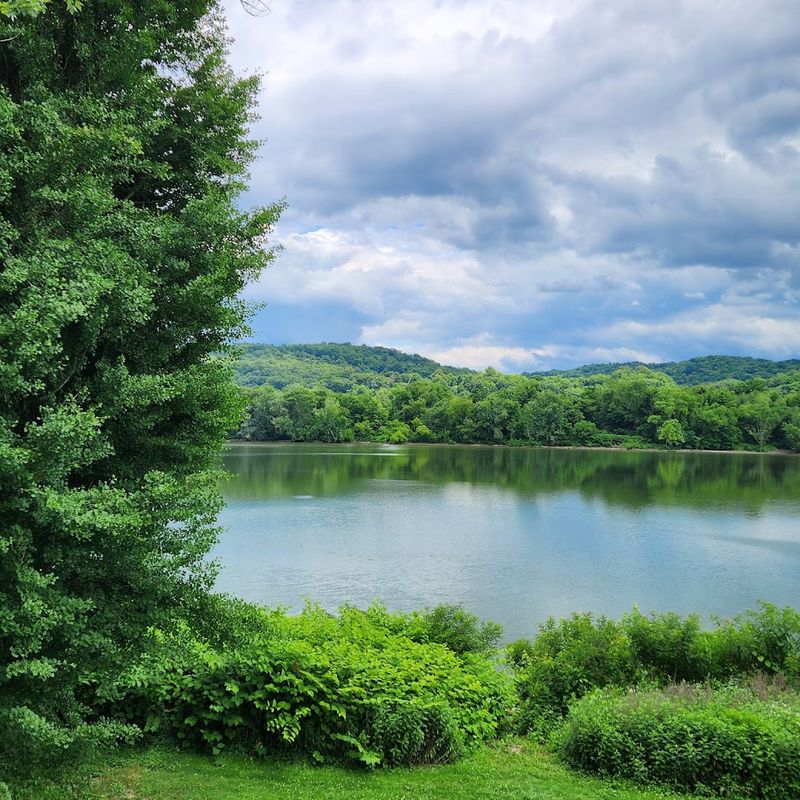
Spanning over 240,000 acres across twelve different counties, this public treasure represents the only national forest in the state of Ohio.
Wayne National Forest operates as a patchwork of protected lands, weaving through the Appalachian foothills to create a massive corridor for recreation and ecology.
You will find that the forest is divided into three distinct units: Athens, Marietta, and Ironton.
Each section offers a slightly different flavor of the rugged Ohio landscape, from towering rock overhangs to serene river vistas.
The forest serves as a vital lungs for the region, filtering the air and providing a massive playground for outdoor enthusiasts.
You can spend weeks exploring the diverse terrain and still feel like you have only scratched the surface of its beauty.
It is a place where the concept of getting lost becomes a welcome invitation to discover something new. The sheer acreage ensures that you can find solitude even on the busiest holiday weekends.
Every trailhead acts as a gateway to a world where human influence feels wonderfully distant.
This is the heart of wild Ohio, preserved for generations to enjoy.
A Legacy Of Natural Resurrection
Witnessing the lush canopy today, it is hard to believe that this entire landscape was once a scarred industrial wasteland.
In the 19th and early 20th centuries, timbering and mining operations stripped the hills of their greenery and left the soil eroded and exhausted.
The federal government stepped in during the 1930s to begin the long, slow process of reforestation and land recovery.
So today, you are walking through a miracle of conservation where the forest has literally risen from the ashes of industry.
Pine plantations were initially used to stabilize the soil, eventually giving way to the diverse hardwood forests you see now.
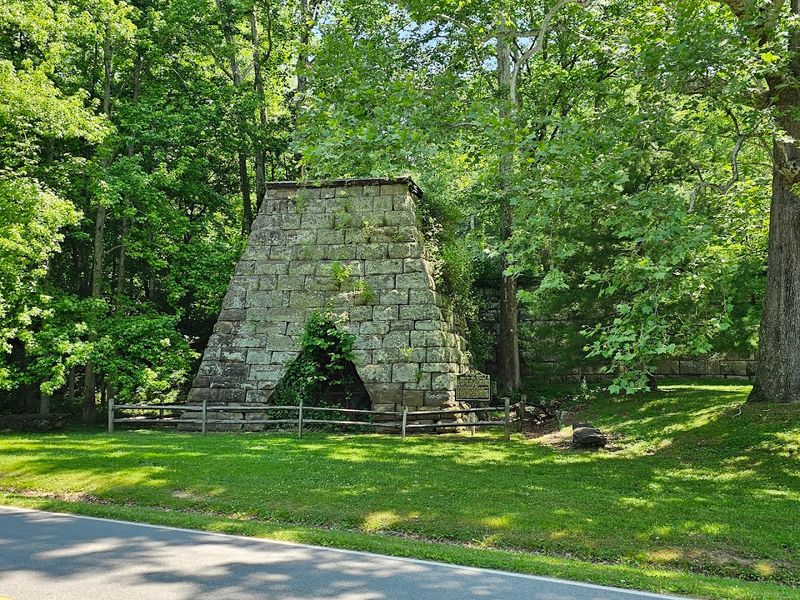
This history adds a layer of depth to every hike, as you spot old stone foundations and iron furnace remnants swallowed by the brush.
Nature has a way of erasing human footprints when given the time and protection to do so.
The return of the white-tailed deer and the wild turkey serves as a victory lap for the biologists who guided this recovery.
It is a powerful reminder that our environment possesses an incredible capacity for healing.
You leave with a profound respect for the people who saw potential in this broken land.
Navigating The Iron Ridge Trails
Riders and hikers find their bliss on the extensive trail systems that crisscross the steep ridges and muddy valleys of the Ironton District.
This specific area is famous for its history of iron production, which once fueled the nation’s growth during the Civil War era.
You can still visit the Vesuvius Furnace, a towering stone structure that looks like a forgotten Mayan temple in the woods.
The surrounding trails offer a mix of technical challenges for mountain bikers and gentle loops for families seeking a scenic stroll.
You will love the way the light filters through the oak and hickory leaves as you climb toward the various overlooks.
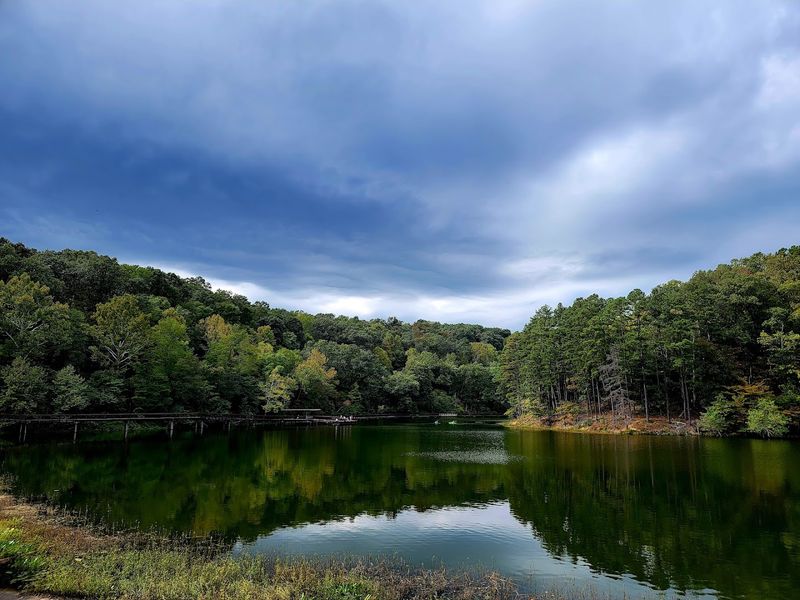
The Lake Vesuvius Boardwalk provides an accessible way to enjoy the shoreline without needing heavy hiking boots.
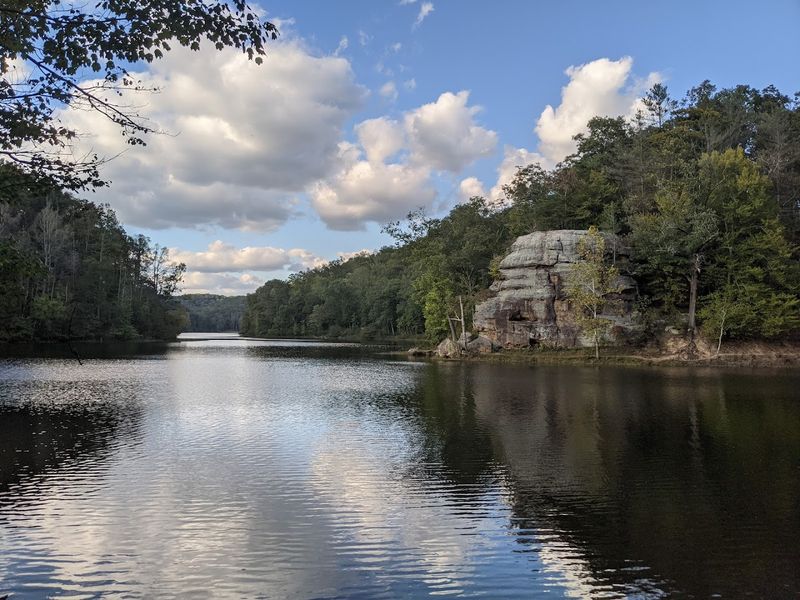
Water reflects the steep, wooded hillsides, creating a double image of perfect green symmetry.
It is a destination that balances the grit of industrial history with the soft beauty of the modern forest.
Every mile brings a change in elevation that keeps your heart pumping and your eyes wide.
This district truly captures the essence of the Appalachian spirit in every stone and leaf.
A Sanctuary For Appalachian Wildlife
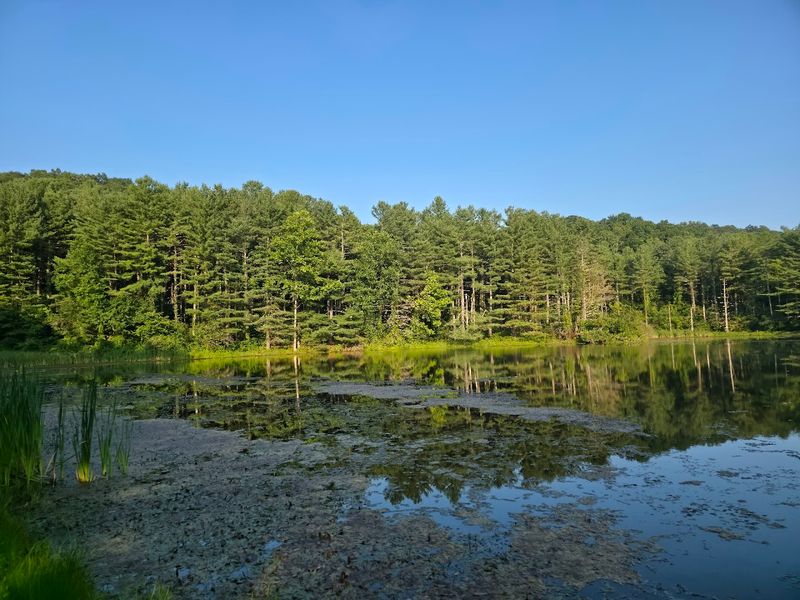
Diversity thrives in the deep hollows and high ridges, making the forest a premier destination for birdwatchers and nature photographers alike.
You might catch a glimpse of a bobcat slipping through the shadows or hear the haunting howl of a coyote echoing at dusk.
The forest provides a critical habitat for many sensitive species, including the endangered Indiana bat and various colorful warblers.
Because the canopy is so extensive, it acts as a massive nursery for migratory birds traveling along the Mississippi Flyway.
You should keep your binoculars ready for a sighting of a soaring broad-winged hawk or a scarlet tanager. In the damp areas near the creeks, several species of rare salamanders hide beneath the mossy rocks and rotting logs.
The floor of the forest is a constant hum of activity, from busy chipmunks to the slow crawl of box turtles.
It is a living classroom where the lessons are taught in the language of rustling leaves and animal tracks. You feel a sense of humility when you realize how many creatures rely on this specific patch of earth for survival.
Wayne National forest is a place where the wild world still sets the rules.
The Mystery Of The Covered Bridges
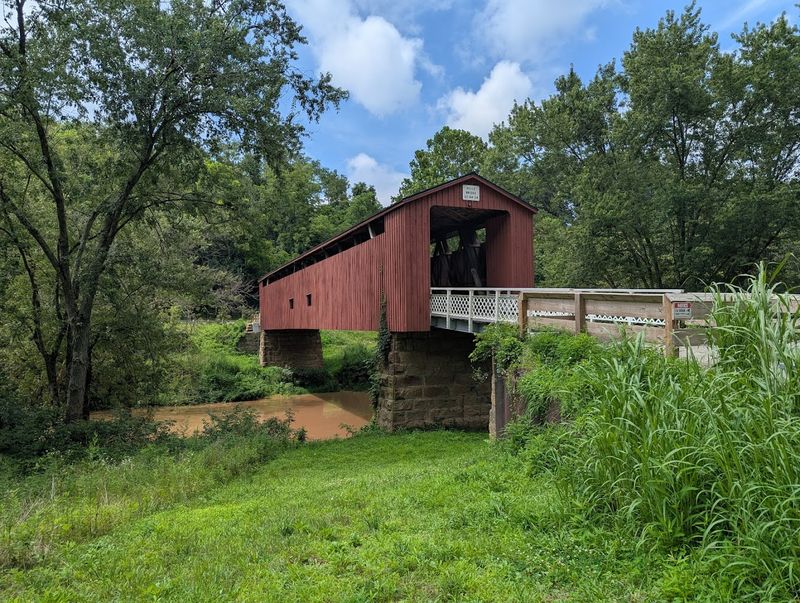
History buffs will be enchanted by the collection of historic covered bridges that dot the scenic byways within the Marietta Unit.
These kissing bridges represent a time when the pace of life was dictated by the speed of a horse and buggy.
You can find the Hune Bridge and the Rinard Bridge, both of which serve as beautiful examples of 19th-century engineering and charm.
The wood-shingled roofs were originally designed to protect the structural timbers from the unpredictable Ohio weather.
Standing inside one of these structures, you can hear the river rushing below and the wind whistling through the slats.
They act as picturesque portals that connect the modern road system to the forest’s agricultural past.
Many visitors plan their entire trip around a tour of these architectural landmarks, stopping for photos at every turn.
The bridges look especially stunning when framed by the fiery reds and oranges of the autumn foliage, taking you on a nostalgic journey that reminds of the craftsmanship and community spirit of the early settlers.
You leave with a sense of wonder at how these fragile-looking structures have survived for over a century.
Rock Shelters And Stone Sentinels
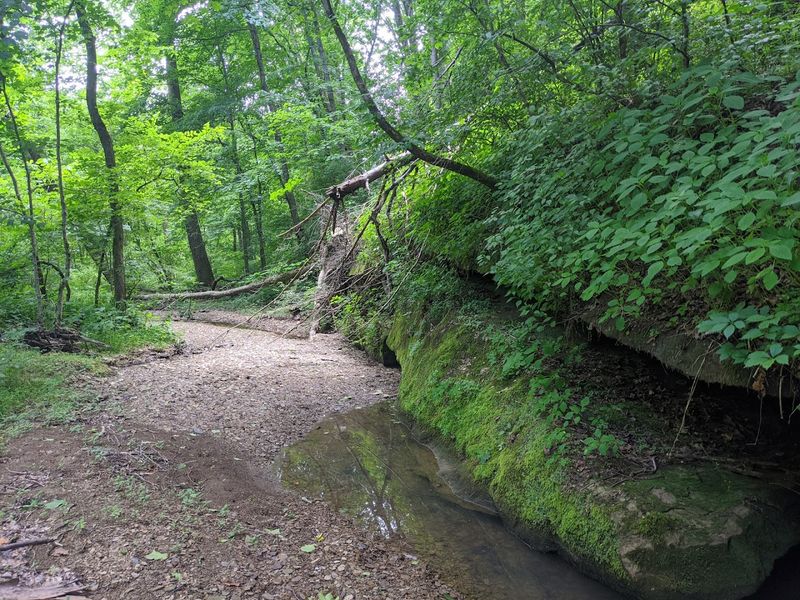
Geology takes center stage in the Athens Unit, where massive sandstone outcrops and deep rock shelters define the landscape.
You will encounter the Wildcat Hollow, a popular destination for backpackers looking to sleep beneath the stars in a rugged environment.
The stone formations here were carved by ancient rivers and the slow crawl of glacial meltwater thousands of years ago.
These shelters once provided refuge for indigenous peoples who moved through the valley long before European contact.
You can see the intricate layers of the rock, telling a story of shifting continents and ancient seas.
Moss and lichens cling to the stone faces, creating a soft, green texture against the grey grit of the sandstone.
It is a vertical world that invites you to climb and explore the hidden crevices of the hills.
The contrast between the solid, unmoving stone and the swaying, living forest is visually striking.
The acoustics inside these natural amphitheaters are nothing short of haunting.
It is a place where the physical weight of the earth feels tangible and impressive.
Every overhang offers a cool, dry place to rest during a sudden afternoon thunderstorm.
The Quiet Beauty Of The Waterways
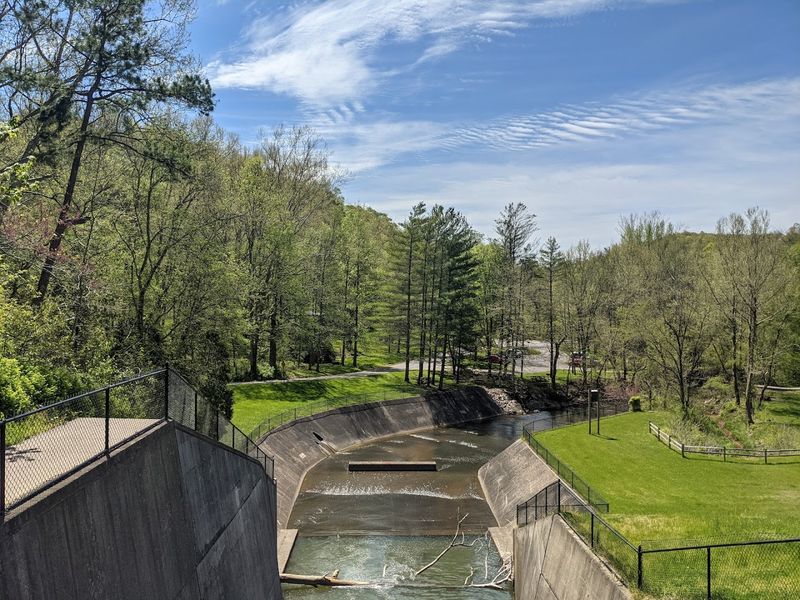
Shimmering streams and hidden ponds offer a refreshing break from the dense timber stands that cover the majority of the land.
The Little Muskingum River meanders through the forest, providing a scenic corridor for canoeists and kayak enthusiasts.
You can paddle through quiet stretches where the only sounds are the dip of your oar and the splash of a jumping fish.
The riverbanks are often lined with sycamores, their white bark gleaming like ghosts against the dark water. Small ponds hidden in the interior are perfect spots for a quiet afternoon of fishing for bluegill or bass.
The water attracts a different set of wildlife, including industrious beavers and elegant Great Blue Herons. These aquatic habitats are vital for the health of the overall ecosystem, acting as watering holes for the forest’s larger mammals.
The movement of the water serves as a constant reminder of the forest’s dynamic and ever-changing nature.
You can spend an entire day simply following the path of a creek as it tumbles over stones and through narrow ravines.
It is a peaceful, liquid landscape that complements the ruggedness of the ridges perfectly.
Preserving The Wild For Tomorrow
Maintaining such a vast and complex wilderness requires a constant partnership between dedicated forest rangers and the visiting public.
This forest is a gift from the past that we hold in trust for the future.
You are encouraged to follow the Leave No Trace principles to ensure the trails and campsites remain pristine for the next guest.
The forest service works tirelessly to manage invasive species and monitor the health of the aging timber stands.
By respecting the borders of the wilderness, you help protect the delicate balance of the Appalachian ecology.
This forest stands as a testament to the power of public land and the importance of preserving wild spaces near urban centers.
You carry a piece of this quiet, green strength back into your daily life long after you have left the trees behind.
It is a shared legacy that relies on our collective wonder and stewardship to continue thriving.
We are all guardians of the Wayne National Forest, ensuring it remains a place where time feels like an optional concept.
As you drive away, the silhouettes of the ridgelines linger in your mind like a promise of future adventures.