
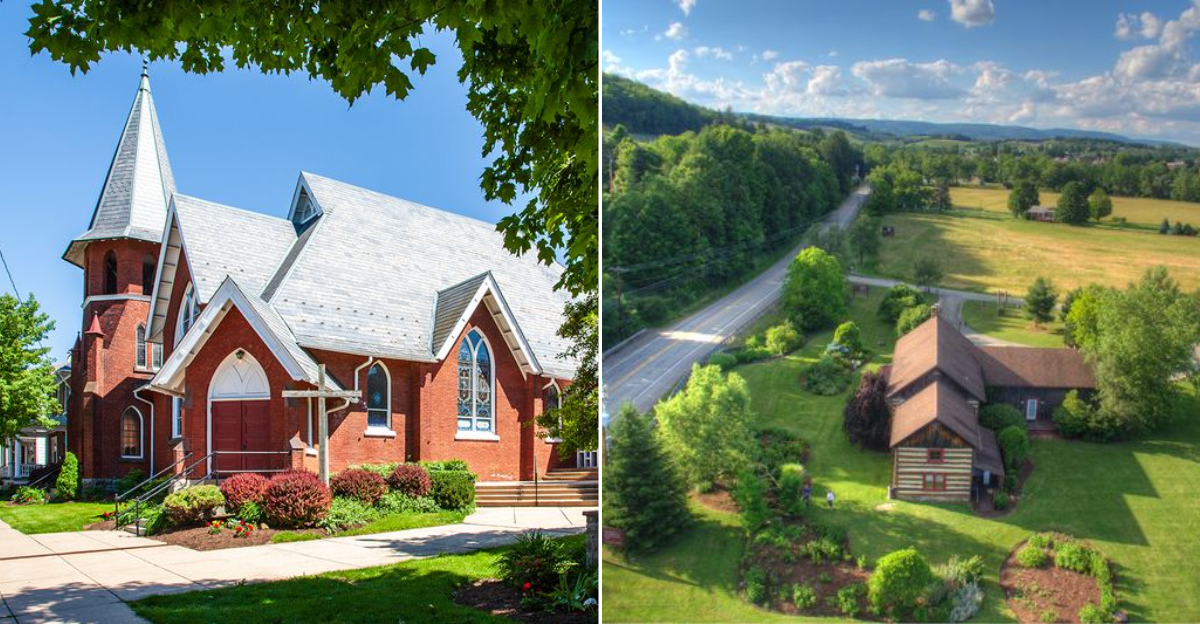
Step away from the modern rush and into the cobblestone heart of Pennsylvania, where history is a living, breathing part of the daily rhythm.
From the rolling hills of the Dutch Country to rugged river valleys, these twelve hamlets prove that some things are far too good to modernize.
Each destination offers a rare chance to breathe in the quiet charm of a slower era, defined by hand-painted signs and the soft chime of courthouse clocks.
It is the perfect roadmap for anyone seeking a weekend of nostalgic discovery and genuine, old-world hospitality.
1. Jim Thorpe, Carbon County
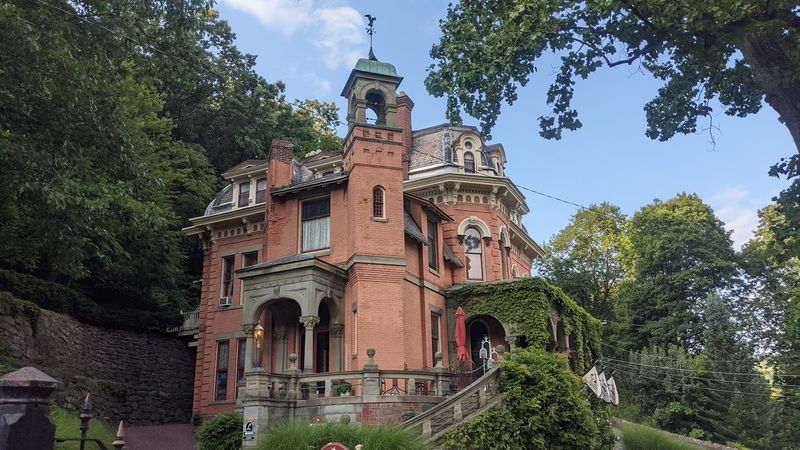
Often called the “Switzerland of America,” this town is cradled by steep mountains and filled with striking Victorian architecture.
You can hop aboard the Lehigh Gorge Scenic Railway for a vintage train ride or wander the narrow, winding streets lined with unique boutiques.
It remains a premier destination for those who want a mix of coal-country history and breathtaking outdoor views.
Jim Thorpe, tucked in Carbon County in the Pocono Mountains, carries its Victorian past with unusual confidence.
I like arriving early, when the streets are quiet and the morning light catches the church steeples.
Something about the setting makes every storefront look a little more cinematic.
If you prefer your history on foot, the Asa Packer Mansion gives a sharp look at Gilded Age life.
Even the side streets reward wandering, which is why I always leave room for detours.
Jim Thorpe also has solid cafes, bike rentals, and access to nearby trails, so the day never feels one-note. Comfortable shoes are a must, bring a camera, and stay long enough to hear the town settle into evening.
2. Lititz, Lancaster County
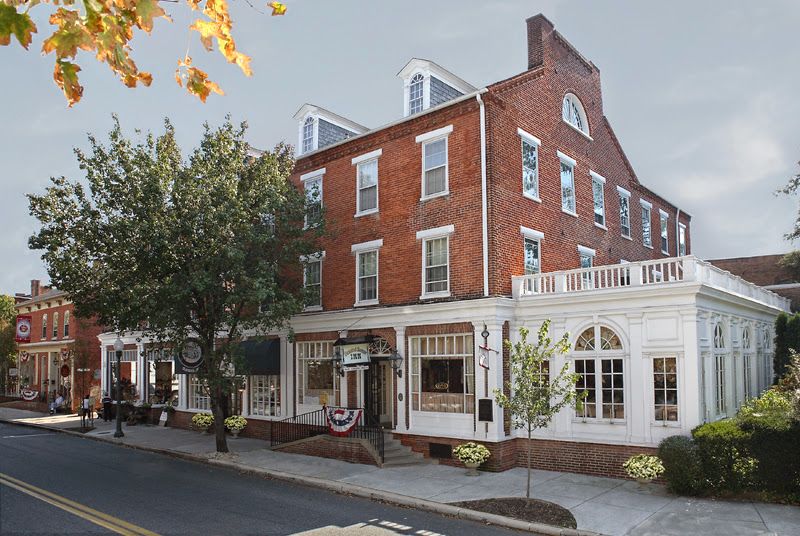
Consistently named one of the coolest small towns in America, this enclave is famous for its Moravian heritage and the oldest pretzel bakery in the country.
A stroll through the pristine downtown reveals a charming park where springs flow and local events bring the community together.
It is a place where history feels vibrant, preserved in the limestone buildings and the sweet aroma of local chocolate.
Sweet smells drift through the center here, and they are not just imaginary.
Lititz, in Lancaster County, blends deep history with a polished downtown that still feels personal.
I noticed right away that people actually linger here, which says a lot about a place.
In Lititz, you can tour the Julius Sturgis Pretzel Bakery, said to be America’s first commercial pretzel bakery, and learn a few twists yourself.
I also like walking by Linden Hall and the old Moravian buildings, which give the streets a settled, graceful look.
Lititz Springs Park is perfect for a quiet break, and the local shops make browsing feel like an event rather than an errand.
3. Wellsboro, Tioga County
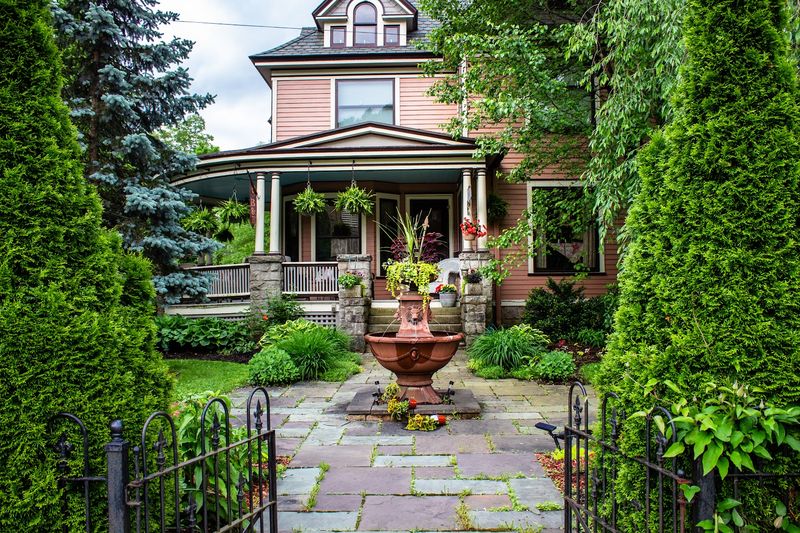
This northern gem serves as the gateway to the Pennsylvania Grand Canyon, but its gas-lit street lamps steal the show right in the center of town.
The wide boulevards and the historic Penn Wells Hotel transport visitors back to a more elegant era of travel.
It is a quiet, picturesque hub where the surrounding wilderness meets a perfectly preserved 19th-century main street.
Old-fashioned details still matter here, and the glow proves it after sunset. Wellsboro, in Tioga County in north central Pennsylvania, is famous for its gaslights lining Main Street.
I find that one touch changes the whole mood, making an evening walk feel unexpectedly special.
In Wellsboro, the downtown has historic storefronts, a stately courthouse, and a classic small-town layout that is easy to explore without a plan.
The town is also a practical base for visiting nearby Pine Creek Gorge, often called the Pennsylvania Grand Canyon.
Wellsboro has cozy inns and cafes where you can reset after hiking, biking, or a scenic drive through the gorge area.
4. New Hope, Bucks County
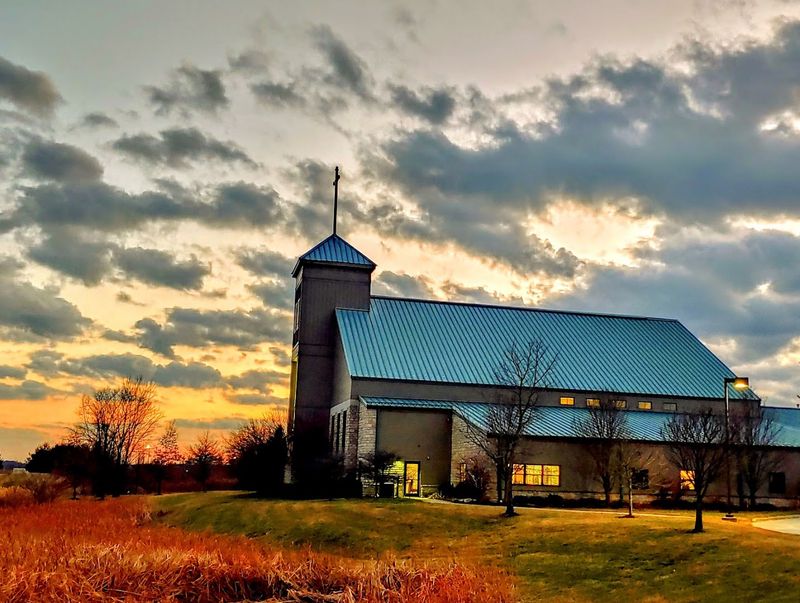
Perched along the Delaware River, this town is a colorful blend of revolutionary history and a thriving, eclectic arts scene.
You can walk the towpath, catch a professional show at the Bucks County Playhouse, or explore the maze of galleries and antique shops.
It remains a beloved retreat for those seeking a sophisticated yet historic riverside escape.River towns often have an easy confidence, and this one wears it well.
New Hope, in Bucks County along the Delaware River, mixes history, arts, and walkable charm without feeling overly polished.
I like that you can spend hours here and never feel pushed to hurry.
Creative energy gives the streets a lively edge, yet the setting still feels rooted in another era.
In New Hope, old buildings now hold galleries, restaurants, and boutiques, while the towpath and river views keep things grounded.
The New Hope Railroad is a fun nod to the town’s past, especially if you want a relaxed ride through the countryside.
Crossing the bridge into Lambertville adds an easy two-state detour, and sunset by the water is worth planning around.
5. Ligonier, Westmoreland County
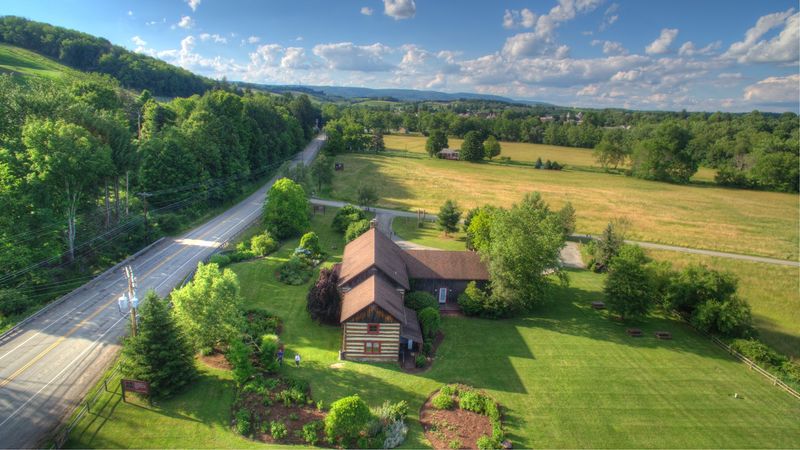
Built around a central “Diamond” park and the site of a reconstructed French and Indian War fort, this town is the definition of Western Pennsylvania charm.
The downtown is a walkable treasure trove of family-owned toy stores, sweet shops, and upscale boutiques.
It is a community that takes immense pride in its heritage, making every visitor feel like they’ve stepped into a classic American postcard.
A town square can tell you almost everything you need to know, and this one tells a good story.
Ligonier, set in Westmoreland County in the Laurel Highlands, centers on a graceful diamond lined with shops and old buildings.
I always end up circling it twice, once for orientation and once because it is simply pleasant.
History stays visible here without crowding out daily life.
In Ligonier, Fort Ligonier gives context to the area’s colonial past and offers one of the more engaging small-town museums in the state.
Ligonier shines during autumn and the holiday season, when the center looks especially inviting and local events give the square extra warmth.
6. Strasburg, Lancaster County
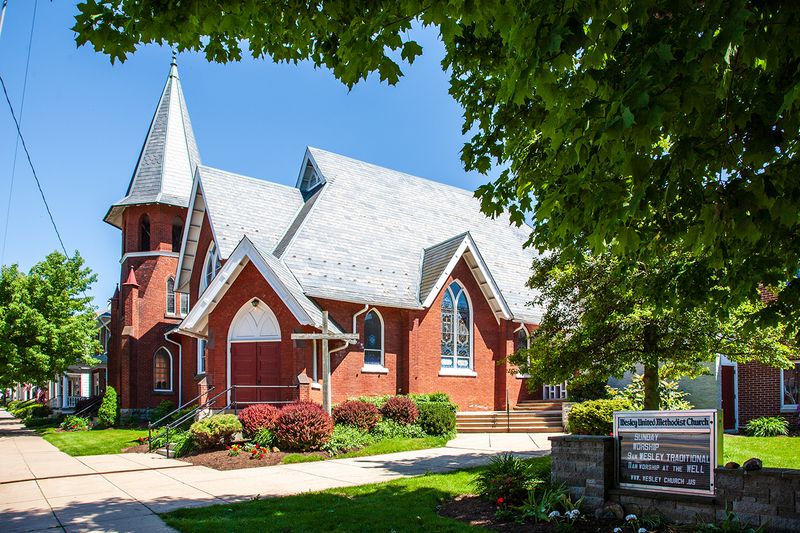
This is the ultimate destination for rail fans and those looking to experience the heart of Amish country.
Between the steam whistles of the Strasburg Rail Road and the meticulously preserved colonial homes, the town feels deeply rooted in a slower pace of life.
It offers a rare opportunity to see traditional farming and historic transport working in harmony with the modern day.
Some places move at a gentler speed, and you can feel it before you park.
Strasburg, in Lancaster County, is one of those towns where preserved buildings and open farmland create a calm, steady rhythm.
I appreciate how the setting stays simple without ever feeling dull.
Rail history gives the town much of its character, but there is more than one way to enjoy it.
In Strasburg, the Strasburg Rail Road lets you ride steam trains through the countryside, while nearby museums add context for anyone who loves locomotives or Americana.
The main streets also have handsome architecture, local shops, and that unmistakable old-village texture.
Quiet pleasures tend to stand out more here, which is part of the appeal.
7. Boalsburg, Centre County
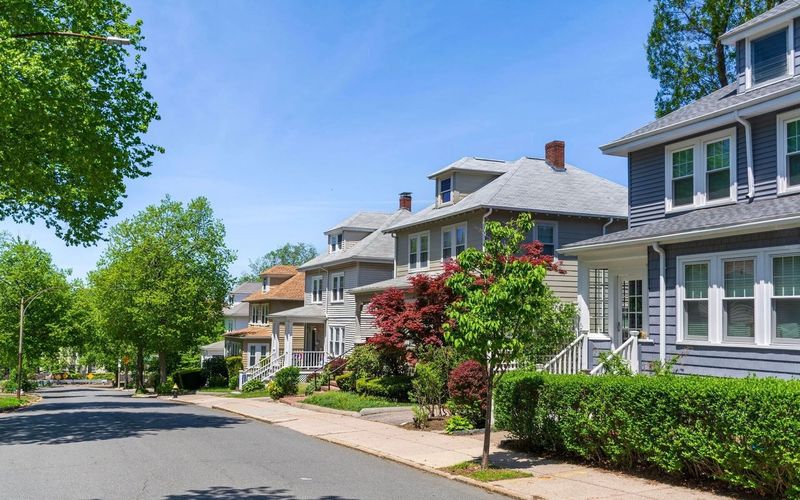
Known as the birthplace of Memorial Day, this village is centered around a historic square that feels untouched by the passage of time.
The limestone walls of the Boal Mansion and the nearby military museum provide a somber yet beautiful look at the nation’s past.
It is a dignified, quiet spot where every street corner seems to hold a piece of the American story.
Patriotism and quiet village charm meet in a way that feels natural here.
Boalsburg, in Centre County near State College, is often linked to one of the earliest Memorial Day observances in the country.
I was struck by how much history fits into such a compact, peaceful place.
Stone houses and well-kept streets give the town a grounded, enduring look.
In Boalsburg, the historic district is easy to explore on foot, and the local museum helps explain why the community holds such an important place in remembrance traditions.
There is also a village green atmosphere that encourages lingering rather than simply checking a site off a list.
8. Harmony, Butler County
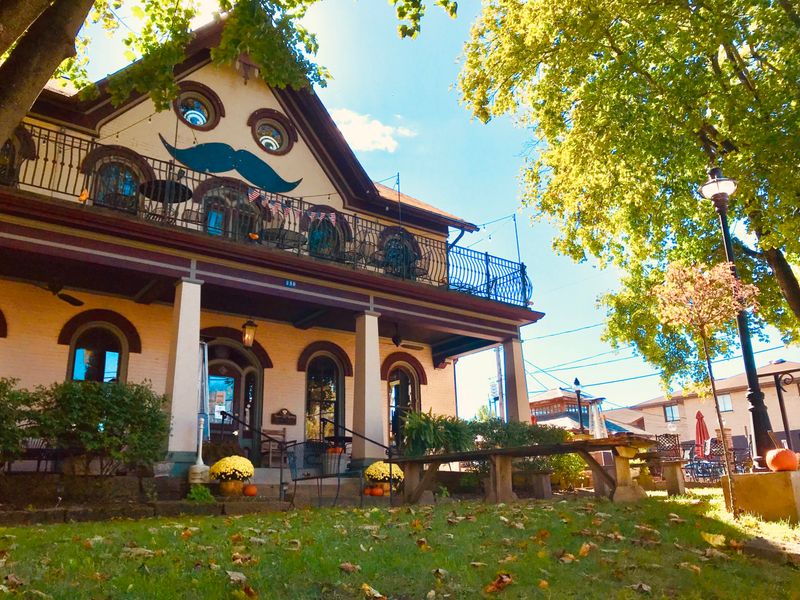
Founded by the Harmonists in the early 1800s, this village maintains a distinct German-influenced atmosphere through its brick architecture and communal layouts.
Visitors can explore the old cemetery and the museum to understand the town’s unique religious and industrial origins.
It is a peaceful, orderly retreat that offers a fascinating glimpse into a utopian vision of the past.
Silence has a way of making old buildings speak more clearly.
Harmony, in Butler County north of Pittsburgh, began as a settlement founded by the Harmonists in the early nineteenth century.
I like visiting places where the layout itself still hints at the original vision.
Order and simplicity shape the experience here in a memorable way.
In Harmony, preserved stone and brick buildings, museums, and historic homes reveal a community built around shared ideals and careful planning.
The National Historic Landmark district is manageable on foot, so you can absorb the details without feeling overwhelmed.
Even a short visit leaves a distinct impression because the town never seems to raise its voice.
9. Doylestown, Bucks County
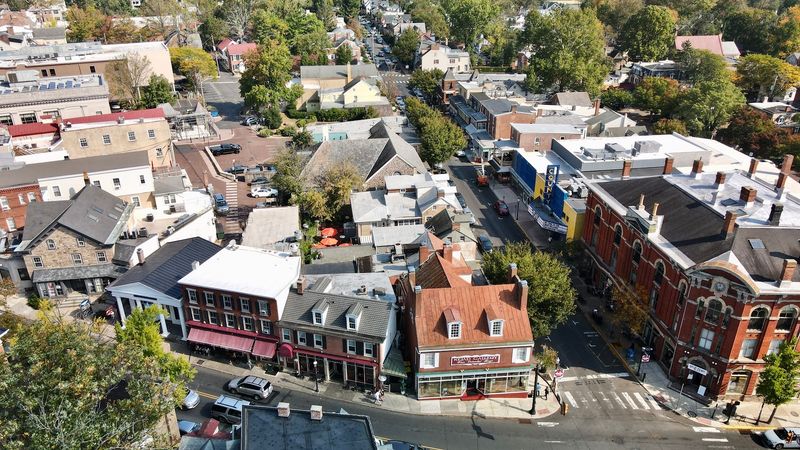
This Bucks County seat is a marvel of concrete castles and tile-adorned buildings, largely thanks to the creative legacy of Henry Mercer.
The Fonthill Castle and Mercer Museum tower over a downtown filled with sophisticated dining and independent bookstores.
It is a vibrant cultural hub that manages to feel both intellectually stimulating and warmly nostalgic.
Cultural depth sneaks up on you here, tucked between elegant streets and everyday shops.
Doylestown, the seat of Bucks County, feels refined without losing the intimacy of a true small town.
I came for a quick look once and stayed much longer than planned.
Art and history shape the town in unusually rich ways.
It is the balance that makes this place memorable.
Doylestown can fill a full day easily, whether you want museum time, a leisurely lunch, or a simple stroll past beautifully kept buildings and neighborhoods.
I recommend buying tickets in advance for major attractions on busy weekends, then leaving space to browse side streets, because the smaller discoveries often linger the longest.
10. Milford, Pike County
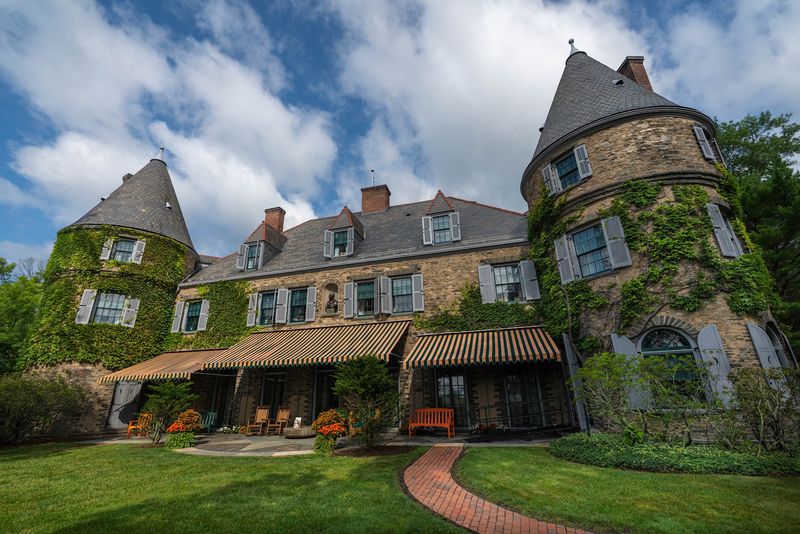
Situated on a plateau overlooking the Delaware River, this town is celebrated for its lush landscapes and its role as the birthplace of the American conservation movement.
Grey Towers National Historic Site serves as a stunning centerpiece, surrounded by a town filled with well-preserved art galleries and grand inns.
It is a refined mountain escape that perfectly balances natural beauty with architectural elegance.
Grace comes easily to this corner of the state, where the streets feel polished but never stiff.
Milford, in Pike County near the Delaware Water Gap region, has a long-standing reputation for good looks and thoughtful preservation.
Nature sits close by, yet the downtown holds its own with real character.
In Milford, broad sidewalks, historic homes, and handsome public buildings create an elegant frame for shops, galleries, and restaurants.
The town also gives you easy access to Grey Towers National Historic Site and scenic drives through nearby parklands.
Milford is ideal if you want a morning of museums or browsing followed by waterfalls, hiking, or river views in the afternoon.
11. Bedford, Bedford County
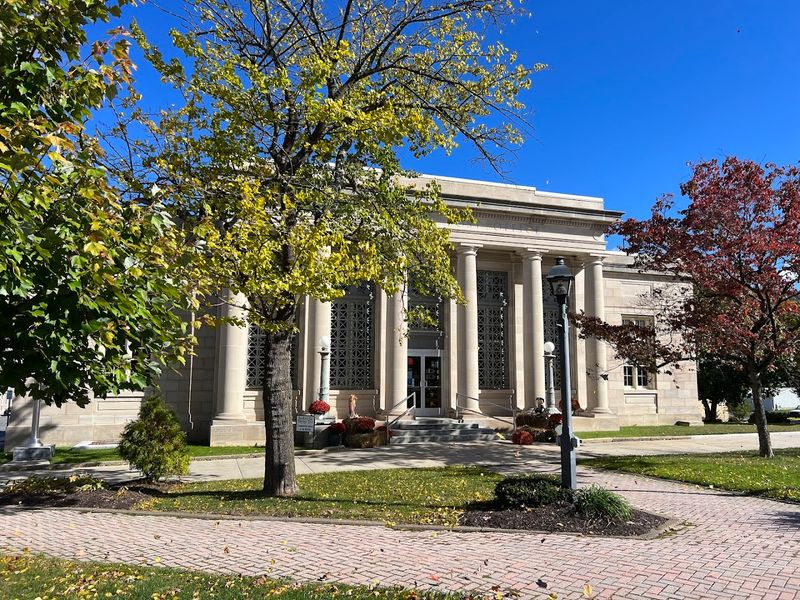
This town is a haven for history buffs, featuring a colonial fort and an 18th-century village that brings the frontier days to life.
The downtown is anchored by the historic Bedford Springs Resort and a collection of shops housed in sturdy, centuries-old masonry.
It remains a tranquil mountain crossroads where the hospitality is as enduring as the local landmarks.
Mountain air and old streets make a persuasive combination, especially when the town knows exactly what it is.
Bedford, in Bedford County along the Raystown Branch of the Juniata River, carries traces of colonial and early American history with steady ease.
Here, you can explore Fort Bedford Museum, browse the compact downtown, and spot architecture that reflects centuries of change without losing coherence.
The town is also known for nearby springs and the grand Omni Bedford Springs Resort, which adds another historic thread to the area.
Bedford works well as a weekend base for scenic drives, covered bridge hunting, and time in the surrounding Allegheny Mountains.
12. Bellefonte, Centre County
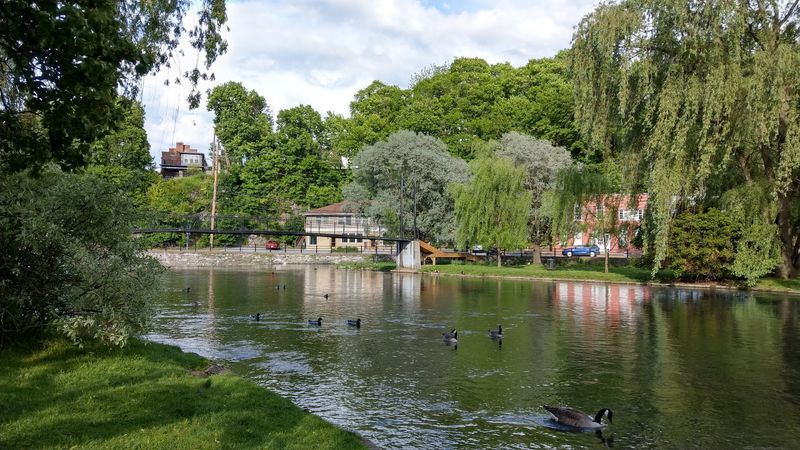
Known for its high-Victorian architecture and beautiful fountain springs, this town was once a political powerhouse in the Commonwealth.
The Talleyrand Park offers a serene setting to watch the water while surrounded by the grand homes of former governors.
It is a stately and scenic town that rewards those who take the time to explore its hilly, historic corridors.
Bellefonte, in Centre County, was once one of Pennsylvania’s wealthiest towns, and the architecture still shows it.
Here, ornate homes, churches, and public buildings reflect the prosperity that grew around local iron production and transportation routes.
Talleyrand Park adds a softer note with green space, creek views, and a pleasant place to pause between downtown stops.
There is a lived-in warmth here that keeps the history from feeling locked away.
Bellefonte rewards a walking visit, especially if you enjoy looking up at cornices, porches, and stained glass while moving between shops and cafes.
I suggest checking the calendar for festivals or train-related events, since this town knows how to make heritage feel social and current.