Florida often conjures images of crowded theme parks and busy beaches, but there’s another side to the Sunshine State that most visitors never discover.
Hidden throughout Florida are peaceful nature spots where time moves differently, where you can hear birds instead of traffic, and where the only rush is the gentle flow of a spring-fed river.
These quiet escapes offer something increasingly rare in modern life—a chance to truly slow down and reconnect with nature.
Whether you’re seeking solitude, wildlife watching, or simply a break from the everyday hustle, these ten destinations prove that Florida still has plenty of calm, beautiful places waiting to be explored.
Cedar Key
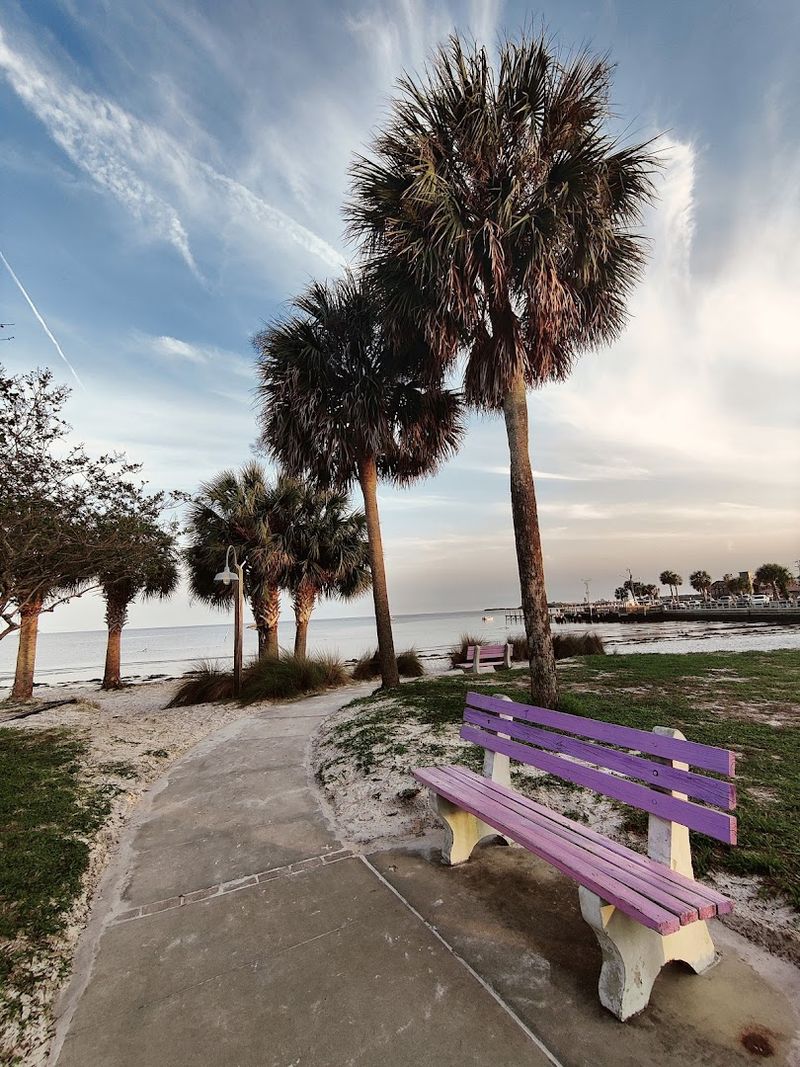
Stepping into Cedar Key feels like traveling back to a simpler time. This old Gulf Coast fishing village hasn’t surrendered to development, keeping its weathered charm and unhurried pace intact.
The town sits on a small island where seafood docks still define daily life. Wooden boats bob gently in the harbor while pelicans perch on pilings, waiting for their next meal.
Marshes stretch endlessly toward the horizon, creating a landscape that changes with every tide.
Bird enthusiasts find paradise here among the backwater channels. Herons, egrets, and ibises wade through shallow waters, undisturbed by the handful of visitors who discover this place.
Walking the quiet streets at sunset reveals why locals treasure their isolation—the sky explodes in oranges and pinks while everything around you simply breathes.
Small restaurants serve fresh catch without fuss or pretension. Art galleries showcase local talent in converted homes.
Everything moves at nature’s rhythm rather than clock time, making Cedar Key the perfect antidote to Florida’s busier destinations.
Hontoon Island State Park
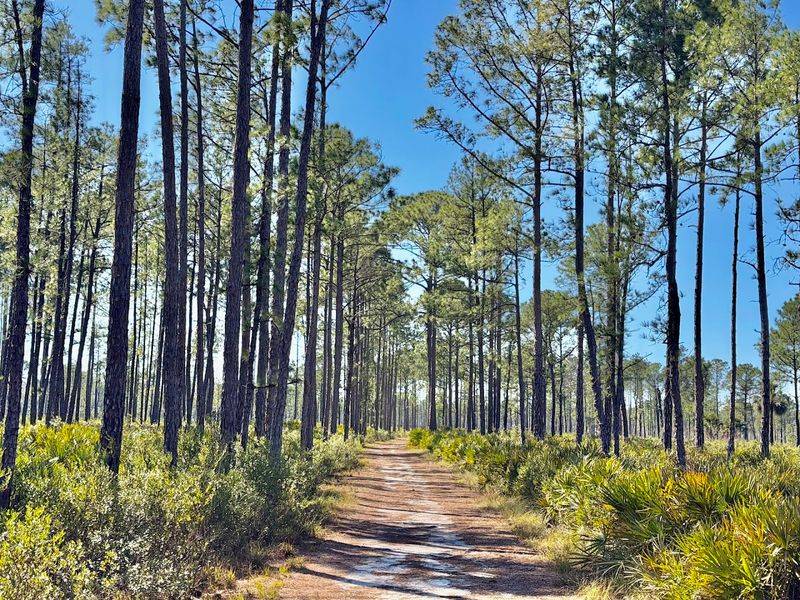
Getting to Hontoon Island requires leaving your car behind, which instantly sets a different tone. The park ferry carries visitors across the St. Johns River to a place where cell signals fade and natural sounds take over.
Once you arrive, moss-covered oak trees create shaded canopies over winding trails. Ancient live oaks twist dramatically, their branches reaching in unexpected directions after centuries of growth.
The forest feels primeval, untouched by modern development that dominates so much of Central Florida.
Paddlers glide through calm river channels where manatees occasionally surface for air. The water reflects the sky perfectly on still mornings, doubling the beauty surrounding you.
Camping here means falling asleep to owl calls instead of traffic noise.
Hiking loops wind through different habitats, from hardwood hammocks to riverfront marshes. Bird songs vary throughout the day, creating a natural soundtrack that never feels repetitive.
This park proves that some of Florida’s best experiences require a little extra effort to reach, rewarding those willing to slow down.
Lower Suwannee National Wildlife Refuge
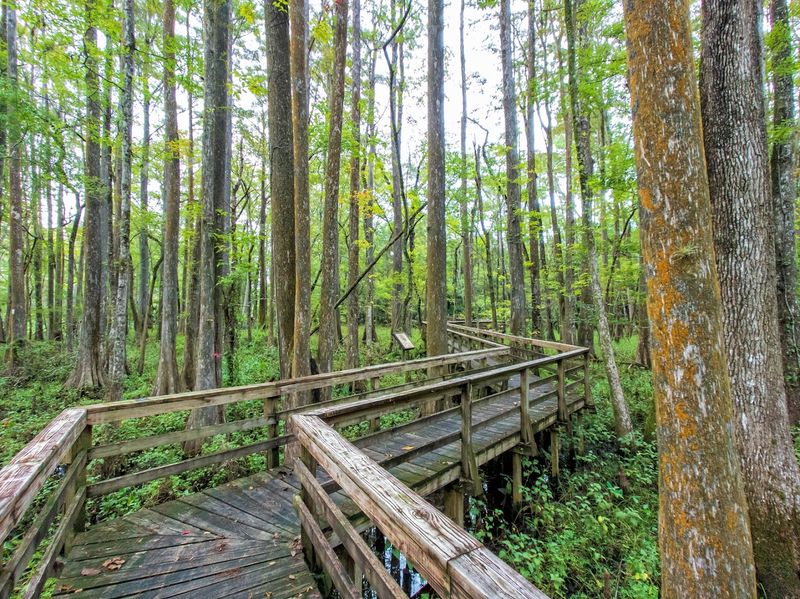
Vast and wonderfully empty, this refuge protects over 50,000 acres of Florida’s Nature Coast. Salt marshes stretch to the horizon, interrupted only by occasional hammocks of trees rising like islands from the grass.
Boardwalks carry you over wetlands where the only sounds are wind through marsh grass and bird calls echoing across open spaces. Walking these elevated paths feels meditative—each step takes you deeper into solitude.
The refuge deliberately limits development, preserving the landscape’s wild character.
Kayaking routes here reveal a watery maze of channels and creeks. Paddlers might go hours without seeing another person, sharing the waterways only with otters, dolphins, and wading birds.
The remoteness creates a sense of discovery even though you’re following marked trails.
Birdwatchers treasure this refuge for its diversity and abundance. During migration seasons, thousands of birds stop here to rest and feed.
Early morning visits offer the best wildlife viewing when animals are most active and the air still holds nighttime coolness.
Kissimmee Prairie Preserve State Park
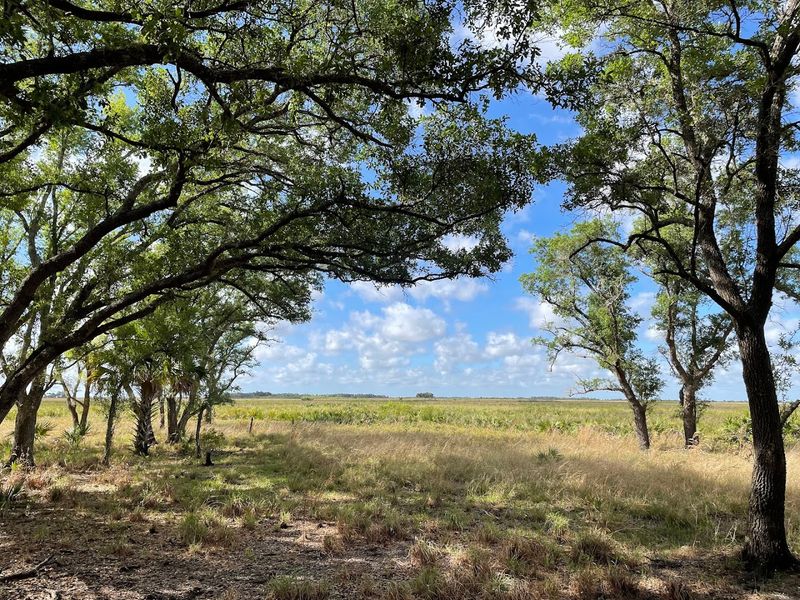
Most people don’t associate Florida with prairies, but Kissimmee Prairie Preserve proves the state holds surprising landscapes. Wide grasslands roll gently across nearly 54,000 acres, creating views that stretch unbroken to distant tree lines.
This openness brings a unique kind of peace. Without trees blocking the horizon, the sky dominates everything—clouds casting moving shadows across the grass, storms visible from miles away.
Walking here feels expansive rather than enclosed, offering mental space that matches the physical landscape.
Wildlife thrives in these preserved grasslands. Crested caracaras soar overhead while burrowing owls peer from ground nests.
White-tailed deer appear suddenly from tall grasses, and lucky visitors might spot endangered Florida grasshopper sparrows during breeding season.
After sunset, darkness here rivals anywhere in Florida. The preserve earned designation as a Dark Sky Park, protecting night skies from light pollution.
Stars blanket the heavens so thickly that the Milky Way stretches visibly across the darkness, reminding us what humans saw every night before electricity changed everything.
Werner-Boyce Salt Springs State Park
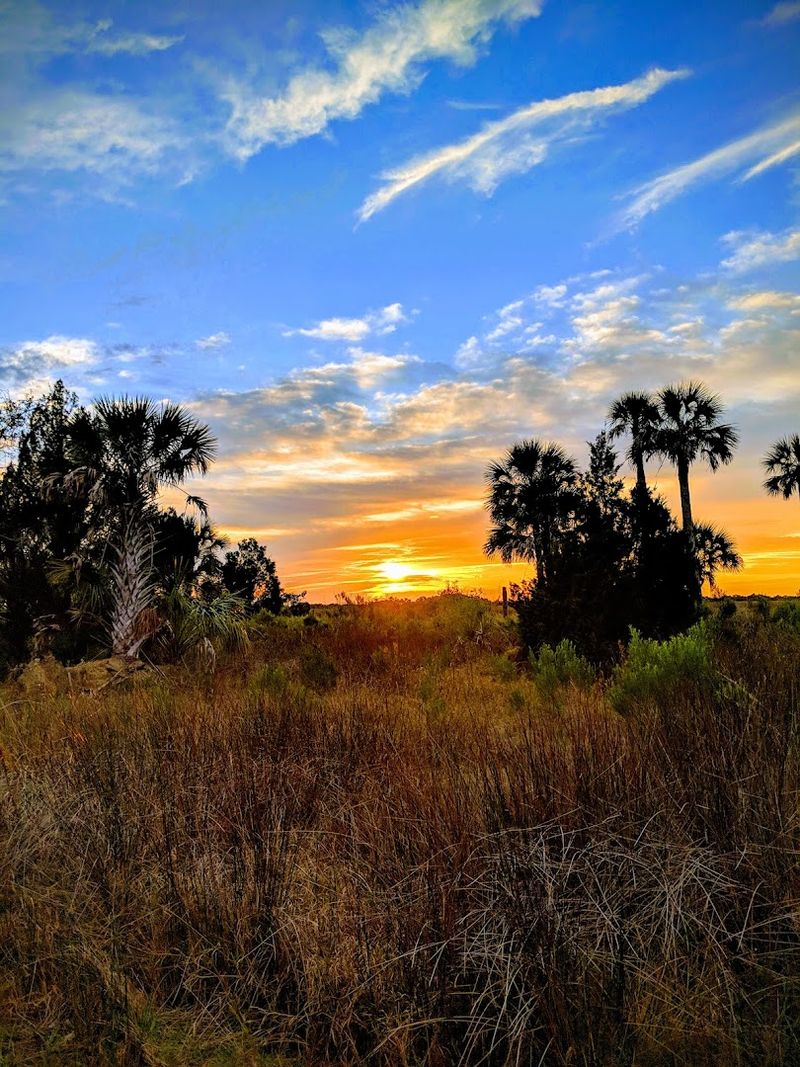
Tucked along the Gulf Coast near Port Richey, Werner-Boyce feels remarkably hidden considering its location. Mangrove tunnels create natural canopies over tidal creeks, turning paddling trips into journeys through green arches.
The park protects diverse coastal ecosystems that many Floridians have never experienced. Salt marshes transition to mangrove forests, which give way to hardwood hammocks—each habitat supporting different wildlife communities.
Exploring by kayak reveals these changes gradually, making the diversity more apparent than any textbook could.
Tidal flows dictate the rhythm here. High tide opens certain routes while low tide exposes mudflats where wading birds feast.
Planning trips around tides becomes second nature to regular visitors, connecting them more deeply to natural cycles most people ignore.
Few crowds venture here despite easy access from nearby communities. The narrow waterways and limited facilities naturally limit visitor numbers, creating peaceful experiences even on weekends.
Bring a camera for the salt springs where fresh water bubbles up through the marsh, creating unique ecological zones.
Sanibel Island
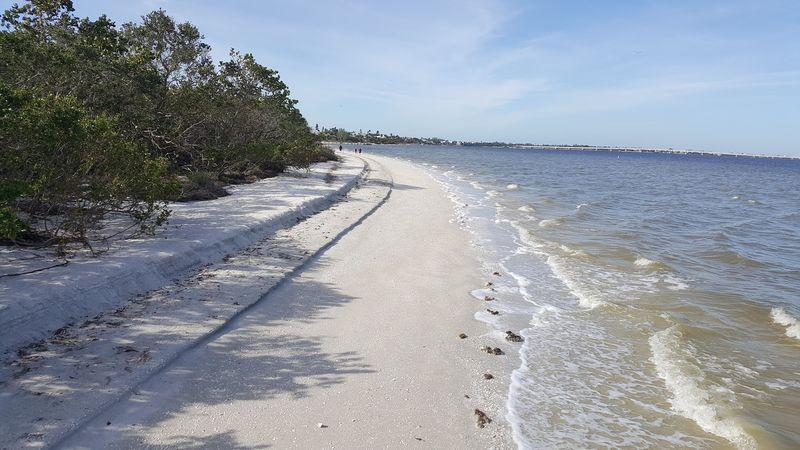
Sanibel refuses to follow the typical Florida beach town playbook. No high-rise condos block ocean views, no neon signs compete for attention.
City ordinances deliberately limit building heights and commercial development, preserving the island’s relaxed character.
Shell collecting here borders on obsession for many visitors. The island’s east-west orientation catches shells that currents carry from deeper waters.
Early morning beach walkers adopt the famous “Sanibel Stoop,” bent over scanning the sand for perfect specimens among hundreds scattered along the tideline.
Bike paths connect most destinations across the island’s 12 miles. Pedaling under palm canopies past wildlife refuges and quiet neighborhoods reinforces the slower pace.
Cars yield routinely to cyclists, creating a cooperative atmosphere absent from busier destinations.
J.N. “Ding” Darling National Wildlife Refuge protects much of the island’s interior. Driving the wildlife loop reveals alligators, roseate spoonbills, and countless other species thriving in preserved wetlands.
Everything about Sanibel encourages you to unwind, observe nature closely, and let go of whatever rushed you here.
Gilchrist Blue Springs State Park
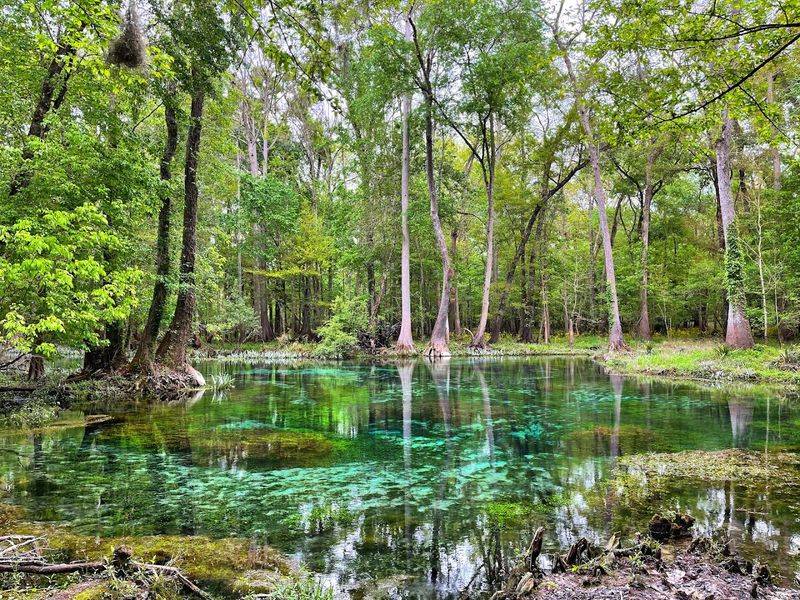
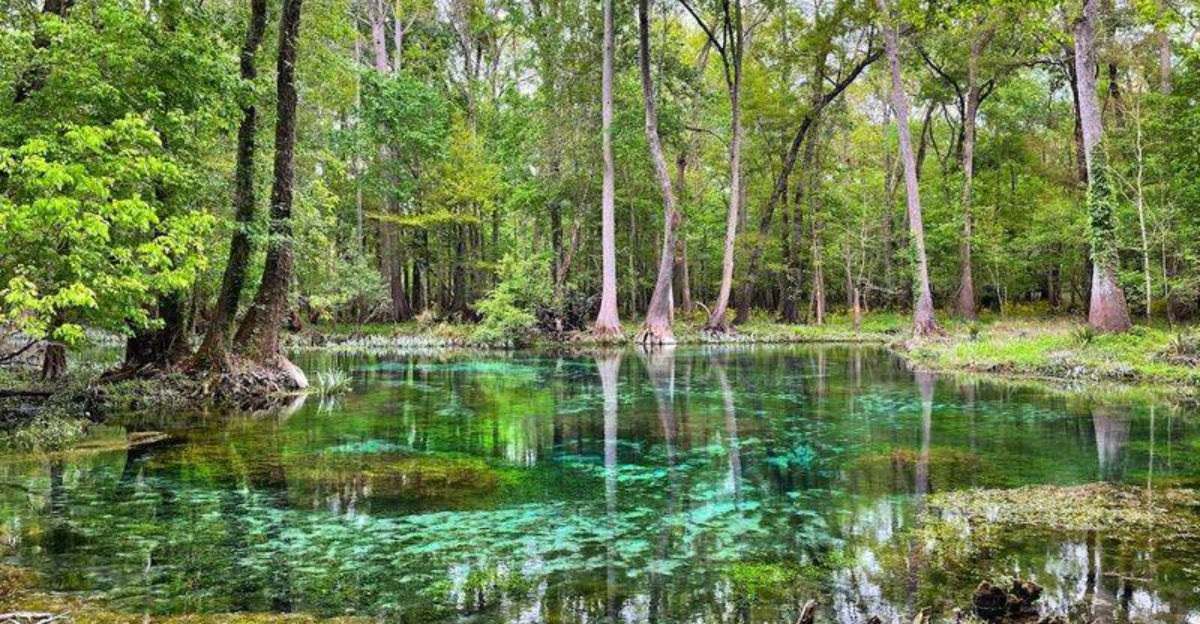
Crystal clarity defines Gilchrist Blue Springs, where water maintains 73 degrees year-round. The spring basin glows that distinctive blue-green color found only in Florida’s natural springs, inviting swimmers even on winter mornings.
Compared to some busier springs, Gilchrist maintains a peaceful atmosphere. The park limits daily visitors, ensuring the experience never feels crowded.
Shaded picnic areas under mature oaks provide perfect spots for spending entire afternoons watching the spring’s constant flow.
Paddling the spring run toward the Santa Fe River takes you through a narrow, tree-lined waterway. Turtles sun themselves on logs while fish dart through the clear water below your kayak.
The gentle current does most of the work, letting you focus on the surrounding beauty rather than navigation.
Early risers find the park at its best. Morning light filters through the forest canopy, creating dramatic rays in the humid air.
The water’s surface remains smooth before wind picks up, perfectly mirroring the trees overhead. Pack a simple breakfast and claim a picnic table—you’ll understand why locals guard this place as their secret escape.
Apalachicola National Forest
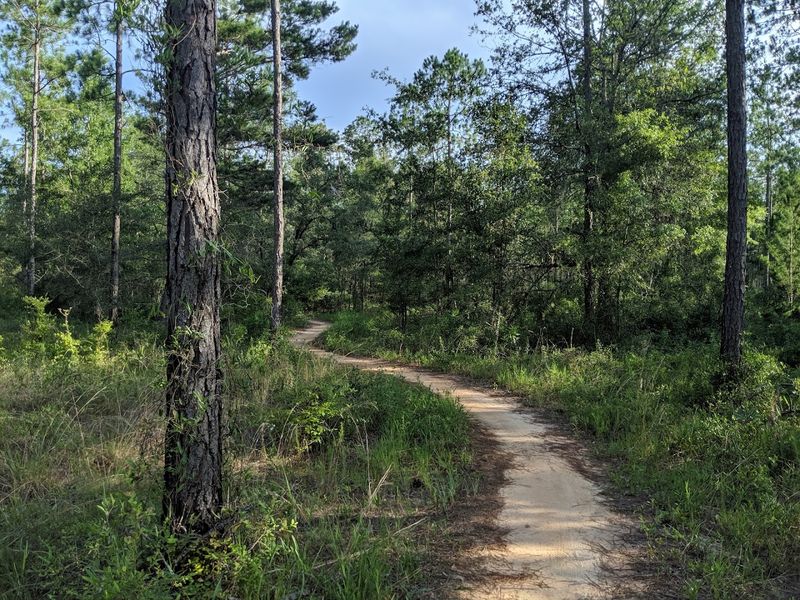
Covering nearly 600,000 acres across the Panhandle, Apalachicola National Forest offers more wilderness than most Floridians realize exists in their state. Pine flatwoods stretch endlessly, interrupted by cypress swamps and hardwood hammocks creating incredible biodiversity.
Remote campsites here provide true isolation. Some sites require hiking several miles from the nearest road, guaranteeing solitude for those willing to carry their gear.
Spending nights this far from civilization resets something inside—the darkness feels complete, the silence profound.
Multiple hiking trails traverse different forest ecosystems. The Florida Trail passes through the forest, offering backpackers week-long trips through continuously wild landscape.
Day hikers find shorter loops that still provide hours of peaceful walking under longleaf pines.
Scenic drives connect different forest areas, each revealing new aspects of this vast preserve. Spring brings wildflowers blooming across forest clearings while fall migration fills the trees with songbirds.
Visiting different seasons shows how dramatically the forest changes throughout the year, yet always maintains that essential quietness that defines wild places.
Chassahowitzka River
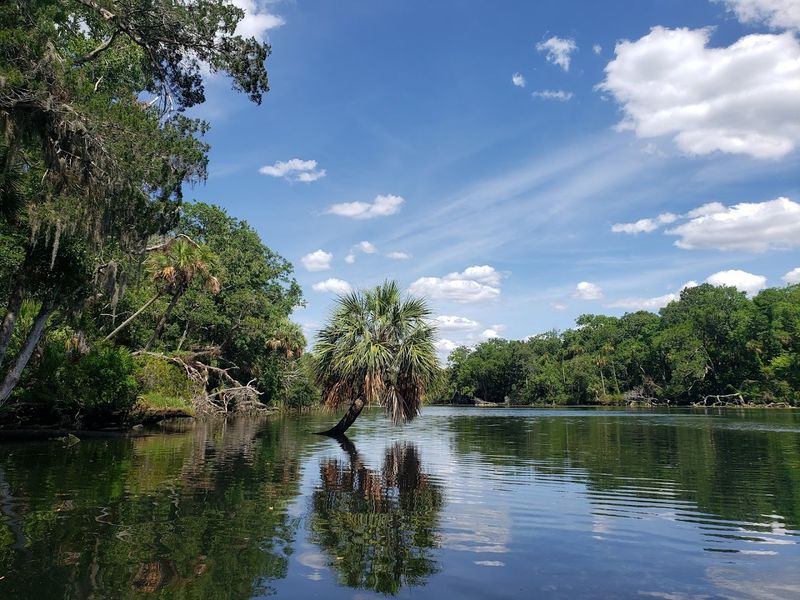
Fed by multiple springs, the Chassahowitzka River flows slowly through marshes and palm-lined channels where time seems suspended. Crystal-clear water reveals every detail of the river bottom—fish swimming, crabs scuttling, aquatic plants swaying in the gentle current.
Kayaking reigns as the preferred way to experience this river. Motorboat restrictions keep much of the waterway peaceful, eliminating the noise and wake that disturb other Florida rivers.
Your paddle strokes and bird calls become the soundtrack, occasionally joined by dolphins blowing as they hunt mullet.
Manatees gather here during winter months, drawn by the warm spring water. Encountering these gentle giants in their natural habitat creates memorable moments—watching them surface to breathe, observing calves staying close to their mothers.
Respectful observation helps protect these endangered creatures while still allowing incredible wildlife experiences.
The river system branches into multiple channels and springs worth exploring. Each tributary offers different scenery, from wide marshes with endless views to narrow creeks tunneling through vegetation.
Pack a lunch and spend the day meandering, stopping wherever looks interesting without worrying about schedules.
Florida Forgotten Coast
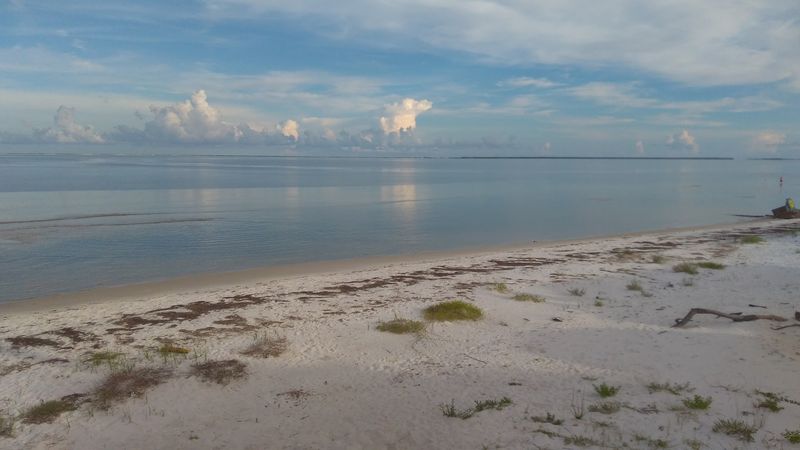
Stretching from Mexico Beach to St. Marks, the Forgotten Coast earned its nickname by avoiding the overdevelopment plaguing other Florida shorelines. Small towns like Apalachicola, Port St. Joe, and Carrabelle maintain their authentic fishing village character despite increasing discovery.
St. George Island represents this region’s appeal perfectly. Miles of undeveloped beaches offer solitude even during peak season.
The sand stays powdery white, the Gulf water maintains its emerald clarity, yet high-rises and chain restaurants remain blissfully absent. State parks protect much of the island, ensuring future generations inherit the same natural beauty.
Apalachicola’s historic downtown rewards exploration with local oyster houses, antique shops, and galleries showcasing regional artists. The town embraces its maritime heritage without turning it into theme park kitsch.
Eating freshly shucked oysters overlooking the bay captures everything right about this region.
This area moves deliberately slowly. Traffic jams don’t exist, reservations rarely require advance booking, and locals still wave to strangers.
That unhurried pace might frustrate visitors accustomed to constant stimulation, but for those seeking genuine calm, the Forgotten Coast delivers exactly what its quiet reputation promises.