Georgia holds countless adventures waiting beyond its famous landmarks and crowded hotspots.
While many visitors stick to well-known attractions, the real magic happens when you venture off the beaten path.
From mysterious swamps and colorful canyons to hidden cultural treasures and starlit skies, Georgia offers experiences that feel worlds away from typical tourist trails.
These twelve unique destinations will help you discover a side of Georgia that most travelers never see.
Paddle Through the Okefenokee Swamp
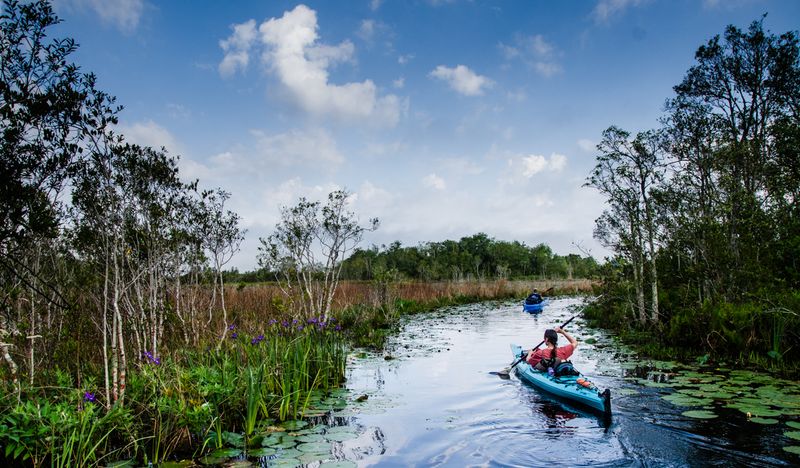
Gliding silently through tea-colored water feels like entering another world entirely. The Okefenokee Swamp near Folkston offers over 400,000 acres of untouched wilderness where alligators bask on logs and wading birds hunt in the shallows.
Canoeing these ancient waterways takes you past towering cypress trees draped with Spanish moss. You might spot river otters playing near your boat or hear the prehistoric call of a sandhill crane echoing across the marsh.
The reflection of clouds on the dark water creates an almost dreamlike atmosphere.
Local outfitters provide gear and maps for day trips or overnight camping adventures. Spring and fall bring comfortable temperatures and active wildlife, though summer mornings can be magical despite the heat.
Remember to bring plenty of water and sun protection.
The swamp changes character throughout the day as sunlight filters through the forest canopy. Early morning paddlers often encounter the most wildlife before temperatures rise and animals seek shade.
Ride the Blue Ridge Scenic Railway
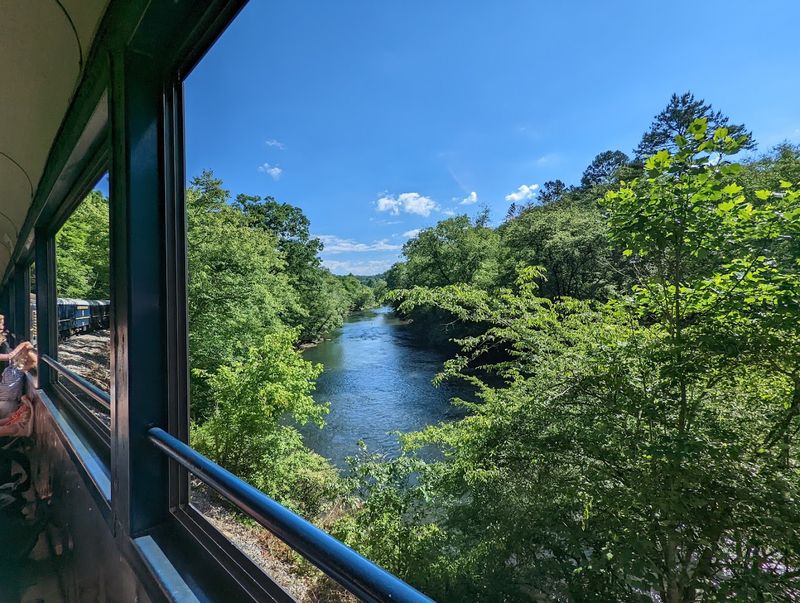
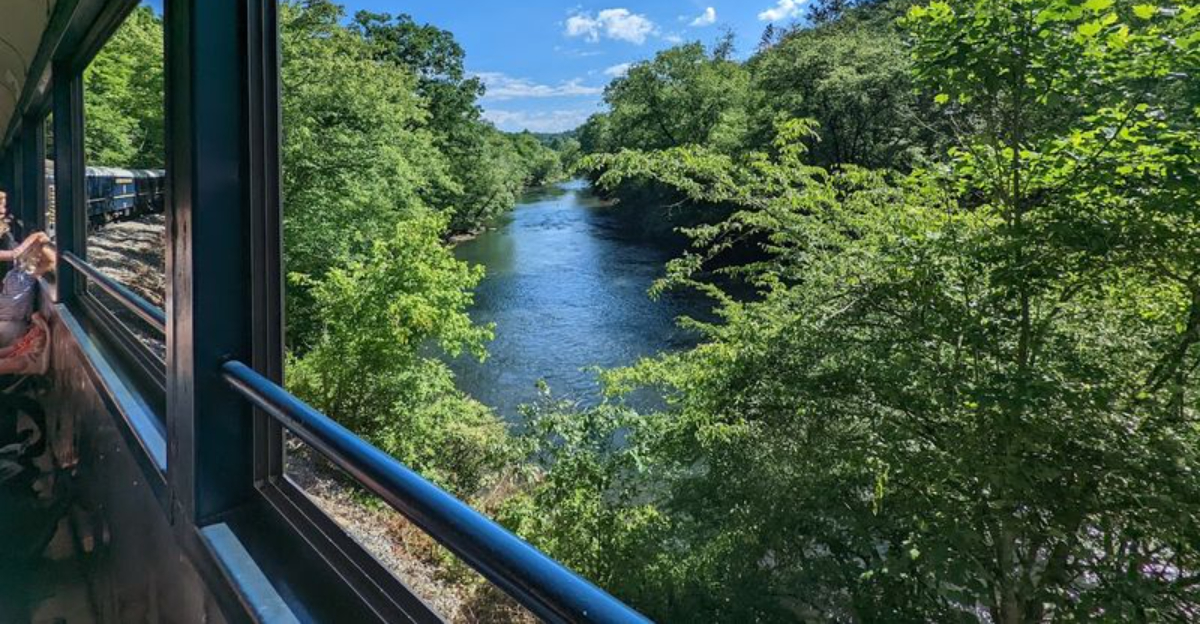
Something special happens when you slow down enough to really see the landscape passing by. This historic railway winds twenty-six miles through mountain valleys, following the Toccoa River through terrain that cars simply cannot reach.
The rhythmic clacking of wheels on tracks becomes almost meditative.
October transforms the route into a spectacular corridor of crimson, orange, and gold as hardwood forests put on their annual show. Even in other seasons, the journey reveals hidden waterfalls, wildlife, and glimpses of mountain life that highway travelers miss completely.
The open-air cars let you feel the mountain breeze.
The four-hour round trip includes a layover in McCaysville, a quirky border town split between Georgia and Tennessee. You can literally stand with one foot in each state.
Local shops and restaurants make the stop enjoyable before boarding for the return journey.
Advance reservations fill quickly, especially during peak fall color season in mid-October.
Visit Providence Canyon State Park
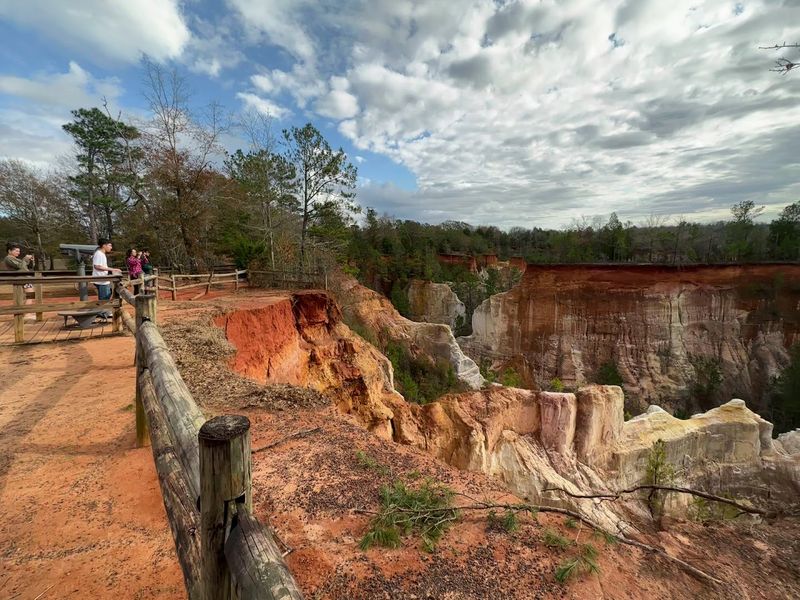
Mother Nature sometimes creates masterpieces through mistakes. Poor farming practices in the 1800s accidentally carved these stunning gullies up to 150 feet deep, exposing brilliant layers of rust, pink, cream, and purple clay.
Now the erosion damage has become one of Georgia’s most photographed natural wonders.
Seven miles of rim trails provide breathtaking overlooks without requiring serious hiking skills. More adventurous visitors can descend into the canyon itself, walking between towering walls that shift color throughout the day as sunlight changes.
Each season brings different wildflowers blooming along the canyon floor.
Pack plenty of water since summer temperatures can soar and shade is limited on most trails. The white and orange sand underfoot feels surprisingly soft, but it stains clothing easily.
Photographers love the golden hour before sunset when the canyon walls practically glow.
The backcountry loop trail offers primitive camping for those wanting to experience the canyon at sunrise. Winter hiking provides cooler temperatures and clearer views without summer’s humidity.
Experience Small-Town Charm in Madison
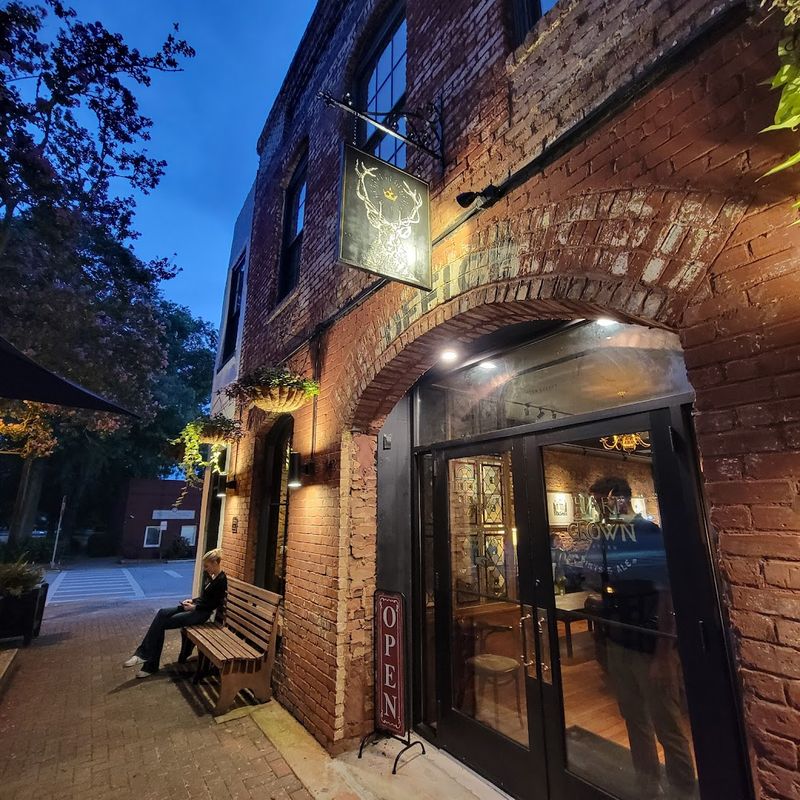
Time seems to move differently in Madison, where rocking chairs still grace front porches and neighbors greet strangers with genuine warmth. General Sherman supposedly spared this town during his March to the Sea because he found it too beautiful to burn.
Today those preserved antebellum homes create an outdoor museum of Southern architecture.
Walking the historic district feels like stepping into a living postcard. Massive oaks shade brick sidewalks while grand columns support elegant mansions.
Unlike bigger cities where crowds block the view, Madison lets you actually appreciate the details without fighting through tour groups.
Local shops sell handmade crafts and antiques rather than mass-produced souvenirs. The town square hosts farmers markets where you can chat with growers about their produce.
Small cafes serve authentic Southern cooking without the tourist markup found in better-known destinations.
Several historic homes offer tours revealing how wealthy planters lived before the Civil War. The town also maintains multiple museums covering local history, art, and African American heritage.
Try Oyster and Seafood Tasting Along the Coast

Forget fancy white-tablecloth restaurants charging premium prices for yesterday’s catch. Real Georgia coastal food culture happens at weathered docks where shrimpers unload their boats and oyster houses shuck shellfish pulled from nearby waters that same morning.
The smell of salt air mixes with the scent of steaming seafood.
Darien and Brunswick offer authentic experiences where commercial fishing remains a way of life rather than tourist entertainment. Local families have worked these waters for generations, developing recipes and traditions passed down through decades.
You might watch dolphins playing in the harbor while cracking boiled blue crabs.
Many waterfront spots look rough around the edges because they serve working fishermen first and tourists second. That authenticity means better food at better prices.
Low country boil, fresh-shucked oysters, and perfectly fried shrimp taste completely different when prepared by people who understand seafood.
Visit during weekdays for the most authentic atmosphere when locals outnumber visitors. Weekend crowds can change the vibe considerably at popular spots.
Hike to Tallulah Gorge Falls
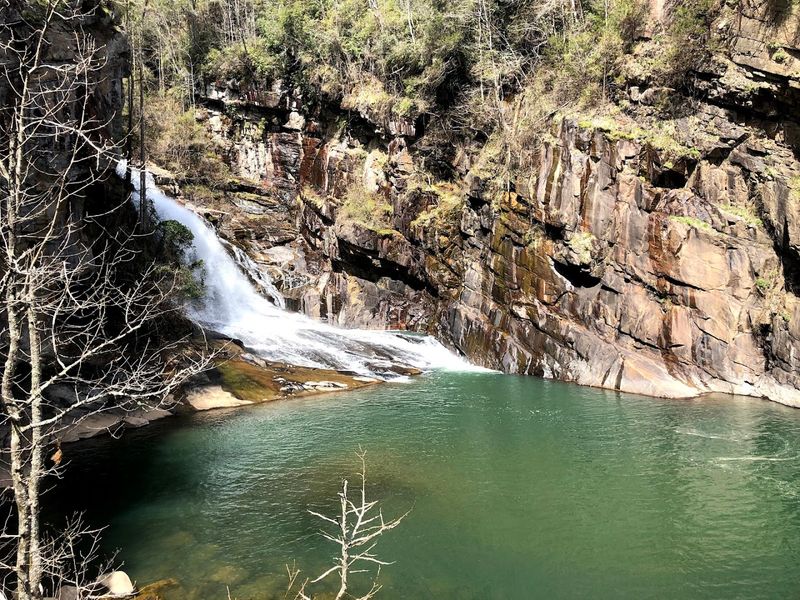
Your stomach might flutter slightly when crossing the suspension bridge swaying 80 feet above the gorge floor. Tallulah Gorge drops nearly 1,000 feet in less than two miles, creating one of the deepest canyons east of the Mississippi River.
Six waterfalls thunder through the rocky chasm when water flows freely.
Two suspension bridges offer heart-pounding views straight down to the river below. Rim trails provide spectacular overlooks for those preferring to keep both feet on solid ground.
More adventurous souls can obtain free permits to descend 600 stair steps to the gorge floor.
The hurricane-force winds that sometimes whip through the narrow canyon add extra excitement to bridge crossings. Controlled water releases from the upstream dam create spectacular viewing opportunities when timing works out.
Check the park schedule before visiting to catch these special flow events.
Spring wildflowers bloom along the rim trails while fall foliage frames the waterfalls beautifully. The interpretive center explains the gorge’s geological formation and history as a Victorian-era resort destination before hydroelectric development changed the landscape.
Explore Georgia’s Wine Country
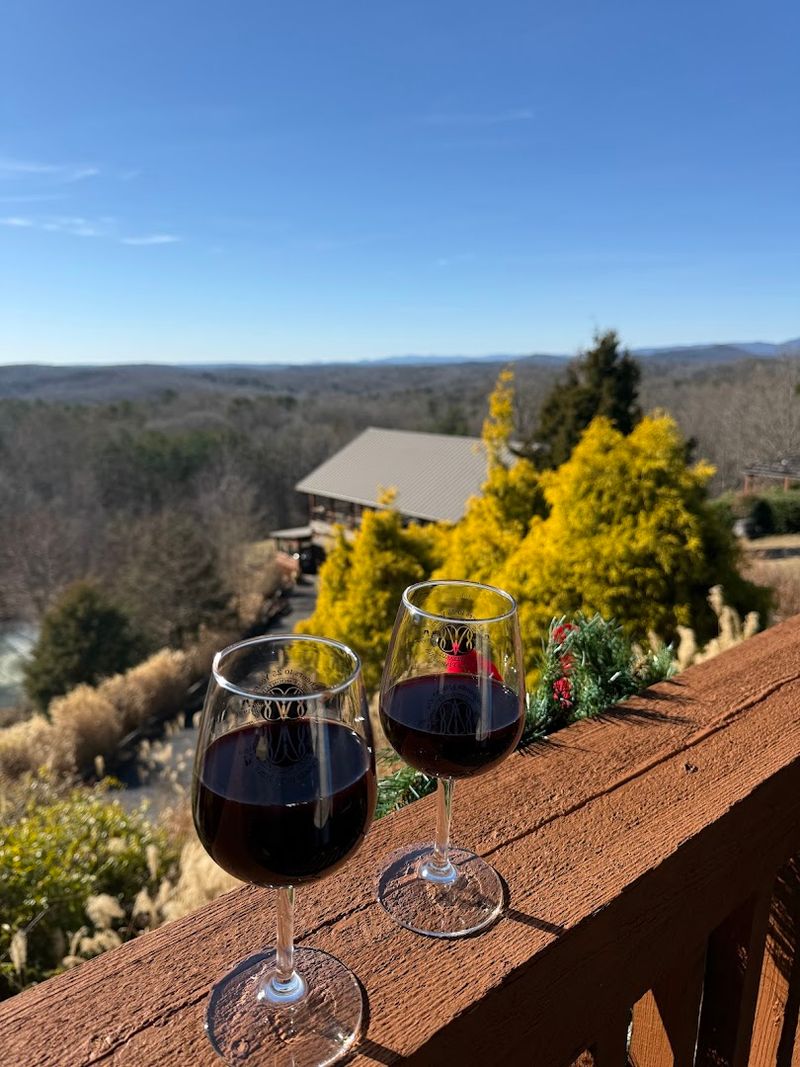
Who knew Georgia could produce award-winning wines? The hills around Dahlonega surprised experts when muscadine and European grape varieties started thriving in the unique mountain climate.
Now more than two dozen wineries dot the landscape, creating the Southeast’s most unexpected wine destination.
Tasting rooms range from rustic barns to elegant estates with sweeping mountain views. Many winemakers personally pour samples and explain how Georgia’s terroir creates distinctive flavors.
Unlike California’s crowded Napa Valley, you can often chat directly with the people who grew the grapes and crafted the wine.
The region specializes in sweet muscadine wines alongside drier European-style varieties. Many vineyards also offer food pairings, live music, and tours through their production facilities.
Fall harvest season brings grape-stomping festivals and special events celebrating the vintage.
Plan a weekend to visit multiple wineries since they spread across the rolling countryside. Designated drivers stay essential even though distances between tasting rooms seem short.
Several local inns cater specifically to wine tourists seeking convenient home bases.
Discover Folk Art at Paradise Garden
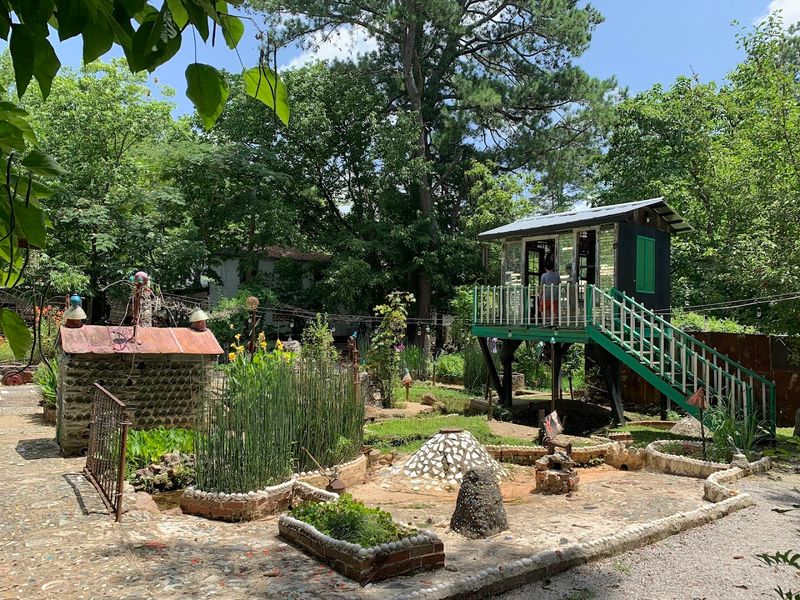
Stepping through the garden gate feels like entering someone’s beautifully chaotic dream made real. Howard Finster covered every surface with messages, mirrors, and biblical scenes during decades of inspired creation.
Bicycle parts become sculpture, broken glass transforms into mosaics, and concrete sculptures sprout among the weeds like strange mechanical flowers.
The self-taught artist claimed divine visions guided his work creating this four-acre wonderland. Thousands of painted messages cover walls, paths, and sculptures with spiritual musings and folk wisdom.
Mirrored surfaces reflect sunlight in unexpected directions while colorful mosaics catch your eye from every angle.
After years of neglect following Finster’s death, dedicated volunteers have restored much of the garden’s former glory. Walking the paths reveals layer upon layer of artistic details that reward close attention.
Every visit uncovers something previously overlooked.
The small admission fee supports ongoing preservation efforts for this irreplaceable folk art environment. Photography enthusiasts find endless interesting compositions among the vibrant, unconventional artwork.
Plan at least an hour to properly appreciate the garden’s overwhelming creativity.
Take a Civil Rights History Journey in Albany
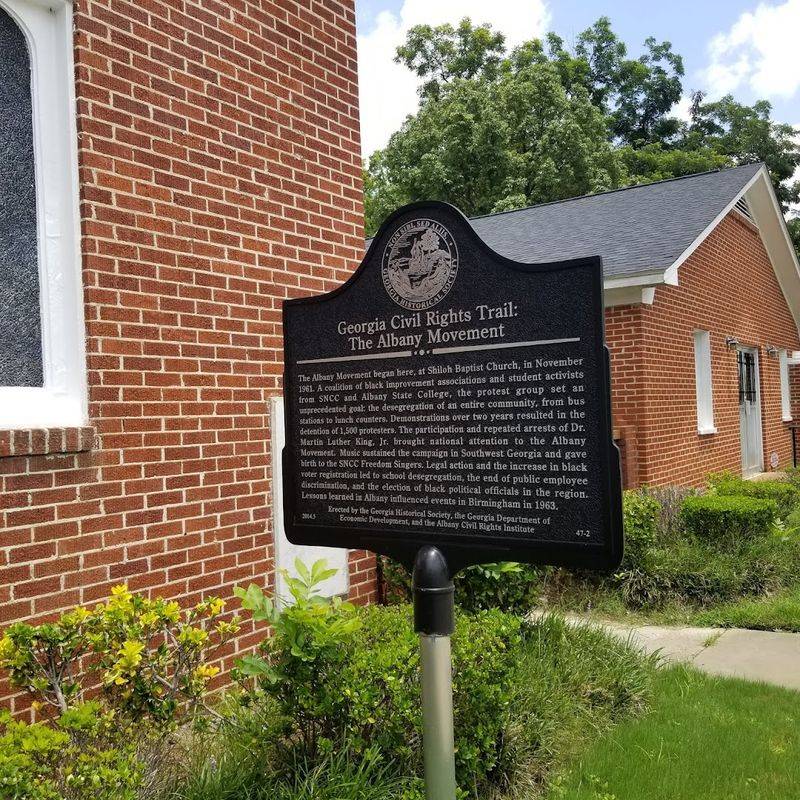
History books often skip right past Albany when discussing the Civil Rights Movement, focusing instead on Montgomery and Selma. That oversight ignores the crucial Albany Movement where Dr. Martin Luther King Jr. learned important lessons that shaped future campaigns.
The city’s museums and preserved sites tell stories deserving wider recognition.
Walking tours trace the footsteps of protesters who faced violent opposition while demanding basic human rights. The Old Mt.
Zion Baptist Church still stands where movement leaders planned strategies and inspired supporters. Markers identify locations of sit-ins, marches, and confrontations that tested protesters’ commitment to nonviolent resistance.
The Albany Civil Rights Institute houses extensive exhibits documenting local activists’ courage and persistence. Personal stories from ordinary citizens who risked everything for equality make abstract history feel immediately real and relevant.
Photographs, oral histories, and artifacts bring the movement’s daily struggles into sharp focus.
Local guides often have personal connections to the movement, sharing family stories alongside historical facts. Their perspectives add emotional depth that written displays cannot fully capture.
Spend a Night Stargazing at Stephen C. Foster State Park
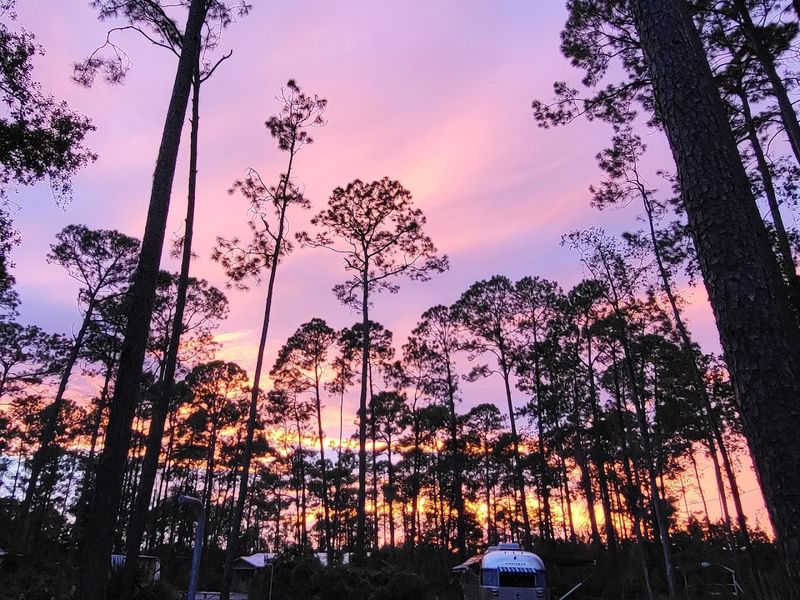
Darkness this complete simply doesn’t exist near cities anymore. Stephen C.
Foster State Park earned International Dark Sky Park certification because minimal light pollution allows the Milky Way to stretch across the heavens in stunning clarity. On moonless nights, thousands of stars emerge that most Americans never see.
The park sits deep within the Okefenokee Swamp, far from urban glow. Cypress trees frame the sky while night sounds replace daytime noise.
Rangers occasionally host astronomy programs with telescopes revealing planetary details and distant galaxies invisible to naked eyes.
Comfortable benches and observation decks provide ideal viewing spots without requiring camping gear. However, spending the full night under those incredible skies creates unforgettable memories.
The campground offers cabins and tent sites for visitors wanting the complete experience. Meteor showers become spectacular events when viewed from such dark skies.
Check lunar calendars before planning your visit since full moons wash out fainter stars despite creating their own beautiful scenes. Late fall through early spring brings clearest skies and fewer insects.
Visit the Rock-Hewn Heritage Sites of North Georgia
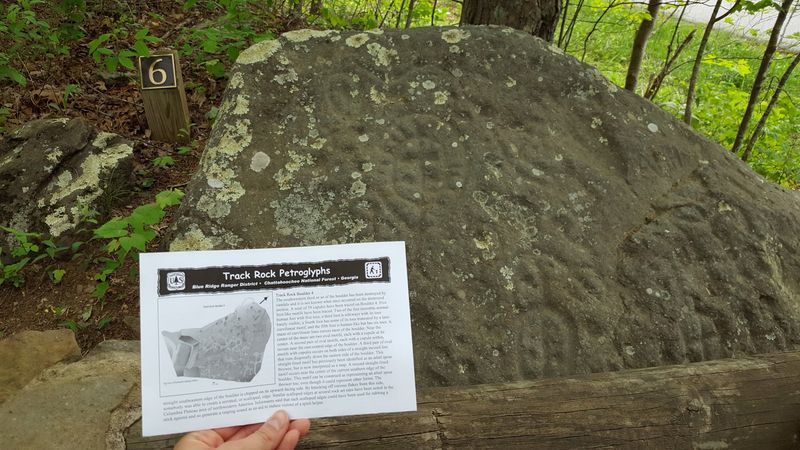
Centuries before European settlement, indigenous peoples carved mysterious symbols into massive boulders at Track Rock Gap. More than 100 petroglyphs cover the stone surfaces with designs whose meanings remain partially understood.
These ancient artworks connect modern visitors to cultures that thrived in these mountains long before written history.
The carvings include animal tracks, human figures, and abstract symbols that may have marked territorial boundaries or held spiritual significance. Weathering has softened some details, but many designs remain remarkably clear.
Interpretive signs explain what archaeologists know while acknowledging how much remains unknown about the artists and their intentions.
A short loop trail makes the site accessible without difficult hiking. The peaceful mountain setting encourages quiet contemplation of the hands that chipped these images into solid rock.
Touching the carvings is prohibited to preserve them for future generations.
Combine your visit with other attractions around Blairsville including Brasstown Bald, Georgia’s highest peak. The archaeological site sees far fewer visitors than more famous tourist destinations, offering solitude rare at historical landmarks.
Wander Through the Outdoor Art Environment at Pasaquan (Buena Vista)
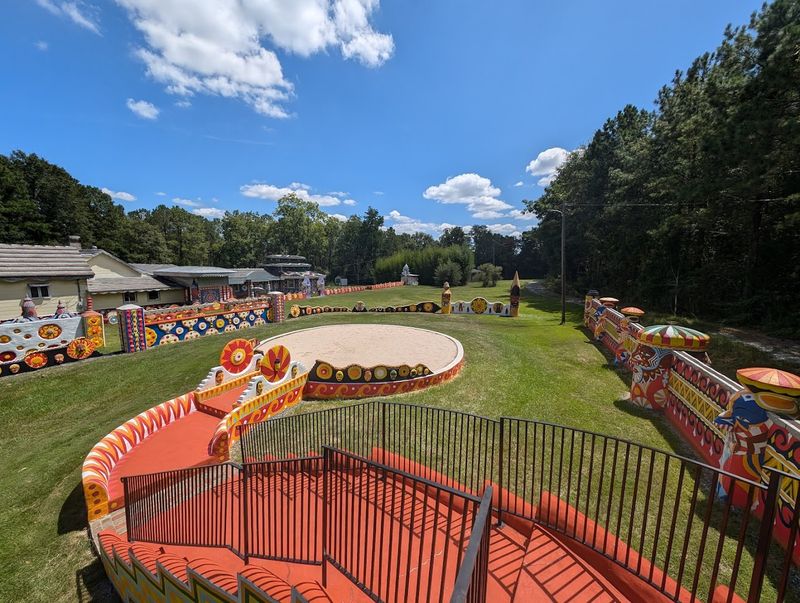
For travelers looking to experience a completely different side of Georgia, Pasaquan offers one of the state’s most unusual and immersive destinations. Hidden in the small town of Buena Vista, this massive outdoor art environment was created by visionary artist Eddie Owens Martin, also known as St. EOM.
Instead of traditional museum galleries or crowded tourist attractions, visitors explore a maze of hand-painted structures, towering totems, symbolic murals, and brightly colored concrete pathways spread across several acres. Every section feels personal, expressive, and unlike anything else in the Southeast.
What makes Pasaquan especially relevant for travelers seeking alternatives to standard Georgia attractions is the experience itself. Rather than simply viewing artwork, visitors walk directly through the environment and slowly discover its details, patterns, and spiritual symbolism.
The rural setting adds to the atmosphere, creating a peaceful and reflective experience far removed from busy city tourism. Pasaquan gives travelers a chance to explore Georgia through creativity, outsider art, and local cultural history instead of the usual sightseeing checklist.