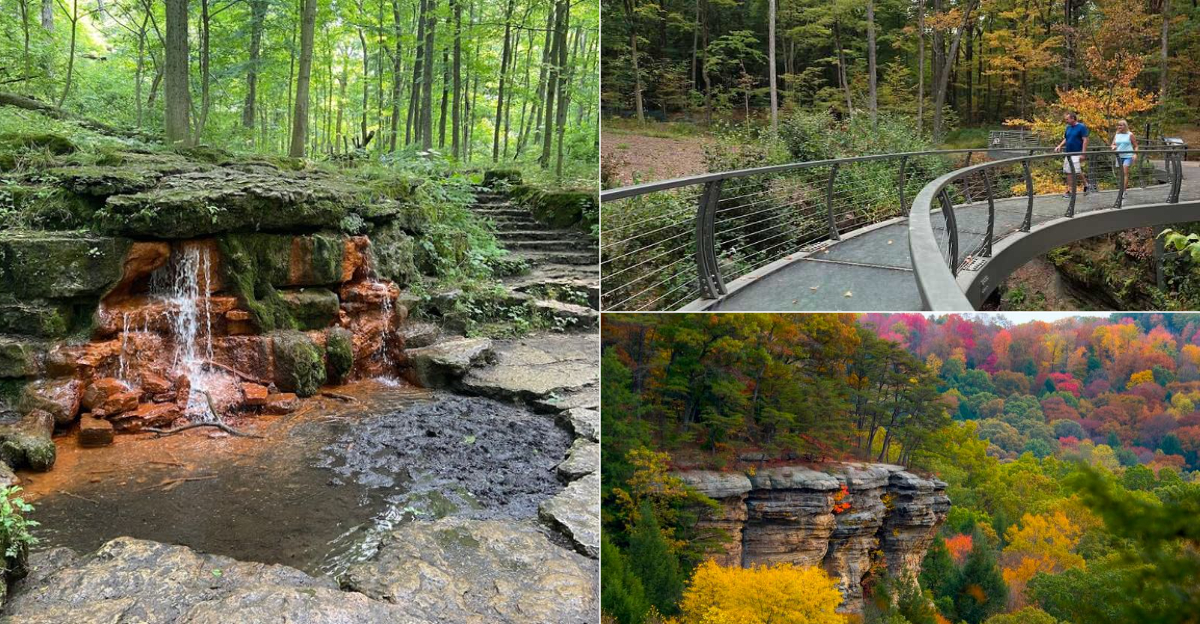
Sometimes the only way to find peace is to change the pace in a way only nature can offer.
Trade city noise and constant digital notifications for the sound of flowing water and the scent of untouched forest.
The state of Ohio hides remarkable landscapes, from towering sandstone outcrops to mysterious gorges carved deep into the rock.
These twelve scenic trails showcase some of the state’s most beautiful natural corners and invite you to slow down and enjoy every step.
Everything you need is a comfortable pair of shoes and a little free time to discover these hidden gems waiting just around the bend.
Old Man’s Cave Trail
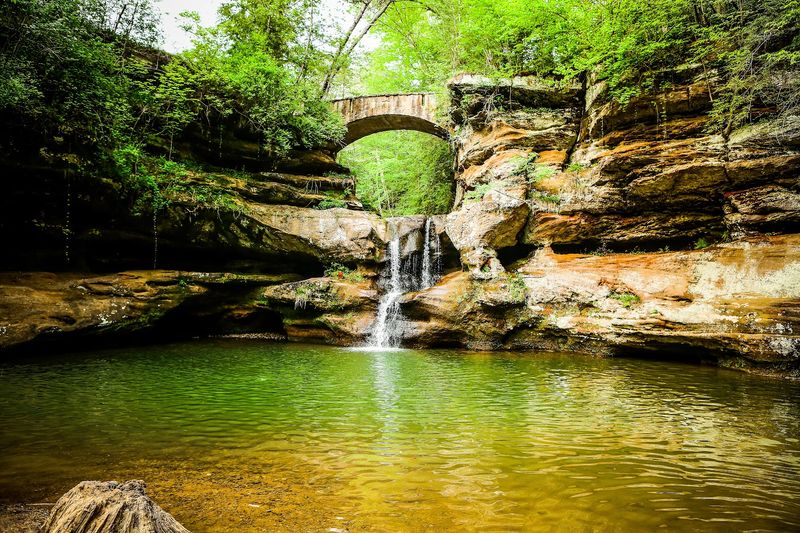
The descent begins with stone steps and the hush of cool air rising from the gorge, as if the earth itself were breathing.
In Hocking Hills, towering sandstone walls fold around the route, narrowing the world to dripping ledges, ferny corners, and the steady sound of water finding its way through rock.
Light filters down in broken ribbons, catching on bridges, wet stair rails, and the polished creek below.
Further along, the passage opens toward small falls, recess caves, and those dramatic overhangs that make this stretch of southeastern Ohio feel almost subterranean.
Uneven footing keeps the pace attentive, inviting eyes downward to roots and upward to weathered strata stained dark by seep springs.
By the time the path climbs again, the rhythm of steps, water, and shadow has replaced every ordinary thought.
What remains is only the sensation of moving through one of the state’s most storied landscapes at ground level.
Ash Cave Gorge Trail
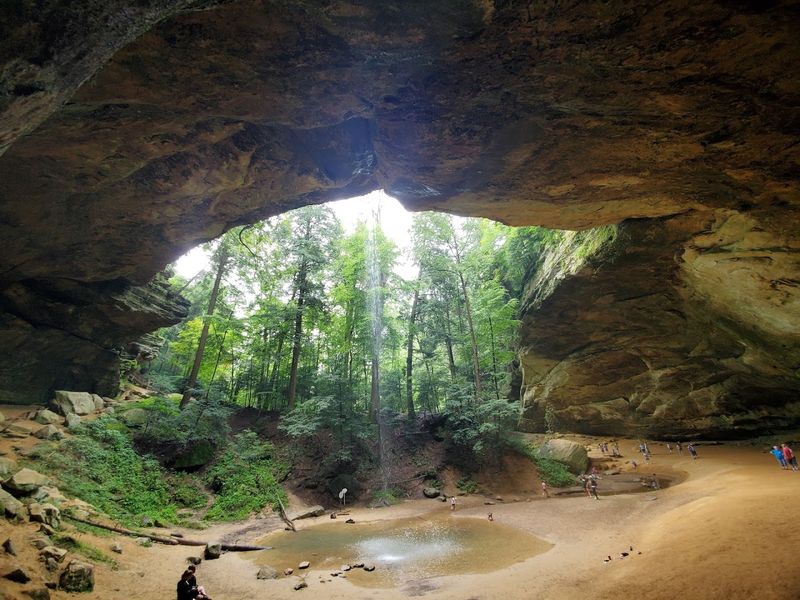
This walk begins gently, almost quietly, with a broad path following a shaded valley toward an enormous hollow in the rock.
The approach feels ceremonial, each step drawing closer to a sandstone amphitheater so large it changes the scale of everything around it.
Birdsong softens under the cliff line, and the air grows cooler as moisture lingers near the stone.
Set within Ohio’s Hocking Hills region, the setting adds an extra layer of quiet drama to the experience.
At the far end, one of southern Ohio’s most impressive recess caves curves overhead like a shelter carved by centuries, while a ribbon of water spills from the rim after rain.
The terrain stays forgiving, yet the visual drama builds steadily, making this route especially memorable for walkers who prefer immersion over challenge.
Standing beneath that vast overhang, with fine spray drifting outward and leaves flickering at the entrance, the landscape feels both open and enclosed.
It becomes a place where slowness comes naturally and every echo seems to settle into the gorge before disappearing.
Cedar Falls Trail
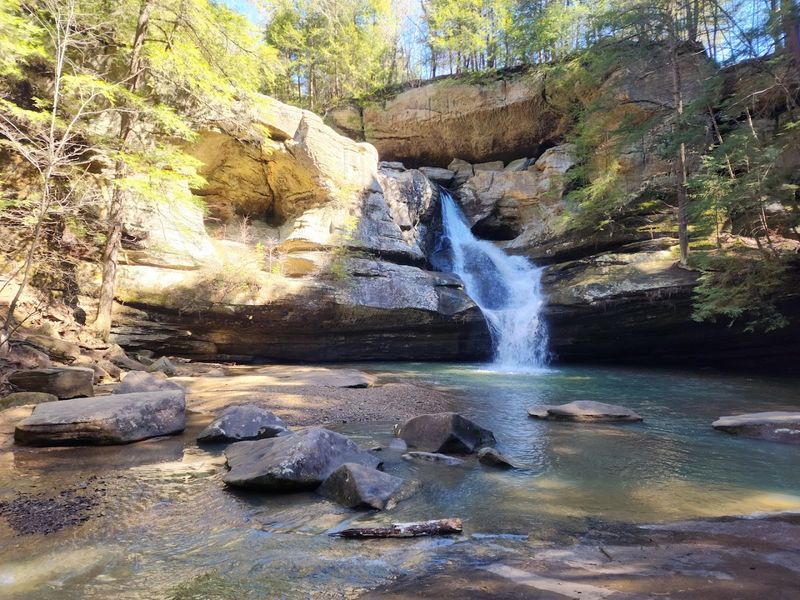
The route drops through dense woods where hemlocks dim the daylight, and the ground stays damp even after dry weather.
This stretch feels cooler than the ridges above, with mossy rocks underfoot and a low rushing sound that grows stronger long before the waterfall appears.
Set within Hocking Hills State Park, the landscape carries a steady, shaded stillness.
Wooden steps and exposed roots make the walk lively, asking for careful footing without breaking its meditative rhythm.
When the gorge tightens, the reward arrives in a broad cascade spilling over broken sandstone. It spreads white water across a dark, jagged ledge.
In this pocket of Ohio, the falls feel less theatrical than intimate, framed by boulders, leaning trunks, and the scent of wet leaves pressed into the ravine.
The return climb pulls the body upward through shade and birdsong, but the mind tends to remain below, where the stream threads through stone and the forest seems to hold onto every splash a little longer.
Cantwell Cliffs Trail
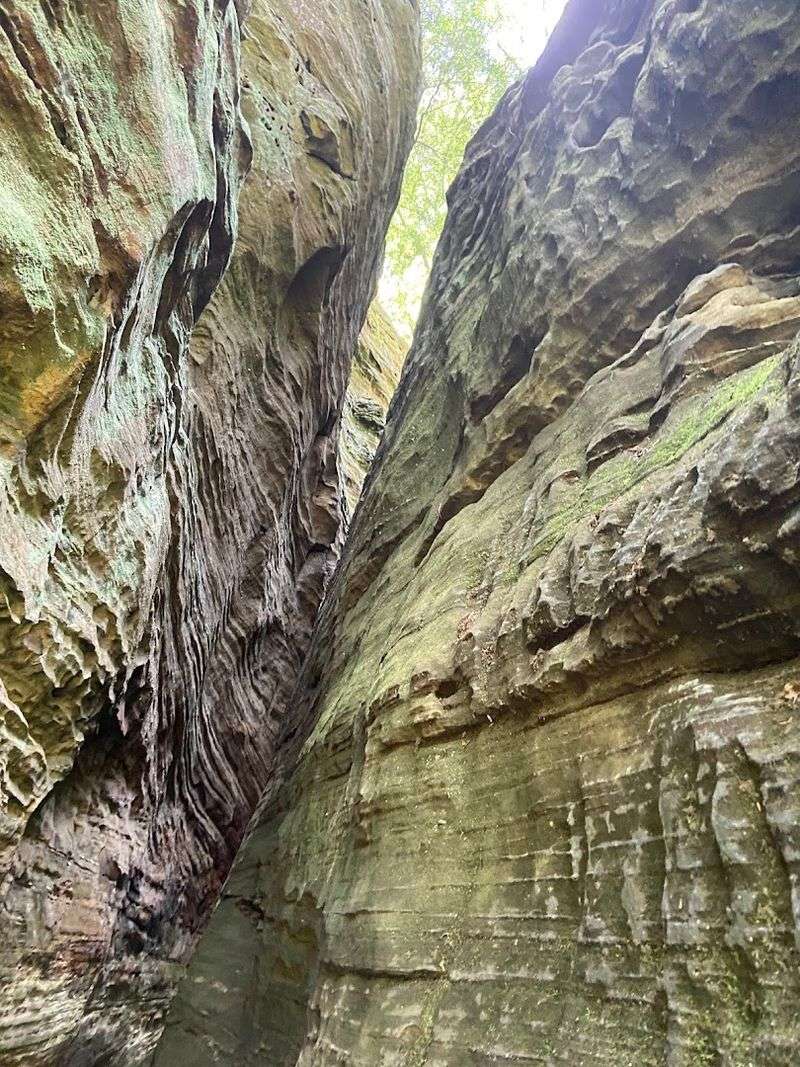
Here the terrain turns wilder, with sharp descents, narrow ledges, and staircases tucked into clefts of stone that feel almost secretive.
At the northern edge of Hocking Hills, massive blocks of Blackhand sandstone create corridors, cracks, and sudden openings, giving the walk a rougher, more dramatic energy than many neighboring routes.
The forest closes in and then unexpectedly releases, revealing depth beneath the boots and sky above the cliff rim.
In this corner of Ohio, the standout feature is verticality: drop offs glimpsed through trunks, chasms splitting the rock, and overlooks that make the canopy look soft and distant below.
The footing can be steep and uneven, so every movement stays alert, heightening the sense of intimacy with the landscape.
Rather than a single destination, the pleasure lies in constant variation, moving from enclosed passages to airy edges, from cool shadow to warm light.
All the while, the cliffs keep reshaping the walk into something more rugged and memorable.
Glen Helen Loop Trail
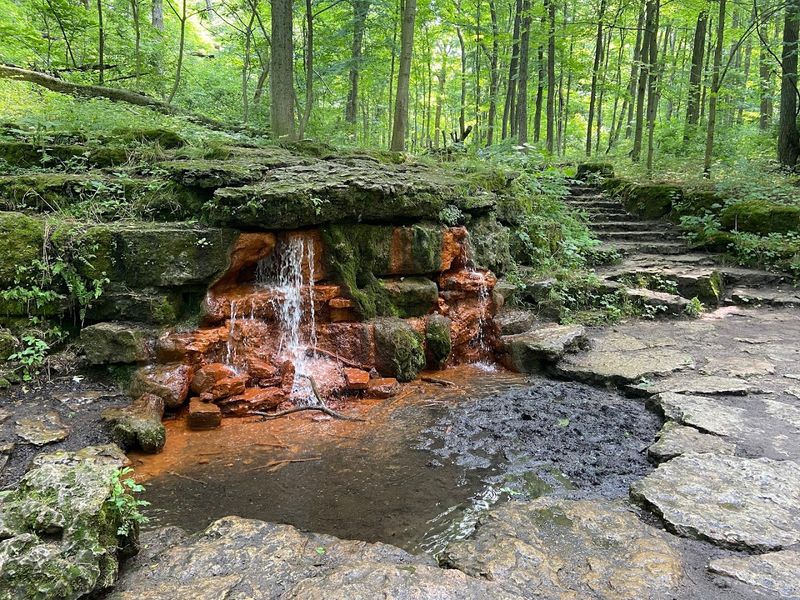
The loop winds through a preserve where water is never far away, whether heard as a quick rill over stone or seen flashing between roots.
Near Yellow Springs, the path follows a limestone gorge softened by maples, beech trees, and spring wildflowers, creating a walk that feels scholarly and wild at once.
Footbridges, damp earth, and the steady companionship of the stream keep the experience intimate rather than grand.
What makes this southwestern Ohio route linger in memory is its layering of detail: small cascades, moss-dark rock faces, and a sense that every bend reveals another quiet study in shade and movement.
Elevation changes stay manageable, yet the ground shifts enough to keep attention tuned to the body and the creek below.
As the trail circles back through the preserve, the atmosphere remains deeply restorative, with birds threading calls through the canopy and the gorge holding a coolness that seems to outlast the day itself.
Clifton Gorge Trail
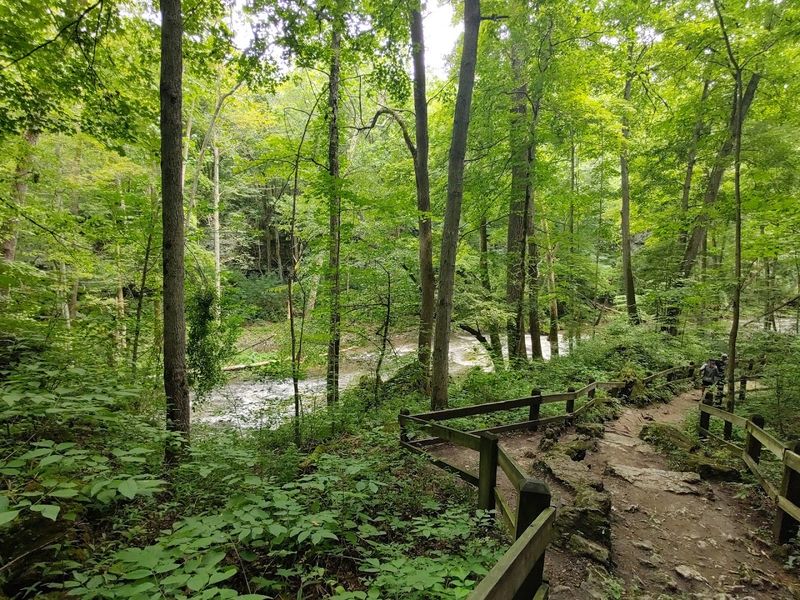
This path keeps close company with moving water, tracing the gorge as the river narrows, accelerates, and throws itself over shelves of dolomite and limestone.
The landscape feels kinetic, shaped by force rather than stillness, with rapids flashing below the trees and rock walls rising in abrupt, weathered layers.
Set between Yellow Springs and Clifton, the setting adds to that sense of movement and contrast.
The walking surface alternates between roots, packed earth, and occasional stone, making the whole route feel pleasantly engaged with the terrain.
The drama comes from the river’s energy, which can be heard even when the view disappears behind trunks and undergrowth.
Overlooks reveal churning channels, sculpted rock, and pockets of green where moisture gathers along the rim. Instead of leading toward one grand finish, the trail works by accumulation.
Each bend adds another perspective on current, cliff, and woodland.
In this preserve of western Ohio, the experience builds gradually, drawing the walker into the gorge’s restless motion and the surprisingly rugged character of the valley.
Brandywine Gorge Trail
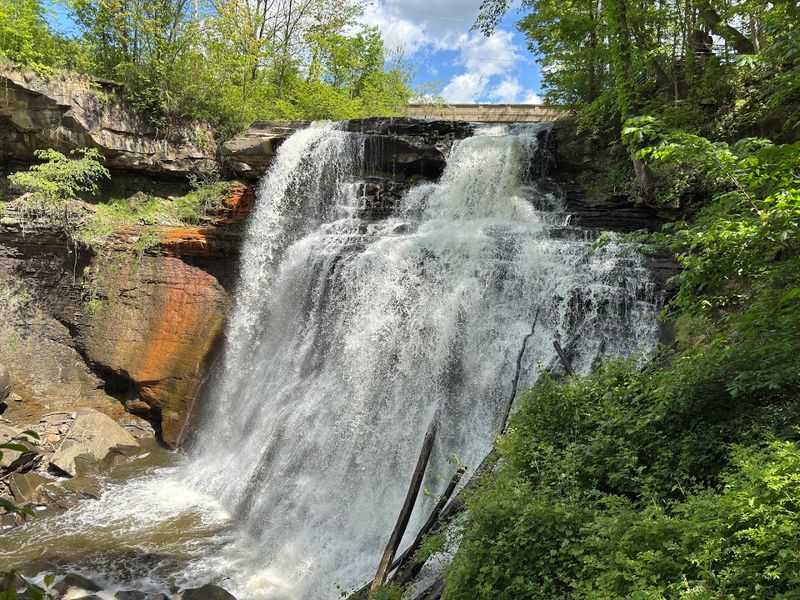
The approach unfolds through mixed forest and along tidy boardwalk sections before the gorge begins to announce itself with deeper shade and the sound of falling water.
The route balances ease with atmosphere, guiding walkers toward one of the most recognizable waterfalls in the state without losing the sense of gradual discovery.
Set within Cuyahoga Valley National Park, the surroundings add a quiet sense of scale to the experience. Leaves rustle above, ravens sometimes cut across the opening, and the air cools near the drop.
The main attraction is a tall, elegant cascade plunging in tiers through a steep ravine, but the surrounding woodland adds just as much to the experience.
Along this northeastern Ohio loop, overlooks and side perspectives reveal the falls framed by layered rock, conifers, and the textured walls of the gorge.
Because the path circles rather than simply arrives, the walk feels complete in itself.
It offers changing angles, shifting sound, and that satisfying moment when the forest suddenly parts and the water takes over the entire scene.
Ledges Trail
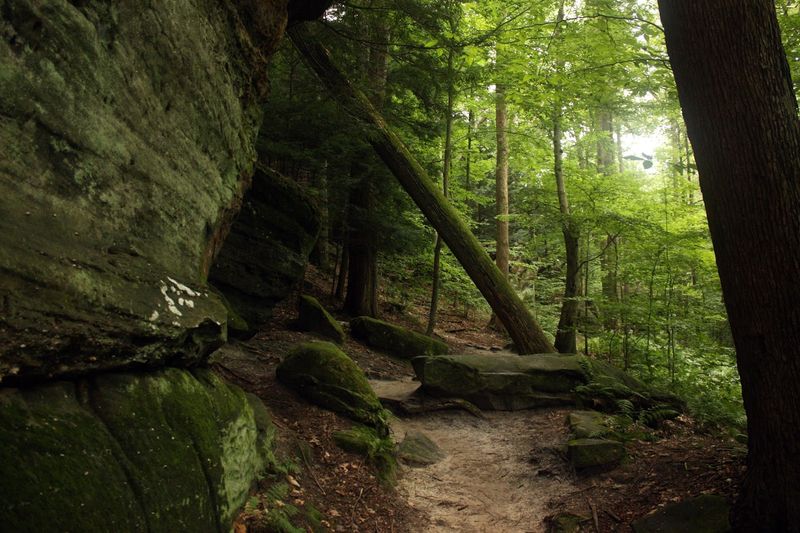
The walk threads beneath towering sandstone walls where narrow passageways, overhangs, and cool rock chambers turn the forest into something almost architectural.
In the Virginia Kendall area of Cuyahoga Valley, the terrain invites a slower pace, not because it is especially difficult, but because the ledges keep presenting textures worth lingering over.
Pine scent gathers in shaded pockets, and the light arrives in angled strips across roots and stone.
What sets this northeastern Ohio favorite apart is the way enclosure and openness trade places so naturally.
One moment the trail passes through corridors lined with weathered cliffs, and the next it opens toward higher ground where the surrounding woods seem to breathe wider.
The surface can be rocky and irregular, lending each step a tactile quality that matches the rough sandstone underhand.
By late afternoon, when the sun warms the ledges and deepens every crevice, the entire route feels composed for attentive wandering rather than hurried miles.
Buckeye Trail
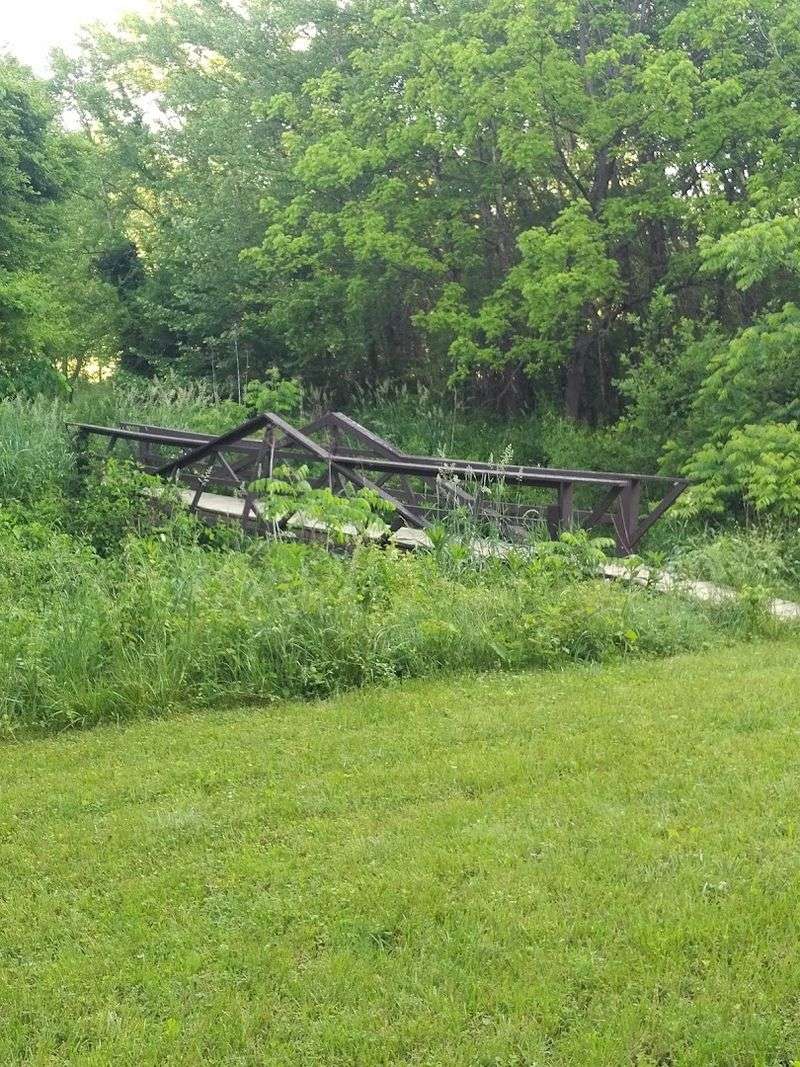
Unlike the short destination walks nearby, this section encourages a more patient frame of mind, unfolding across ridges, hollows, and long wooded stretches where the scenery builds by sequence.
The famous blue blazes lead over leaf litter, around sandstone outcrops, and into pockets of silence that feel far removed from the busier park loops.
This stretch belongs to the Hocking Hills trail system, where longer routes trade quick viewpoints for a deeper sense of distance.
The ground rises and falls gently enough to keep momentum, yet changes often enough to stay interesting.
Across this broader sweep of woodland, the appeal lies in continuity rather than spectacle, in watching one ravine give way to another and noticing how light shifts as the day advances.
Occasional openings, creek crossings, and rougher sections of tread add texture without breaking the route’s meditative cadence.
It is the kind of path that restores attention by stretching it.
It asks walkers to settle into distance, listen to wind moving through oaks and hickories, and appreciate how deeply a long trail can carry quiet into the body.
Nelson-Kennedy Ledges Trail
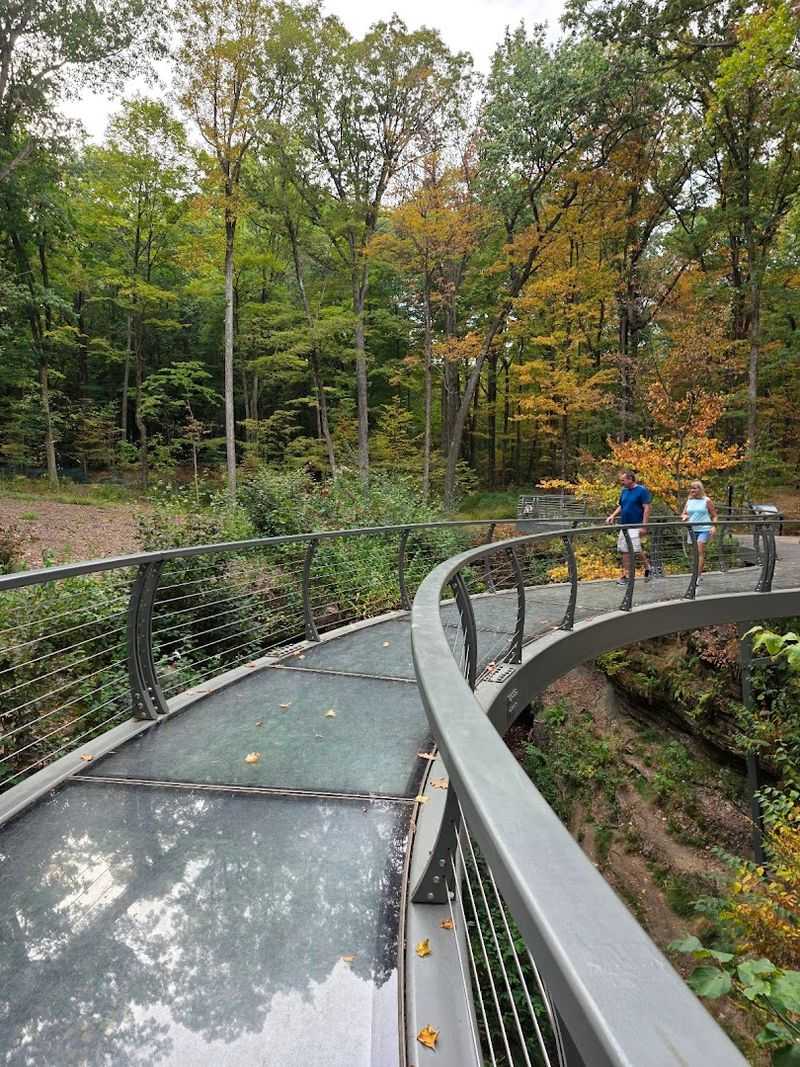
The trail weaves through a landscape that feels more carved than grown, slipping between formations that seem to have their own character and presence.
Sandstone rises in fins, folds into narrow corridors, and presses inward in tight creases that reduce the sky to a thin strip overhead.
Footsteps echo differently here, softened by dirt but shaped by stone, while ferns gather in shaded seams and moss lights up the boulders in vivid green.
Roots cling and twist along the edges, giving the whole setting a slightly untamed, sculptural feel.
This maze-like terrain is part of Nelson-Kennedy Ledges State Park, where erosion has turned the forest into something closer to a natural gallery.
What makes the walk memorable is the way it keeps inviting curiosity.
One passage leads to another, each turn hinting at a hidden pocket just out of sight.
The distance itself is modest, but the rhythm changes constantly, slowing into pauses to look closer, then picking up again through open stretches.
Moving through these ledges feels less like following a path and more like exploring a sequence of spaces, where perspective keeps shifting and the forest gradually takes on the character of the stone that shapes it.
Clear Creek Metro Park Trails
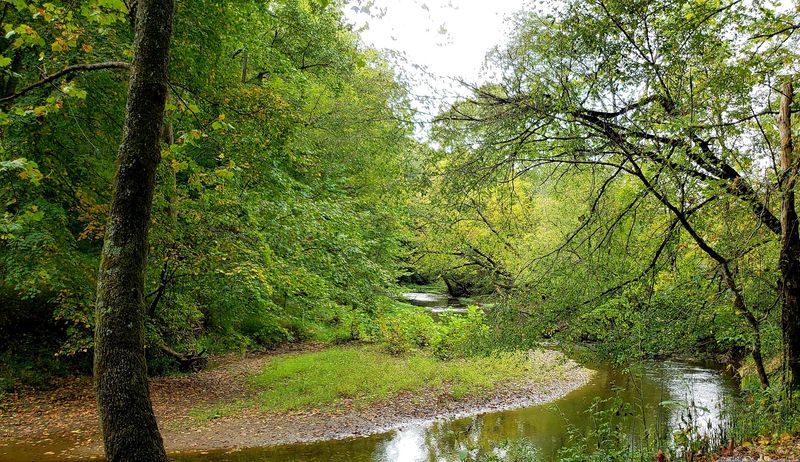
These interlacing routes feel wonderfully secluded, moving through deep ravines, mature forest, and stream-cut valleys where the outside world seems to fade within minutes.
South of Columbus, the preserve holds one of central Ohio’s richest stretches of woodland, and the walking reflects that ecological depth through hemlock groves, sandstone cliffs, and long passages under a high green canopy.
The ground can be rocky, muddy, or softly leaf-covered depending on season, keeping each step alert.
What makes these paths memorable is their quiet variety: one segment follows water over stones, another climbs toward open views, and another settles into shadow where birds and wind supply the only sound.
In the Clear Creek valley, even short distances can feel immersive because the terrain folds so completely around the walker.
Rather than funneling everyone toward a single landmark, the network rewards exploration itself.
It encourages slower movement, repeated visits, and the kind of noticing that turns bark, creek light, and distant ridgelines into the day’s real destinations.
Conkles Hollow Gorge Trail
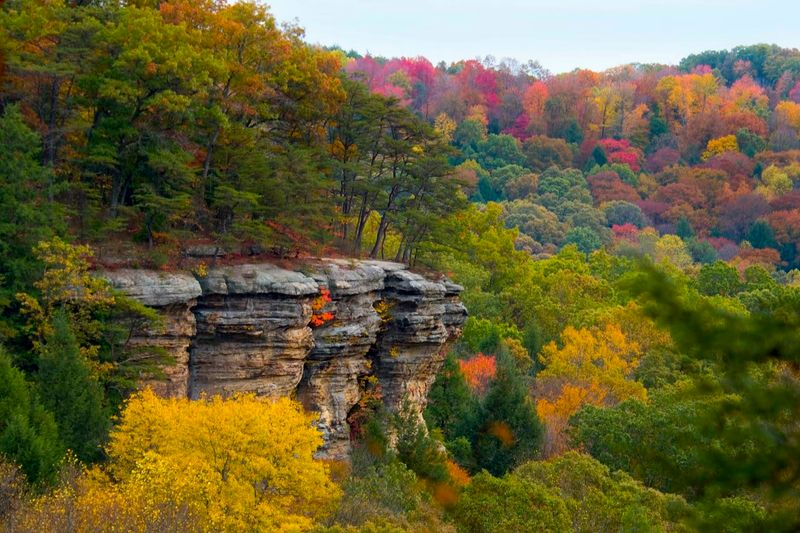
The entrance feels almost modest, but the gorge quickly gathers height and presence until the walker is moving between some of the tallest cliffs in the state.
The valley floor stays relatively gentle, allowing attention to drift upward toward sheer sandstone walls streaked with moisture and tufted with vegetation.
It is part of the Hocking Hills area, where scale does most of the storytelling.
The path itself is easy, yet the surrounding cliffs give every slow step a heightened sense of wonder.
Here, sound behaves differently, softened by moss, leaves, and enclosing rock, then sharpened by the occasional drip of water from above.
The trail moves beneath hemlocks and alongside a clear stream, while massive formations rise so abruptly that they seem to slice daylight into narrow vertical bands.
With little physical effort required, the focus shifts naturally toward the setting itself, its cool air, vivid greens, and quiet, towering presence that makes the outside world feel distant beyond the rim.