Ohio hides its best stories in plain sight, waiting for anyone willing to step off the main road.
Some of its most fascinating museums don’t shout for attention. They whisper through odd artifacts, faded photographs, and rooms that feel frozen in time.
One moment you’re staring at a wall of glowing vintage neon signs, the next you’re learning about medical curiosities that sound too strange to be real.
There’s something thrilling about places that don’t feel polished or predictable. Each stop feels like a small discovery you were never meant to rush past.
Dittrick Medical History Center (Cleveland)
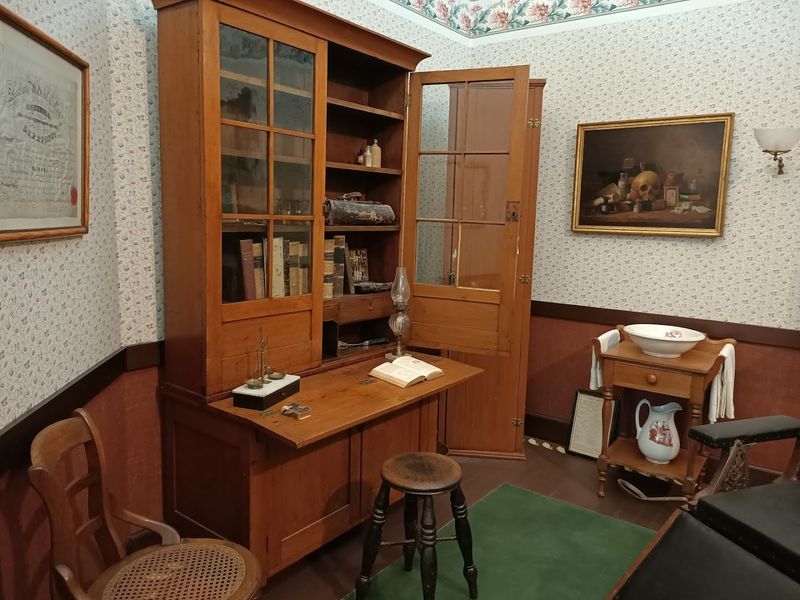
Hidden inside a university library building in Cleveland, this museum turns the history of medicine into something surprisingly fascinating. Visitors can see antique surgical tools, early medical devices, and exhibits that trace how healthcare evolved over the centuries.
It feels far more intimate and unusual than a typical science museum, and the quieter atmosphere gives you time to really absorb the details.
The museum’s historical collections often leave people talking long after they leave, especially because many artifacts are both educational and slightly eerie in the best possible way. Preserved medical equipment from past centuries shows just how much has changed in how doctors treat patients.
Some instruments look more like torture devices than healing tools, which makes modern medicine seem even more impressive.
Because it sits inside Case Western Reserve University, the setting feels academic without being boring. Students and curious travelers alike wander through, often surprised by how engaging medical history can be when presented thoughtfully.
Merry-Go-Round Museum (Sandusky)
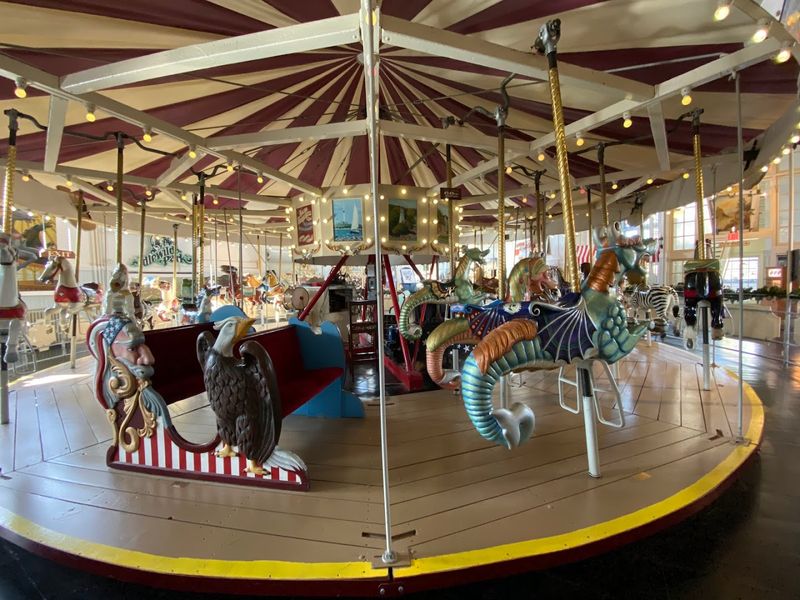
Most travelers head to Sandusky for roller coasters, but this carousel-focused museum ends up being one of the city’s most memorable stops. Inside, beautifully restored carousel animals, vintage organs, and colorful artwork create an atmosphere that feels nostalgic without being overly touristy.
Demonstrations and restoration workshops help visitors appreciate the craftsmanship behind classic amusement rides, making the experience feel interactive rather than passive.
Watching artisans carve and paint wooden horses by hand reveals how much skill went into creating these beloved rides. The museum preserves techniques that date back over a century, keeping old-world craftsmanship alive.
Kids especially enjoy seeing the brightly painted creatures up close, noticing details they would miss on a spinning carousel.
The building itself adds charm, with high ceilings and natural light that make the hand-painted horses practically glow. It is one of those rare museums where learning about history feels joyful instead of stuffy.
National Barber Museum & Hall of Fame (Canal Winchester)
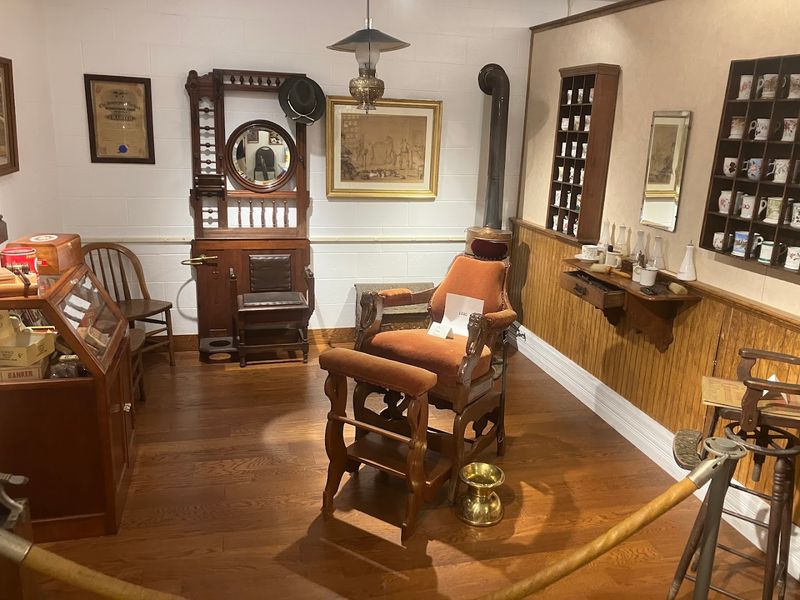
This small museum sounds niche at first, but it quickly becomes one of those places people unexpectedly enjoy. Antique barber chairs, historic grooming tools, and rows of vintage barber poles give the collection personality and charm.
The exhibits also reveal how barber shops once served as important community gathering spaces, adding social history to the quirky visuals.
Walking through feels like stepping into your grandfather’s barbershop from decades ago. Old razors, shaving mugs, and leather strops line the shelves, each telling a story about how grooming habits have evolved.
The colorful barber poles spinning outside shops became iconic symbols of neighborhood life, and seeing so many preserved in one place feels both playful and strangely meaningful.
Canal Winchester itself is a quiet town, so stumbling upon this museum makes the visit feel like discovering hidden treasure. The Hall of Fame section honors barbers who shaped their profession, giving recognition to an often-overlooked trade.
Baseball Heritage Museum (Cleveland)
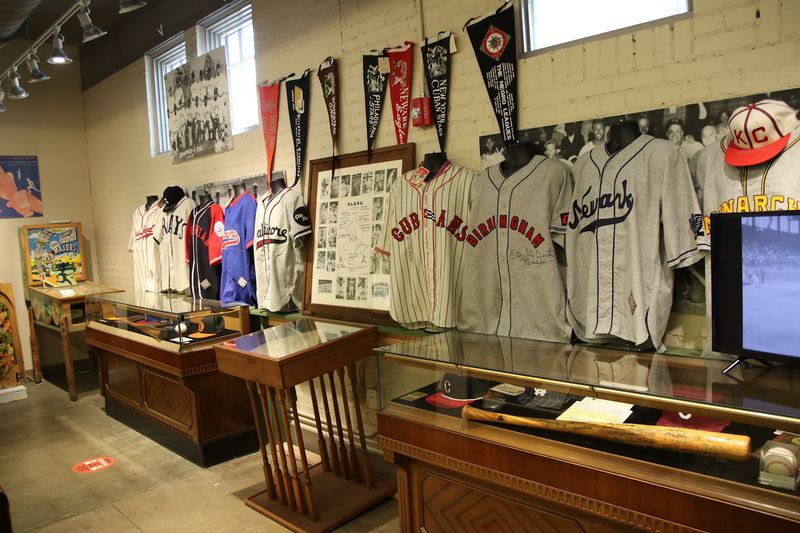
Located inside historic League Park, this museum focuses on stories that often receive less attention in mainstream baseball history. Exhibits highlight the Negro Leagues, Latin American players, women in baseball, and local community teams through uniforms, photographs, and memorabilia.
The smaller scale makes the experience feel personal, especially for visitors who enjoy sports history with deeper cultural context.
Rather than celebrating only star players and championship teams, this museum shines light on athletes who faced discrimination yet still changed the game. Reading about their struggles and triumphs adds emotional weight to the artifacts on display.
Old jerseys, bats, and scorecards become more than objects when you understand the barriers these players overcame.
League Park itself holds significance as one of Cleveland’s oldest ballparks, so exploring the museum while standing on historic ground makes the experience richer. Baseball fans often leave with a renewed appreciation for how inclusive the sport has slowly become.
International Women’s Air & Space Museum (Cleveland)
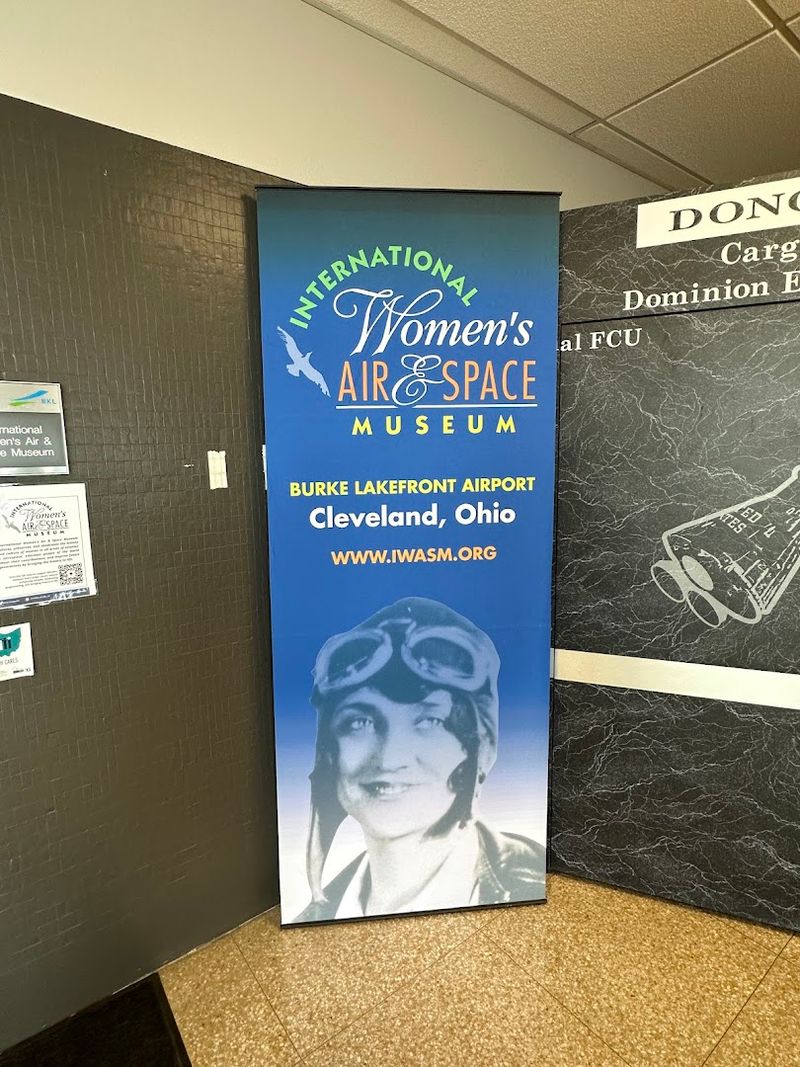
Tucked inside Burke Lakefront Airport, this museum quietly honors women who shaped aviation and space exploration. Visitors can explore artifacts tied to pioneering pilots, astronauts, engineers, and record-breakers whose stories are often overshadowed in larger aviation museums.
Because it is smaller and less crowded, the exhibits feel more personal and surprisingly inspiring.
From Amelia Earhart to Sally Ride and beyond, the displays cover groundbreaking figures who defied expectations in male-dominated fields. Seeing their flight suits, medals, and personal items up close reminds you that history is made by real people, not just names in textbooks.
The museum also highlights lesser-known aviators whose contributions deserve wider recognition.
Being located inside an active airport adds authenticity to the experience. Planes taking off nearby create a fitting backdrop while you read about women who once fought for the right to fly those same skies.
It is an empowering stop that leaves visitors thinking differently about aviation history.
Ohio Glass Museum and Glass Blowing Studio (Lancaster)
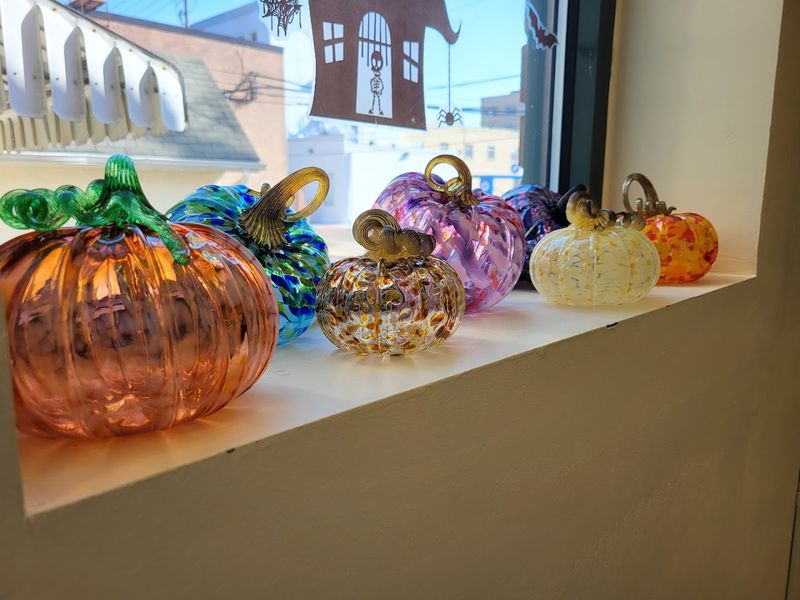
This museum combines Ohio industrial history with live artistic craftsmanship. Guests can learn about the state’s long connection to glass production while also watching modern glassblowing demonstrations that make the visit feel active and engaging.
The glowing furnaces and handmade artwork give the space an atmosphere that feels more creative studio than traditional museum.
Ohio once dominated American glass manufacturing, and this museum preserves that legacy through vintage bottles, tableware, and decorative pieces. But the real magic happens when you watch molten glass transform into art right before your eyes.
Artisans twist and shape glowing material with incredible precision, explaining techniques passed down through generations.
The heat from the furnaces and the rhythmic movements of the glassblowers create an almost hypnotic experience. Visitors often end up buying handmade pieces from the gift shop, wanting to take home something created during their visit.
It bridges past and present beautifully.
American Sign Museum (Cincinnati)
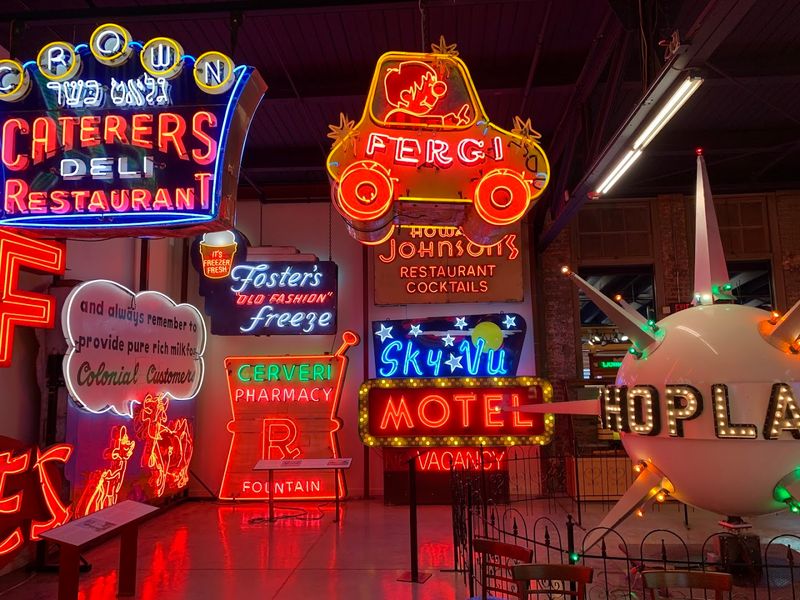
Filled with glowing neon signs, vintage storefront displays, and retro advertising pieces, this Cincinnati museum feels more like stepping into another era than walking through a gallery. The enormous illuminated displays create a visually immersive experience, especially for photography lovers.
Many visitors end up spending far longer here than expected because nearly every corner has something colorful and nostalgic to examine.
Neon signs from old diners, motels, and theaters cast a warm glow throughout the space, making it feel alive with mid-century charm. Some signs tower overhead while others sit at eye level, allowing you to appreciate the intricate tube bending and vibrant colors.
The museum also explains how neon signs are made, adding educational value to the visual feast.
For anyone who loves vintage Americana, this place hits all the right notes. The signs represent a time when storefronts competed for attention through artistry rather than digital screens, preserving a lost form of community character.
Central Ohio Fire Museum (Columbus)
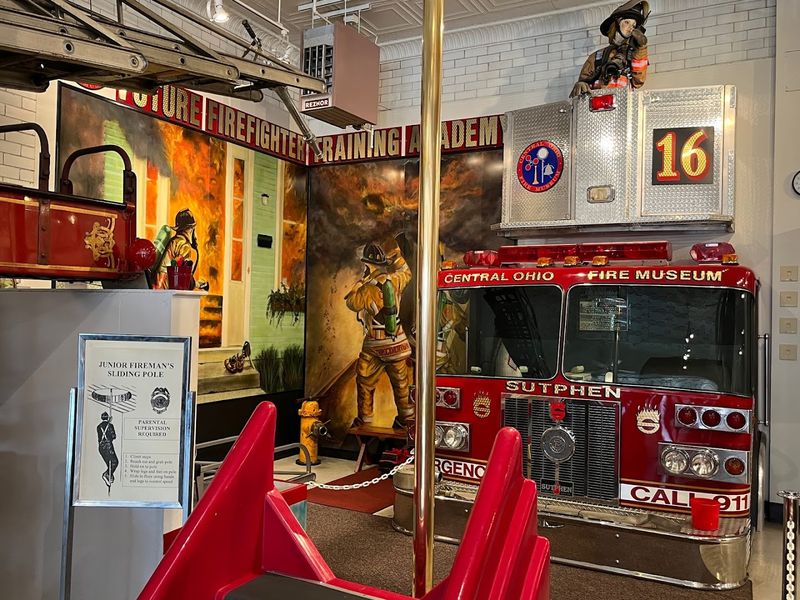
Housed in a historic fire station, this museum explores firefighting history through antique engines, old uniforms, rescue equipment, and preserved artifacts from Columbus fire departments. Guided tours help bring the exhibits to life, giving visitors insight into how dangerous and physically demanding firefighting once was.
The smaller setting makes it feel welcoming and surprisingly hands-on.
Standing beside century-old fire trucks, you realize how much bravery was required before modern safety equipment existed. Leather helmets, hand-pumped hoses, and horse-drawn engines show just how far firefighting technology has advanced.
The stories behind major Columbus fires add local history that connects visitors to their community’s past.
Kids often love this museum because they can climb on some equipment and imagine being firefighters themselves. The authentic firehouse setting with its brass poles and vintage alarm bells adds atmosphere that makes history feel tangible.
It honors everyday heroes whose work often goes unrecognized until disaster strikes.
Paul A. Johnson Pencil Sharpener Museum (Logan)
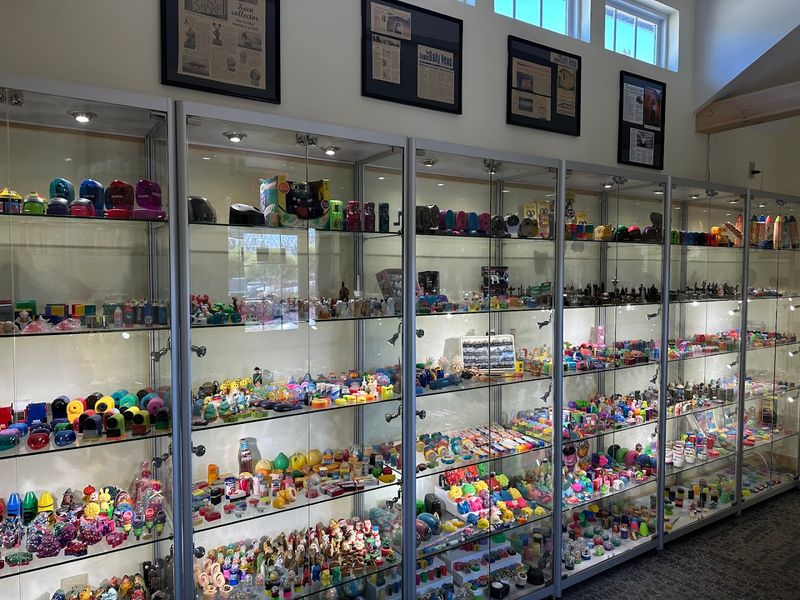
This tiny museum in Logan is one of Ohio’s strangest hidden attractions, yet that is exactly what makes it memorable. Thousands of pencil sharpeners fill the space, ranging from cartoon characters to miniature household objects.
What could have been a gimmick somehow becomes genuinely entertaining because of the sheer creativity and personality behind the collection.
Paul A. Johnson spent decades collecting these miniature sharpeners from around the world, and his passion shows in the careful arrangement and surprising variety.
You will spot everything from tiny pianos to sports equipment, famous landmarks to beloved cartoon figures, all functioning as pencil sharpeners. The collection proves that even the most ordinary objects can become art when someone approaches them with curiosity and dedication.
Visitors often arrive skeptical but leave smiling and taking photos of their favorite pieces. It is wonderfully weird in the best possible way, celebrating obsessive collecting without taking itself too seriously.
Logan itself is a small Hocking Hills town, making this museum a perfect quirky detour.
Dunham Tavern Museum (Cleveland)
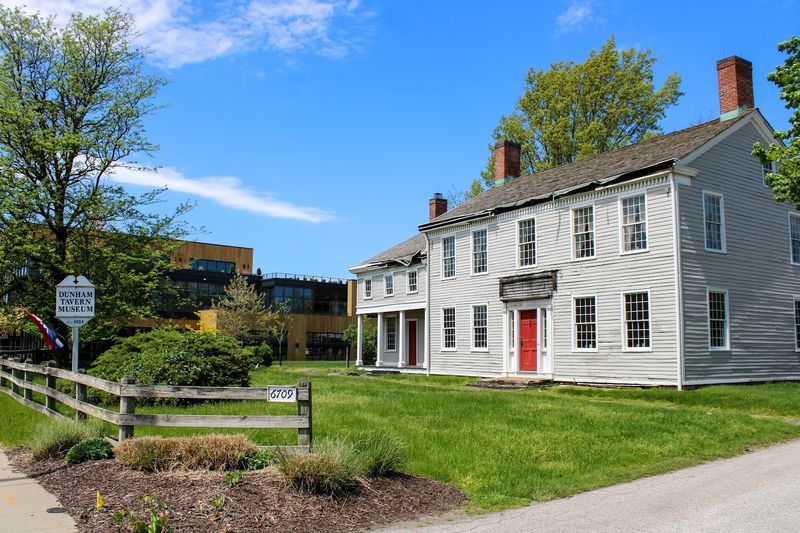
As Cleveland’s oldest surviving building on its original site, this historic tavern offers a quieter alternative to the city’s bigger attractions. Visitors can explore preserved early-1800s rooms, gardens, and exhibits tied to stagecoach travel and frontier-era Ohio.
The slower pace and historic atmosphere make it feel like a genuine step backward in time rather than a polished tourist stop.
The Dunham family operated this tavern for travelers journeying through the Western Reserve during Ohio’s early settlement years. Walking through the rooms with their original woodwork and period furnishings helps you imagine what daily life looked like two centuries ago.
The surrounding gardens grow heritage plants that would have been common during that era, adding another layer of authenticity.
Unlike grander historic homes, this tavern represents everyday life for ordinary frontier families and weary travelers. That makes it somehow more relatable and intimate than mansions belonging to wealthy historical figures.
Cleveland keeps growing around it, but the tavern remains a quiet reminder of simpler times.
SunWatch Indian Village/Archaeological Park (Dayton)
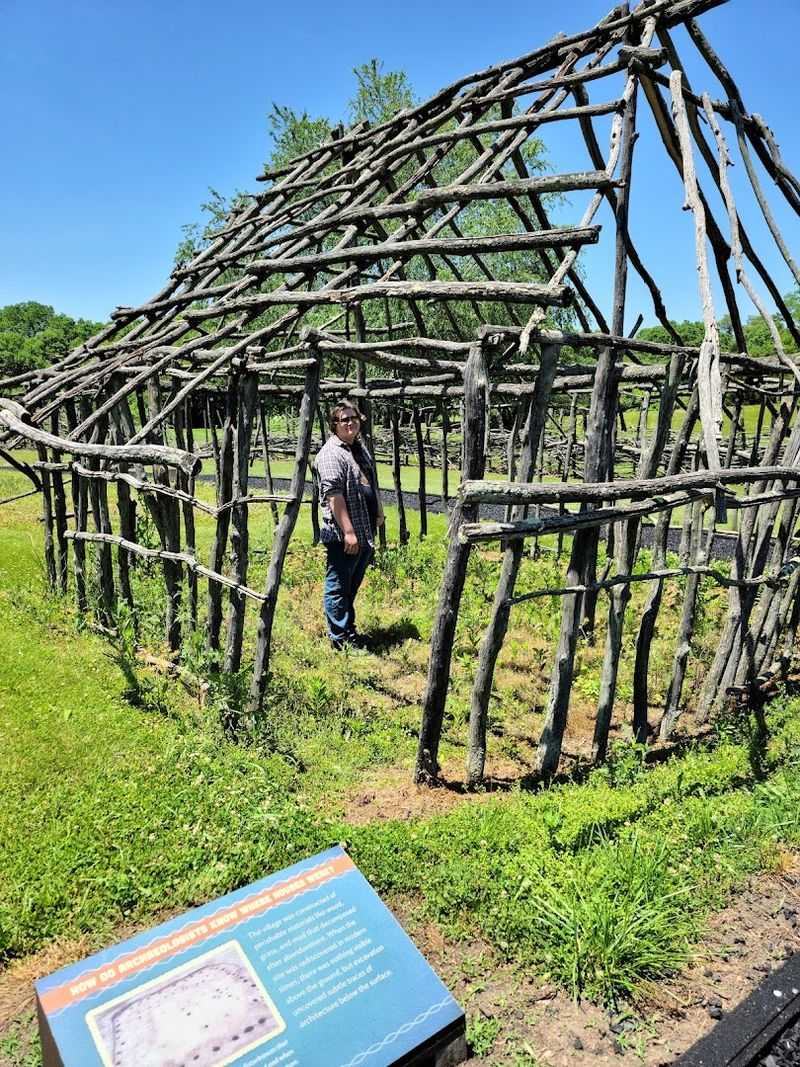
This reconstructed Native American village and archaeological site gives visitors a chance to experience Ohio history in a far more immersive way than a standard exhibit hall. Walking paths, recreated structures, and excavation displays help explain how Indigenous communities once lived along the Great Miami River.
The quiet riverside setting adds to the experience, making it feel reflective as well as educational.
SunWatch preserves the remains of an 800-year-old Fort Ancient village where people farmed, hunted, and built thriving communities long before European contact. Archaeologists have carefully studied the site, and their findings shaped the authentically reconstructed buildings you can walk through today.
Hands-on demonstrations sometimes show traditional crafts like pottery making or tool creation, connecting ancient skills to the present.
Standing in the middle of the village with the river flowing nearby, you gain appreciation for how Indigenous peoples shaped Ohio’s landscape and culture. It is a museum that encourages respect and understanding rather than just presenting artifacts behind glass.