Georgia’s countryside hides some of the most beautiful covered bridges in the South, many built more than a century ago when horses and wagons were the main way to cross creeks and rivers.
These historic landmarks offer more than just old wooden structures—they’re windows into the past, surrounded by peaceful scenery that makes the journey just as enjoyable as the destination.
Whether you’re driving through mountain foothills or rolling farmland, each bridge sits along scenic backroads that invite you to slow down and explore.
Pack a picnic, bring your camera, and discover why these ten bridges are worth every mile of the scenic route.
Elder Mill Covered Bridge (Watkinsville)
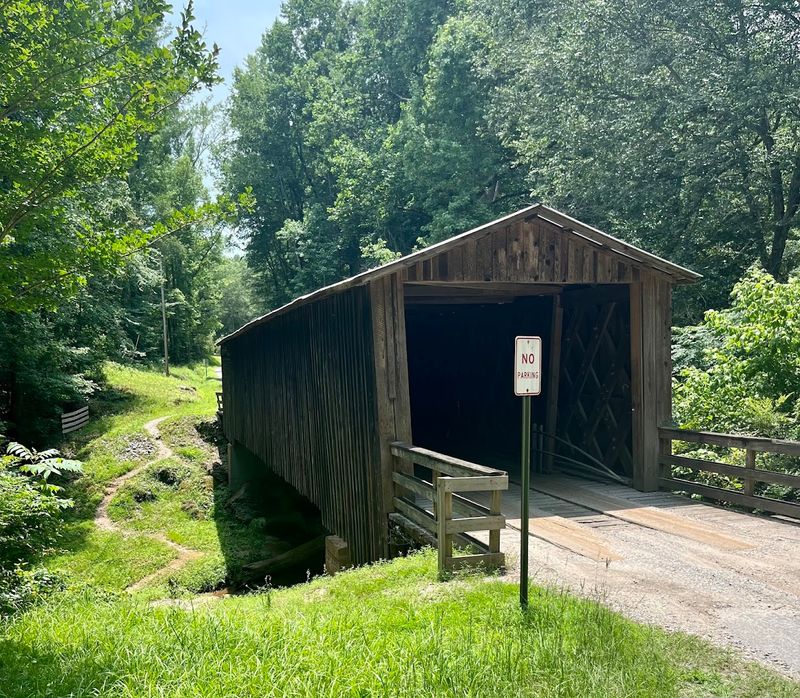
One of the last operational covered bridges in Georgia, this 1897 landmark sits quietly over Rose Creek, surrounded by wooded countryside and winding rural roads. The peaceful setting makes the drive as rewarding as the stop itself, especially during fall when the trees around the creek turn bright shades of orange and gold.
Travelers often pair the bridge with a leisurely drive through Oconee County’s backroads and small-town scenery. The area feels wonderfully removed from city life, with farms, forests, and country lanes that invite exploration.
What makes Elder Mill special is how it continues to serve its original purpose after more than 120 years. Unlike many covered bridges that now sit as museum pieces, this one still welcomes visitors who want to step back in time.
The surrounding grounds offer shaded spots perfect for an afternoon picnic or photography session. Creek views and natural beauty create an atmosphere that feels untouched by modern development, making every visit memorable and relaxing for road-trippers seeking authentic Georgia charm.
Stovall Mill Covered Bridge (Sautee Nacoochee)
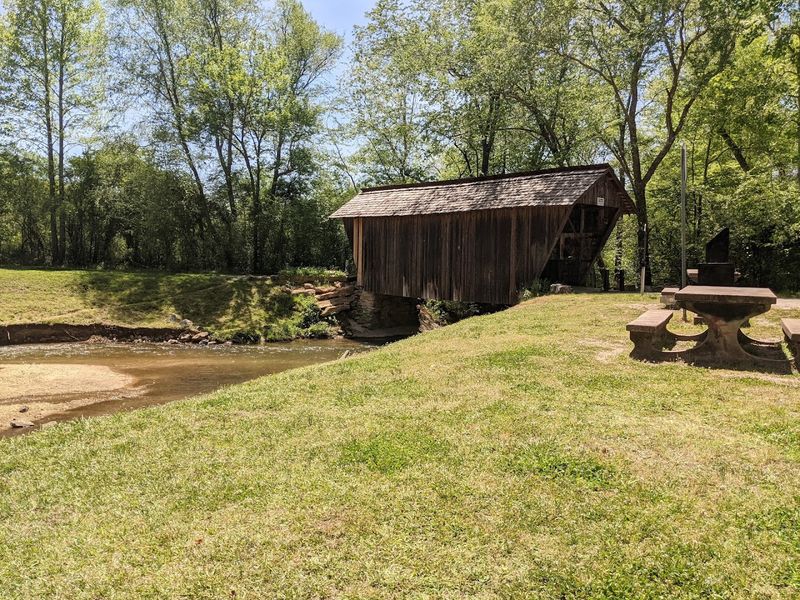
Tucked near Helen in the North Georgia mountains, this tiny 1895 bridge feels like a hidden Appalachian landmark waiting to be discovered. The route to the bridge winds through rolling hills, mountain creeks, and scenic farmland, making it ideal for a relaxed afternoon drive when you’re not in any hurry.
Its rustic surroundings and nearby picnic spots create a peaceful stop away from the more crowded tourist areas nearby. Many visitors stumble upon it accidentally while exploring backroads, which only adds to its charm and appeal.
The bridge’s weathered wood and simple construction tell stories of generations who crossed here before paved highways existed. Standing inside the covered structure, you can almost hear the echo of horse hooves and wagon wheels from another era.
Spring wildflowers and summer greenery frame the bridge beautifully, while autumn turns the surrounding hillsides into a patchwork of color. Whether you’re a history buff or just love scenic drives, Stovall Mill rewards curiosity with authentic mountain character.
Euharlee Creek Covered Bridge (Euharlee)
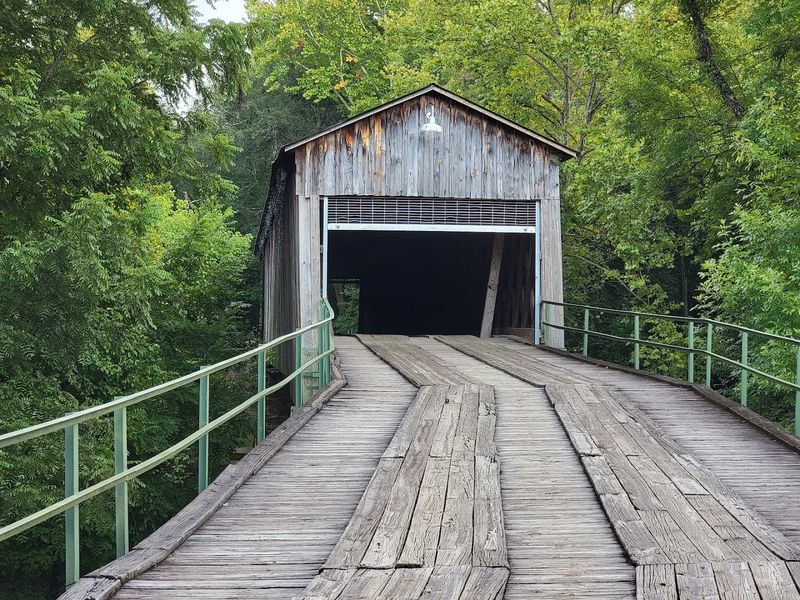
Built in 1886 by Washington W. King, this beautifully preserved wooden bridge sits beside a small historic museum and calm creekside scenery that photographers absolutely love.
The roads leading into Euharlee pass through quiet stretches of northwest Georgia countryside that feel far removed from metro Atlanta’s hustle.
King was a master bridge builder whose craftsmanship shows in every beam and plank. His attention to detail helped this structure survive floods, storms, and more than 130 years of Georgia weather.
The combination of history, shaded walking paths, and gentle water views makes this one of Georgia’s most photogenic bridge destinations. Visitors can explore the nearby museum to learn more about local history and bridge-building techniques from the 1800s.
Creek-side trails offer easy walks suitable for all ages and fitness levels. The peaceful water flowing beneath the bridge creates soothing sounds that make the spot perfect for relaxation, sketching, or simply enjoying nature without distractions from modern life.
Concord Covered Bridge (Smyrna)
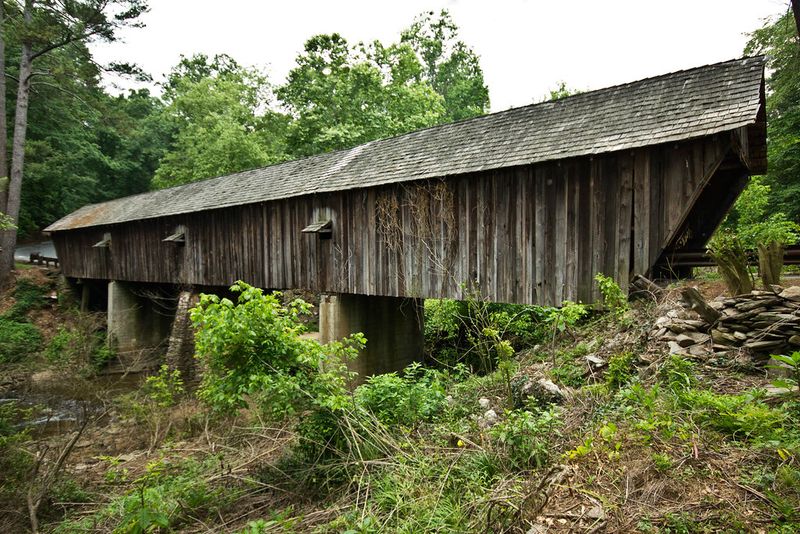
Dating back to 1872, Concord Covered Bridge is one of Georgia’s oldest surviving covered bridges still open to traffic after more than 150 years. Despite being close to Atlanta, the surrounding historic area offers wooded trails, creek views, and remnants of Civil War-era milling sites that give the area a surprisingly scenic feel.
Taking the slower roads through Cobb County adds to the charm of visiting this well-preserved landmark. Modern suburbs fade away as you approach the historic district, replaced by canopy roads and natural landscapes.
The bridge witnessed pivotal moments in Georgia’s past, from Reconstruction through both World Wars and into today’s digital age. Each plank and support beam carries weight beyond its physical purpose, connecting present-day visitors to generations of Georgians who came before.
Nearby walking paths wind along the creek, offering chances to spot local wildlife and native plants. The combination of accessibility and authentic historic character makes Concord perfect for families, history enthusiasts, and anyone wanting scenic beauty without driving hours from the city.
Coheelee Creek Covered Bridge (Hilton)
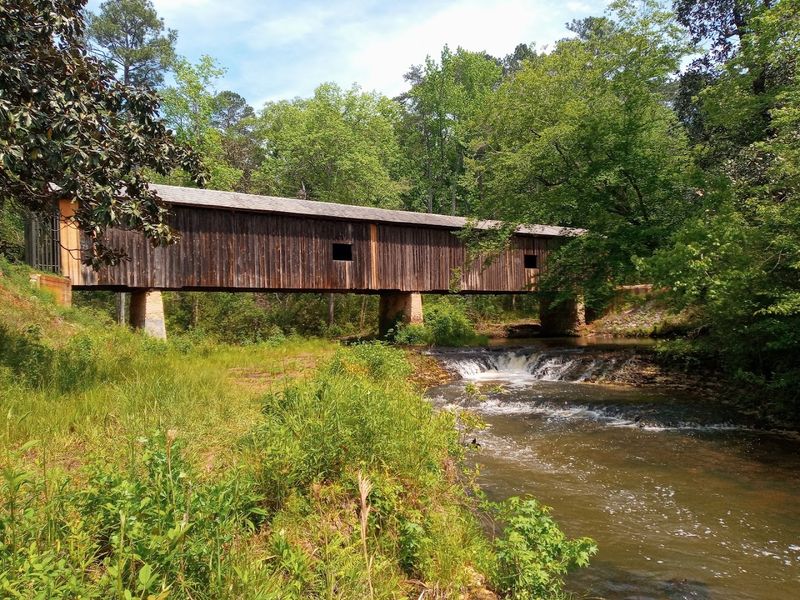
Hidden deep in southwest Georgia near the Alabama border, Coheelee Creek Covered Bridge offers a completely different atmosphere from the mountain bridges farther north. Surrounded by pine forests and quiet rural roads, the 19th-century structure feels isolated in the best possible way, like discovering a secret from another time.
The scenic drive through farmland and wooded backroads makes reaching this southern landmark part of the experience. You won’t find tour buses or crowded parking lots here, just authentic countryside and genuine Southern charm.
Southwest Georgia’s landscape differs dramatically from the mountain regions, with flat horizons, tall pines, and agricultural fields stretching as far as you can see. This bridge fits perfectly into its surroundings, a testament to local craftsmanship and community pride.
Bird watchers particularly appreciate the area’s diverse wildlife, while photographers enjoy the dramatic light filtering through pine branches. The remote location means fewer visitors, so you might have the entire bridge to yourself for peaceful reflection or unhurried exploration of this lesser-known Georgia treasure.
Watson Mill Bridge (Comer)
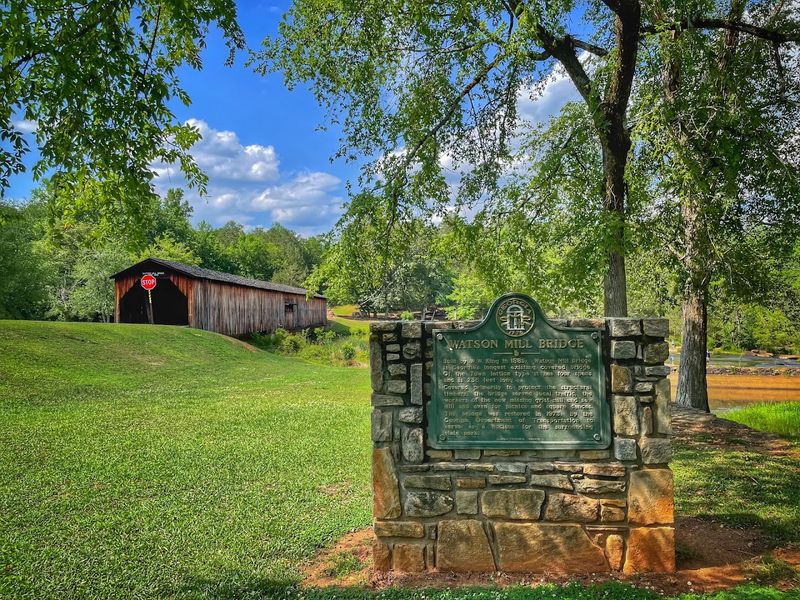
Stretching more than 200 feet across the South Fork River, Watson Mill Bridge is the longest covered bridge in Georgia still used by pedestrians. Located inside Watson Mill Bridge State Park, the drive there passes through rolling farmland and peaceful northeast Georgia landscapes that look like paintings come to life.
Visitors often stay longer than planned thanks to the park’s hiking trails, river views, and quiet picnic areas surrounding the bridge. The sound of rushing water combined with forest birdsong creates natural music better than any playlist.
Built in the 1880s, the bridge’s impressive length was necessary to span the wide river below. Engineers and builders of that era created something both functional and beautiful, a combination that modern construction sometimes forgets.
The state park designation ensures the bridge receives proper maintenance and protection for future generations. Trails of varying difficulty wind through woods and along riverbanks, offering activities beyond bridge viewing for active families and outdoor enthusiasts seeking full-day adventures in Georgia’s natural settings.
Red Oak Creek Covered Bridge (Woodbury)
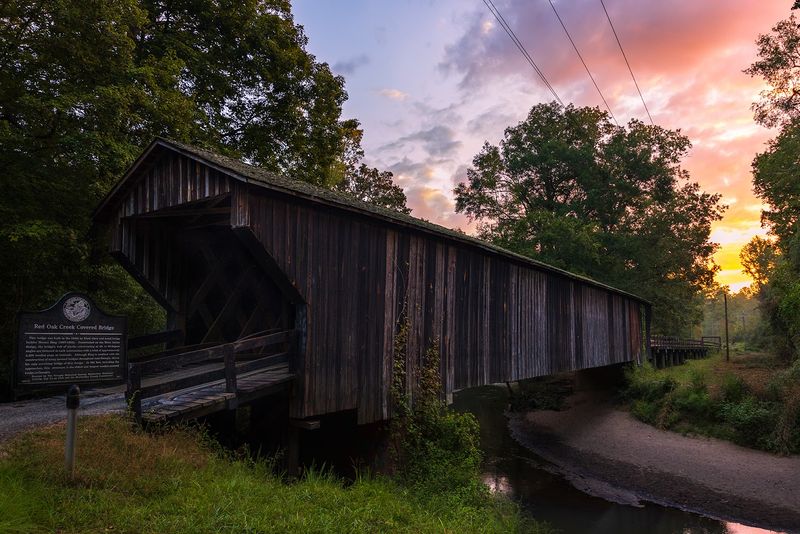
This dramatic wooden bridge connected to famed bridge builder Horace King stands out for both its impressive length and remote setting in western Georgia. The scenic roads around Woodbury pass through countryside filled with open fields and small communities that feel unchanged by time, offering glimpses of rural life that many thought had vanished.
Horace King, a formerly enslaved man who became one of the South’s most celebrated bridge builders, left his mark throughout Georgia and Alabama. His engineering skills and artistic vision created structures that combined strength with beauty, earning respect across racial lines during difficult historical periods.
The bridge’s rustic appearance and surrounding creek make it especially popular with photographers and road-trippers looking for less crowded historic stops. Wildflowers bloom along the creek banks in spring, adding splashes of color to already picturesque scenery.
Western Georgia’s rolling terrain creates constantly changing vistas as you drive toward the bridge. The journey rewards patient travelers with authentic Southern landscapes, friendly small towns, and historical landmarks that tell important stories about Georgia’s complex past and talented builders.
Auchumpkee Creek Covered Bridge (Thomaston)
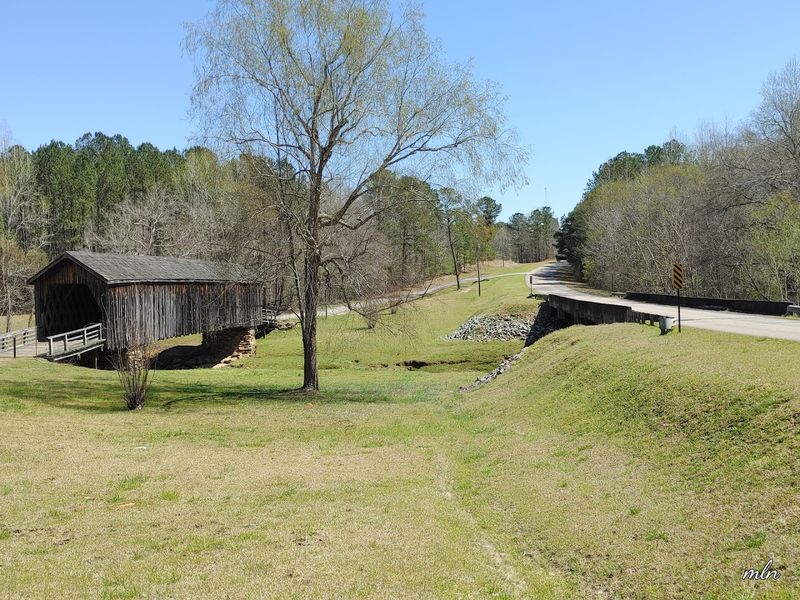
Set beside a calm creek in rural Upson County, Auchumpkee Creek Covered Bridge combines historic character with a quiet park-like atmosphere perfect for family outings. Although the bridge itself is no longer open to vehicle traffic, the surrounding drive through central Georgia farmland and wooded roads creates a relaxing scenic detour worth planning into longer trips.
The nearby water and shaded picnic areas also make it a pleasant stop during road trips when everyone needs to stretch their legs. Children love exploring near the creek while parents enjoy peaceful moments away from highways and traffic.
Central Georgia’s landscape differs from both the mountains up north and the coastal plains down south, offering its own special character. Red clay soil, mixed forests, and agricultural heritage define this region’s identity and natural beauty.
The bridge’s preservation shows community commitment to honoring local history and maintaining landmarks for future generations. Seasonal changes bring different moods to the location, from spring blooms to summer shade to autumn’s golden light filtering through tree branches overhead.
Cromer’s Mill Covered Bridge (Carnesville)
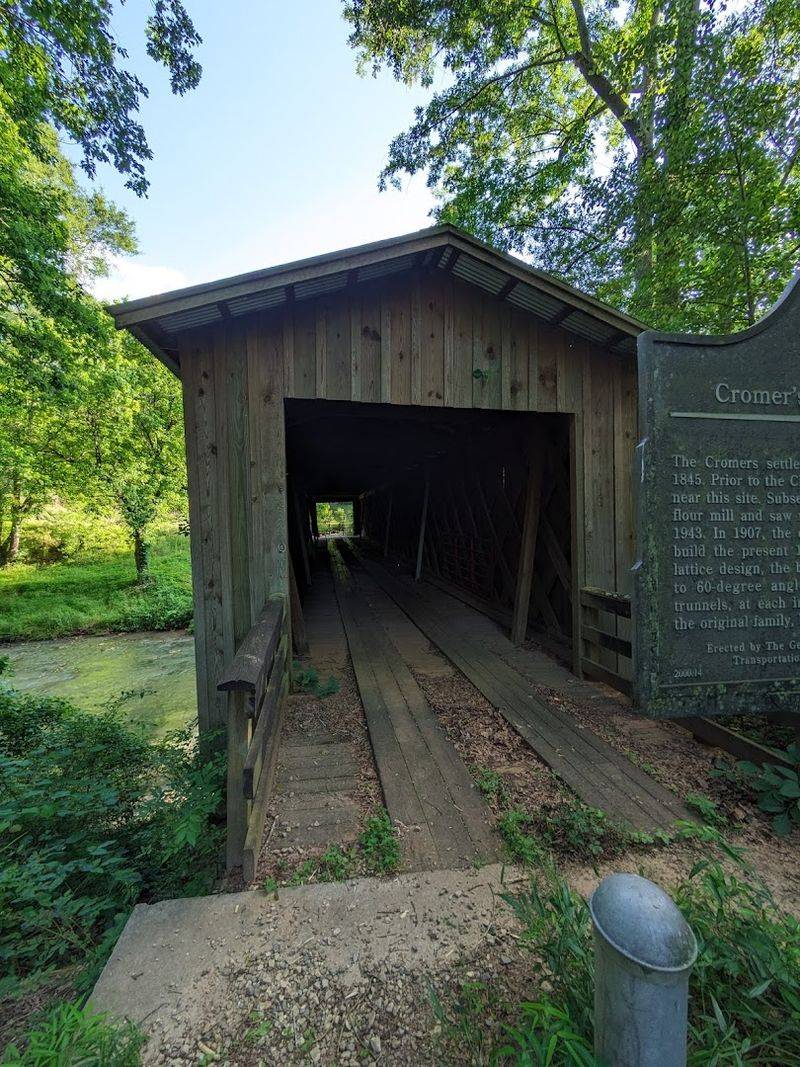
Built in 1907, this classic red covered bridge sits in the hills of northeast Georgia surrounded by winding country roads and peaceful rural scenery that changes dramatically with each season. The drive through Franklin County feels especially scenic during spring and autumn, when the rolling landscape becomes filled with bright seasonal color that makes you want to stop every few miles.
Its quiet location gives the bridge a more hidden and authentic feel than some of the state’s better-known landmarks. Local residents treat it as a cherished part of their community rather than just a tourist attraction.
The distinctive red paint makes the bridge stand out beautifully against green summer foliage or blue winter skies. Painters and artists frequently set up easels nearby, capturing the bridge from different angles and lighting conditions throughout the day.
Northeast Georgia’s hills create scenic drives even without specific destinations, but having this charming bridge as your goal makes the journey more purposeful. Country stores, old churches, and historic farmhouses dot the landscape, each telling their own stories about generations who called these hills home.
Poole’s Mill Covered Bridge (Ball Ground)
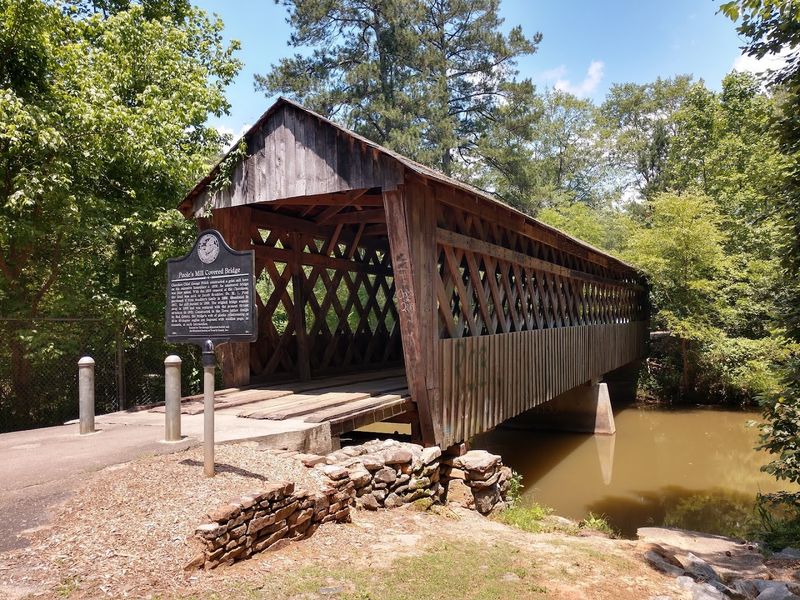
Located in the foothills of North Georgia, Poole’s Mill Covered Bridge combines historic charm with one of the prettiest creek settings in the state. Built in 1901, the bridge sits inside a small park where smooth rock formations and shallow water attract visitors looking for a peaceful scenic stop that offers multiple activities beyond bridge viewing.
The drive through Cherokee and Forsyth County backroads adds to the experience, especially during autumn when the surrounding trees create colorful mountain-style scenery. Winding roads follow ridgelines and creek valleys, revealing new vistas around every curve.
Its quiet atmosphere, picnic areas, and nearby walking trails make it an easy detour for travelers exploring Georgia’s rural landscapes and historic landmarks. Children enjoy wading in the shallow creek during warm months while adults appreciate shaded benches and natural beauty.
The bridge’s location in the foothills means mountain views without extreme elevations, perfect for those who want scenic beauty without challenging drives. Rock formations create natural pools and small waterfalls that add visual interest and soothing sounds to an already picturesque setting worth visiting repeatedly throughout different seasons.