Vizcaya Museum and Gardens in Miami represents a fascinating era when visionary industrialists sought to blend the wild, untamed beauty of the American subtropics with the grand, classical aesthetics of European nobility.
It is a world where limestone statues stand guard over emerald lagoons and ancient mangroves frame the geometric perfection of Italian-style terraces.
From the coral stone carvings to shaded hammocks that house rare exotic flora, this destination provides an immediate jolt of natural and architectural joy.
Get ready to trade neon energy for sculpted garden as and photo-worthy views at this beloved Florida spot where historic charm and tropical wonder collide.
The Grand Vision Of James Deering
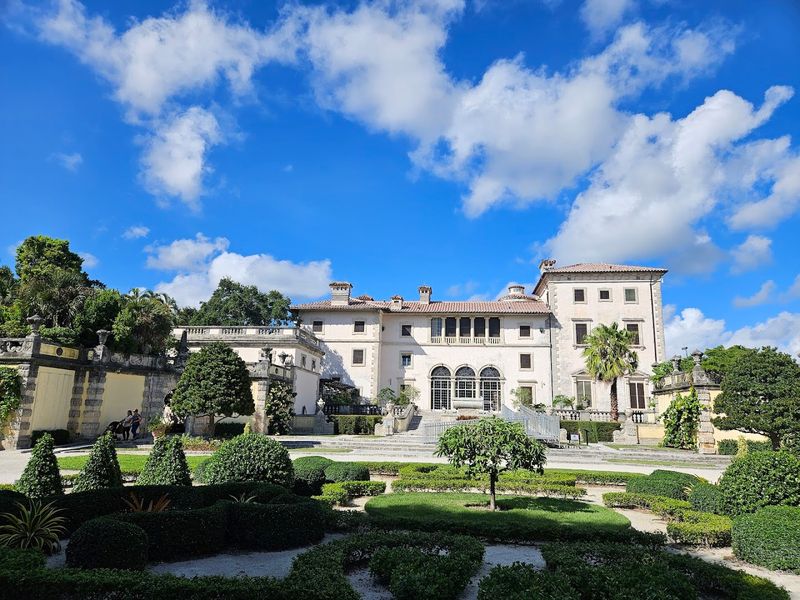
The fascinating story of this Mediterranean-inspired paradise begins with the ambitious dreams of industrialist James Deering.
He sought to construct a winter retreat that mirrored the majesty of a 17th-century Italian villa.
Located at 3251 South Miami Avenue, Miami, the estate stands as a breathtaking monument to the Gilded Age, showcasing an era when craftsmanship and continental European flair were the ultimate symbols of success.
This is a living museum of early Miami ambition.
You will find yourself mesmerized by the sheer scale of the main house, which features seventy rooms filled with an eclectic, world-class collection of antiquities gathered from across the globe.
The architecture utilized local materials like Florida coral stone and native Cuban mahogany to ensure the structure felt deeply rooted in its Caribbean environment despite its Old World silhouette.
You can stroll through grand loggias where the sunlight filters through ornate ironwork, illuminating hand-painted murals and intricate floor mosaics that have survived over a century of coastal weather.
Every corner of the interior reveals a new hidden detail, from secret servant passages to a massive pipe organ that once filled the central courtyard with majestic music.
It is an extraordinary example of how one man’s fascination with history could transform a wild mangrove swamp into a sophisticated cultural hub.
A Masterpiece Of Italian Renaissance Design
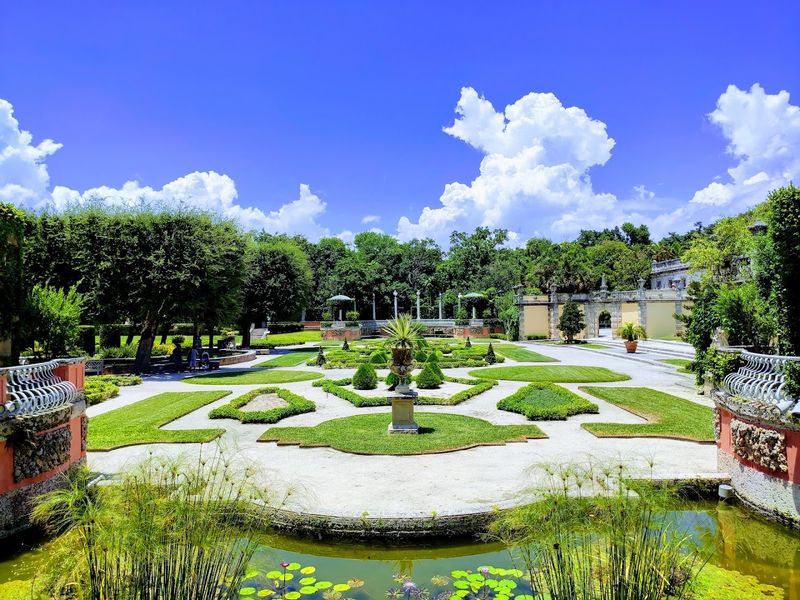
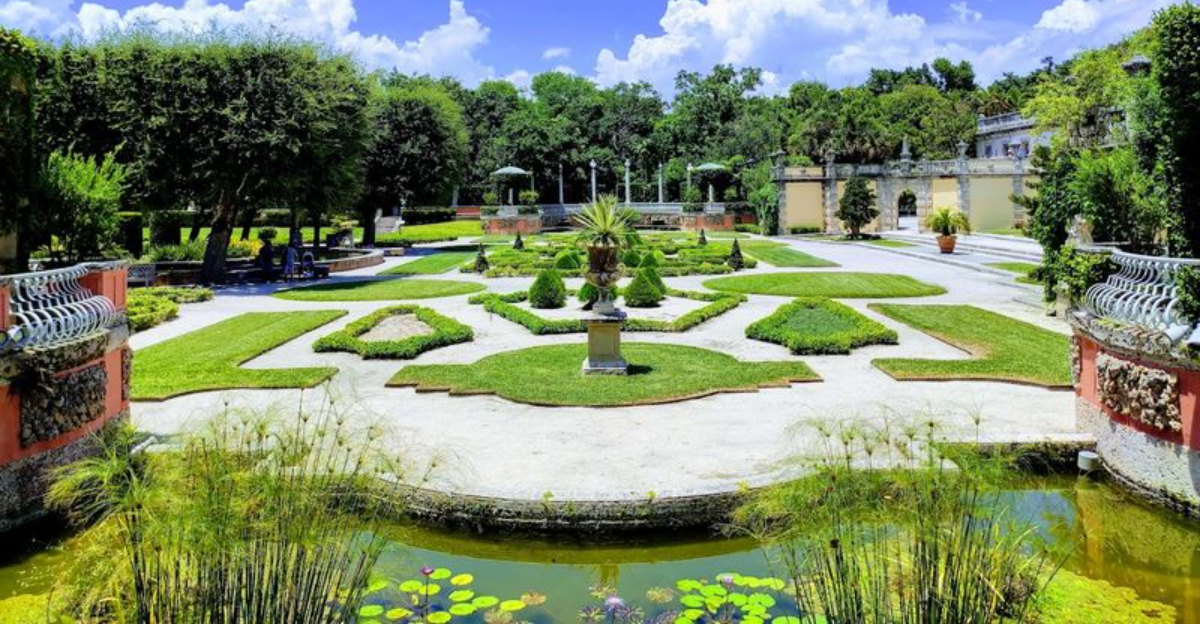
Stepping out from the cool shade of the main house, you enter a ten-acre outdoor gallery that ranks among the most significant formal gardens in the United States
The grounds of Vizcaya Museum and Gardens were designed by the visionary landscape architect Diego Suarez, and they represent a flawless execution of Italian Renaissance and Baroque geometry tailored for a tropical climate.
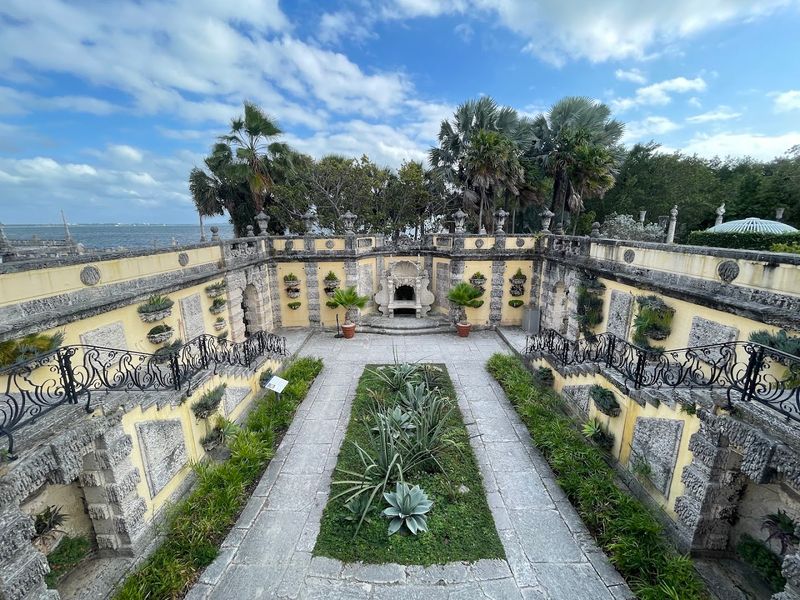
You will navigate a symmetrical labyrinth of low-cut boxwood hedges, grand limestone fountains, and classical statues that seem to emerge organically from the lush foliage.
The layout utilizes a series of outdoor rooms that gradually transition from the rigid formality near the house to the wild, untamed maritime forest that guards the shoreline.
You can also explore the elevated Tea House, a delicate lattice structure that offers panoramic views of the turquoise waters of Biscayne Bay while providing a shaded refuge from the afternoon sun.
The air remains perpetually filled with the rhythmic splashing of water from the Fountain of Neptune, creating a soothing acoustic backdrop for your garden stroll.
It is a stunning display of human discipline and artistic control over a landscape that is naturally inclined toward chaos and wild growth.
This geometric precision provides a refreshing contrast to the organic curves of the surrounding mangroves.
The Marine Garden And The Stone Barge
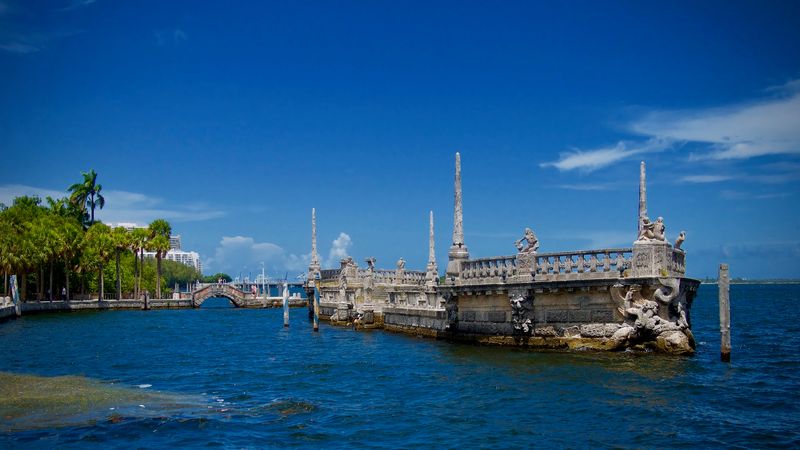
A surreal architectural marvel waits along the edge of the bay where the sea wall meets the tides, providing one of the most iconic and photographed vistas in the state.
You will stand in awe of the Great Stone Barge, a massive, sculptural breakwater carved entirely from limestone to resemble an ornate Venetian ship floating permanently in the shallows.
Adorned with elaborate carvings of mythical sea creatures and classical figures, this functional piece of art protected the estate’s private harbor from the heavy Atlantic swells during the early 1900s.
You can wander through the adjacent Marine Garden, where saltwater-tolerant plants and sturdy mangroves frame the view of the bay, creating a bridge between the manicured estate and the open ocean. The stone steps leading down to the water once welcomed high-profile guests who arrived by boat, turning the shoreline into a glamorous entryway for some of the era’s most prestigious social gatherings.
Visitors also love the way the weathered stone takes on a golden hue during the golden hour, reflecting the shifting colors of the Miami sunset against the white limestone carvings.
It is a masterpiece of maritime engineering that doubles as a whimsical, theatrical stage for the surrounding natural beauty.
Exotic Flora And The Tropical Hammock
Beyond the formal terraces and stone sculptures lies a dense wilderness known as the tropical hardwood hammock.
It provides a protective green shield for the entire property.
You can walk beneath a massive, interlocking canopy of ancient live oaks, strangler figs, and gumbo-limbo trees that drip with Spanish moss and rare air plants.
This native forest serves as a vital sanctuary for local wildlife, where colorful iguanas scurry through the undergrowth and migratory songbirds find refuge during their long flights across the Caribbean.
The gardens also feature an impressive collection of rare palms and cycads, some of which were gathered during Deering’s extensive travels to South America and Asia to diversify the local landscape.
You can discover the hidden Secret Garden, a secluded pocket filled with spiky succulents and vibrant desert blooms that thrive in the well-drained, sandy soil of the ridge.
The transition from the manicured lawns to this shadowed, wild forest provides a dramatic sensory shift, where the temperature drops noticeably and the sounds of the city completely disappear.
Despite the grand European influence, the heart of this destination remains firmly beat with the pulse of the Florida wilderness.
The Orchid Collection And Conservatory
A dazzling, neon-bright display of delicate botanical treasures awaits within the specialized David A. Klein Orchid Garden, a space dedicated to the most exotic and intricate flowers in the world.
The sheer variety of these gravity-defying plants, which cling to historic brick walls and hanging baskets in a multi-layered tapestry of purple, gold, and snow-white blossoms, fascinate every visitor.
Many of the specimens represent species that were native to Florida before urban development pushed them toward the edges of extinction, making this collection a vital hub for regional conservation efforts.
You can observe the detailed, almost alien-like structures of the petals up close, marveling at the complex evolutionary traits that allow these flowers to thrive in the humid South Florida air.
The garden utilizes a sophisticated misting system that keeps the environment pleasantly cool, providing a refreshing break for visitors as they admire the cascading waterfalls of petals.
The educational placards that detail the Million Orchid Project, an local initiative aimed at reintroducing thousands of native orchids back into the city’s urban canopy, make the visit easier.
This is a vibrant, living classroom where beauty and science intersect to protect the fragile heritage of the state’s floral diversity.
Architectural Details And Coral Stone Craftsmanship
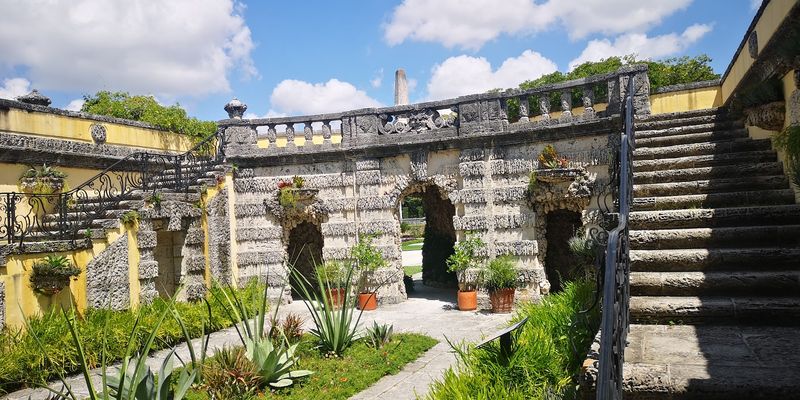
The tactile beauty of the estate reaches its peak when you examine the intricate stonework that defines every wall, stairway, and decorative urn on the property.
Trained eyes notice that much of the architecture utilizes native oolitic limestone, commonly known as coral stone.
These rugged, honey-colored stones were often hand-carved by European artisans who spent years on-site to ensure that every classical motif met Deering’s exacting standards for historical accuracy.
You can run your fingers along the weathered balustrades and notice the tiny imprints of prehistoric shells and coral, a reminder that the very ground beneath your feet was once a thriving underwater reef.
This local material ages beautifully in the salt air, developing a natural patina that lends the buildings an aura of ancient permanence despite being just over a century old.
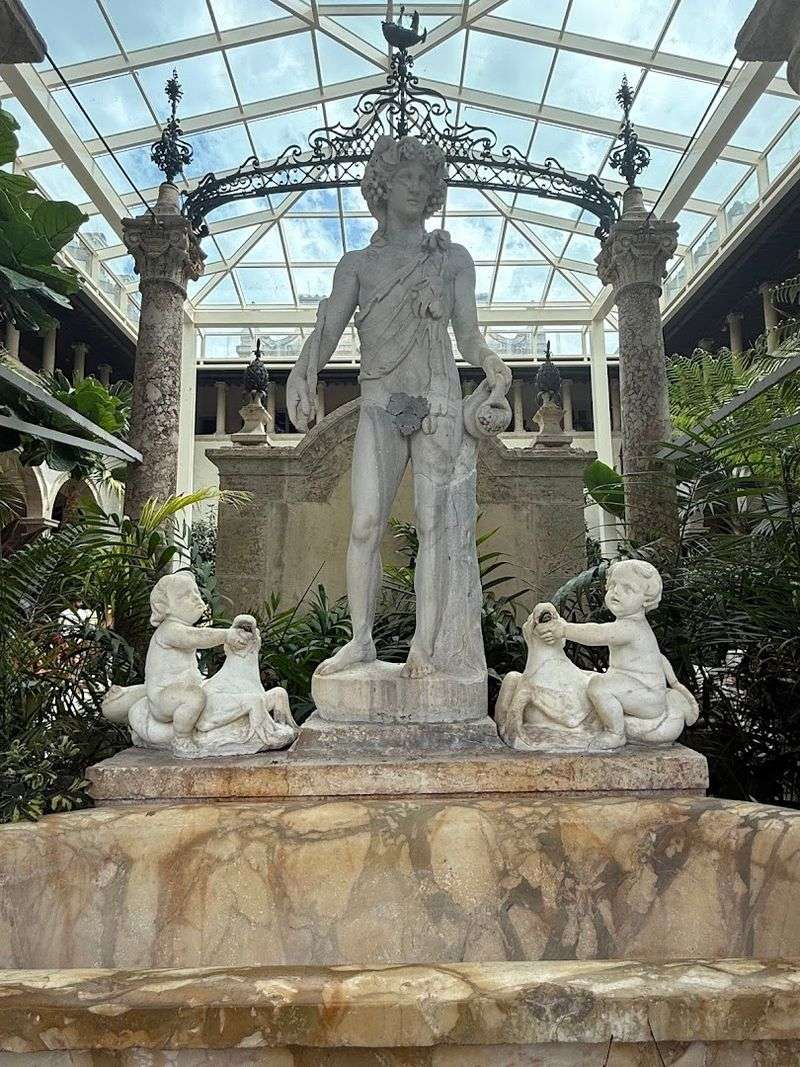
The contrast between the rough, textured stone and the smooth, polished marble imported from Italy creates a fascinating visual dialogue throughout the outdoor rooms.
You will leave with a profound respect for the labor-intensive techniques that defined the construction of this coastal fortress that celebrates the raw geological history of the Miami coastline.
The Enclosed Courtyard And Social History
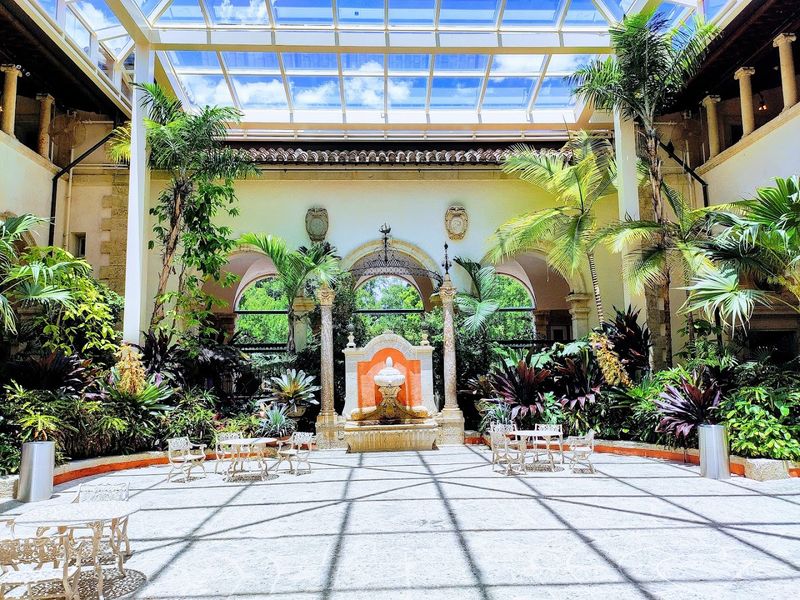
Walking back toward the center of the main house reveals the breathtaking Enclosed Courtyard, a space that once served as the vibrant social engine of the entire estate.
This central hub was originally designed as an open-air atrium.
Today, it is sheltered by a magnificent glass roof, allowing visitors to enjoy the lush indoor garden regardless of the tropical rain or afternoon heat.
You can imagine the glamorous masquerade balls and high-stakes dinner parties that took place here, where world leaders and artistic icons gathered beneath the swaying fronds of indoor palms.
Monumental tapestries and Roman sculptures adorn the walls, reflecting Deering’s desire to live surrounded by the greatest hits of Western civilization.
Visitors love exploring the various sitting rooms that branch off the courtyard, each decorated in a different historical style, from the delicate Rococo music room to the heavy, masculine Renaissance dining hall.
The estate’s history is further enriched by the stories of the hundreds of staff members, many of them Bahamian and Italian immigrants, who worked tirelessly to maintain this oasis in what was then a remote outpost.
It is a sophisticated interior landscape that tells the story of early Miami’s transformation into a cosmopolitan destination for the world’s elite.
A Coastal Legacy That Still Feels Special
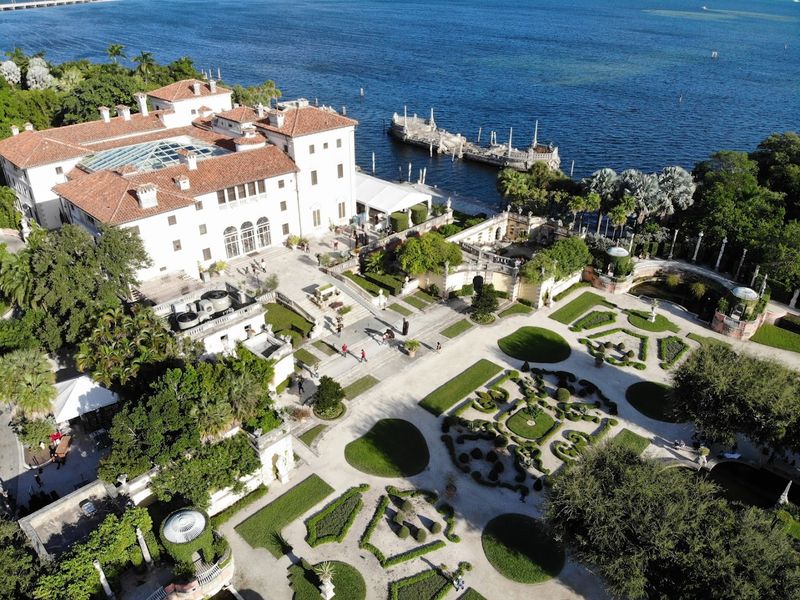
What stays with you after visiting Vizcaya is not just one room or one garden path.
It is the way the whole place balances elegance and calm without feeling stiff.
Miami often moves at full speed, and this estate offers a rare chance to trade noise for texture, breeze, and history.
That balance explains why so many different travelers connect with it.
Architecture fans can study the villa, garden lovers can wander for hours, photographers can chase perfect compositions, and casual sightseers can simply enjoy being somewhere beautiful.
Few attractions manage to be educational, romantic, and relaxing all at once, but this one gets surprisingly close.
Its location helps too. Vizcaya Museum and Gardens sits near Coconut Grove, yet it feels secluded enough to function like a reset button.
With a 4.7-star rating from thousands of reviewers, it has clearly earned a reputation as more than a pretty local landmark.
If I were suggesting the ideal visit, I would say give yourself a slow afternoon, tour the house, stroll the gardens, and end by the bay. Let the details do their work.
By the time you leave, you will understand why people call it timeless, why cameras come out in every direction, and why this historic estate remains one of the city’s most enchanting escapes.