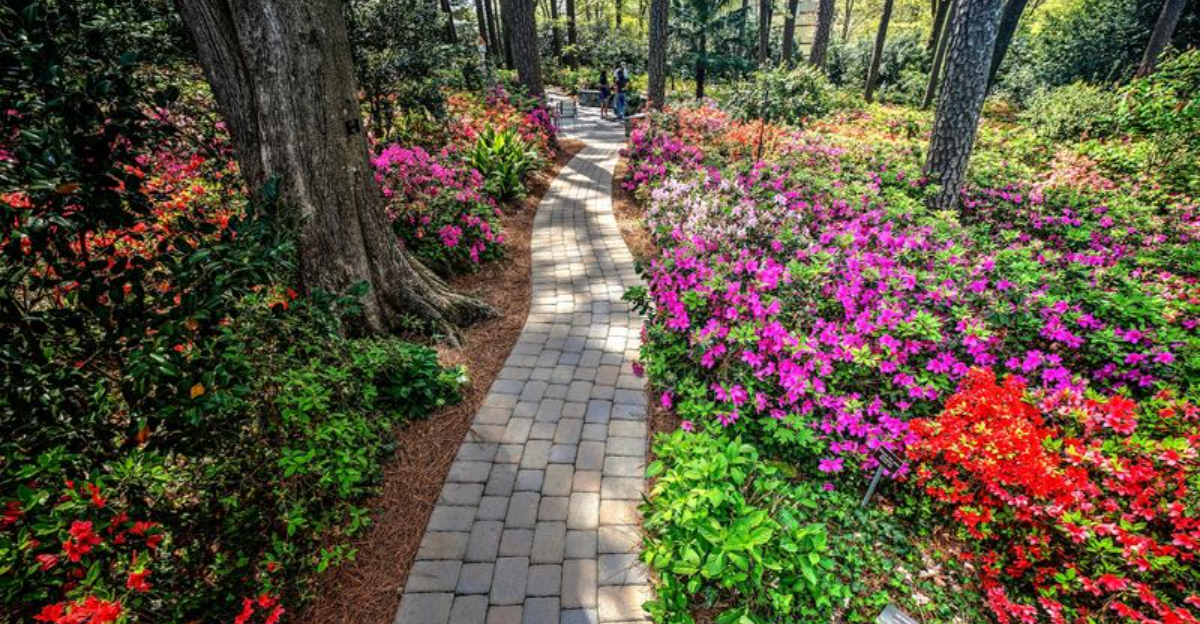
May transforms North Carolina’s gardens into stunning outdoor galleries where spring reaches its most colorful peak.
From mountain trails to coastal pathways, these twelve destinations offer refreshing walks beneath blooming canopies and along flower-lined paths that capture the season’s beauty.
Whether you prefer historic estates or wild mountain overlooks, each garden promises vivid colors, pleasant weather, and that perfect combination of sunshine and fresh breezes that makes late spring feel so inviting.
Sarah P. Duke Gardens — Durham
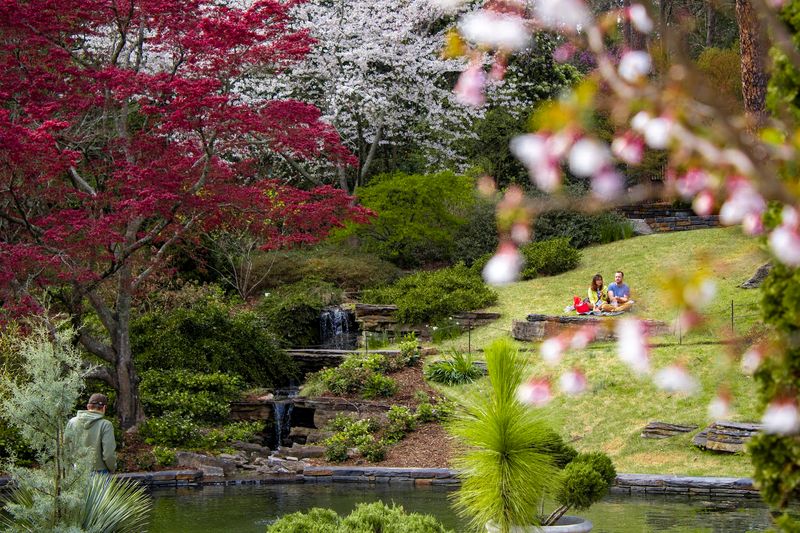
Walking through Duke Gardens in May feels like stepping into a living painting where every path reveals something new. The tulips stand tall in vibrant rows while purple irises sway gently near shaded woodland trails.
Spring reaches its absolute peak here, with colors so bright they almost don’t seem real.
The 55 acres offer enough variety to keep any visitor entertained for hours. Some paths wind through formal terraces where carefully planned flower beds create stunning patterns.
Other trails disappear into quieter forest areas where dappled sunlight filters through new leaves and wildflowers dot the ground.
May timing matters because you’ll enjoy all this beauty before summer heat makes outdoor strolling less comfortable. The gardens stay pleasantly cool under mature tree canopies, creating peaceful pockets perfect for slowing down.
Families often spread blankets on lawns while photographers chase perfect lighting across the grounds.
Best of all, admission stays free year-round, making Duke Gardens an accessible spring escape. Pack water and comfortable shoes since you’ll want to explore every corner once those colorful blooms catch your eye.
North Carolina Arboretum — Asheville
Surrounded by mountain ridges that seem to touch the clouds, this arboretum turns particularly magical when May arrives. Native azaleas explode in shades of orange, pink, and white while wildflowers carpet the forest floor.
Every breath of mountain air feels crisp and refreshing, especially after winter’s departure.
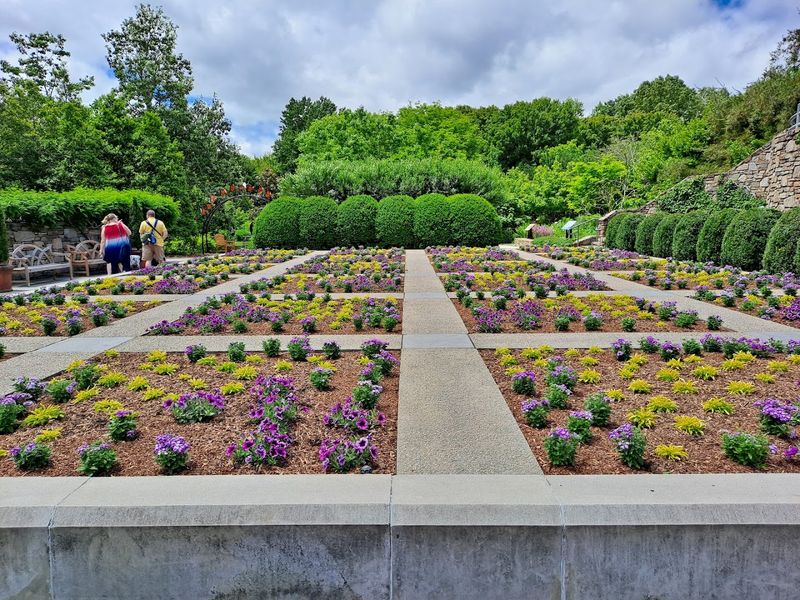
The 434-acre site features both cultivated gardens and natural forest trails that showcase what grows best in these elevations. Quilt gardens display colorful patterns inspired by Appalachian textile traditions, while bonsai collections demonstrate centuries-old artistic techniques.
Stream gardens let water tumble over rocks between lush plantings that thrive in constant moisture.
May weather in the mountains stays unpredictable, so layers work better than counting on constant sunshine. Morning fog often lifts to reveal stunning views, rewarding early visitors with fewer crowds and better wildlife sightings.
Deer frequently wander through quieter sections while songbirds fill trees with cheerful sounds.
The Arboretum charges admission but offers tremendous value considering the scale and quality of what you’ll experience. Plan several hours to truly appreciate how mountain environments support such diverse plant life throughout these carefully maintained grounds.
Biltmore Estate Gardens — Asheville
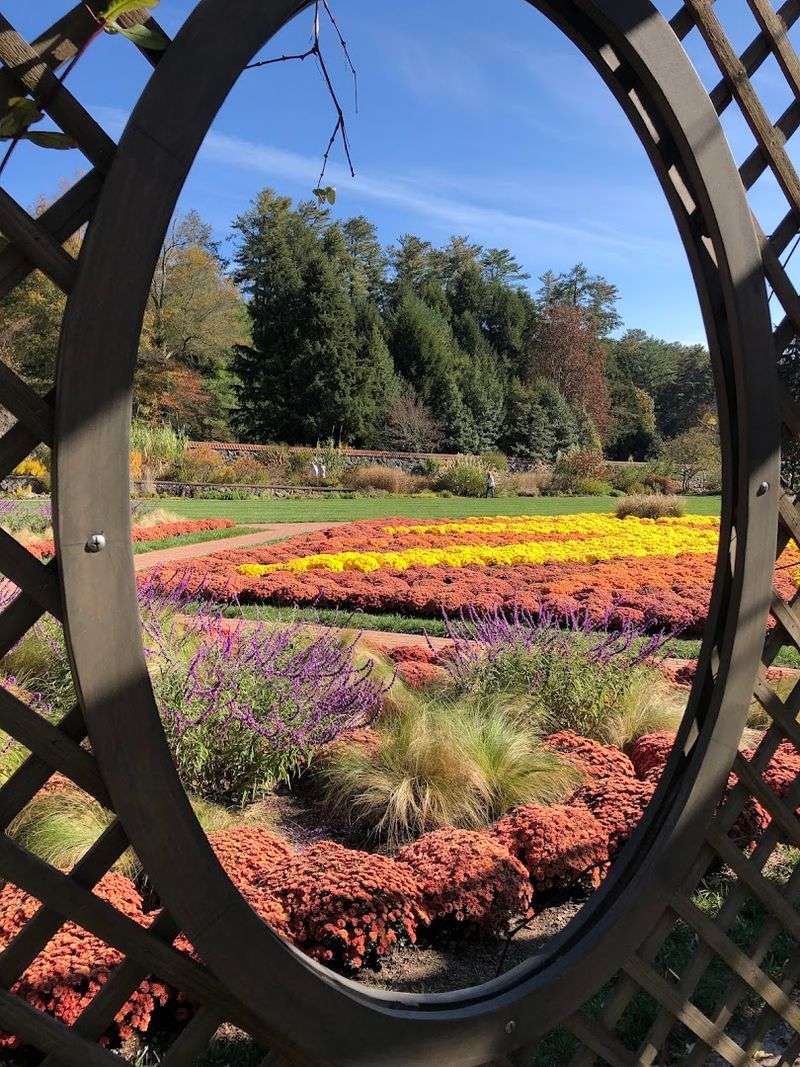
Frederick Law Olmsted, the genius behind Central Park, designed these extraordinary gardens over a century ago. His vision comes alive each May during Biltmore Blooms when thousands of tulips, roses, azaleas, and rhododendrons create jaw-dropping displays.
The scale alone makes this place unforgettable.
Walking the estate grounds feels like traveling through different garden styles and time periods. Italian gardens feature geometric pools and classical statuary.
English gardens overflow with cottage-style plantings and winding paths. Spring house gardens tuck themselves into hillsides where water features add soothing sounds to colorful views.
May represents peak season here, so expect company while exploring but also understand why crowds gather. The sheer number of blooms creates photo opportunities around every corner.
Early mornings offer softer light and fewer visitors if you want more intimate moments with these spectacular plantings.
Admission includes the mansion and gardens, making a full day easy to justify. Comfortable walking shoes matter since the estate covers 8,000 acres with gardens spread across multiple levels.
Consider bringing snacks because you’ll want energy to explore everything these famous grounds offer during their most beautiful season.
Airlie Gardens — Wilmington
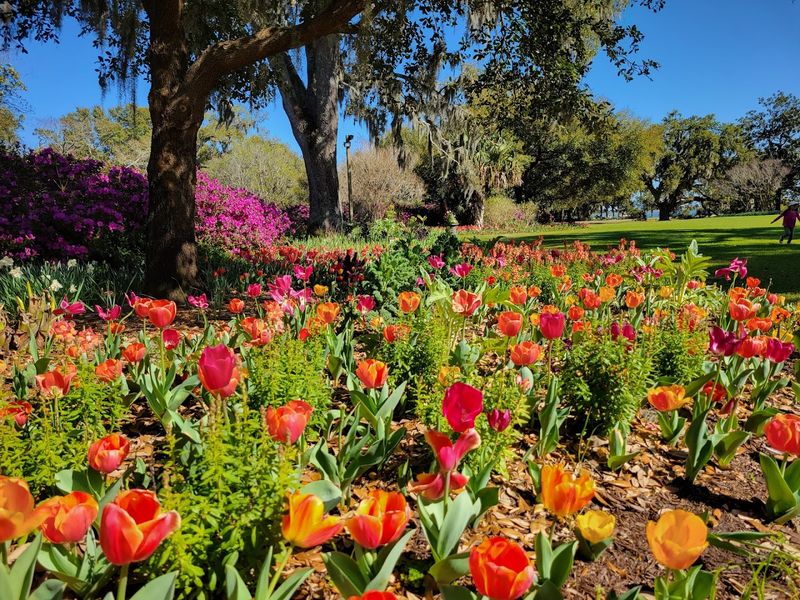
Coastal breezes carrying salt air meet thousands of blooming azaleas at this Wilmington treasure. Ancient live oaks draped in Spanish moss create natural tunnels over pathways while water features reflect colorful spring displays.
May brings perfect weather when heat hasn’t arrived but flowers have fully opened.
The 67-acre property balances formal gardens with wild coastal landscapes that feel authentically Southern. Azalea borders line walkways in such dense profusion that the bushes seem to glow.
Butterfly houses attract delicate visitors while historic structures add character throughout the grounds.
One particular oak, the Airlie Oak, has stood for over 400 years and commands respect with its massive spreading limbs. Families love picnicking in its shade while photographers circle looking for perfect angles.
Spring bird migrations add another layer of interest as colorful warblers and other species pause here during their journeys.
The gardens stay open year-round but May offers that sweet spot of comfortable temperatures and maximum blooms. Admission fees support ongoing maintenance and conservation efforts.
Plan at least two hours to wander properly, though many visitors find themselves lingering much longer beneath those magnificent moss-draped trees.
JC Raulston Arboretum — Raleigh
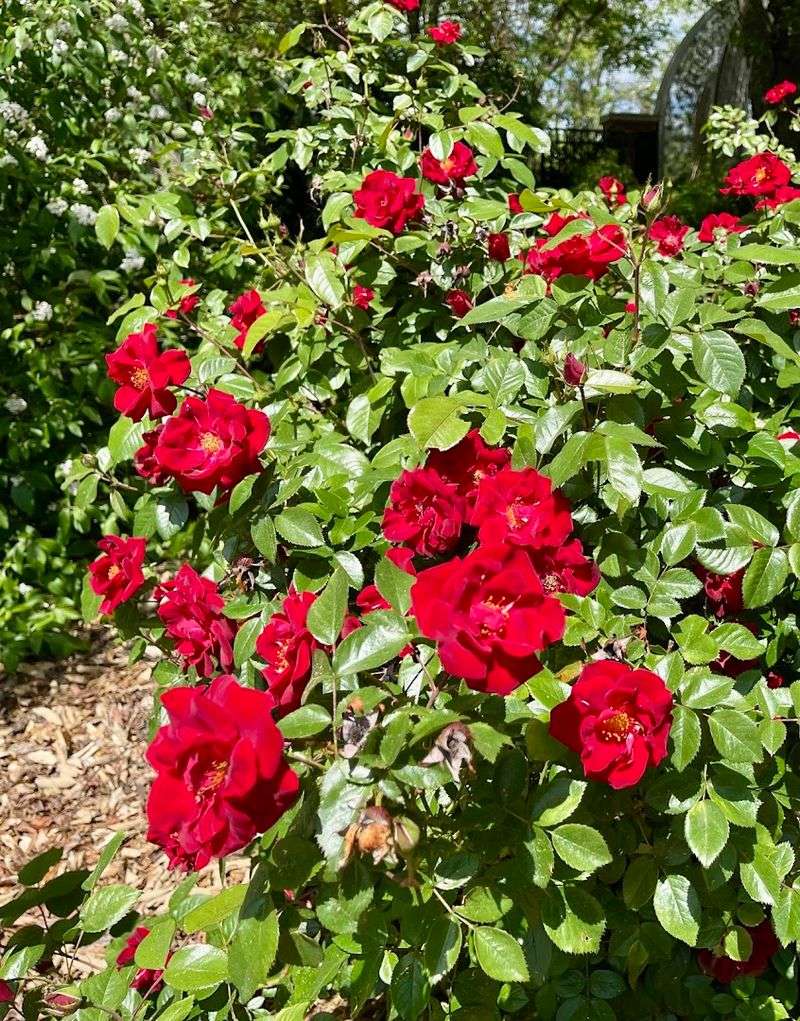
Plant lovers consider this Raleigh arboretum a hidden gem packed with botanical treasures from every continent. Over 6,000 different plant types grow across ten acres, creating a living encyclopedia that teaches while it delights.
May showcases perennial beds exploding with color while flowering shrubs perfume the air.
What started as a teaching garden for North Carolina State University has become a must-visit destination for anyone curious about what thrives in our climate. Unusual specimens grow alongside familiar favorites, letting visitors discover new possibilities for their own yards.
Staff members test plants for years before recommending them to local gardeners.
The arboretum’s smaller size compared to other destinations actually works as an advantage. You can explore everything in a single morning without exhausting yourself.
Benches scattered throughout offer rest spots where you can simply sit and observe how different plants interact in carefully planned combinations.
Best of all, admission stays completely free though donations help support ongoing work. Labels identify plants clearly, making self-guided tours educational and inspiring.
May brings enough variety that repeat visits reveal new discoveries as different species reach their peak bloom times throughout the month.
Daniel Stowe Botanical Garden — Belmont
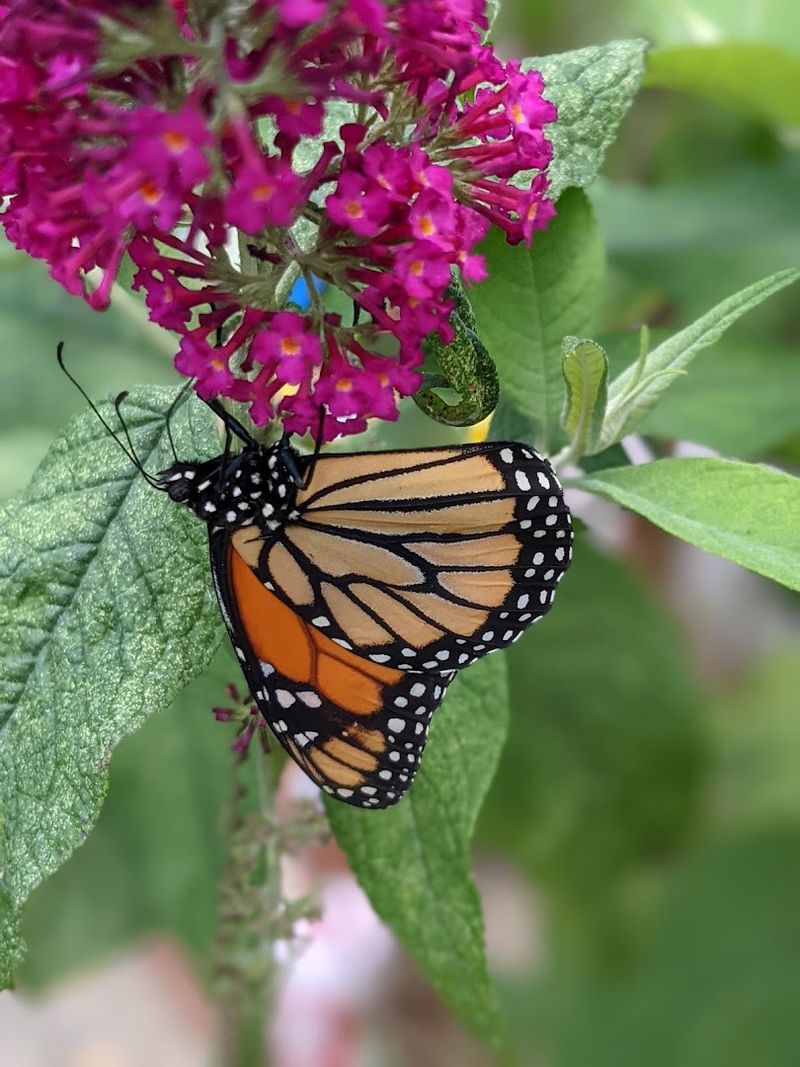
Just outside Charlotte, these gardens embrace warmer May temperatures by showcasing tropical plants that finally get to shine. Orchids dangle from trees in the conservatory while fountains sparkle in sunlight across formal terraces.
The lakefront setting adds water views to colorful plantings, creating a resort-like atmosphere.
The 380-acre property includes both manicured gardens and natural areas preserving native Piedmont ecosystems. Canal gardens inspired by European designs feature geometric beds overflowing with seasonal color.
Lost Hollow children’s garden lets younger visitors explore nature through interactive displays and water features designed specifically for curious hands.
May weather makes outdoor exploration especially pleasant before summer humidity settles in. The gardens plan their spring displays to peak during this month, timing bulb plantings and annual installations for maximum impact.
Walking paths meander beside the lake where herons fish and turtles sun themselves on logs.
Admission fees vary by age with discounts for seniors and children. Special events during May might include plant sales, garden tours, or outdoor concerts that take advantage of perfect weather.
Allow three to four hours to fully experience both the cultivated gardens and natural areas that make this property so diverse and engaging.
The Elizabethan Gardens — Manteo
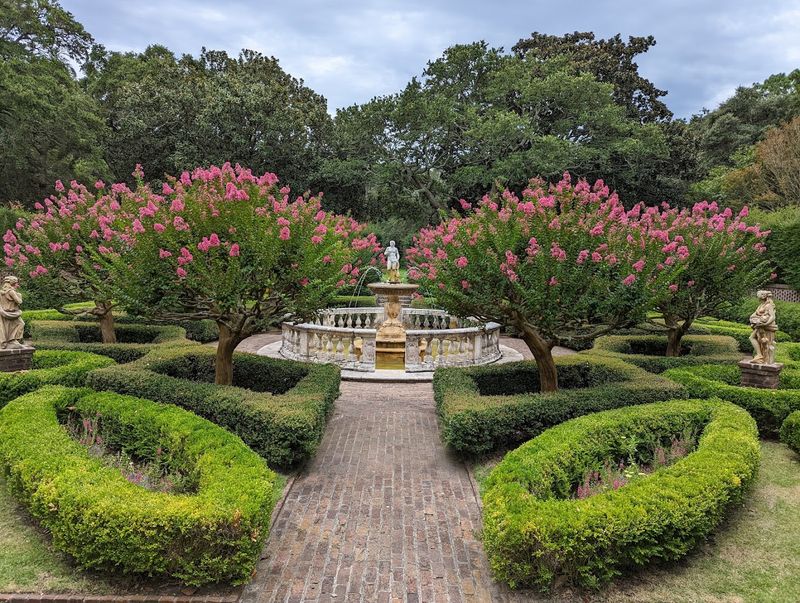
History meets horticulture at these Outer Banks gardens honoring the Lost Colony. English garden traditions transplanted to coastal Carolina create a unique atmosphere where climbing roses scale arbors and seasonal flowers fill formal beds.
Late spring brings ideal conditions when ocean breezes keep temperatures comfortable.
The 10-acre site occupies prime waterfront real estate on Roanoke Island. Ancient live oaks provide shade along pathways that wind past reflecting pools and classical statuary.
A sunken garden designed in Elizabethan style features intricate patterns created with carefully trimmed hedges and colorful seasonal plantings.
May means roses begin their impressive show while spring bulbs fade and summer perennials emerge. This transition period offers remarkable variety as different plant groups overlap in their bloom times.
The Great Lawn spreads beneath towering trees where families often relax after exploring more formal garden areas.
Coastal location brings both beauty and challenges, with salt spray and sandy soil limiting what can grow successfully. Gardeners here have mastered working with these conditions, selecting plants that thrive despite the harsh environment.
Admission prices stay reasonable for the quality of gardens maintained, and combination tickets with nearby historical sites offer good value for history enthusiasts.
Cape Fear Botanical Garden — Fayetteville
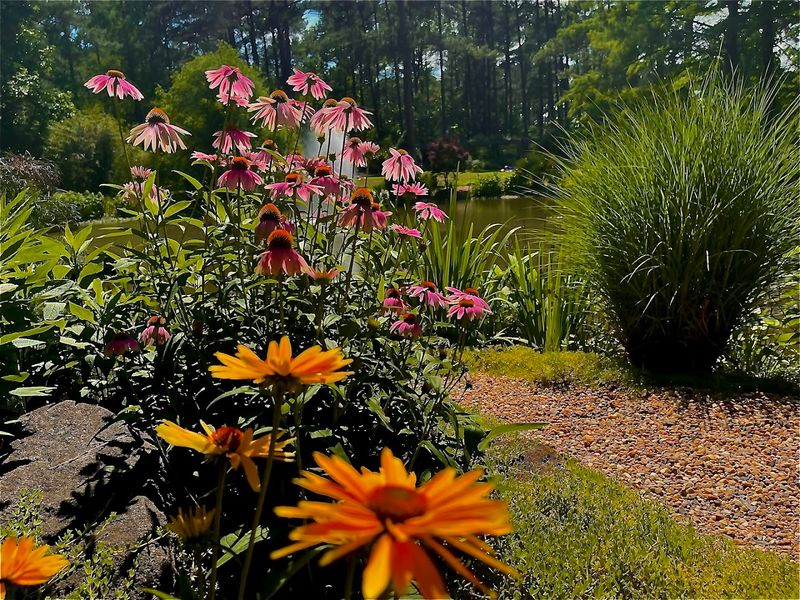
Perched along the Cape Fear River, these gardens blend formal design with wild riverfront beauty. May brings an explosion of fresh greenery as trees fully leaf out and flowering plants reach peak performance.
Native plants selected specifically to attract butterflies and birds make every visit feel alive with movement and color.
The 80-acre property includes cultivated gardens near the entrance and natural trails extending into floodplain forests. Children’s gardens engage young visitors with hands-on activities and playful designs.
Heritage garden spaces preserve heirloom plant varieties that connect modern visitors to agricultural history.
Boardwalks extend over wetland areas where you might spot herons hunting or turtles basking on sunny logs. May weather makes these trail walks particularly pleasant before summer heat and humidity arrive in force.
The garden’s commitment to native plants creates educational opportunities about what naturally thrives in our region.
Admission costs stay modest considering the extensive grounds and well-maintained facilities. Members enjoy free entry year-round plus special events and workshops.
Plan two to three hours for a thorough visit that includes both formal garden areas and riverfront trails where nature takes a wilder approach than manicured beds allow.
WRAL Azalea Gardens — Raleigh
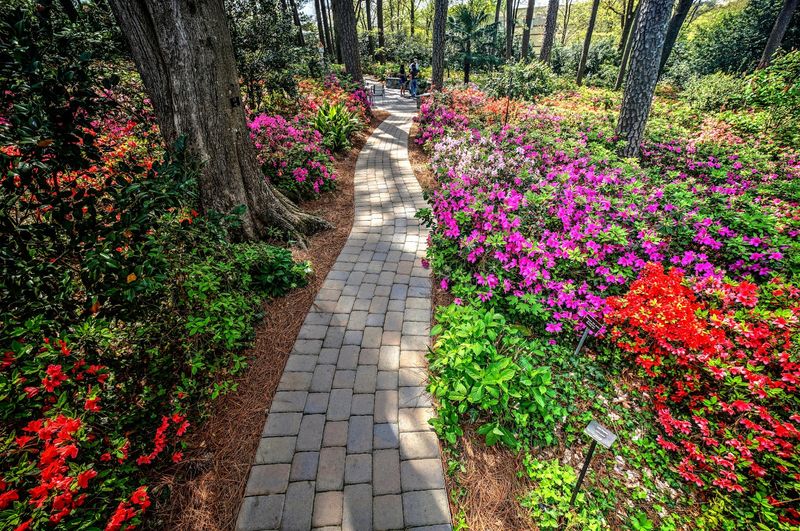
Hidden near downtown Raleigh, this smaller garden packs serious visual impact when azaleas reach their May peak. Dense plantings create walls of pink, white, and coral blooms that seem almost impossible in their abundance.
Shaded benches scattered throughout invite visitors to simply sit and absorb the peaceful atmosphere.
The five-acre site proves you don’t need vast acreage to create memorable garden experiences. Mature trees provide cooling shade while azaleas planted beneath create stunning understory color.
Winding paths encourage leisurely strolls where each turn reveals new combinations and unexpected views.
WRAL television station maintains these gardens as a gift to the community, keeping admission free year-round. Spring brings peak visitation as word spreads about the spectacular azalea displays.
Photographers arrive early for soft morning light while families visit throughout the day to enjoy this urban oasis.
May represents the absolute best time to experience these gardens when azaleas bloom in their fullest glory. The compact size means you can explore everything in under an hour, making this perfect for quick nature breaks during busy days.
Parking stays easy compared to larger destinations, and the peaceful atmosphere offers surprising tranquility despite the nearby urban surroundings.
UNC Charlotte Botanical Gardens — Charlotte
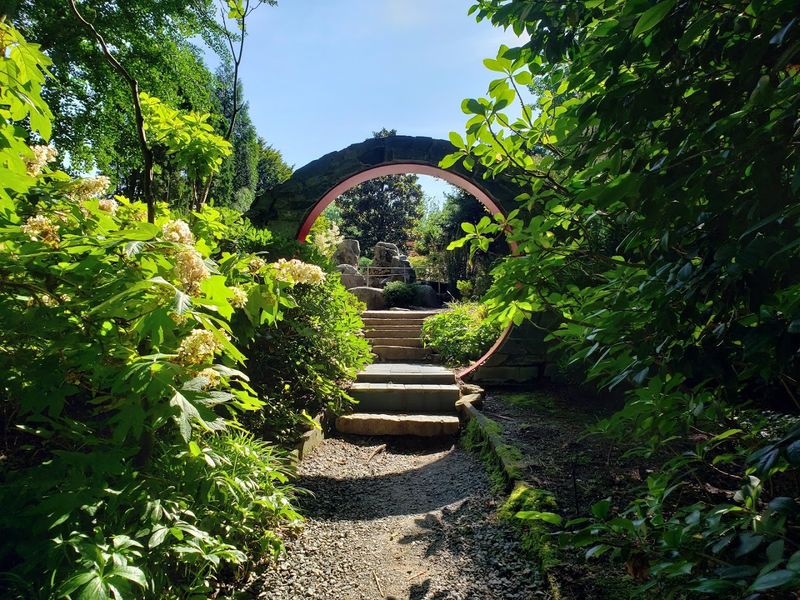
University settings often hide remarkable gardens, and UNC Charlotte proves this rule perfectly. Collections representing Asian, tropical, and native Southeastern plants create distinct garden rooms that feel like traveling between continents.
Warm May weather encourages vigorous growth across all sections, making this timing ideal for appreciating the diverse plantings.
The gardens began as teaching tools for students but have evolved into destinations attracting visitors from throughout the region. Bamboo groves rustle in breezes while koi swim lazily in reflecting pools.
Carnivorous plant bogs fascinate kids and adults alike with their unusual adaptations and otherworldly appearances.
Walking paths connect different garden themes seamlessly, creating journeys through horticultural traditions from around the world. Spring brings fresh foliage and flowering specimens that demonstrate how varied plants respond to warming temperatures.
Educational signage helps visitors understand what they’re seeing and why certain plants group together.
Admission stays free as part of the university’s mission to educate and inspire. Limited parking during weekdays makes weekends better for extended visits.
The gardens cover enough ground to justify two hours of exploration, especially if you stop to read labels and truly appreciate the botanical diversity represented across these well-maintained collections.
Tryon Palace Gardens — New Bern

Step back in time at these meticulously maintained colonial gardens where 18th-century design principles guide modern plantings. Symmetrical beds burst with colorful seasonal flowers arranged in patterns that would have impressed colonial governors.
May brings the gardens to peak performance when careful planning pays off in spectacular coordinated blooms.
The 14-acre site combines formal gardens with kitchen gardens that grew vegetables and herbs for palace residents. Geometric precision defines the main parterre where boxwood hedges frame seasonal displays changed multiple times yearly.
Waterfront views add natural beauty to human-designed perfection, creating memorable combinations of art and nature.
Historical accuracy drives plant choices, with gardeners researching what would have grown here during colonial times. Some specimens trace directly to varieties available in the 1700s, connecting modern visitors to living history.
Interpretation helps explain how gardens served both practical and aesthetic purposes for wealthy colonial families.
Admission includes both palace tours and garden access, making combination visits worthwhile for history enthusiasts. May weather makes outdoor exploration comfortable while indoor palace rooms offer climate-controlled breaks.
Plan several hours to appreciate both historical architecture and the extensive gardens that required armies of gardeners to maintain in their original era.
Craggy Gardens — Blue Ridge Parkway near Asheville
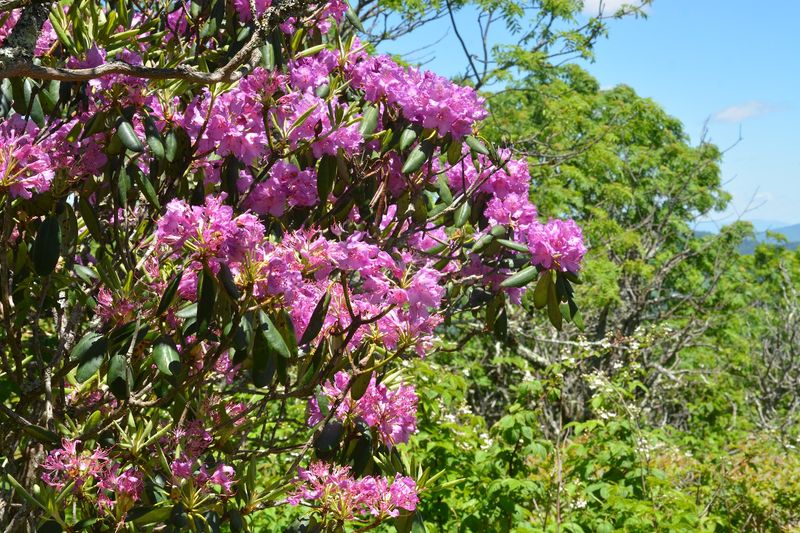
High elevation means spring arrives fashionably late at Craggy Gardens, where late May often delivers the most spectacular rhododendron displays imaginable. Purple blooms blanket mountainsides while cool air refreshes hikers climbing to panoramic overlooks.
The Blue Ridge Parkway setting adds dramatic mountain views that stretch for miles in every direction.
Unlike formal gardens maintained by staff, Craggy represents nature’s own design sense where wild rhododendrons dominate the landscape. Short trails lead through dense thickets where blooms create purple tunnels during peak season.
Longer hikes climb to rocky outcrops offering 360-degree views across mountain ridges fading into blue distance.
Weather at this elevation stays unpredictable even in late spring. Fog can roll in quickly, transforming sunny views into mysterious shrouded landscapes within minutes.
Layers and rain gear make sense even when forecasts look promising, since mountain conditions change rapidly.
The National Park Service maintains facilities here but charges no admission beyond regular Parkway access. Parking areas fill quickly during peak bloom, making early arrivals smart strategy.
Weekdays offer more solitude than weekends when locals and tourists alike flock to witness this natural spectacle that only lasts a few weeks each year before fading until next spring.