Florida turns wild in May. Birds explode across the wetlands, manatees glide through warm coastal waters, and hidden trails suddenly feel alive with movement at every turn.
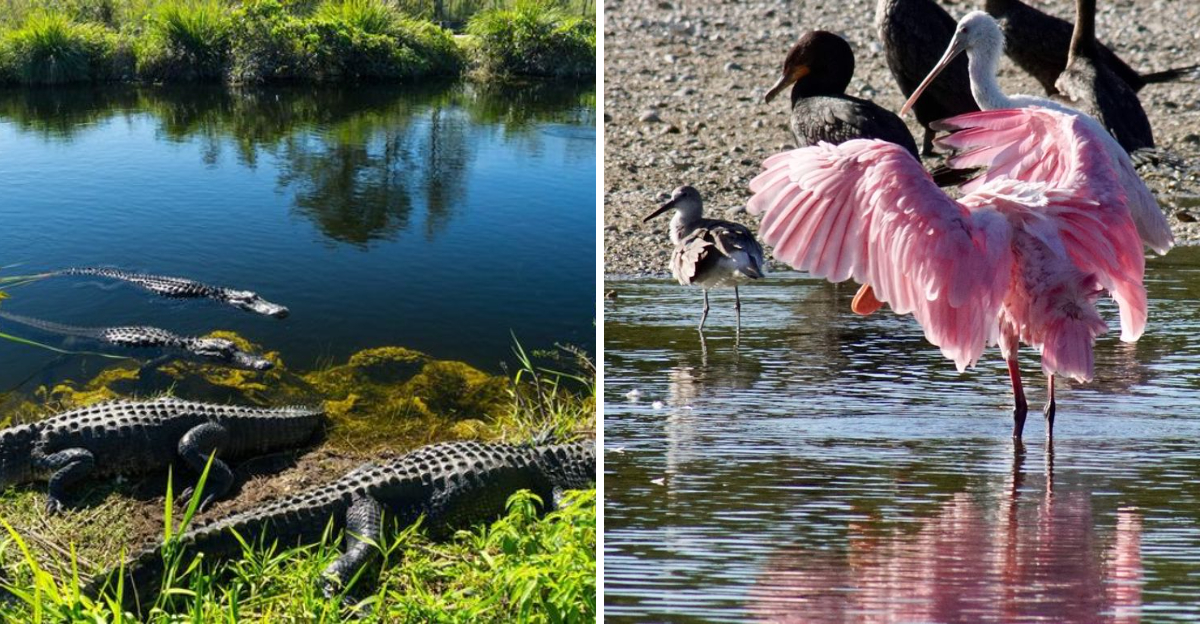
One minute you’re spotting alligators sunning beside the water, the next you’re watching roseate spoonbills light up the sky like flying paintbrushes.
This is the month when Florida’s untamed side steals the spotlight. The heat hasn’t reached full summer intensity yet, but the animals already know the season is changing.
Mating calls echo through marshes, shorelines buzz with activity, and quiet waterways become packed with life.
Some places feel almost unreal during May. Shallow estuaries fill with wading birds hunting for fish, forests hum with insects and frogs after afternoon rain, and coastal refuges burst awake before the heavier tourist crowds arrive.
Every boardwalk, kayak trail, and observation tower feels like a front-row seat to nature putting on a show.
For anyone craving raw beauty, strange creatures, and unforgettable moments, these Florida wildlife areas deliver the kind of spring magic that refuses to stay quiet.
Everglades National Park
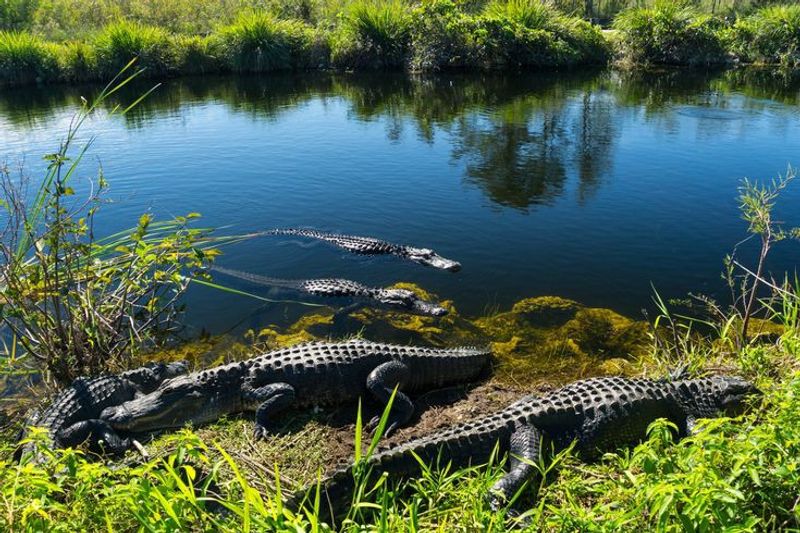
Picture hundreds of alligators congregating around shrinking pools while pink spoonbills dance overhead. That’s exactly what happens when May arrives in the Everglades.
Water levels drop before summer rains begin, concentrating wildlife into smaller areas where viewing becomes extraordinary.
Wading birds claim their favorite marshes as nesting season peaks. Herons stand motionless in shallow water while wood storks probe muddy bottoms for fish.
The endangered American crocodile makes appearances along coastal waterways, distinguishing itself from alligators with its pointed snout.
Early afternoon thunderstorms roll across the sawgrass prairie, creating dramatic lighting perfect for photography. Rangers recommend visiting Anhinga Trail or Shark Valley during morning hours when temperatures remain comfortable and animals are most active.
Bring binoculars and patience because the wildlife spectacle unfolds at nature’s pace.
Weather transitions make this month unpredictable yet thrilling. One moment brings blazing sunshine, the next delivers refreshing rain showers that awaken the ecosystem.
This dynamic period offers glimpses of both dry and wet season characteristics within days.
Merritt Island National Wildlife Refuge
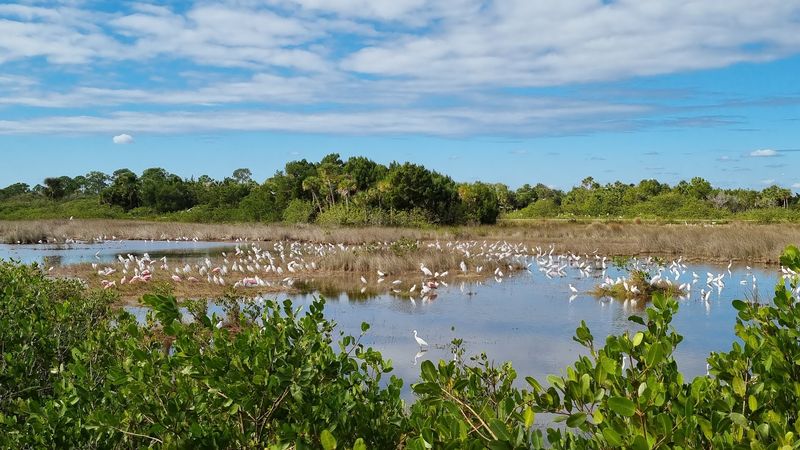
Rockets aren’t the only things launching near Cape Canaveral in May. Migratory warblers arrive in colorful waves, transforming this coastal refuge into a birder’s paradise.
Yellow, blue, and orange feathers flash through mangroves as tiny songbirds refuel for their journey north.
Black Point Wildlife Drive becomes a slow-moving parade of nature enthusiasts stopping every few feet. Alligators bask openly on muddy banks while spoonbills sweep their unusual bills through shallows.
The seven-mile route requires hours when wildlife activity peaks during cooler morning temperatures.
Manatees surprise kayakers in the refuge’s interconnected waterways. These massive mammals move freely between salt and freshwater areas as spring warmth spreads.
Dolphins occasionally join the show, hunting mullet schools that thicken in May.
Hiking trails wind through scrub habitat where gopher tortoises dig fresh burrows. Osprey nests crown every available platform, with parents constantly delivering fish to hungry chicks.
The refuge’s diverse ecosystems support remarkable species variety within its 140,000 acres, making every visit unique and memorable for wildlife watchers of all experience levels.
Crystal River National Wildlife Refuge
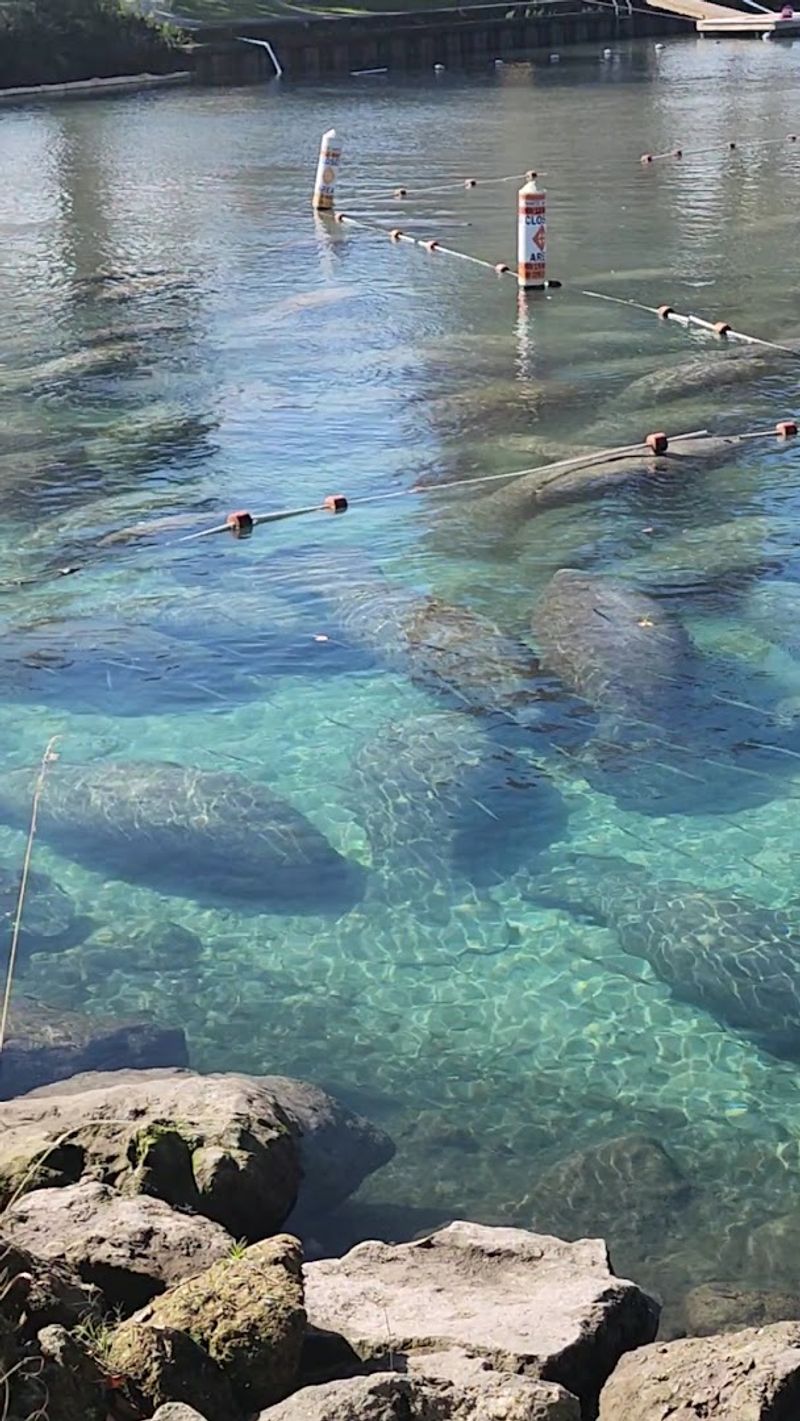
Don’t let winter’s manatee reputation fool you. May offers spectacular marine encounters without the winter crowds that typically pack Crystal River.
Manatees disperse from their winter aggregation sites, exploring surrounding springs and coastal channels with newfound freedom.
Kayaking becomes pure magic during late spring mornings. Paddlers glide over crystal-clear waters where manatees surface unexpectedly, sometimes bringing curious calves along.
Dolphins frequently patrol these same waterways, creating memorable multi-species encounters that happen nowhere else with such regularity.
Mullet schools create splashing disturbances across the surface as they migrate through warming waters. Coastal birds recognize this abundance, with herons and egrets establishing nesting colonies in protected mangrove islands.
Their squawking creates constant background noise that signals healthy ecosystem activity.
Water visibility improves significantly compared to summer months when algae blooms reduce clarity. Snorkelers enjoy extended views of underwater seagrass meadows where fish, crabs, and juvenile marine life flourish.
Spring temperatures hover comfortably between winter’s chill and summer’s heat, making water activities pleasant for hours without discomfort or exhaustion.
Fisheating Creek Wildlife Management Area
Remote doesn’t begin to describe this hidden wilderness treasure. Fisheating Creek winds through Florida’s interior like a secret pathway to the past.
May transforms its floodplain forests into vibrant wildlife corridors where creatures gather before summer’s intensity arrives.
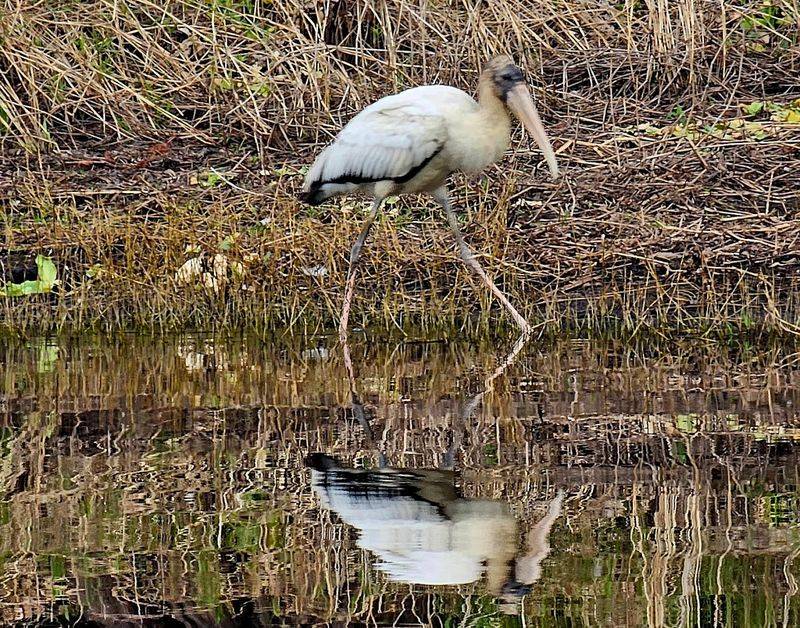
Wading birds claim every available perch along the waterway. Great blue herons stand like statues while wood storks waddle through shallows.
Their collective presence indicates healthy fish populations thriving in the creek’s tea-colored waters rich with nutrients from surrounding forests.
River otters play with surprising boldness during morning hours. These energetic mammals slide down muddy banks and chase each other through channels, seemingly unconcerned by human observers.
Bald eagles maintain massive nests in towering cypresses, feeding growing eaglets that will fledge within weeks.
Reptile activity increases dramatically as temperatures climb. Alligators cruise slowly along creek edges while various turtle species sun themselves on floating logs.
Cottonmouth snakes patrol wetland margins hunting frogs that call loudly from every direction.
Accessing this area requires dedication since paved roads don’t penetrate deeply. That difficulty preserves its wild character, rewarding adventurous visitors with authentic wilderness experiences increasingly rare in modern Florida.
Big Cypress National Preserve
Time runs differently in Big Cypress as May marks the sweet spot between seasons. Summer rains haven’t flooded the backcountry yet, but winter’s dryness has ended.
Wildlife concentrates near remaining water sources, creating exceptional viewing opportunities along accessible trails and waterways.
Black bears emerge more frequently during cooler morning hours, foraging for palmetto berries and rooting through leaf litter. These shy creatures rarely threaten humans but deserve respectful distance.
White-tailed deer appear almost tame compared to their northern cousins, browsing openly near popular boardwalks.
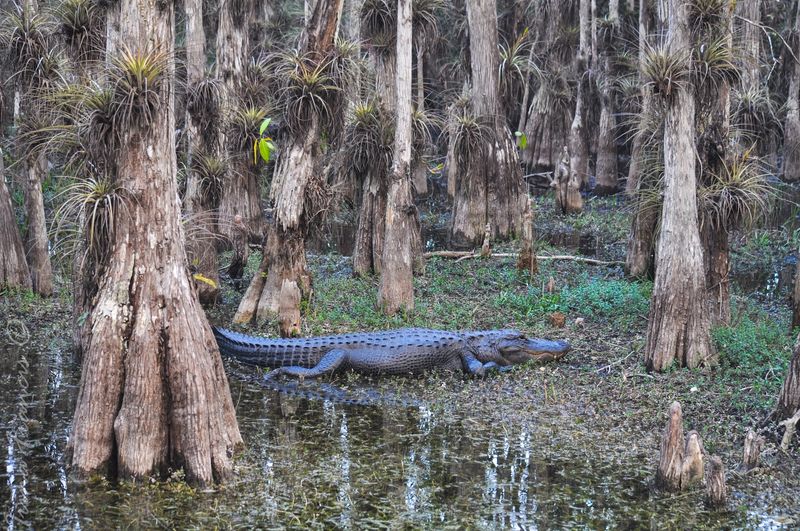
Alligators claim every available pond, sometimes stacking themselves like logs in shrinking pools. Their prehistoric patience impresses observers watching them wait motionlessly for hours.
Wading birds recognize these gatherings as feeding opportunities, snatching fish that concentrate in shallow waters.
Freshwater sloughs scattered throughout the preserve become oases during this transition period. Turtles, snakes, and amphibians gather around these critical habitats.
Birdsong fills the air as numerous species nest before summer heat peaks.
Loop Road offers excellent wildlife spotting without requiring backcountry permits or extensive hiking. Patient drivers encounter remarkable biodiversity within short distances, making this preserve accessible for families seeking authentic wilderness experiences.
J.N. ‘Ding’ Darling National Wildlife Refuge
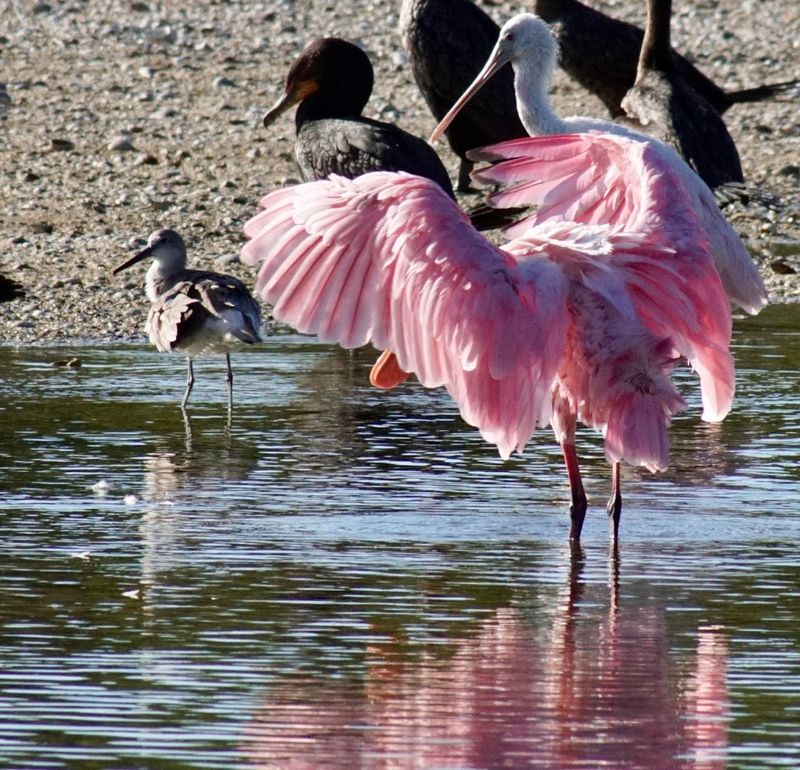
Spring migration reaches its crescendo along Sanibel Island’s protected shores during May. Thousands of birds funnel through this coastal refuge, creating scenes that belong in nature documentaries.
Pelicans dive-bomb fish schools while ibis probe mudflats with their curved bills.
Wildlife Drive transforms into a moving classroom where nature’s lessons unfold continuously. Families stop frequently as herons hunt inches from car windows and roseate spoonbills wade through shallow channels.
Rangers stationed at key points share identification tips and behavioral insights that enhance every sighting.
Mangrove tunnels shelter incredible biodiversity within their tangled roots. Young fish hide from predators while crabs scuttle sideways across exposed mud during low tide.
Manatees navigate these protected waterways, occasionally surfacing near observation platforms where delighted visitors gasp at their unexpected size.
Dolphins patrol deeper channels in coordinated hunting groups. Their dorsal fins slice through calm waters as they herd mullet into tight balls.
Ospreys circle overhead, waiting for opportunities to snatch disoriented fish from the surface.
Sunset brings additional magic as thousands of birds return to roosting sites. The sky fills with wings while their calls create a symphony that echoes across estuaries, reminding visitors why this refuge earned its protected status decades ago.
Duette Preserve
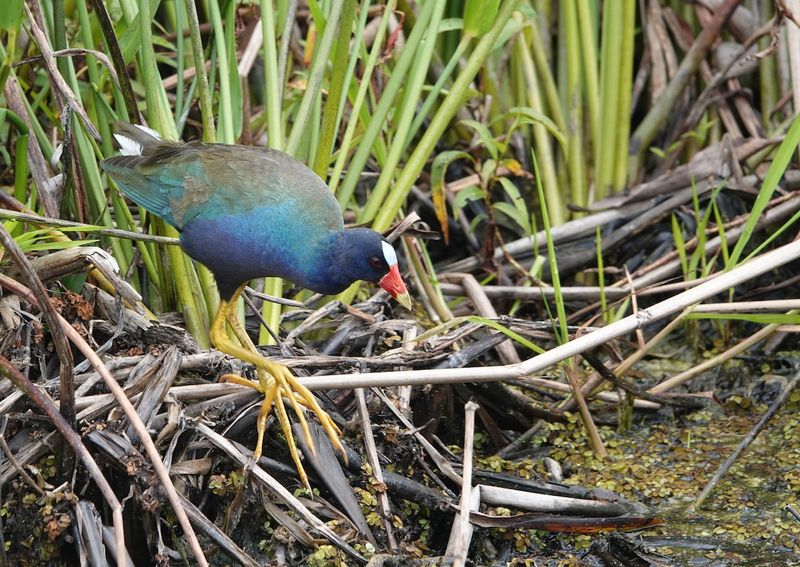
Prairies and wetlands collide at this central Florida gem where ecosystems blend seamlessly. May awakens the landscape with wildflower blooms painting grasslands in purple, yellow, and white.
This color explosion attracts butterflies and bees that buzz busily between blossoms throughout warm afternoons.
Florida scrub jays rule the preserve’s oak scrub habitat with bold personalities. These threatened birds approach visitors curiously, sometimes landing on trail signs or nearby branches.
Their family groups work cooperatively, with younger birds helping raise new chicks in a fascinating social structure.
Sandhill cranes strut majestically through open prairies, their red crowns visible from considerable distances. These tall birds mate for life, and May brings opportunities to observe devoted pairs tending gangly chicks.
Their rattling calls carry across wetlands, announcing their presence long before visual sightings occur.
Gopher tortoises increase surface activity as temperatures rise. These important ecosystem engineers dig burrows that shelter hundreds of other species.
Fresh mounds of sandy soil mark recent excavations where tortoises expand their underground networks.
Pine flatwoods surrounding prairie areas host woodpeckers, wild turkeys, and occasional bobcat sightings. The preserve’s trail system allows exploration of multiple habitats within single visits, showcasing Florida’s remarkable ecological diversity in compact form.
Perico Preserve
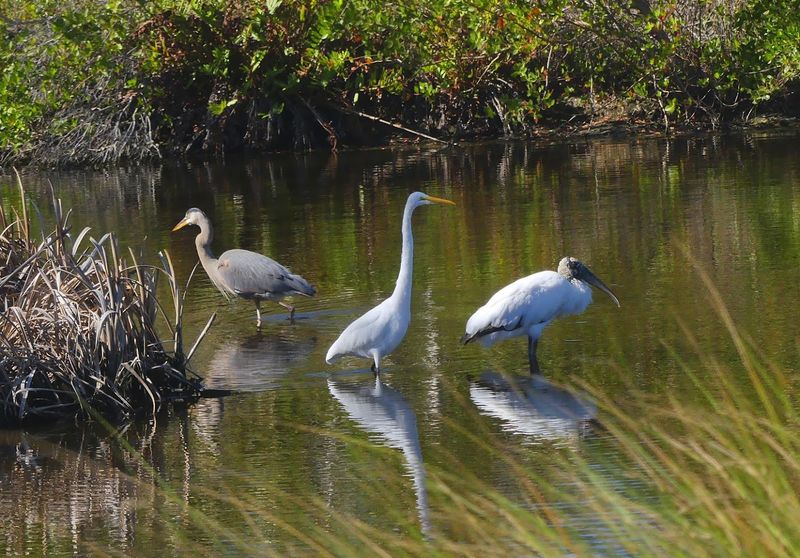
Restoration success stories don’t get much better than Perico Preserve. This coastal wetland bounced back dramatically after conservation efforts removed invasive species and reestablished native habitats.
May showcases the results as migratory shorebirds pack tidal flats during their northward journey.
Nesting wading birds fill mangrove islands with squawking nurseries. Great egrets, snowy egrets, and tricolored herons crowd branches while parents shuttle food to demanding chicks.
Binoculars reveal the organized chaos of colonial nesting where hundreds of birds cooperate within tight spaces.
Tidal cycles dictate wildlife activity throughout each day. Low tide exposes mudflats where sandpipers, plovers, and willets probe frantically for invertebrates.
Their rapid feeding displays hypnotic patterns as flocks move synchronously across exposed areas.
Gopher tortoises inhabit higher ground surrounding wetland areas, emerging more frequently as spring warmth intensifies. These ancient reptiles munch vegetation methodically, their deliberate movements contrasting sharply with the frenetic energy of shorebirds nearby.
Boardwalk trails provide excellent viewing platforms without disturbing sensitive habitats. Educational signs explain restoration techniques and identify common species, making this preserve particularly valuable for learning about coastal ecosystem recovery.
Sunset visits offer spectacular light conditions for photography enthusiasts capturing Florida’s natural beauty.
Apalachicola National Forest
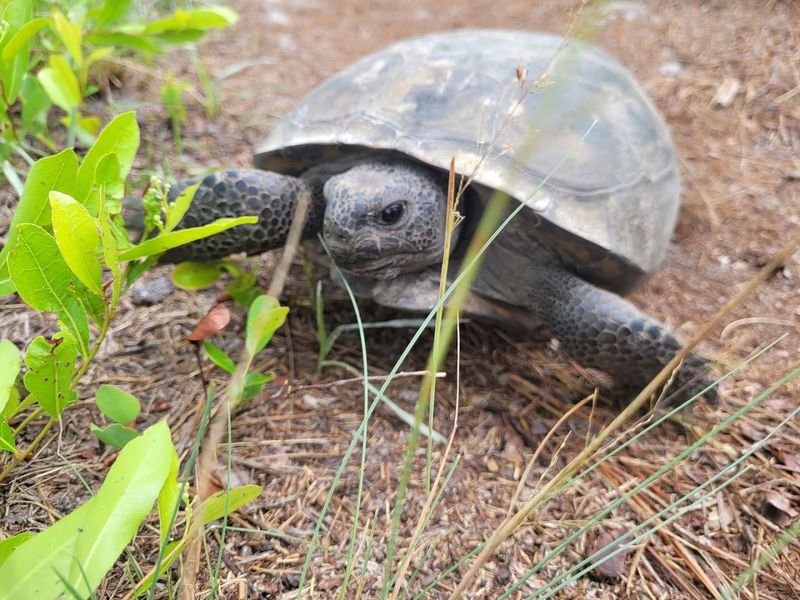
Northern Florida’s largest national forest explodes with life when May’s warmth penetrates its diverse ecosystems. Frog choruses reach deafening volumes after dark as countless amphibians call from cypress swamps.
Their collective songs create a primal soundtrack that connects listeners to wilderness in profound ways.
Red-cockaded woodpeckers become easier to locate during active nesting season. These endangered birds excavate cavities exclusively in living pine trees infected with red-heart fungus.
White resin rings surrounding cavity entrances help visitors identify occupied territories scattered throughout longleaf pine forests.
Blackwater streams meander through the forest like liquid obsidian, their dark waters stained by tannic acids from vegetation. Turtles bask on every available log while anhinga spread their wings to dry after diving for fish.
Great blue herons stalk shallows patiently, demonstrating hunting techniques perfected over millions of years.
Wildflowers carpet forest floors with delicate blooms attracting specialized pollinators. Pitcher plants open their carnivorous traps in wet savannas, supplementing nutrients in acidic soils by digesting trapped insects.
Hiking trails wind through varied habitats from pine uplands to hardwood bottoms. Each ecosystem supports distinct wildlife communities, rewarding explorers who venture beyond main roads into the forest’s quieter reaches where surprises await around every bend.
Matlacha Pass Aquatic Preserve
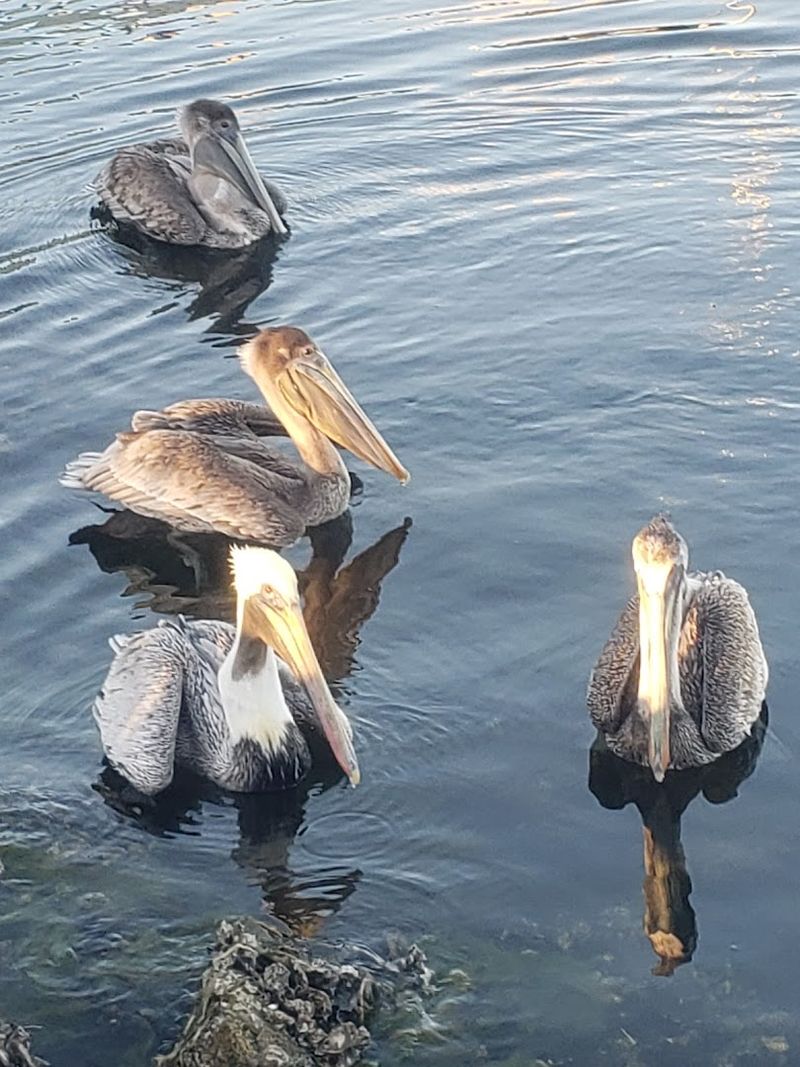
Emerald waters sparkle across this sprawling estuary where Gulf tides mix with freshwater runoff. May transforms Matlacha Pass into a marine nursery as countless fish species spawn in protective seagrass meadows.
This abundance attracts predators from dolphins to ospreys, creating a food web visible from kayaks gliding across calm shallows.
Manatees graze peacefully on seagrass beds, their round forms visible in clear water. These herbivores consume massive quantities daily, maintaining healthy underwater meadows through constant grazing.
Dolphins patrol mangrove edges in coordinated pods, communicating through clicks and whistles while hunting cooperatively.
Ospreys command the skies above, hovering briefly before plunging talons-first into schools of mullet. Their fishing success rate impresses observers who watch them carry prizes back to massive stick nests built atop channel markers.
Wading birds work the shallows methodically, stabbing at small fish and crustaceans.
Warmer water temperatures increase all marine activity levels compared to winter months. Snook, redfish, and tarpon cruise flats searching for prey while rays glide gracefully over sandy bottoms.
Paddling routes wind through mangrove tunnels where roots shelter juvenile fish and invertebrates. This preserve represents Florida’s Gulf Coast at its finest, offering accessible wilderness experiences that don’t require extensive planning or specialized equipment.