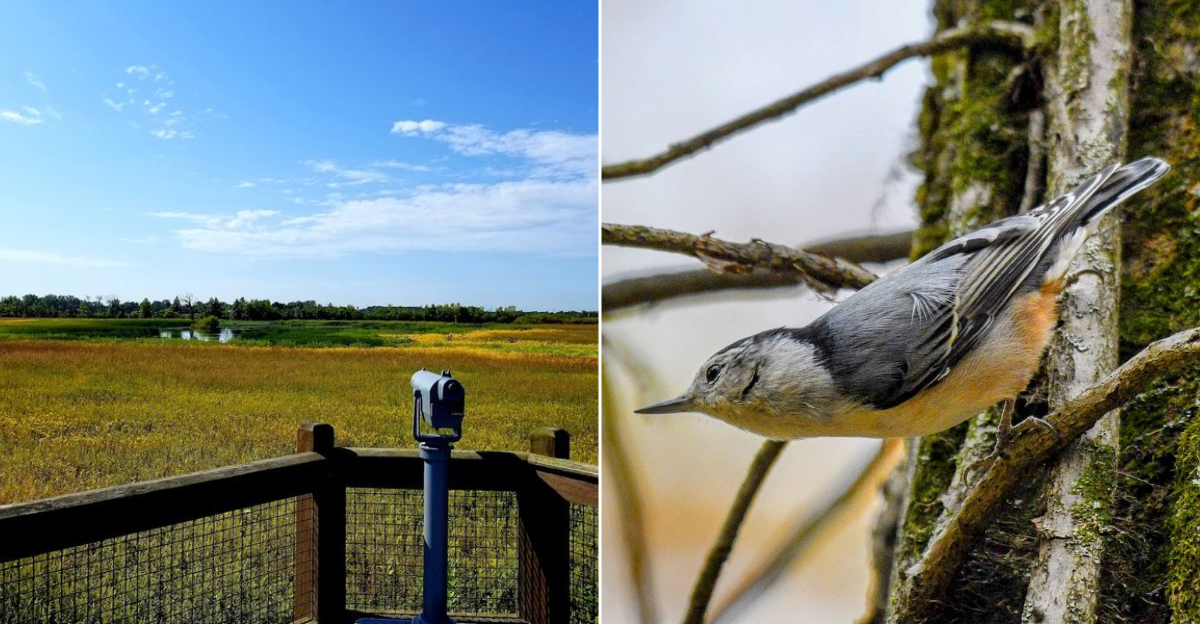
May in Ohio feels like the landscape finally waking up all at once. Morning air is soft and cool, meadow grasses shift in gentle wind, and wooded trails carry the sound of returning songbirds weaving through branches.
Along marshes and river bends, water glints under new green leaves, and everything feels briefly in motion.
This is the month when migration peaks, and Ohio becomes a quiet corridor for warblers, thrushes, herons, and shorebirds moving north. Even familiar parks feel different, as flashes of color and sound appear where there was stillness just weeks before.
It is an easy season to slow down and simply listen. A pair of binoculars, an early start, and a quiet trail are often all you need.
These 12 Ohio nature areas capture that spring energy at its best, offering some of the most rewarding birdwatching in the state.
Magee Marsh Wildlife Area
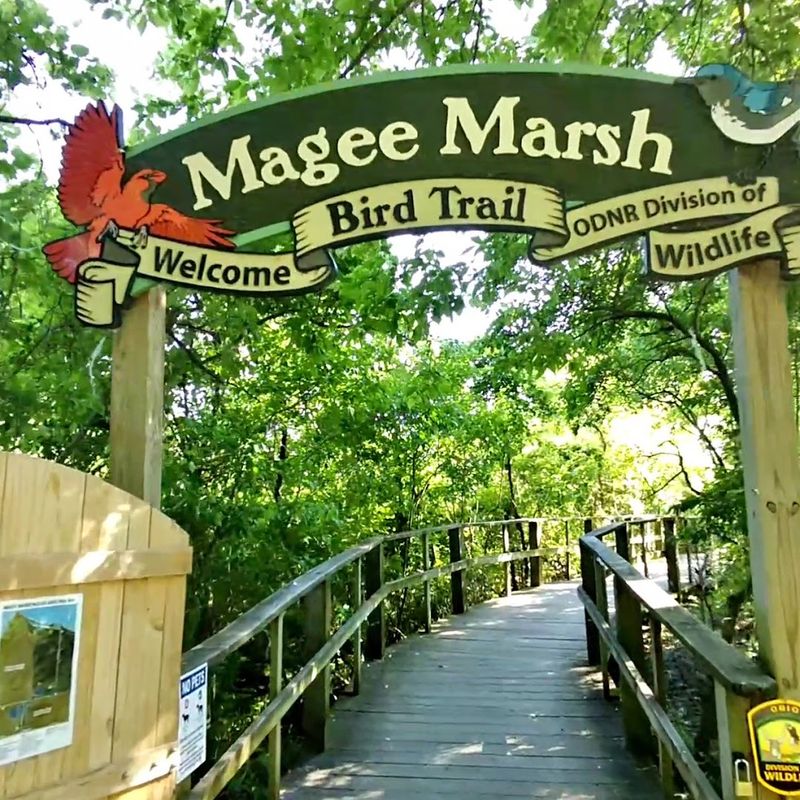
Few spring birding experiences feel as electric as standing beside fresh leaves while songbirds seem to fall from the sky. In May, the Lake Erie shoreline becomes a migration funnel, concentrating warblers, vireos, thrushes, and orioles in an unusually accessible space.
That thrilling setup is exactly why Magee Marsh Wildlife Area near Oak Harbor ranks among Ohio’s essential birding destinations.
This area is celebrated across North America for spectacular spring fallout conditions, especially after overnight winds push migrants toward shore. You can scan edge habitat, marsh openings, and wooded sections for Blackburnian, Cape May, Magnolia, and Bay-breasted Warblers, often at eye level.
Birders also watch for rails, herons, and waterfowl in surrounding wetland habitat, making variety part of the appeal.
Because activity peaks early, arriving at dawn gives you the best mix of birdsong, soft light, and manageable crowds. Bring a spotting scope for marsh views, but keep binoculars ready for close woodland action.
Slow walking pays off here, since flocks can gather suddenly and reward patience with remarkable looks.
If you want a headline May stop with proven migration magic, this one deserves priority. The address is 13531 State Route 2, Oak Harbor, Ohio, and current visitor details are available through Ohio Department of Natural Resources.
Even seasoned birders leave feeling amazed.
Pickerington Ponds Metro Park
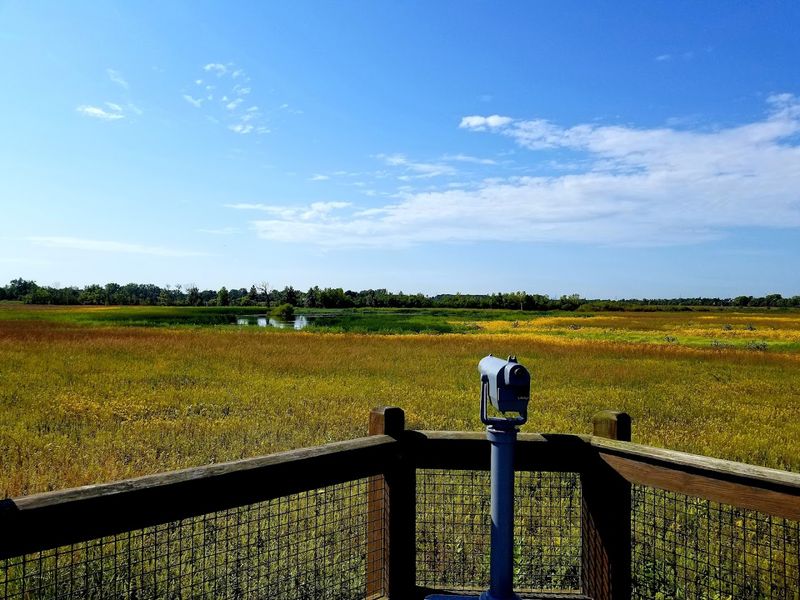
Still water, cattail edges, and open sky can make a May morning feel bigger than expected. Wetland parks often deliver that mix of calm and excitement, especially when migrants are moving and every snag seems to hold a new silhouette.
That is the draw of Pickerington Ponds Metro Park in the Canal Winchester and Groveport area.
More than 260 bird species have been recorded here, which tells you how productive this landscape can be during migration. A network of ponds, marshes, and grassy edges creates habitat for shorebirds, swallows, herons, ducks, and a rotating cast of songbirds passing through central Ohio.
Observation areas make scanning easier, so you can cover water and edge habitat without feeling rushed.
In May, this is a smart place to look for both quantity and variety, particularly during the early morning hours when bird activity and light are best. Walking slowly between overlooks gives you a chance to pick up blackbirds, flycatchers, and unexpected warblers using shrubby margins.
A spotting scope is helpful, but binoculars alone can still produce a rewarding list.
For birders who enjoy wetlands without a long drive from Columbus, this park is a standout choice. The main access region is around 4161 Parsons Ave, Groveport, Ohio, with additional planning details on the Metro Parks website.
It feels accessible, productive, and especially good in peak migration.
Blacklick Woods Metro Park
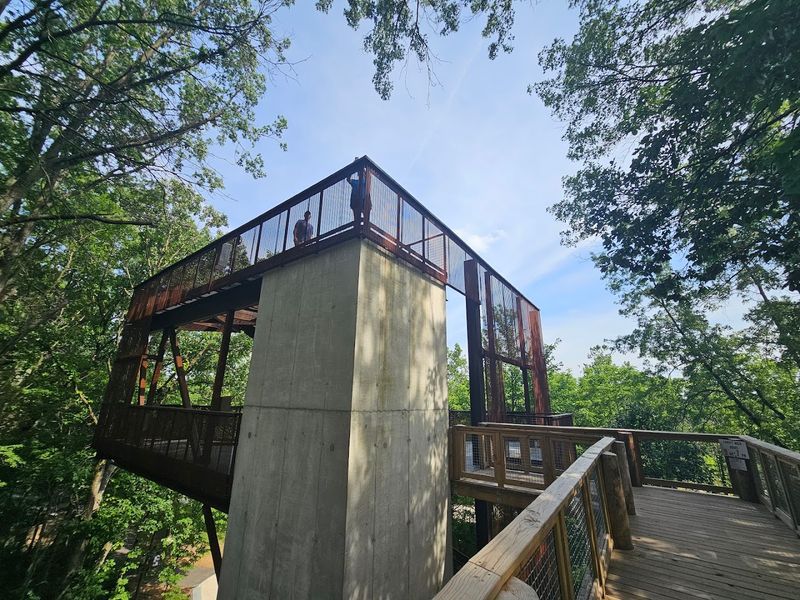
When spring light filters through mature woods, every rustle overhead starts to sound important. Forest parks can be wonderfully intimate in May, giving you chances to hear chip notes, locate movement, and watch migrants feeding low before the canopy fully thickens.
That quiet strength defines Blacklick Woods Metro Park near Reynoldsburg.
The combination of mature forest and wetland habitat creates reliable conditions for spring songbird activity. Warblers, vireos, woodpeckers, and thrushes use these woods during migration, while damp edges can hold additional species that would be easy to miss in drier parks.
Because the habitat feels enclosed, birding here often becomes more about listening carefully than chasing obvious movement.
This is an especially good stop if you prefer a slower pace and easy trail access rather than big open scans. Early May mornings tend to be strongest, and overcast days can keep birds feeding lower where views are better.
A simple walk with frequent pauses can be more productive than covering distance too quickly.
Blacklick Woods works well for beginners who want a comfortable woodland birding experience and for experienced birders filling in migrant species. The park sits in the Reynoldsburg area and is part of the Metro Parks system, which provides seasonal information online.
If you love spring forest birding, this place feels dependable and relaxing.
Highbanks Metro Park
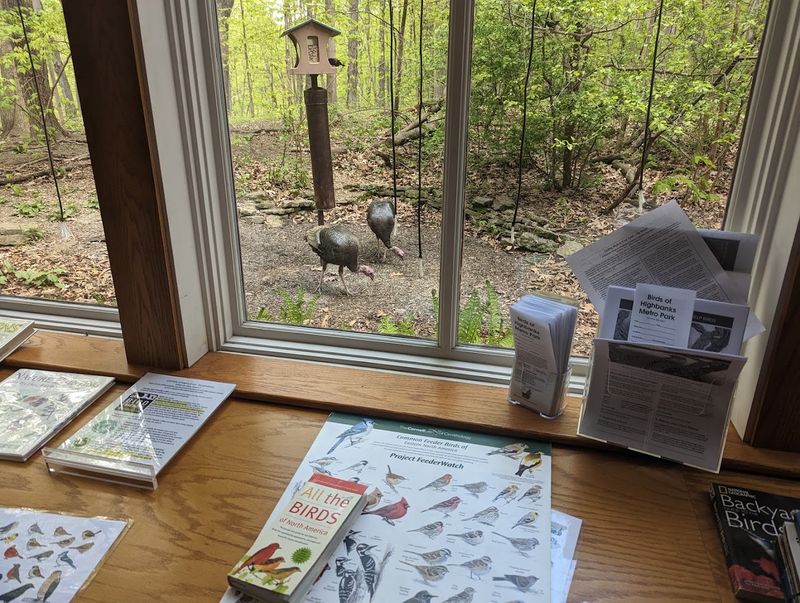
Few settings make migration feel more dynamic than tall woods rising above a river corridor. In May, blufftop trails and forested ravines can hold feeding flocks one moment and quiet anticipation the next.
That layered habitat is a big reason Highbanks Metro Park in Lewis Center deserves a spot on any Ohio spring birding list.
The park’s river bluffs, mature forest, and varied elevation create useful structure for migrants moving through central Ohio. Warblers, tanagers, vireos, and wood thrushes are regular targets, and the mix of trail viewpoints can help you check both canopy and midstory activity.
During active mornings, mixed flocks may move quickly, so staying alert can pay off fast.
Because trails here are well maintained, Highbanks works nicely for birders who want strong habitat without sacrificing comfort. Start near wooded sections early, then move gradually toward edges and overlooks as the morning brightens.
Listening for repeated chips and soft song fragments can help you locate birds before you ever see them.
If you enjoy scenic hikes that also produce migration variety, this park offers a satisfying balance. You will find it at 9466 Columbus Pike, Lewis Center, Ohio, with current information through Columbus and Franklin County Metro Parks.
The setting feels polished, but the spring birding remains genuinely exciting.
Blendon Woods Metro Park
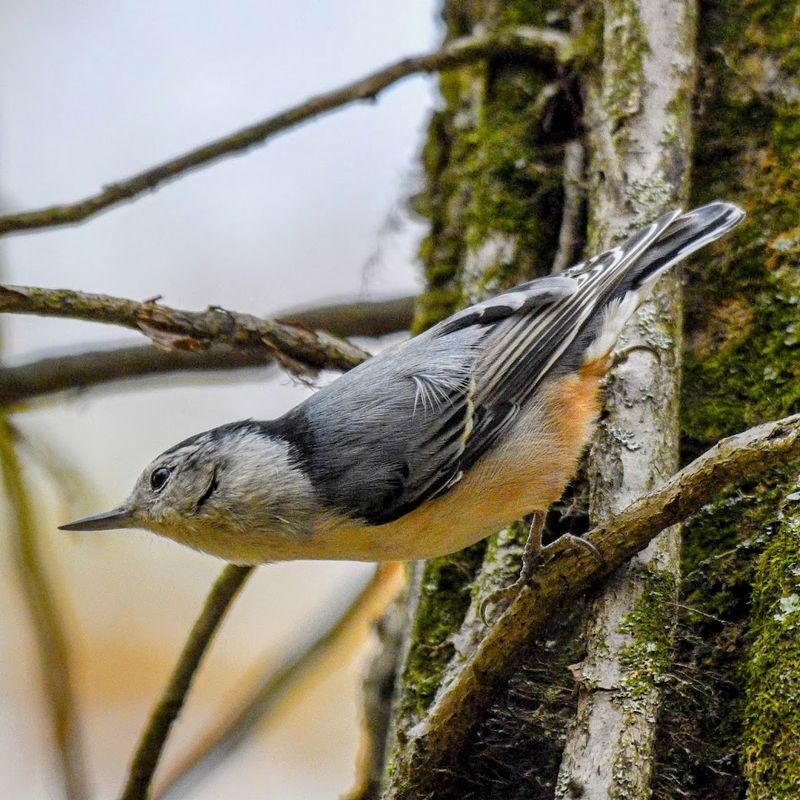
A gentle woodland walk can be one of the easiest ways to turn curiosity into a memorable birding morning. In May, places with simple trails and reliable forest habitat let you focus on sound, movement, and behavior without feeling overwhelmed.
That approachable quality makes Blendon Woods Metro Park in Columbus especially appealing during spring migration.
This park is known for woodland birds and easy viewing opportunities, which is a great combination if you want productive birding without difficult terrain. Migrating warblers, vireos, nuthatches, woodpeckers, and flycatchers can all show up in the forest, especially along quieter interior sections.
Different trail loops also help you revisit habitat types without retracing too much ground.
May mornings are the sweet spot here, particularly after warm nights that bring fresh migrants into the trees. Move slowly, check lower branches carefully, and do not ignore common species activity, since mixed flocks often build around chickadees and kinglets.
This is also a good location for sharpening identification by song because the setting is relatively calm.
For birders near Columbus, Blendon Woods is a practical and rewarding option that fits short outings or longer rambles. It is part of the Metro Parks system, which posts visitor information online.
If you want a low stress place to enjoy woodland migration, this park makes spring birding feel very inviting.
Slate Run Metro Park
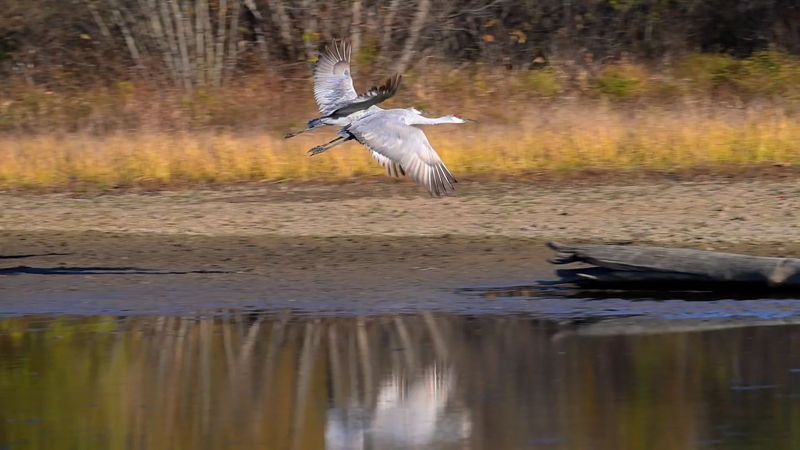
When one park gives you woods, open fields, and wetland edges in a single outing, spring birding becomes much more interesting. Habitat diversity is often the secret to longer species lists, especially in May when migrants are using every available layer of the landscape.
That is exactly why Slate Run Metro Park near Canal Winchester stands out.
More than 200 species have been recorded here, helped by a useful mix of forest, meadow, and marshy areas. You can look for flycatchers and swallows near openings, then shift into wooded sections for warblers and vireos before checking wetter ground for blackbirds and water associated species.
This variety keeps the morning moving and prevents birding from feeling repetitive.
Because different habitats wake up at different times, it helps to start in woodland at first light and move toward open areas as the sun rises. Pay attention to fence lines, shrubby transitions, and any patches with standing water after rain.
Those small edges often produce the unexpected birds that round out a memorable May checklist.
Slate Run is a smart pick for birders who want flexibility and a strong chance at seeing several bird groups in one place. The park is located at 1375 SR-674 N, Canal Winchester, Ohio, with planning details on the Metro Parks website.
It is versatile, accessible, and consistently good in spring.
Battelle Darby Creek Metro Park
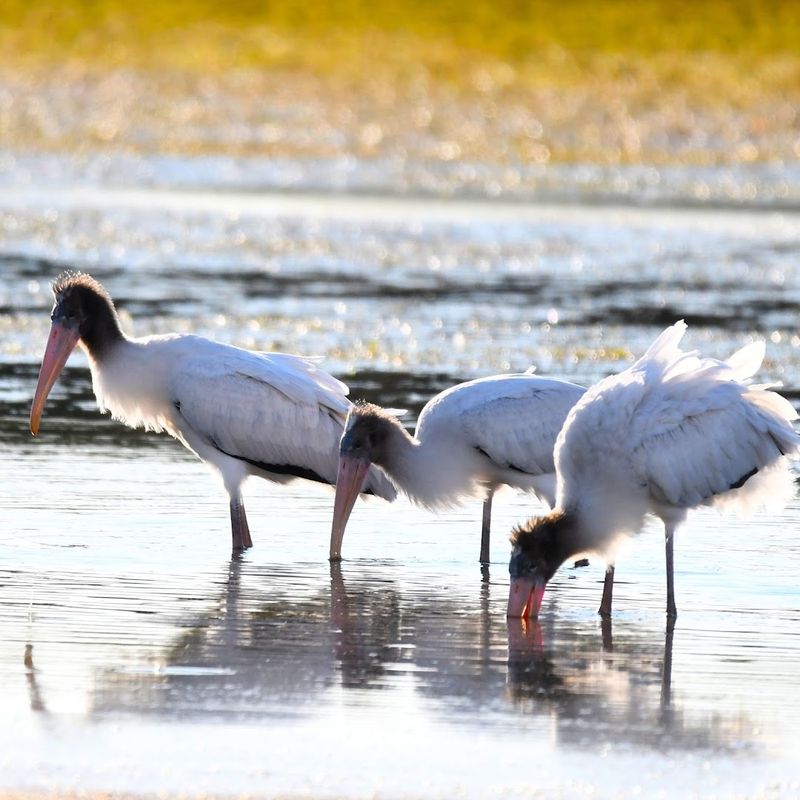
Wide horizons can be just as exciting as dense woods when spring migration is underway. In open country, you notice different movement patterns, from swallows sweeping low to raptors circling over prairie and waterbirds lifting off from marsh pools.
That expansive style of birding is exactly what makes Battelle Darby Creek Metro Park near Galloway worth visiting in May.
The park’s wetlands, restored prairie, and stream corridors create habitat for an impressive range of species. Waterfowl, herons, shorebirds, raptors, meadow birds, and migrating songbirds all use different sections of the property, so variety is one of the strongest reasons to come.
The changing habitat also means every stop can feel distinct rather than repetitive.
May birding works best here when you combine scanning with walking. Use overlooks and open views to check for soaring hawks and distant waterbirds, then slow down along vegetated edges for sparrows, chats, and passing warblers.
Breezy mornings can still be productive, especially for aerial species and birds using the prairie.
This is an ideal destination if you enjoy broad landscapes and do not want your outing limited to forest birding alone. Battelle Darby Creek is part of the Metro Parks system in the Galloway area, with maps and seasonal updates available online.
In spring, its mix of habitats makes every hour feel promising.
Cuyahoga Valley National Park
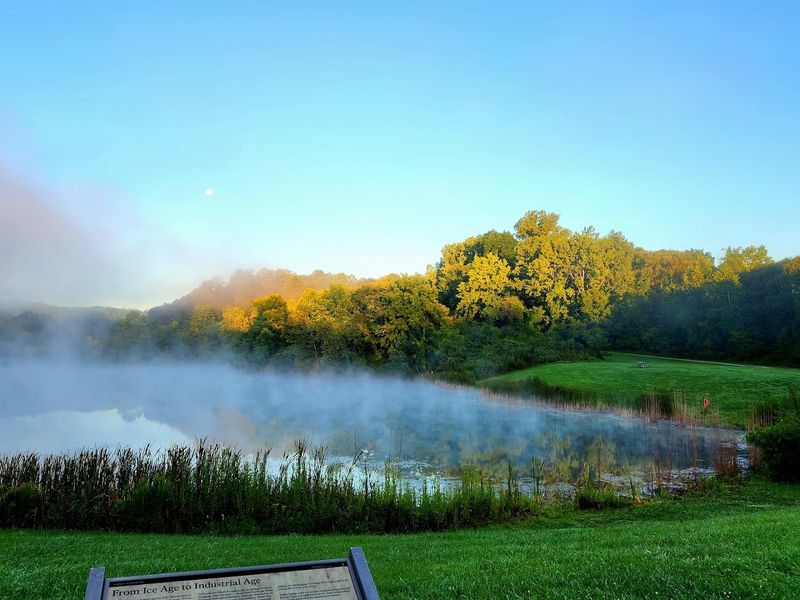
Migration often feels most visible where water, forest, and open space come together in a long natural corridor. River valleys guide movement, concentrate feeding opportunities, and give birders many habitat choices within a single outing.
That is a major reason Cuyahoga Valley National Park near Peninsula is one of Ohio’s strongest May birdwatching destinations.
The park’s river valley, wetlands, forests, and fields support a broad spring list that can include warblers, flycatchers, thrushes, swallows, raptors, and waterbirds. Because habitat changes quickly across the park, different trail systems can produce very different species on the same morning.
That variety makes repeat visits especially rewarding during migration peak.
One smart approach is to start in wooded sections at dawn for songbirds, then shift to marshier or more open areas as the day brightens. Boardwalks, towpath-adjacent habitat, and river edges can all add species if you stay observant and flexible.
Weather changes matter here, so a cool morning after migration movement can be especially good.
If you want a destination with both national park scenery and serious spring birding potential, this one belongs near the top of your list. Cuyahoga Valley National Park is centered around Peninsula, Ohio, with maps and seasonal updates through the National Park Service.
It is diverse, scenic, and ideal for a full day outside.
Chagrin River Park
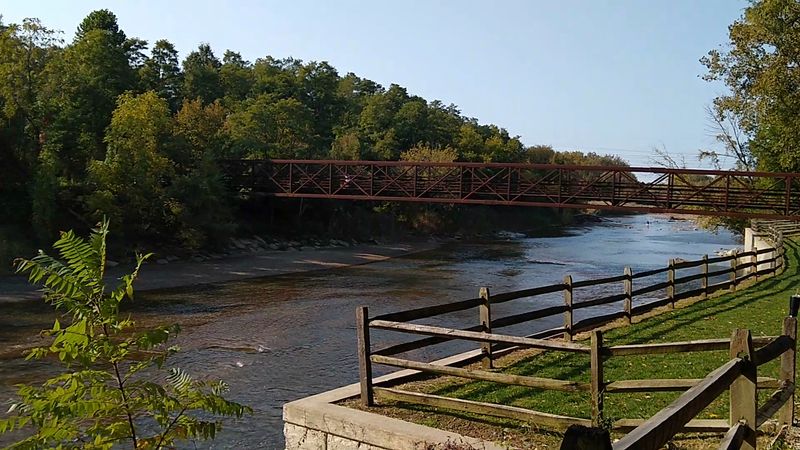
Rivers create natural pathways for birds, and in spring those pathways can feel wonderfully alive. A shaded corridor with moving water, riparian trees, and edge habitat often turns a simple morning walk into a surprisingly productive birding session.
That is exactly what makes Chagrin River Park in Willoughby a strong May option.
This park benefits from the Chagrin River corridor, which attracts migrating passerines moving through northeastern Ohio. Warblers, vireos, orioles, and flycatchers may all use the wooded edges and riverside habitat, while the linear nature of the park encourages steady scanning as you go.
Bird activity can build quickly in sheltered sections protected from stronger wind.
For the best experience, arrive early and let sound guide your pace along the river. Riparian habitats often reward patient birders who pause at sunny openings, brushy margins, and areas where the tree canopy narrows.
You may not get the same concentration as a famous lakeshore hotspot, but the quality of views can be very good.
Chagrin River Park is especially appealing if you want accessible migration birding near the Cleveland area without a major production. It is managed by Lake Metroparks in Willoughby, with visitor information available online.
In May, the river setting feels fresh, active, and ideal for a focused morning with binoculars.
Oak Openings Preserve Metropark
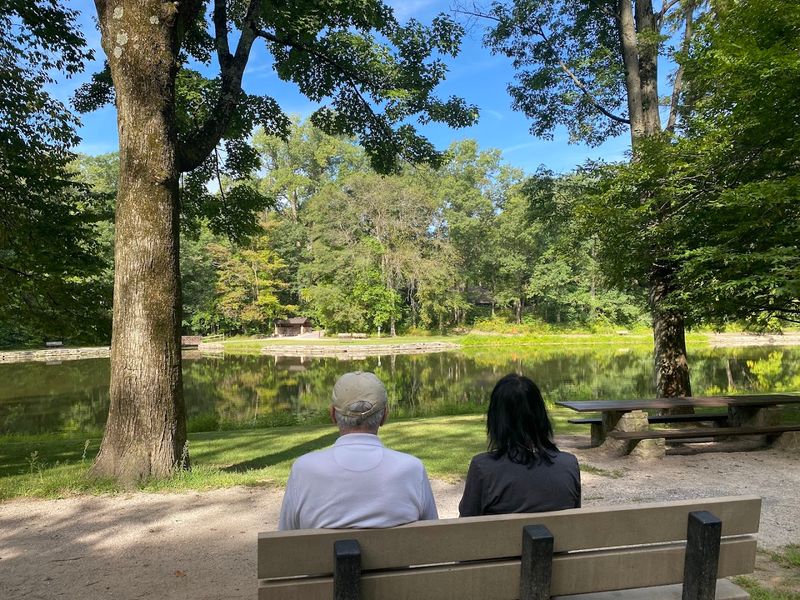
Some places feel biologically rich the moment you step out of the car, and May only amplifies that impression. Unusual habitat mosaics create unusual birding opportunities, especially when migration overlaps with resident breeding activity.
That is why Oak Openings Preserve Metropark near Swanton is widely considered one of Ohio’s premier spring birding destinations.
This landscape combines oak savanna, pine barrens, wetlands, prairies, and woodlots, creating one of the state’s most diverse ecosystems. That variety supports an impressive mix of warblers, sparrows, flycatchers, water associated birds, and specialty species that may be harder to find elsewhere in Ohio.
Because habitats are so different from one section to another, exploring multiple stops is worth the effort.
In May, planning a route is especially helpful because you can target specific habitats at the right time of day. Start with wooded areas for songbird migration, then move to wetter or more open sections as light increases and wind patterns shift.
Keep your ears open for distinct calls because surprising birds can appear in very specific habitat patches.
If you want one of the state’s richest birding ecosystems, this preserve absolutely belongs on your list. It is located at 4139 Girdham Rd, Swanton, Ohio, with current maps and visitor details through Metroparks Toledo.
The biodiversity here makes every spring visit feel full of possibility.
Germantown MetroPark
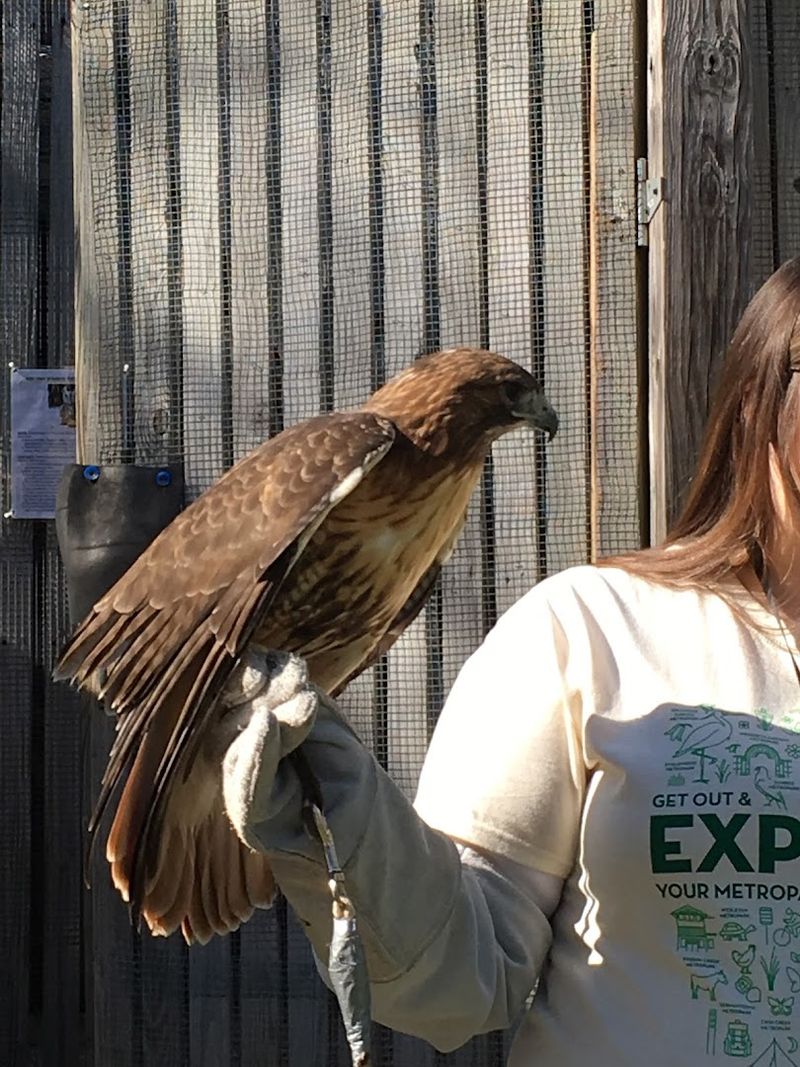
Wetlands hidden within a larger park often become the places birders remember most. In May, those damp pockets can attract migrants that stand out from the more expected woodland species around them.
That mix of surprise and habitat quality is a big reason Germantown MetroPark is a rewarding spring birdwatching stop in western Ohio.
The park is especially noted for fen wetland habitat, which can support rare or less expected migrating species during the season. Combined with surrounding woods and open areas, the landscape offers chances at marsh birds, flycatchers, warblers, sparrows, and other travelers using moisture rich feeding zones.
That ecological variety gives each section of the park a slightly different birding personality.
To bird here well, it helps to move methodically and pay attention to transitions between wetland and upland areas. Dawn is ideal, but productive activity can continue through the morning if temperatures stay mild and insect life remains active.
A careful scan of shrubs and sedges can be just as important as watching the treetops.
Germantown MetroPark is a great choice for birders who like habitat driven exploration rather than simply following famous hotspots. It is managed by Five Rivers MetroParks near Germantown, with maps and seasonal guidance available online.
In May, the fen adds a special dimension that makes the park feel notably different from standard woodland sites.
Killdeer Plains Wildlife Area
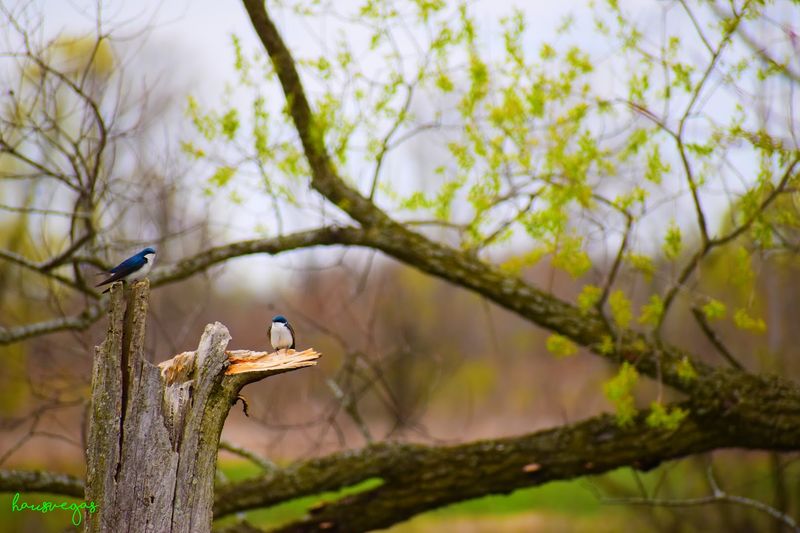
Big sky birding has its own rhythm, and May is a perfect time to experience it. In open country, the excitement comes from scanning distance, reading movement over fields, and picking birds out of broad wetlands and grasslands.
That is the magic of Killdeer Plains Wildlife Area near Harpster, one of Ohio’s best spots for open habitat species.
This area is known for grasslands, marshes, and managed wetlands that attract raptors, shorebirds, waterfowl, and meadow birds. The habitat contrasts sharply with Ohio’s forest migration hotspots, giving birders a chance to focus on species that prefer open views and expansive feeding areas.
Depending on conditions, you might spend as much time looking across the horizon as into nearby vegetation.
A spotting scope is especially useful here, since many birds may be distant and spread across wide areas. Wind can shape your experience, but active mornings still offer strong possibilities for hawks, swallows, blackbirds, and lingering waterbirds.
Slow driving, frequent stops, and patient scanning often work better than committing to one place too long.
If you want a change from woodland warbler chasing, Killdeer Plains is an excellent addition to a May itinerary. It is managed by Ohio Department of Natural Resources near Harpster, with maps and area updates online.
The openness feels refreshing, and the birding can be surprisingly dramatic.