Set in the quiet mountain community of Brasstown, John C. Campbell Folk School is one of North Carolina’s most meaningful places for creativity, tradition, and hands-on learning.
The school has been welcoming students for nearly a century, offering classes in everything from blacksmithing and pottery to weaving, music, painting, cooking, and woodworking.
The campus itself adds to the appeal, with peaceful walking paths, mountain views, studios, gardens, and gathering spaces that encourage conversation and reflection.
It’s a destination that reminds travelers how rewarding it can be to slow down, make something by hand, and connect with a tradition larger than themselves.
A Week on Campus, Clay County, North Carolina
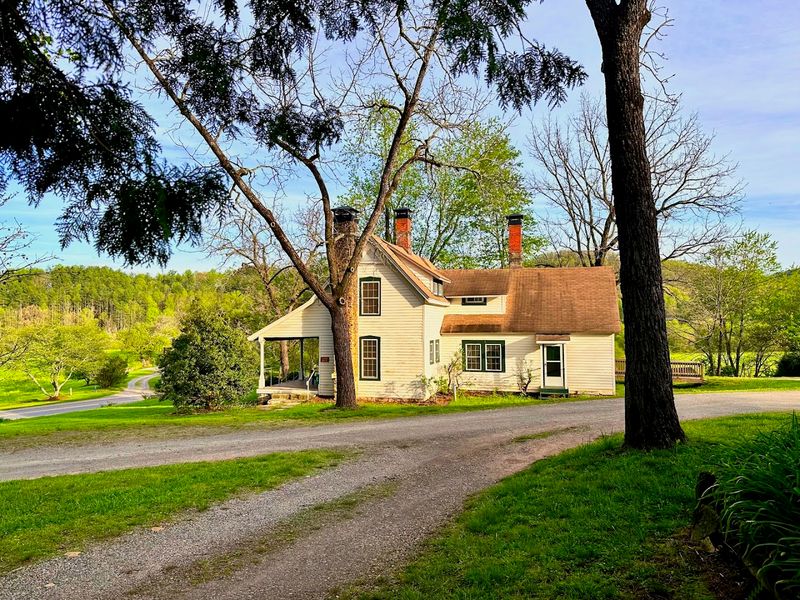
You don’t come here only to build skills, but also to experience a setting where craft is treated as both art and heritage.
John C. Campbell Folk School in Brasstown, Clay County, does that with quiet roads, wooded views, and a campus layout that feels easy to settle into.
I like that the setting works almost like a reset button, especially if you arrive carrying too much noise from regular life.
Classes usually run for days rather than hours, so people can dig into a craft without watching the clock every five minutes.
The school offers room and board, and many visitors mention that staying on site changes the whole experience because meals, workshops, and evening activities flow together naturally.
If you prefer planning ahead, checking the course catalog early matters because popular sessions fill faster than fresh coffee disappears at breakfast.
The practical details help too: the address is One Folk School Road, the phone number is 828-837-2775, and the website lists schedules, lodging, and materials clearly.
I appreciate that the atmosphere stays focused on learning rather than showing off. By the end of a week, even the calendar feels handmade.
Pottery Studios and Clay Classes, Clay County, North Carolina
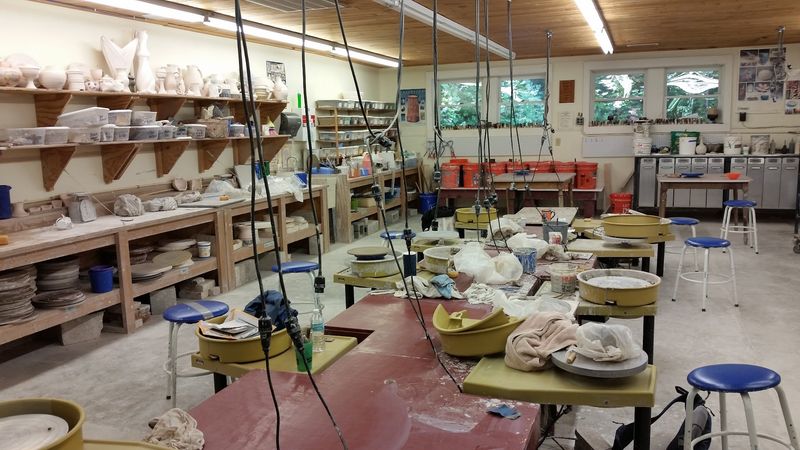
Mud has a funny way of making people more patient.
John C. Campbell Folk School offers pottery experiences in Brasstown, Clay County, that let beginners and practiced makers spend real time with wheels, handbuilding, glazing, and kiln-fired surprises.
I think that longer class formats help because clay rarely rewards anyone who wants instant perfection.
The studios are set up for focused work, and reviews often mention how well equipped the classrooms feel across the school.
That matters in ceramics, where space, tools, and instructor guidance can turn a wobbly first attempt into something you actually want to keep.
If you sign up, bring clothes that can handle splatter and a willingness to laugh when a bowl decides it had other plans.
What I like most is that pottery here fits the school’s broader mission of learning by doing, not rushing, and sharing skills across generations.
The mountain setting also suits clay work in a grounded, practical way. You leave with pieces in progress, but also with better hands for noticing detail.
Woodworking and Woodturning, Clay County, North Carolina
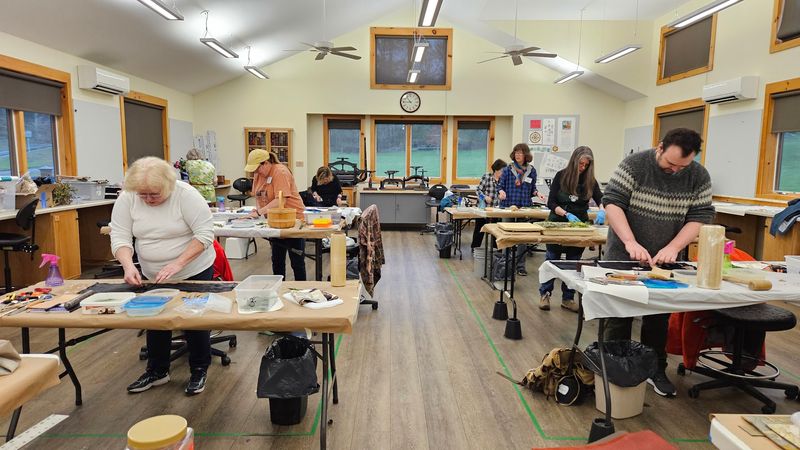
Sawdust tends to settle where good concentration lives.
John C. Campbell Folk School hosts woodworking and woodturning classes in Brasstown, Clay County, where students can spend several days learning technique, tool safety, shaping, and finishing from skilled instructors.
I enjoy how the school treats handwork as something lived, not just demonstrated from a distance.
Several reviewers specifically praise the woodturning courses, and that says a lot because a well run shop needs both strong teaching and reliable equipment.
The longer format gives you time to understand grain, correct mistakes, and build confidence without the pressure of cramming everything into one rushed afternoon.
A smart tip is to read the supply list carefully before arrival, since some classes provide plenty while others expect you to bring specialty items.
There is also a real satisfaction in making something useful from a rough block of wood while mountains sit just outside the windows.
The school’s noncompetitive tone helps newcomers ask basic questions without embarrassment.
By the last day, the shavings on the floor feel like proof that your week meant something.
Appalachian Music, Dance, and Shape Note Singing, Clay County, North Carolina
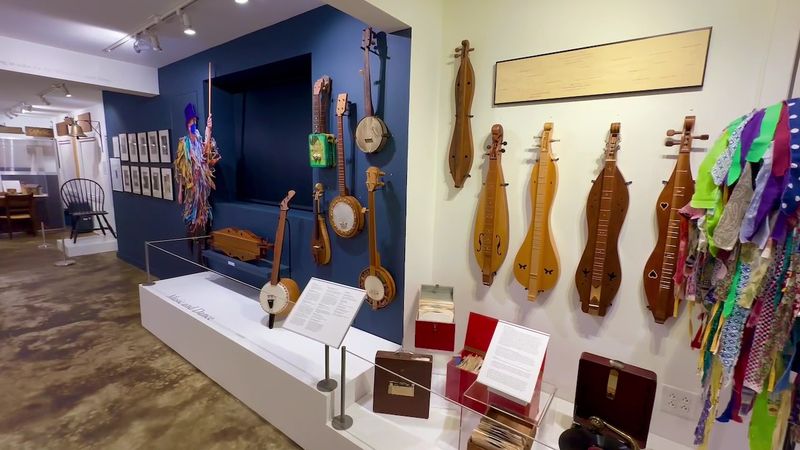
By evening, the campus often changes key instead of pace.
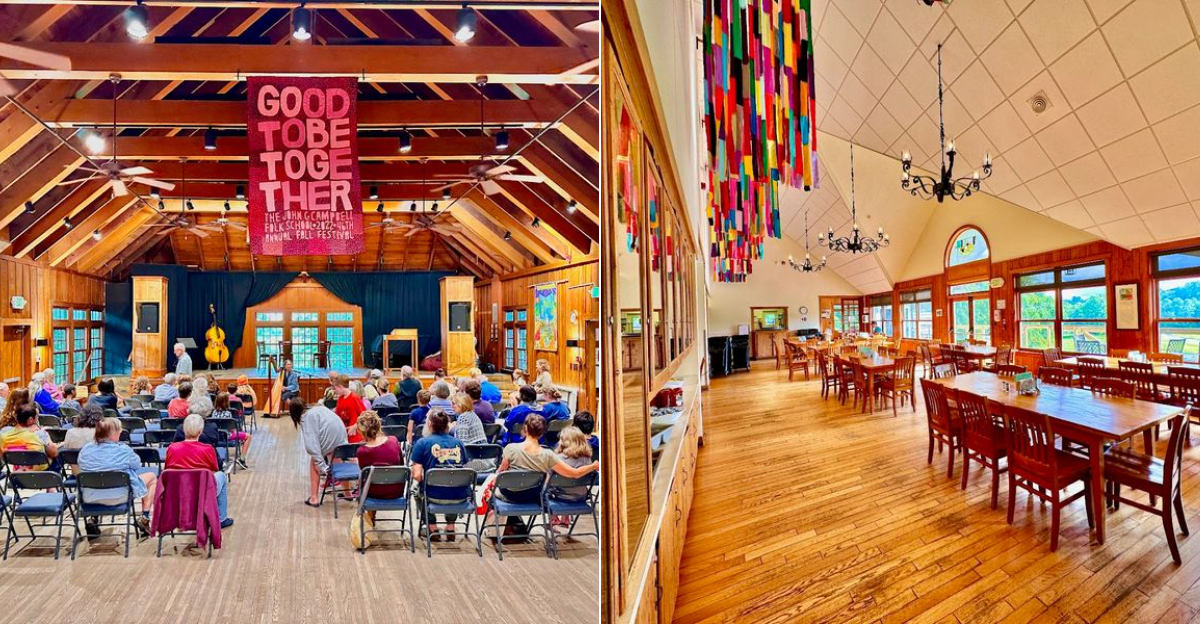
John C. Campbell Folk School in Brasstown, Clay County, is known not only for visual arts but also for Appalachian music, dance, and traditions such as shape note singing that keep the place humming after classes end.
I love that learning here does not stop when the tools are put away.
Visitors have mentioned contra dances at the Keith House and special singing gatherings, and those events reveal how the school preserves culture through participation rather than display.
You do not need to arrive as a polished musician to enjoy it, which is part of the charm. If communal dancing feels intimidating, standing back for one tune usually lasts about a minute before the room pulls you in.
This side of the school gives the week a social rhythm that balances solitary craft time with shared experience.
It also anchors the campus to the wider traditions of the southern mountains without turning them into museum pieces.
Some places teach technique, but this one also teaches how a tradition sounds when people actually use it.
Instructors, Workshops, and Learning Style, Clay County, North Carolina
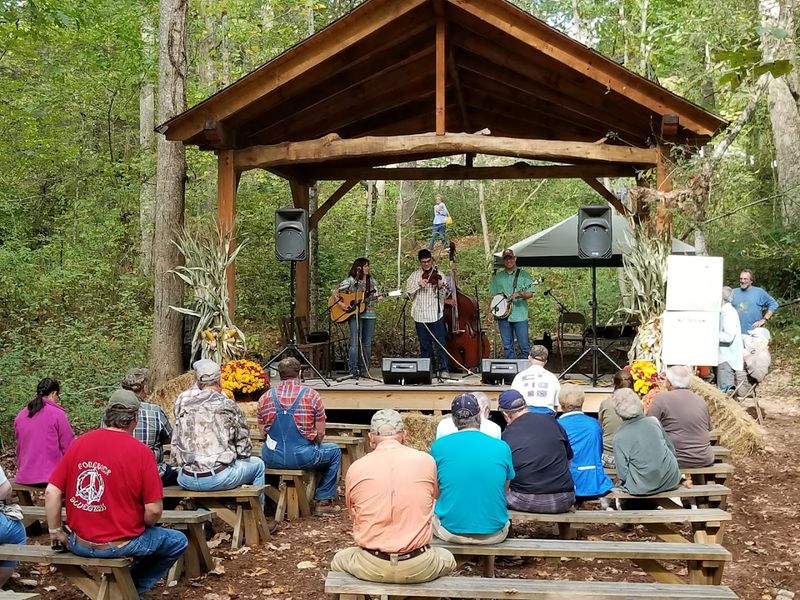
A good class can change your week, but a good teacher can change your confidence.
John C. Campbell Folk School in Brasstown, Clay County, has built a reputation around instructors who know their craft and can guide everyone from curious beginners to experienced makers.
I noticed that many repeat visitors talk about the teachers first, which is usually the clearest compliment.
The catalog spans pottery, jewelry, textiles, carving, blacksmithing, book arts, and more, so the teaching style has to flex without losing warmth.
Most reviews describe a noncompetitive environment, and that matters because adults often arrive excited yet quietly nervous about not being good enough.
My favorite practical advice is simple: pick a class because the process interests you, not because you think you should leave with a perfect object.
Not every single experience will land the same for every student, and one unhappy review reminds me that expectations, group dynamics, and instructors all shape a workshop.
Still, the broader pattern points to respectful, skill-rich teaching.
When a school inspires people to return dozens of times, the lesson plan is clearly doing something right.
Room, Board, and Everyday Rhythm
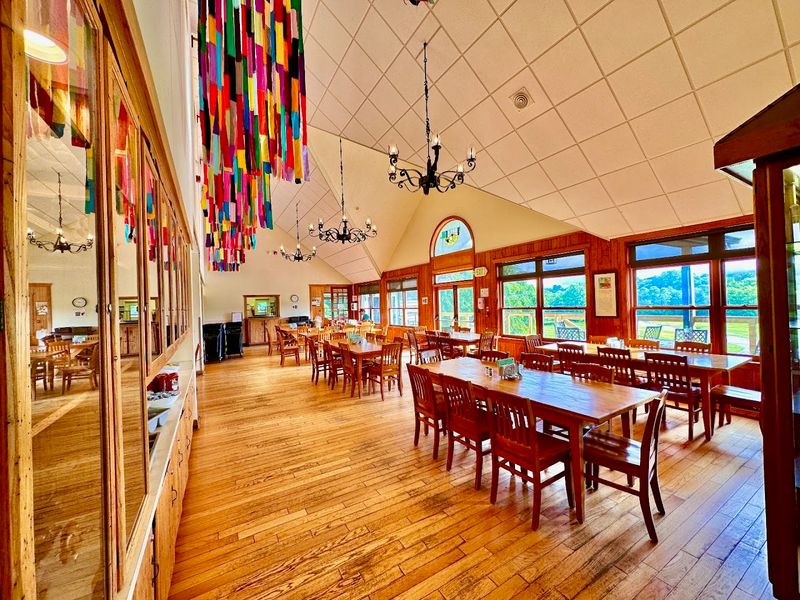
The secret ingredient is often not in the studio at all.
John C. Campbell Folk School in Brasstown, Clay County, offers room and board that turns a class into a full immersion stay, with simple accommodations, shared meals, and the easy habit of seeing the same faces from breakfast through evening programs.
I think that continuity is why many guests describe it as more than a vacation.
Recent reviews praise the on-site lodging, food quality, and options for different dietary needs, including gluten-free, dairy-free, and vegan preferences.
That practical comfort matters after a day at the wheel, loom, or lathe, because nobody learns well when they are tired, hungry, or driving back and forth.
If you are debating whether to stay on campus, I would lean yes unless you specifically want more privacy or need pet-friendly off-site lodging.
The daily rhythm seems intentionally gentle without becoming dull, and that balance is harder to create than it looks.
Meals become conversation starters, and those conversations often spill into new friendships or future class ideas.
And, as the supper rolls around, the whole place feels like it has found your pace for you.
Craft Shop, Festivals, and Seasonal Events
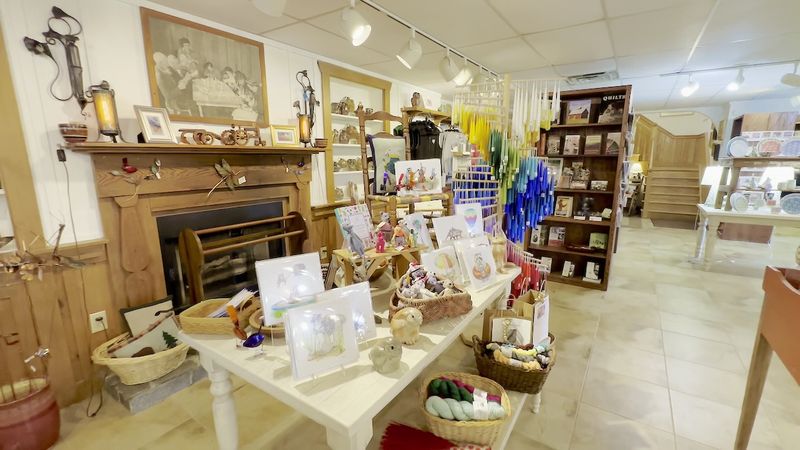
Not every memorable visit begins with a class roster.
John C. Campbell Folk School in Brasstown, Clay County, also draws people for its craft shop, open houses, and seasonal festivals, especially the fall and Christmas events that regulars praise for quality handmade work and a festive campus atmosphere.
I like that even a shorter visit can still show what the school values.
The gift shop is known for selling handcrafted pieces by local artists, instructors, and students, which makes browsing feel more personal than a standard souvenir stop.
Festival days add demonstrations and a wider look at the studios, so they are useful if you want to scout the place before committing to a weeklong course.
One practical tip is to arrive early for popular seasonal events because parking, crowds, and tempting purchases all build quickly.
These public gatherings also make the school part classroom, part community hub, and that combination keeps it from feeling closed off.
Reviews repeatedly mention the craftsmanship on display, and that consistency says something about standards.
Even if you leave with just a mug or scarf, you still take home a little evidence of the place.
Why People Keep Returning
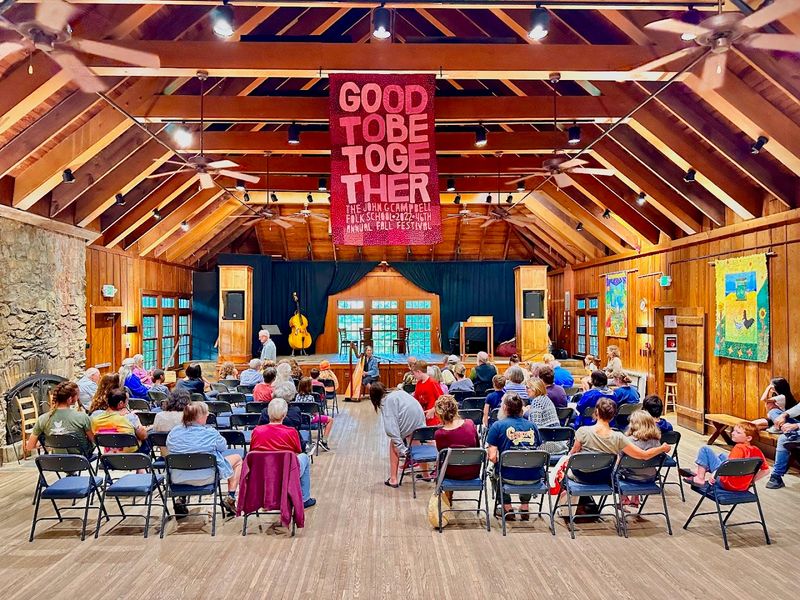
Return visits tell the story better than any brochure ever could.
John C. Campbell Folk School in Brasstown, Clay County, inspires the kind of loyalty that shows up in reviews from people who have attended for years, sometimes dozens of times, because the combination of craft, community, and mountain calm keeps calling them back.
I always pay attention when a place turns first-timers into regulars.
Part of that pull is variety: one trip might center on jewelry, the next on felting, woodturning, or singing, which means the school can keep feeling fresh without changing its core spirit.
Another part is emotional, since many guests describe arriving stressed and leaving lighter, more capable, and newly connected to people they had just met.
If you are choosing your first session, it helps to think less about mastery and more about what would make you curious for a full week.
The school has a 4.7-star rating, and that broad approval matches the steady stream of affectionate reviews. It is not just about producing beautiful objects, though plenty get made.
What stays with people is the rare pleasure of learning in a place that still believes making things together matters.