Spring in Georgia brings a sweet spot between winter chill and summer heat that makes outdoor exploring absolutely perfect.
The state’s diverse landscapes come alive with blooming flowers, rushing waterfalls, and crisp mountain air that invites long hikes and lazy walks through historic towns.
From coastal islands to Blue Ridge peaks, Georgia offers scenic spots that truly shine when temperatures hover in the comfortable 60s and 70s.
Whether you’re chasing waterfalls, wandering antebellum streets, or simply breathing in fresh mountain breezes, these attractions deliver memorable experiences best savored during cool spring days.
Cloudland Canyon State Park (Trenton)
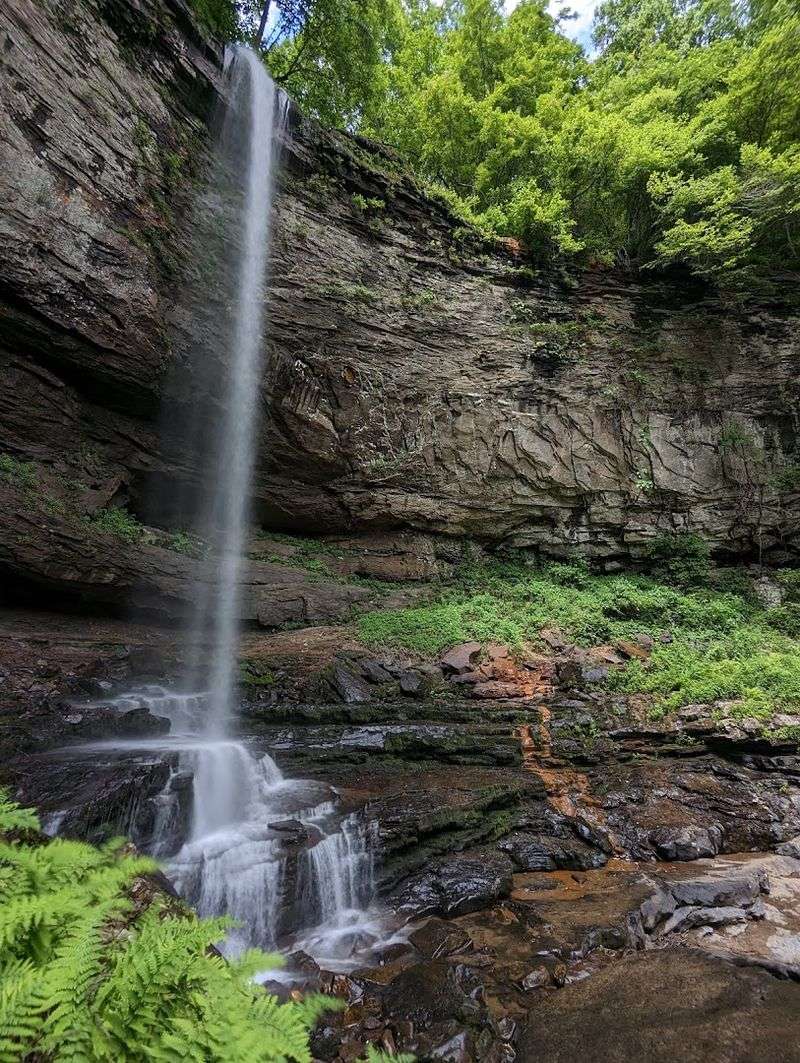
Perched on the western edge of Lookout Mountain, this park showcases Georgia’s most dramatic canyon scenery. The West Rim Loop trail becomes especially rewarding in spring when recent rains send waterfalls tumbling over sandstone cliffs with impressive force.
Cool temperatures make the steep descents and climbs far more pleasant than summer’s sticky heat.
Cherokee Falls and Hemlock Falls are the main attractions, accessible via staircases that wind down into the canyon’s depths. Spring mist rises from the rushing water, creating atmospheric views that photographers absolutely love.
The overlooks along the rim provide sweeping vistas across the gorge, where layers of rock tell millions of years of geological history.
Pack a picnic to enjoy at one of the scenic spots, or extend your visit by camping overnight. The spring blooms add pops of color to the predominantly rocky landscape.
Early mornings offer the best light and fewer crowds for capturing those Instagram-worthy shots.
Washington-Wilkes Historic District (Washington)
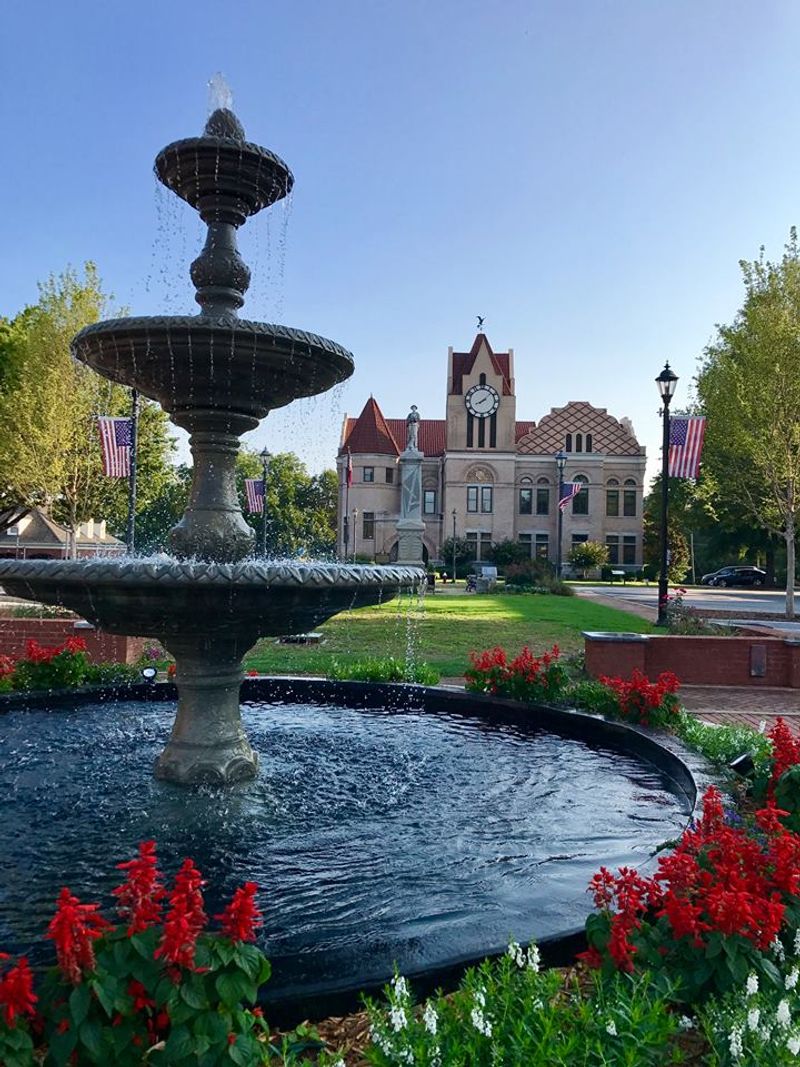
Step back in time where history feels less like a museum and more like a living neighborhood. Washington survived Sherman’s march, leaving behind one of Georgia’s best-preserved collections of antebellum architecture.
Spring transforms already beautiful streets into floral showcases when dogwoods, azaleas, and wisteria burst into color against white-columned homes.
Walking these quiet sidewalks offers a relaxing pace that summer heat often discourages. The Robert Toombs House and Washington Historical Museum provide fascinating glimpses into pre-Civil War Georgia life.
Local gardens reach peak beauty in spring, and the lack of crowds means you can actually appreciate the details of Greek Revival and Victorian architecture without competing for space.
Several antique shops line the streets, perfect for browsing after your walking tour. The town hosts occasional spring festivals that celebrate its heritage with food, crafts, and storytelling.
Bring comfortable shoes because you’ll want to wander every block of this charming district.
Tallulah Falls & Surrounding Gorge Area
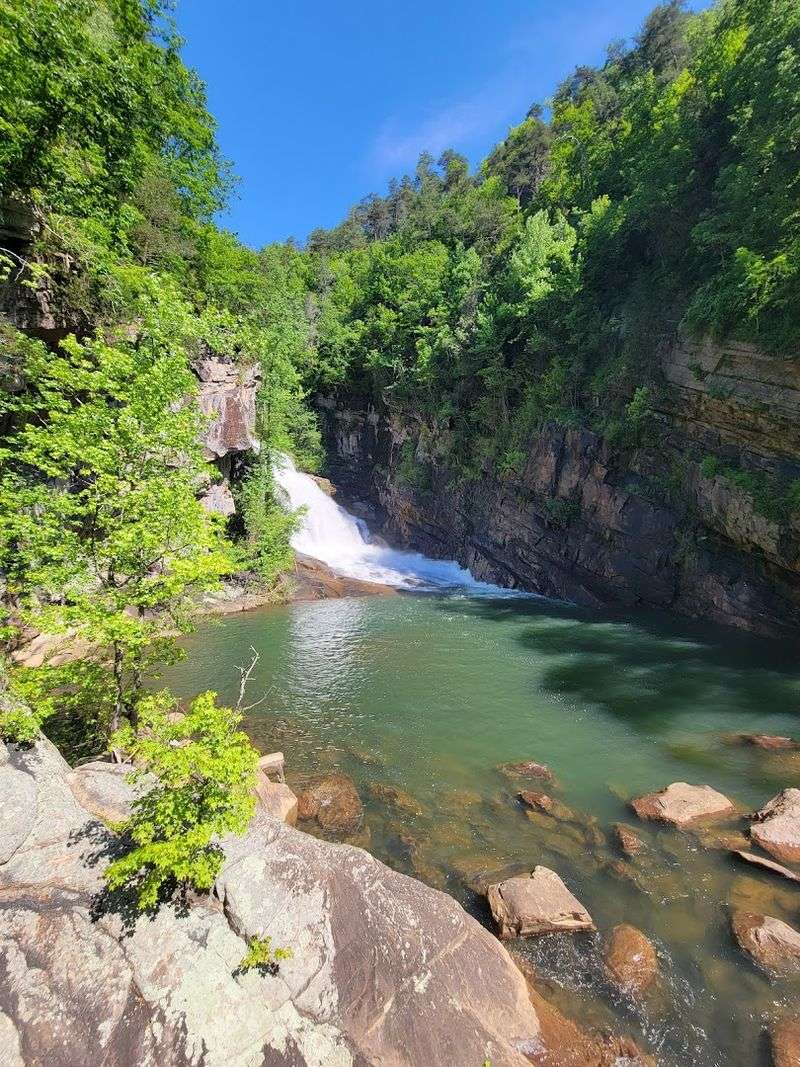
Few natural wonders in Georgia match the raw power of Tallulah Gorge when spring rains feed the river. The Tallulah River plunges nearly 1,000 feet through a two-mile gorge, creating a series of waterfalls that roar with seasonal intensity.
Mist rises from the churning water below, catching sunlight in rainbow displays that shift throughout the day.
Hiking to the gorge floor requires a free permit and decent fitness, but those who make the descent are rewarded with up-close waterfall views that summer’s lower water levels can’t match. The suspension bridge swaying 80 feet above the rocky bottom provides thrilling perspectives.
Spring temperatures keep the steep climbs from becoming exhausting ordeals.
Multiple overlooks along the rim offer impressive views without the strenuous hike. The nearby town of Tallulah Falls maintains its mountain charm without excessive tourism development.
Visit on weekdays if possible to experience the gorge’s majesty in relative solitude.
Black Rock Mountain State Park (Mountain City)
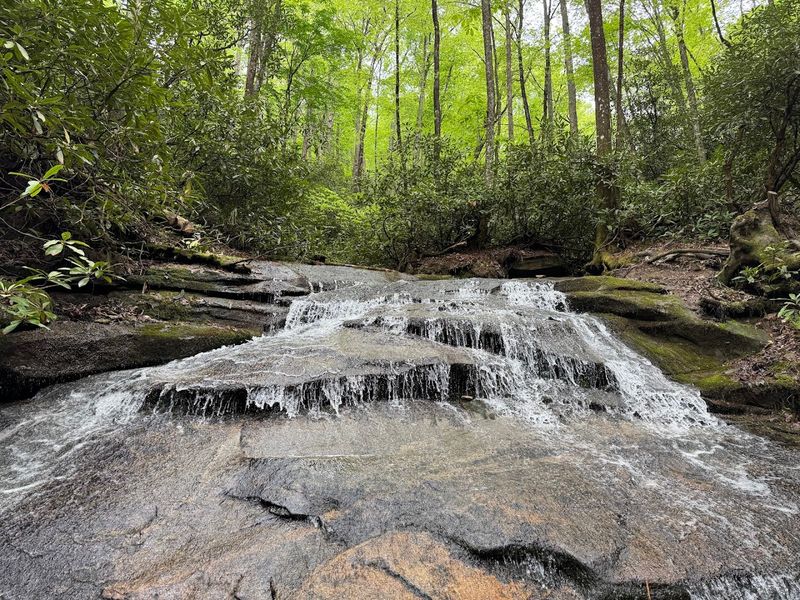
Georgia’s highest state park sits at 3,640 feet, where cool spring air feels refreshingly crisp even when lowland areas start warming. The elevation delivers spectacular views across wave after wave of Blue Ridge foothills stretching into Tennessee and the Carolinas.
Spring brings the bonus of rhododendron and mountain laurel beginning their blooming cycles along wooded trails.
The James E. Edmonds Backcountry Trail offers solitude for serious hikers, while shorter paths like the Tennessee Rock Trail provide big rewards with moderate effort.
Sunrise and sunset transform the mountain layers into graduating shades of blue and purple. Spring’s clearer skies enhance visibility, letting you spot landmarks dozens of miles away.
Camping options range from RV sites to walk-in tent spots that feel wonderfully remote. The park’s relatively small size means you can explore most trails in a long weekend.
Wildlife becomes more active in spring, so keep eyes open for deer, turkeys, and various songbirds returning from winter grounds.
Madison Historic District (Madison)
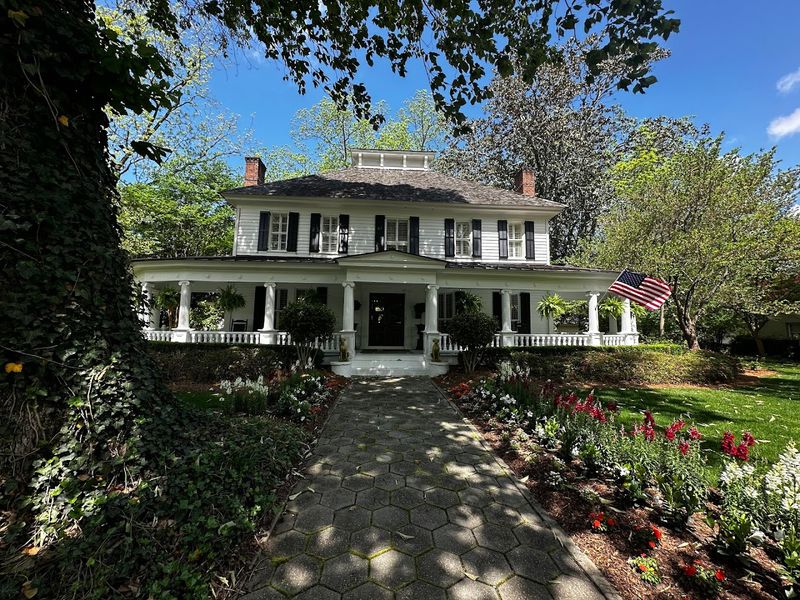
Legend says General Sherman spared Madison because it was too beautiful to burn, and spring proves that beauty persists. This gem of a town showcases perfectly maintained 19th-century homes surrounded by gardens that reach their absolute peak when spring arrives.
Massive oaks draped in Spanish moss shade sidewalks where strolling feels like the main activity.
The historic district covers several blocks of architectural treasures spanning Federal, Greek Revival, and Victorian styles. Many homes feature gardens designed in the original period styles, with boxwood hedges, heirloom roses, and carefully placed azaleas creating living time capsules.
Cool spring weather invites unhurried exploration that summer heat makes less pleasant.
Several historic homes offer tours that reveal how wealthy cotton planters lived before the Civil War. The downtown area mixes antique shops, local restaurants, and art galleries in buildings that have served the community for generations.
Photography enthusiasts will fill memory cards with images of flowering gardens framing elegant architecture.
Vogel State Park (Blairsville)
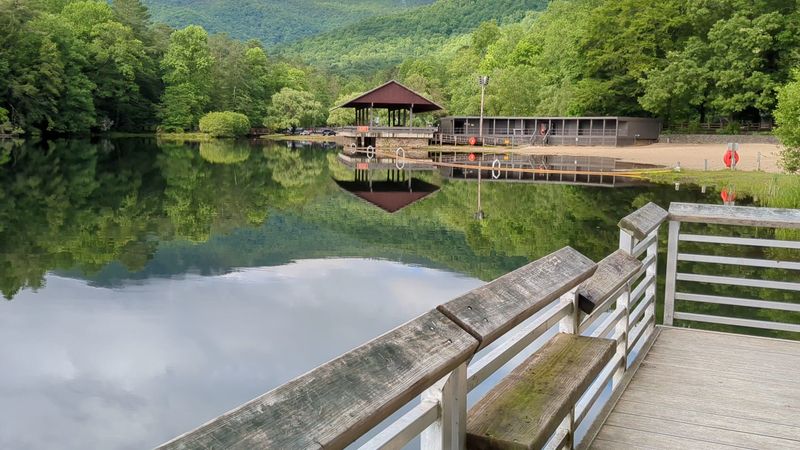
Established in the 1930s as one of Georgia’s first state parks, Vogel maintains a classic mountain retreat atmosphere. Trahlyta Lake sits calm and reflective in spring, mirroring surrounding peaks and freshly leafed trees in its clear waters.
The 4-mile loop trail around Blood Mountain offers challenging elevation gains rewarded with incredible Appalachian views.
Spring runoff keeps streams flowing vigorously throughout the park, adding musical accompaniment to forest hikes. Cool temperatures make the steeper trails manageable without overheating.
Wildflowers begin appearing along paths, while trout become more active in the stocked lake and creeks.
The stone and wood structures built by the Civilian Conservation Corps add historic character to camping areas and the visitor center. Paddle a kayak or canoe across the lake’s mirror surface on calm spring mornings.
The park’s location near other North Georgia attractions makes it an ideal base camp for exploring the region. Weekday visits in spring offer peaceful solitude before summer crowds arrive.
Sweetwater Creek State Park (Lithia Springs)
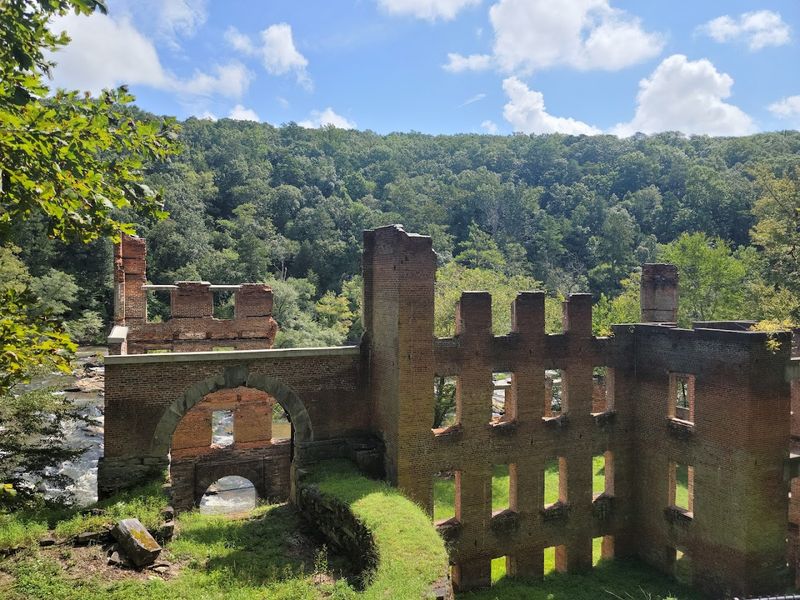
Just 15 miles from downtown Atlanta, Sweetwater Creek offers a surprising escape into both nature and history. The highlight remains the haunting ruins of the New Manchester Mill, a textile factory burned during the Civil War that now stands as a picturesque skeleton surrounded by forest.
Spring rains send the creek rushing past these brick remains, creating scenes that blend industrial history with natural beauty.
The trail system ranges from easy creekside walks to more challenging ridge paths offering elevated views. Spring woodland comes alive with returning birds, emerging wildflowers, and trees leafing out in bright greens.
Cool temperatures make the moderate climbs comfortable rather than sweaty ordeals.
Photographers love how the combination of ruins, rushing water, and spring foliage creates compelling compositions. The park’s proximity to metro Atlanta means easy access, though weekday mornings provide more solitude.
Bring a camera, wear sturdy shoes for potentially muddy trails, and plan time to simply sit by the creek listening to water flow past century-old bricks.
Sapelo Island (McIntosh County)
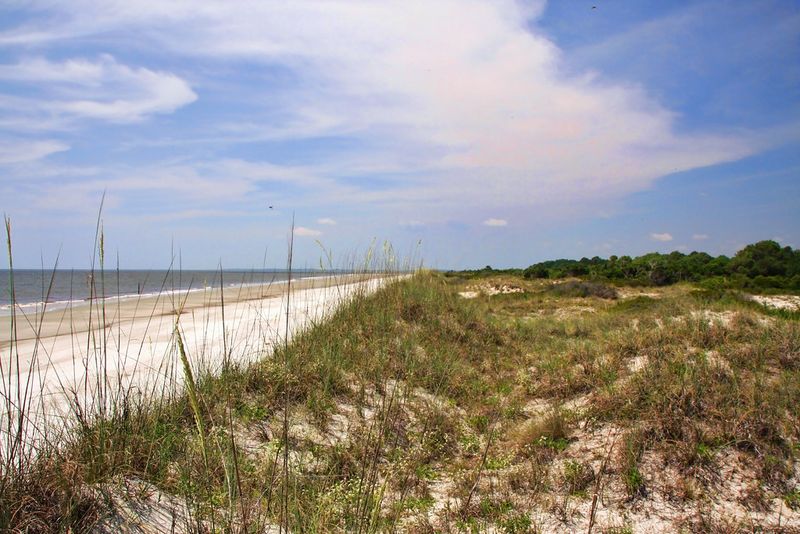
Accessible only by ferry, Sapelo Island remains one of Georgia’s least developed barrier islands. Spring visits offer comfortable temperatures for beach walking without summer’s intense sun and humidity.
The island’s Gullah-Geechee community maintains cultural traditions dating back to slavery, providing living history that enriches any visit beyond simple nature appreciation.
Guided tours explore maritime forests, salt marshes, and pristine beaches where development remains minimal. Spring brings migratory birds to the marshes, creating excellent birdwatching opportunities.
The Reynolds Mansion stands as an architectural curiosity, built by a tobacco heir in surprisingly ornate style for such a remote location.
Advance reservations are required for the ferry, and tour options vary by day, so planning ahead proves essential. The limited access keeps crowds manageable even during pleasant spring weather.
Pack everything you need since no commercial facilities exist on the island. The combination of natural beauty, cultural heritage, and genuine remoteness creates experiences increasingly rare along developed coastlines.
Helen & Unicoi State Park Area
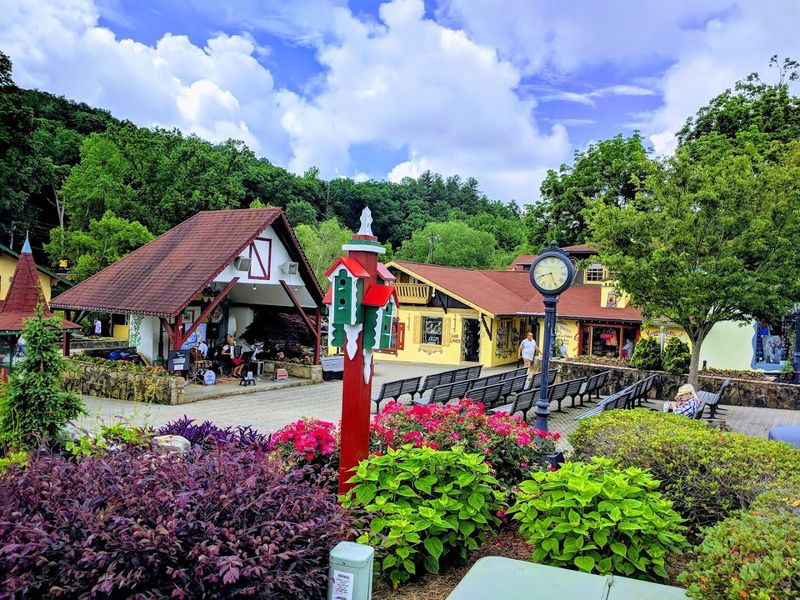
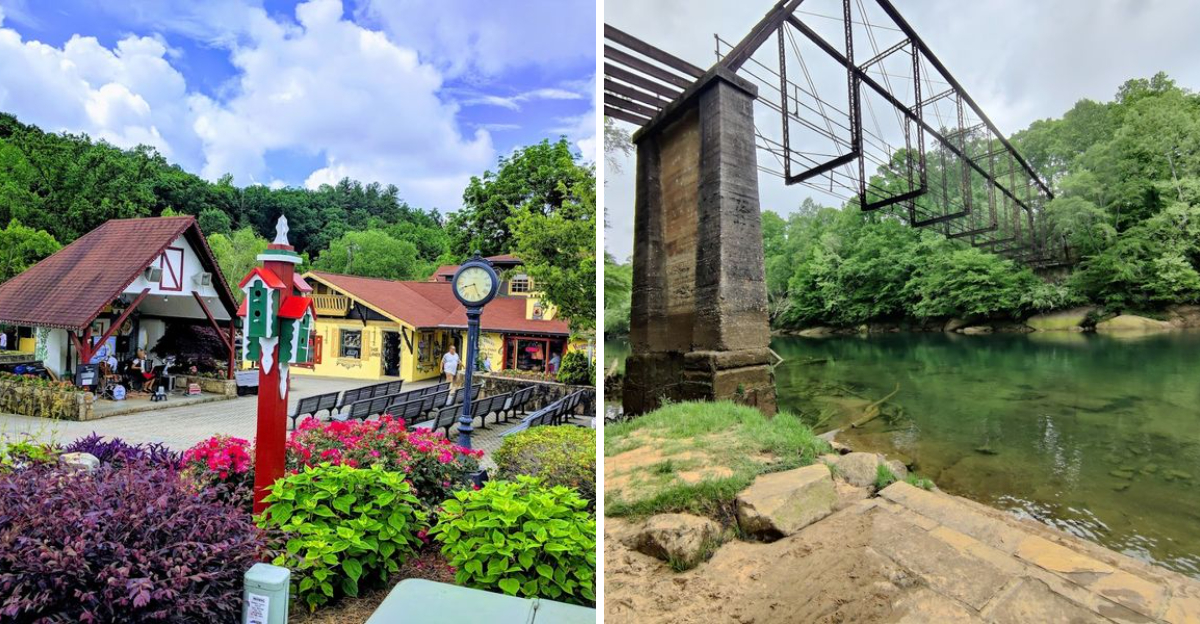
This unlikely pairing of Bavarian-themed tourism and genuine mountain beauty actually works surprisingly well. Helen’s Alpine village atmosphere feels less crowded in spring before peak tourist season arrives, while nearby Unicoi State Park delivers authentic North Georgia scenery.
Spring runoff sends waterfalls like Anna Ruby Falls thundering with impressive volume, and cool mountain breezes make hiking trails genuinely pleasant.
Unicoi Lake reflects surrounding peaks beautifully on calm spring mornings, ideal for kayaking or simply sitting with coffee on the beach. The park’s trail system connects to longer Appalachian footpaths for serious hikers, or shorter loops for families with children.
Spring temperatures in the 60s feel perfect for outdoor activities without bundling up or sweating through shirts.
Helen’s shops and restaurants provide convenient bases between outdoor adventures. The town’s Germanic architecture, while touristy, offers fun photo opportunities and surprisingly good food options.
Visit during weekdays when possible to enjoy both the natural areas and the town without fighting crowds or traffic.
Chattahoochee River National Recreation Area
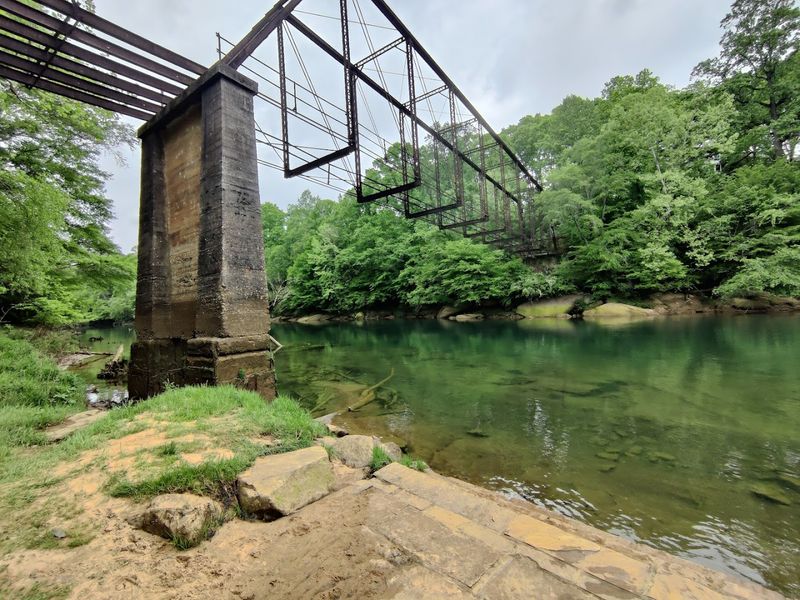
Stretching through metro Atlanta’s northern suburbs, this 48-mile river corridor protects surprising pockets of nature amid urban development. Spring temperatures transform the riverside trails from icy winter paths to comfortable woodland walks where new leaves create bright green canopies.
The river itself flows stronger with seasonal rains, making kayaking and tubing more exciting than summer’s sluggish conditions.
Multiple access points along the river mean you can choose experiences matching your fitness level and time available. Some sections offer gentle, family-friendly walks, while others feature more challenging terrain.
Spring brings wildflowers to the forest floor and returning songbirds to the trees.
The recreation area proves that accessible nature doesn’t require long drives to remote locations. Cool spring mornings invite early visits when wildlife remains active and trails feel peaceful.
Popular spots like Vickery Creek show both natural beauty and historic mill ruins. Pack water shoes for exploring shallow sections of the river, and expect to encounter fellow Atlantans escaping to nearby wilderness.
Pine Mountain (F.D. Roosevelt State Park)
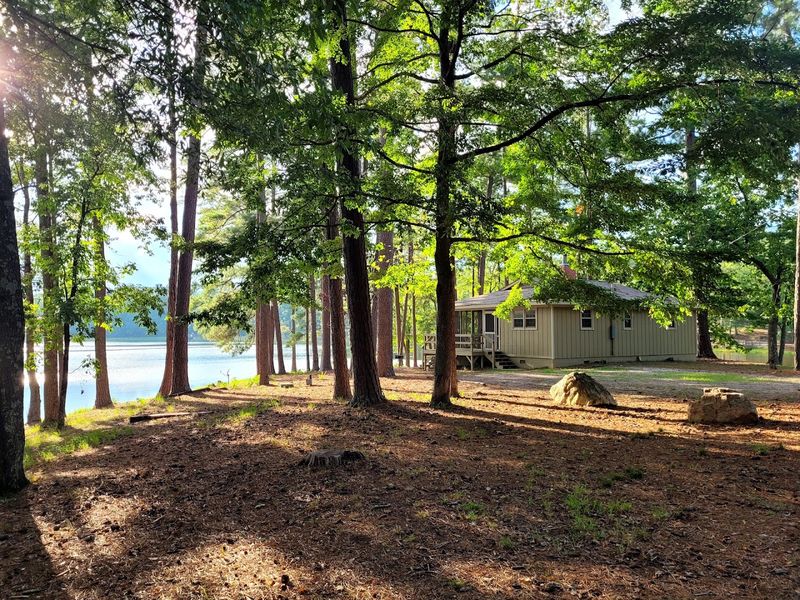
Georgia’s largest state park sprawls across 9,049 acres of Pine Mountain ridge, offering more trails than most visitors can explore in a single visit. Spring wildflowers carpet sections of forest floor, while longer days provide ample time for extended hikes.
The cool weather makes the 23-mile Pine Mountain Trail achievable for backpackers without the exhaustion that summer heat brings.
President Franklin D. Roosevelt visited this area regularly for the warm springs nearby, and the park preserves some historic structures from that era.
Overlooks along the ridge provide views stretching across rolling southern landscapes quite different from North Georgia’s dramatic peaks. Spring’s clearer air enhances these vistas considerably.
The park offers everything from short nature walks to challenging backcountry camping experiences. Liberty Bell Pool, a distinctive stone swimming area built by the CCC, waits for summer visitors, but spring hikers enjoy the surrounding trails without crowds.
Horseback riding trails wind through sections of the park, and spring conditions keep dust down while temperatures stay comfortable for both riders and horses.
Skidaway Island State Park (Savannah Area)
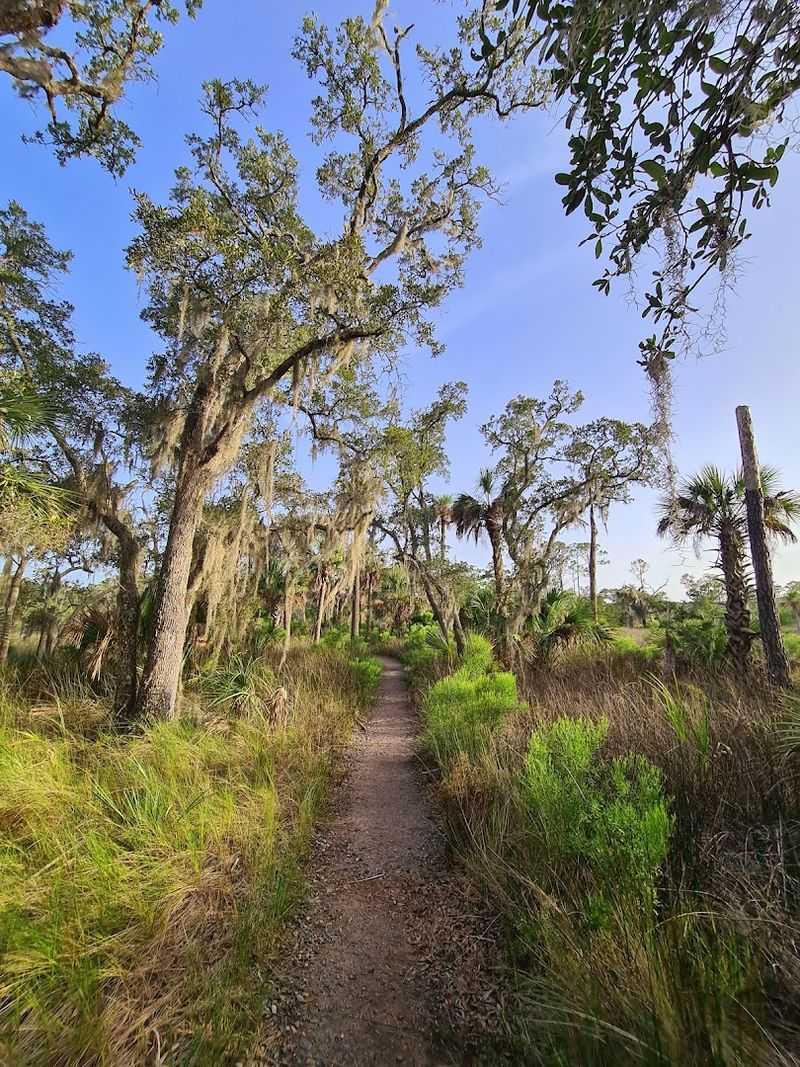
Located just outside Savannah, Skidaway Island offers coastal Georgia experiences without the crowds that pack downtown’s historic squares. Spring brings ideal conditions for exploring the park’s marsh boardwalks and oak-shaded trails where temperatures stay comfortable and biting insects remain manageable.
The maritime forest creates a canopy of live oaks draped in Spanish moss that photographers find endlessly captivating.
Elevated boardwalks extend into salt marshes where tidal creeks flow according to ocean rhythms. Spring brings numerous coastal birds, including herons, egrets, and sometimes roseate spoonbills showing off pink plumage.
Soft ocean breezes carry salt air through the forest, creating a sensory experience distinct from inland parks.
The park’s interpretive center explains the unique coastal ecosystem and Gullah-Geechee cultural history. Camping options range from RV sites to primitive tent spots surrounded by forest.
Spring tides can be particularly dramatic, transforming the marsh from mudflats to waterways within hours. Combine a park visit with nearby Tybee Island beaches or historic Savannah for a complete coastal Georgia experience.