Georgia’s creative learning spaces make timeless skills feel accessible, whether you’re trying a craft for the first time or returning to something you’ve always loved.
Across the state, art centers, studios, and folk schools offer hands-on classes in pottery, blacksmithing, printmaking, painting, fiber arts, woodworking, and more.
These places are built around the idea that creativity grows best through practice, patience, and encouragement.
Many also reflect Georgia’s strong connection to Southern craft traditions, where making things by hand remains both practical and deeply personal.
For travelers who want an experience that feels meaningful, memorable, and rooted in skill, these Georgia craft schools offer a rewarding way to connect with art.
1. Callanwolde Fine Arts Center, DeKalb County
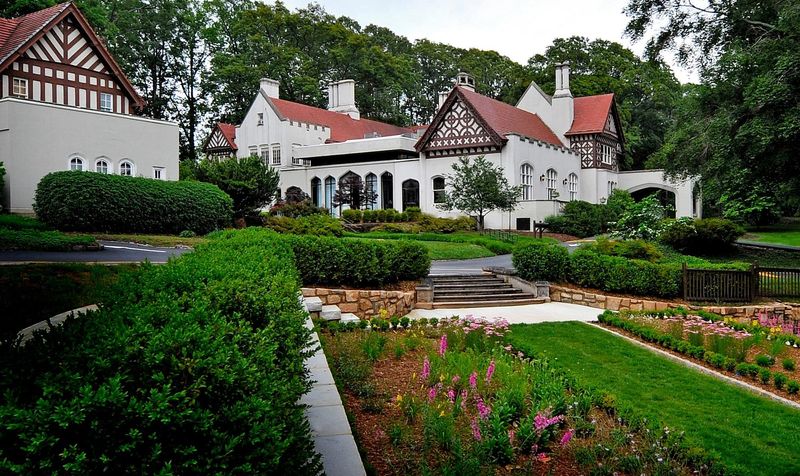
Creativity feels more inviting when the building already looks like art itself.
Callanwolde Fine Arts Center in Druid Hills, Atlanta fills a historic estate with pottery, painting, jewelry, dance, and photography classes that welcome beginners without making anyone feel behind.
I like that the setting adds character before the lesson even starts, and the old Candler mansion gives every visit a little extra texture.
Something practical hides beneath the romance, too.
The center runs year-round courses, workshops, and camps, so it works whether you want a single creative spark or a longer commitment, and parking is easier if you arrive a bit early for popular evening classes.
Between sessions, I would take a slow walk around the grounds, because the gardens and architecture can reset your brain before you head back to the studio.
Callanwolde also hosts concerts and festivals, which means your art class can easily turn into a full cultural outing instead of just another appointment.
I love places that let you slow down, make a mess, and leave with something real, that you made with your own hands.
2. Spruill Center for the Arts, DeKalb County
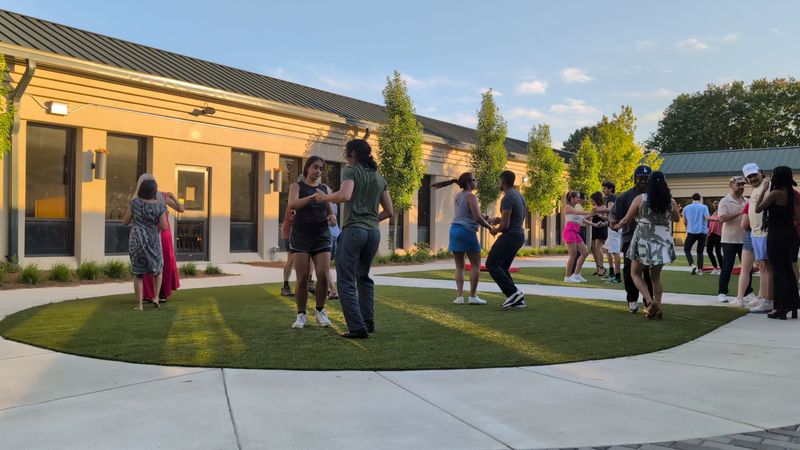
A good art school can turn a regular weeknight into something you actually look forward to.
Spruill Center for the Arts in Dunwoody offers a broad menu of classes, including ceramics, painting, jewelry, drawing, fiber arts, and mixed media, all with a community feel that keeps the pressure low.
I appreciate how easy it is to find a course that matches your schedule, especially if you want to test a medium before committing.
The energy here stays grounded and local in the best way. Spruill also supports artists through exhibitions and markets, so you are learning in a place that connects skill building with real creative livelihoods, and the nearby Spruill Gallery adds another layer to the experience.
If you go for ceramics, wear clothes that can handle a little clay confetti, because the studios are active and hands-on.
Dunwoody may be known for convenience, but this center proves suburbia can still be a place where handmade work gets the last word.
The result is more than a finished piece, it’s the satisfaction of slowing down and creating something with intention.
3. Chastain Arts Center, Fulton County
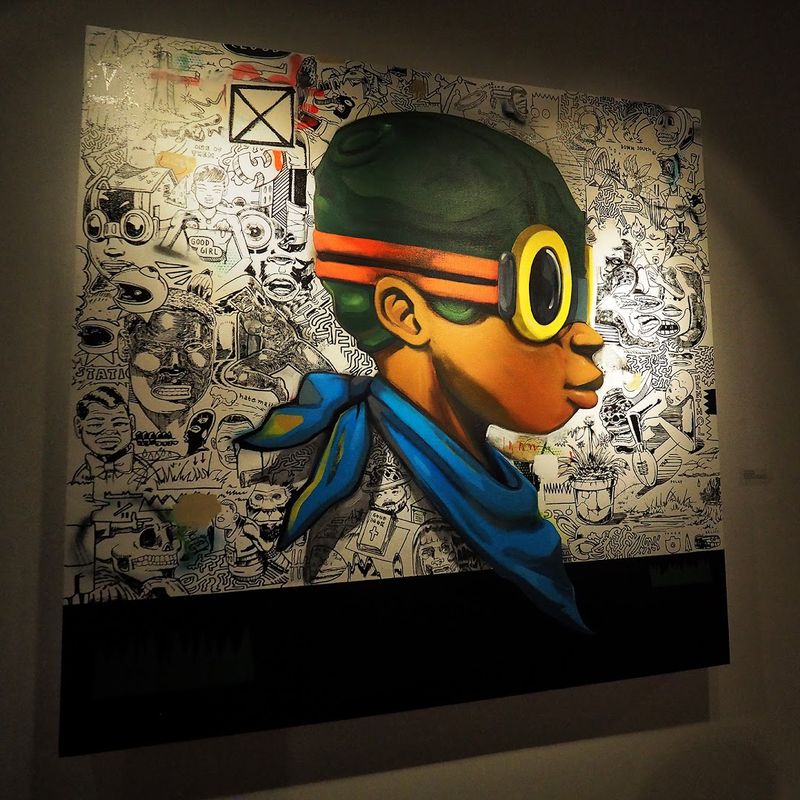
Sometimes the best creative spaces feel pleasantly unfussy from the moment you arrive.
Chastain Arts Center in Atlanta sits within Chastain Park and offers classes in ceramics, sculpture, painting, jewelry, and drawing, with a long-running reputation as one of the city’s most accessible public art hubs.
I like that it feels serious about craft without becoming stiff, which is a harder balance than it sounds.
The park setting gives the whole experience breathing room.
Before or after class, I would budget extra time for the galleries and grounds, because seeing finished work nearby can sharpen your eye, and the wooded surroundings make the trip feel less rushed than a typical city errand.
Chastain also serves a wide age range, so the atmosphere is usually lively rather than hushed, and that keeps beginners from feeling like they wandered into the wrong room.
If you are curious about trying clay in Atlanta, this is one of those places where the wheel keeps turning and the intimidation level stays refreshingly low.
4. Atlanta Printmakers Studio, Fulton County
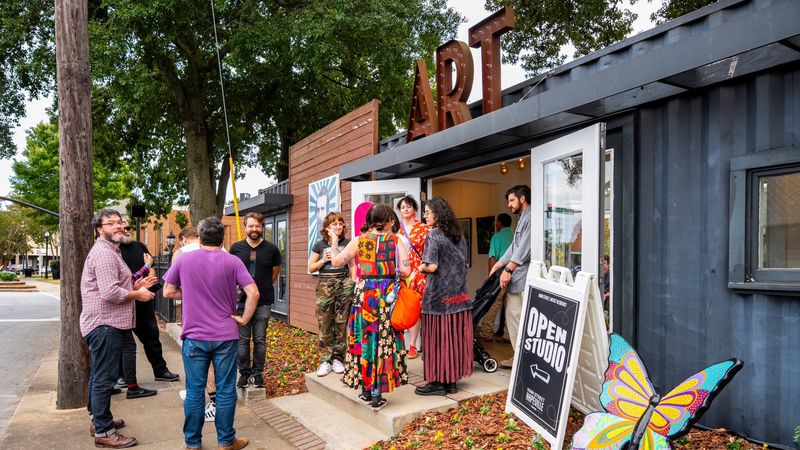
Ink has a way of making process look beautifully complicated, even when a class helps break it down. Atlanta Printmakers Studio in Hapeville offers access to printmaking workshops, exhibitions, and professional equipment for techniques like etching, relief, lithography, and screenprinting.
I love places where craft and experimentation share the same table, and this studio clearly speaks that language.
The atmosphere tends to reward patience and close looking. Because printmaking involves layers, registration, pressure, and surprise, beginners often learn quickly by watching a demo, trying a plate, and seeing results appear step by step, which makes each success feel earned instead of accidental.
If you visit for a class, bring a folder or sturdy sleeve for carrying paper home, and do not be shy about asking about the presses because the tools are part of the education.
Hapeville has grown into a creative pocket south of Atlanta, and this studio fits that identity well by giving traditional print processes a working home rather than treating them like museum leftovers.
5. Hudgens Center for Art & Learning, Gwinnett County
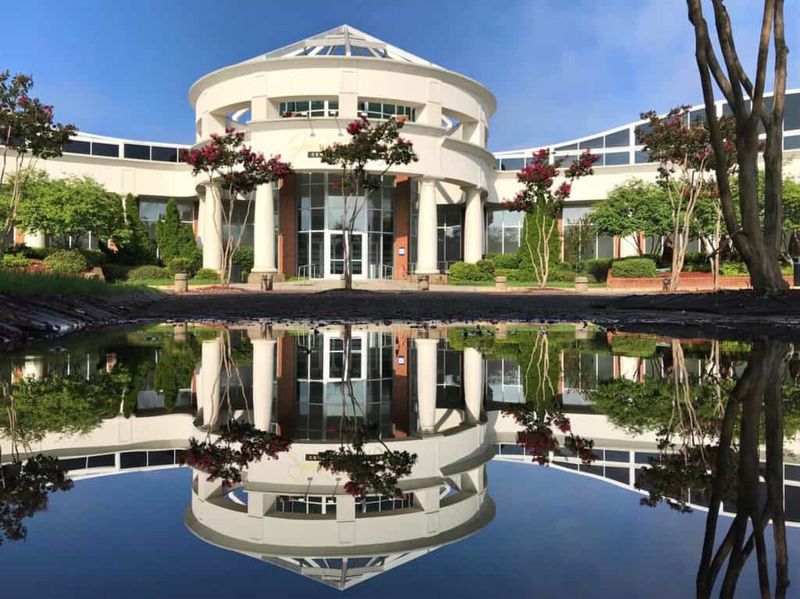
Learning feels easier when the room seems to say you belong here.
The Hudgens Center for Art & Learning in Duluth blends gallery programming with classes in ceramics, painting, drawing, and mixed media, creating a space where seeing art and making art naturally feed each other.
I always enjoy centers that treat curiosity as enough of a credential, and this one does exactly that.
There is a practical rhythm to the experience that helps new students settle in fast.
Because the center regularly hosts exhibitions and community events, you can pair a class with extra time in the galleries, and that makes the visit feel fuller without becoming overwhelming.
If you are coming from around Gwinnett, the location is convenient enough for repeat visits, which matters when a new skill really needs repetition more than inspiration.
The campus at the Gas South District also gives the center a visible public presence, and that adds a nice reminder that creativity here is not tucked away.
After all, it is part of everyday life in Duluth.
6. Atlanta School of Blacksmithing, Fulton County
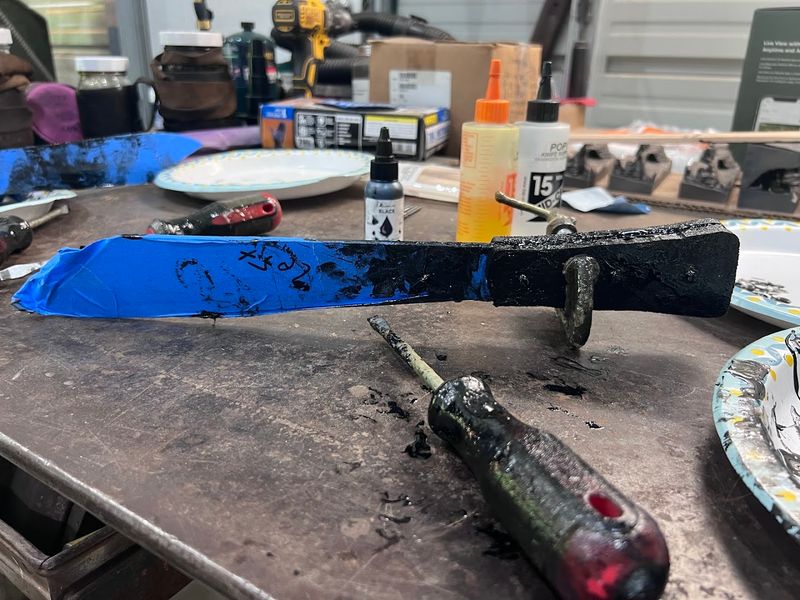
Few classes sound as satisfying as one where sparks are part of the lesson plan.
Atlanta School of Blacksmithing in Atlanta teaches forging through hands-on workshops that introduce students to fire, hammer control, and basic tool use in a way that feels direct and memorable.
I think metalwork has a special kind of honesty, because you know right away whether your technique worked.
The experience is tactile from the first strike to the final polish.
Intro sessions often focus on approachable projects like hooks, bottle openers, or small decorative pieces, which means you leave with a finished object instead of a vague memory, and that is great for nervous first-timers.
Wear natural fibers, closed-toe shoes, and expect a warm shop, because this is not the kind of place for delicate outfits or distracted energy.
What stands out most is how quickly the process turns intimidation into concentration, and by the end, the ring of hammer on steel starts sounding less like noise and more like a rhythm you can actually follow.
7. Savannah Clay Community, Chatham County
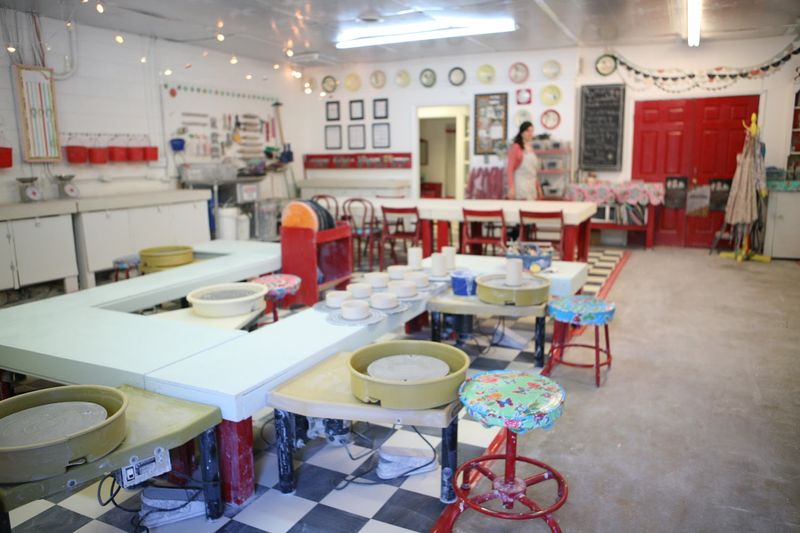
Clay classes often begin with a wobble, and that is part of the charm. Savannah Clay Community in Savannah focuses on ceramics with classes, studio access, and events that support everyone from curious beginners to potters who want regular wheel time.
I have always thought pottery is equal parts patience and cleanup, and this place seems to respect both sides of the deal.
The city’s creative mood suits the studio especially well.
You can take a class, then step back into Savannah’s historic streets carrying fresh ideas about form, glaze, and texture, and somehow the whole day starts to feel more handmade.
If you are booking a beginner session, trim your nails beforehand and skip anything too precious, because clay has a talent for finding sleeves, cuffs, and tiny corners.
What I like here is the sense of shared practice – people are learning, centering, and troubleshooting together.
That is exactly what makes the studio feel less like a one-off activity and more like a place where skill slowly stacks up, one spinning lump at a time.
8. Mark of the Potter, Habersham County
Some creative stops feel calmer the minute water comes into view.
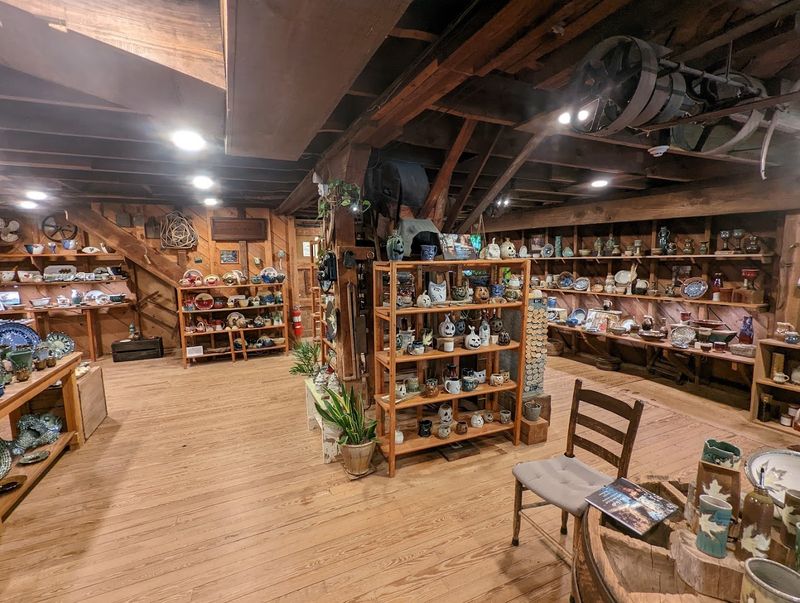
Mark of the Potter in Clarkesville combines a working pottery space, gallery, and shop inside a historic mill on Soque Creek, making it one of the most atmospheric places in North Georgia to watch ceramics up close.
I still remember how quickly a setting like this can lower your pulse and sharpen your attention.
This is not a traditional school in the same mold as a city arts center, yet it teaches through observation, conversation, and immersion.
Watching potters work, browsing functional pieces, and seeing trout drift below the deck can make you notice craftsmanship differently, and the location gives every handmade mug or bowl a stronger sense of place.
If you stop by, allow time to linger rather than rushing through the shop, because details in glaze and form reveal themselves slowly.
The old grist mill setting is memorable enough on its own, but what stays with me most is how naturally it connects useful objects, regional character, and the quiet discipline behind good pottery.
9. Roswell Visual Arts Center, Fulton County
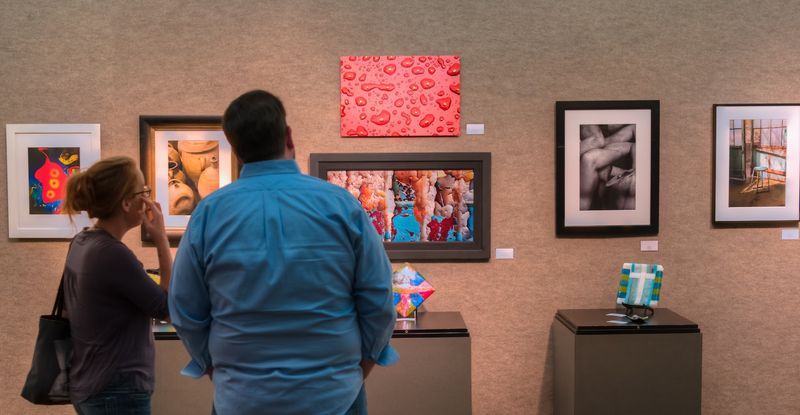
A welcoming studio can make learning feel less like self-improvement and more like a habit worth keeping. Roswell Visual Arts Center in Roswell offers classes in drawing, painting, ceramics, and other visual arts, serving beginners and returning artists who want steady instruction in a comfortable setting.
I like when a place keeps things approachable without sanding off all the seriousness.
The city around it adds another reason to stay a while.
After class, you can pair the visit with Roswell’s historic district, parks, or a relaxed meal nearby, and that helps turn a creative errand into a richer afternoon.
If you are comparing options in north metro Atlanta, this center is especially useful for local residents who want consistent programming without driving into the heart of the city every time inspiration strikes.
The teaching style tends to support skill building step by step, which matters when confidence comes slowly.
The overall effect is pleasantly practical – less grand artistic revelation, more real progress you can notice from one session to the next.
10. Quinlan Visual Arts Center, Hall County
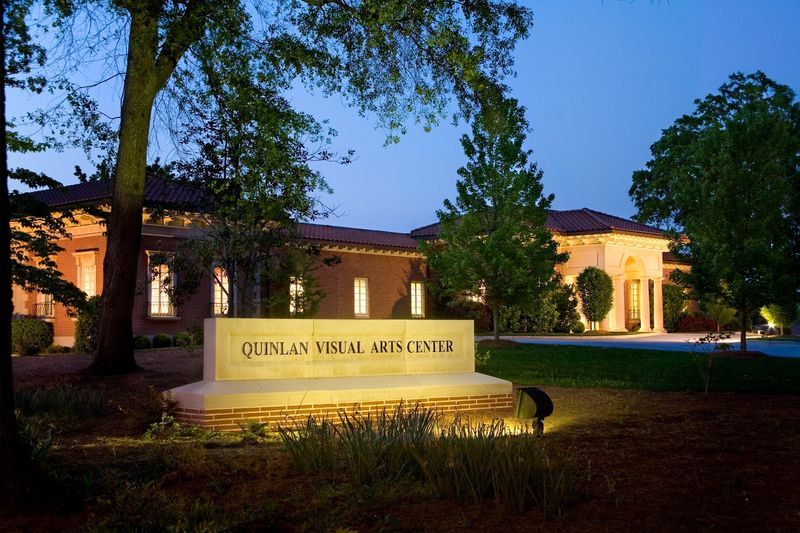
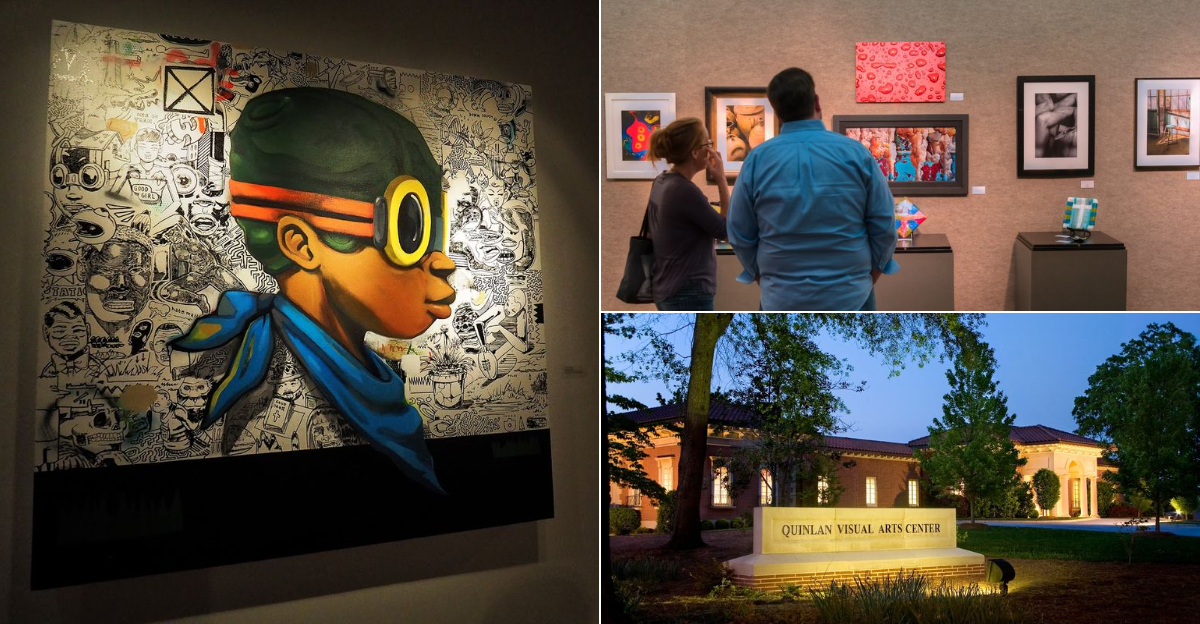
Not every creative destination needs a big-city address to feel inspiring. Quinlan Visual Arts Center in Gainesville anchors local arts education with classes, exhibitions, workshops, and community programs that cover painting, drawing, ceramics, and more.
I am always glad to see a regional center that treats access as part of the art, not an afterthought.
The galleries here make the learning experience feel more connected to the wider art world.
Seeing exhibitions before class can sharpen your questions and nudge your ideas in new directions, and the center’s long history in Gainesville gives it a grounded, civic feel that many visitors appreciate right away.
If you go during a special event or opening, give yourself extra time because the calendar can turn a simple class visit into a lively cultural stop.
What stands out most is the balance – serious instruction, approachable programming, and a setting that never seems interested in gatekeeping.
So you leave with more than materials and notes; you leave feeling like creativity has a standing place in everyday community life.
11. John C. Campbell Folk School, Cherokee County
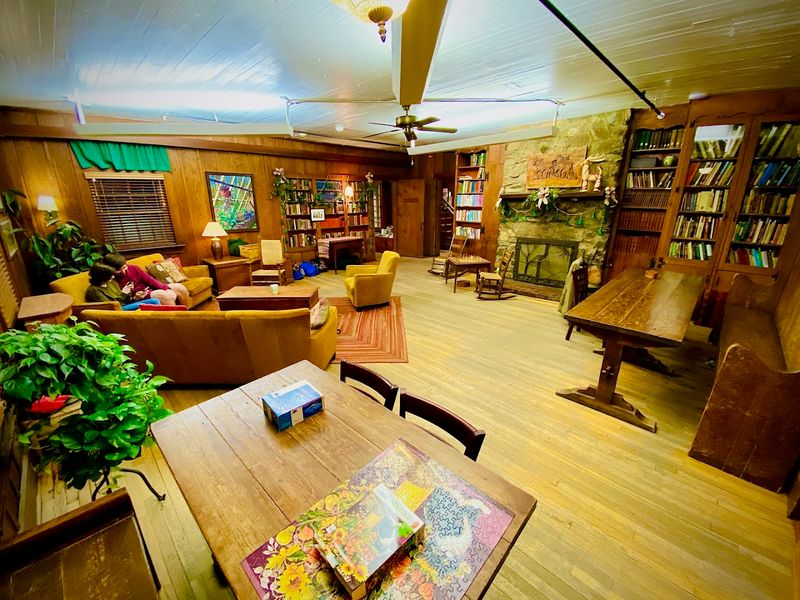
Some places make handcraft feel less like a hobby and more like a whole way of paying attention.
John C. Campbell Folk School in Brasstown, just north of Georgia in North Carolina, offers immersive classes in blacksmithing, weaving, woodturning, book arts, cooking, dance, music, and dozens of other traditional skills.
I know it sits beyond the state line, but for many Georgia travelers it is still a beloved regional pilgrimage.
The mountain campus encourages you to stay present in a way daily life rarely does.
Classes often run for several days, and the combination of studios, community meals, and evening gatherings creates a rhythm that helps learning sink in more deeply than a quick workshop can.
If you go, pack layers and comfortable shoes, because the grounds are walkable and the weather can shift, especially in cooler months.
One of my favorite details is the sense that craft here is not treated as nostalgic decoration – it is lived, taught, shared, and carried forward with enough warmth that even first-timers can feel part of the pattern.
12. Allan Folk School, Union County
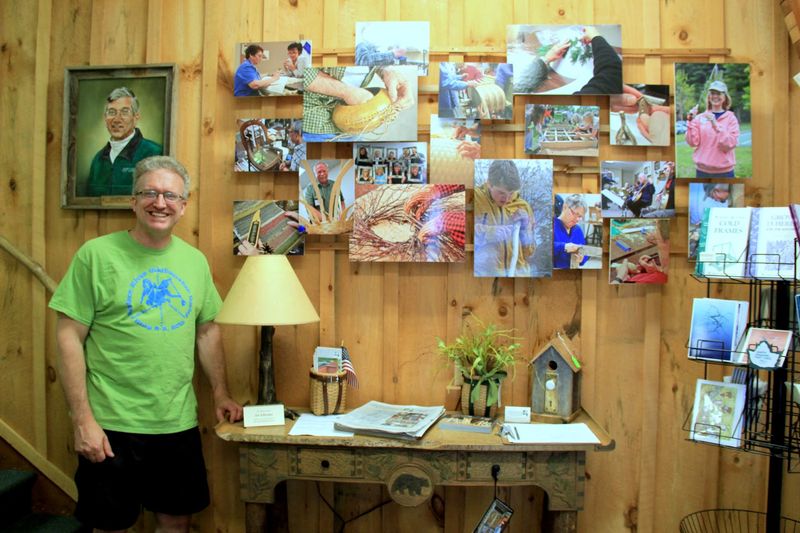
The best learning spaces sometimes hide where the mountains start doing the talking.
Allan Folk School in Blairsville offers workshops rooted in traditional craft and folk art, giving students a chance to explore hands-on skills in a setting that feels personal rather than over-programmed.
I tend to trust schools like this because they leave room for conversation, mistakes, and small discoveries.
The North Georgia location adds its own quiet encouragement.
A class here can pair well with a mountain weekend, and that slower pace makes it easier to focus on process, whether you are trying a heritage craft for the first time or revisiting something you have not practiced in years.
It helps to check the schedule ahead of time since workshops can vary by season and instructor, and smaller programs often fill with people who already know the charm of learning in a less crowded environment.
What I would remember most is the feeling of stepping away from screens and noise long enough to make something with intention, which is a modest goal on paper but often the part that sticks.