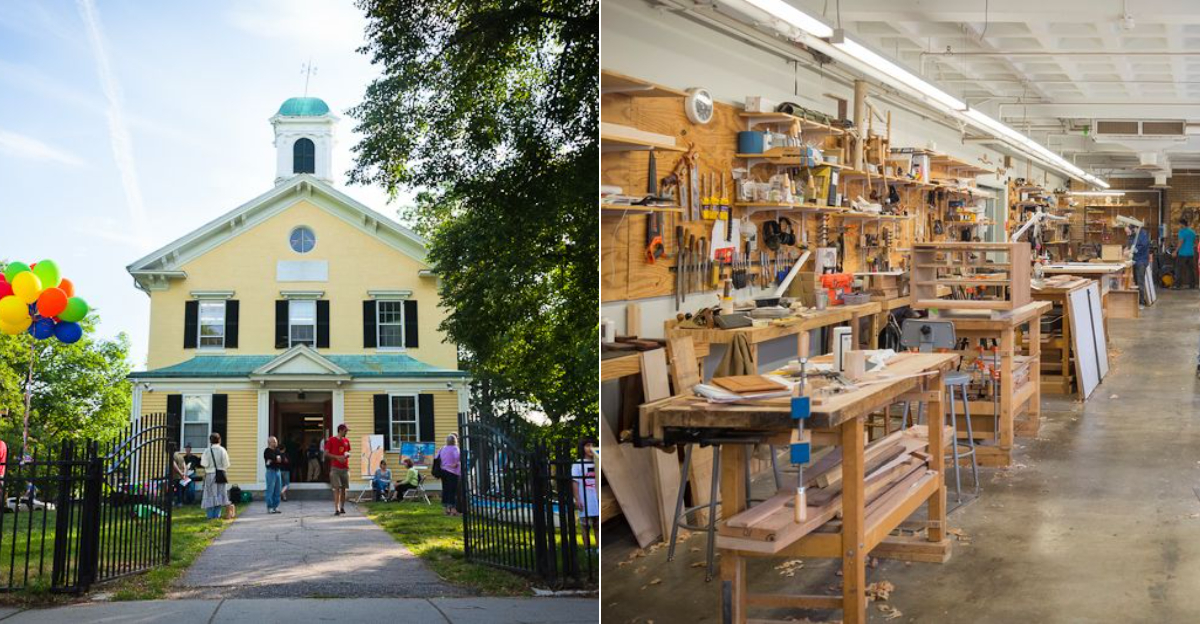
Forget about dusty textbooks, rigid lectures, and staring blankly at a chalkboard.
In Massachusetts, the best way to understand the state’s rich creative soul is to roll up your sleeves and get your hands delightfully dirty.
From the cobblestone streets of historic Boston to the rolling hills of the Berkshires, the Bay State is packed with vibrant, unconventional spaces where centuries-old craftsmanship collides head-on with cutting-edge modern design.
Prepare to trade your screen time for studio time as we explore 11 incredible Massachusetts destinations where visitors can unlock their hidden talents, learn from master artisans, and bring home a masterpiece they actually made themselves.
1. Snow Farm-New England Craft
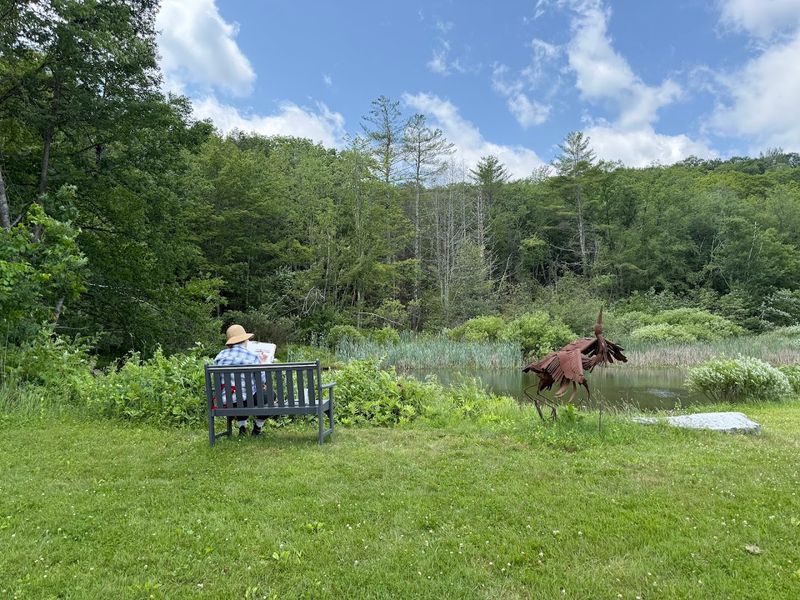
Tucked into Williamsburg in western Massachusetts, Snow Farm-New England Craft feels more like a creative retreat than a typical school.
You arrive for the studios, but the wooded campus and relaxed pace make the whole experience memorable.
Short workshops and multi-day sessions welcome beginners, curious travelers, and serious makers who want to sharpen a specific skill.
The program is especially strong in traditional crafts with a lively contemporary twist.
You can find classes in ceramics, metals, lampworking, basketry, book arts, painting, and textiles, often taught by practicing artists with real teaching chops.
That means you are not just following steps, but learning process, problem solving, and the kind of hand skills that stick long after vacation ends.
What makes Snow Farm stand out is the way it balances skill building with pure creative joy.
The setting encourages focus, yet the atmosphere stays friendly and low pressure, so it is easy to experiment without feeling judged.
If you want a Massachusetts stop where you can spend a day or a weekend making something beautiful, useful, and entirely your own, this one is a standout choice.
2. Eliot School of Fine & Applied Arts
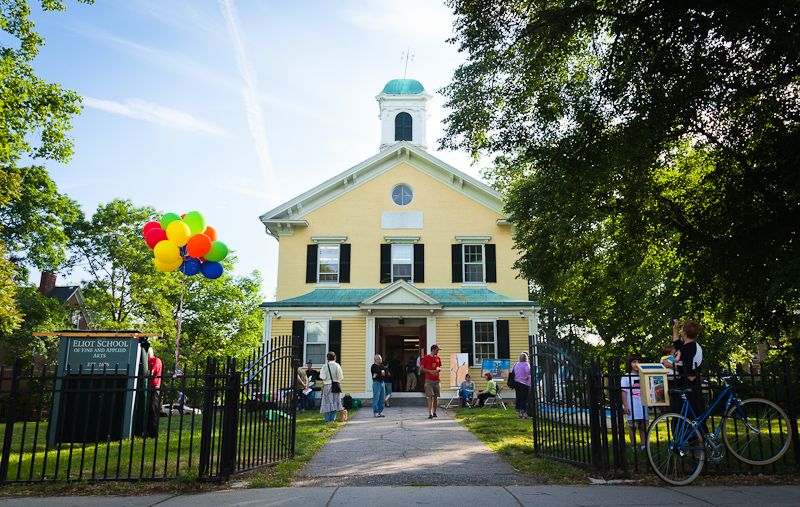
Boston’s Eliot School of Fine & Applied Arts has been teaching people to make things since the eighteenth century, and that history still gives the place real character.
With roots in the South End and current activity centered in Jamaica Plain and Roxbury Crossing, it blends old-school craftsmanship with a deeply community-minded spirit.
Visitors who want practical, hands-on learning will find classes that feel welcoming instead of precious.
The menu is broad in the best way. You can try woodworking, sewing, screen printing, sashiko, bookbinding, jewelry, home decor projects, and other skill-based workshops that connect art to everyday life.
Many sessions are short enough for travelers to fit into a weekend, yet substantial enough that you leave with techniques you can use again.
The instruction at Eliot School honors tradition, but the projects often speak to modern living, whether you are repairing clothing, making functional objects, or exploring design through craft.
This school is an easy pick for your Massachusetts itinerary when you want a Boston-area creative stop where heritage, accessibility, and useful making all come together.
3. Massachusetts College of Art and Design
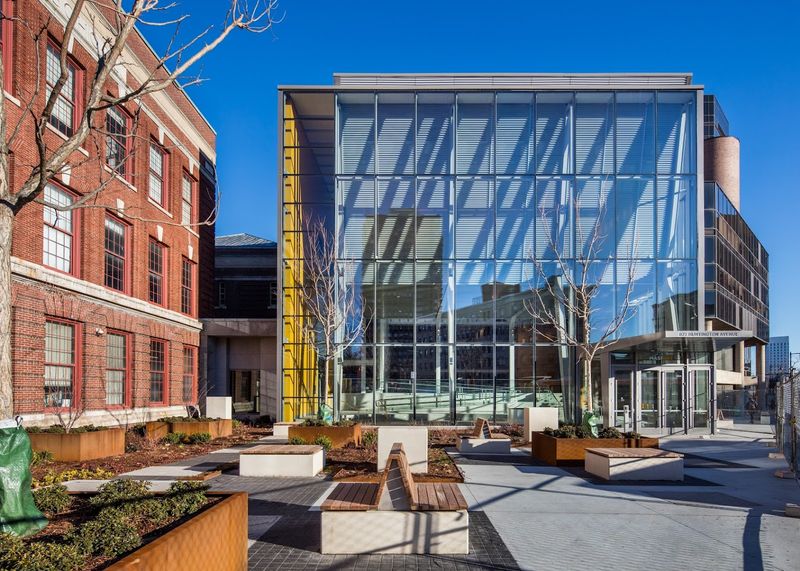
Massachusetts College of Art and Design, better known as MassArt, brings serious creative energy to Boston’s Fenway area near the Museum of Fine Arts.
As the nation’s first independent public college of art and design, it has a strong reputation, but it is not locked behind an ivory tower mood.
Through public programs, continuing education, exhibitions, and events, visitors can tap into that atmosphere without committing to a full degree.
This is a smart stop if you are drawn to both traditional making and newer forms of creative practice.
Depending on the offering, you may find access to ceramics, printmaking, drawing, painting, metals, fibers, design, photography, and digital processes.
That mix creates a useful bridge between hand skills and the way contemporary artists work now.
Another reason MassArt belongs on this list is its location.
You can pair a class or campus event with museum visits, neighborhood walks, and a broader look at Boston’s cultural life, which makes the creative experience feel bigger than one room.
If you want a place where craft, design, and experimentation all share the same conversation, MassArt gives you a lively and inspiring window into that world.
4. Montserrat College of Art

On Boston’s North Shore, Montserrat College of Art gives Beverly an artsy pulse that feels refreshingly personal.
The school is smaller than some big city institutions, and that can be a real advantage when you want an experience that feels connected, focused, and approachable.
Visitors often notice the intimate studio culture right away, along with the easy access to galleries, downtown streets, and the nearby coast.
While Montserrat is known for contemporary art and design, it also supports the kind of grounded making that keeps craft skills alive.
You may encounter drawing, printmaking, sculpture, mixed media, animation, and creative workshops that invite experimentation, depending on programs and public offerings.
That variety makes it appealing if you are the sort of traveler who wants to try something new without losing touch with material process.
Beverly itself adds to the charm. You can spend part of the day in a studio environment, then step outside to a walkable downtown with cafes, local culture, and easy commuter rail access from Boston.
At this ideal creative stop that mixes coastal Massachusetts atmosphere with fresh artistic thinking, you get to look, learn, and maybe surprise yourself with what you can make.
5. Lunder Arts Center
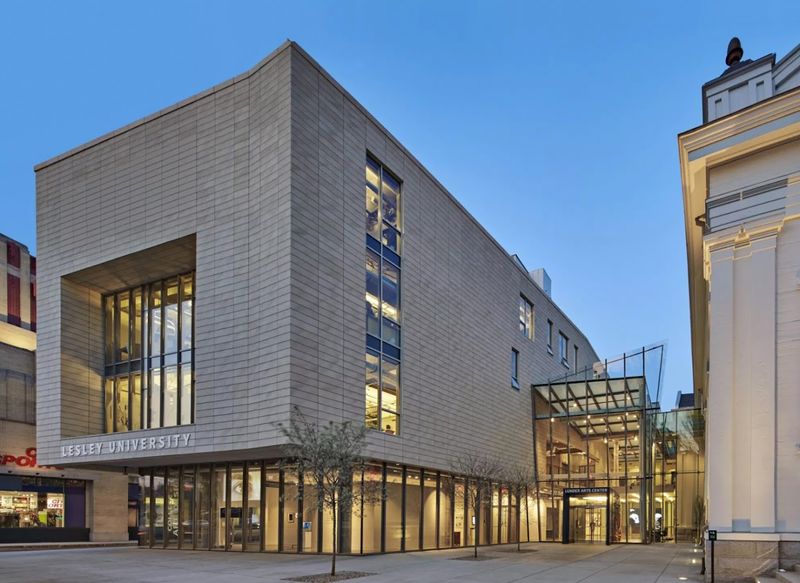
In Cambridge near Porter Square, the Lunder Arts Center gives you a polished, contemporary space for hands-on artmaking without losing the warmth that keeps beginners comfortable.
It is associated with Lesley University, but the center regularly opens its doors through classes, exhibitions, and community programming that make it relevant to visitors too.
The setting feels modern and energetic, which is exactly what many travelers want from an urban creative stop.
The center supports a wide range of visual arts, including ceramics, printmaking, drawing, painting, and interdisciplinary studio work.
That means you can explore material-based craft in a clean, well-equipped environment while still feeling connected to current artistic practice.
If you enjoy places where technique matters but experimentation is encouraged, this is a satisfying middle ground.
Another plus is the location itself. Cambridge offers bookstores, cafes, transit access, and a strong cultural scene, so adding a workshop or gallery visit here can easily shape a full day out.
For travelers who want a Massachusetts arts experience that feels current, accessible, and city-smart, the Lunder Arts Center delivers a creative dose of skill building without the stiffness that sometimes comes with formal institutions.
6. Crafts Zone

This spot brings a lighter, more playful kind of making to the Massachusetts creative scene, which is part of its appeal.
Instead of feeling formal or intimidating, Crafts Zone leans into approachable projects that let you jump in quickly and enjoy the process.
That makes it a good fit for visitors, families, and anyone who wants a hands-on break from museums and restaurants.
The exact workshop lineup can vary, but the spirit stays consistent: accessible craft experiences with colorful materials, practical guidance, and room to personalize what you make.
You may find sessions focused on decorative crafts, seasonal projects, DIY gifts, or beginner-friendly activities that do not require prior training.
When you want something social and low pressure, that can be more inviting than a highly technical studio course.
What stands out most is the sense of ease. You are there to create, relax, and leave with a finished object rather than spend hours decoding specialist jargon or mastering advanced equipment on day one
If your Massachusetts trip needs a cheerful creative detour where fun matters just as much as skill, Crafts Zone offers the kind of hands-on stop that can brighten an afternoon and still send you home with something worth keeping.
7. deCordova Sculpture Park and Museum

Sprawling across 30 acres of green lawns and quiet woodlands in Lincoln, this dynamic outdoor institution flips the traditional, stuffy museum experience completely on its head.
Gigantic modern installations and abstract steel structures emerge from behind towering pine trees, inviting curious visitors to engage with world-class art through physical touch, movement, and constantly changing environmental perspectives.
The vast campus acts as an open-air classroom where families, travelers, and contemporary art enthusiasts participate in nature-inspired workshops, outdoor photography sessions, and guided architectural tours.
Whether you are sketching monumental sculptures in the fresh New England air, learning about the intersection of landscape design and modern installation art, or discovering how weather elements alter raw brass and iron over time, it provides a space where creativity feels entirely boundless.
The museum seamlessly fuses the tranquility of a nature hike with the intellectual spark of a contemporary gallery, ensuring that every visit offers a brand-new sensory discovery.
It is the ultimate destination for creators who want to step out of the cramped studio, breathe deep, and find their artistic muse hidden directly inside the wild Massachusetts landscape.
8. DSLR Workshops by Okello Dunkley
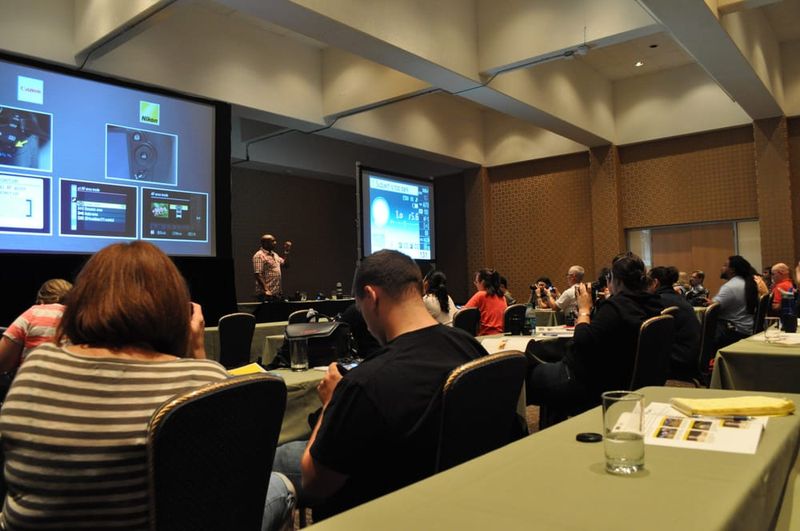
Not every modern craft starts with clay, wood, or thread.
DSLR Workshops by Okello Dunkley reminds you that photography is also a hand skill, one that blends technical control with quick visual judgment and personal style.
Based around the Boston area, these workshops appeal to visitors who want to come home with better images and a stronger understanding of how their camera actually works.
The practical value is obvious right away. You can learn exposure, composition, focus, lens choices, and real-world shooting techniques in a format that feels useful rather than overly academic.
Because the city itself often becomes part of the classroom, the learning feels connected to your trip instead of separate from it.
That makes this option especially strong for travelers who may not have space in their suitcase for a kiln-fired bowl or a handmade stool.
Your finished work is digital, but the creative process is still tactile, observant, and deeply personal, especially when you are adjusting settings, chasing light, and framing scenes on the move.
If you want a Massachusetts workshop that feels contemporary, portable, and instantly rewarding, Okello Dunkley’s photography sessions offer a smart way to build a lasting skill while exploring Boston with sharper eyes.
9. North Bennet Street School
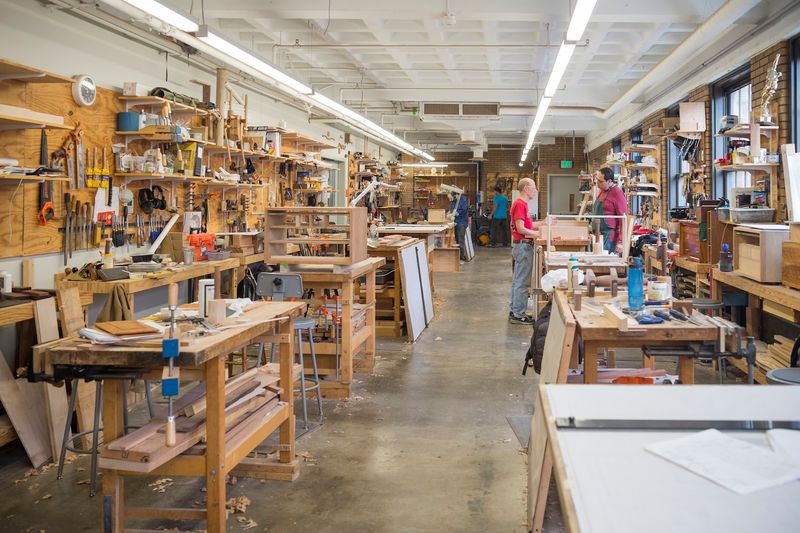
If you love old-school craftsmanship, North Bennet Street School in Boston’s North End is one of the most impressive places in Massachusetts to see serious skill in action.
This institution is known for preserving and teaching exacting trades that demand patience, precision, and respect for materials.
Even if you are only visiting briefly, the school carries the kind of atmosphere that makes you stand a little straighter.
Its programs have included furniture making, bookbinding, violin making, jewelry repair, locksmithing, piano technology, and carpentry, which is a lineup unlike almost anything else in the region.
These are not casual hobbies presented as lifestyle trends. They are disciplined crafts with clear standards, practical uses, and deep historical roots, taught in a setting that values mastery without turning cold.
The North End location adds another layer of appeal.
After taking in the school’s work, you can step into one of Boston’s most character-rich neighborhoods, where narrow streets, bakeries, and historic sites make the day feel full and textured.
North Bennet Street School delivers substance, beauty, and a rare sense of continuity you can feel the moment you walk in.
10. Worcester Center for Crafts

Worcester Center for Crafts has long been a favorite for people who want serious studio access without the atmosphere feeling closed off.
Located in Worcester, it has earned a strong reputation for teaching, exhibitions, and community engagement centered on handmade work.
For visitors, it is an appealing mix of substance and accessibility, which is harder to find than you might think.
The center is especially well known for disciplines like ceramics, metals, and glass, and those media bring a lot of excitement to any visit.
Watching a hot shop in action or learning in a clay studio gives you a vivid sense of process, heat, timing, and touch that no online tutorial can match.
Whether you sign up for a class or simply explore what is happening, the focus on material skill is front and center.
Worcester itself makes this stop practical too. It is a major central Massachusetts city with museums, restaurants, and enough cultural energy to support a full day trip, so your workshop does not have to stand alone.
When looking for a place where traditional craft techniques still feel alive, useful, and a little thrilling, Worcester Center for Crafts remains one of the state’s strongest hands-on destinations.
11. Fuller Craft Museum
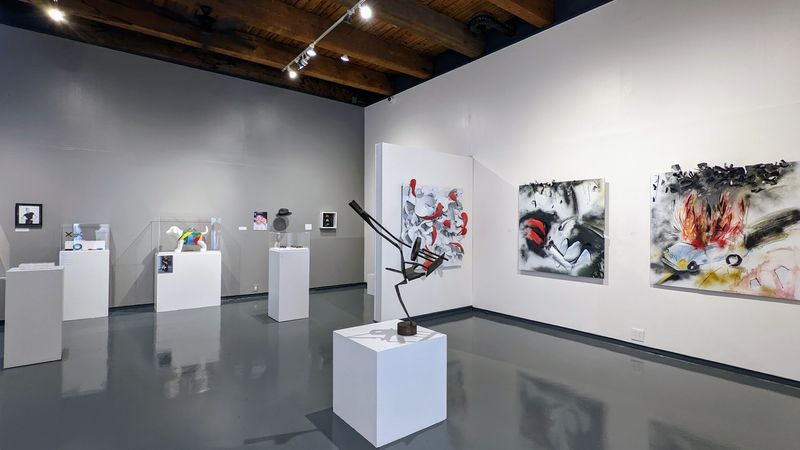
This destination is not a school in the traditional sense, but it absolutely belongs on a list like this because it teaches through exhibitions, programs, and direct engagement with contemporary craft.
Fuller Craft Museum in Brockton focuses on handmade art in ways that make technique visible, exciting, and approachable.
That means you can study craft with your eyes first, then often extend the experience through talks, demos, or workshops.
The collection and rotating exhibitions regularly feature ceramics, fiber, glass, wood, jewelry, and mixed-media work, showing how traditional materials continue to evolve in modern hands.
That balance is the museum’s strength. You leave with a better sense of where craft has been, where it is now, and how artists keep pushing it somewhere new without losing the importance of skill.
Brockton is an easy trip from Boston and southeastern Massachusetts, so Fuller works well as a focused cultural stop or part of a larger regional outing.
If you are the kind of traveler who gets inspired by seeing expertly made objects before trying techniques yourself, this museum gives you that spark in a clear, engaging way.
It is thoughtful without being stuffy, and it makes contemporary craft feel open to anyone willing to look closely.