
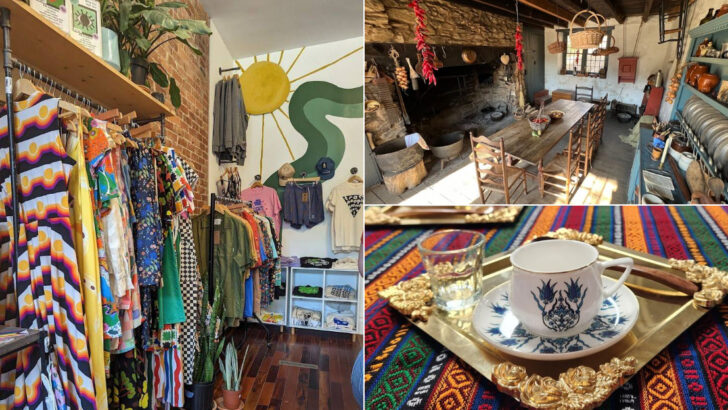
Pennsylvania is packed with places where you can stop scrolling, use your hands, and learn something genuinely satisfying.
From blacksmithing and glassblowing to woodworking and heritage crafts, these schools and centers turn curiosity into real skills.
Some feel like polished art hubs, others like hidden creative retreats, but each one offers a reason to make the trip.
If you have been craving a day of making instead of just browsing, this list gives you 14 excellent places to start.
Along the way, you will discover passionate instructors, inspiring studio spaces, and communities built around preserving handmade traditions.
Whether you are a complete beginner or a longtime creative hobbyist, these destinations make it easy to reconnect with the simple joy of creating something from scratch.
1. Pennsylvania Guild of Craftsmen
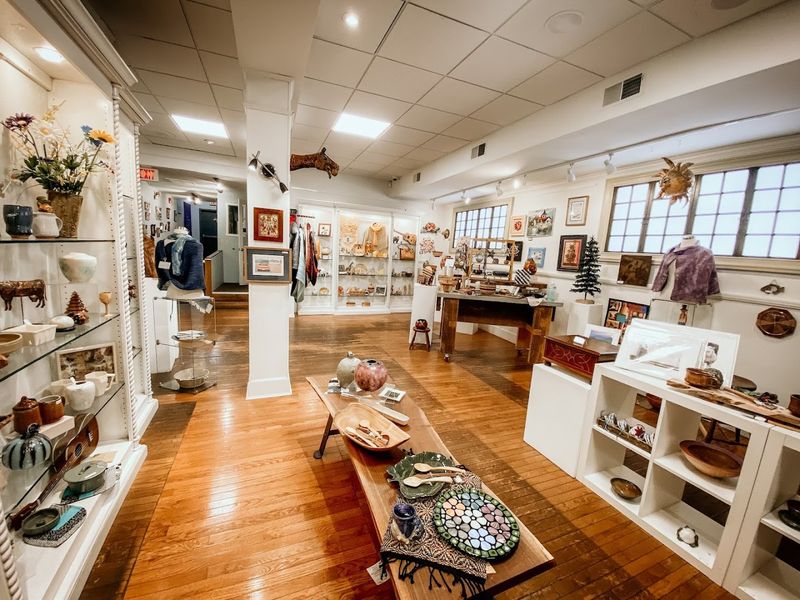
If you want a smart starting point for Pennsylvania’s handmade scene, the Pennsylvania Guild of Craftsmen in Lancaster is easy to love.
This longtime nonprofit champions contemporary and traditional craft through exhibitions, artist support, and public programs.
You are not just walking into a shop here. You are stepping into a community that takes handmade skill seriously.
The Guild is especially appealing because it connects visitors with real makers, not just finished objects on shelves.
Depending on the calendar, you may find classes, demonstrations, special events, and opportunities to meet artists working in ceramics, fiber, wood, metal, and jewelry.
I like that it feels welcoming to beginners while still respecting the depth of advanced craft practice.
Lancaster also makes a great backdrop for a craft focused day trip.
The city blends history, food, and a lively arts culture, so your visit can easily stretch beyond one stop.
If you are the type who wants inspiration plus practical learning, this place checks both boxes.
Before visiting, scan the Guild’s event listings and seasonal programming. Their exhibitions can be especially rewarding because they show the range of craft in Pennsylvania today.
Come curious, ask questions, and you will leave with fresh appreciation for what handmade really means.
2. Touchstone Center for Crafts
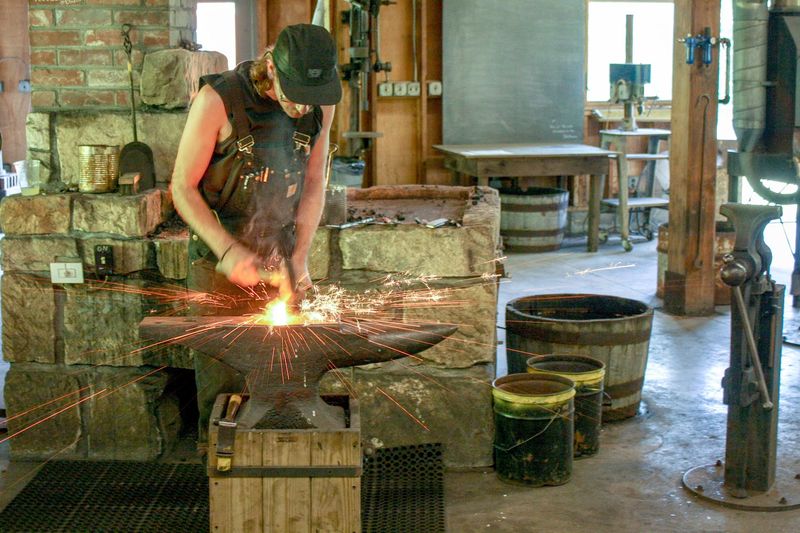
Touchstone Center for Crafts in Farmington feels like craft camp for adults, and that is very much a compliment.
Tucked in the Laurel Highlands, this wooded campus is known for immersive workshops in blacksmithing, ceramics, glass, metals, and more.
The setting alone makes you want to put your phone away and make something with both hands.
Touchstone combines serious instruction and retreat like atmosphere. You can take short workshops or deeper multi day classes, often led by accomplished teaching artists.
I think that balance matters.
You get structure and skill building, but the environment keeps the experience relaxed and energizing instead of intimidating.
The studios have a practical, hard working feel, and the natural surroundings add a calm rhythm to the day.
Between sessions, you are in one of Pennsylvania’s prettiest regions, which makes the trip feel restorative as well as creative.
It is a strong pick if you want more than a quick drop in project.
Plan ahead because popular courses can fill quickly. If you have been wanting to try a craft that requires equipment or expert guidance, this is one of the best places in the state to do it.
You may arrive as a beginner, but you will probably leave feeling surprisingly capable and inspired.
3. Contemporary Craft
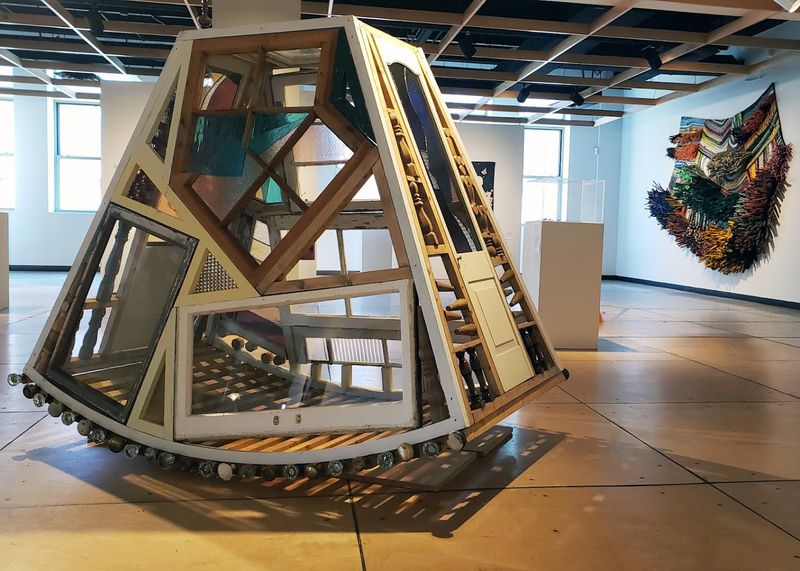
In Pittsburgh’s Lawrenceville area, Contemporary Craft brings a fresh, urban energy to the world of handmade work.
This nonprofit center focuses on modern craft and offers exhibitions, workshops, and community programming that make creative practice feel current and accessible.
If you think craft is old fashioned, this place will happily prove you wrong.
The classes and events often highlight materials in inventive ways, from fiber and jewelry to clay and mixed media.
The organization treats experimentation as part of the learning process, so you do not have to show up already polished.
You can come curious, try something new, and still feel like you belong in the room.
Its gallery component also matters. Seeing finished work alongside educational programming gives you context for what skilled makers can do, and that can be incredibly motivating.
The location helps too. Lawrenceville is packed with shops, cafes, and creative energy, so a visit here fits naturally into a fun city day.
Check the schedule before you go because offerings change throughout the year.
Some programs are hands on, while others lean into exhibitions, talks, or family friendly activities.
Either way, Contemporary Craft is one of those places that makes creativity feel active and alive, not distant. You leave wanting to make, not just admire.
4. Main Line Art Center
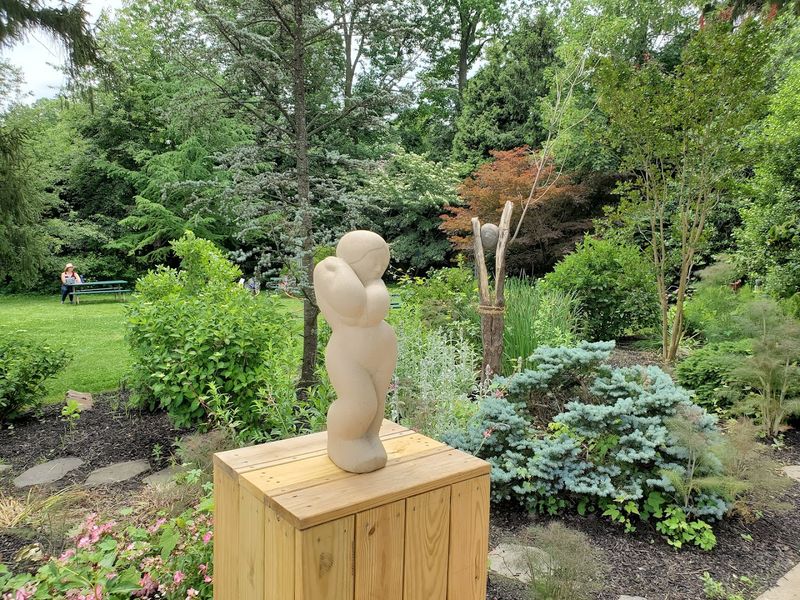
The next destination on this list is a dependable favorite for anyone who likes variety in one polished, welcoming place.
While it covers fine art broadly, its workshops and classes often include hands on processes that appeal to makers who want practical creative experience.
The atmosphere feels approachable, but the instruction has real substance behind it.
One thing that stands out at Main Line Art Center in Haverford is the range.
You might find drawing, painting, ceramics, printmaking, fiber related work, or youth and adult programs happening under the same roof.
That makes it useful if you are still figuring out your favorite medium.
I also like that the center serves many skill levels, so beginners are not treated like an afterthought.
Haverford gives the center an easy to reach Main Line location, especially for visitors coming from Philadelphia or nearby suburbs.
The facilities are clean and professional, which can be reassuring if you want a structured learning environment instead of a casual drop in studio.
Look through current course listings before planning your trip, because the best fit may be a short workshop, an exhibition, or an ongoing class.
If you want a place that blends community warmth with strong arts programming, Main Line Art Center deserves a spot on your list. It is practical, lively, and genuinely easy to revisit.
5. Wayne Art Center
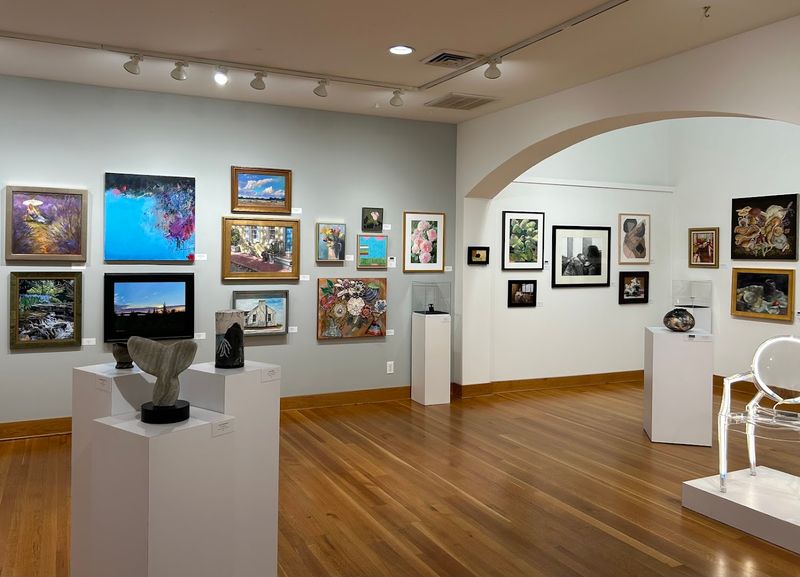
Wayne Art Center brings a polished but friendly feel to creative learning in Wayne, Pennsylvania.
Known for robust art education and a strong exhibition calendar, it offers classes that can appeal to visitors looking for hands on studio time in an inspiring setting.
The overall impression is organized, energetic, and refreshingly unpretentious.
Its programming often spans ceramics, jewelry, painting, drawing, and other studio arts, which makes it attractive if you want options without sacrificing quality.
Centers like this work best when they balance serious instruction with a sense of invitation, and Wayne Art Center does that well.
You can arrive as a beginner and still feel that the space respects your interest.
The location in the Main Line region makes it a convenient stop for a creative outing, especially if you want to pair your class or visit with lunch or shopping nearby.
Inside, galleries and classrooms create a nice blend of inspiration and activity. It is easy to picture yourself learning here rather than simply observing from the sidelines.
Some visitors will be drawn by the classes, while others may enjoy the exhibitions or community atmosphere just as much.
Either way, Wayne Art Center is the sort of place that reminds you creative skill can be built steadily, pleasantly, and with plenty of encouragement.
6. The Center for Art in Wood
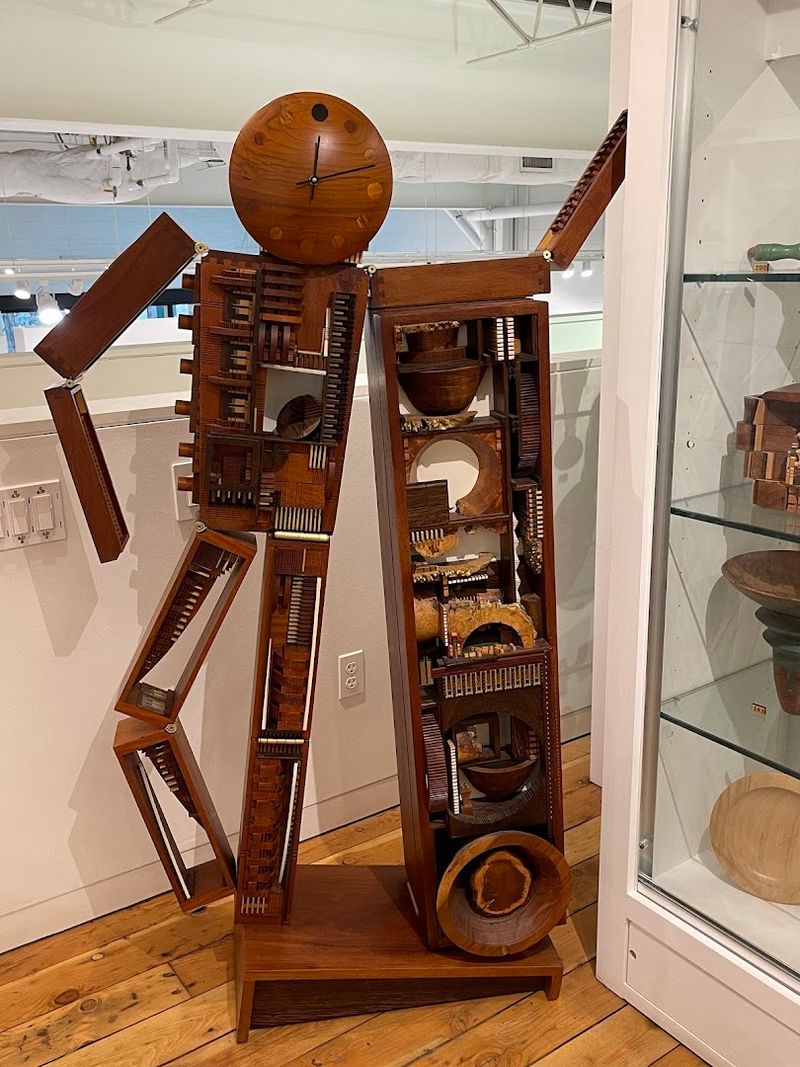
The Center for Art in Wood in Philadelphia is a dream stop if wood is your material or if you simply love seeing craft elevated to an art form.
This distinctive institution focuses on wood in all its expressive possibilities, from turning and carving to sculptural and conceptual work. It feels specialized in the best way.
Every visit teaches you something new.
You will appreciate the mix of scholarship, exhibition, and public engagement here as you enter a conversation about technique, material history, design, and innovation.
Depending on the schedule, the center may offer demonstrations, lectures, or events that help visitors connect process with finished work.
Located in Philadelphia, it is easy to pair with other museum and gallery visits, but this place has a more intimate focus than a large encyclopedic museum.
That narrower lens makes the experience memorable. If you have ever wondered how a humble material can become intricate, poetic, or even surprising, this center answers that question with style.
Be sure to check current exhibitions before heading over, since the programming changes and often features artists worth lingering over.
Even if you are not a woodworker yourself, the center can spark a new appreciation for handmade precision.
If you are a maker, it may do something more dangerous. It might send you home wanting tools.
7. Historic Bethlehem Museums & Sites
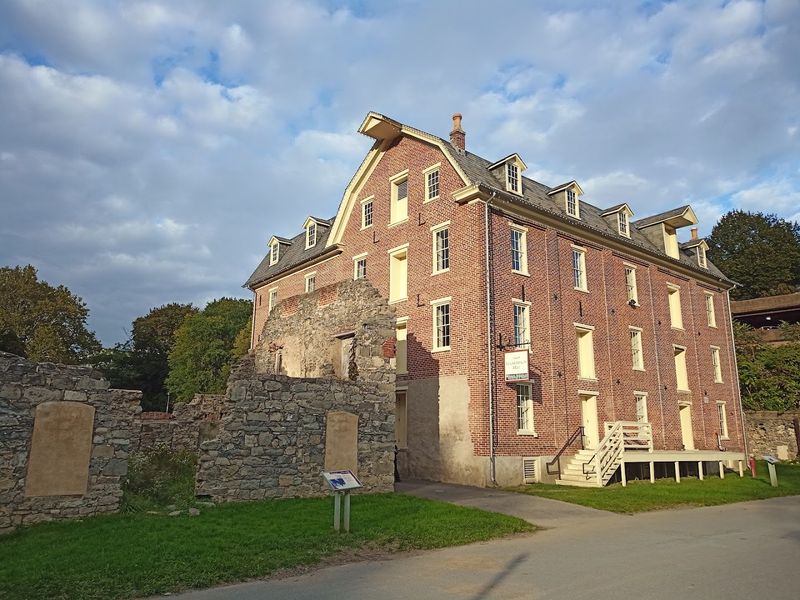
This is a destination that offers a different kind of craft experience, one rooted in history, place, and old world skill.
In Bethlehem, visitors can explore the Moravian community’s legacy through preserved buildings, exhibits, and demonstrations that reveal how everyday making once shaped an entire town.
If you enjoy craft with context, this stop is especially rewarding.
Rather than functioning as a modern art school, Historic Bethlehem Museums & Sites shines through heritage interpretation.
Traditional trades, period techniques, and historic domestic arts can all become part of the visit depending on the program. I think that makes it valuable for creative travelers.
You see not only what people made, but why they made it and how skill supported daily life.
The setting adds charm. Bethlehem’s historic district is walkable and atmospheric, with architecture that makes the past feel close instead of abstract.
A hands on event or craft demonstration here can deepen your appreciation for tools, materials, and patient workmanship in a way that a standard museum label never quite can.
Check ahead for workshops, demonstrations, and seasonal programming because those experiences are what really bring the site alive.
This is a strong pick if you want to connect handmade tradition with Pennsylvania history.
8. Wendell August Forge
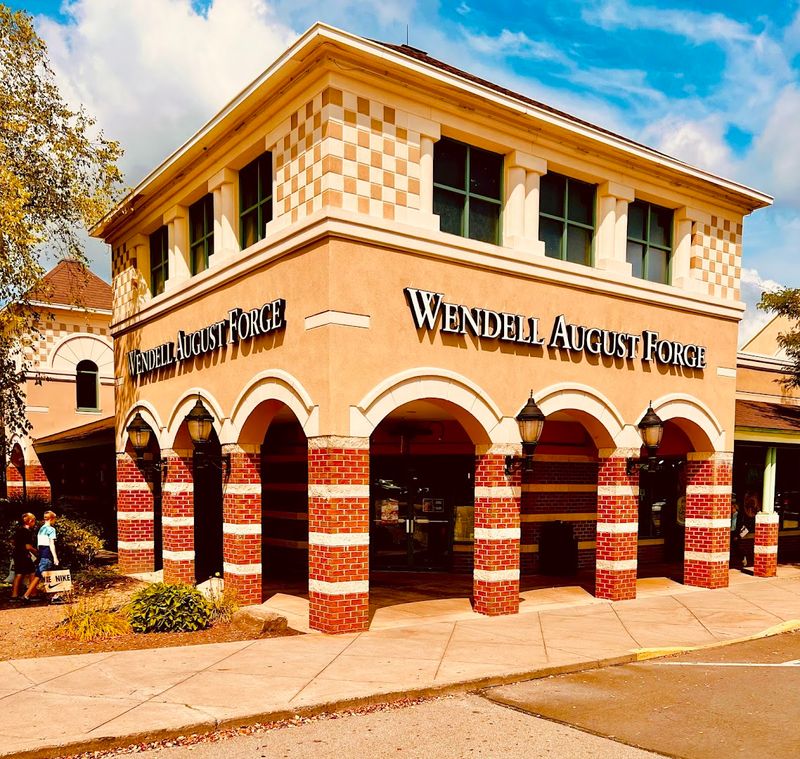
Wendell August Forge is a great stop when you want your craft visits with a bit of sparkle and a lot of hammer marks.
Best known for hand forged metal giftware, the company has deep Pennsylvania roots and offers visitors a chance to see how decorative metalwork moves from tradition into everyday design.
It is part workshop inspiration, part heritage brand experience.
The appeal here is watching a specialized process that many people rarely encounter up close.
Decorative plates, trays, ornaments, and other pieces show what happens when metal is shaped with both precision and flair. The visit can make a familiar object feel newly impressive.
Once you see the labor and technique involved, the finished designs read very differently.
Depending on location and current visitor access, you may be able to explore displays, shop for handcrafted goods, and learn more about the forge’s history and methods.
That blend works well for travelers who want a lighter educational stop rather than a full class commitment. It is accessible, interesting, and easy to pair with a regional road trip.
Before going, confirm tour details or demonstration availability. Even a shorter visit can be memorable if you enjoy American craft traditions and the meeting point between industry and artistry.
Wendell August Forge is proof that functional objects do not have to be plain. With the right tools and skill, they can carry real personality.
9. Vera Art Studio
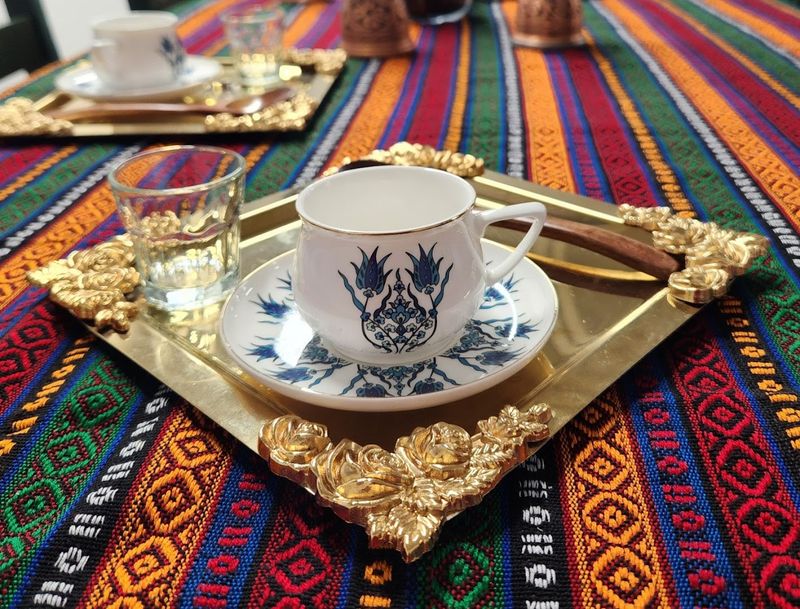
This Philadelphia studio has the kind of name that suggests a personal touch, and that is exactly why it stands out.
Smaller studios often create the most comfortable learning environments because they feel direct, human, and less formal than big institutions.
If you prefer creative spaces where conversation comes easily, this one deserves a closer look.
Depending on the studio’s current offerings and location details, you may find classes centered on painting, decorative arts, mixed media, or beginner friendly handmade projects.
Places like this are valuable because they lower the pressure. You can experiment, ask simple questions, and focus on enjoyment without feeling like every brushstroke is under review.
Another advantage of a studio setting is that the pace often feels more personal.
Instructors can sometimes give more individualized guidance, which is ideal when you are trying something unfamiliar.
For travelers or locals who want a relaxed workshop experience, that can be more appealing than a packed program with too many moving parts.
If the timing lines up, Vera Art Studio could be one of the most unexpectedly enjoyable stops on your list. Sometimes the places that feel least flashy are the ones where you actually make your favorite thing.
10. Workshop PGH

Workshop PGH in Pittsburgh is ideal if your dream class involves making something useful and cool in the same afternoon.
This center focuses on practical, hands on skills with a modern DIY spirit, offering workshops that often include woodworking, sewing, home projects, and creative lifestyle crafts.
It is one of those places that can make competence feel exciting. The projects are often approachable, design minded, and genuinely relevant to daily life, so you are not learning in a vacuum.
You might leave with a handmade object, but you also leave with a better sense that making things yourself is possible and worth the effort.
Classes are typically structured for adults who want an engaging experience without committing to a semester long program.
That makes it a great option for visitors, date nights, friend outings, or anyone testing the waters of a new skill.
As always, check the workshop calendar in advance because themes can change quickly and popular sessions may sell out.
If you are drawn to craftsmanship but also want immediate everyday usefulness, this place hits a very satisfying middle ground.
Workshop PGH proves handmade does not have to mean precious. It can be practical, stylish, and surprisingly empowering.
11. Pittsburgh Glass Center
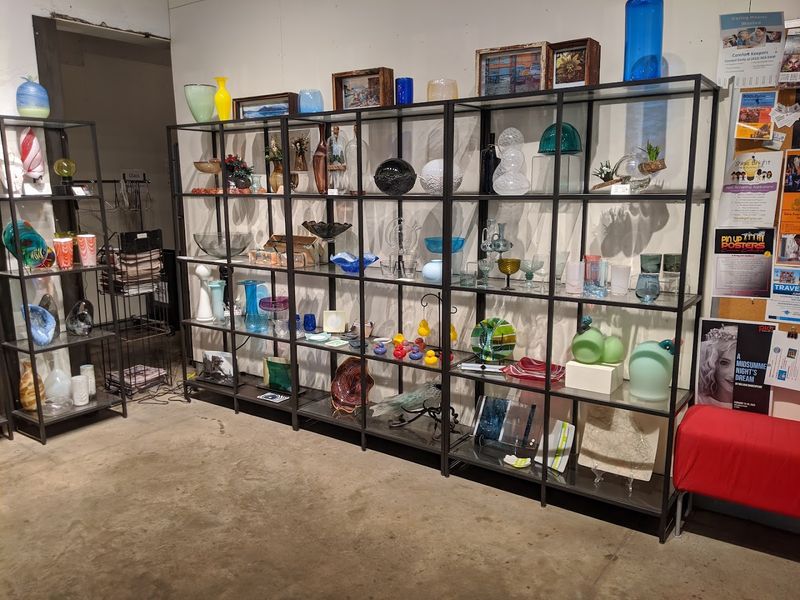
This might be one of the most thrilling craft destinations in the state, mostly because molten glass is impossible to ignore.
Located in Pittsburgh, this respected center offers classes, exhibitions, and public experiences centered on glassblowing, flameworking, kiln work, and coldworking.
Even before you touch a tool, the heat and motion pull you in.
Pittsburgh Glass Center is a place where beginners and serious artists can both find something meaningful.
Introductory sessions make glass feel accessible, while more advanced instruction serves people who want to develop real technical depth. That combination creates energy.
You are surrounded by people at different stages, all captivated by the same demanding material.
The building itself often feels alive, with glowing furnaces, focused instructors, and finished pieces that show just how expressive glass can be.
Watching a demonstration here can be memorable enough, but taking a workshop adds a whole other level of appreciation.
Suddenly every cup, vessel, or sculptural form looks far more complicated and impressive.
Reserve ahead if you are hoping to take a class, since glass experiences tend to attract plenty of interest.
If you have been waiting for a craft destination with drama, skill, and a serious wow factor, this is it.
12. Old Economy Village
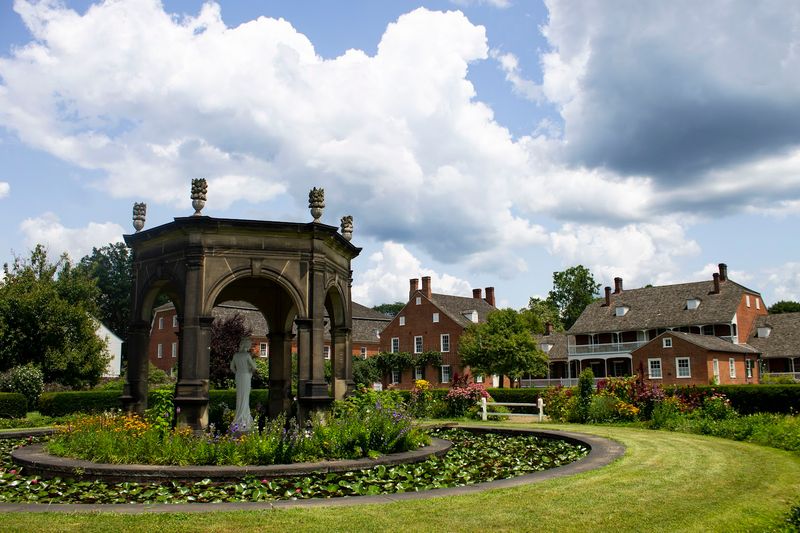
Old Economy Village in Ambridge offers a fascinating detour into the world of communal craftsmanship and early industry.
This historic site preserves the settlement of the Harmony Society, whose members built workshops, homes, and businesses with remarkable discipline and skill.
For those who enjoy seeing craft through the lens of social history, this place is deeply interesting.
A visit here can reveal how trades and handmade production fit into a larger community system.
Depending on programming, you may encounter demonstrations, interpretation of historic tools, or exhibits that highlight textiles, woodworking, metalwork, and other practical arts.
That kind of context irresistible. It reminds you that making was once central to survival, economy, and identity.
The preserved buildings add a lot to the experience. Walking through the site gives you a clearer sense of scale, routine, and labor than a museum case alone ever could.
You are not just learning about old crafts. You are seeing the spaces where they happened, which makes the workmanship feel more tangible and real.
Check seasonal events before you go, since special programs can add hands on or demonstrative elements that bring the village to life.
Old Economy Village is a strong choice for travelers who like heritage, architecture, and the stories behind skilled work.
13. Colonial Pennsylvania Farmstead
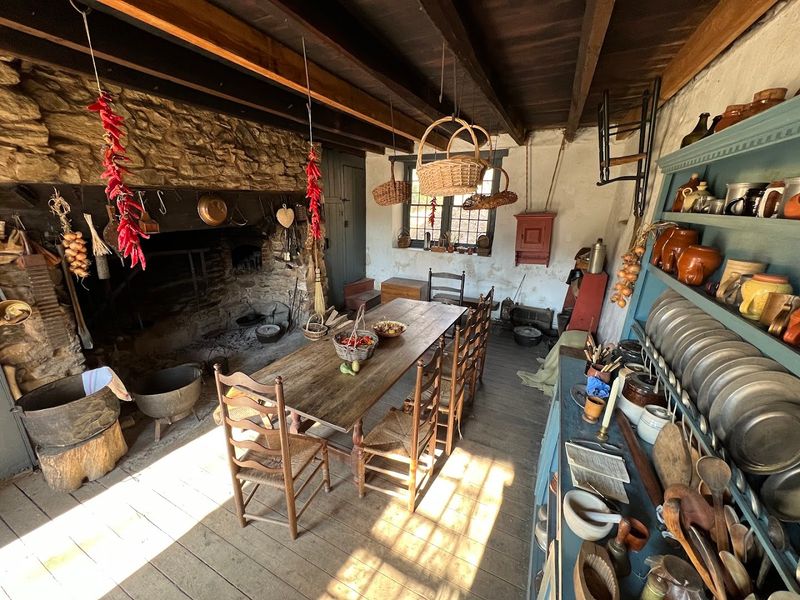
Colonial Pennsylvania Farmstead is the kind of place that turns history into something tactile, useful, and unexpectedly fun.
Rather than presenting the past as a list of dates, it shows how colonial era people worked, cooked, built, and made what they needed with the tools available.
That makes it a wonderful destination for anyone curious about everyday handmade skill.
Living history sites like this often feature demonstrations in spinning, weaving, hearth cooking, farming, woodworking, or blacksmithing, depending on staffing and seasonal events.
Those demonstrations are where the magic happens. You start noticing the patience, repetition, and practical knowledge behind ordinary objects that modern life makes easy to overlook.
The farm setting also helps. Animals, fields, outbuildings, and historic structures create a fuller picture of how labor and craft fit together.
It is about understanding a whole way of life in which making and maintaining were constant parts of the day.
If you enjoy educational outings that feel grounded and hands on, Colonial Pennsylvania Farmstead is a rewarding choice.
It offers a reminder that craft is not only about art. Sometimes it begins with necessity, resourcefulness, and skill passed hand to hand.
14. Philadelphia’s Magic Gardens
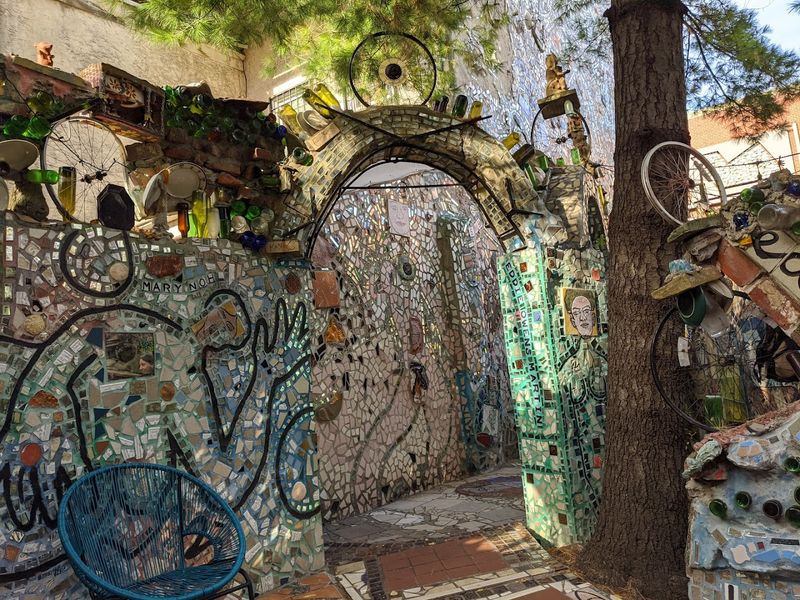
If you are drawn to mosaic work, Philadelphia’s Magic Gardens gives you an unforgettable way to study it up close.
This South Street landmark blends folk art, recycled materials, tile, mirror, and immersive design in one colorful environment.
Workshops, tours, and artist talks can sharpen your eye for pattern, texture, and storytelling.
What you might love most is how the space makes handmade creativity feel playful instead of precious.
You may leave with fresh ideas for mixed media projects, community art, or found-object craftsmanship at home.
It is especially worth visiting if you want inspiration that feels local, approachable, and joyfully unconventional.
Every wall, tunnel, and courtyard section reveals layers of handcrafted detail that reward slow observation.
The gardens also highlight how discarded materials can be transformed into striking works of public art through patience and imagination.
Visiting artists often share insights into mosaic techniques, assemblage methods, and large-scale collaborative projects.
The atmosphere encourages experimentation, making it a motivating stop for beginners and experienced makers alike.
Even a short visit can spark new appreciation for how handmade art turns ordinary spaces into memorable creative experiences.