Georgia’s mountains don’t just look good in May — they feel electric, like the whole range has been wiped clean overnight.
Cool nights and spring rain sweep away the haze, leaving skies so sharp they almost look edited.
Every ridge line stands out harder, every valley drops deeper, and the horizon stretches farther than you expect.
Step onto a summit or pull over at an overlook and it hits you fast. The air feels lighter.
The views feel wider. Even familiar peaks suddenly look new again, dressed in fresh green and washed in early light.
This is the month when Georgia’s high country shows off without trying. Trails feel easier, mornings feel calmer, and every viewpoint turns into a moment you don’t rush through.
Brasstown Bald
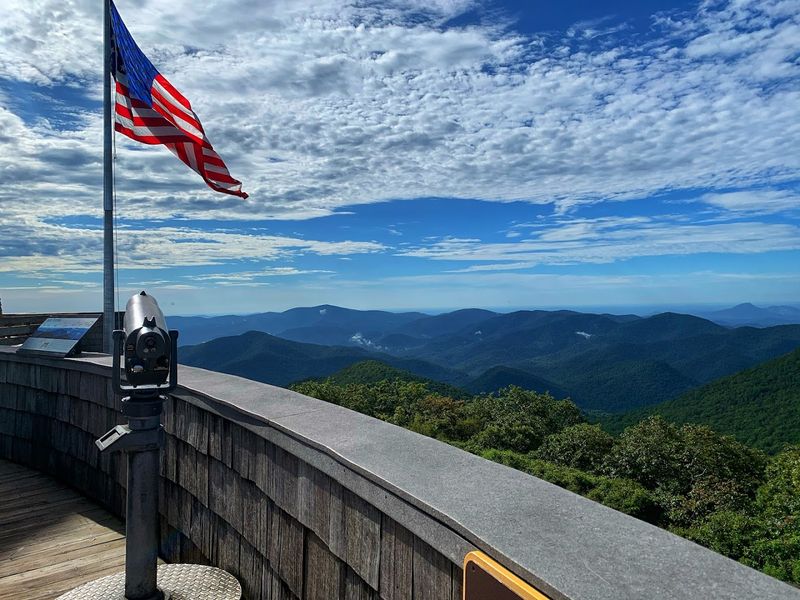
Standing at 4,784 feet, Brasstown Bald claims the title of Georgia’s tallest mountain. The observation tower perched on its summit offers 360-degree views that stretch across four states on clear days.
During May, when morning temperatures stay cool and humidity remains low, visibility regularly exceeds fifty miles.
The paved pathway leading to the tower makes this experience accessible for most visitors. Early morning arrivals often witness layers of fog settling in valleys below while the peak stays bathed in sunshine.
This creates a dramatic sea-of-clouds effect that photographers absolutely love.
Native wildflowers begin blooming along the trail as spring takes hold. The visitor center provides educational displays about the region’s ecology and history.
Weekday mornings tend to be less crowded than weekends.
Pack a light jacket even though temperatures rise by midday. The elevation creates noticeably cooler conditions than lower areas.
Sunrise visits reward early risers with spectacular golden-hour lighting across the mountain ranges.
Rabun Bald
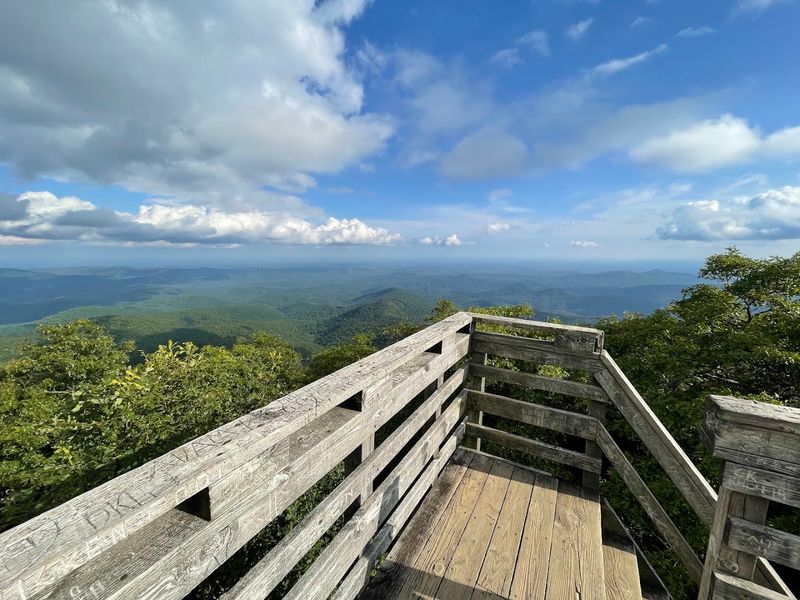
Did you know that Rabun Bald’s stone tower was built by the Civilian Conservation Corps during the 1930s? This architectural gem sits atop Georgia’s second-highest peak at 4,696 feet.
The structure has weathered nearly a century of mountain storms while providing hikers with breathtaking vistas.
May transforms the surrounding forests into a vibrant green canvas. Mountain laurel begins its flowering cycle, adding white and pink blooms to the scenery.
The four-mile hike from Beegum Gap follows a moderate grade through hardwood forests.
Clear spring air allows views reaching deep into North Carolina and South Carolina. The tower’s elevated platform adds another twenty feet to your viewing height.
This extra elevation makes a significant difference in how far you can see across the ridgelines.
Local wildlife becomes more active as temperatures warm. Expect to hear songbirds throughout your hike.
The summit provides excellent opportunities for identifying distant peaks using topographic maps or smartphone apps.
Blood Mountain
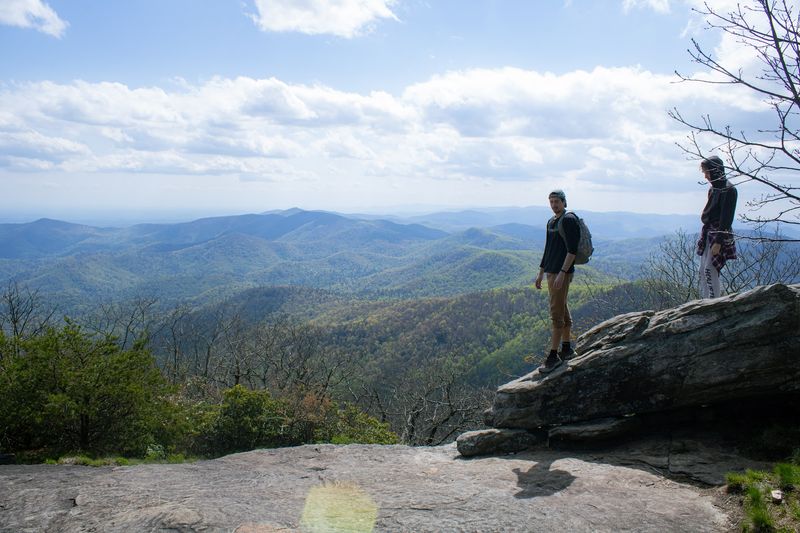
Massive boulders create natural viewing platforms across Blood Mountain’s 4,458-foot summit. The exposed rock formations offer countless spots to sit and absorb the surrounding mountain landscape.
Layers of ridges fade from deep green to misty blue as they stretch toward distant horizons.
This Appalachian Trail landmark attracts serious hikers and casual adventurers alike. The historic stone shelter near the top represents one of the oldest backcountry structures along the entire trail.
May’s comfortable temperatures make the challenging climb much more enjoyable than summer’s heat.
Several trails converge at this popular destination, creating multiple route options. The Byron Reece Trail provides a shorter but steeper approach.
Whichever path you choose, the payoff remains the same: stunning mountain scenery in every direction.
Photography enthusiasts particularly appreciate the dramatic rock formations combined with expansive backgrounds. Afternoon lighting creates strong shadows that emphasize the rugged terrain.
Weekday visits help you avoid the crowds that gather on pleasant weekend mornings.
Black Rock Mountain State Park
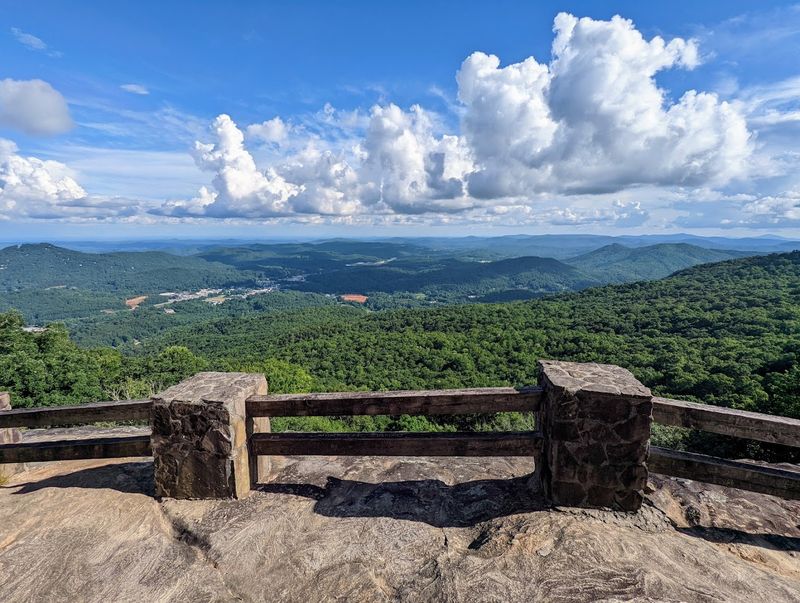
Imagine watching the sunrise from Georgia’s highest state park as valleys below fill with cotton-like fog. Black Rock Mountain delivers this magical experience regularly during May mornings.
The park maintains several overlooks that require minimal walking from parking areas, making spectacular views accessible to everyone.
At 3,640 feet elevation, the park sits high enough to escape valley haze. The Tennessee Rock Trail leads to the park’s premier viewpoint after a short, moderate hike.
Spring wildflowers line the pathway, adding color to your journey.
Camping facilities allow overnight visitors to catch dawn’s first light. The eastern overlooks provide unobstructed views across Southern Appalachian ridges.
Sunrises during May often feature dramatic color displays as light breaks over the mountains.
Park rangers offer guided walks that explain the region’s natural history. The visitor center displays information about local flora and fauna.
Arriving midweek increases your chances of having overlooks nearly to yourself.
Yonah Mountain
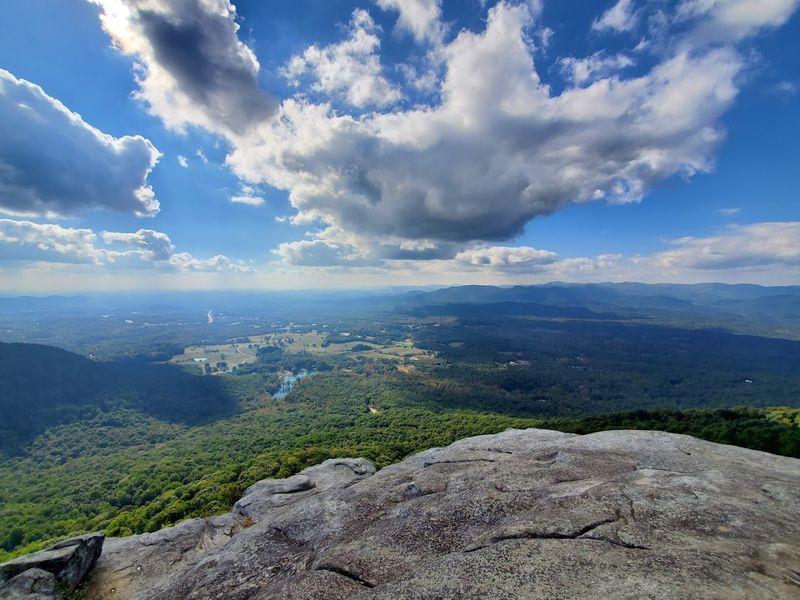
Unlike most Georgia peaks covered in trees, Yonah Mountain’s bare granite summit creates an entirely different viewing experience. The exposed rock face rises dramatically above surrounding forests, offering unobstructed 270-degree views.
At 3,166 feet, this mountain punches well above its elevation class in terms of scenery.
Spring greenery appears especially vivid when viewed from the gray granite platform. The contrast between fresh foliage and ancient stone creates stunning visual appeal.
Rock climbers often scale the mountain’s sheer eastern face while hikers enjoy the more moderate western trail.
The summit provides enough space for multiple groups to spread out comfortably. Flat rock surfaces make perfect spots for picnicking while soaking in mountain vistas.
May’s moderate temperatures and low humidity create ideal conditions for extended stays at the top.
Wildflowers bloom along the trail approach, adding seasonal color to your hike. The final scramble involves some hand-over-hand climbing on rocks.
This brief challenge makes reaching the summit feel even more rewarding.
Preacher’s Rock
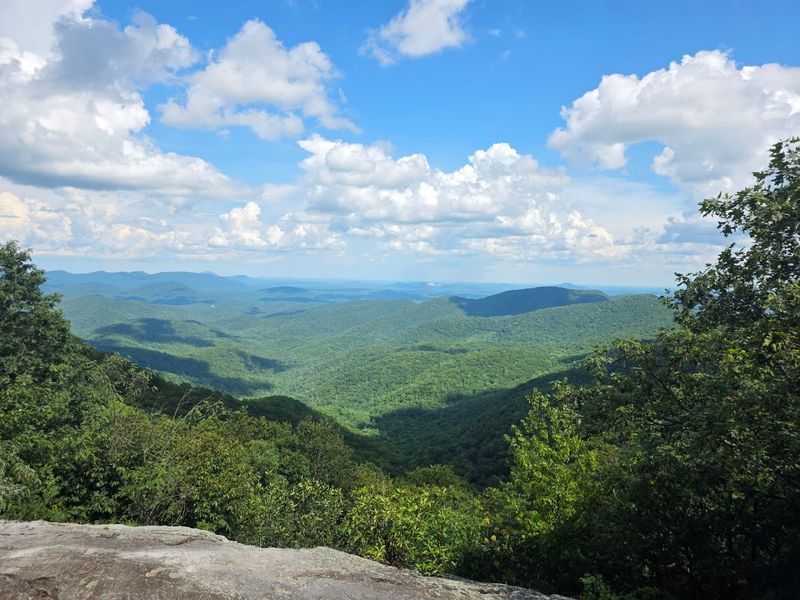
Not every amazing view requires an exhausting climb. Preacher’s Rock proves this point beautifully with its relatively easy access from Woody Gap.
The overlook sits just half a mile from the parking area along a well-maintained section of the Appalachian Trail.
Families with children regularly make this hike without difficulty. The gradual ascent through hardwood forests takes roughly twenty minutes at a leisurely pace.
Once you arrive, sweeping mountain views reward your modest effort generously.
May’s mild weather makes this short hike pleasant for people of various fitness levels. The overlook’s spacious rock platform accommodates groups comfortably.
Southern exposure means afternoon lighting enhances the layered mountain ridges beautifully.
Fresh spring leaves create a vibrant green frame around distant peaks. The sound of wind rustling through new foliage adds to the peaceful atmosphere.
Many hikers combine this destination with nearby trails for longer adventures.
Photographers find the foreground vegetation useful for adding depth to landscape shots. The accessibility makes Preacher’s Rock an excellent introduction to Georgia mountain views.
Cowrock Mountain
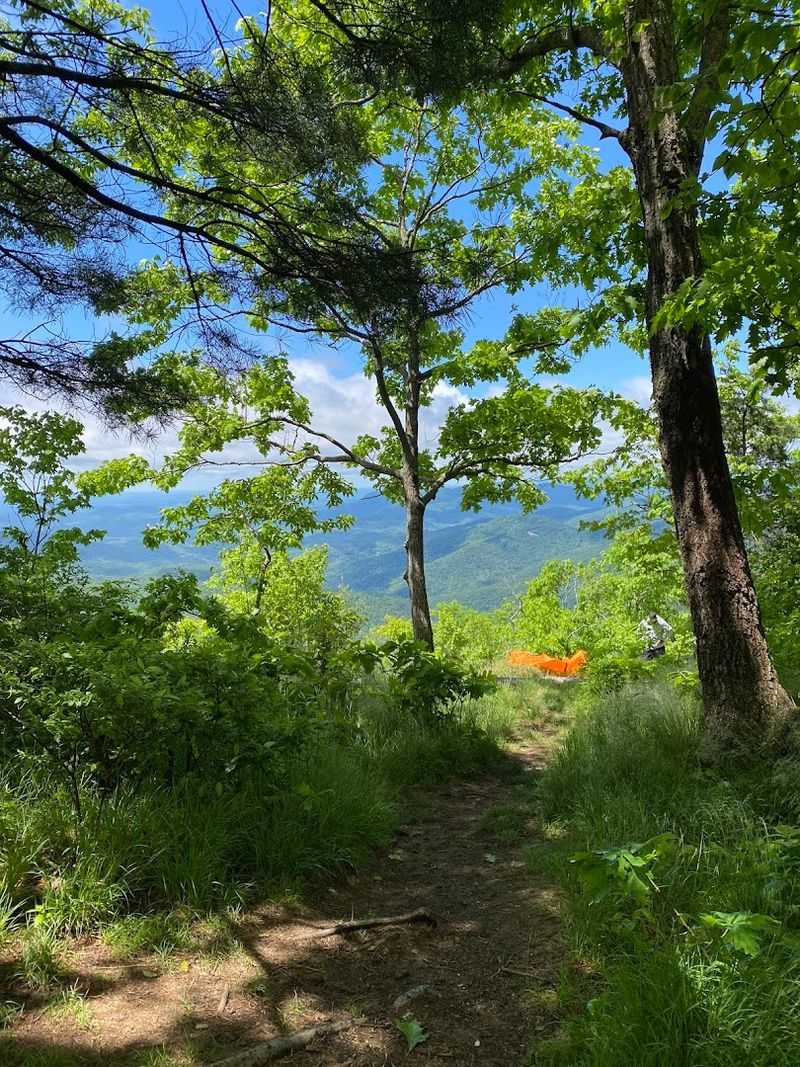
Wind whispers across open ridges as you stand atop Cowrock Mountain, taking in unobstructed views that seem to roll on forever. The broad, grassy summit at 3,842 feet provides a 360-degree mountain panorama rarely found in Georgia.
May’s crystal-clear atmosphere transforms distant ridges into sharp, defined layers.
This Appalachian Trail section sees fewer visitors than more famous peaks nearby. The relative solitude enhances the wilderness experience significantly.
Mountain breezes keep temperatures comfortable even as the day warms.
The approach from Tesnatee Gap involves steady climbing through diverse forest ecosystems. Rhododendron thickets give way to hardwoods as elevation increases.
Finally, the trail breaks into open meadow areas near the summit.
Wildflowers dot the grassy areas during late spring. The lack of dense tree cover means wildlife spotting opportunities increase.
Hawks and ravens often soar on thermal currents rising from the valleys.
Pack extra water since shade becomes scarce near the top. The exposed summit requires sunscreen even on partly cloudy days.
Fort Mountain State Park
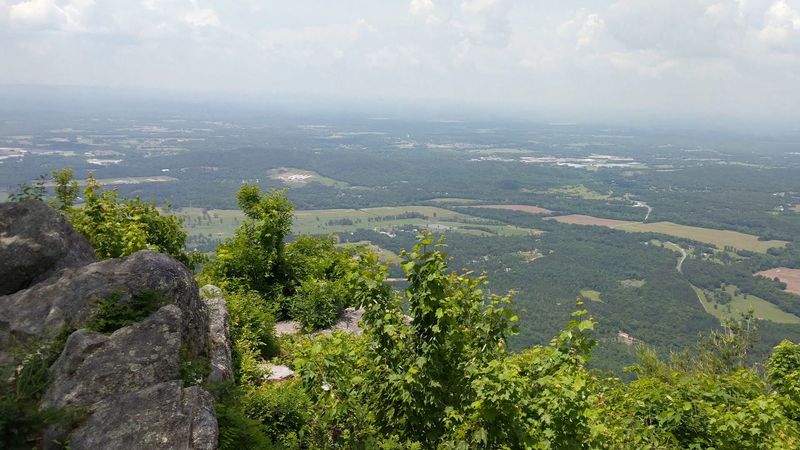
Mystery surrounds the ancient stone wall that snakes along Fort Mountain’s ridge. Some believe Native Americans built it centuries ago, while others propose different origins.
Regardless of its history, the structure adds intrigue to already impressive mountain scenery at this state park.
Multiple overlooks provide varying perspectives across the landscape. The observation tower elevates your view above tree level, revealing distant ridges that might otherwise remain hidden.
May brings rhododendrons into bloom, creating natural gardens among the rocky outcrops.
Well-maintained trails connect different scenic points throughout the park. You can customize your visit based on available time and energy levels.
Even short walks from parking areas yield rewarding vistas.
The park’s elevation ensures cooler temperatures than lower valleys. Fresh spring foliage appears especially lush and vibrant during this season.
Camping facilities allow multi-day visits for those wanting to explore thoroughly.
Educational programs explain the park’s natural and cultural history. Picnic areas near overlooks make perfect lunch spots with a view.
Tray Mountain
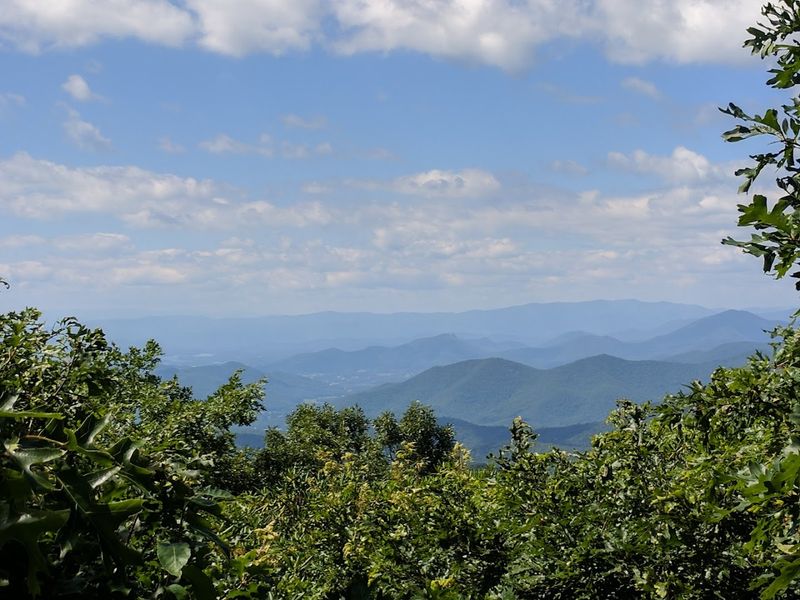
Solitude seekers cherish Tray Mountain’s remote location deep in the Chattahoochee National Forest. At 4,430 feet, this peak ranks among Georgia’s highest, yet it attracts fewer crowds than more accessible destinations.
The isolation creates a genuine wilderness experience increasingly rare in today’s busy world.
Several approaches exist, but all require significant hiking effort. The reward for this work includes pristine mountain views and peaceful ridge-top wandering.
May’s clear conditions reveal the full scope of surrounding wilderness.
The summit area spreads across a broad, forested ridge rather than concentrating on a single point. Multiple clearings offer different viewing angles across the landscape.
Appalachian Trail thru-hikers pass through regularly, adding occasional human connection to the remote setting.
Spring wildflowers bloom profusely along the trail approaches. The extended hiking distance means encountering diverse ecosystems at varying elevations.
Prepare for a full day adventure with proper supplies and planning.
Cell service remains unreliable in these remote mountains. Carry detailed maps and know your route thoroughly before starting.
Lookout Mountain
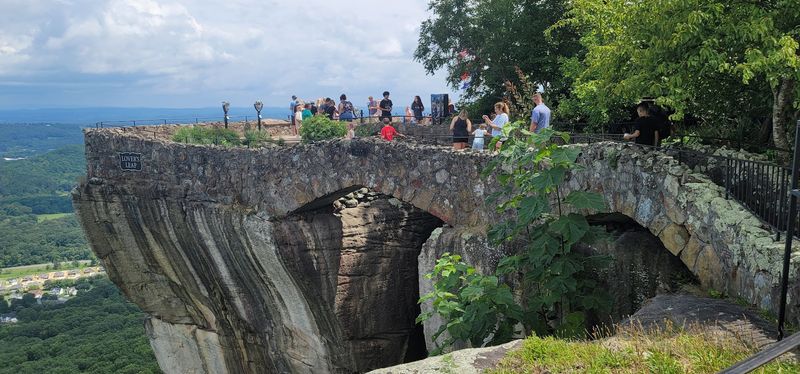
Three states meet near Lookout Mountain’s dramatic promontory, creating geography lessons and stunning views simultaneously. The mountain towers 2,392 feet above sea level, providing commanding perspectives across northwest Georgia and beyond.
May’s cooler weather frequently brings exceptional visibility across the region.
Unlike many Georgia peaks buried in remote forests, Lookout Mountain features developed attractions alongside natural beauty. Rock City Gardens combines geological wonders with cultivated landscapes.
The famous view from Lover’s Leap reveals seven states on exceptionally clear days.
The mountain’s strategic position made it historically significant during the Civil War. Today, visitors appreciate its dramatic topography for peaceful rather than military purposes.
Vertical cliffs create breathtaking drop-offs that photographers find irresistible.
Multiple access points allow varying levels of adventure. You can drive to developed overlooks or hike more challenging trails.
Spring wildflowers add seasonal interest to the natural areas.
The tourist town atmosphere provides dining and lodging options nearby. This accessibility makes Lookout Mountain suitable for visitors of all ages and abilities seeking memorable mountain views.
Cloudland Canyon State Park
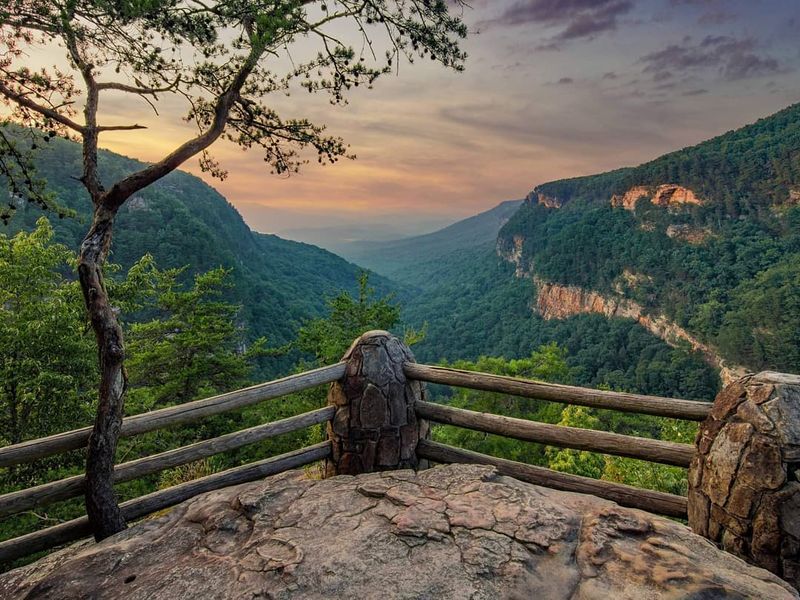
Vertical sandstone walls plunge hundreds of feet into Cloudland Canyon’s depths, creating Georgia’s most dramatic canyon landscape. The rim overlooks provide stomach-dropping perspectives straight down rugged cliff faces.
Beyond the canyon, mountain ridges stretch across the horizon in successive waves.
May’s cleaner air makes distant features stand out sharply against the sky. Fresh green vegetation softens the canyon’s harsh geology with natural beauty.
Two waterfalls tumble through the canyon depths, accessible via challenging staircases for adventurous visitors.
The rim trail offers relatively easy walking with spectacular payoffs. Numerous overlooks provide slightly different angles on the canyon scenery.
Each viewpoint seems more impressive than the last.
Spring weather creates perfect hiking conditions throughout the park. Wildflowers bloom along trails and forest edges.
Birds nest actively in cliff crevices and surrounding trees.
The park’s western location catches beautiful sunset lighting. Evening visits reveal how changing light transforms the landscape dramatically.
Camping facilities allow overnight stays for those wanting dawn and dusk viewing opportunities.
Bell Mountain
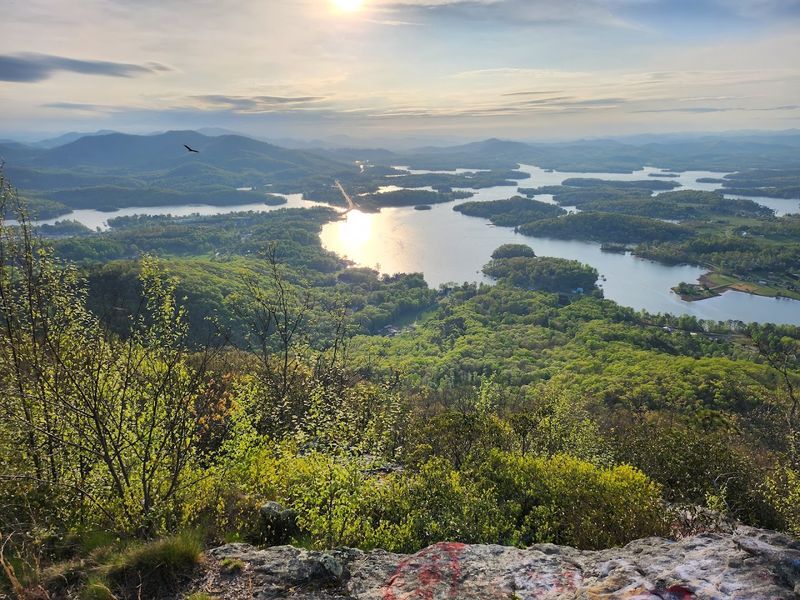
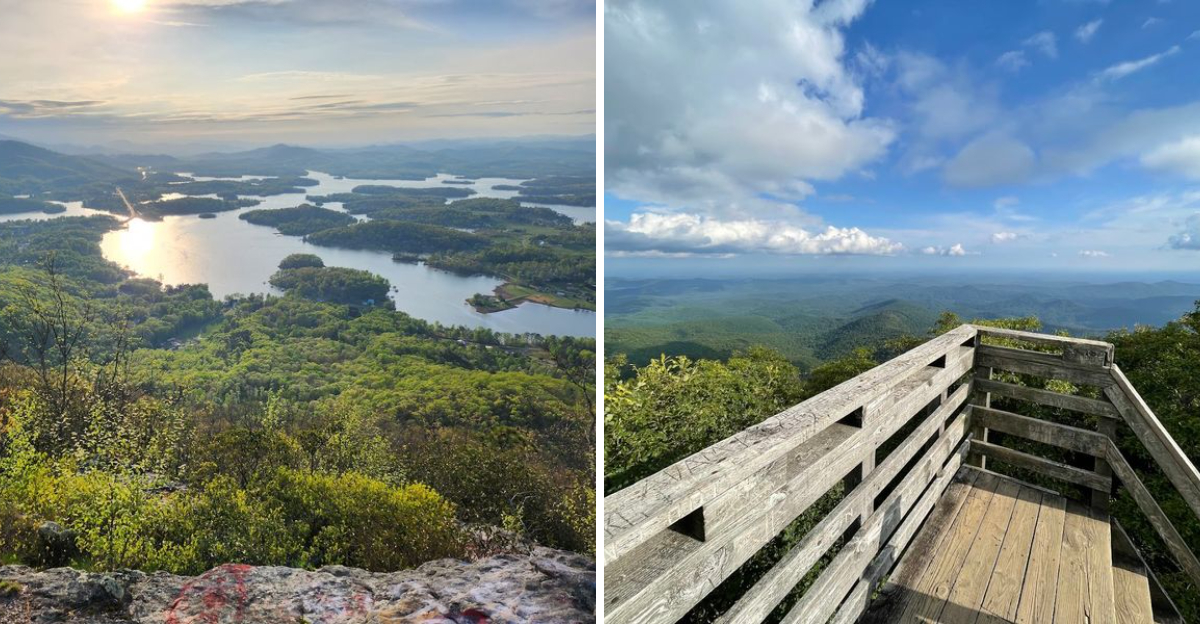
Accessibility meets spectacular scenery at Bell Mountain, where a short trail delivers big rewards. The summit overlook reveals Lake Chatuge sparkling below while Blue Ridge peaks surround the horizon.
This combination of water and mountain views creates uniquely beautiful compositions.
The relatively easy climb makes this destination popular with families and casual hikers. Spring weather ensures comfortable conditions for the moderate ascent.
May evenings attract photographers hoping to capture stunning sunsets over the lake.
The open summit provides ample space for groups to gather without feeling crowded. Rock outcrops create natural seating for extended stays.
Watching daylight fade across the mountains becomes a meditative experience.
Towns below twinkle to life as darkness approaches. The transitional lighting between day and night produces magical color displays.
Clear May skies often feature brilliant oranges and purples during sunset hours.
Lake reflections add another dimension to the scenery. Sailboats and recreational craft create moving elements in otherwise static landscapes.
The variety keeps views interesting throughout your visit.
Local tourism infrastructure provides nearby amenities and services.