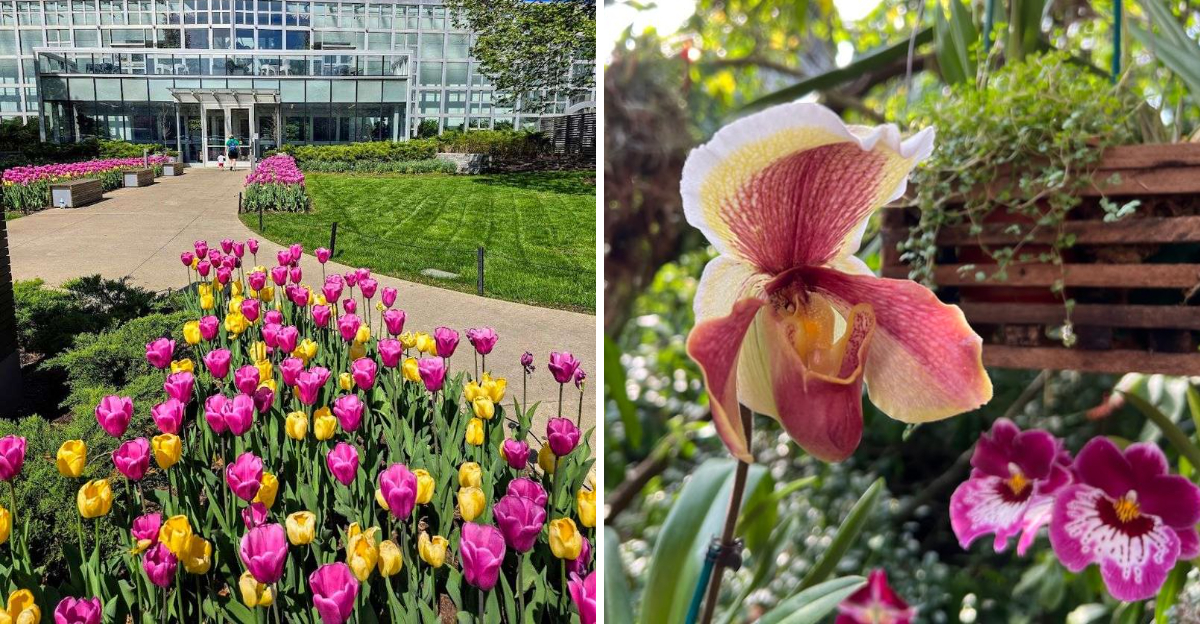
Ohio in May explodes into a tulip-filled spectacle that refuses to be ignored. Color spills across gardens, pulling visitors into fields of pink, gold, and red blooms.
May brings a rush of flowers pushing through every corner of the state.
Pavements near historic estates and public parks turn into color-heavy escapes. Tulips stand tall while trees scatter soft petals across paths.
These twelve gardens across Ohio turn simple spring days into something unforgettable. Weeks in May feel brighter as tulips open wide and every path feels alive with color and motion.
Visitors wander slowly, pausing for photos, quiet moments, and bursts of spring joy that linger long after leaving.
Ohio gardens become a reason to step outside and let spring take over your day, fully and freely unfolding everywhere here.
Franklin Park Conservatory and Botanical Gardens (Columbus)
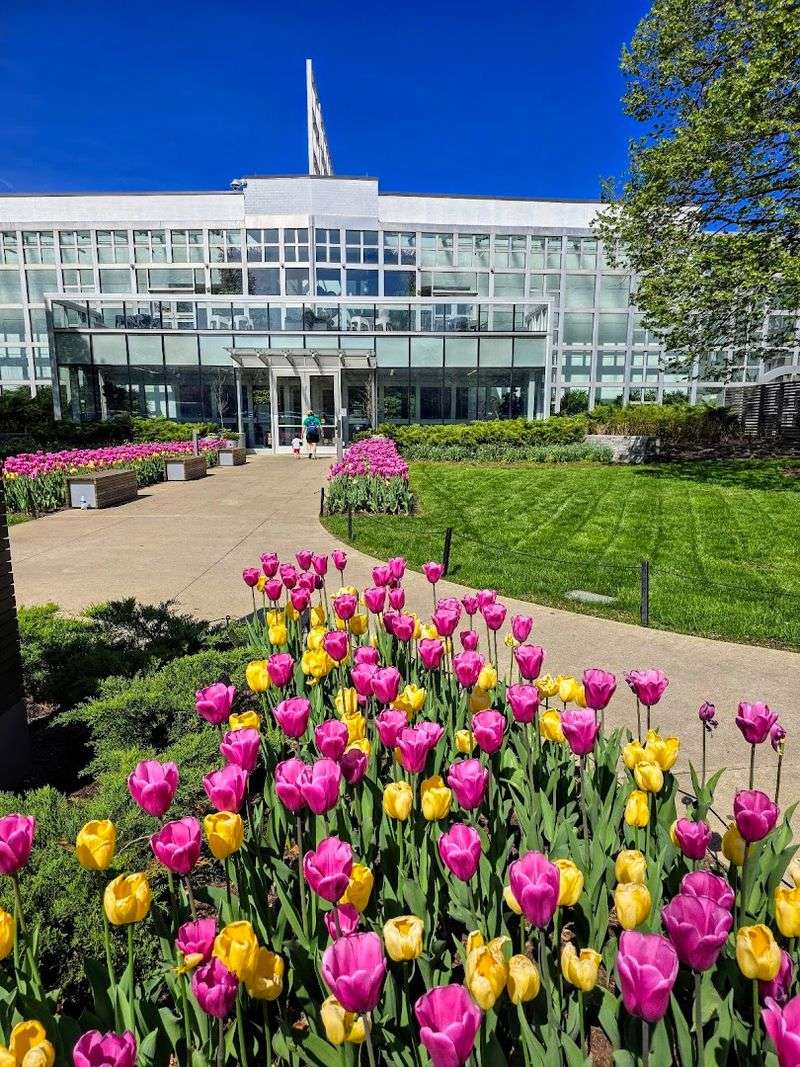
Columbus claims one of the Midwest’s most spectacular botanical destinations right in the heart of the city. Visitors discover acres of outdoor gardens exploding with thousands of tulips arranged in sweeping color patterns.
The glass conservatory houses tropical plants year-round, but May brings special magic when indoor and outdoor displays unite.
Themed exhibitions change seasonally, ensuring fresh experiences for repeat visitors. Mass bulb plantings create breathtaking visual impact across formal beds and naturalized areas.
Photography enthusiasts find endless opportunities among the blooms.
Educational programs run throughout spring, teaching families about plant care and garden design. Walking paths wind through different climate zones and landscape styles.
Plan several hours to explore everything from desert collections to rainforest environments.
Local garden clubs often schedule group visits during peak tulip season. The conservatory’s central location makes it easy to combine with other Columbus attractions.
Admission fees support ongoing conservation and education efforts.
Dawes Arboretum (Newark)
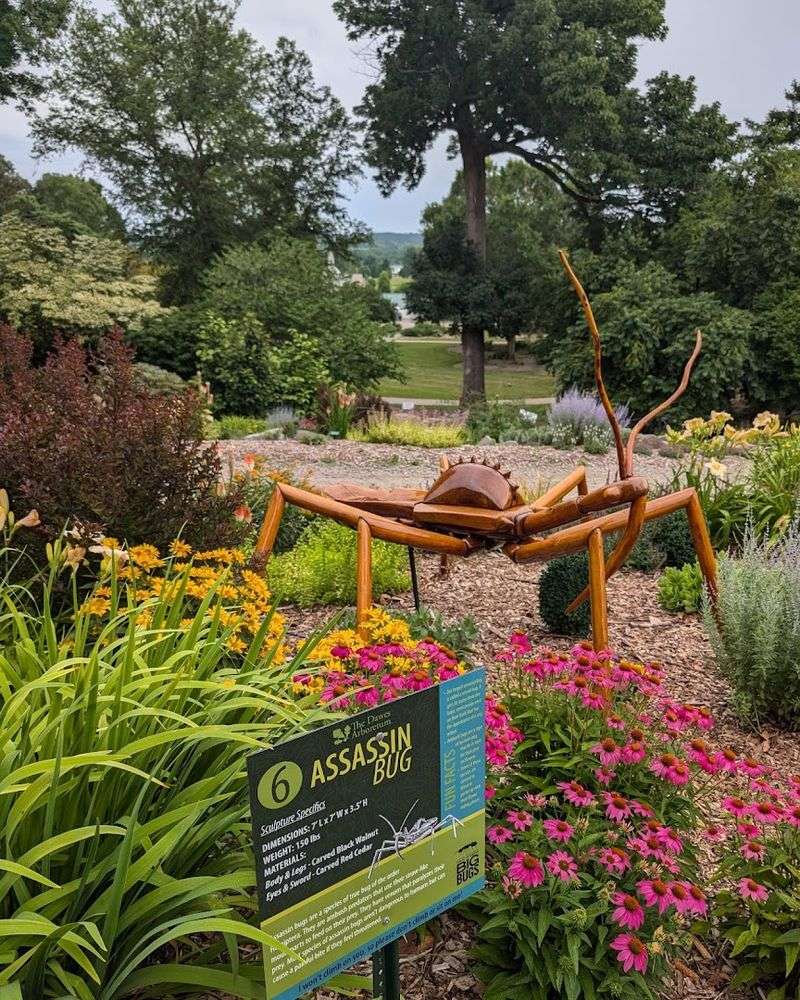
Covering nearly two thousand acres, this expansive natural treasure offers more than just gardens. Spring brings waves of color as tulips emerge alongside flowering magnolias and ornamental cherry trees.
Driving loops let visitors experience the changing landscapes without leaving their cars, perfect for those with mobility concerns.
Curated display gardens showcase intentional plant combinations that teach design principles. Natural woodlands provide habitat for migrating birds and native wildflowers.
May weather typically allows comfortable exploration on foot or by vehicle.
Families appreciate the variety of experiences available in one location. Children can run freely through open meadows while adults photograph spring blooms.
Educational signage throughout the property identifies plants and explains ecological relationships.
The arboretum welcomes visitors free of charge, supported by donations and memberships. Picnic areas invite extended stays among the scenery.
Weekend visits may be busier, but the vast acreage never feels crowded.
Cleveland Botanical Garden (Cleveland)
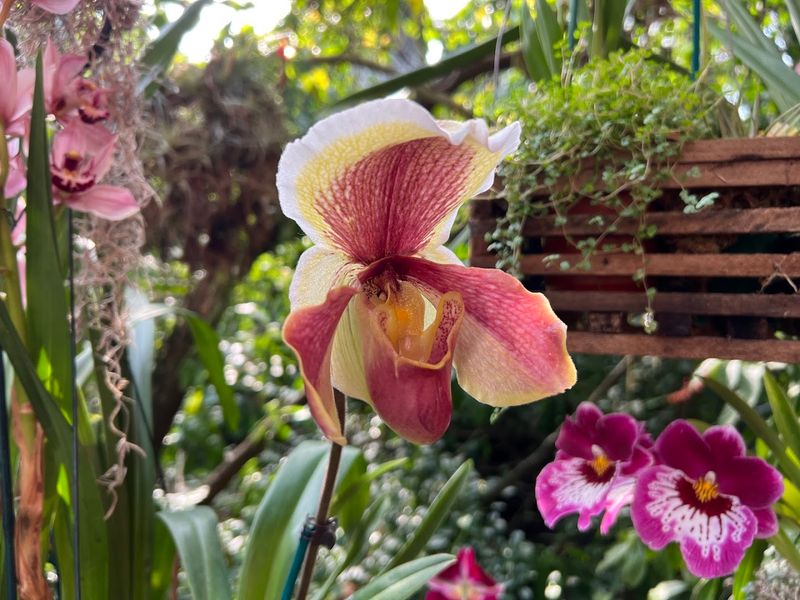
University Circle’s botanical gem packs incredible diversity into a compact urban setting. Carefully designed spring beds showcase tulips in sophisticated color combinations that inspire home gardeners.
Daffodils and hyacinths add fragrance and texture to the outdoor displays.
Indoor glasshouses transport visitors to Costa Rica and Madagascar without leaving Ohio. These climate-controlled environments maintain exotic plant collections year-round.
The contrast between tropical warmth and cool spring air outside creates memorable sensory experiences.
Professional horticulturists maintain the gardens to demonstration-quality standards. Seasonal workshops teach practical skills applicable to suburban and city gardens.
Members receive advance notice of special events and peak bloom times.
The garden’s location near museums and cultural institutions makes it ideal for day trips. Public transportation serves the area well, reducing parking concerns.
May weather encourages lingering on benches surrounded by blooms. Small admission fees help fund ongoing horticultural research and community programs.
Holden Arboretum (Kirtland)
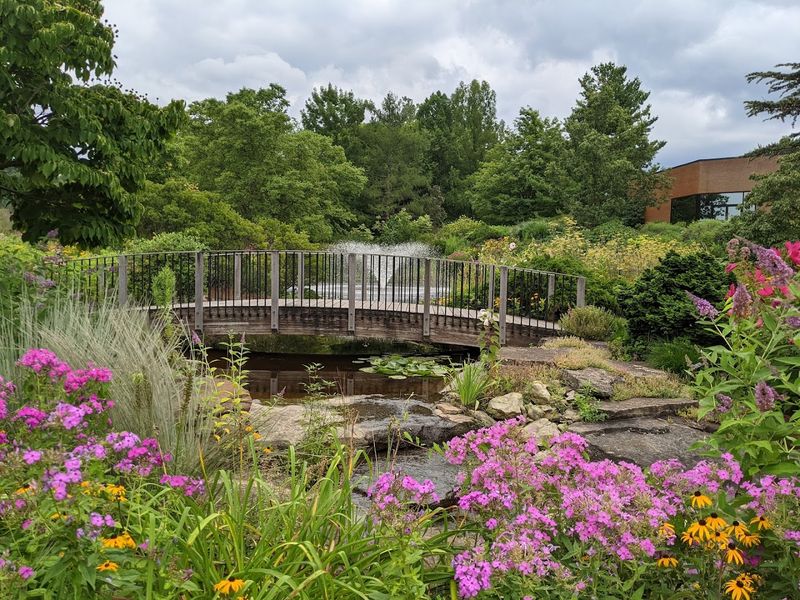
Ranking among America’s largest arboreta, Holden delivers spring beauty on a massive scale. Woodland wildflowers carpet the forest floor while cultivated tulip gardens provide concentrated color.
Flowering trees create layers of visual interest from ground level to canopy.
The elevated canopy walk offers unique perspectives on spring’s progression through different tree species. Miles of trails accommodate various fitness levels and interests.
Some paths feature interpretive stations explaining forest ecology and seasonal changes.
May weather usually allows comfortable exploration across the diverse terrain. Photographers particularly love the golden hour light filtering through new leaves.
Birdwatchers bring binoculars to spot migrating species stopping to feed.
Special events throughout spring highlight different plant collections and natural features. The visitor center provides maps and current bloom reports.
Membership options offer unlimited visits and reciprocal benefits at other gardens nationwide. Parking is plentiful, and the property rarely feels overcrowded even during peak weekends.
Stan Hywet Hall & Gardens (Akron)
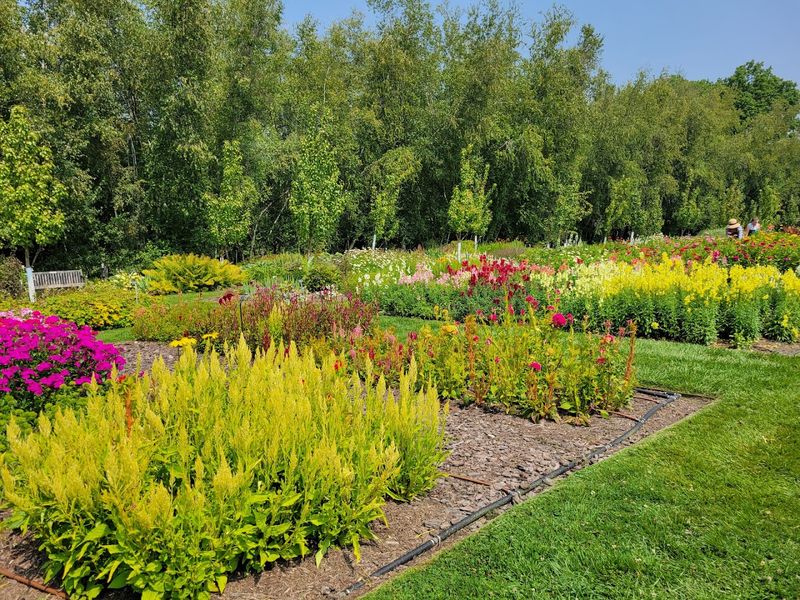
History and horticulture merge beautifully at this former industrial baron’s estate. Formal garden designs from the early twentieth century frame seasonal tulip displays that honor original planting schemes.
The historic greenhouse maintains heritage plant varieties rarely seen elsewhere.
Manicured landscapes surround the mansion, creating outdoor rooms with distinct characters and purposes. May brings these spaces to their full potential with coordinated color schemes.
Guided tours reveal stories of the family who created this remarkable property.
Garden enthusiasts study the formal design principles demonstrated throughout the grounds. Seasonal bedding changes showcase professional horticultural practices adapted to home scale.
Photography workshops often schedule sessions during peak bloom periods.
The estate hosts special events that highlight both architecture and gardens. Admission fees support preservation efforts for buildings and landscapes.
Visiting on weekdays often provides quieter experiences. The property’s size allows several hours of exploration without retracing steps.
Inniswood Metro Gardens (Westerville)
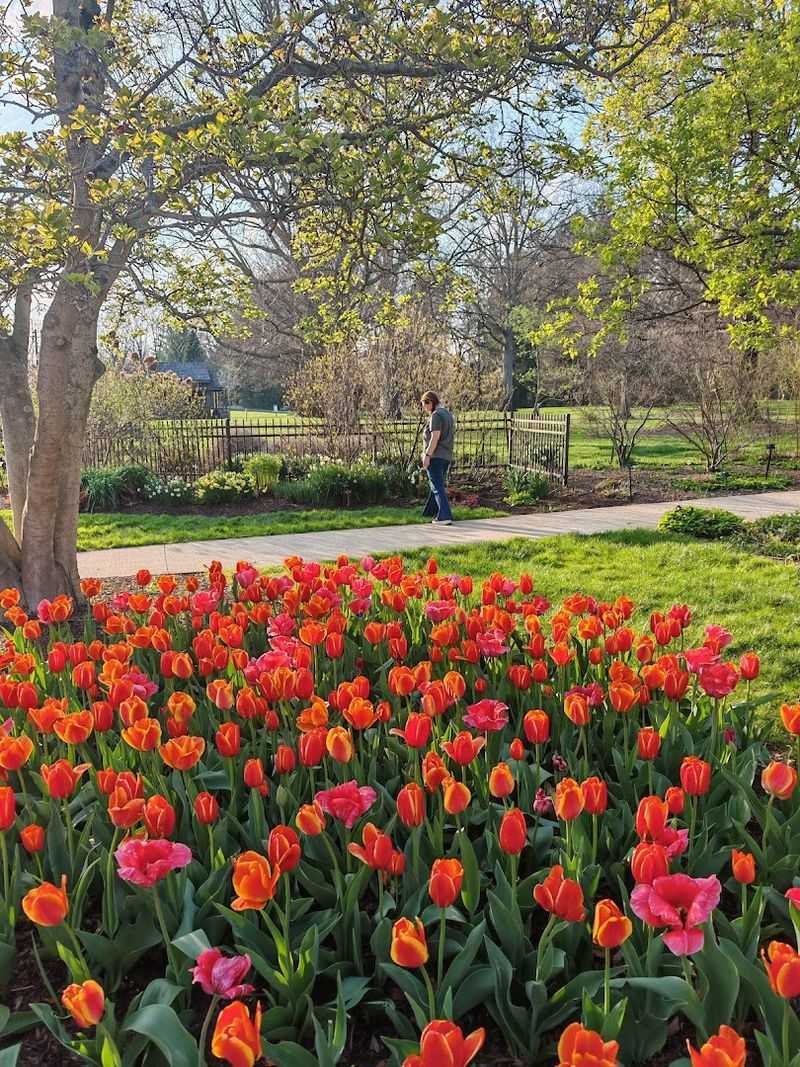
Just outside Columbus lies this peaceful retreat that feels miles from urban bustle. Garden rooms create intimate spaces filled with carefully chosen spring bulbs and flowering shrubs.
Shaded woodland paths offer cool respites between sunny display areas.
The property’s modest size encourages slow, contemplative exploration rather than rushed visits. May weather invites sitting quietly to observe pollinators working among the flowers.
Local residents treat Inniswood as their neighborhood garden, returning frequently throughout spring.
Unlike larger attractions, this hidden gem rarely draws overwhelming crowds. Photographers appreciate the manageable scale that allows capturing entire garden vignettes.
Plant labels help visitors learn names and growing requirements for home gardens.
Free admission makes repeated visits easy on family budgets. The gardens demonstrate successful small-space design principles applicable to suburban yards.
Benches positioned throughout encourage extended stays. Early morning visits reward with dewdrops on tulip petals and active songbirds.
Kingwood Center Gardens (Mansfield)
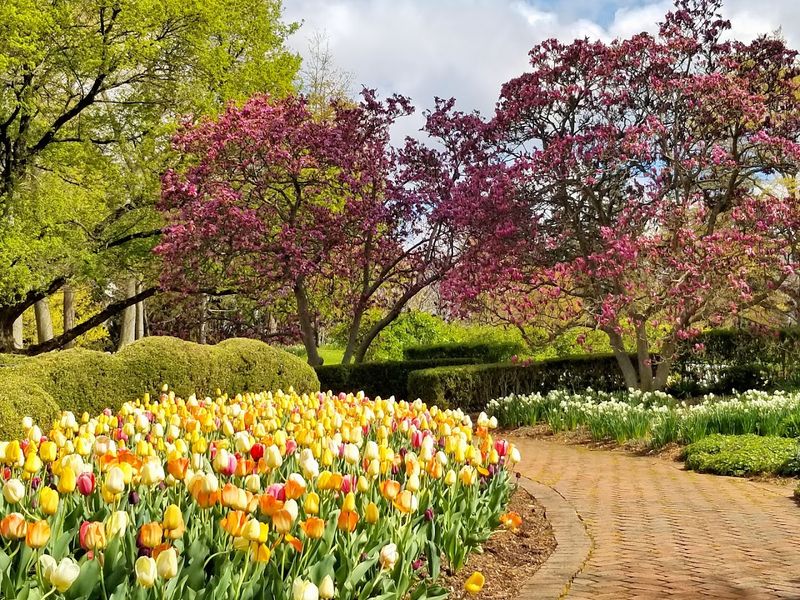
Bold seasonal statements define this former estate turned public treasure. Geometric tulip beds create striking patterns visible from the historic mansion’s upper windows.
Spring borders combine bulbs with complementary annuals for extended color.
Professional designers create fresh displays each season, ensuring returning visitors always find something new. The scale and precision of plantings inspire ambitious home gardeners.
Maintenance practices demonstrated here translate to smaller residential properties.
The mansion itself provides architectural interest beyond the gardens. Interior tours reveal period furnishings and the estate’s transformation into a community resource.
Special programs connect horticultural arts with local history.
Parking areas easily accommodate tour buses and individual visitors alike. The gardens flow naturally from one area to another, creating cohesive experiences.
May weather typically allows comfortable exploration without weather interruptions. Membership programs support ongoing improvements and educational initiatives.
Wedding photographers frequently book sessions among the spring blooms.
Fellows Riverside Gardens (Youngstown)
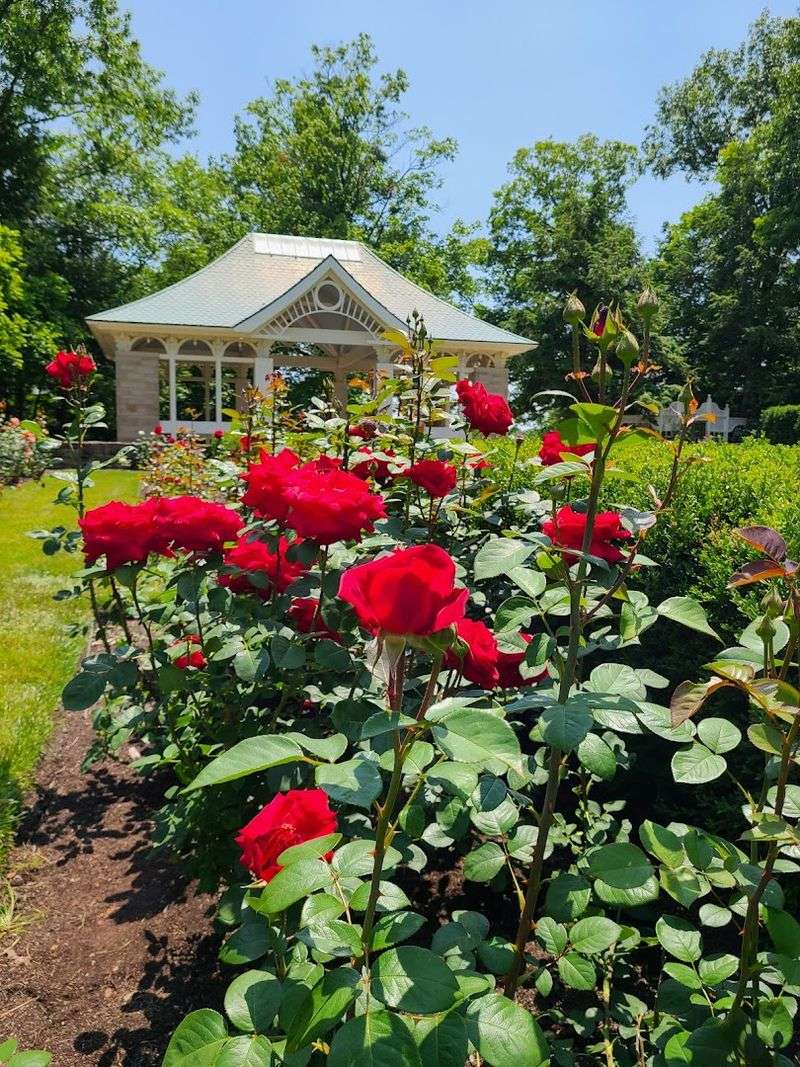
Overlooking picturesque Mill Creek MetroParks, these formal gardens command stunning views. Sweeping spring plantings cascade down slopes toward lakes and meadows below.
Tulips mix with pansies and flowering trees for layered seasonal interest.
The garden’s elevated position provides natural amphitheater settings for photography and contemplation. Rolling lawns invite picnicking after exploring flower beds.
May weather usually cooperates for extended outdoor visits.
Connected trail systems link the formal gardens to wilder park areas. Active visitors can combine garden touring with longer nature walks.
The variety of landscapes within one park system offers something for everyone.
Community volunteers help maintain the extensive plantings through organized workdays. Educational programs teach sustainable gardening practices suitable for home application.
Free admission removes barriers to repeat visits. Ample parking serves busy weekend crowds.
The combination of formal and natural landscapes creates unique photographic opportunities unavailable at more structured gardens.
Cox Arboretum MetroPark (Dayton)
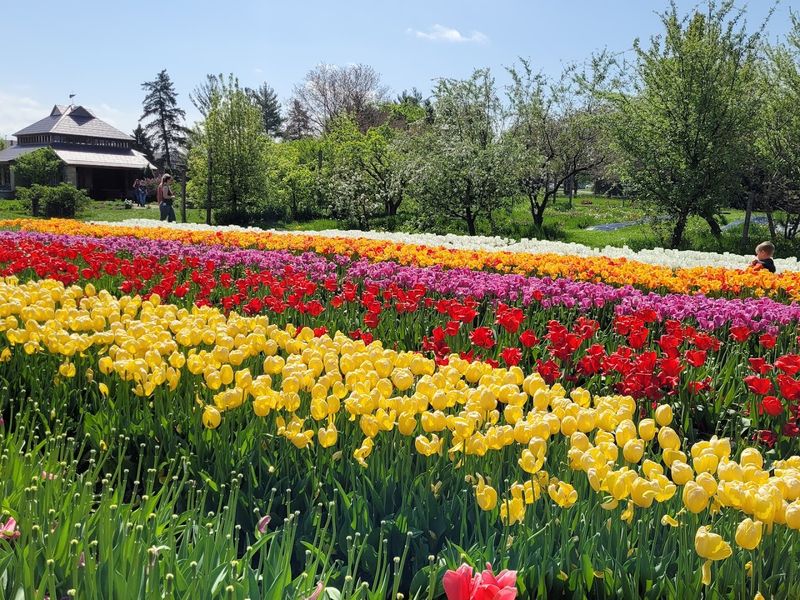
Dayton’s premier natural attraction balances native ecosystems with cultivated displays. The elevated tree canopy walk provides birds-eye views of spring’s arrival across different habitats.
Prairie landscapes burst with early wildflowers while display gardens showcase bulbs and ornamental trees.
Educational mission drives planting choices that demonstrate sustainable landscaping principles. Native species receive emphasis alongside carefully selected cultivars proven for Ohio conditions.
Interpretive signs explain ecological relationships and plant adaptations.
Miles of trails wind through diverse environments from wetlands to upland forests. Spring migration brings waves of birds that naturalists eagerly document.
The arboretum serves as both recreation destination and outdoor classroom.
Free public access encourages regular visits to observe seasonal changes. Families appreciate the combination of structured gardens and exploratory trails.
Parking lots rarely fill completely even during nice weather weekends. The facility welcomes leashed dogs on certain trails, making it popular with pet owners seeking spring outings.
Chadwick Arboretum & Learning Gardens (Columbus)
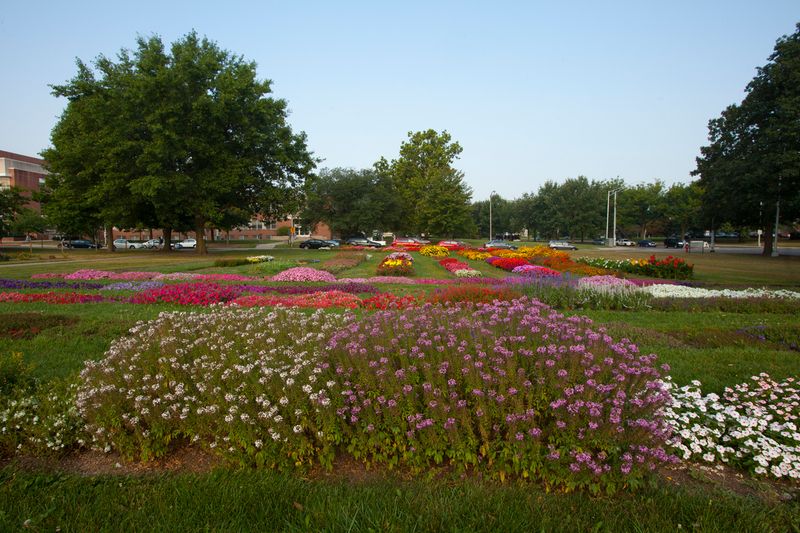
Ohio State University’s campus harbors this educational gem where sustainability meets seasonal beauty. Teaching landscapes demonstrate environmentally responsible gardening while maintaining visual appeal.
Spring tulips share space with native ephemerals in carefully planned combinations.
University research informs planting decisions and maintenance practices displayed here. Students and public visitors alike benefit from clear labeling and educational programming.
The gardens serve as living laboratories for horticultural innovation.
Campus location makes the arboretum accessible to diverse audiences throughout the week. Lunch breaks and between-class visits keep gardens active with people.
May’s pleasant weather draws students outdoors to study among the blooms.
Public events introduce sustainable gardening concepts applicable to home landscapes. Free admission and open hours accommodate varying schedules.
The combination of formal display areas and experimental plots shows gardens at different development stages. Rain gardens and native plant areas demonstrate solutions to common landscaping challenges.
Parking challenges may require using campus lots and walking short distances.
Toledo Botanical Garden (Toledo)
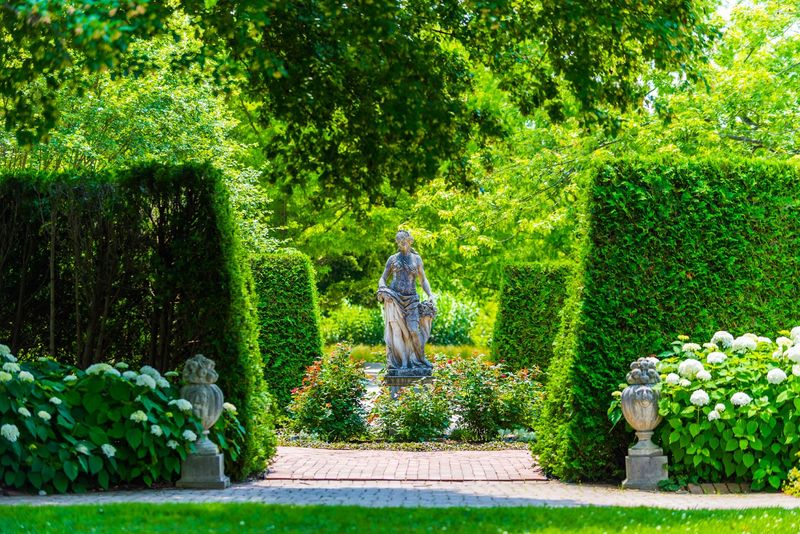
Community spirit thrives at this volunteer-supported botanical garden where local horticultural groups maintain diverse themed spaces. May brings coordinated tulip displays across multiple garden areas.
Perennial borders complement spring bulbs with emerging foliage and early flowers.
The garden’s grassroots management creates authentic neighborhood character different from large institutional facilities. Visitors often encounter volunteers tending beds, happy to share growing tips.
Educational programs reflect community interests and regional gardening challenges.
Themed garden spaces demonstrate various design styles from formal to cottage gardens. Artists frequently exhibit sculptures among the plantings during spring months.
The combination of art and horticulture creates unique cultural experiences.
Free admission and donation-based model ensure accessibility for all income levels. Families appreciate the welcoming atmosphere and child-friendly layout.
Special events throughout May celebrate spring’s arrival with plant sales and workshops. Ample parking and flat terrain accommodate visitors with mobility considerations.
The garden proves large-scale beauty requires community commitment more than large budgets.
Topiary Park (Columbus)
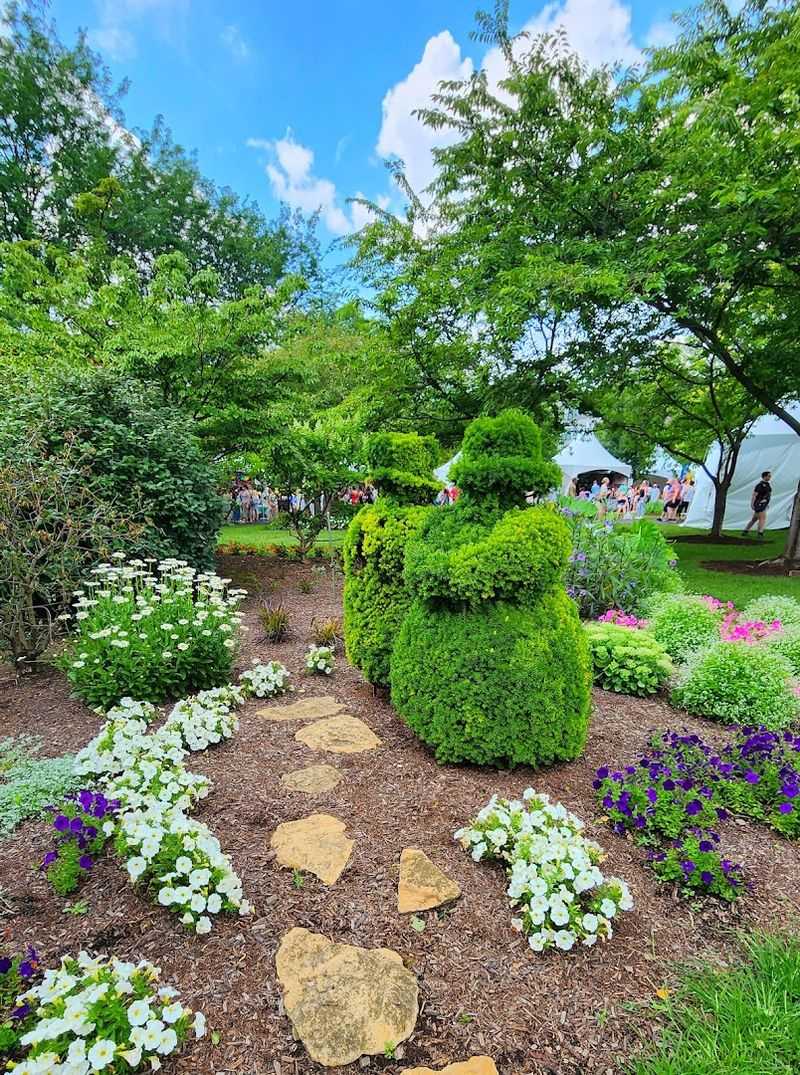
Art history comes alive in plant form at this extraordinary downtown park. Living topiaries recreate figures from Seurat’s famous pointillist painting in three dimensions.
Spring tulips and seasonal flowers enhance the sculptural landscape surrounding these unique features.
The park’s small size concentrates visual interest into easily walkable space. Visitors marvel at the skill required to maintain fifty human and animal figures shaped from yew and other evergreens.
Seasonal plantings change the setting while permanent topiaries remain constant.
Photography enthusiasts find endless creative angles combining art, horticulture, and urban context. The park attracts art students, garden lovers, and curious tourists equally.
Educational signs explain both the original painting and topiary maintenance techniques.
Downtown location makes visiting convenient when exploring Columbus’s cultural district. Free access removes barriers to impromptu visits.
The combination of whimsy and serious horticultural achievement creates memorable experiences. May weather invites lingering on benches to observe other visitors discovering the park’s uniqueness.