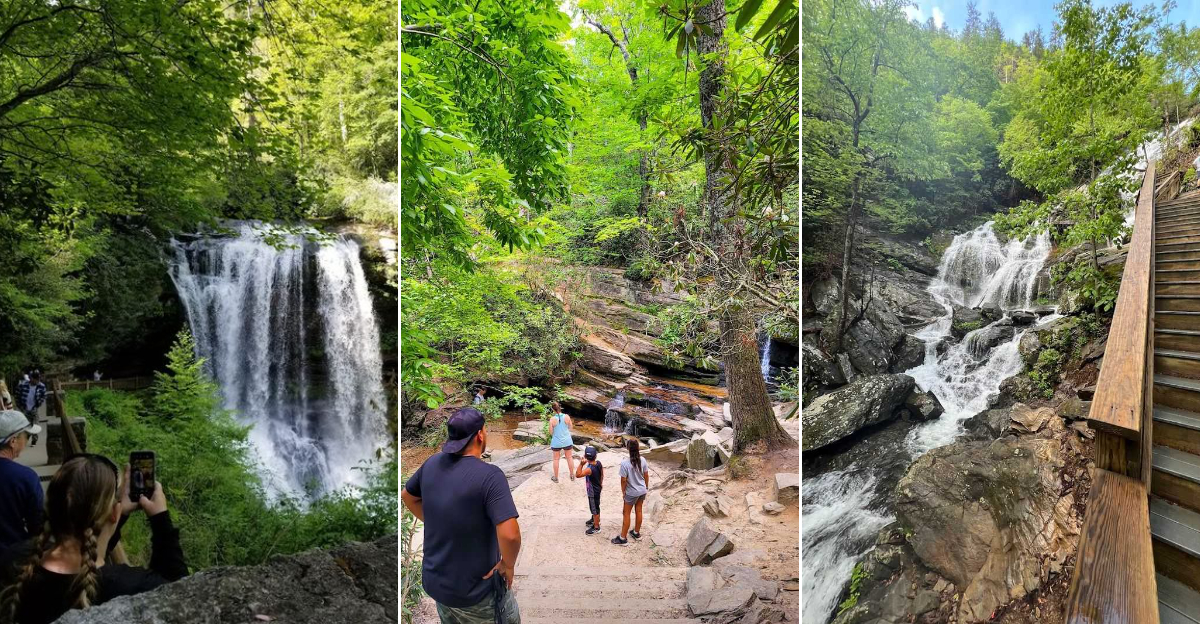
Spring in North Carolina has a way of slowing everything down. Forest floors turn soft with new growth, mountain air carries the scent of rain and wildflowers, and even familiar trails feel a little more alive than usual.
It’s the kind of season that invites you to take the long way, to follow the sound of moving water, and to see where a quiet path might lead.
Across the Blue Ridge and into the foothills, waterfalls pick up their strength again after winter, spilling over mossy rock in steady, shimmering sheets. The hikes feel easier this time of year too—cool shade, green tunnels of rhododendron, and the occasional opening where mist hangs in the light.
These lesser-visited falls offer space to wander without rush or noise. And with that in mind, here are 10 North Carolina waterfalls best experienced in the gentle heart of spring.
Rainbow Falls
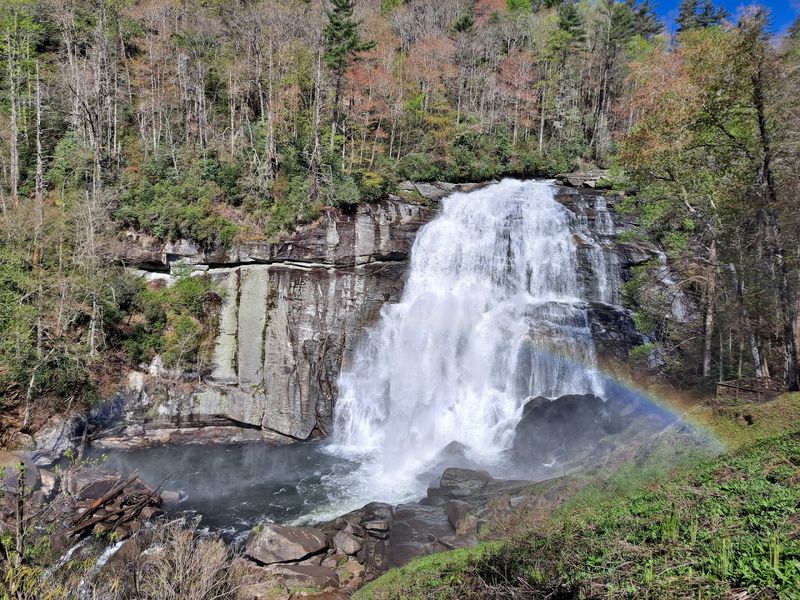
After a good spring rain, the forest here feels louder, greener, and wonderfully alive. Every turn of the trail carries damp earth, birdsong, and the kind of cool mountain air that makes you slow down on purpose.
This is exactly the mood that makes a waterfall chase in western North Carolina so memorable.
Tucked inside Gorges State Park near Sapphire, Rainbow Falls delivers one of the state’s most powerful hidden-feeling scenes. The hike from the Grassy Ridge parking area is scenic and moderately challenging, with mossy stretches and lush woodland that look especially vivid in May.
By spring, the heavy flow gives the cascade a thunderous presence you can hear before you see it.
I like this stop for travelers who want drama without needing an all-day trek. Mist rises around the viewing area, and when light cooperates, the spray can create the soft rainbow effect that gives the falls their name.
You should wear shoes with solid grip because the trail can stay slick.
If you are building a spring waterfall itinerary, this one deserves a top spot. It pairs big visual payoff with a deeply immersive forest approach, which is hard to beat.
Go earlier in the day for quieter views, steadier parking, and the freshest feeling along the trail.
Upper Whitewater Falls
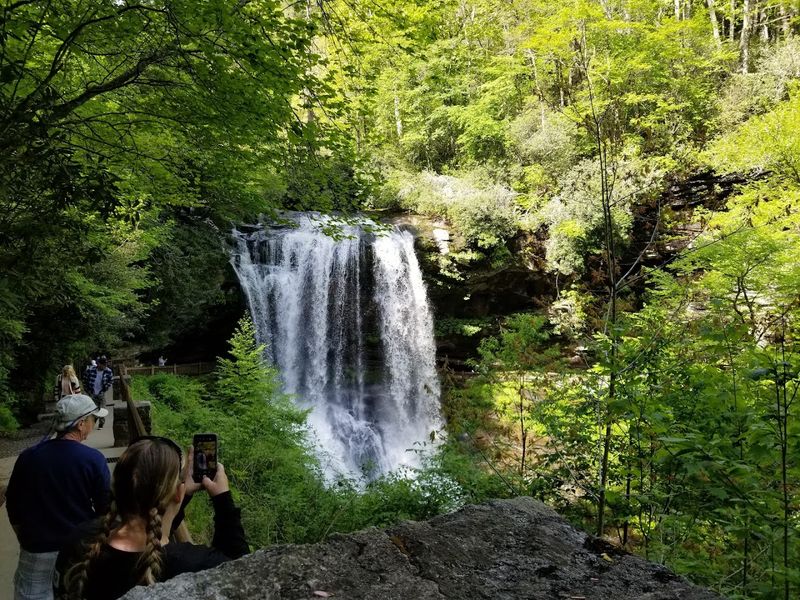
Cool air, rushing water, and dense forest combine here in a way that feels instantly cleansing. Spring gives the surrounding mountains a rich green softness, while recent rainfall adds muscle to every drop of water.
If you are craving a grand waterfall experience without midsummer congestion, this is a smart pick.
Near Sapphire, Upper Whitewater Falls stands out as one of the tallest waterfalls east of the Rockies. The overlook route is accessible enough for many travelers, yet the scenery still feels wild and expansive once you step into the forest.
In late spring, the cascade looks especially strong, framed by bright leaves and layered ridgelines.
What I love most is how quickly the view shifts from peaceful woods to full-scale drama. The observation areas let you take in the enormous drop safely, making this a rewarding stop for photographers, families, and anyone doing a Blue Ridge road trip.
You should bring a light layer because the overlook can feel surprisingly cool.
For a spring-focused waterfall list, this one earns its place through sheer scale and scenery. It is not the most secret in the state, but it still feels tucked away in the mountains.
Visit on a weekday if you want quieter moments and easier parking.
Hidden Falls
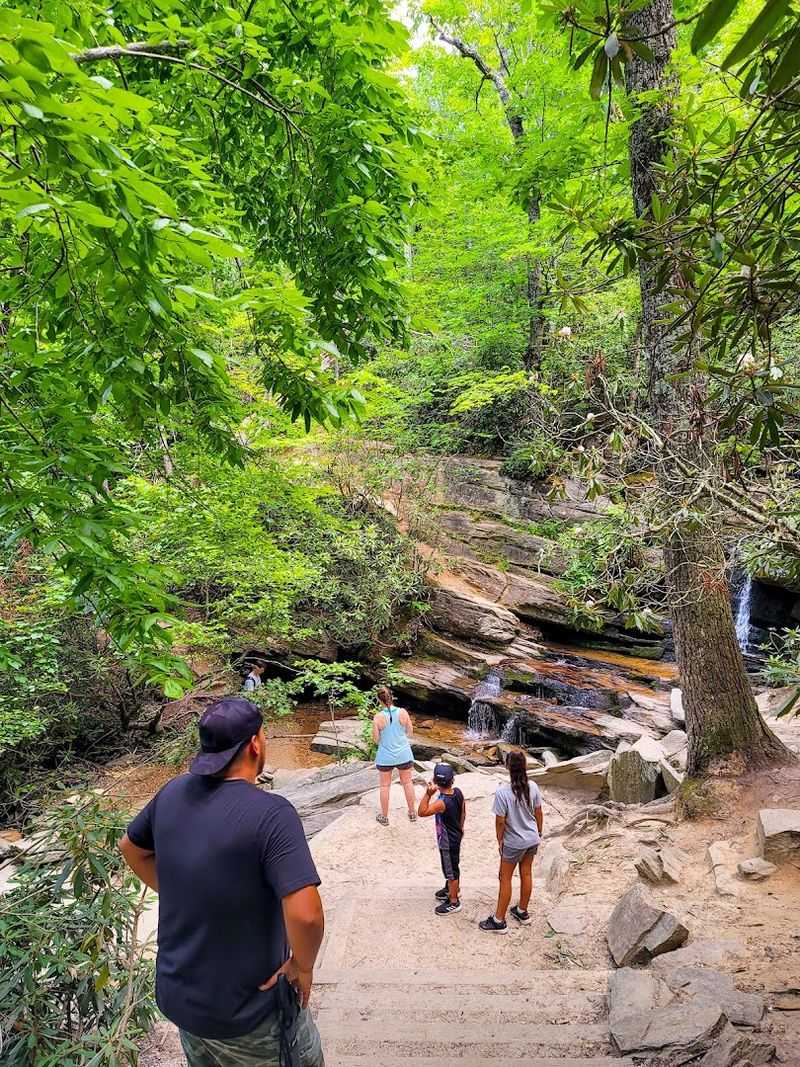
Sometimes the most satisfying waterfall stops are the ones that feel discovered rather than announced. Spring brings soft creek sounds, bright ferns, and that fresh leaf canopy that makes every mile feel a little cooler.
If you prefer a gentler mood over sheer size, this is a lovely place to linger.
Inside Hanging Rock State Park near Danbury, Hidden Falls lives up to its understated name. Reached by the Indian Creek Trail, it offers a quieter alternative to the park’s better-known scenic spots, especially in spring when the surrounding vegetation looks newly washed and vibrant.
Creek crossings and forest views make the walk itself part of the reward.
I would recommend this stop to anyone building a varied waterfall day with both dramatic and peaceful moments. The waterfall is smaller than some western North Carolina giants, but the intimacy of the setting gives it special charm.
You can hear water slipping over stone while standing among ferns, moss, and shady woodland.
Because the trail atmosphere is such a big part of the experience, spring is easily the best season to go. The forest feels alive without being overwhelming, and temperatures stay comfortable for hiking.
Pair it with other Hanging Rock sights if you want a full but flexible day outdoors.
Window Falls
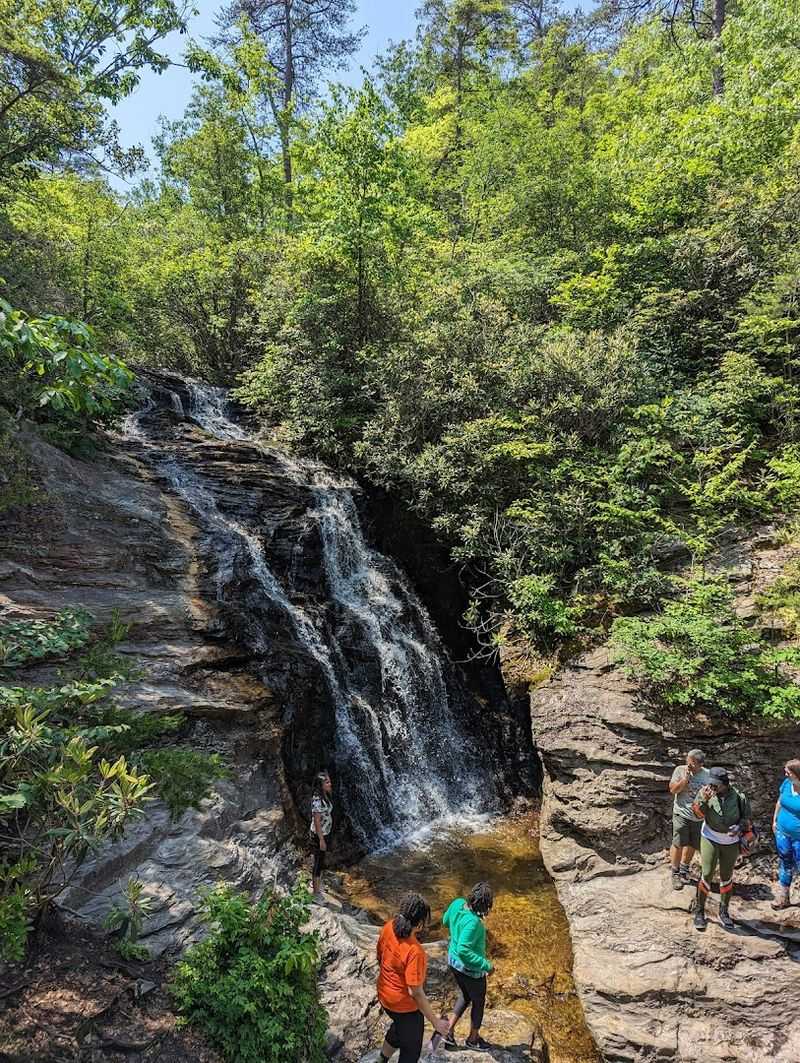
There is something especially fun about a waterfall that surprises you with an unusual shape. In spring, cool mist hangs in the air, nearby leaves glow fresh green, and short hikes feel extra rewarding.
This is the kind of stop that works well when you want quick scenery with a memorable twist.
At Hanging Rock State Park near Danbury, Window Falls is known for water passing through a natural rock opening. That feature gives the cascade its name and makes it one of the most distinctive waterfall formations in the state.
Late spring adds blooming mountain laurel, slick dark stone, and a refreshing chill near the overlook.
I like recommending this one to travelers who want strong visual payoff without committing to a long backcountry route. The trail is relatively short, so it fits easily into a weekend itinerary with lakes, overlooks, and other park waterfalls.
You still need to stay cautious because wet rocks and muddy sections can make footing tricky.
As a spring destination, Window Falls combines easy access with photogenic detail. The rock window, the spray, and the surrounding forest all look their best when recent rains keep the water lively.
Go early or on a weekday if you want a more peaceful experience at the viewing area.
Cascade Falls
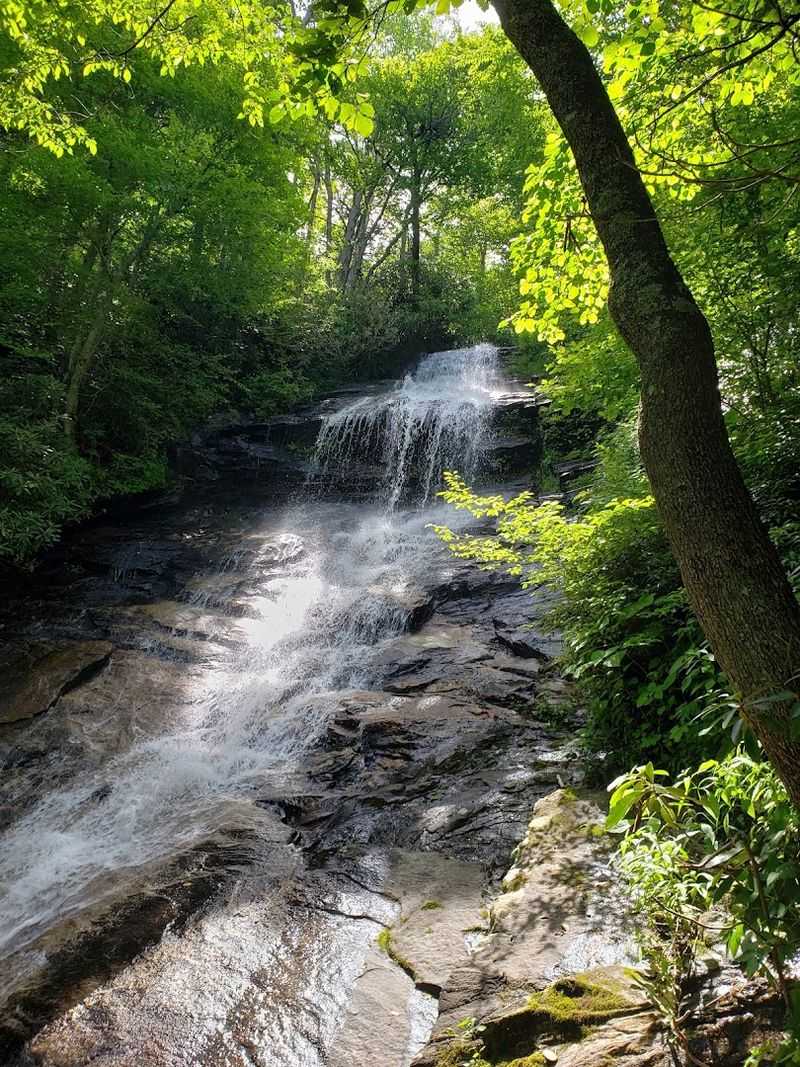
When spring wildflowers begin appearing beside a forest path, even a short waterfall hike feels cinematic. The air stays cool, the woods smell freshly rinsed, and the water usually runs with extra confidence after seasonal rain.
This is the kind of setting that makes you want to put your phone away for a minute.
Near Blue Ridge Parkway milepost 271.9 by Deep Gap, Cascade Falls is a broad, attractive waterfall with an approachable trail. The route passes through woodland that feels especially colorful in spring, when new leaves and small blooms brighten the understory.
At the falls, the water spreads gracefully over rock, creating a classic layered mountain scene.
I would put this on the list for travelers who enjoy photography, relaxed hiking, and scenic parkway detours. It is not as famous as some headline waterfalls, which helps preserve a quieter atmosphere at the right times.
You should wear sturdy shoes because wet roots and slick stones can surprise you.
Spring is the ideal window because the flow is stronger and the trail surroundings feel most alive. If you are already driving the Blue Ridge Parkway, this stop adds an easy dose of beauty without demanding too much time.
Morning light and thinner crowds make it even better.
Mingo Falls
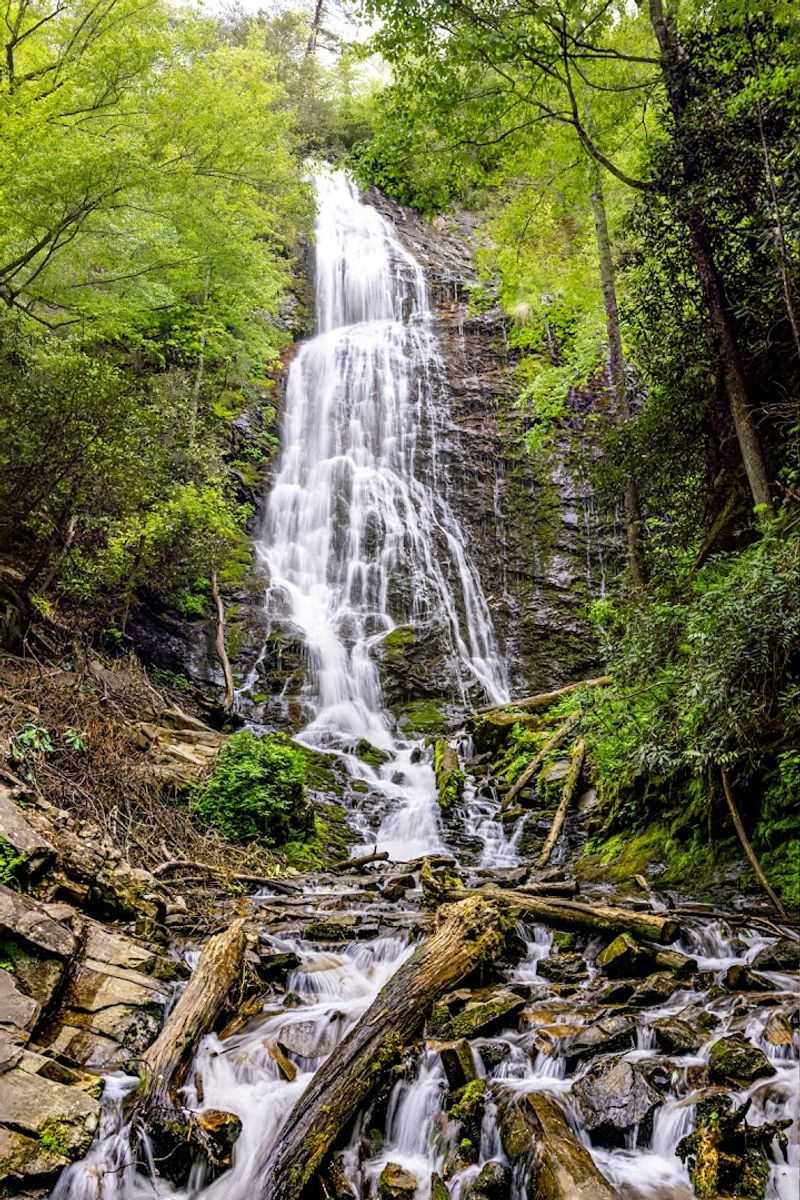
There is an instant sense of payoff when a short climb leads to something tall, wild, and unexpectedly grand. Spring helps by keeping the air cooler, the forest greener, and the hike more comfortable than sticky summer days.
If you do not mind stairs, this waterfall is one of the best dramatic stops around.
Near Cherokee on the Qualla Boundary, Mingo Falls rises impressively through a steep forested setting. The approach involves a stair climb, but the reward is a towering cascade that feels tucked away despite its popularity with informed travelers.
Fresh foliage in late spring frames the falls beautifully and softens the entire scene.
I think this is a wonderful addition if you are exploring the Smokies area but want something just outside the national park routine. The waterfall has real vertical impact, and the surrounding woods keep the mood cool and sheltered.
You should arrive earlier in the day if you want better parking and a calmer atmosphere.
Spring is the sweet spot because the water remains lively and the climb feels much more manageable. The forest looks newly awakened, and the falls seem even taller against that vivid green backdrop.
Bring water, take the stairs steadily, and enjoy one of the region’s most memorable hidden-feeling cascades.
Turtleback Falls
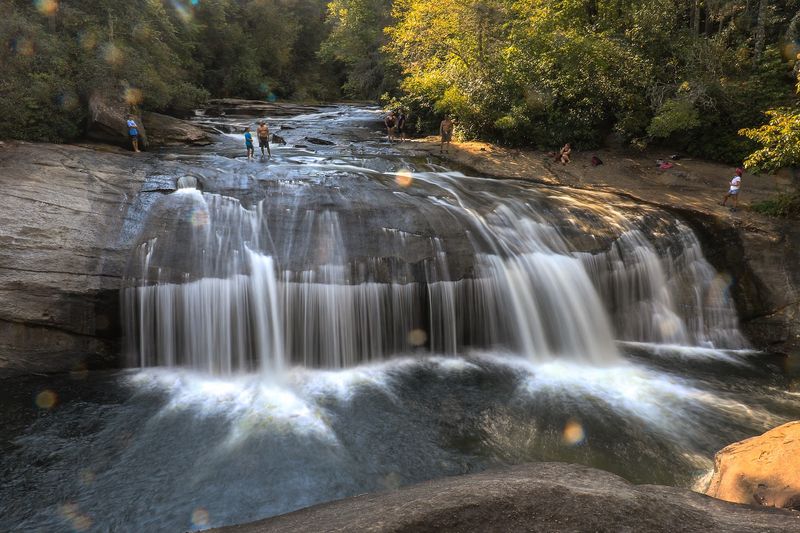
Some waterfalls stand out because they are powerful, while others stick with you because their shape feels almost playful. In spring, strong flow and bright greenery make this one especially striking before the busiest swimming season arrives.
It is a rewarding stop for hikers who appreciate both scenery and distinctive geology.
Within Gorges State Park near Sapphire, Turtleback Falls is known for its smooth, rounded rock face and sliding-water appearance. The route to reach it gives you a deeper taste of the park’s rich forest setting, with moss, rushing water, and a remote atmosphere that feels amplified by spring rain.
When the water is moving well, the whole scene looks polished and alive.
I would place this on your list if you enjoy waterfalls that look different from the standard vertical plunge. It has a sculpted quality that makes it memorable, and the surrounding trails feel wonderfully immersive in cooler weather.
You should always respect conditions here because stronger spring flow can make the area more hazardous.
As a spring destination, Turtleback Falls feels vibrant and cinematic without needing a huge viewing platform or developed setting. The journey through the forest is part of the appeal, and the final look at the water over stone is unforgettable.
Pair it with nearby falls for a full Gorges State Park day.
Crabtree Falls
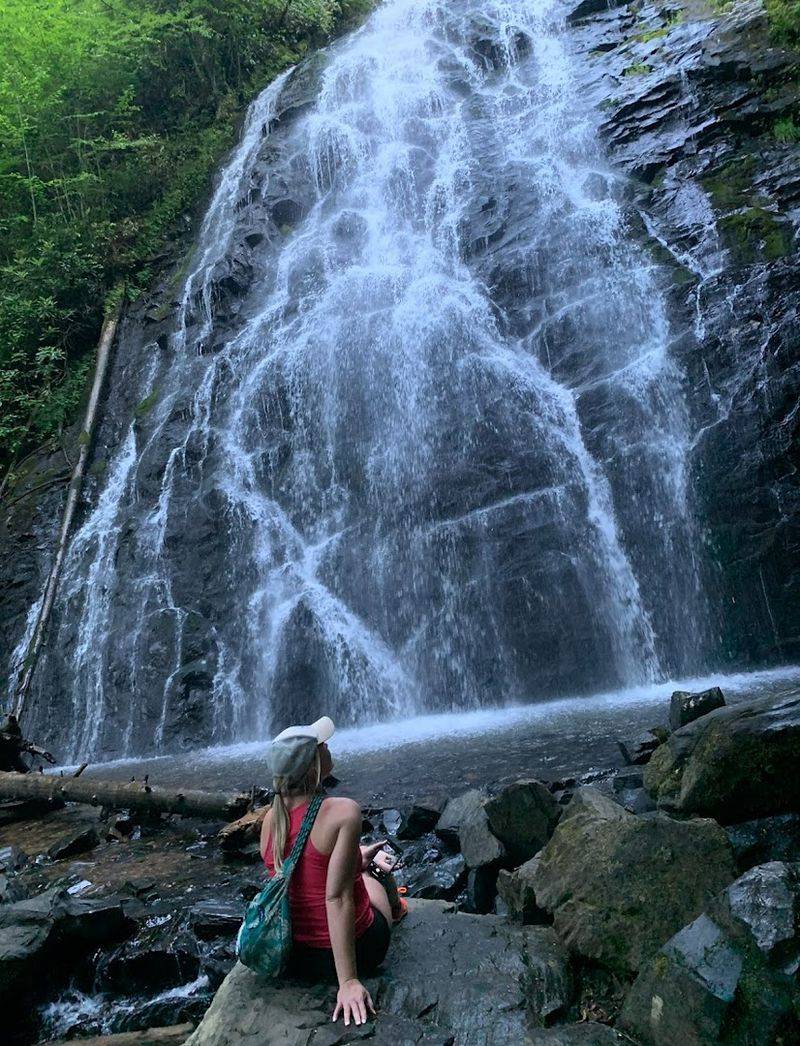
When ferns are unfurling and the trail smells like rain, a Blue Ridge Parkway waterfall stop can feel almost storybook-like. Spring adds mist, cool temperatures, and fresh green texture everywhere you look.
This is exactly when a moderately paced hike turns into a full sensory experience rather than just a destination walk.
Near milepost 339.5 on the Blue Ridge Parkway, Crabtree Falls drops in a graceful curve through a lush forest setting. The loop trail gives you changing perspectives, with wet rock, wildflowers, and thick vegetation all making the area especially beautiful in late spring.
It is a classic mountain waterfall scene, but one that still feels immersive rather than overly polished.
I like this stop for travelers who want a balanced hike with strong scenic payoff and good Parkway access. The waterfall is sizable enough to impress, yet the forest around it is what often sticks with you most.
You should plan for some elevation change and allow time to enjoy the loop rather than rushing through it.
Spring is the best season here because the water usually runs well and the trail feels cooler and more inviting. The combination of mist, greenery, and curved water makes photos look fantastic.
If you can visit on a weekday morning, the whole area feels even more peaceful.
Catawba Falls
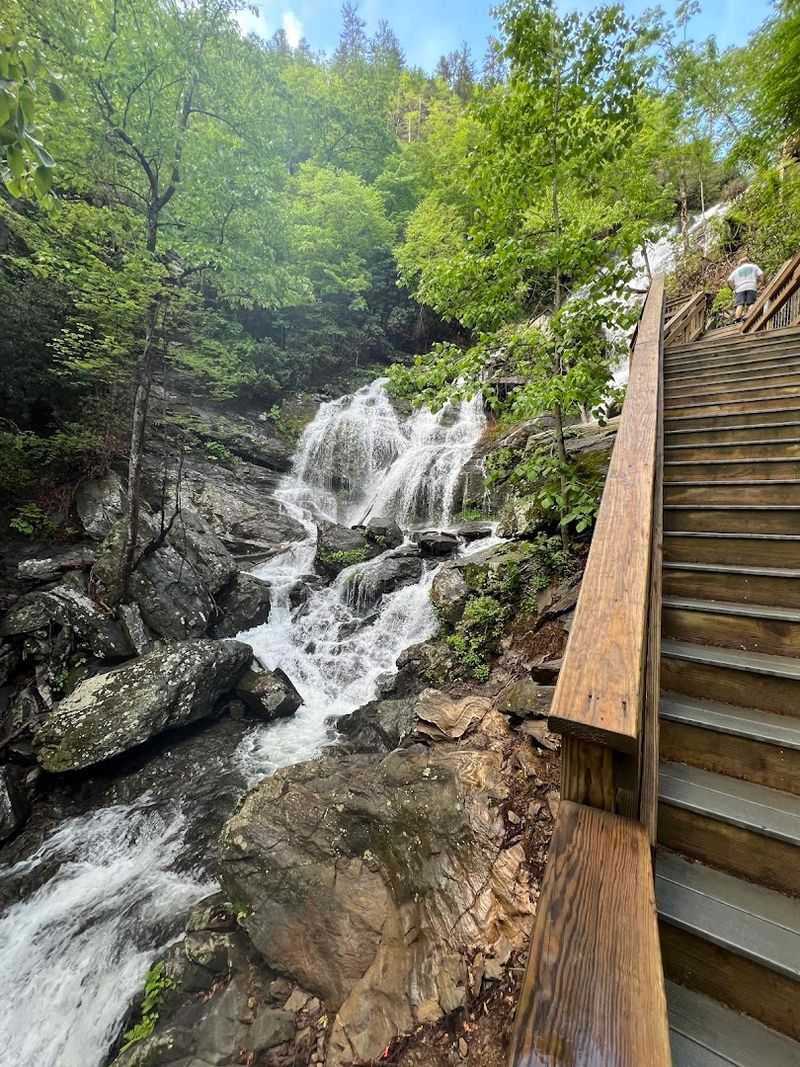
Broad, layered waterfalls often feel most impressive when spring rain has filled every ledge and channel. The forest around them turns deep green, temperatures stay friendlier for hiking, and the entire walk feels charged with movement.
If you want a trail that combines river scenery with a dramatic finale, this one is easy to love.
Near Old Fort, Catawba Falls offers a multi-tiered waterfall experience surrounded by dense woodland and the sound of moving water almost the entire way. Recent access improvements and stairs make the route more structured, but the setting still feels natural and immersive.
In spring, the increased flow gives the broad cascade extra volume and visual texture.
I recommend this one for travelers who do not mind a bit of effort in exchange for a strong payoff. The combination of forest, river corridor, and layered falls makes it feel bigger than a simple out-and-back waterfall stop.
You should bring good footwear and expect moisture on steps, rails, and rocks after rainy periods.
As a spring visit, Catawba Falls checks nearly every box: lush scenery, energetic water, and comfortable hiking weather. It also works well as a stop for mixed-interest groups because the trail itself stays engaging.
Give yourself time to appreciate the river views instead of focusing only on the final cascade.
Looking Glass Falls
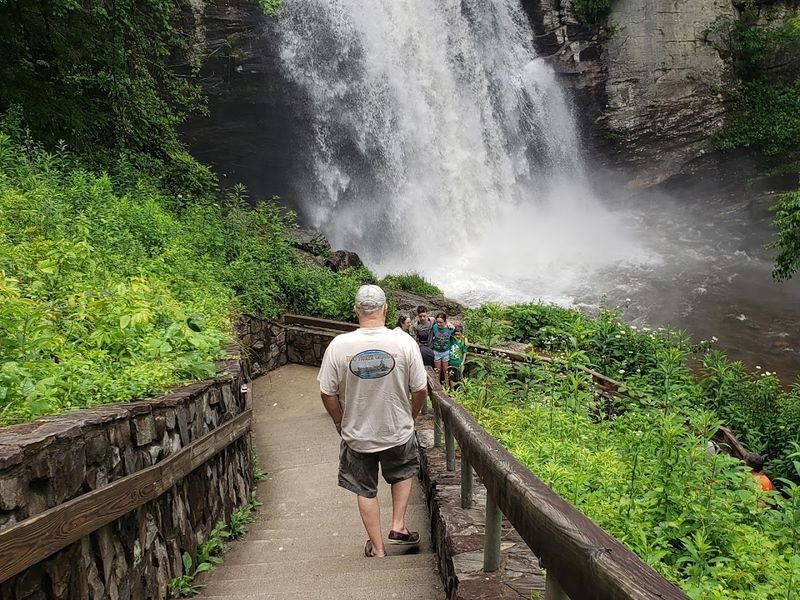
Not every memorable spring waterfall requires a long hike, and sometimes that is exactly the appeal. You can step out, hear the rush immediately, and feel mountain spray in the air within minutes.
For road trippers or travelers layering easy stops into a bigger day, this one makes perfect sense.
Along US-276 near Brevard, Looking Glass Falls is one of North Carolina’s most accessible and photogenic cascades. Spring runoff keeps the water lively, and the steep rock walls plus surrounding forest give the roadside setting more drama than you might expect.
Even with its popularity, the scene still feels refreshing and distinctly Pisgah.
I often think of this as a great anchor stop for a waterfall-heavy day in the Brevard area. It is easy to reach, satisfying in almost any weather, and especially beautiful when spring moisture deepens the color of every rock and tree.
You should use caution on stairs and viewing areas because mist can make surfaces slick.
While it may not feel hidden in the strictest sense, it earns a place on a spring list because timing transforms the experience. Higher water and bright foliage make it look fuller, cleaner, and more vibrant.
Stop here early, then continue deeper into Pisgah if you want a full scenic loop.