May in North Carolina has a way of softening everything it touches. The mountains turn a deeper shade of green almost overnight, morning fog settles into valleys like it belongs there, and roadside overlooks feel quieter before the summer rush begins.
It’s the kind of month that makes you want to keep your camera within reach, just in case the light shifts again.
Waterfalls run fuller from spring rain, small towns feel more active but still unhurried, and the coast holds onto a calm stretch of open space before peak season arrives. Even simple stops along the road seem to carry more texture—wildflowers along the shoulder, clouds moving slowly across ridgelines, reflections forming in still water.
This is a season made for wandering without a strict plan, letting each stop add something different to the story. From here, we move into 13 North Carolina scenic stops that truly shine in May light.
Waterrock Knob Overlook
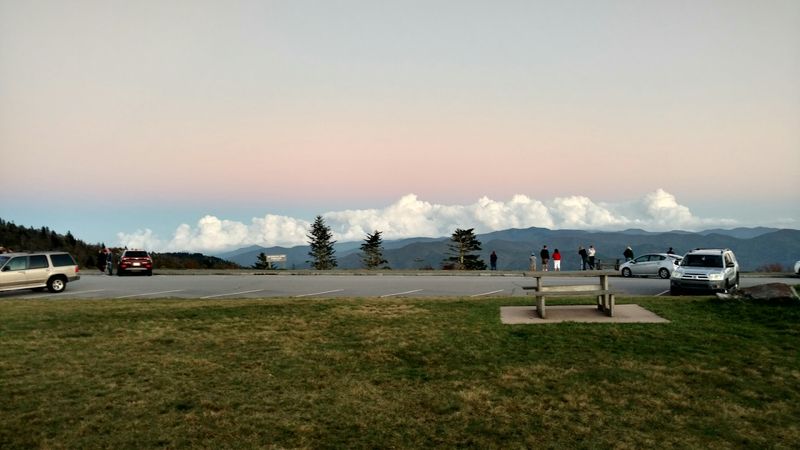
Before sunrise, the air feels thin, cool, and full of possibility, exactly the kind of mountain atmosphere that makes you set up your tripod faster. In May, fresh green ridges stack into soft blue layers, and cloud inversions often settle low enough to turn the valleys into a white sea.
That combination gives you depth, contrast, and a strong reason to arrive early.
You will find this scene at Waterrock Knob Overlook on the Blue Ridge Parkway near Cherokee and Maggie Valley, one of the highest drive-up viewpoints on the route. Because the parking area already sits high, the reward comes quickly, which is great if you want dramatic images without a long hike.
Sunrise is the headline here, but shifting weather can make late afternoon equally photogenic.
For compositions, I would work both wide and tight. Start with expansive ridge layers, then isolate repeating contours when fog threads between peaks.
A telephoto lens is especially useful when the atmosphere compresses the distance and turns each ridge into a separate band of color.
May conditions change fast, so bring a wind layer, lens cloth, and patience. The overlook can be busy, but the light usually rewards anyone willing to wait a few extra minutes.
If the sky looks plain at first, stay put. Mountain weather here has a habit of turning simple scenes into portfolio shots.
Dry Falls
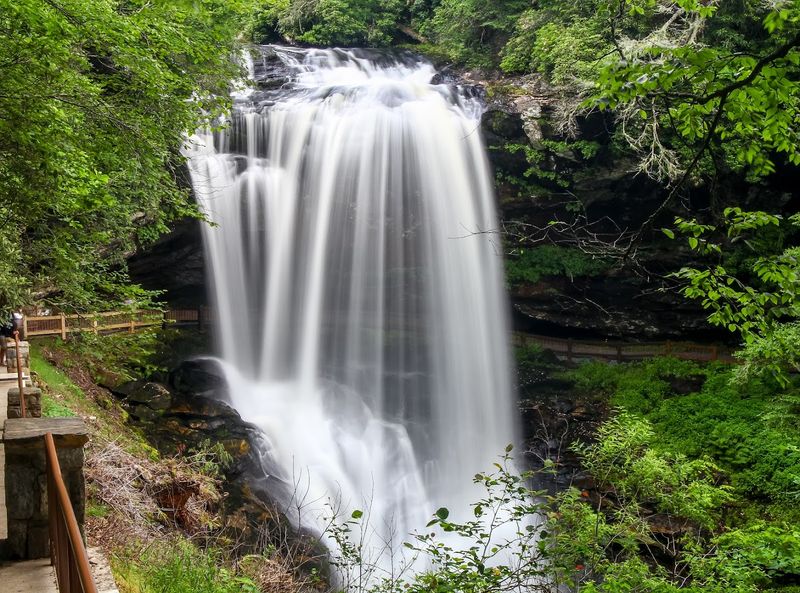
The sound reaches you before the full view does, building anticipation with every step down the short path. In May, the surrounding forest looks intensely green, and the mist catches soft light in a way that can make even simple compositions feel cinematic.
Few waterfall stops in North Carolina offer this much visual payoff with so little effort.
This is Dry Falls near Highlands, a famous walk-behind waterfall that gives you angles many roadside cascades cannot. The paved trail is short and accessible, making it easy to carry a tripod, switch lenses, and shoot from several perspectives without committing to a long trek.
Because you can move behind the falling water, you get foreground texture, motion, and framing all at once.
I would photograph it with both a wide lens and a moderate zoom. Wide shots capture the rock overhang and surrounding greenery, while tighter frames let you emphasize the curtain of water and drifting mist.
In brighter midday light, a neutral density filter helps create silky motion without blowing out highlights.
Expect spray, slick surfaces, and plenty of company, especially on weekends. Arriving earlier in the morning gives you a calmer trail and more room to experiment with compositions.
Keep a microfiber cloth close, protect your lens from droplets, and do not rush. This is the kind of place where tiny adjustments in position create completely different images.
Looking Glass Falls
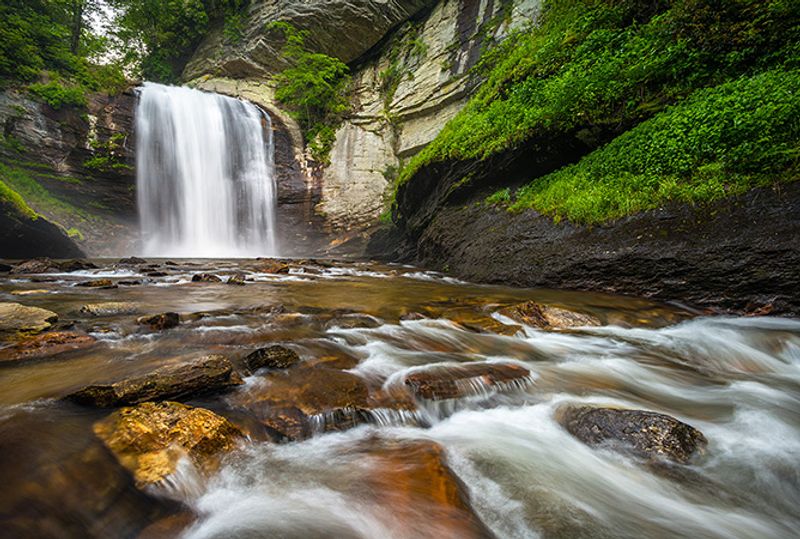
There is something satisfying about a place that looks iconic without asking much from you physically. In May, the forest around this waterfall is fully alive, and the fresh leaves soften the rocky setting with a clean spring palette.
It is one of those stops where you can make a strong image in minutes, then stay longer because the light keeps changing.
You will find that convenience at Looking Glass Falls in Pisgah Forest, one of North Carolina’s most accessible waterfall scenes. The roadside viewpoint makes it easy to photograph, yet the broad cascade still feels dramatic and photogenic.
Because the falls are so approachable, this is an excellent stop if you want dependable results while traveling between larger destinations.
I would start from the main viewing area for a classic composition, then look for lower angles if conditions allow. The falls photograph well in both vertical and horizontal formats, especially when the stream below adds leading lines.
Overcast mornings are ideal, but even brighter conditions can work if you expose carefully for the highlights in the water.
Popularity is the only real drawback, so timing matters. Early morning usually offers quieter conditions and smoother access to the best viewpoints.
Bring a tripod for longer exposures, but also try a faster shutter to keep texture in the falling water. If you are building a May waterfall itinerary, this stop deserves a place because it is beautiful, efficient, and consistently rewarding.
Graveyard Fields Valley Meadow
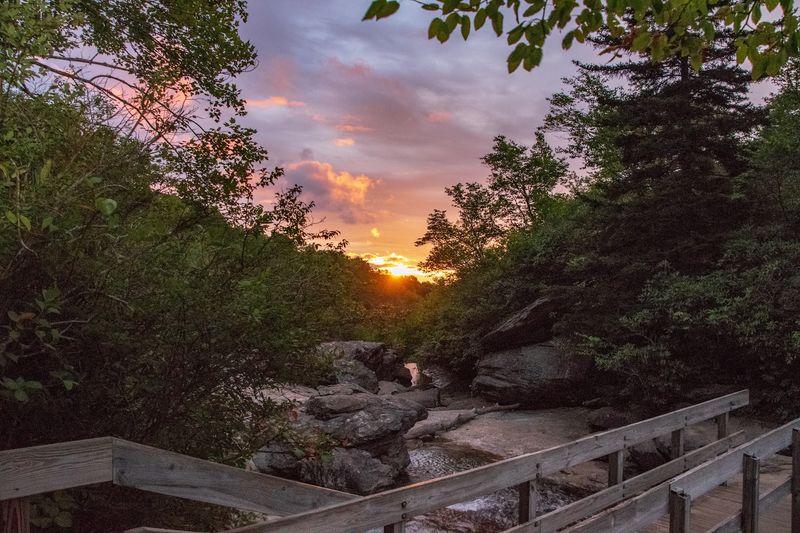
Mist hanging low over an open mountain valley can make even a short walk feel cinematic. In May, this high-elevation basin turns especially appealing for photographers, with fresh grasses, emerging wildflowers, and soft morning fog that drifts through the meadow.
The atmosphere is gentler than many dramatic overlooks, which is exactly why it works so well on camera.
This setting is Graveyard Fields along the Blue Ridge Parkway, a broad valley known for easy access and strong variety. You get meadows, wooden boardwalk sections, streams, and nearby waterfalls, all within a relatively compact area.
That flexibility makes it useful when you want several looks from one stop, especially on a fast-moving road trip.
I would prioritize early morning if possible. The low light helps preserve detail in the sky, and fog can add separation between the foreground grasses and the distant ridges.
A wide lens works beautifully for environmental scenes, but do not ignore close-up opportunities either, because dew on spring plants can produce elegant detail shots.
Footing can be muddy after rain, so waterproof shoes help in May. The challenge here is not access but discipline, since it is easy to shoot too much without refining your compositions.
Slow down and let the quieter scenes reveal themselves. If you like subtle landscapes more than grand spectacle, this stop can become one of the most rewarding in the state.
Linville Falls Overlook Platforms
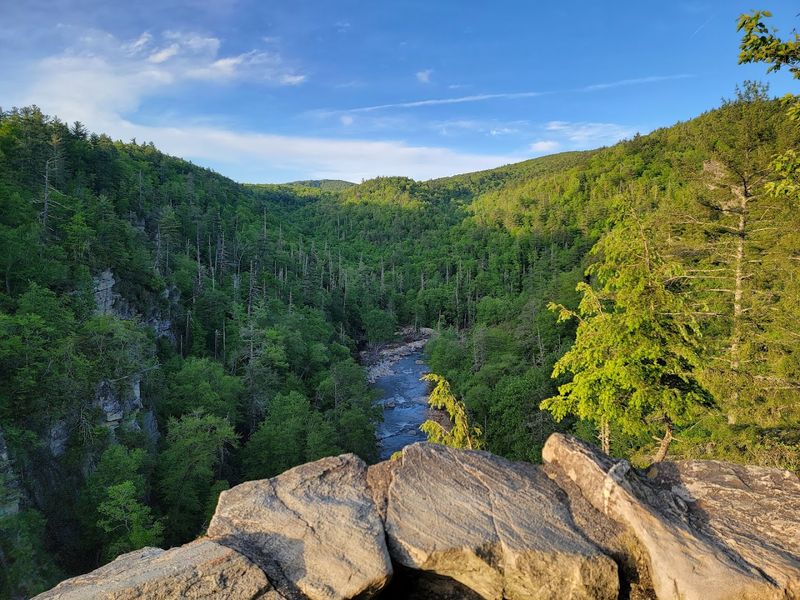
Rugged terrain, dark rock, and white water create the kind of contrast that instantly grabs your eye. In May, fresh leaves soften the edges of the gorge without reducing its drama, giving you a balanced mix of harsh texture and spring color.
It is one of those places where every overlook feels like a different chapter of the same landscape story.
You experience that variety at Linville Falls, near milepost 316 on the Blue Ridge Parkway. Several overlook platforms let you photograph the falls and gorge from changing angles, which is useful when the light or water flow favors one side over another.
Rather than relying on one postcard view, you can build a fuller visual narrative by visiting multiple points.
I would keep compositions clean here because the scene can get visually busy. Use the railing-side viewpoints to frame the upper falls, then shift toward wider gorge perspectives that show how the river cuts through the terrain.
A mid-range zoom is ideal, but a telephoto can isolate the waterfall against the dark canyon walls in a very striking way.
The trails are manageable, though they still require time, so do not underestimate the stop. Morning often gives softer light and fewer people on the platforms.
If recent rain has boosted the flow, the images become even stronger. For May photography, this is a dependable classic because it combines accessibility, scale, and that unmistakable Blue Ridge sense of depth.
Black Balsam Knob
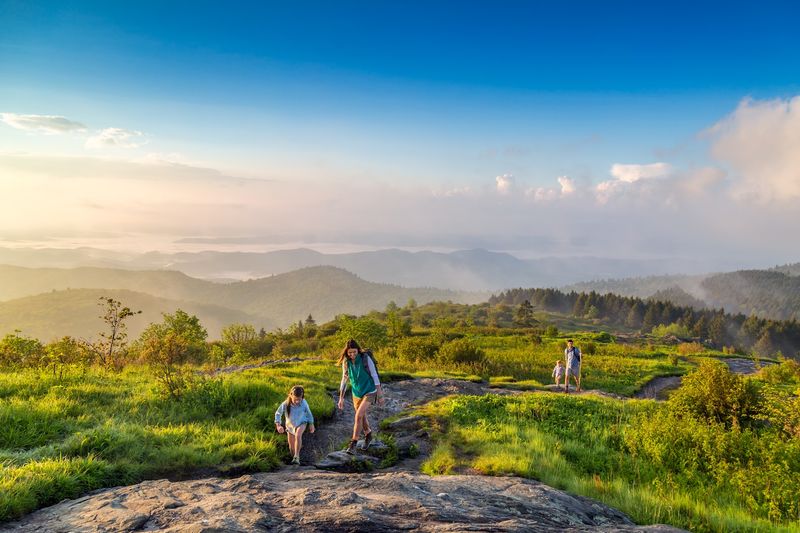
Open sky and treeless ridges change the mood immediately, making everything feel bigger, windier, and more exposed. In May, the surrounding mountains are fresh green, while the bald summit still keeps that clean, uncluttered look photographers love.
It is a place where light matters intensely, and even a small break in the clouds can transform the whole scene.
That high-country drama defines Black Balsam Knob near Waynesville, one of western North Carolina’s most recognizable bald summits. The hike is relatively approachable, and the reward is a wide, 360-degree view that suits both sunrise and sunset photography.
Because the landscape is so open, you can create strong silhouettes, ridge layers, and sky-heavy compositions without much obstruction.
I would arrive early enough to scout foregrounds before the best light begins. The rounded terrain works well with leading lines from the trail, and small human figures can add scale when placed carefully against the horizon.
A wide lens is the obvious choice, but a telephoto can pull distant ridges together beautifully when evening haze settles in.
Weather changes quickly here, so plan for wind and cooler temperatures even in May. The exposed setting means storms are no joke, so keep an eye on the sky.
On a calm evening, though, the summit feels almost endless. If you want a stop that captures the raw, elevated feeling of the Blue Ridge, this one absolutely delivers.
Biltmore Village Streetscape
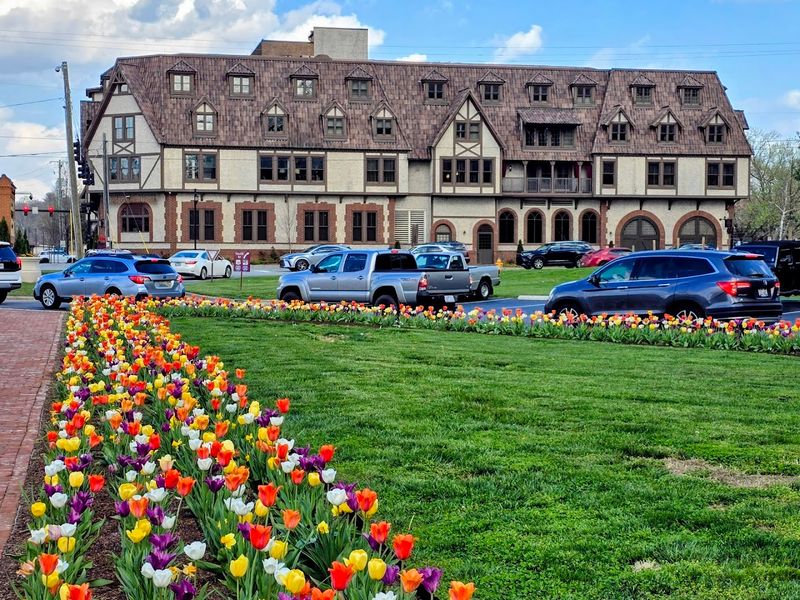
Stone facades, tidy gardens, and a slightly old-world mood make this area feel different from the rest of Asheville. In May, the streetscape softens beautifully with fresh greenery, blooming planters, and gentle evening light that flatters both architecture and candid street scenes.
It is the kind of place where you can photograph details for an hour without noticing time pass.
The setting is Biltmore Village, just outside the estate grounds and well known for its European-inspired design. Unlike a single attraction, this area works best as a walkable photography zone with textured buildings, boutique storefronts, and inviting corners.
If you enjoy blending travel photos with atmosphere, it gives you a polished but still approachable subject.
I would work in layers here. Start with wider street views that show the village character, then move tighter to windows, stonework, flower boxes, and signs.
A standard zoom handles most situations well, though a portrait lens is useful if you want a shallower look with people moving through the frame.
Golden hour is especially rewarding because warm light plays nicely across the masonry and greenery. Rainy conditions can also add charm by deepening colors and creating subtle reflections.
This is not a stop for epic scale or wild drama, and that is exactly its strength. In a May itinerary full of grand landscapes, Biltmore Village gives you elegance, intimacy, and a welcome shift in visual rhythm.
Grandfather Mountain Swinging Bridge
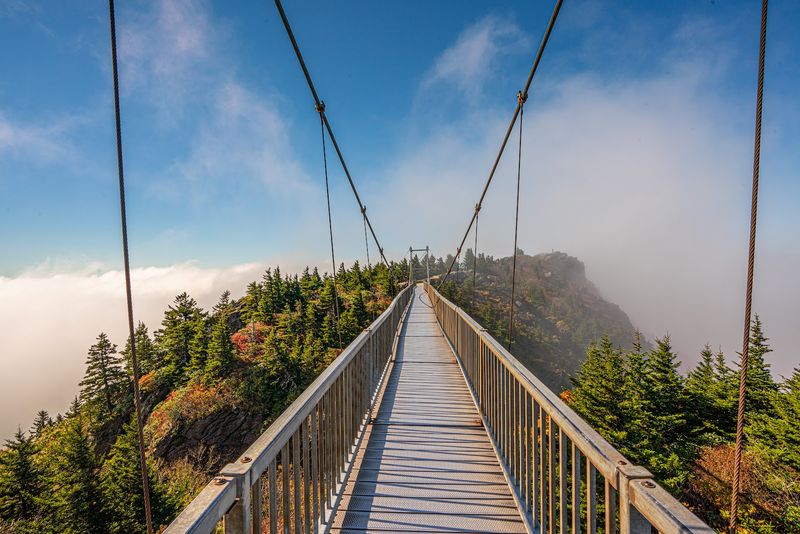
Few places in North Carolina make the weather feel like part of the show quite like this one. In May, cloud shadows race across the ridges, visibility shifts minute by minute, and the elevated perspective makes every break in the sky feel dramatic.
It is a dream location if you enjoy mountain photography that feels active instead of static.
The best-known viewpoint is at Grandfather Mountain’s Swinging Bridge near Linville, where you get commanding views over surrounding peaks and valleys. The bridge itself adds visual interest, but the larger draw for photographers is the sense of height and exposure.
Because conditions change fast, no two visits look exactly alike, which keeps the location exciting even if you have seen plenty of photos before.
I would shoot both the landmark and the landscape. Include the bridge for context in a few frames, then turn outward and let the distant ridges dominate.
A wide lens emphasizes the scale, while a telephoto helps you isolate cloud bands, rock textures, and repeating mountain layers when the atmosphere gets moody.
Wind can be strong, so stabilization matters, and a light tripod may not be ideal on blustery days. Dress warmer than you think you need, because the summit can feel surprisingly chilly.
If you are lucky with shifting fog and sun, this stop can produce the kind of high-elevation images that instantly anchor an entire May road trip.
Roan Mountain Rhododendron Fields
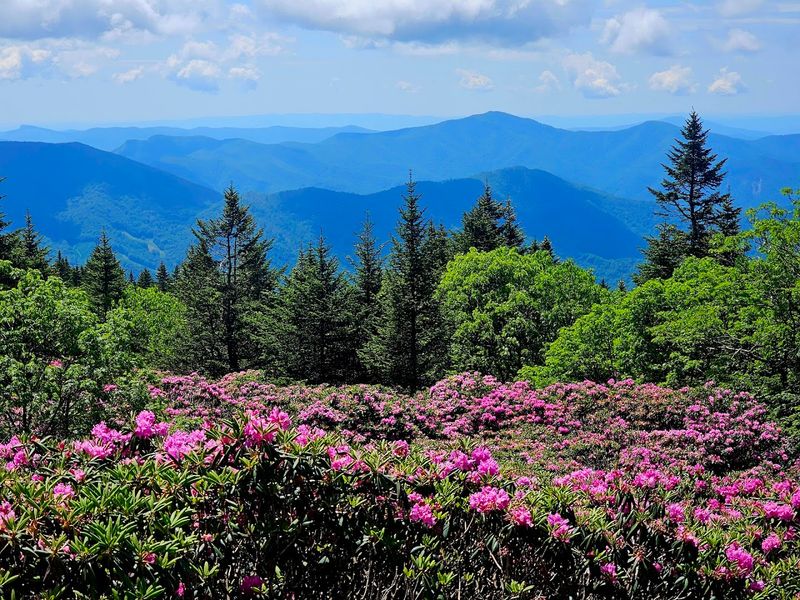
Color can completely reshape a mountain scene, and late spring is when this high-country area begins showing off. In May, the slopes and surrounding habitats start building toward their famous bloom displays, creating rich combinations of pink, purple, green, and misty blue distance.
Even before peak summer crowds, the landscape already feels made for photographers.
This is Roan Mountain near Bakersville, widely known for spectacular rhododendron and other seasonal floral displays along its balds and forested sections. Timing varies by elevation and weather, but May is an excellent period to scout early color, fresh foliage, and atmospheric mountain conditions.
The area rewards both wide landscape work and close botanical compositions, which makes a longer visit especially worthwhile.
I would come prepared for changing visibility. Fog can simplify the scene beautifully, letting bloom clusters stand out against a softer background, while clearer conditions reveal rolling ridges and layered terrain.
A wide lens is useful on the balds, but a macro or short telephoto helps isolate flower groupings without visual clutter.
Because bloom timing shifts year to year, it is smart to check current reports before planning around this stop. Overcast light is often ideal because it preserves color and minimizes harsh contrast on petals.
If you hit the right window, the reward is exceptional. Few places in North Carolina combine floral richness and mountain atmosphere with this much photographic potential.
Soco Falls
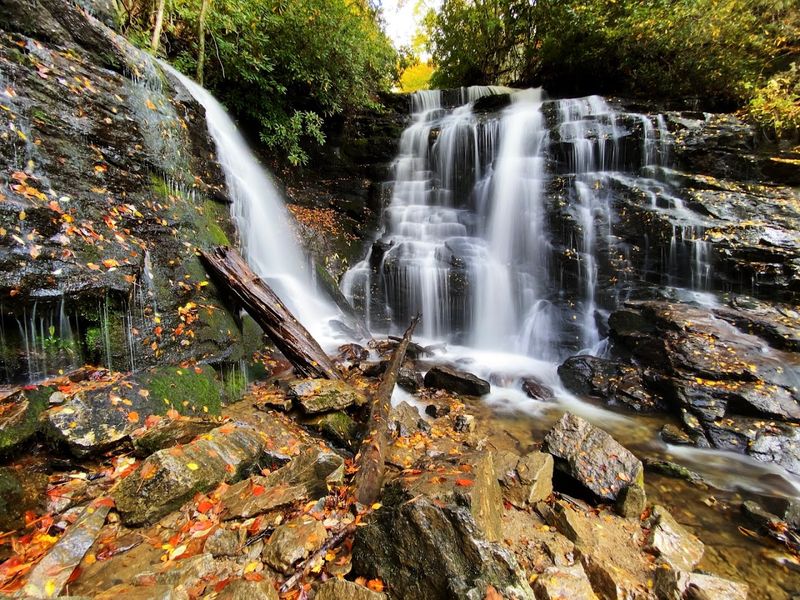
Some roadside stops surprise you by feeling much bigger and wilder than the parking area suggests. In May, that contrast gets even better as the surrounding forest turns dense and green, framing the water with fresh spring texture.
The scene feels compact yet dramatic, making it a favorite for photographers who want strong results without a long commitment.
You get that experience at Soco Falls near Cherokee, a well-known double waterfall visible from a pullout along the road. A short scramble below opens additional angles, though the terrain can be slick and should be approached carefully.
The twin streams create natural symmetry, which is part of what makes the location so photogenic and distinct from other nearby cascades.
I would start from the safer upper view to assess the light and water flow. If conditions and comfort level allow, lower perspectives can reveal more depth, mossy foregrounds, and the relationship between both falls.
A tripod helps for slower shutter work, but a handheld setup can still succeed if you prefer agility and want to react quickly between spots.
This is a stop where moisture is guaranteed, so lens care matters. Overcast weather usually gives the cleanest tones, though fog can add a beautiful moody layer if it rolls in.
Because access is relatively quick, it fits well into a larger May route. Even a brief visit can produce images that look far more remote than they really are.
Highlands Main Street
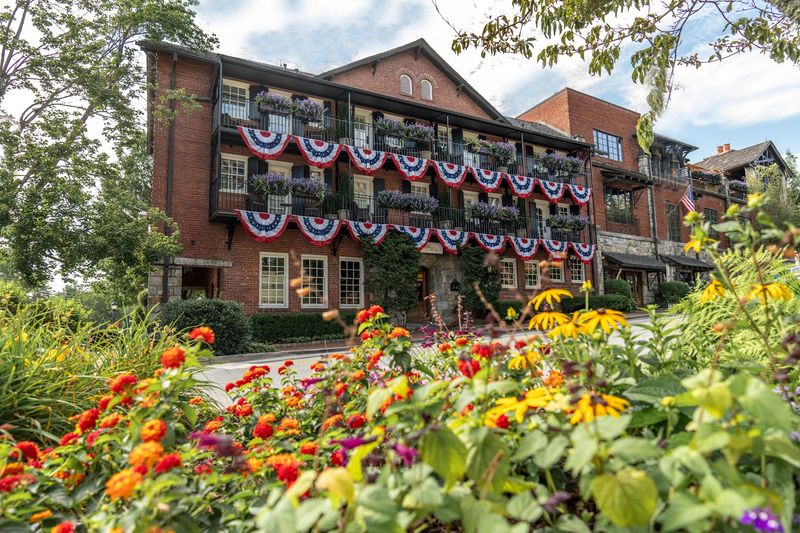
Flower-filled sidewalks and a polished mountain-town atmosphere can be just as photogenic as a waterfall when the light is right. In May, this area looks especially fresh, with colorful plantings, elegant storefronts, and soft seasonal greenery creating a romantic streetscape.
It is ideal for a slower photography session built around detail, texture, and mood.
You will find that aesthetic on Main Street in Highlands, where the town’s garden-minded character becomes part of almost every frame. The appeal here is not one dramatic landmark but a sequence of charming visuals: window boxes, signs, patios, and well-kept facades.
If you like travel photography that feels intimate and curated, this setting offers plenty to work with.
I would shoot it during the softer ends of the day, especially in the morning when sidewalks are quieter and the light stays gentle. A normal focal length works beautifully for candid street scenes and architectural details, while a short telephoto can isolate flowers against blurred storefronts.
After light rain, the colors often look even richer and more refined.
This stop is especially useful when you want a break from rugged terrain without losing the visual appeal of the mountains. It pairs well with nearby waterfalls and scenic drives, creating variety in your final set of images.
For May photography, Highlands delivers charm in a very dependable way. Sometimes that kind of graceful consistency is exactly what a road trip needs.
Boone Downtown and Appalachian State Views
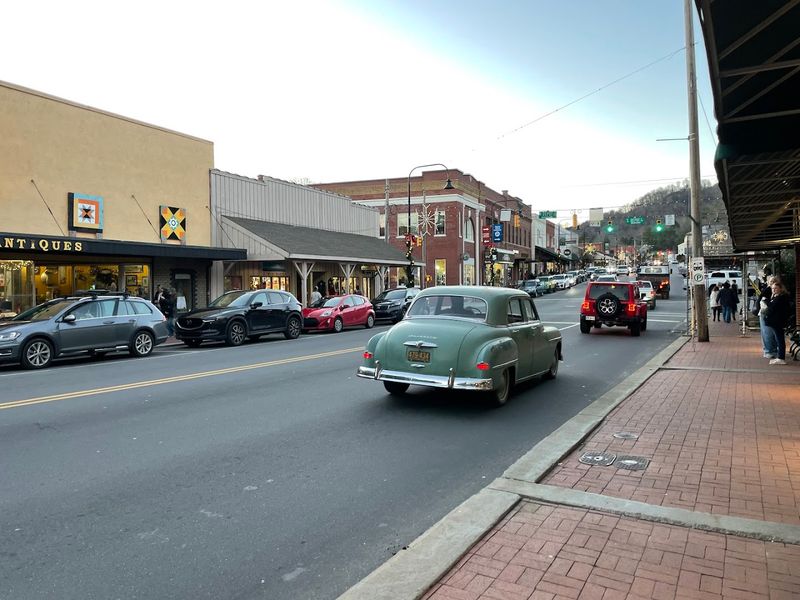
Energy matters in photography, and this town has a different pulse from the quieter mountain villages nearby. In May, you get leafy streets, lingering student activity, outdoor patios, and just enough mountain backdrop to remind you where you are.
That blend creates a useful mix of lifestyle, architecture, and scenic context in one compact area.
The setting is downtown Boone along with nearby views connected to Appalachian State University, where the college-town atmosphere gives your images movement and personality. Rather than focusing only on landmarks, this stop works best when you photograph how people inhabit the place.
Murals, storefronts, street corners, and campus-adjacent perspectives all help tell the story.
I would carry a versatile lens and stay responsive. A wider focal length suits busier downtown scenes and layered compositions, while a short telephoto helps pick out quieter moments against mountain backdrops.
If you can find a slightly elevated vantage, you can combine rooftops, trees, and distant ridges in a way that feels distinctly Boone.
Late afternoon and early evening usually offer the best balance of activity and flattering light. Because the appeal here is atmospheric, you will get stronger results by watching for interactions, gestures, and rhythm instead of chasing one exact postcard shot.
In a May itinerary, Boone gives you visual variety and a more lived-in side of North Carolina that many purely scenic stops cannot.
Cape Hatteras National Seashore Dunes
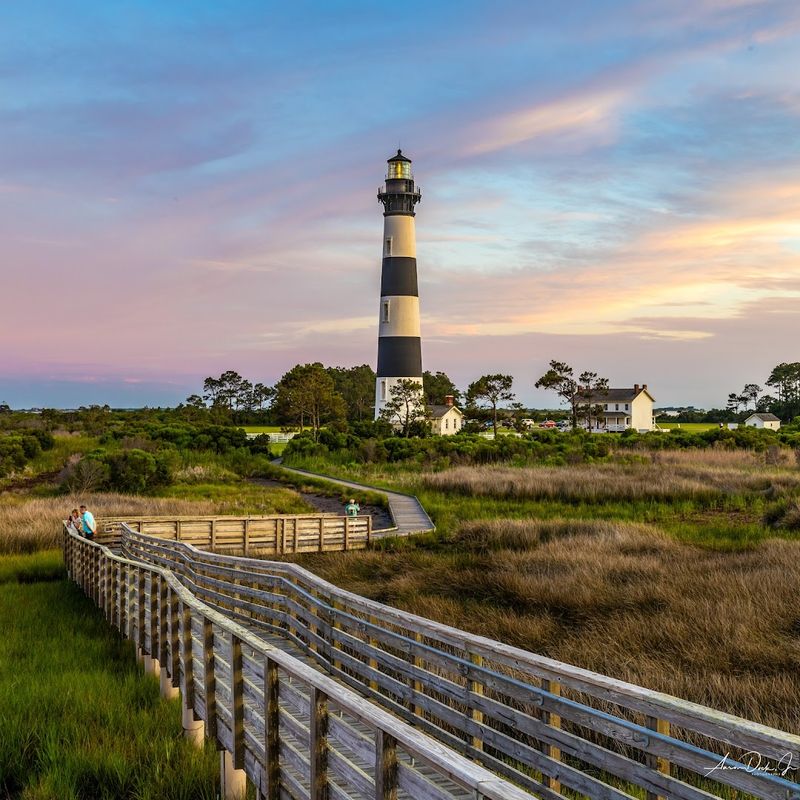
Wide skies and shifting coastal light create a completely different rhythm from the mountains, which is exactly why this stop belongs on a North Carolina photography list. In May, the beaches are quieter, the temperatures are pleasant, and the dunes still feel spacious before peak summer crowds arrive.
The result is a calmer, cleaner canvas for coastal compositions.
This setting is Cape Hatteras National Seashore in the Outer Banks, where dunes, beaches, marsh edges, and iconic lighthouse views offer substantial variety. You can build images around minimalism, weather, texture, or scale depending on the conditions that day.
Because the landscape is open, light and wind become your main creative partners, and both can change quickly.
I would photograph the dunes first, especially when low sun reveals ripples and footprints in the sand. Then expand outward to include ocean lines, sea oats, or a distant lighthouse for stronger context.
A wide lens suits the openness, but a telephoto can simplify the scene by compressing dune shapes and isolating atmospheric layers near the horizon.
Sunrise and sunset are the obvious targets, though moody midday weather can also produce dramatic results if clouds build offshore. Windblown sand is real, so keep gear protected and lenses changed sparingly.
For a May road trip, this stop adds essential contrast to the state’s mountain favorites. It gives you room, light, motion, and that unmistakable Outer Banks sense of exposed beauty.