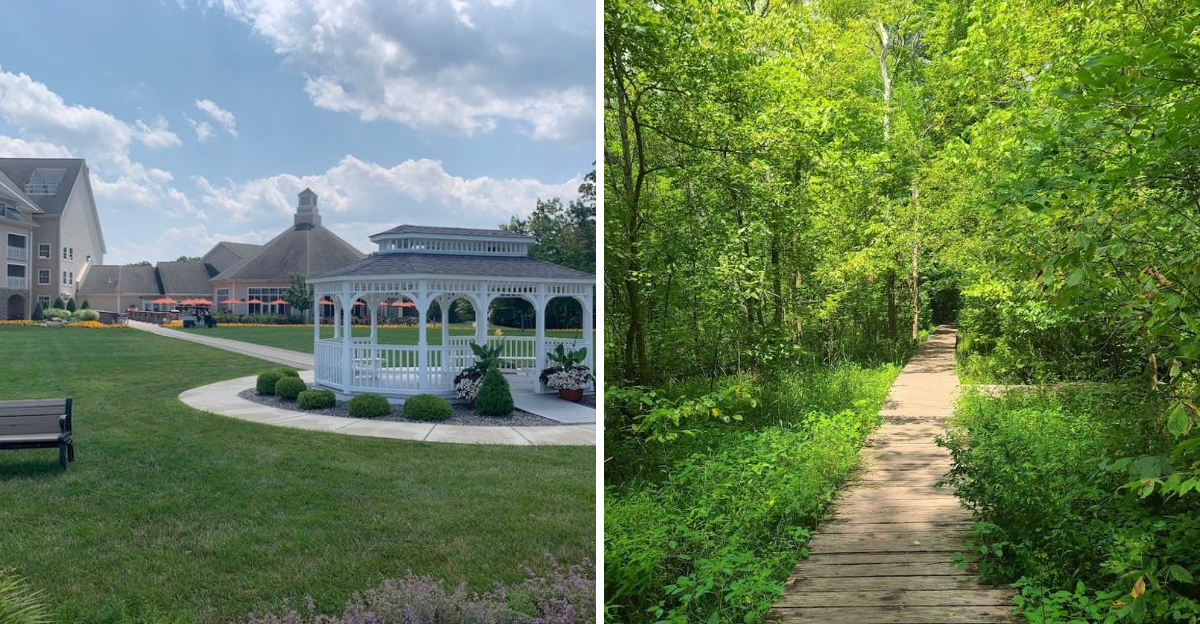
Ohio slows down in May, and it feels like the whole state exhales. The noise fades.
The rush disappears. What’s left is space to breathe.
Forests wake up with soft green leaves, lakes turn glassy under gentle sun, and winding backroads stretch out with almost no traffic. It’s the kind of month where even familiar places feel new again.
From hidden river valleys to quiet state parks and sleepy countryside escapes, Ohio hides pockets of calm in every direction.
No crowds pressing in.
No constant movement.
Just time that moves a little slower than usual.
Cuyahoga Valley National Park
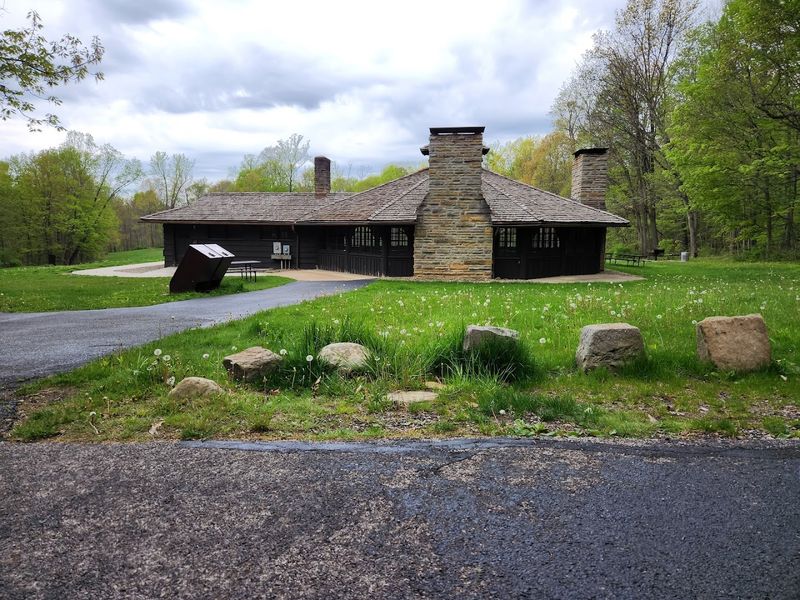
Most visitors flock to Brandywine Falls, leaving the rest of this national park blissfully quiet. Early morning hours along the Towpath Trail reward you with riverside serenity that feels almost meditative.
The soft crunch of gravel underfoot and birdsong overhead create a soundtrack far better than any playlist.
Lesser-known forest sections wind through dense canopy where sunlight dapples the path ahead. You might spot a blue heron fishing along the Cuyahoga River or catch glimpses of deer grazing in meadow clearings.
May brings wildflowers without the summer heat, making every step comfortable.
Pack a light breakfast and claim a riverside bench before 8 AM for uninterrupted nature watching. The park’s 33,000 acres mean you can easily find solitude even on weekends if you skip the main attractions.
Trails range from easy to moderate, perfect for casual walkers seeking peace.
Parking lots near less popular trailheads often sit half-empty, giving you first pick of starting points. This flexibility makes Cuyahoga Valley Ohio’s most accessible quiet escape for those willing to explore beyond the postcards.
Hocking Hills Backcountry Trails
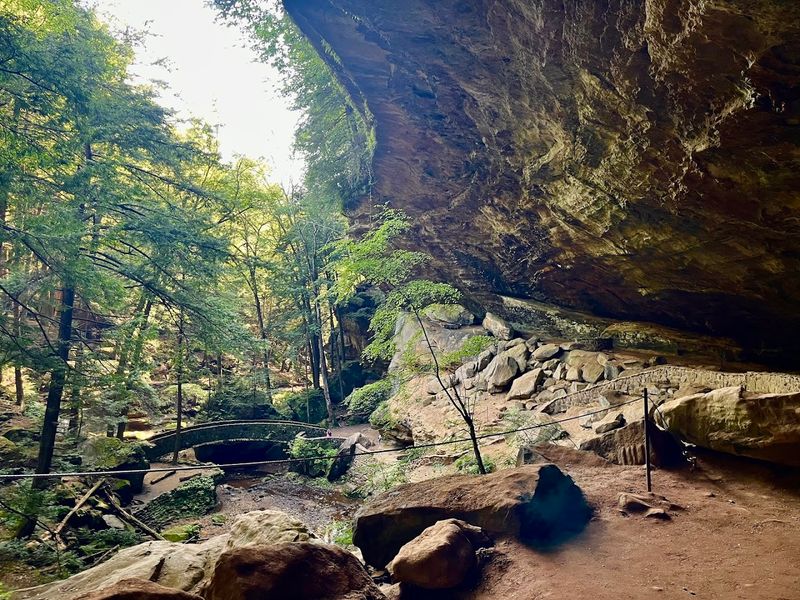
Skip Old Man’s Cave where tour buses unload by the dozen. Whispering Cave trails and remote forest loops offer the same dramatic cliffs and waterfalls minus the elbow-bumping crowds.
These backcountry sections feel like discovering a secret Ohio that guidebooks forgot to mention.
Moss-covered sandstone formations create natural galleries where water trickles down ancient rock faces. The sound echoes softly through hollows, creating an almost cathedral-like atmosphere.
May temperatures keep these shaded trails cool and comfortable for longer hikes.
Ferns unfurl along the path edges while spring wildflowers dot the forest floor in purples and whites. You’ll encounter maybe a handful of hikers instead of hundreds, making photo opportunities genuinely yours.
The terrain requires moderate fitness but rewards effort with pristine natural beauty.
Trail maps mark these quieter routes clearly, though they require slightly longer drives to trailheads. Weekday mornings provide even deeper solitude if your schedule allows flexibility.
Waterproof boots help navigate occasional muddy patches from spring rains, keeping your trek comfortable throughout.
Kelleys Island State Park
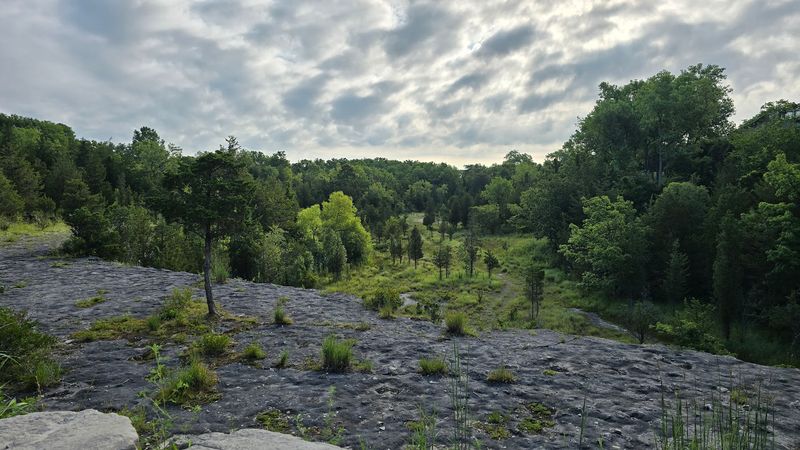
Ferry rides to Kelleys Island filter out casual day-trippers who prefer mainland convenience. Once you step off the boat, the island’s slower pace immediately wraps around you like a comfortable blanket.
Biking the perimeter feels timeless, with Lake Erie breezes cooling every pedal stroke.
Lakeside trails meander past limestone shelves where waves lap rhythmically against ancient rock. May means the tourist season hasn’t peaked yet, so beaches and paths remain wonderfully empty.
You can claim entire stretches of shoreline for private picnics or sunset watching.
Glacial grooves carved into bedrock thousands of years ago create fascinating geological landmarks worth exploring. The island’s compact size makes navigation easy without feeling rushed or crowded.
Local wildlife includes migrating birds that use the island as a rest stop during spring journeys.
Pack your own food since island dining options stay limited compared to mainland choices. Rental bikes are available near the ferry dock, making transportation effortless once you arrive.
The genuine peace here comes from geographic separation—Lake Erie acts as a moat protecting this quiet sanctuary.
Zaleski State Forest
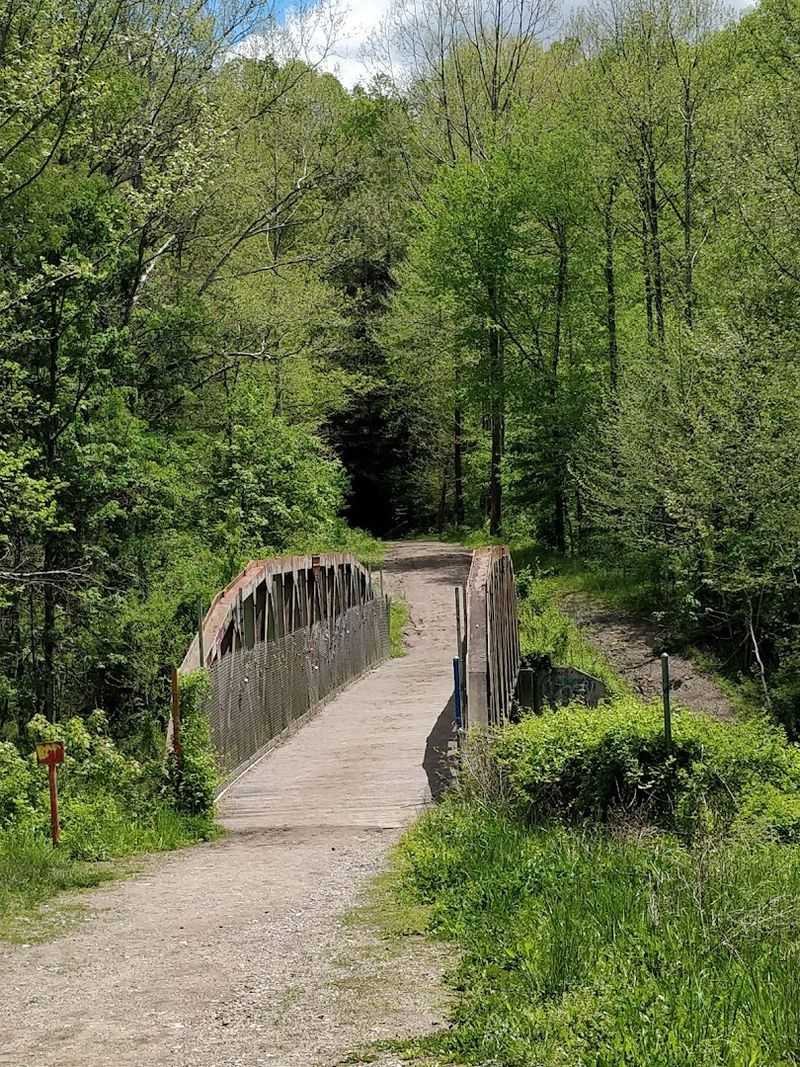
Southeastern Ohio’s best-kept secret sprawls across 28,000 acres of genuinely wild terrain. Zaleski sees so few visitors that trail signs sometimes peek through overgrown vegetation, adding to the adventure.
Rugged paths wind through old-growth woods where nature operates on its own schedule.
The forest’s remote location keeps even hardcore hikers away, leaving you with soundtrack options of rustling leaves or absolute silence. Ancient trees tower overhead, their branches creating a green canopy that filters sunlight into soft beams.
Spring brings mushrooms, wildflowers, and the earthy smell of forest waking from winter dormancy.
Backpacking loops offer overnight camping for those wanting extended solitude away from civilization’s hum. Day hikers can choose shorter routes that still deliver deep forest immersion without marathon distances.
Wildlife sightings include deer, wild turkeys, and occasionally black bears reclaiming their historic range.
Cell service disappears quickly once you enter, so download maps beforehand for navigation confidence. The lack of amenities means packing everything you need, but that preparation rewards you with Ohio’s most authentic wilderness experience available for weekend escapes.
Mohican State Park
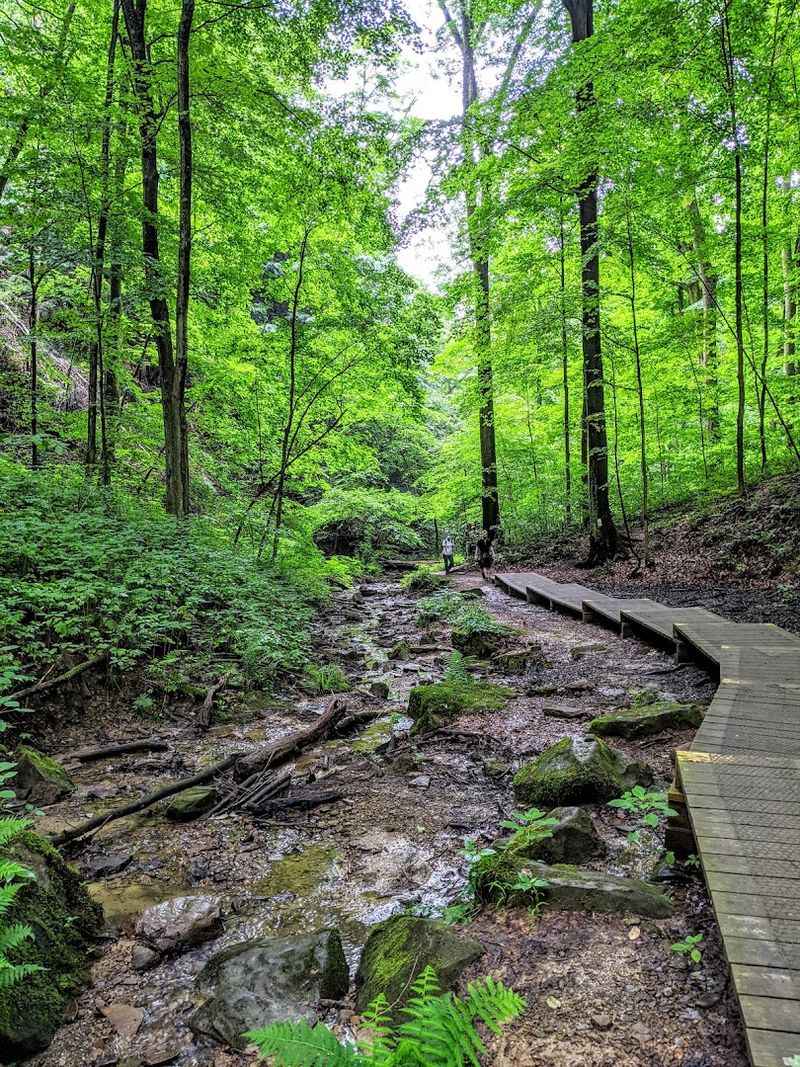
Rafting crowds congregate near the river launch areas, leaving deeper forest trails gloriously abandoned. Early morning gorge overlooks provide panoramic views across forested valleys where morning mist clings to treetops.
The contrast between busy river sections and quiet forest creates two different park experiences.
Hiking trails climb through hemlock groves where temperatures drop noticeably from the cooling shade. Birdsong intensifies in May as nesting season reaches full swing, creating natural concerts along your walk.
Stone outcroppings offer rest stops with views that seem designed specifically for contemplation.
The Mohican River whispers below as you trace paths high above the water. Wildflowers bloom in clearings where sunlight breaks through the canopy, painting the landscape in subtle colors.
Most visitors never venture beyond the lodge area, making these trails feel personally discovered.
Pack layers since forest microclimates can shift dramatically within short distances. Trail intersections are well-marked, preventing navigation anxiety while exploring.
Weekend mornings before 9 AM guarantee near-solitude even during peak season, multiplying the peaceful atmosphere exponentially.
Amish Country Backroads
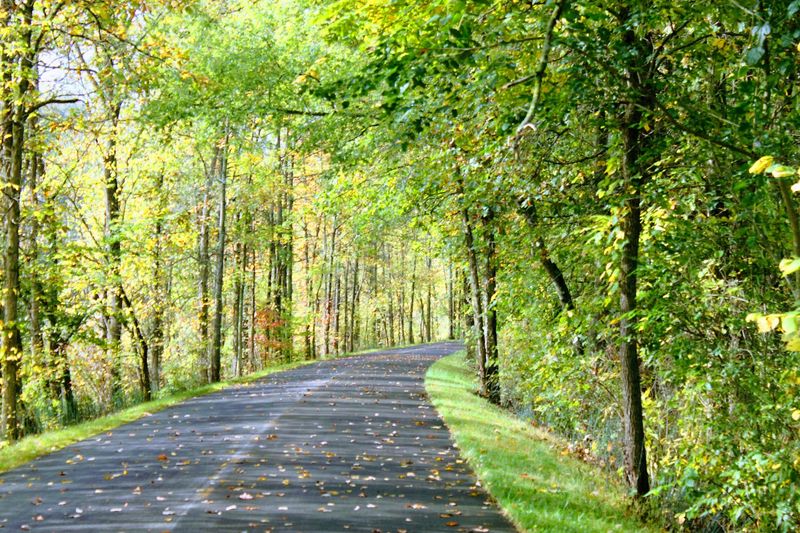
Tourist towns bustle with gift shops and restaurants, but rural routes between them remain authentically serene. Driving these backroads near Berlin and Charm reveals the Amish lifestyle without commercial filtering.
Horse-drawn buggies pass at their unhurried pace, reminding you that speed isn’t always necessary.
Open farmland stretches toward horizons broken only by white farmhouses and red barns. The clip-clop of horse hooves on pavement creates rhythms that sync perfectly with slow weekend mornings.
Roadside vegetable stands operate on honor systems, trusting customers to leave payment in simple wooden boxes.
May brings freshly plowed fields and early crops pushing through dark soil in neat green rows. You won’t find WiFi signals or cell towers cluttering the landscape here—just sky, land, and occasional windmills.
Pull over at unmarked overlooks where no signs announce the view’s beauty.
Respect local customs by avoiding photography of Amish individuals and keeping noise minimal. These roads wind through working farmland, not theme parks, so genuine quiet comes naturally.
Pack snacks since convenience stores appear rarely along these deliberately uncommercial routes.
Maumee Bay State Park
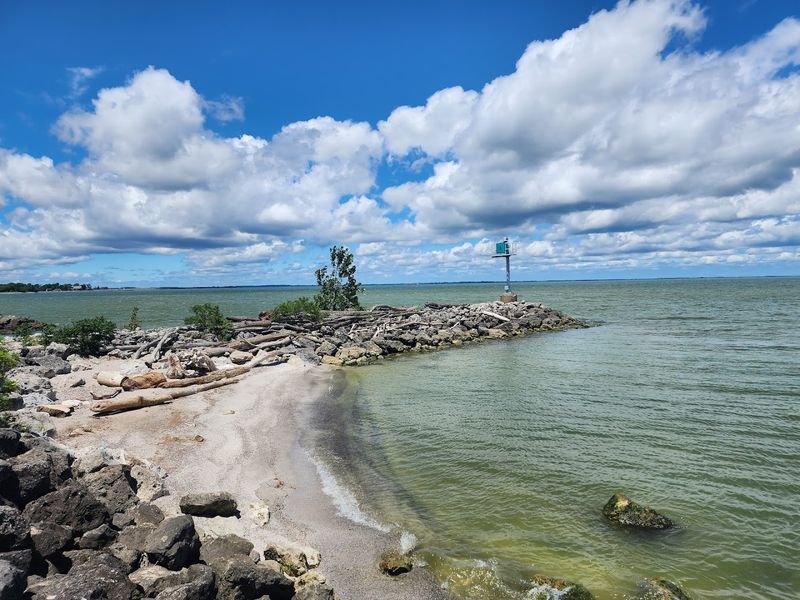
Boardwalks thread through marsh ecosystems where water birds outnumber human visitors significantly. Early shoreline walks capture Lake Erie at its calmest, before afternoon breezes ripple the surface.
May migration brings songbirds and shorebirds using the wetlands as refueling stations on epic journeys.
Binoculars transform these walks into wildlife documentaries unfolding in real time before your eyes. Great blue herons stand motionless in shallow water while sandpipers scurry along mudflats.
The landscape feels primordial, untouched despite being accessible from major highways.
Soft lake breezes carry the scent of water and marsh grasses, creating aromatherapy nature designed herself. Sunrise paints the sky in colors that reflect perfectly on still water surfaces.
Most park visitors arrive midday and stick to beach areas, leaving wetland sections wonderfully empty.
Wooden boardwalks keep your feet dry while allowing close observation of marsh life. Interpretive signs explain ecosystem functions without overwhelming you with information.
The genuine peace here stems from biological abundance rather than manufactured tranquility—nature humming along undisturbed by human chaos.
Great Seal State Park
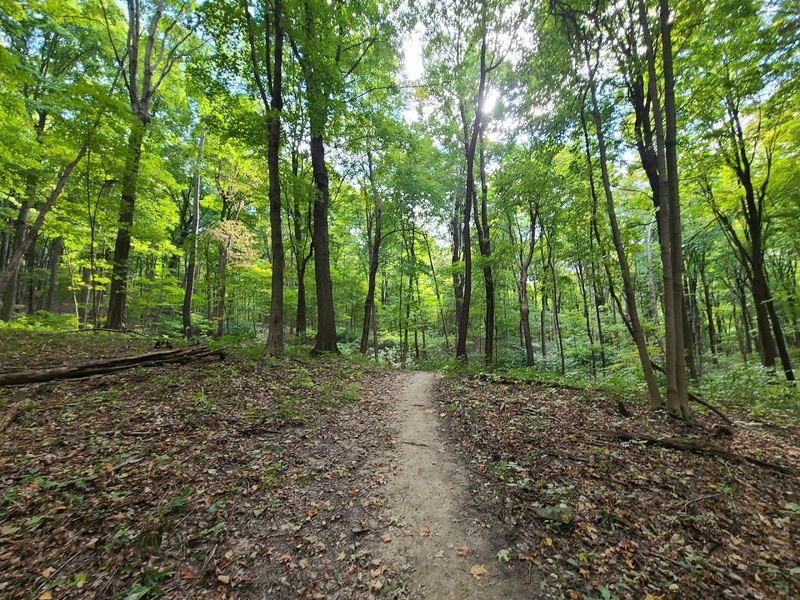
Hilltop forests rarely attract crowds despite offering exceptional solitude per square mile. Great Seal’s winding roads climb through dense woodlands toward overlooks that reveal southern Ohio’s rolling topography.
You can drive into solitude here, making it accessible even when hiking energy runs low.
Scenic pulloffs invite you to stop and simply breathe without itinerary pressure. The park’s relative obscurity means parking spots outnumber visitors on typical weekends.
Trails range from short nature walks to longer ridge hikes, all sharing the same uncrowded quality.
May foliage creates a green tunnel effect along roads, with sunlight filtering through fresh leaves. Wildlife sightings happen regularly since animals feel comfortable in this low-traffic environment.
The park’s name references Ohio’s state seal, designed by surveyor William Creighton who lived nearby.
Pack a thermos and claim a picnic table at a ridgetop clearing for lunch with panoramic views. Cell service exists but feels optional when surrounded by such deliberate quiet.
The combination of drivable access and genuine isolation makes this park perfect for those seeking peace without strenuous effort required.
Geneva State Park
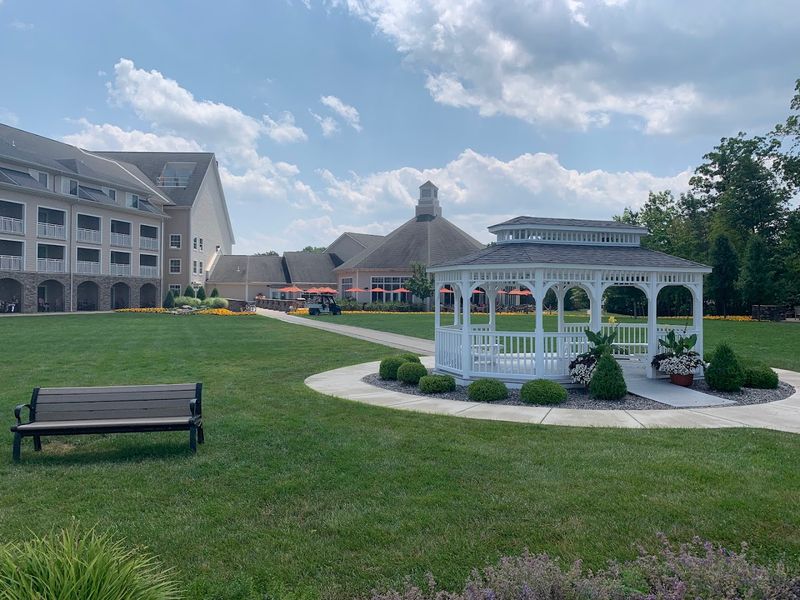
Lake Erie’s southern shore transforms into gold during sunrise hours before daily activity begins. Geneva’s beach stretches long enough that even with other early risers, personal space remains abundant.
Waves lap gently against sand in rhythms that seem specifically designed for meditation practice.
Morning walkers leave temporary footprints that incoming waves erase within minutes, creating natural metaphors about impermanence. The air smells clean and slightly fishy—the honest scent of freshwater lakes.
Seagulls wheel overhead calling to each other while shorebirds probe the sand for breakfast.
By mid-morning, families and swimmers arrive, but those early hours belong exclusively to peace seekers. May water temperatures remain too cold for most swimming, keeping beach crowds lighter than summer months.
Driftwood scattered along the shoreline provides impromptu seating for contemplation stops.
Pack coffee in a travel mug and watch the sun clear the eastern horizon over endless water. The park’s marina and lodge areas wake slowly, giving beaches priority for quiet morning enjoyment.
This reliable pattern makes Geneva perfect for routine weekend peace-seeking rather than one-time visits.
Beaver Creek State Park
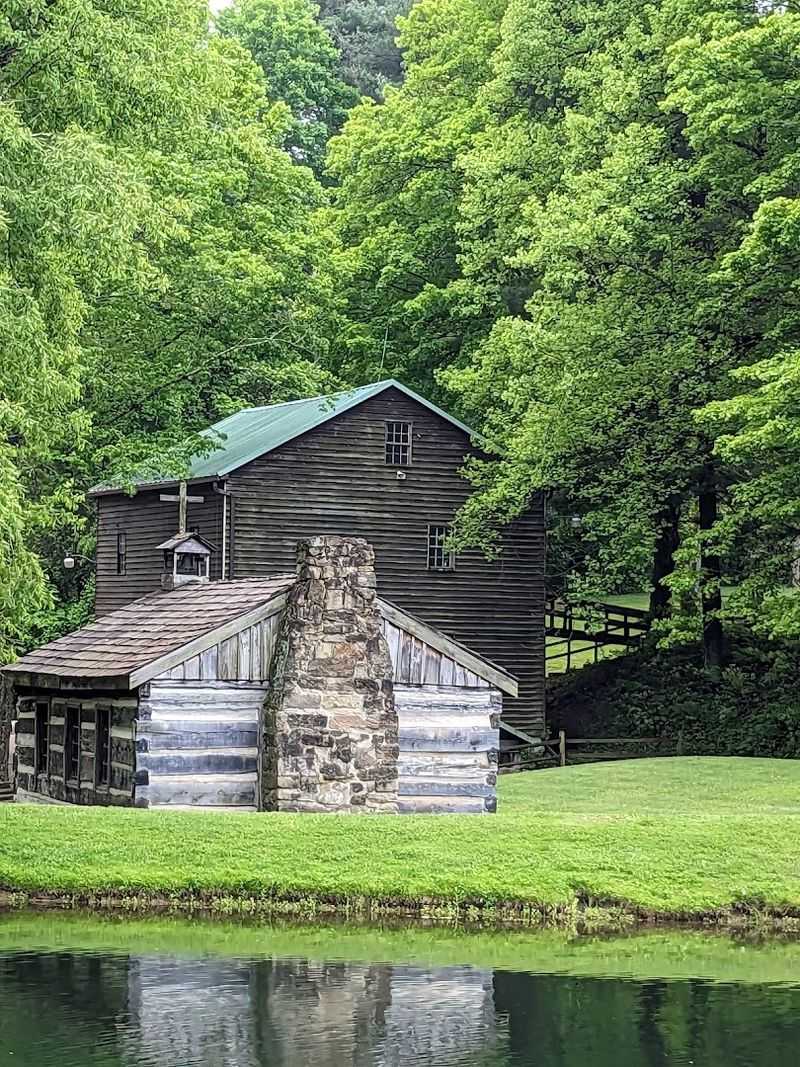
Historic mill ruins add human history layers to natural beauty in this hidden valley park. Creekside trails follow water that once powered industry but now simply babbles peacefully through forest.
The valley’s geographic isolation has always protected it from heavy development and tourist traffic.
Dense forest paths feel enclosed and private, like walking through nature’s hallways. Stone foundations from 19th-century settlements peek through vegetation, silent witnesses to Ohio’s industrial past.
May brings wildflowers reclaiming these historic sites, nature gently erasing human ambitions with patient persistence.
The creek itself provides constant auditory white noise, masking any distant road sounds. Trail difficulty varies from flat creekside walks to hillside climbs offering valley overlooks.
Wildlife thrives here undisturbed—deer, raccoons, and countless bird species treat the park as permanent home.
Eastern Ohio’s location off major tourist routes contributes significantly to Beaver Creek’s continued obscurity. Pack bug spray since creek valleys harbor mosquitoes during warmer months.
The combination of history, nature, and reliable solitude makes this park exceptional for contemplative weekend escapes from modern life’s noise.
John Bryan State Park
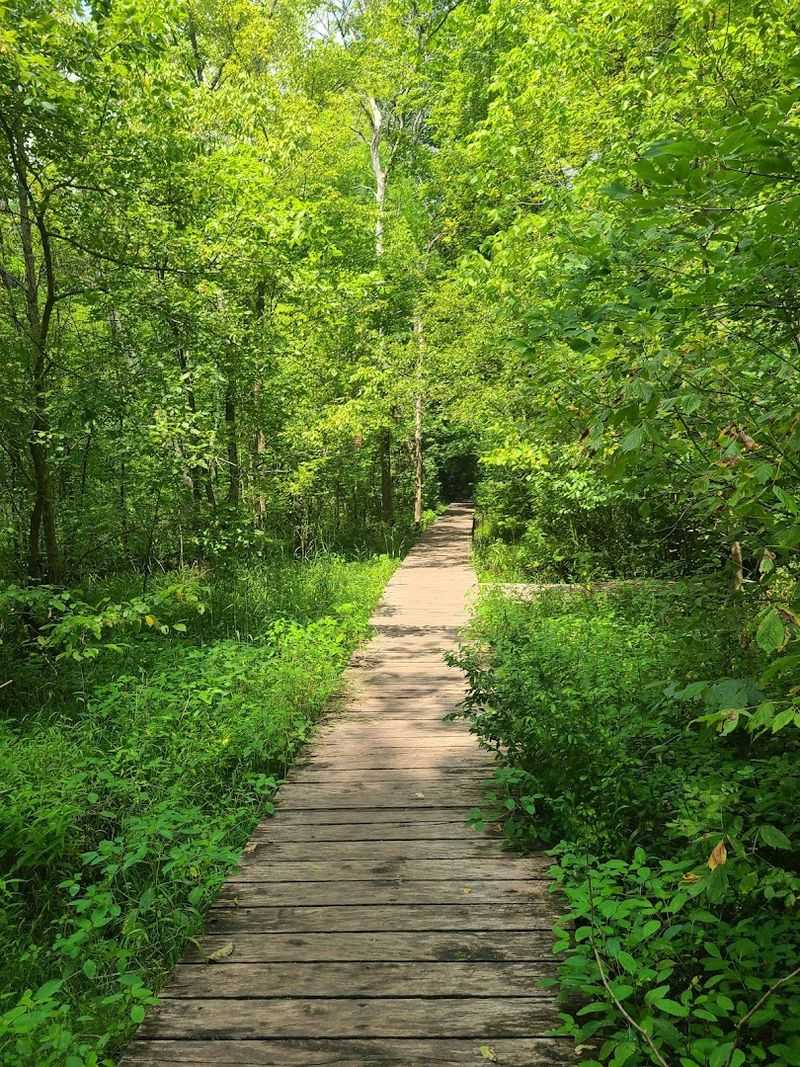
Yellow Springs attracts bohemian crowds, but the adjacent gorge trails maintain surprising tranquility. River paths wind beneath limestone cliffs where geology tells million-year stories through layered rock.
Early morning timing transforms even popular trails into private nature experiences.
The Little Miami River cuts through the gorge, creating cool microclimates perfect for May hiking. Suspension bridges add gentle adventure without requiring technical skills or extreme fitness.
Ferns and mosses coat shaded cliff faces, thriving in the constant moisture and limited sunlight.
Weekday-adjacent weekends—Sunday mornings or Friday afternoons—offer optimal quiet windows before peak visitor times. The gorge’s acoustic properties amplify river sounds while dampening outside noise, creating natural sound insulation.
Trail loops allow flexible distances from short nature walks to extended ridge explorations.
Yellow Springs itself provides excellent post-hike dining and shopping options when you’re ready for civilization. This proximity to amenities without sacrificing trail peace makes John Bryan uniquely convenient.
May weather keeps temperatures mild while trails remain snow-free and not yet summer-dusty, hitting the seasonal sweet spot perfectly for comfortable outdoor peace-seeking.