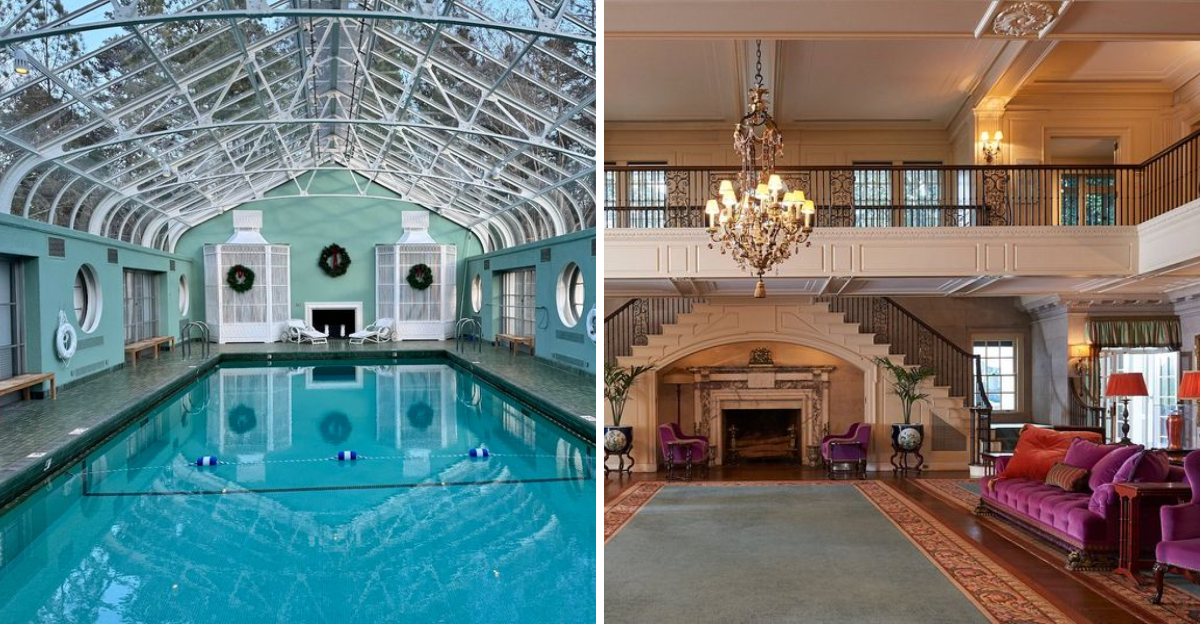
Some places practically demand that you slow down — and Reynolda House is one of them.
This isn’t just a museum hidden inside an old mansion. It’s 1,067 acres of winding garden paths, towering trees, historic buildings, and quiet corners that somehow make the outside world disappear for a while.
Every turn feels cinematic, from the ivy-covered estate walls to the sunlit trails circling the grounds.
Built in 1917 for tobacco tycoon R.J. Reynolds and his wife Katharine, the estate was designed to impress.
And it still does. The massive home feels elegant without feeling cold, while the gardens seem made for long walks that turn into longer conversations.
Then there’s the art, the hidden pathways, the greenhouse views, and the peaceful hush that settles over the property late in the afternoon. Reynolda House isn’t the kind of place you rush through.
It’s the kind of place that quietly pulls you in and keeps you wandering longer than planned.
A Grand Estate Built for the Reynolds Family
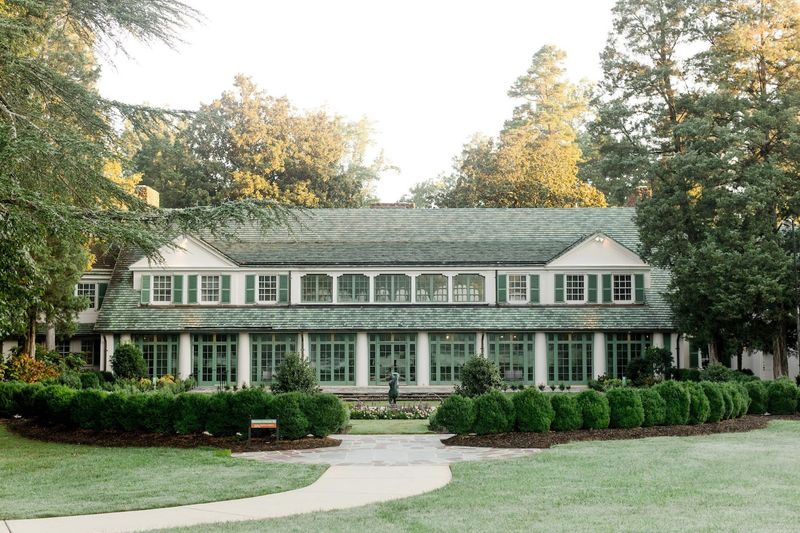
Katharine and R.J. Reynolds didn’t just build a house in 1917—they created a complete world where modern innovation met Southern elegance.
This 64-room mansion combined central heating, electricity, and even an intercom system at a time when most homes had none of those luxuries. The Reynolds family wanted a country retreat that reflected their values of quality, sustainability, and beauty.
Walking up to the main house today, you’ll notice the balanced architecture that blends English country style with American practicality. The estate originally functioned as a working farm with its own post office, school, and power plant.
Katharine personally oversaw every design detail, from the placement of windows to the flow between rooms.
The Reynolds lived here until tragic events changed everything—Katharine’s death in 1924 and R.J.’s passing in 1918 meant the estate eventually transformed into the museum we visit today. Their vision lives on through preserved spaces that still feel like a family home rather than a cold historical monument.
The Tree-Lined Walkways That Set the Mood
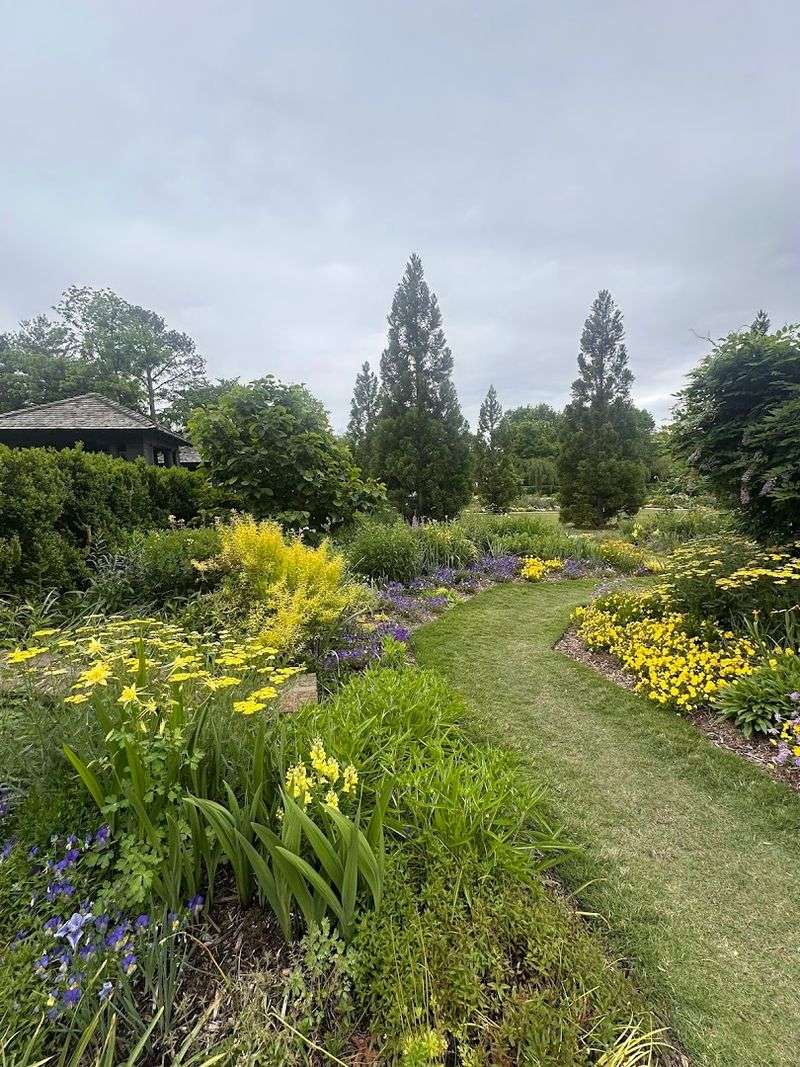
Something changes the moment your feet touch these paths. Ancient oaks and maples form natural archways overhead, creating tunnels of shade that make even summer days feel cool and inviting.
The designers purposely curved these walkways instead of making them straight, forcing visitors to slow their pace and discover what’s around each gentle bend.
Different paths lead to different discoveries—some wind through formal gardens while others disappear into wooded areas where you might spot wildlife. These aren’t paved city sidewalks either; many feature crushed gravel or brick that crunches softly underfoot.
The sound becomes meditative after a while.
Katharine Reynolds believed in creating spaces that encouraged reflection and connection with nature. Her vision succeeded because modern visitors still describe feeling instantly relaxed once they start wandering these routes.
Benches appear at perfect intervals, inviting you to pause, sit, and simply absorb your surroundings without rushing to the next attraction.
Inside the Historic 64-Room Mansion
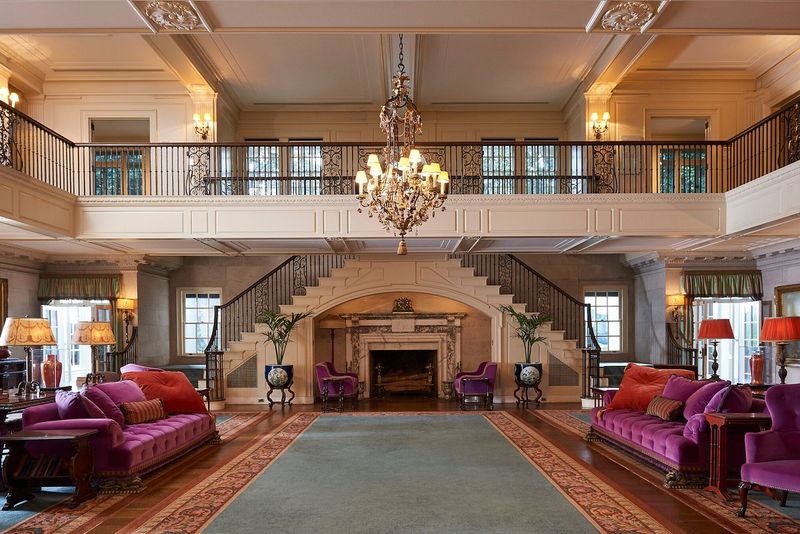
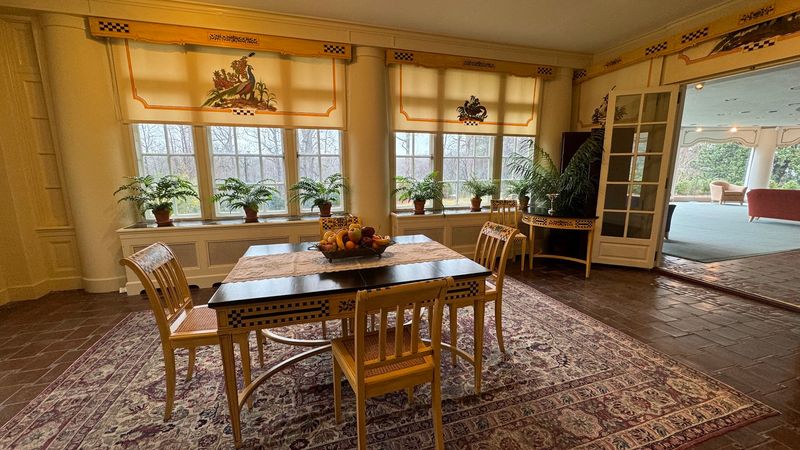
Stepping through the front door feels like traveling back to 1917 when the Reynolds family hosted dinners, entertained guests, and lived their daily routines. The library still holds books they actually read, while the dining room table sits ready as if awaiting the next meal.
Unlike many museum homes where everything sits behind velvet ropes, Reynolda lets you get surprisingly close to authentic period furnishings.
Each room tells a different story about the family’s lifestyle and priorities. The children’s rooms show toys and furniture scaled for young ones, while R.J.’s study reveals his business side.
Katharine’s attention to detail shines everywhere—from custom-designed light fixtures to carefully selected wallpapers that remain vibrant today.
Tour guides share fascinating details about daily life in this mansion, like how servants used back hallways to move invisibly throughout the house. The preserved interiors help modern visitors understand not just wealth, but how people actually lived during America’s early 20th century boom years.
American Art Displayed Throughout the Home
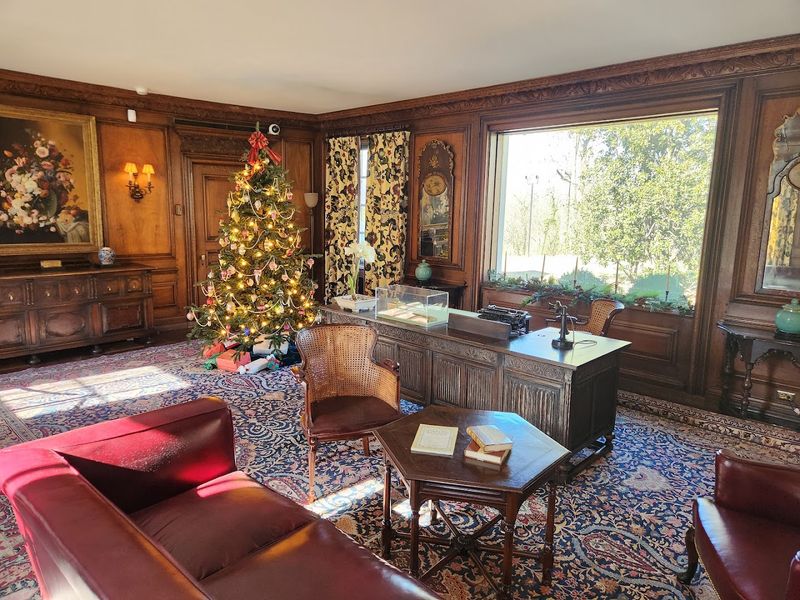
Most museums separate art from life by hanging paintings in sterile white galleries. Reynolda does something much more interesting—they display masterworks by Georgia O’Keeffe, Grant Wood, and Frederic Church within the actual mansion rooms where families might have enjoyed such pieces.
A stunning O’Keeffe landscape hangs near a sunny window where natural light brings out colors the artist intended.
The collection focuses exclusively on American artists from colonial times through the mid-20th century, creating a visual timeline of our nation’s artistic development. You’ll encounter everything from colonial portraits to Hudson River School landscapes to early modernist experiments.
Each piece was chosen not just for quality but for how it relates to American identity and experience.
What makes this approach special is how art and architecture enhance each other. A Grant Wood painting feels different when viewed in a 1917 mansion versus a contemporary gallery space.
The rooms provide context, while the artwork adds another layer of meaning to the historic setting.
Formal Gardens Filled With Seasonal Color
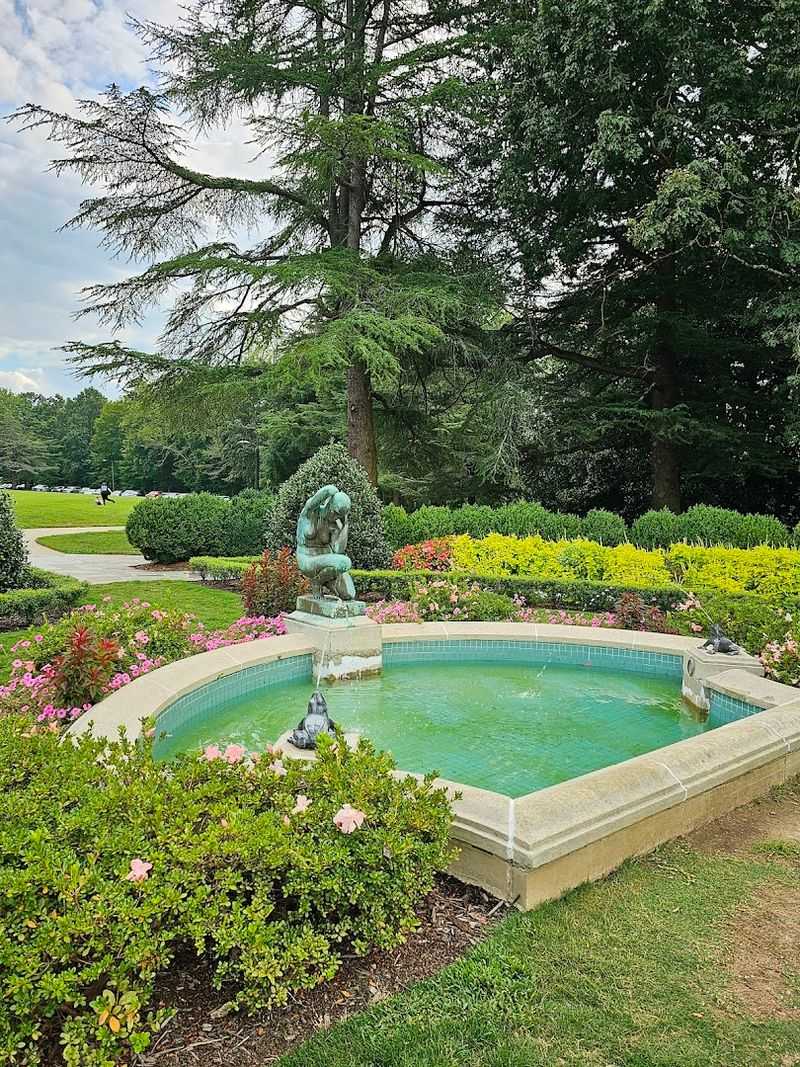
Spring explodes with tulips, daffodils, and cherry blossoms that paint the formal gardens in pastels you didn’t know existed. Summer brings roses climbing trellises and hydrangeas heavy with blooms.
Fall transforms everything into burgundy and gold when the trees compete to show off their finest colors. Even winter has its own quiet beauty when frost outlines every branch and seedhead.
The restored gardens follow Katharine Reynolds’ original 1917 design, which mixed formal European garden traditions with plants suited to North Carolina’s climate. You’ll notice geometric patterns formed by carefully trimmed hedges, alongside more naturalistic plantings that soften the overall effect.
The Japanese cryptomeria trees she imported still stand tall, adding an exotic element to Southern gardens.
Gardeners maintain these spaces using historically accurate techniques while adapting for modern sustainability. Seasonal changes mean return visitors see something completely different each time they come.
Photography enthusiasts particularly love the constantly shifting color palette and perfect morning light that filters through the canopy.
The Conservatory and Greenhouse Experience
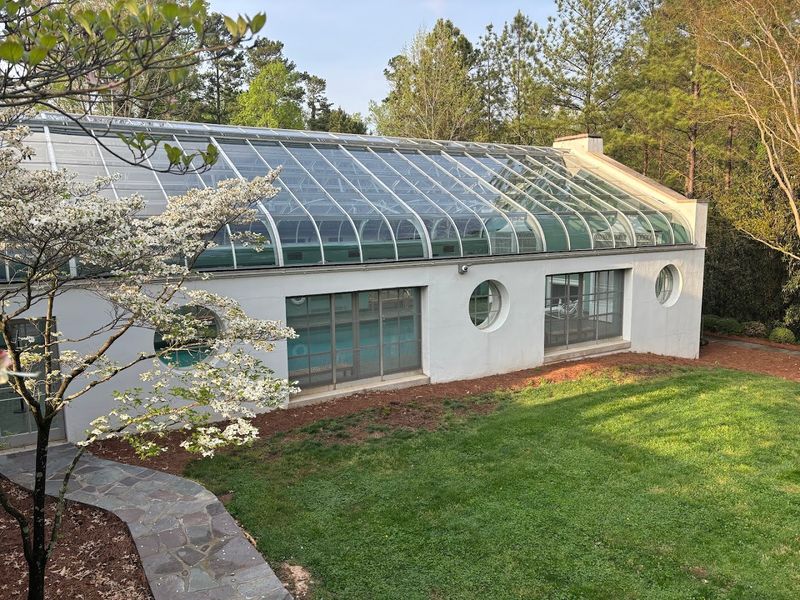
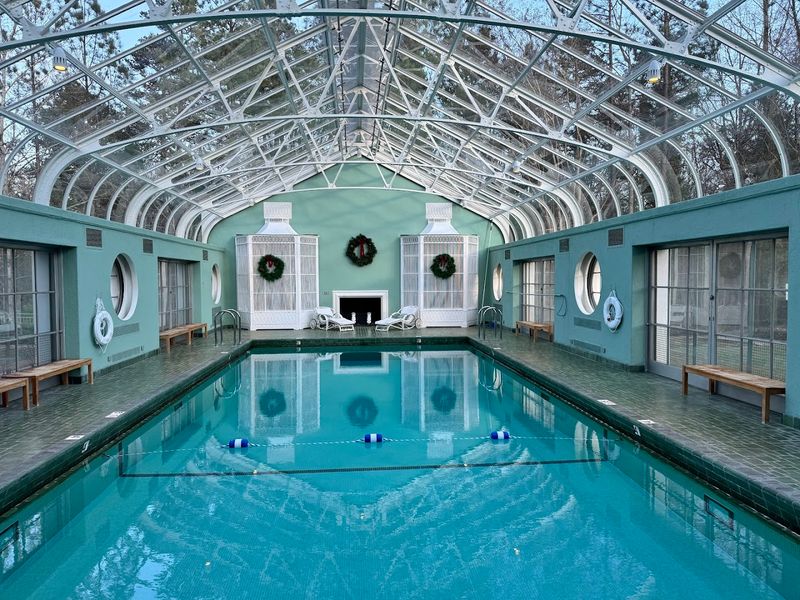
Humidity hits you the moment you enter the conservatory—a welcome sensation that transports you from North Carolina to somewhere decidedly more tropical. The historic greenhouse architecture features classic glass panels and curved iron supports that Katharine would still recognize today.
Modern visitors wander among palms, ferns, and exotic flowering plants that couldn’t survive outside.
This space originally helped the Reynolds family grow produce and ornamental plants year-round, showcasing their commitment to self-sufficiency and agricultural innovation. Today it serves a similar purpose by demonstrating sustainable growing practices and preserving plant varieties that connect us to gardening history.
The temperature-controlled environment creates a peaceful escape, especially during cold winter months.
Quiet garden spaces surround the conservatory, offering benches where you can sit among the greenery and forget about outside pressures for a while. Many visitors report this as their favorite spot on the entire estate because it combines beauty, warmth, and tranquility in one manageable space.
Children particularly enjoy seeing plants they recognize from storybooks growing much larger than expected.
Historic Buildings Beyond the Main House
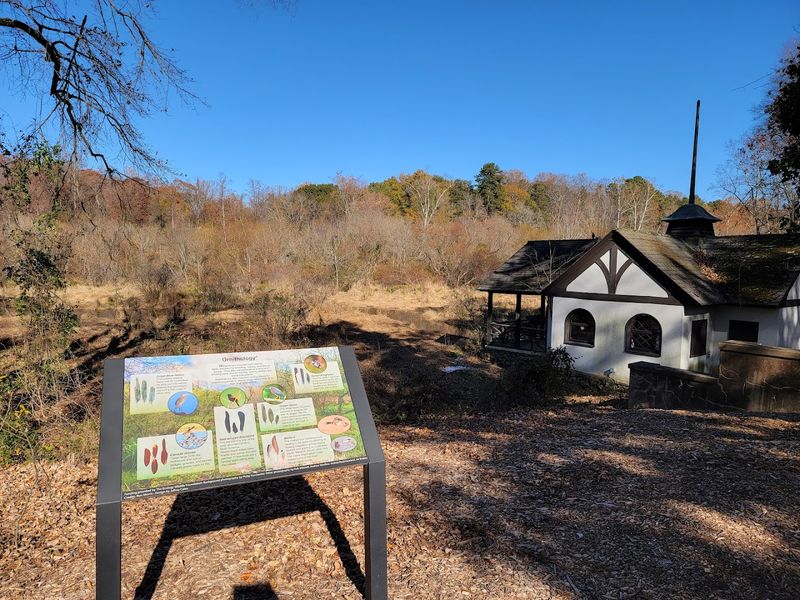
Beyond the mansion lies a collection of structures that reveal how Reynolda operated as a complete, self-sustaining community during its heyday. The original village included a post office, church, school, blacksmith shop, and various farm buildings that served both the Reynolds family and estate workers.
Many of these structures still stand today, offering glimpses into early 20th-century Southern estate life.
Architectural details throughout these buildings reflect the same attention to quality that defined the main house. Even purely functional spaces like barns feature attractive proportions, sturdy construction, and thoughtful design elements.
The village layout demonstrates progressive thinking about worker housing and community planning that was ahead of its time.
Walking among these structures helps visitors understand the estate’s original scope and ambition. This wasn’t just a wealthy family’s home—it was an experimental community designed to prove that farms could be both profitable and humane.
The preserved buildings stand as testimony to Katharine’s vision of creating a model agricultural estate that others might emulate.
Lakeside Views, Trails, and Quiet Corners
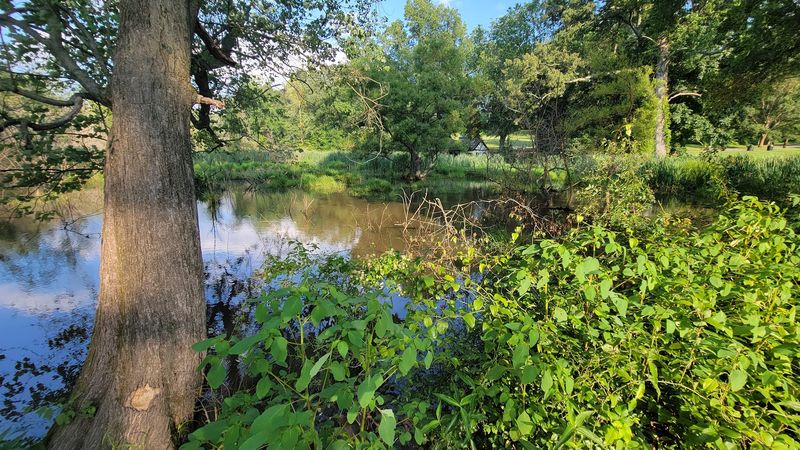
Lake Katharine sparkles through the trees, named for the woman whose vision created this entire landscape. Trails meander along the shoreline and disappear into wooded areas where urban noise fades completely.
Small footbridges cross streams, while benches appear in unexpected spots where someone clearly understood the value of a perfect view.
These paths encourage exploration without pressure because there’s no single correct route or timeline. Some visitors spend hours discovering hidden viewpoints and wildlife habitats.
Others prefer shorter loops that still offer a taste of the estate’s natural beauty. The varied terrain means gentle strolls and more adventurous hikes both exist within the same property.
Hidden corners throughout the grounds provide spots for private reflection or conversation away from other visitors. You might round a bend to find a secluded garden nook or a clearing with panoramic views across the estate.
These discoveries feel personal, as if you’ve found something just for yourself, which is exactly the experience good landscape design should create.
Why Reynolda Village Adds to the Experience
After touring the museum and gardens, your experience doesn’t need to end abruptly. Reynolda Village sits just steps away, occupying some of those original estate buildings transformed into boutique shops, restaurants, and galleries.
This seamless transition from historic site to modern amenities feels organic rather than commercial because the architecture maintains historical character throughout.
Local and independent businesses fill these spaces, offering everything from artisan coffee to home goods to regional art. You can grab lunch at a patio restaurant while discussing what you just saw in the museum.
Bookstores, clothing boutiques, and specialty food shops provide reasons to linger longer. The entire area remains pedestrian-friendly with tree-lined streets and accessible sidewalks.
Community visitors frequently mention how walkable and peaceful the entire area feels compared to typical shopping districts. The village extends your visit naturally, giving you time to process everything you’ve seen while supporting local businesses.
Many people make Reynolda a full-day destination precisely because the village offers both convenience and quality in a beautiful historic setting.
Visitor Info and Tips
Planning your visit to Reynolda House Museum of American Art at 2250 Reynolda Road, Winston-Salem, NC 27106 takes just a little preparation for maximum enjoyment. The museum typically opens Tuesday through Saturday from 9:30 a.m. to 4:30 p.m., plus Sundays from 1:30 to 4:30 p.m., while the gardens stay open daily during daylight hours.
Checking their website before you go confirms current hours and any special events happening during your visit.
Arriving early offers several advantages—you’ll beat crowds, enjoy cooler temperatures for walking the grounds, and have time to explore gardens before touring the house. Comfortable walking shoes matter because these aren’t manicured city sidewalks.
Bring a camera for countless photo opportunities, though tripods might be restricted inside the mansion.
Set aside extra time beyond your museum tour because the estate deserves unhurried exploration. Spring and fall are especially beautiful thanks to blooming flowers and colorful foliage, though every season offers unique rewards.
Combining your visit with lunch in Reynolda Village creates a full, satisfying day that captures both history and contemporary Winston-Salem culture.