In the gentle hills of central North Carolina, spring arrives with red clay roads drying under warm sun and fields turning a soft, fresh green. Around Seagrove, the landscape feels unhurried, shaped as much by tradition as by time itself.
Pottery studios appear along quiet back roads—some tucked beside family homes, others set back beneath tall trees where kilns still burn wood-fired and steady. The scent of earth and smoke sometimes drifts into the air, blending with blooming dogwoods and the sound of slow traffic passing through town.
This is a place where craft is not displayed behind glass but actively lived, passed down through generations of hands working the same rich Carolina clay.
It’s an easy town to explore slowly, one studio at a time. Here is what you’ll find along its pottery-filled back roads.
The Living Heritage of Clay and Flame
Generations of families have shaped red Carolina clay into functional art for more than 200 years in this region. The tradition started when English and German potters discovered the perfect clay deposits here in the late 1700s.
They built communities around their craft, passing down techniques from parent to child through the decades.
Walking through Seagrove today feels like stepping back in time. You can still see potters using methods their great-grandparents taught them.
Wood smoke rises from traditional groundhog kilns, and spinning pottery wheels create the same rhythmic sounds they made centuries ago.
What makes this heritage truly alive is that these aren’t museum pieces behind glass. Real working studios line the back roads, where artists welcome visitors to watch them work.
You might see someone pulling a finished pot from a kiln that’s been in their family for generations.
The community takes pride in keeping these old ways alive while also embracing new artistic directions. This balance between honoring tradition and encouraging creativity has kept the pottery scene vibrant and relevant for modern audiences.
Where Time-Honored Techniques Meet Modern Visitors
A winding gravel road leads to one of America’s most celebrated pottery landmarks, where the smell of wood smoke mingles with fresh clay. Founded in 1921 by Jacques and Juliana Busbee, this studio helped spark the revival of traditional pottery making in the region.
The couple believed that old-fashioned craftsmanship deserved recognition and preservation.
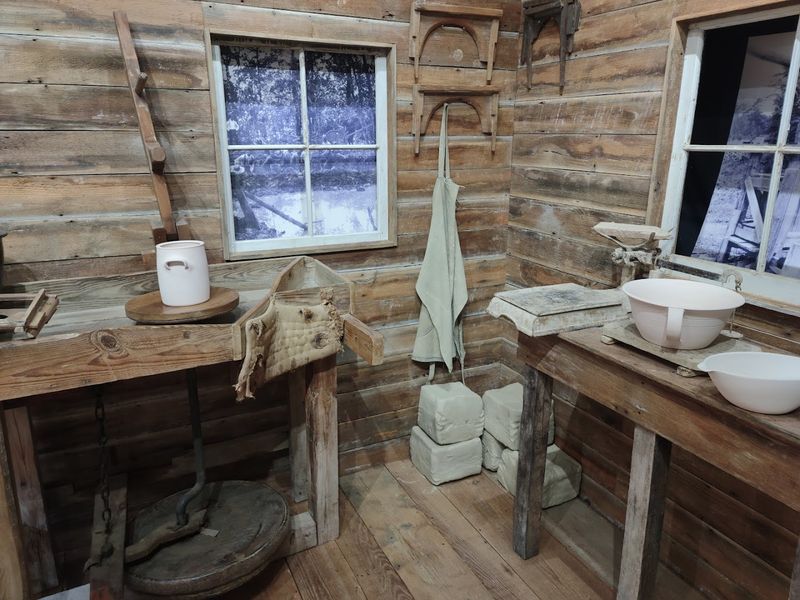
Jugtown Pottery continues operating much as it did a century ago. Potters throw pieces on kick wheels in a simple wooden building surrounded by tall pines.
The studio specializes in pieces inspired by Asian, European, and early American designs, all made using time-tested local methods.
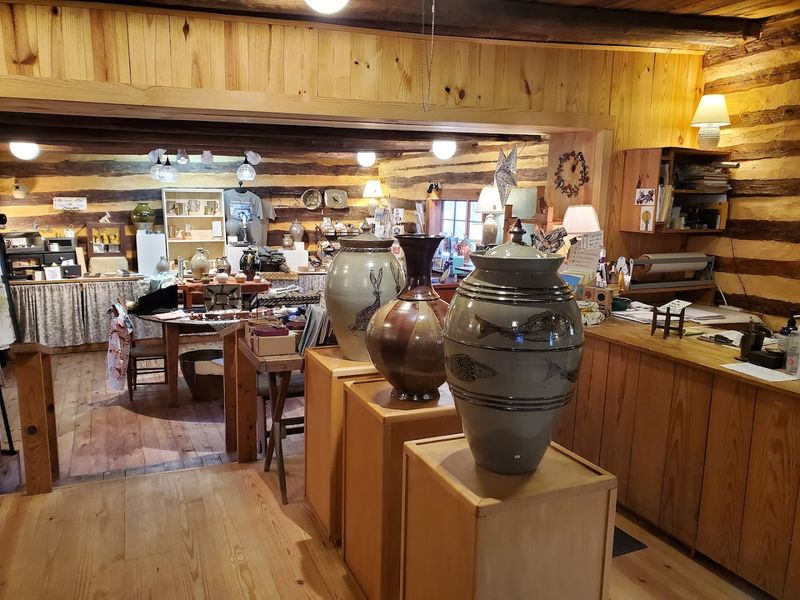
Visitors can tour the grounds and watch artisans at work most days of the week. The showroom displays hundreds of pieces, from small cups to large garden urns.
Each item carries a distinctive mark that collectors recognize worldwide.
What sets this place apart is its dedication to preserving authentic techniques while remaining accessible to curious travelers. You don’t need to be a pottery expert to appreciate watching skilled hands transform lumps of clay into beautiful objects right before your eyes.
Five Generations of Artistic Excellence
Some families talk about their history, but one family has shaped it with their hands for over 130 years. The pottery dynasty that started in 1895 with a single potter has grown into multiple studios, each run by descendants who learned the craft at their parents’ elbows.
Their surname has become synonymous with quality and tradition in the pottery world.
Westmoore Pottery represents the continuation of this incredible legacy. Mary and David Farrell operate this studio, maintaining techniques passed down through five generations.
They specialize in salt-glazed stoneware, a challenging process that produces distinctive orange-peel textures and rich colors.
The studio sits on peaceful farmland where you can hear birdsong between the sounds of the pottery wheel. Inside, traditional forms take shape, from simple bowls to elaborate face jugs.
These whimsical pieces feature exaggerated facial features and have roots in African American pottery traditions.
Watching work here means witnessing living history. The same family methods used before the Civil War still produce functional beauty today.
Every piece carries the weight of generations while remaining perfectly suited for modern homes.
Master Potter’s Contemporary Vision
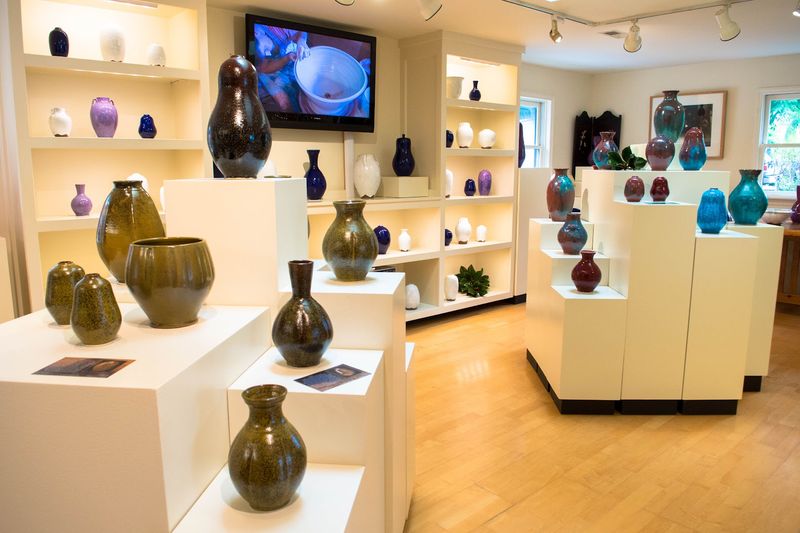
Not all pottery here looks like it belongs in your grandmother’s kitchen. One studio proves that ancient craft and modern design can create something extraordinary together.
The workshop buzzes with creative energy as contemporary forms emerge from traditional processes, bridging centuries with each piece.
Ben Owen Pottery showcases how the third generation of a legendary pottery family has evolved the craft. Ben Owen III learned from his grandfather, a master potter who revived interest in Chinese glazing techniques.
Instead of simply repeating old patterns, he pushes boundaries while respecting foundational skills.
His work features clean lines and unexpected color combinations that appeal to collectors of contemporary art. Yet every piece is thrown on a wheel and glazed using methods his ancestors would recognize.
This connection between old and new creates pottery that feels both timeless and fresh.
The studio welcomes visitors who want to see how tradition evolves without losing its soul. You might witness a vase taking shape that would look at home in a modern art gallery, yet it’s made using techniques from the 1700s.
This blend represents the future of pottery in the region.
Annual Celebration of Clay and Community
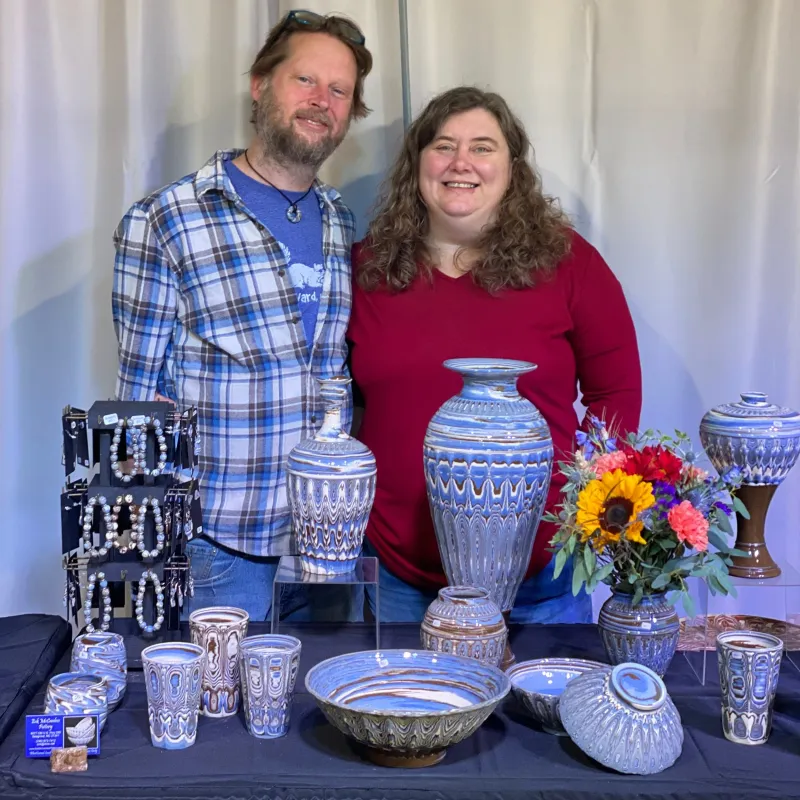
Twice each year, normally quiet country roads transform into a bustling celebration that draws thousands of pottery enthusiasts from across the nation. Tents pop up like mushrooms after rain, each sheltering unique creations from over 100 local potters.
The air fills with excitement as collectors hunt for perfect additions to their homes.
The Seagrove Pottery Festival happens each November and during the spring months. Potters who usually work in solitude come together to showcase their year’s best work.
You can compare styles from dozens of studios in just a few hours, something that would normally take days of driving.
Live demonstrations let you watch pottery being thrown, glazed, and even pulled from kilns. Children can try their hand at the wheel while parents browse serious art pieces.
Food vendors offer sustenance for long days of shopping and learning.
This festival represents more than just a market. It’s a community coming together to share their passion with the world.
Conversations flow freely between artists and admirers, with potters explaining their techniques and inspirations. Many visitors return year after year, building relationships with favorite artists and watching their styles evolve.
Ancient Technique Creates Distinctive Beauty
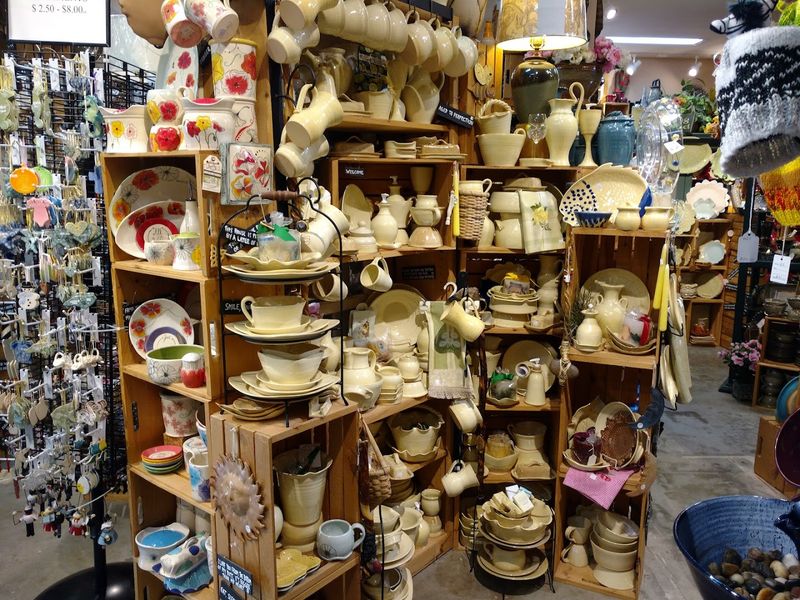
Have you ever wondered why some pottery has that distinctive orange-peel texture and warm, earthy colors? The answer lies in a centuries-old technique that turns ordinary table salt into magic.
When temperatures inside the kiln reach astronomical levels, potters throw handfuls of salt into the flames, creating spectacular chemical reactions.
Salt-glazed stoneware remains one of the most recognizable styles produced in the region. As salt vaporizes in the extreme heat, it combines with silica in the clay to form a glassy coating.
This process creates unpredictable patterns and colors that make each piece unique, even if they started from the same design.
The technique demands skill, patience, and a bit of bravery. Opening a kiln after salt firing always brings surprises, sometimes delightful and occasionally disappointing.
Experienced potters learn to read flames and time their salt additions perfectly, but they can never control the outcome completely.
Collectors prize these pieces for their one-of-a-kind nature and connection to pottery history. The method dates back to medieval Germany and remained the primary glazing technique until modern alternatives appeared.
Today, maintaining this tradition requires dedication because salt firing is labor-intensive and unpredictable.
The Scenic Route Through Pottery Paradise

Picture a narrow road winding through gentle hills, where handmade signs point toward hidden treasures every few hundred feet. This isn’t your typical highway experience.
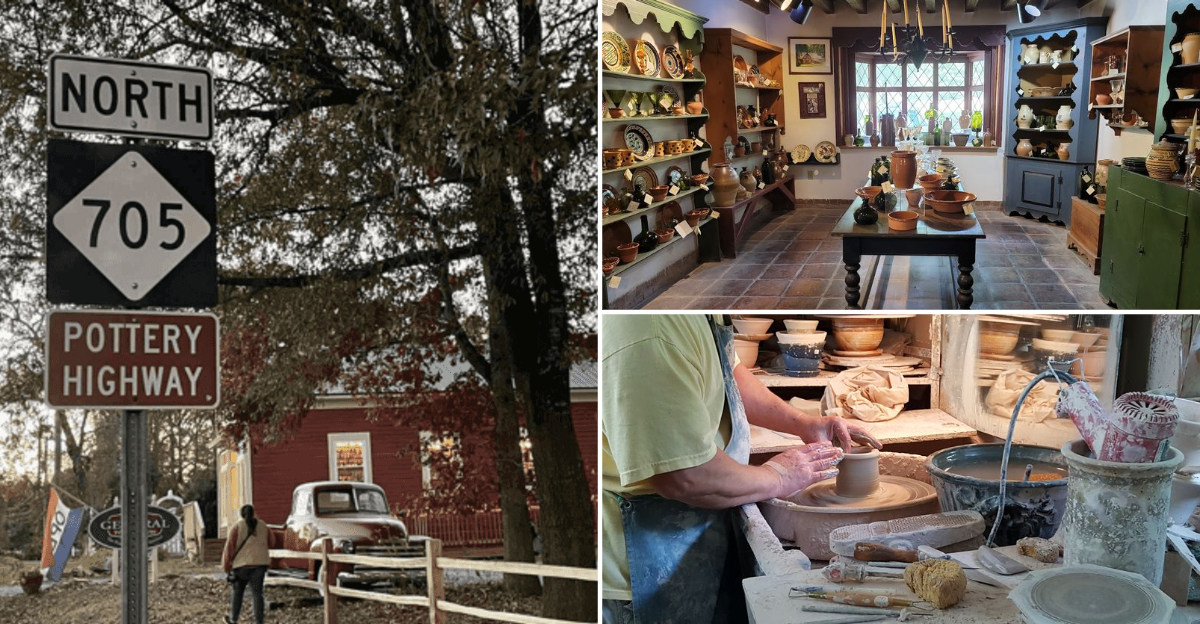
NC Highway 705 earned the nickname “Pottery Highway” because it connects more working studios than any other stretch of road in America.
Driving this route feels like a treasure hunt without a map. Around one bend, you might spot a small sign for a studio tucked back in the woods.
Another mile brings you to a larger operation with multiple buildings and sculpture gardens. Each stop reveals different styles, from rustic traditional pieces to sleek contemporary designs.
Plan to spend a full day exploring if you want to visit even half the studios. Many potters keep irregular hours, so calling ahead saves disappointment.
However, some of the best discoveries happen when you knock on a door and find a friendly artist willing to show you around their workspace.
The scenic beauty makes the journey as enjoyable as the destinations. Rolling hills, farm fields, and forest create a peaceful backdrop for pottery hunting.
Bring a cooler because you’ll want to protect your purchases on the bumpy return trip home.
New Voices Shaping Clay’s Future
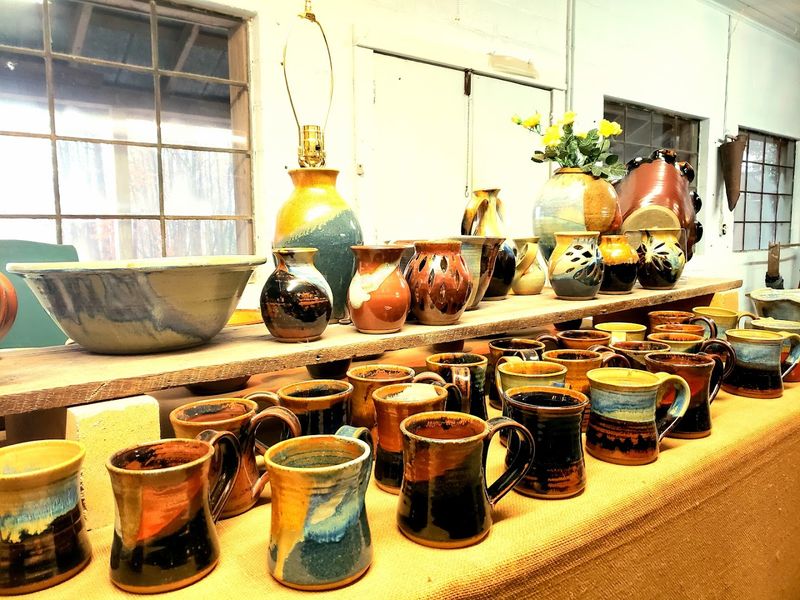
Tradition runs deep here, but something fresh is brewing alongside the old ways. Young artists have moved to the area in recent years, attracted by affordable studio space and the chance to learn from master potters.
They’re creating work that would surprise visitors expecting only brown jugs and traditional bowls.
This contemporary movement embraces bright colors, unexpected shapes, and modern aesthetics while maintaining commitment to handmade quality. One potter might create vibrant serving pieces perfect for today’s kitchens.
Another focuses on sculptural work that belongs in galleries rather than dinner tables.
These newer artists respect the region’s heritage while carving their own paths. They’ve learned throwing techniques from multi-generational families, then applied those skills to original visions.
This combination keeps the pottery community vibrant and prevents it from becoming a historical recreation stuck in the past.
Visiting these contemporary studios shows how traditional craft adapts to modern life. The pieces work in contemporary homes, appeal to younger collectors, and prove that pottery remains relevant art.
This evolution ensures the area won’t become just a museum of old techniques but continues as a living center of ceramic arts.
Learning the Craft Through Hands-On Experience
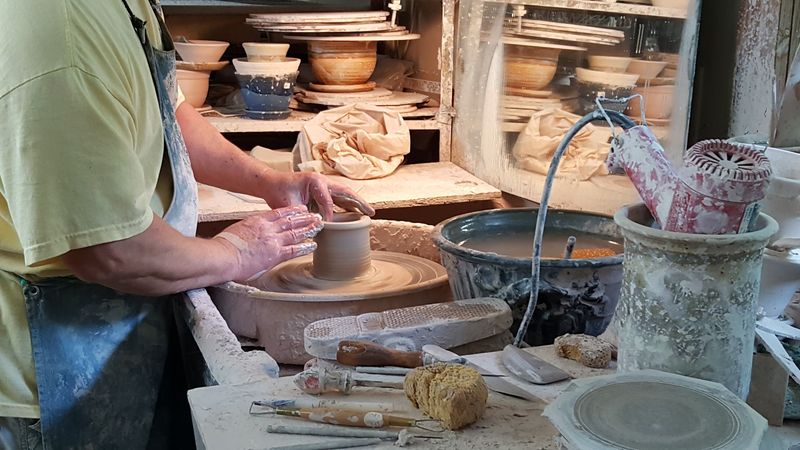
Ever dreamed of creating something beautiful with your own hands? Several studios offer classes where beginners can experience the magic of transforming clay into finished pottery.
Whether you want a single afternoon workshop or week-long intensive instruction, opportunities exist for every interest level and schedule.
These classes provide more than just technical skills. Instructors share stories about pottery traditions, explain different firing techniques, and reveal why certain glazes create specific colors.
Students leave with both practical knowledge and deeper appreciation for the craft they’ve seen in studios throughout town.
Most workshops welcome complete beginners, providing all necessary materials and patient instruction. You might start by hand-building simple forms or jump straight to the pottery wheel for throwing practice.
Either way, expect clay under your fingernails and probably on your clothes too. Dress accordingly and embrace the messy, meditative process.
Taking a class transforms you from observer to participant in pottery culture. The frustration of centering clay on the wheel and the triumph of pulling up your first successful pot create memories that last far longer than any purchased piece.
Many visitors discover a new hobby or even life passion through these workshops.