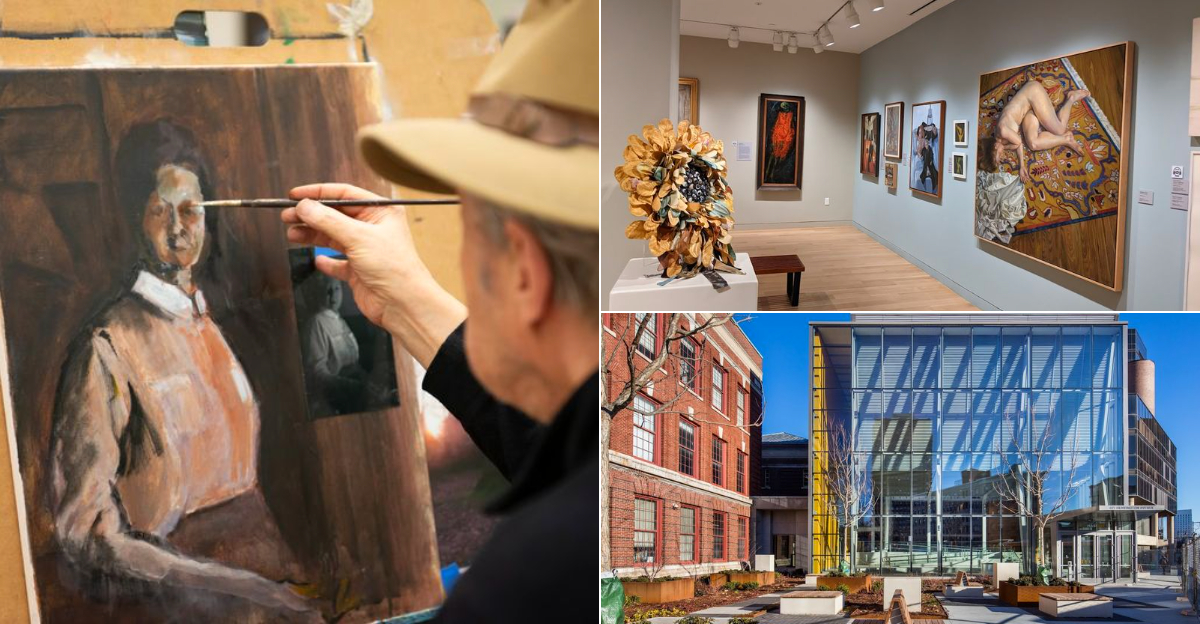
Massachusetts has long valued handmade arts, and these schools help keep that tradition active, accessible, and relevant.
Across the state, studios and art centers continue to teach skills that require patience, practice, and a real connection to materials.
Students and visitors can explore pottery, woodworking, fiber arts, jewelry, metalsmithing, painting, printmaking, glass, and other creative disciplines in supportive workshop settings.
They also serve as community gathering spaces where handmade work is celebrated rather than rushed or mass-produced.
These Massachusetts schools show that traditional craft is still very much alive, evolving through every person who chooses to learn by making.
1. Snow Farm: The New England Craft Program, Franklin County
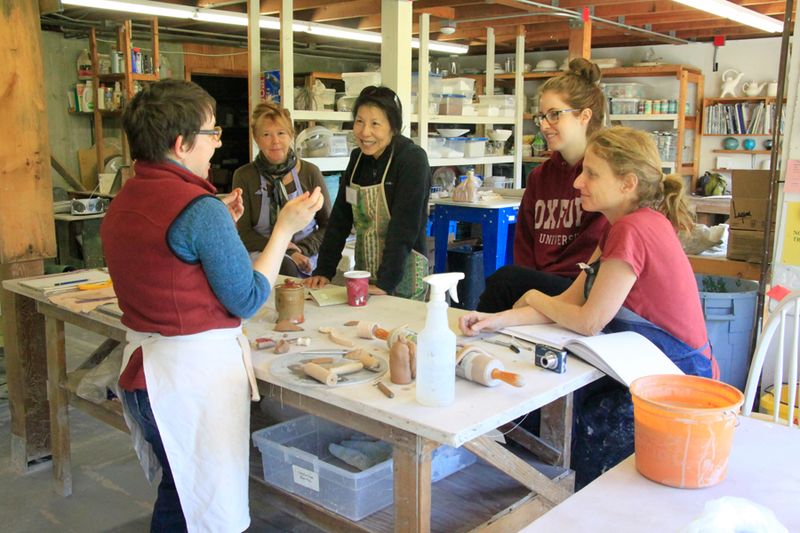
The road starts to feel quieter before the creativity gets louder.
The New England Craft Program sits in Williamsburg, where old farm buildings and open landscape give workshops a calm, focused rhythm that I noticed right away.
Classes here span blacksmithing, ceramics, glass, jewelry, basketry, and fiber arts, with short intensives that attract both beginners and working artists.
I like that the setting feels unplugged without being precious, and the school uses that simplicity well by keeping attention on tools, process, and skilled instruction.
Summer is especially lively, but the year-round schedule makes it worth checking beyond peak season.
If you visit, pack clothes you do not mind marking up, arrive a little early for parking, and take time to walk the grounds between sessions because the shift in pace helps ideas settle.
One small fun fact stayed with me: this place began in 1949, so the tradition here is not staged for visitors, it is lived.
Such long history gives the studios a steady confidence, and the atmosphere feels made by hands, not branding.
2. Worcester Center for Crafts, Worcester County
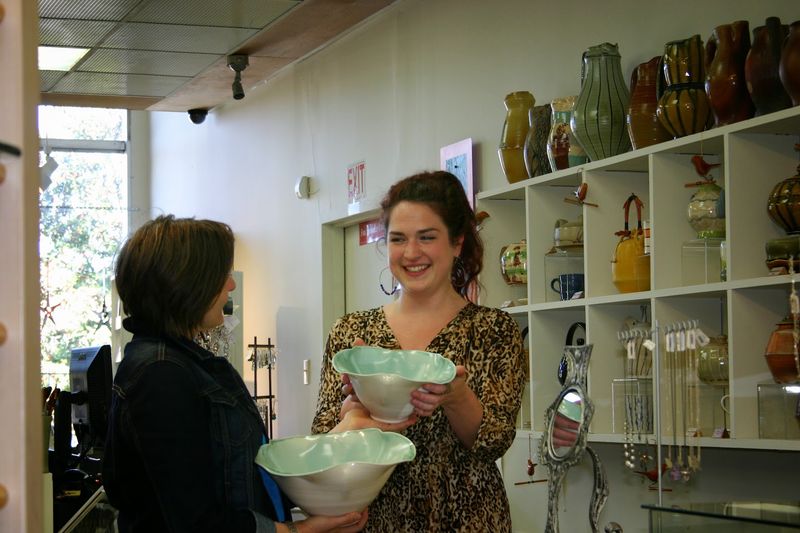
Brick walls and glowing kilns can make a city feel unexpectedly intimate.
Worcester Center for Crafts, in Worcester, has been building that kind of atmosphere for decades, bringing handmade practice into the middle of a busy urban setting.
The center is known for ceramics, metals, enameling, and glass, and the range gives the studios a satisfyingly industrious energy.
I appreciate how approachable the programming feels, because you can come in as a curious beginner or a more serious maker and still find room to grow.
Its exhibitions and events add another layer, letting you see finished work while classes reveal how much labor sits behind every polished surface.
If you stop by, check the calendar before you go, since seasonal workshops and open studio opportunities can shape the best day to visit.
There is also something grounding about learning craft in a city with its own long manufacturing story.
That connection between historical making and present-day teaching gives the place a practical spirit, and it leaves you thinking about craft as part of everyday life, not a separate world.
3. The Eliot School of Fine & Applied Arts, Suffolk County
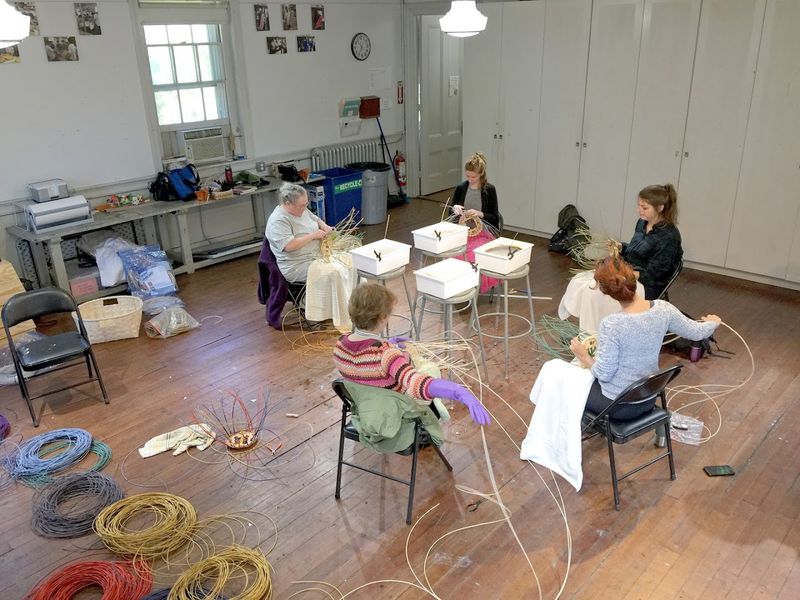
Creative energy can hide in plain sight on a neighborhood street.
The Eliot School of Fine & Applied Arts in Jamaica Plain, Boston, has that wonderful lived-in feeling, where serious craftsmanship and community access share the same table.
Founded in 1676 as a school and reimagined over time, it now offers woodworking, sewing, ceramics, drawing, printmaking, and children’s programs.
I like how the course list bridges practical hand skills and artistic exploration, so you can learn something useful while still making work that feels personal.
The school also does meaningful outreach in public schools and community spaces, which makes its mission larger than one building.
If you are visiting for a class, give yourself extra time for neighborhood parking and a short wander through Jamaica Plain, since the area adds to the experience.
What stayed with me most is the tone: capable, welcoming, and refreshingly unpretentious.
This is the kind of place where handmade arts do not feel frozen in tradition, because every class quietly proves that old skills can keep meeting modern lives without losing their character.
4. Artisans Asylum, Middlesex County
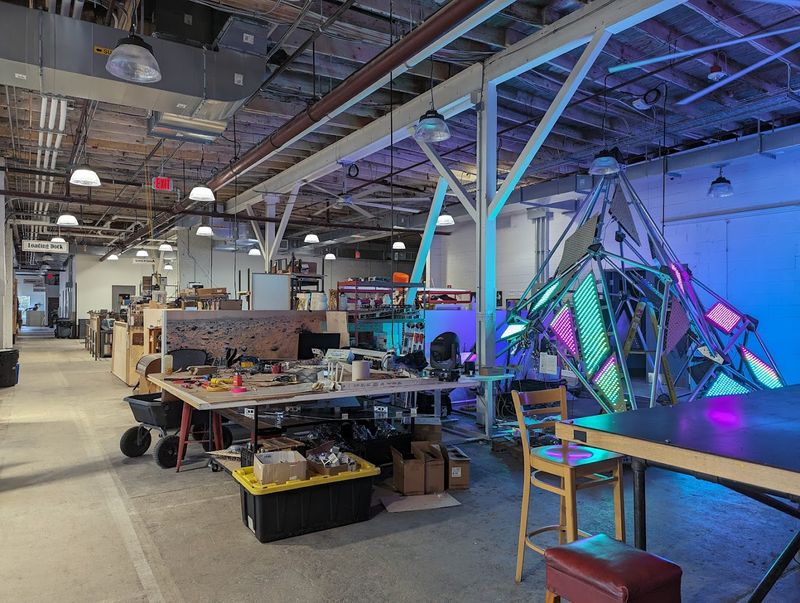
Sometimes the loudest idea in the room comes from a table saw, not a lecture.
Artisans Asylum in Allston operates as a makerspace with a strong educational pulse, and the scale of its workshops makes experimentation feel both serious and possible.
Here you can find classes in fabrication, woodworking, machining, sewing, jewelry, electronics, and other hands-on disciplines that blur the line between art, craft, and invention.
I enjoy places where curiosity gets equal billing with expertise, and this one rewards people who like learning by doing, fixing, and trying again.
The atmosphere is more industrious than precious, which is part of the appeal.
If you visit, look closely at safety and orientation requirements before booking anything, because access to equipment often depends on training and that structure keeps the energy focused.
There is also a democratic charm to the whole setup, since artists, tinkerers, and entrepreneurs often work within earshot of one another.
That mix creates useful cross-pollination, and you leave with the sense that handmade culture can thrive just as strongly beside machines as it does beside paintbrushes.
5. Fuller Craft Museum, Norfolk County

Not every classroom has white walls and museum labels, but some of the best conversations about making happen there.
Fuller Craft Museum in Brockton is primarily a museum, yet its educational programs and workshops make craft feel active rather than merely displayed.
The institution focuses on contemporary craft, highlighting ceramics, textiles, wood, jewelry, glass, and mixed media in ways that connect process with finished objects.
I find that especially useful if you want inspiration before taking a class, because seeing accomplished work can sharpen your eye without making creativity feel distant.
Programs vary, but family activities, talks, and hands-on events regularly invite visitors into the making experience.
If you plan a visit, check the exhibition schedule first and leave time for the museum shop, where the selection often gives a quick lesson in how varied modern craft can be.
The setting also has a calm pace that helps you look longer and think better.
What I remember most is how clearly the museum argues that handmade work belongs in contemporary culture, not tucked away as a charming leftover from another era.
6. New Art Center, Middlesex County
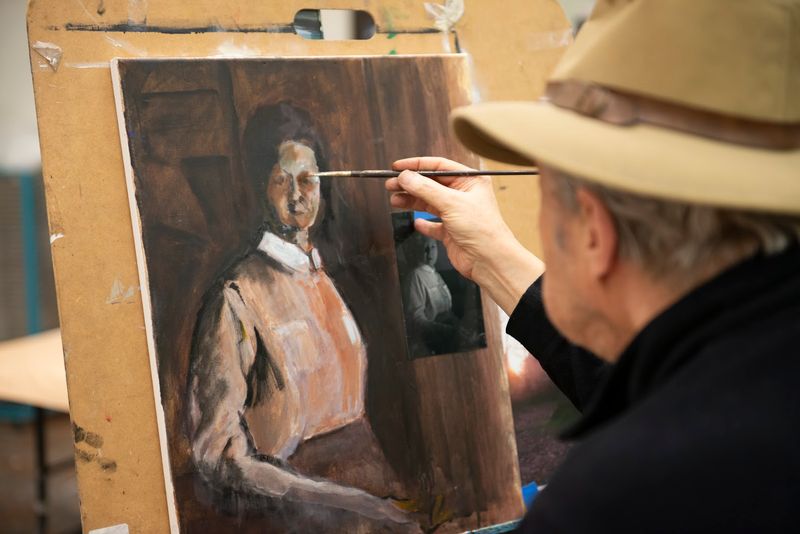
A good art school can make experimentation feel less like risk and more like routine.
New Art Center in Newtonville, part of Newton, does that well by offering broad programming that welcomes children, teens, adults, and families into the same creative ecosystem.
Courses range from painting and drawing to ceramics, printmaking, and mixed media, and the school keeps access at the center of its mission.
I respect that approach because community arts spaces work best when they lower the temperature around perfection and let people learn at their own pace.
The center also partners with local organizations and schools, which gives its classes a civic dimension beyond studio walls.
If you are visiting, check whether there is a gallery show on view, since pairing a class with an exhibition makes the experience feel fuller and helps connect practice with presentation.
What makes the place memorable is its flexibility, not flash.
It quietly proves that handmade arts stay alive when a school treats creativity as something ordinary and necessary, the kind of skill you return to regularly rather than save for a special occasion.
7. Danforth Art School, Middlesex County
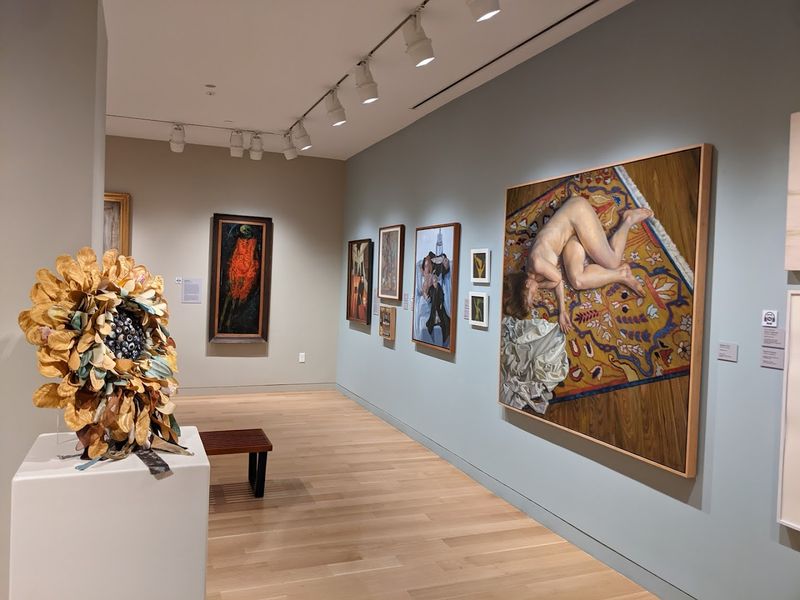
Some places teach you with one hand and inspire you with the other.
Danforth Art School in Framingham benefits from its connection to a museum, creating a setting where studio practice and looking closely at art naturally reinforce each other.
The school offers drawing, painting, ceramics, photography, printmaking, and youth classes, all with a clear emphasis on skill building.
I like that balance because strong fundamentals can make experimentation more satisfying, and here the learning feels structured without becoming stiff or overly formal.
Its location within a broader cultural institution means exhibitions are never far away, which gives students visual reference points they can carry back into class.
If you plan a visit, check for parking details and current shows in advance, since combining both in one trip gives you the richest sense of the place.
There is also a long-running regional credibility here that artists in Massachusetts tend to recognize.
What stayed with me was how effectively the school turns observation into practice, making the move from gallery looking to hands-on making feel natural instead of intimidating.
8. Mudflat Studio, Middlesex County
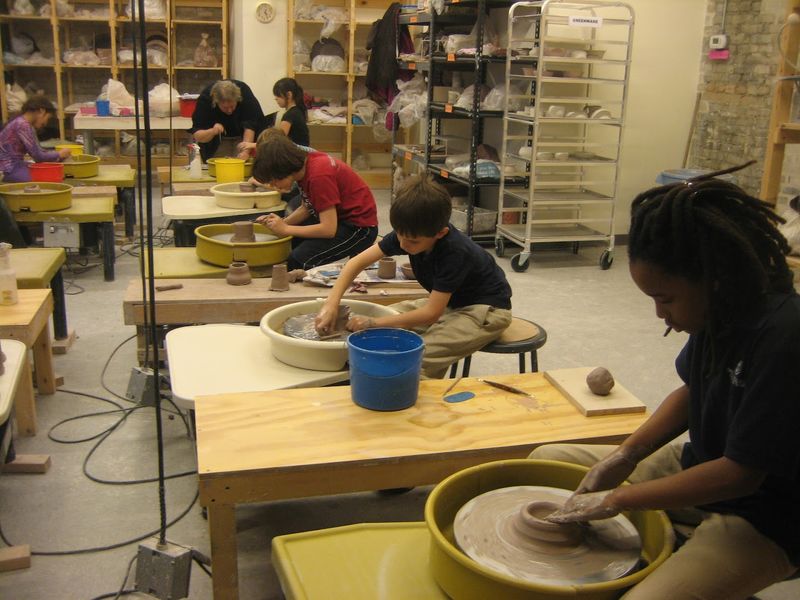
Clay has a way of slowing the room down, even when everyone is busy.
Mudflat Studio in Somerville has been doing that for years, centering ceramic arts in a community setting that feels grounded, focused, and refreshingly direct.
Wheel throwing, handbuilding, glazing, and firing are at the heart of its classes, and the studio’s specialization gives it real depth.
I tend to trust places that know exactly what they are about, and Mudflat commitment to ceramics creates a strong learning environment for both first-timers and more experienced potters.
The studio also supports exhibitions and artist opportunities, so the atmosphere extends beyond lessons into a wider ceramic community.
If you are thinking of visiting, wear simple clothes, keep your nails short if you plan to throw on the wheel, and expect clay to humble you in a useful way.
One detail I appreciate is how tactile the whole experience remains, even after the class ends and pieces head to the kiln.
After all, the physical rhythm makes each visit memorable, and it reminds you that handmade work often starts with patience before it ever earns polish.
9. Brookline Arts Center, Norfolk County
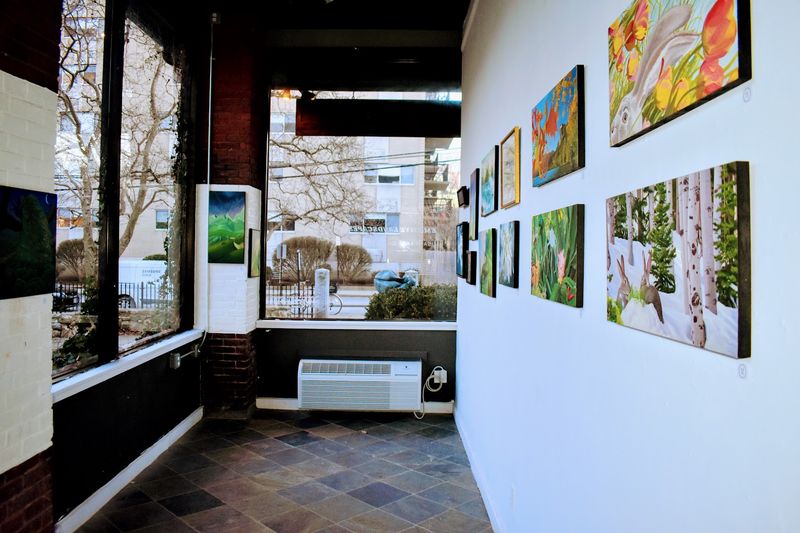
Neighborhood arts centers often do their best work without making a fuss about it.
Brookline Arts Center in Brookline has that understated strength, offering classes and workshops that keep creative practice accessible, local, and woven into everyday life.
The program includes painting, drawing, ceramics, printmaking, photography, and youth education, with plenty of opportunities for beginners.
I appreciate how easy it feels to imagine yourself here, because the center avoids gatekeeping and instead builds confidence through approachable teaching and a welcoming studio culture.
Community exhibitions and special events help connect students with local audiences, which gives the center a lively public face.
If you are planning a visit, review the schedule carefully because class formats vary, and a one-time workshop can be a smart way to test a medium before committing to a longer session.
The location also makes it simple to combine art time with a wider day in town, which adds to its appeal. What lingers is the center’s sense of steadiness, proving that creative workshops survive not only through prestige but through consistent neighborhood participation.
10. Massachusetts College of Art and Design Continuing Education, Suffolk County
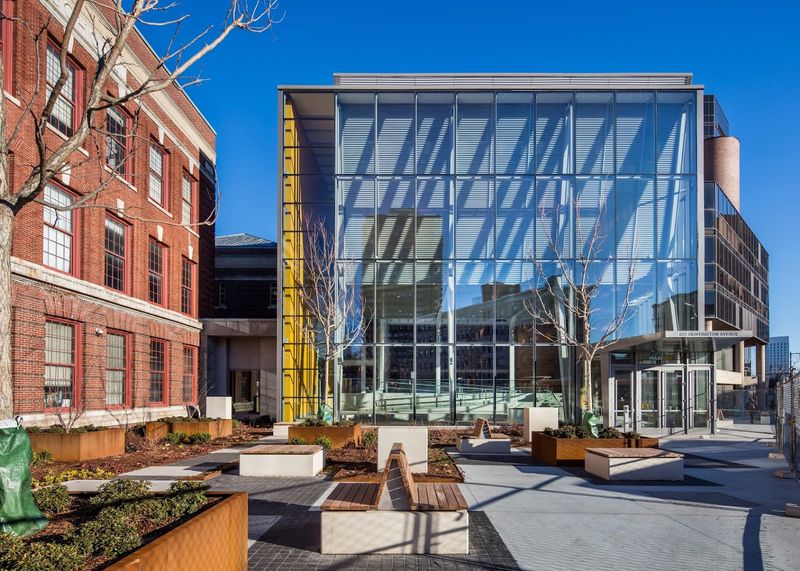
Returning to class as an adult can feel oddly thrilling, like opening a sketchbook after too long. Massachusetts College of Art and Design Continuing Education in Boston taps into that feeling, offering nondegree courses inside a campus already shaped by serious art-making.
The menu is broad, with options in illustration, design, ceramics, photography, printmaking, painting, and digital media, so traditional and contemporary practices meet easily.
I like the mix because it lets you pursue handmade skills while still seeing how they relate to professional creative fields and newer technologies.
Being part of MassArt also means access to an atmosphere where art is treated as rigorous work, not just a hobby.
If you are considering a class, read course descriptions closely and note supply lists early, since materials can vary widely and Boston commuting is easier when you plan ahead.
What stands out most is the sense of momentum on campus, where continuing education students learn alongside the wider pulse of an art college.
That context gives the experience extra charge, and it makes skill building feel current, ambitious, and very much alive.