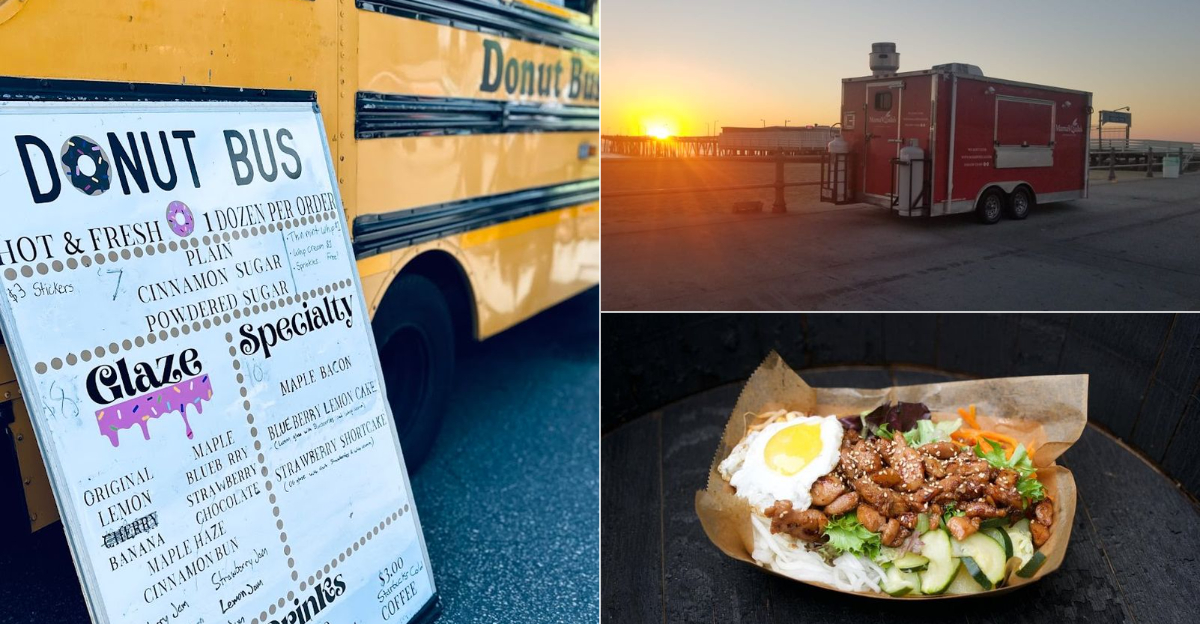
Forget Google Maps and Michelin stars, in North Carolina, the real culinary treasure map is written on chalkboards and followed through social media coordinates.
The state’s best-kept food secrets do not have fixed addresses, they have wheels.
The best part is the uncertainty itself: you are never entirely sure where the aroma will lead, but you know something extraordinary is waiting at the end of it.
From smoke-filled barbecue rich with tradition to Asian-Southern fusion that completely ignores the rules, these food trucks feel like modern pirate ships of flavor.
Here are 11 wonders on wheels worth tracking down across the roads of North Carolina.
The Cow and The Oak
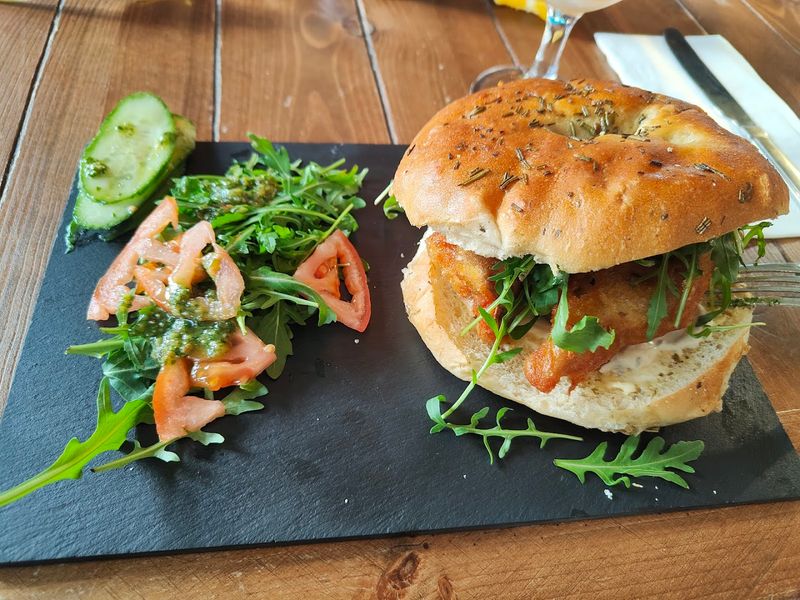
Some trucks announce themselves with color and noise, but this one tends to arrive like a low signal of smoke on the breeze and the faint scrape of boots over gravel.
Near Greensboro and smaller stops beyond it, the setting can feel half rural, half industrial, with weathered picnic tables, open sky, and the occasional dog circling beneath benches while orders are called out. Smoke hangs in the air long before anyone reaches the window, settling into jackets and reminding everyone nearby that patience is about to pay off.
Nothing here feels staged.
A breeze moves through nearby trees, a couple of motorcycles roll in and idle for a moment, and strangers begin comparing what they ordered as though they have known each other longer than ten minutes.
By sunset, the scene deepens into amber light and soft conversation, and the truck becomes less a place to grab dinner than a gathering point with its own gravity.
Even after the meal is gone, the scent of fire follows people back to their cars.
Bulkogi
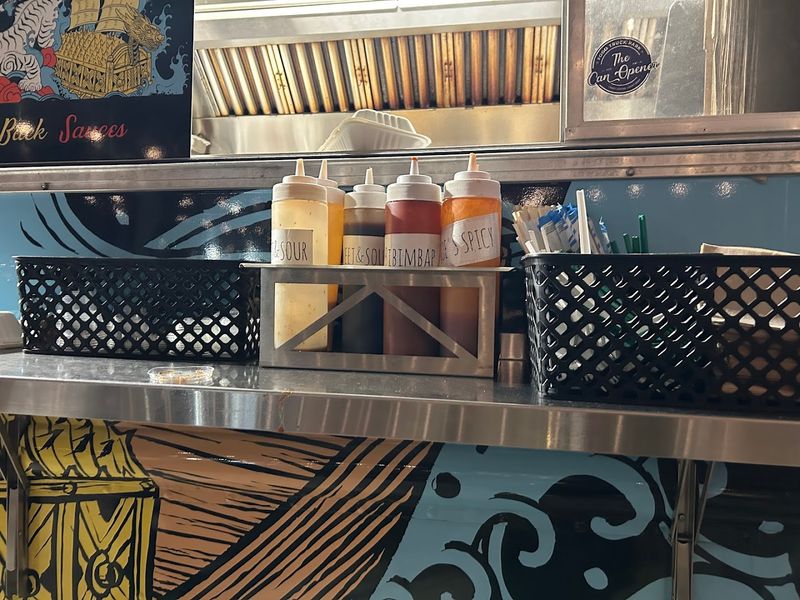
Late at night, when downtown sidewalks start thinning just enough for voices to echo, this truck often glows like a bright rectangle against brick walls and dark storefront glass.
Around Raleigh, it fits naturally into that hour when people are not quite ready to head home, when a small crowd gathers under streetlights and the hiss from the grill sounds sharper in the cooling air.
The whole scene feels urban without being polished, all quick exchanges, passing music, and the faint shine of neon reflected on parked cars.
Orders move out fast, yet there is still room for a kind of improvisation in the atmosphere.
Someone leans against a bike rack, another group claims the edge of a curb as if it were a proper dining room, and laughter keeps breaking through from somewhere off to the side.
The smell of caramelized heat and toasted edges carries farther than expected, drawing in people who were only walking by a minute earlier.
It becomes a midnight anchor, small but unmistakable, holding the block together for one more hour.
OnlyBurger
There is often a slightly retro feeling around this truck, something that suits open lawns, outdoor concerts, and brewery courtyards where people settle into folding chairs before dusk fully fades.
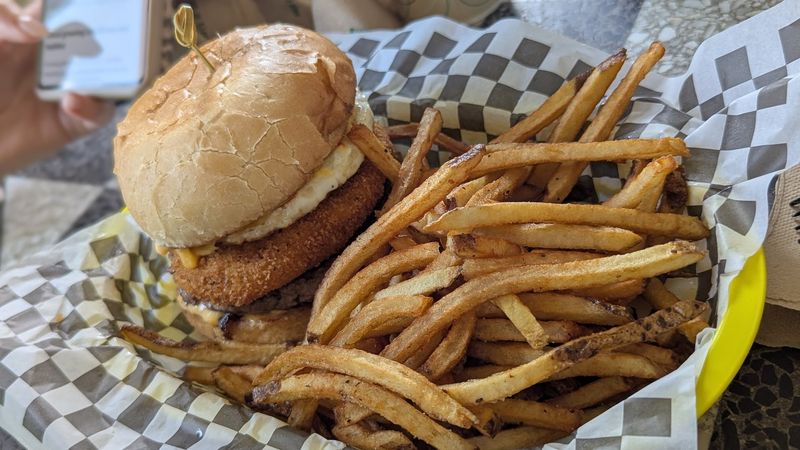
Under a string of bulbs and evening sky somewhere around Durham, the setup can look almost cinematic, with red taillights, coolers, and the smell of sizzling patties drifting through the crowd while baskets of fries move quickly from hand to hand.
Families, students, and regulars wander easily between the window and the grass, balancing paper boats stacked with burgers that feel intentionally messy in the best possible way.
The rhythm is friendly but not precious, more like a neighborhood ritual that keeps finding new backdrops.
Children run loops around picnic tables while adults balance drinks and keep half an eye on the order line, and every few minutes someone calls over to ask what arrived in that paper boat.
The soundscape matters as much as anything: a little live music from across the lot, the rustle of bags, the short burst of laughter when ketchup lands where it should not.
By the time darkness settles in, the truck has become part of the evening’s architecture, as expected and comforting as the first porch light switching on.
Mama Voula’s
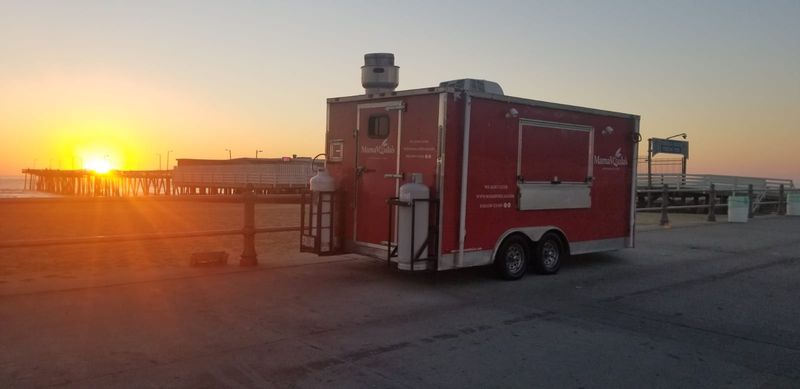
On certain evenings, especially at neighborhood gatherings or church lots where folding tables appear almost magically before sunset, this truck brings a softer mood than the louder late-night stops.
People approach it with the relaxed energy of those who intend to stay awhile, not simply order and leave. Around parts of Charlotte, the aromas drifting outward mingle with summer grass, warm pavement, and the perfume of someone walking by in a hurry.
The pace feels generous, allowing conversations to stretch and children to drift back and forth between adults.
Nothing about the scene demands attention, which may be why it feels memorable.
A breeze lifts paper napkins at the edges, headlights sweep briefly across the lot, and one family after another settles into the practical comfort of plastic chairs and curbside seating.
The truck works beautifully in those in-between spaces North Carolina does so well, places not designed for romance yet somehow capable of it anyway.
Under plain lighting and an ordinary sky, dinner becomes threaded into community life with almost no effort at all.
Succotash
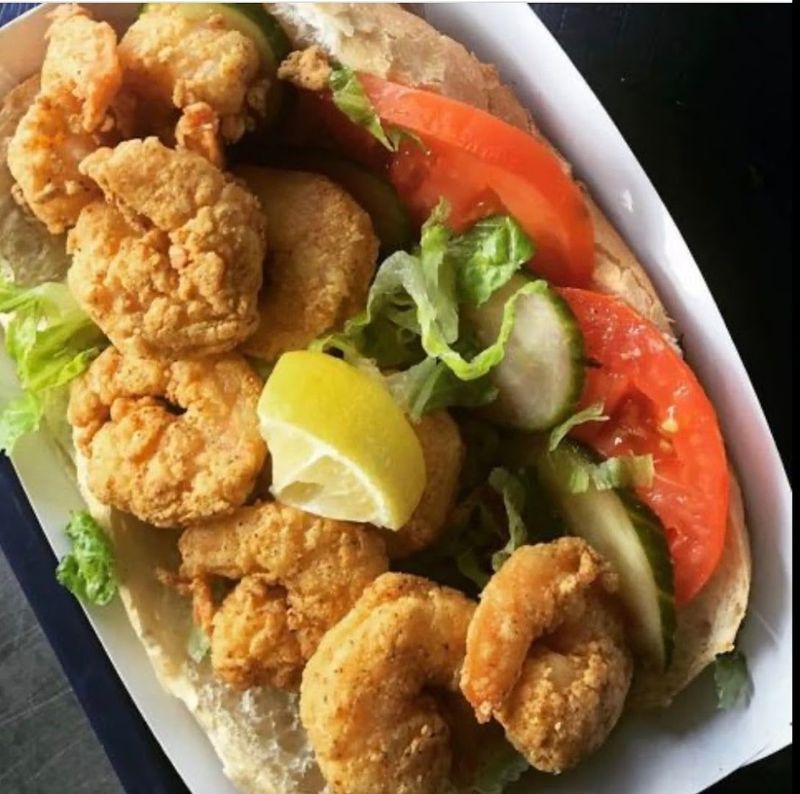
Somewhere between an arts district pop-up and a brewery stop after work, this truck often catches the exact moment a day loosens its grip.
The atmosphere can shift from gray afternoon to glowing evening in the span of a few orders, with murals, warehouse walls, and stacked stools giving the scene a rough-edged backdrop.
Around Raleigh’s warehouse districts and outdoor gathering spots, the line tends to be talkative, full of people comparing events, weekend plans, and nearby music as if the meal were only one thread in a larger social pattern.
Yet the truck holds attention.
A server slides open the window, steam pushes out, and the small crowd inches forward with the focused quiet that arrives when everyone catches the same smell at once.
Rain-spotted pavement, patio heaters, and the scrape of chair legs all add texture to the wait, making it feel grounded instead of glamorous.
What stays in memory is that sense of timing, of arriving at a place just as the weather, the light, and the appetite all decide to align for an hour.
American Meltdown
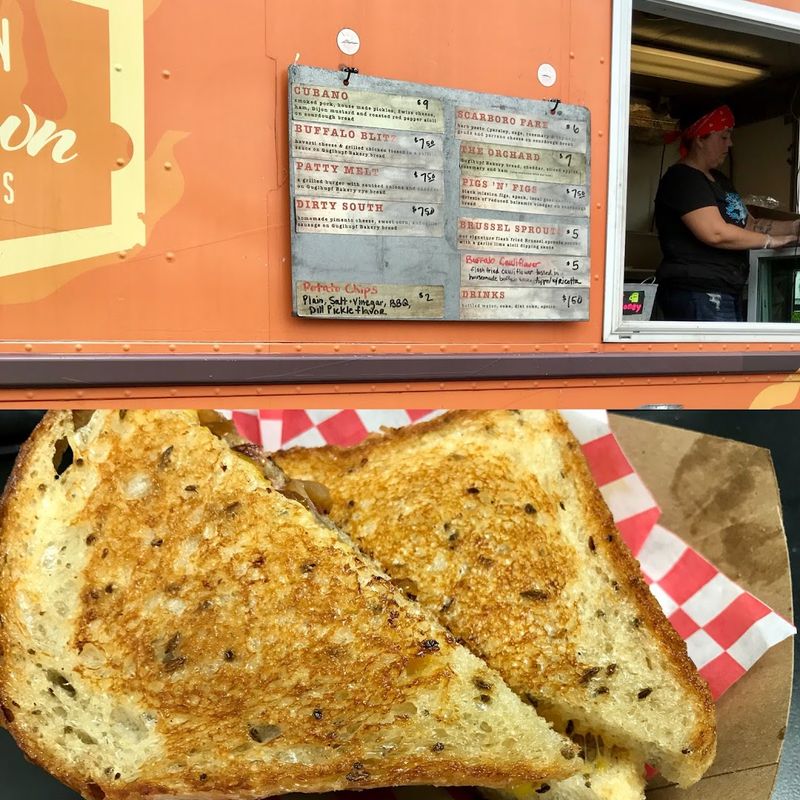
Rain somehow suits this truck.
Parked outside a brewery in Asheville or at a damp evening event where everyone keeps shifting under awnings, it gives off the kind of warm light that makes wet pavement look almost theatrical.
The smell carries farther in cool weather, drifting through drizzle and drawing people from tables where they had been pretending not to be hungry for another round.
Umbrellas lean against benches, jackets darken with mist, and the window becomes a small center of brightness in a gray, dripping world.
There is a welcome messiness to the whole scene, with napkins tucked into sleeves, fogged glasses, and friends negotiating seats under whatever cover they can find.
A truck like this thrives in that slight discomfort, when cold fingers meet hot paper trays and everyone suddenly grows quieter for a minute.
It turns weather into part of the meal, not an inconvenience but a crucial layer, making a soaked parking lot feel unexpectedly generous and strangely intimate.
Poblanos Tacos
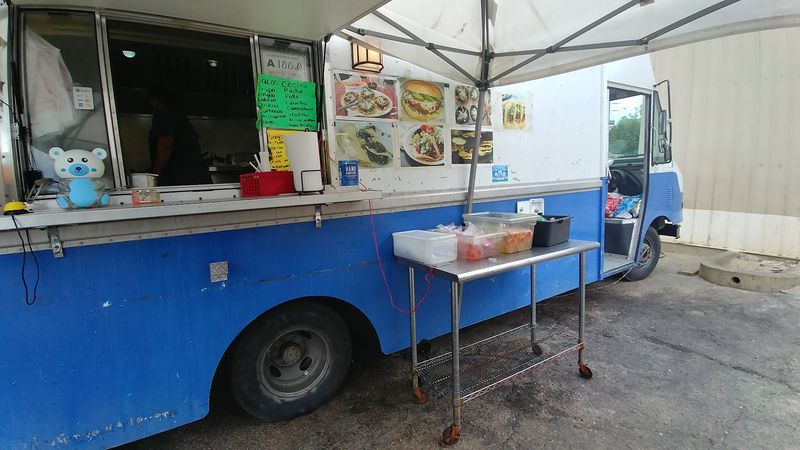
By the time darkness settles over the lot, the brightest thing around is usually the menu board glowing against a row of parked cars.
Whether set beside a gas station, a roadside market, or a cluster of small businesses on the edge of town, this truck has the kind of gravity that pulls people in from every direction.
Construction crews still in work clothes arrive alongside teenagers easing in with music playing low in the car, many already knowing exactly which tacos or dripping paper trays they came for.
The setting can feel improvised in the best way, built from folding tables, quick conversations, and the confidence of a place that knows exactly why people came.
Someone is shaking sauce onto a tray near the hood of a pickup, another group is translating the menu for a friend, and a child keeps dancing in the wash of headlights while an order number is called.
North Carolina has many nights like this, thick with heat and engine noise, but not all of them sharpen into memory.
Here, they do, because the whole experience feels direct, unvarnished, and full of life happening all at once.
Dusty Donuts
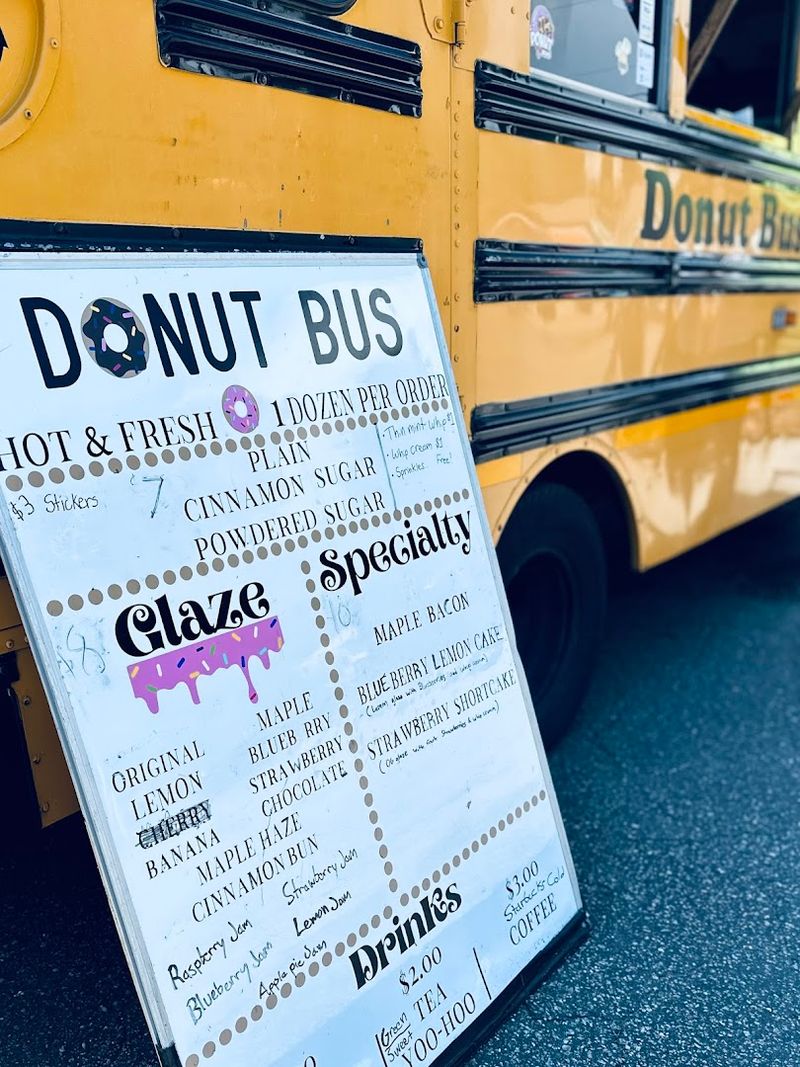
Not every memorable truck scene happens after dark.
At a morning market or outside a community festival just after sunrise, this one arrives with a different kind of anticipation.
The atmosphere feels quieter at first, shaped by coffee steam, stroller wheels, and the shuffle of vendors still arranging tables.
The light is low and clean, and for a little while the day feels wonderfully undecided, as if anything pleasant might still happen.
Then the line begins to build.
Runners in damp shirts stand beside grandparents, while children press closer to the counter glass.
The smell of sugar and frying dough moves through the air with astonishing reach, catching people halfway to somewhere else and turning them around.
There is a gentle disorder to the wait, napkins escaping in the breeze, dogs tangling leashes around ankles, cash and phones trading hands too quickly.
By the time church bells or market music start up in the distance around Wilmington, the truck has done something simple and difficult: it has made an ordinary morning feel worth slowing down for.
Cousins Maine Lobster
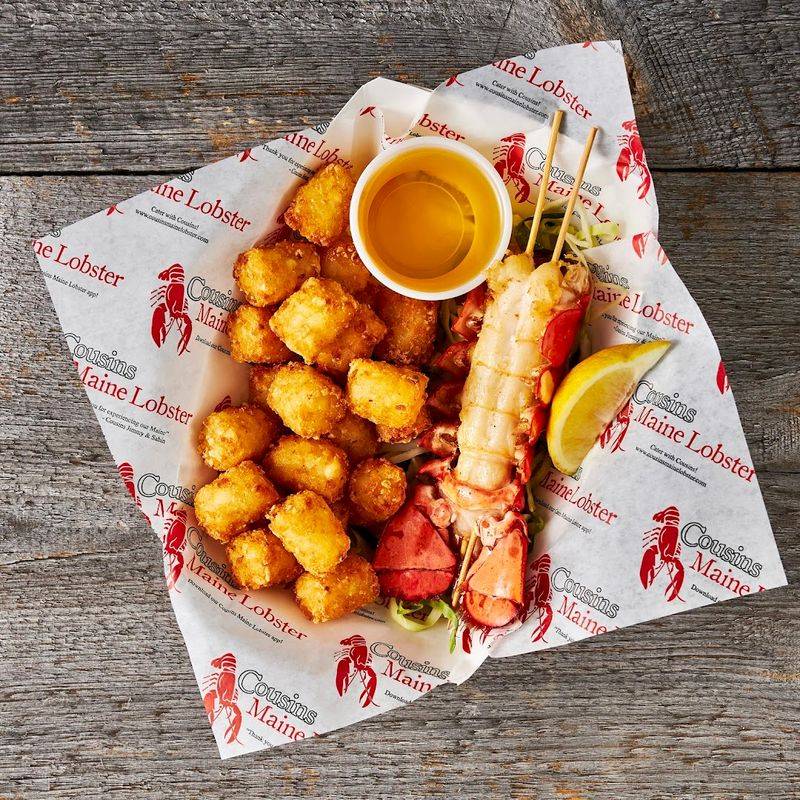
Seeing a seafood truck land in an inland lot can feel slightly improbable at first, which is part of the appeal. The truck often appears at shopping centers, brewery events, or broad suburban lots where people arrive with practical expectations.
Many leave talking about buttery lobster rolls, overflowing seafood baskets, and the strange pleasure of eating something that seems borrowed from another coastline.
Around Cary, Winston-Salem, and similar North Carolina suburbs, the setting is rarely romantic on paper, just asphalt, carts, windblown receipts, and families weaving between parked SUVs, yet the energy around the window gives it shape.
Midafternoon light bounces off windshields, someone checks the truck’s social feed to confirm the next stop, and a neat queue forms with surprising speed.
There is less of the late-night mood here and more of a bright, anticipatory hum, the feeling of a temporary event settling into ordinary space and changing it for a few hours.
That contrast makes the experience stick.
Against all that suburban functionality, the truck creates a brief pocket of occasion, making people linger beside curbs as if they had stumbled onto something rarer than lunch.
Taqueria Las Gringas
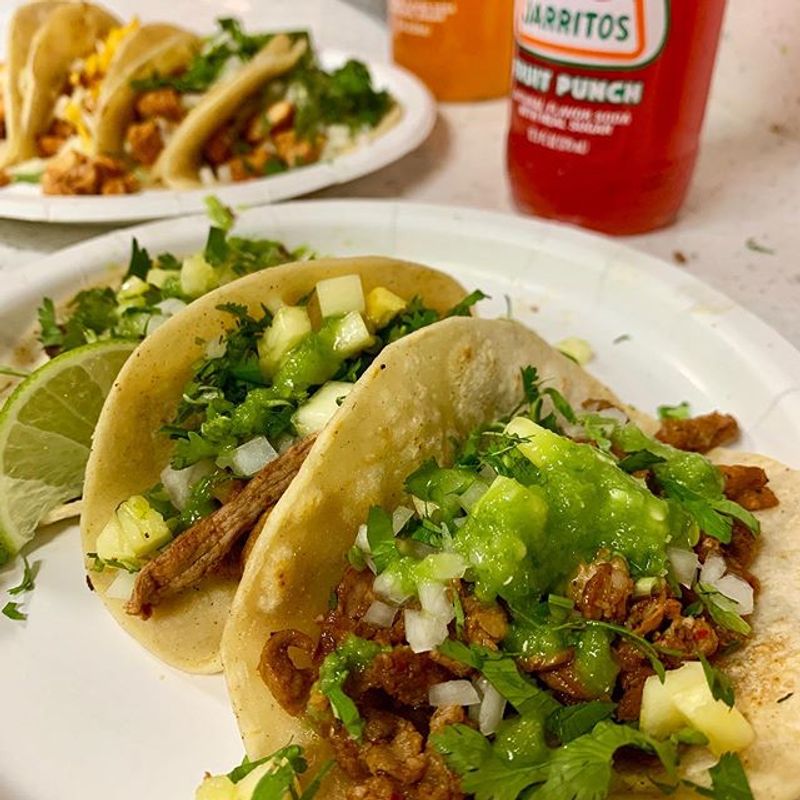
Some nights have a restless quality, and this truck meets that energy without trying to smooth it out.
Parked near nightlife corridors, tucked into roadside lots, or stationed where workers and weekend crowds briefly overlap, it feels plugged directly into the movement of the street.
The surrounding soundtrack can shift by the minute, bass from a passing car, Spanish drifting from one side of the line, a burst of laughter from the curb, then the sharp call of an order cutting through it all.
The atmosphere is not neat, and that is exactly why it works.
People eat standing up, leaning against trunks, balancing cups on whatever flat surface they can find, while others wait with the relaxed certainty that the line will move when it moves.
Light from the truck washes across faces, shoes, and puddles, turning the whole patch of pavement into a temporary stage.
It feels immediate, almost improvised, as if the best version of the night has gathered here for twenty minutes before scattering again into traffic, music, and dark side streets around Charlotte.
Bulkogi
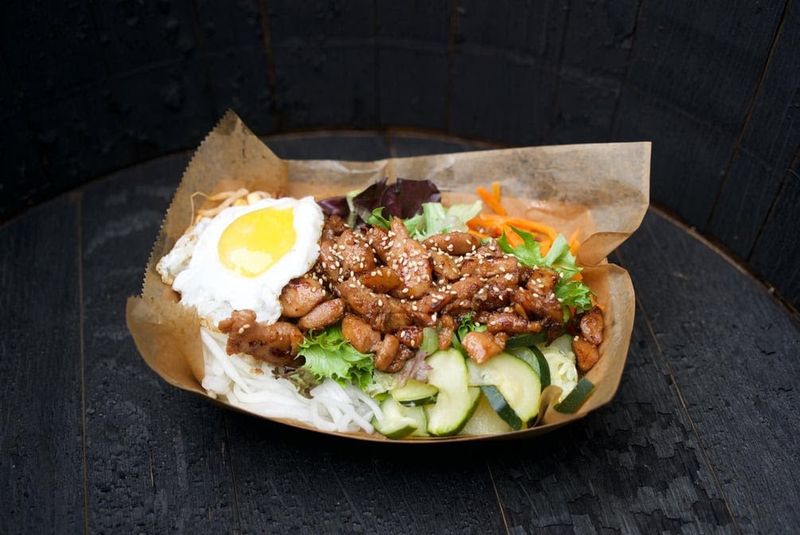
By early evening, the air around this bright setup tends to carry a soft cloud of steam and soy, drifting past picnic tables and into conversations already half underway.
In Durham, the line often forms with an easy patience, people leaning on fences, holding cold drinks, glancing toward the window whenever baskets are lifted and the next orders slide forward.
There is something magnetic about the pace here, not rushed, not sleepy, just steady enough to make the wait feel like part of the event rather than a delay before it.
Music from the nearby patio usually mingles with the clatter of containers and the sudden laughter that breaks out when friends spot each other in line.
Streetlights come on, condensation beads on cans, and paper trays begin moving from hand to hand as if everyone has quietly agreed to settle in longer than planned.
What lingers most is not only dinner but the scene itself, a warm pocket of motion and light that makes an ordinary parking lot feel briefly transformed.